

Have you ever walked into a room and immediately felt like you could exhale? There is a certain magic in a home that doesn’t just look like a magazine spread, but actually feels like a reflection of the soul. We spend so much of our lives within these four walls, and I truly believe that our environment is the silent narrator of our personal story. Whether it’s the way the morning light hits a specific ceramic vase or the comforting weight of a hand-knitted throw, our decor choices are the heartbeat of our daily sanctuary.
Finding your signature style isn’t about following the latest trends or buying the most expensive furniture; it’s about discovery. It’s about that ‘aha!’ moment when you realize a specific color palette makes you feel energized, or a certain texture reminds you of a childhood summer. Today, I’m diving deep into ten unique ways to transform your space, from the nostalgic vibes of the nineties to the spiritual peace of a devotional corner, helping you curate a home that is unapologetically yours.
How to Infuse Rustic Mexican Warmth for a Cozy Gathering Space

Why we love this
There is an undeniable soulfulness in Mexican rustic decor that wraps you in a warm embrace the moment you step into the room. We adore the way the earthy, sun-baked scent of terracotta tiles mingles with the rich, honeyed aroma of aged pine furniture. The texture is key here—the slight grit of a plaster wall paired with the soft, nubby touch of a hand-woven wool serape. It creates an atmosphere that feels festive yet grounded, perfect for long evenings spent sharing stories and spicy hot chocolate by a crackling fire.
Essential Elements:
- Terracotta or Saltillo floor tiles
- Hand-carved dark wood furniture
- Talavera pottery with vibrant hand-painted patterns
- Woven wool rugs and textiles in sunset hues
- Wrought iron light fixtures and candle holders
- Potted succulents and cacti in clay vessels
How to make it
- Begin by establishing your warm color base; opt for walls in a soft cream or a light terracotta wash to mimic natural plaster.
- Incorporate a focal point of heavy, rustic wood, such as a hand-carved dining table or a chunky sideboard, ensuring the wood has a visible grain and a matte finish.
- Layer your textiles by draping a vibrant Mexican blanket over a leather sofa, ensuring the colors contrast with the neutral tones of the room for a pop of energy.
- Arrange a collection of Talavera pottery on open shelving, grouping them by color family to create a curated, intentional look rather than a cluttered one.
- Install a wrought iron chandelier with warm-toned LED Edison bulbs to cast a soft, amber glow that highlights the textures of the room.
- Finish the space by placing large clay pots filled with greenery in the corners, providing a fresh, organic contrast to the warm wood and stone elements.
How to Style Summer Home Accents for an Airy Seasonal Glow
Why we love this
Summer decor is all about capturing the fleeting essence of a sun-drenched afternoon. We love the way crisp white linens catch the breeze from an open window, bringing with them the faint, refreshing scent of lemon zest and sea salt. The visual lightness of glass accents reflects the golden hour glow, making even the smallest room feel expansive and ethereal. It’s a sensory celebration of clarity and freshness, where every surface feels cool to the touch and every shadow is soft and inviting.
Essential Elements:
- Sheer linen window treatments
- Clear and sea-glass blue glassware
- Fresh citrus fruits in wooden bowls
- Light-colored woven seagrass rugs
- Potted palms or ferns
- Lightweight cotton throw pillows in pastel tones
How to make it
- Swap out heavy drapes for sheer, floor-to-ceiling linen panels to maximize natural light and encourage airflow throughout the room.
- Clear your coffee table and replace dark accessories with a tray of clear glass vases filled with water and a few sprigs of eucalyptus for a clean, watery aesthetic.
- Introduce a ‘citrus station’ in the kitchen or dining area by filling a large wooden bowl with lemons and limes; this provides a natural scent and a bright visual punch.
- Layer a thin seagrass or jute rug over your existing carpet to add a tactile, sandy texture that feels grounded and summery underfoot.
- Rotate your pillow covers to include breathable fabrics like cotton or silk in shades of sky blue, pale yellow, or mint green.
- Position a large mirror opposite your main window to bounce the summer sunlight into the darker corners of the room, doubling the perceived brightness.
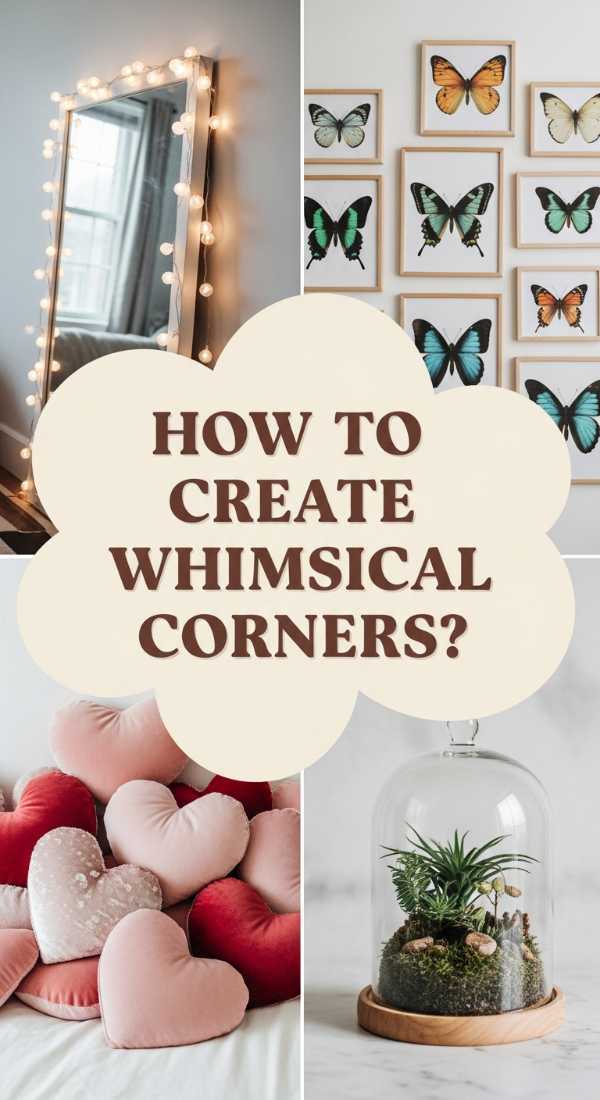
How to Create Whimsical Corner Details for a Magical Living Room

Why we love this
A whimsical corner is like a secret garden hidden within your home—a place where the rules of design take a backseat to imagination. We love the soft, twinkling ambiance created by hidden fairy lights that make the air feel like it’s shimmering with possibilities. The mix of velvet textures and vintage book spines creates a cozy, intellectual vibe that smells faintly of old paper and vanilla candles. It’s a space that invites you to curl up with a blanket and lose yourself in a fairytale for hours on end.
Essential Elements:
- String lights or ‘fairy’ lights with warm bulbs
- A plush velvet armchair or floor cushion
- Ornate, vintage-style picture frames
- Floating bookshelves or a small antique nightstand
- Dried lavender or whimsical floral arrangements
- Art prints featuring celestial or botanical themes
How to make it
- Select a neglected corner of your room and define the space by placing a high-back velvet chair or a stack of oversized floor pillows.
- Drape fine copper-wire fairy lights around the perimeter of the ceiling or weave them through a nearby bookshelf to create a soft, ethereal glow.
- Hang a cluster of mismatched vintage frames at varying heights, filling them with pressed flowers or sketches to create a gallery of ‘curiosities.’
- Add a small side table or a stack of vintage suitcases to hold a ceramic mug and a candle, ensuring the scent is something sweet like amber or sandalwood.
- Incorporate a ‘tall’ element like a pampas grass arrangement or a tall, slender floor lamp to lead the eye upward and make the corner feel intentional.
- Layer a soft, faux-fur rug underneath the seating area to provide a luxurious, grounding texture that defines the whimsical zone.
How to Curate Catholic Home Devotionals for a Peaceful Sanctuary

Why we love this
Creating a dedicated space for reflection brings an incredible sense of stillness to a busy home. We love the sacred atmosphere that develops when you light a pure beeswax candle and the rich, resinous scent of frankincense fills the air. The smooth, cool touch of polished wood icons and the delicate weight of heirloom rosaries create a tactile connection to history and faith. It is a visual and spiritual anchor that reminds us to breathe, pray, and find peace amidst the chaos of daily life.
Essential Elements:
- A dedicated small table or ‘home altar’
- Religious icons or framed sacred art
- Beeswax candles or vigil lamps
- Crucifix as a central focal point
- A small bowl for holy water
- Fresh flowers or seasonal greenery
How to make it
- Choose a quiet, low-traffic area of your home, such as a bedroom corner or a dedicated study, to set up your devotional space.
- Place a clean, white or embroidered linen cloth over a small console table to create a consecrated feel for the objects placed upon it.
- Position a central crucifix at eye level on the wall or on a stand, ensuring it serves as the primary focal point of the arrangement.
- Flank the crucifix with two beeswax candles; the height of the candles should be lower than the crucifix to maintain a visual hierarchy.
- Incorporate a small ‘prayer basket’ to hold your rosary, a prayer book, and a journal, keeping the space organized and functional for daily use.
- Add a small vase with a single white lily or rose, refreshing the water regularly to symbolize purity and life within your sanctuary.
How to Master Coastal Home Elegance for a Breezy Shoreline Vibe

Why we love this
Coastal elegance is far more than just blue and white stripes; it’s about the sophisticated harmony of natural elements. We love the way the rough, salty texture of a piece of driftwood contrasts with the smooth, cool surface of a white marble countertop. There’s a clean, ozonic scent associated with this style—like fresh air after a storm—that makes the home feel incredibly restorative. It’s a design language that speaks of luxury but remains completely approachable and relaxed, much like a quiet morning on a private beach.
Essential Elements:
- A palette of whites, creams, and soft sandy beiges
- Rattan or wicker furniture accents
- Natural seagrass or sisal rugs
- Blue and white ginger jars or ceramics
- Coral or shell motifs (used sparingly)
- Slipcovered sofas in white cotton or linen
How to make it
- Start with a foundation of neutral, light-colored walls in a ‘cool’ white to mimic the reflective quality of coastal light.
- Invest in large, comfortable seating with white cotton slipcovers; this allows for a lived-in look that is easy to clean and maintain.
- Layer a large sisal rug in the center of the room to provide a sturdy, organic texture that anchors the lighter furniture pieces.
- Introduce ‘coastal blue’ through accessories like navy throw blankets or soft azure glass lamps, keeping the color pops focused and deliberate.
- Display one or two high-quality pieces of coral or a large conch shell on a stack of coffee table books to serve as an organic conversation piece.
- Ensure window treatments are minimal; use bamboo shades or light linen curtains that can be easily pulled back to let in the maximum amount of light.
How to Source Vintage Home Treasures for a Timeless Personal Style

Why we love this
There is a thrill in the hunt for vintage treasures that modern furniture simply can’t replicate. We love the rich patina of a mid-century teak sideboard and the way it tells a story of decades past. The smell of old wood and the weight of solid brass hardware provide a sense of permanence and quality. Integrating vintage pieces makes your home feel unique and curated, moving away from a ‘showroom’ look and toward a space that feels earned, collected, and deeply personal.
Essential Elements:
- Mid-century modern or antique furniture pieces
- Brass or copper accent pieces with natural patina
- Vintage oil paintings or botanical prints
- Ornate gold-leaf mirrors
- Antique Persian or Turkish rugs
- Artisan-made ceramic vases
How to make it
- Focus on finding one ‘hero’ vintage piece, such as a large wooden dresser or an armchair, and build the rest of your modern decor around it.
- Look for items with ‘good bones’—solid wood construction and interesting silhouettes—even if they require a light sanding or new upholstery.
- Incorporate brass accents like vintage candlesticks or a pharmacy lamp; avoid polishing them to a high shine to keep the authentic aged look.
- Create a ‘collected’ gallery wall by mixing vintage oil paintings found at thrift stores with modern line drawings for a balanced, timeless feel.
- Check the underside of ceramic pieces for maker’s marks, which can help you identify high-quality artisan work from the mid-century era.
- Balance your vintage finds with clean-lined modern pieces (like a simple grey sofa) to ensure the room feels contemporary rather than like a museum.
How to Layer Boho Home Textures for a Relaxed Creative Haven
Why we love this
Bohemian style is a feast for the senses, emphasizing comfort, creativity, and a global spirit. We love the tactile explosion of macrame wall hangings, shaggy Moroccan rugs, and smooth silk pillows all coexisting in one space. The aroma of patchouli or earthy sage often lingers in these rooms, enhancing the relaxed, ‘free spirit’ vibe. It’s a style that encourages you to kick off your shoes, sit on the floor, and surround yourself with the things that inspire your creative soul.
Essential Elements:
- Macrame or woven wall tapestries
- Layered rugs (jute base with a patterned top rug)
- Abundance of indoor plants (hanging and floor-standing)
- Floor pillows and poufs in global prints
- Bamboo or rattan lighting fixtures
- Tasseled or fringed throw blankets
How to make it
- Start by layering two rugs in your living area: place a large, neutral jute rug down first, then angle a smaller, colorful Persian or Kilim rug on top.
- Incorporate varying heights of greenery by placing a tall fiddle-leaf fig in a corner and hanging several pothos plants from the ceiling in macrame holders.
- Replace standard throw pillows with a mix of textures—velvet, mudcloth, and embroidered silks—ensuring they all share at least one common color.
- Hang a large woven tapestry or a collection of baskets on the main wall to add soft texture and visual interest without the need for heavy frames.
- Use low-profile furniture, such as a platform bed or a low-slung sofa, to keep the energy of the room grounded and informal.
- Finish with a rattan pendant light that features an open weave, which will cast beautiful, intricate shadows across the walls when lit.
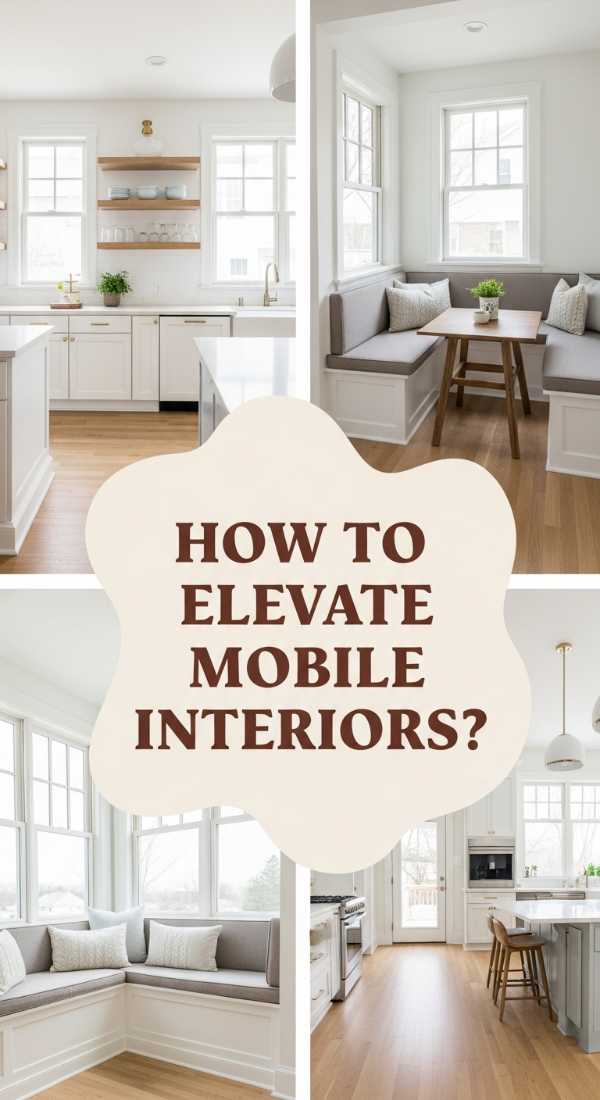
How to Elevate Mobile Home Interiors for a Spacious Modern Feel
Why we love this
Elevating a mobile home is all about the art of the ‘visual expansion,’ and the results are incredibly satisfying. We love the transformation that occurs when dark walls are replaced with bright, light-reflective tones that smell of fresh paint and new beginnings. The use of sleek, multi-functional furniture creates a streamlined flow that feels airy and surprisingly luxurious. It’s a testament to the fact that style isn’t about square footage, but about how intelligently you use the light and space you have.
Essential Elements:
- Monochromatic light color palettes (whites and soft greys)
- Built-in storage solutions or floating shelves
- Large mirrors to create depth
- Vertical lines in wallpaper or paneling
- Lightweight, leggy furniture (rather than bulky pieces)
- Uniform flooring throughout the entire space
How to make it
- Paint the entire interior—including the ceilings and trim—in a single shade of warm white to blur the boundaries of the rooms and make them feel larger.
- Remove any unnecessary internal doors or replace them with sliding barn doors to save ‘swing space’ and improve the flow between rooms.
- Install floating shelves rather than heavy bookcases; this keeps the floor visible and makes the walls feel less cluttered.
- Choose furniture with exposed legs (like a mid-century sofa or a pedestal table) to allow light to pass underneath, creating an illusion of more floor space.
- Place a large, floor-to-ceiling mirror at the end of a narrow hallway to instantly double the visual length of the area.
- Keep window treatments consistent in every room to create a unified, ‘custom home’ look that makes the entire unit feel cohesive.
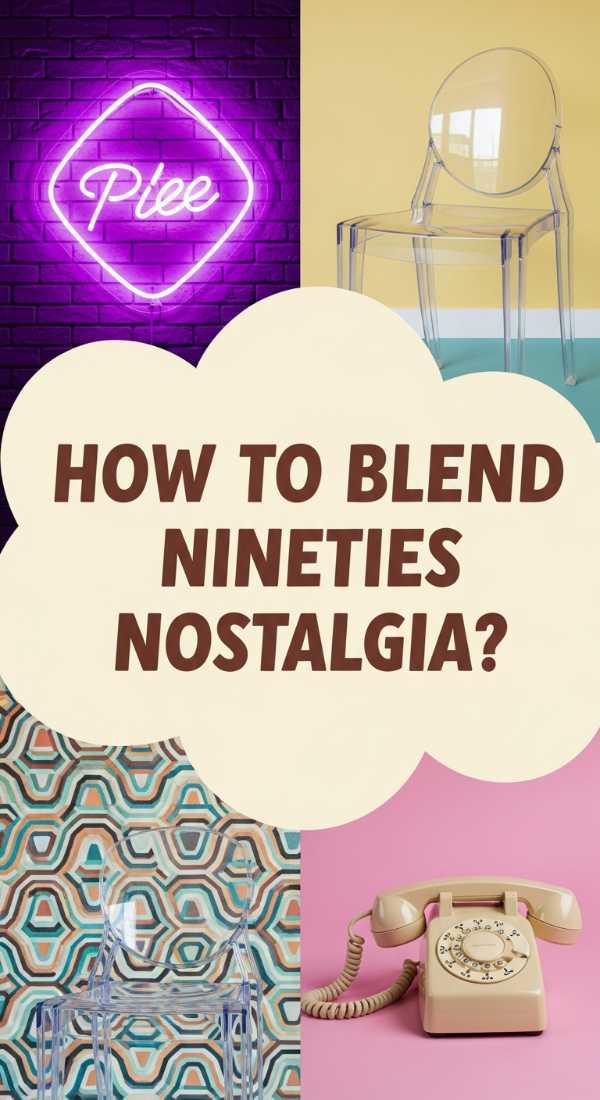
How to Blend Nineties Home Nostalgia for a Trendy Retro Look

Why we love this
The nineties are back, but with a sophisticated, ‘grown-up’ twist that we absolutely adore. We love the playful energy of neon accents and the bold, graphic impact of checkerboard patterns against soft pastel walls. There’s a nostalgia here—a scent of bubblegum and old CDs—mixed with a modern appreciation for kitsch and color. It’s a style that doesn’t take itself too seriously, inviting a sense of fun and youthful rebellion back into our living spaces through curved shapes and vibrant textures.
Essential Elements:
- Checkerboard rugs or floor tiles
- Wavy or ‘squiggles’ shaped mirrors and decor
- Pastel colors (lavender, mint, and peach)
- Neon light signs or colored LED strips
- Transparent acrylic furniture (Ghost chairs)
- Velvet scrunchie-textured pillows
How to make it
- Introduce a checkerboard element, such as a black-and-white area rug or a set of ceramic coasters, to act as the primary ‘nineties’ anchor for the room.
- Paint a single accent wall in a soft ‘millennial pink’ or a muted lavender to provide a nostalgic yet modern backdrop.
- Incorporate ‘wavy’ silhouettes through a trendy squiggle mirror or a curved floor lamp to break up the harsh lines of modern furniture.
- Place a small, custom neon sign with a favorite word or phrase in a prominent spot like the kitchen or home office for a playful glow.
- Add a transparent acrylic coffee table; its ‘invisible’ nature keeps the room feeling modern while referencing the inflatable furniture trend of the 90s.
- Use primary colors sparingly—a bright yellow vase or a cobalt blue clock—to add a pop-art feel that is characteristic of the era.
How to Arrange Quirky Home Artifacts for a Unique Conversation Starter
[IMAGE_10]
Why we love this
A home filled with quirky artifacts is a home that invites curiosity and deep conversation. We love the way a strange brass sculpture or an oversized wooden hand feels under the palm—cool, smooth, and full of character. These pieces often carry the faint scent of foreign markets or antique shops, bringing a worldly, eccentric vibe to the space. It’s about celebrating the ‘weird’ and the wonderful, ensuring that every shelf tells a story that is uniquely yours and utterly unforgettable.
Essential Elements:
- Unusual sculptures or ‘objets d’art’
- Travel souvenirs with high visual impact
- Large-scale art books or rare finds
- Anatomical or scientific illustrations
- Magnifying glasses or antique globes
- Unique textured containers (stoneware, carved bone)
How to make it
- Follow the ‘Rule of Three’ when arranging your artifacts: group objects of different heights and textures together to create a visually balanced vignette.
- Use a stack of large, colorful art books as a pedestal for a smaller, quirky item like a vintage stopwatch or a unique stone.
- Mix high and low: place a thrifted, oddly-shaped ceramic piece next to a high-end designer candle to create an interesting contrast in value and style.
- Create a ‘curiosity shelf’ by dedicating one bookcase specifically to your most unusual items, using small spotlights to highlight the most intricate pieces.
- Don’t be afraid of scale; a single, massively oversized artifact (like a giant wooden bowl) can make more of a statement than ten small ones.
- Ensure there is ‘negative space’ around your quirkier items; this allows the eye to rest and prevents the display from looking like a cluttered junk drawer.
Conclusion: Embracing the Evolution of Your Home
Your signature style is not a destination, but a beautiful, ongoing journey of self-expression. As we’ve explored today, whether you are drawn to the sun-soaked textures of a coastal retreat or the soulful quiet of a devotional sanctuary, the most important element is how these spaces make you feel. Don’t be afraid to mix and match—let a ninety’s checkerboard rug live next to a vintage wooden cabinet, or bring a touch of Mexican warmth into your minimalist mobile home. Your home is a living canvas, and you are the artist. Keep experimenting, keep collecting, and most importantly, keep creating a space that feels like a warm hug at the end of a long day.