
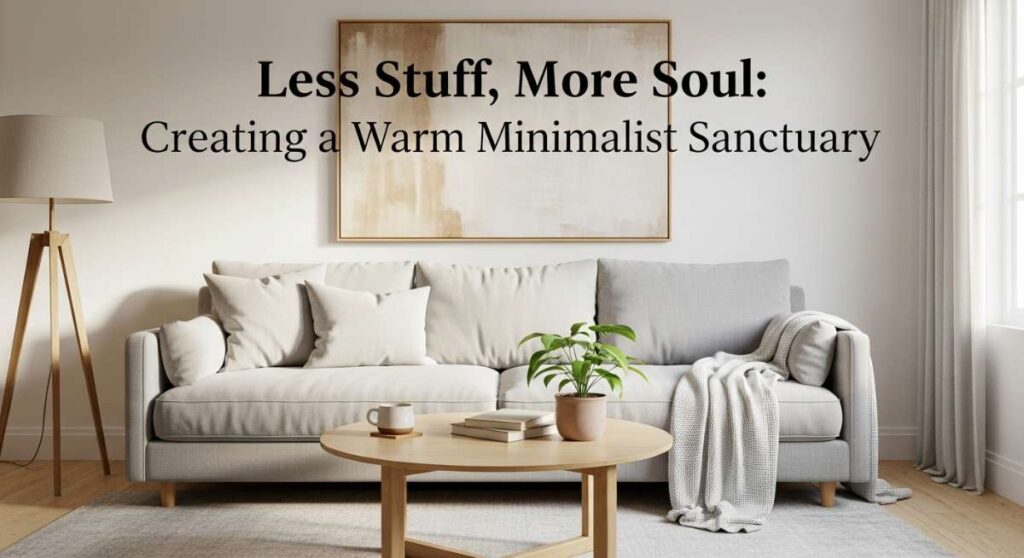
Have you ever walked into a room and felt your shoulders instantly drop? For years, I lived in a home that was a museum of ‘maybe one day’ items—cluttered shelves, piles of mail, and furniture I didn’t even like. I thought more things meant a fuller life, but in reality, all that stuff was just noise drowning out the quiet moments I craved. The journey to a warm minimalist sanctuary isn’t about living in a sterile white box; it’s about stripping away the distractions so that the things you love—and your own soul—have the space to breathe.
Creating a home that feels both minimal and cozy is a delicate dance of intentionality. It’s about choosing the softest linen throw over five cheap polyester ones, and realizing that a single, perfectly placed ceramic vase can hold more beauty than a dozen knick-knacks. When we curate our surroundings with love, we aren’t just decorating; we are crafting an environment that supports our mental health and invites deep rest. Let’s dive into how we can transform our lived-in spaces into serene, soulful havens.
How to Style Small Living Rooms for Maximum Comfort

Why we love this
There is an incredible sense of intimacy in a well-styled small living room that larger spaces often lack. We love this approach because it forces us to be incredibly selective, resulting in a room that feels like a warm hug rather than a cavernous hall. Imagine sinking into a plush, low-profile sofa while the scent of sandalwood wafts from a single high-quality candle, your feet resting on a soft jute rug that grounds the entire space. It’s about the tactile joy of quality materials that make every square inch feel purposeful and luxurious.
Essential Elements:
- Low-profile, multi-functional furniture
- Large-scale area rug to define the zone
- Vertical storage solutions
- Mirror to bounce light
- Neutral color palette with varying depths
How to make it
- Measure your floor plan meticulously to ensure furniture doesn’t block ‘flow’ paths; aim for at least 18 inches of walking space between items.
- Select a focal point, such as a window or a fireplace, and orient your primary seating toward it to create a natural sense of gathering.
- Choose ‘leggy’ furniture—sofas and chairs with visible legs—which allows the eye to see the floor underneath, tricking the brain into perceiving more space.
- Mount shelves high on the walls to draw the eye upward, using the ‘rule of three’ to group decor items like books, a small plant, and a ceramic bowl.
- Layer your lighting by adding a tall, slender floor lamp in a corner to eliminate dark shadows that make rooms feel smaller.
How to Achieve Cozy Minimalist Vibes for Total Zen
Why we love this
The ‘Total Zen’ aesthetic is the ultimate antidote to a frantic modern world, blending the clean lines of minimalism with the undeniable warmth of hygge. We love this because it prioritizes the sensory experience—the sound of a crackling fire, the sight of organic shapes, and the feel of natural wood grains under your fingertips. It transforms your home into a meditative retreat where the visual silence allows your mind to wander and settle. It’s the art of having exactly what you need, and nothing that you don’t, wrapped in a blanket of soft, amber light.
Essential Elements:
- Warm-toned wood accents
- Dimmable ambient lighting
- Organic shapes (curved furniture/decor)
- Living greenery (low-maintenance plants)
- Natural textiles like wool and cotton
How to make it
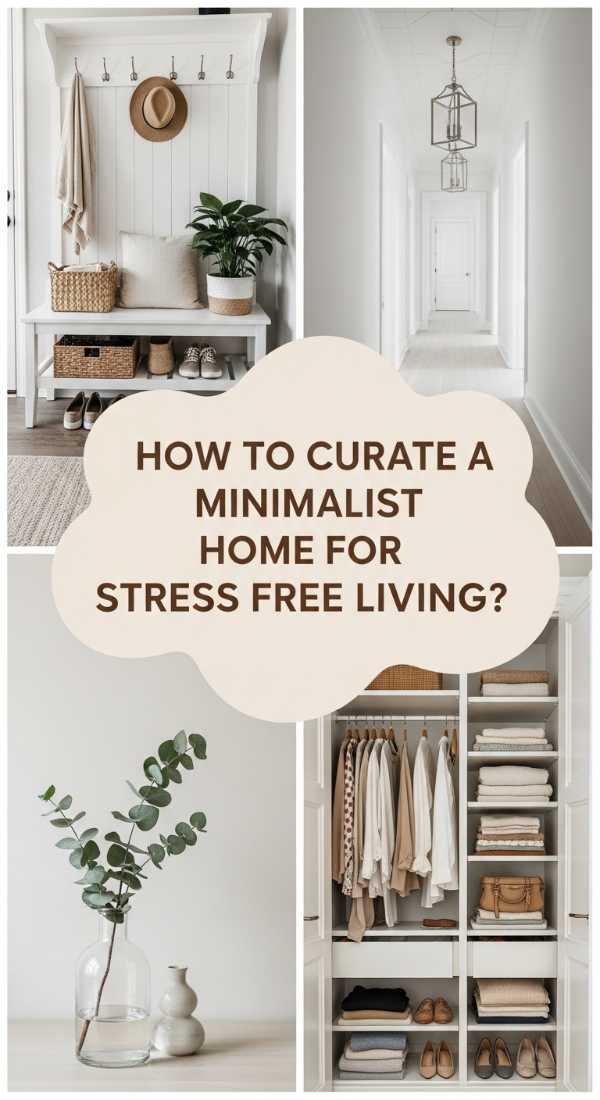
- Identify ‘visual clutter’ hot spots and clear them completely before slowly reintroducing only items that serve a daily purpose or bring genuine joy.
- Replace all cool-toned LED bulbs with ‘warm white’ (2700K) bulbs to instantly soften the atmosphere of every room.
- Incorporate ‘living’ elements by placing a large Monstera or Snake plant in a stone pot to purify the air and add a vibrant, organic energy.
- Swap sharp-edged coffee tables or desks for pieces with rounded corners to encourage a smoother visual and physical ‘flow’ through the room.
- Practice ‘scent layering’ by using an ultrasonic diffuser with essential oils like cedarwood and bergamot to create an invisible layer of comfort.
How to Curate a Minimalist Home for Stress Free Living
Why we love this
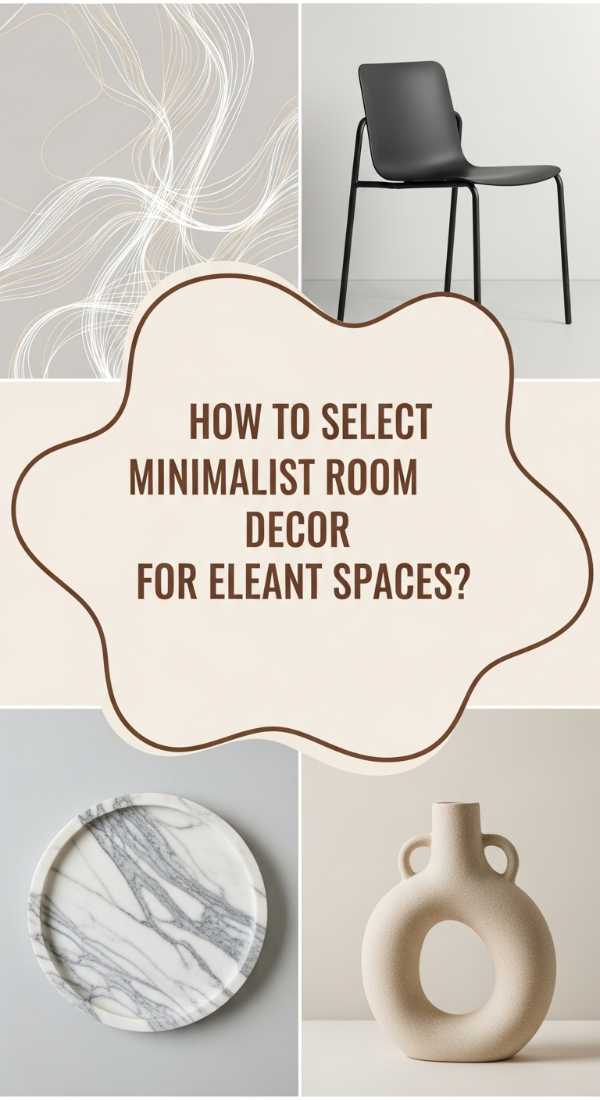
Curating a home for stress-free living is about more than just aesthetics; it’s a profound act of self-care that reduces the ‘cognitive load’ of our environment. We love the feeling of waking up to clear surfaces and knowing exactly where everything is—it creates a mental lightness that carries through the entire day. The aroma of freshly brewed coffee in a kitchen with clear countertops feels more like a ritual and less like a chore. It’s about the peace that comes from owning your possessions rather than letting them own you.
Essential Elements:
- Closed storage systems
- The ‘One-In, One-Out’ rule
- Designated ‘landing strips’ for keys/mail
- Minimalist kitchen essentials
- Digital decluttering habits
How to make it
- Perform a ‘utility audit’ by removing everything from a room and only putting back items used in the last 30 days; donate or store the rest.
- Install ‘hidden’ storage, such as ottomans with lids or beds with drawers, to keep daily essentials out of sight but within reach.
- Create a ‘daily reset’ routine where you spend 10 minutes every evening returning items to their designated homes so you wake up to a fresh start.
- Limit your decorative ‘vignettes’ to just two or three surfaces in the entire house to prevent visual overstimulation.
- Organize your drawers with adjustable dividers, ensuring that every object has a precise ‘nest’ to prevent the dreaded junk drawer syndrome.
How to Select Minimalist Room Decor for Elegant Spaces
Why we love this
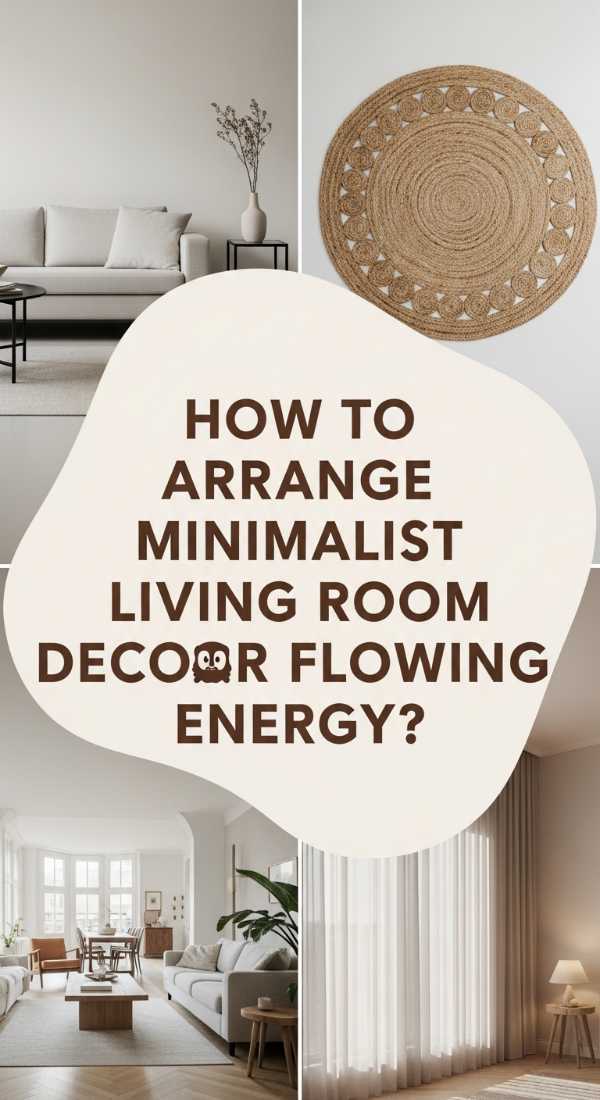
Minimalist decor is the height of elegance because it relies on the intrinsic beauty of materials rather than excessive ornamentation. We love how a single, well-chosen piece of abstract art or a hand-thrown ceramic vase can command a room with its quiet confidence. It’s the tactile contrast between a smooth marble tray and a rough-hewn wooden bowl that creates visual interest. This approach celebrates the ‘soul’ of the object, allowing its craftsmanship to shine through without competition.
Essential Elements:
- High-quality natural materials (stone, wood, linen)
- A cohesive, limited color palette
- Statement art with negative space
- Sculptural functional objects
- Matte finishes over high-gloss
How to make it
- Choose a ‘hero piece’ for each room—a large painting or a unique chair—and build the rest of the decor to subtly complement rather than compete with it.
- Stick to a tonal palette (e.g., shades of beige, cream, and taupe) to create a seamless, sophisticated look that feels expansive.
- Prioritize texture over pattern; instead of a floral print, choose a pillow with a deep, chunky waffle weave for sophisticated depth.
- Edit your displays by applying the ‘breathing room’ rule: leave at least 40% of every shelf or surface empty to highlight the objects you’ve kept.
- Invest in ‘functional art,’ like a designer teakettle or a sculptural lamp, so that items you use daily also serve as decor.
How to Arrange Minimalist Living Room Decor for Flowing Energy
Why we love this
An intelligently arranged room feels effortless, like water flowing around stones in a stream. We love this because it optimizes the ‘chi’ or energy of the home, making it feel balanced and grounded. There is a specific satisfaction in moving through a space without bumping into furniture or feeling hemmed in by clutter. It’s about creating ‘conversation circles’ that feel intimate and inclusive, where the layout itself encourages connection and relaxation.
Essential Elements:
- Open floor space
- Balanced furniture weight
- Clear traffic paths
- Focal point alignment
- Intentional negative space
How to make it
- Start by clearing the center of the room; ensure the primary rug is large enough so that at least the front legs of all seating furniture rest upon it.
- Arrange seating in a U-shape or circular configuration to foster eye contact and conversation, keeping the ‘flow’ to the outside of the circle.
- Balance visual weight by placing a heavy item (like a sofa) opposite two lighter items (like armchairs) to keep the room from feeling lopsided.
- Use the ‘height variation’ technique by mixing floor lamps, wall art, and low furniture to keep the eye moving across the space.
- Keep entryways and exits clear of any furniture to maintain a literal and metaphorical ‘open door’ feeling for energy to enter the room.
How to Create Cozy Minimalist Bedrooms for Restful Sleep
Why we love this
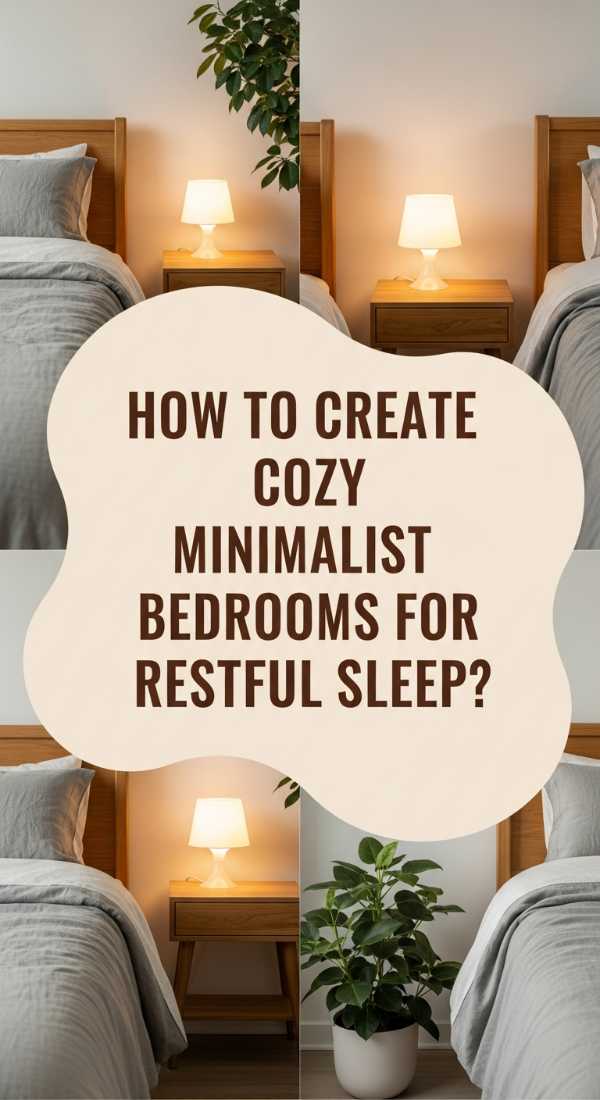
The bedroom should be a sanctuary of softness, a place where the world fades away the moment you cross the threshold. We love the cozy minimalist bedroom because it removes the visual ‘to-do list’—no piles of clothes, no cluttered nightstands, just pure comfort. Imagine the cool, crisp feel of high-thread-count cotton sheets and the soft glow of a bedside lamp casting long, peaceful shadows. It is the ultimate environment for deep, restorative sleep and slow, mindful mornings.
Essential Elements:
- Monochrome or muted bedding
- Soft, layered textiles (throws/pillows)
- Blackout window treatments
- Dimmable, warm lighting
- Hidden bedside storage
How to make it
- Clear your nightstand of everything except a lamp, a book, and a glass of water to eliminate mental distractions before sleep.
- Layer your bed with a mix of textures—start with linen sheets, add a cotton duvet, and finish with a heavy knit wool throw at the foot.
- Choose a bed frame with a soft, upholstered headboard to add warmth and dampen sound, contributing to a quieter acoustic environment.
- Install sheer curtains behind blackout drapes to allow for soft, filtered light during the day while ensuring total darkness at night.
- Keep the floor clear of rugs that are too small; use one large rug that extends at least 2 feet beyond the sides and foot of the bed for a plush landing.
How to Organize Minimalist Home Offices for Focused Productivity
Why we love this
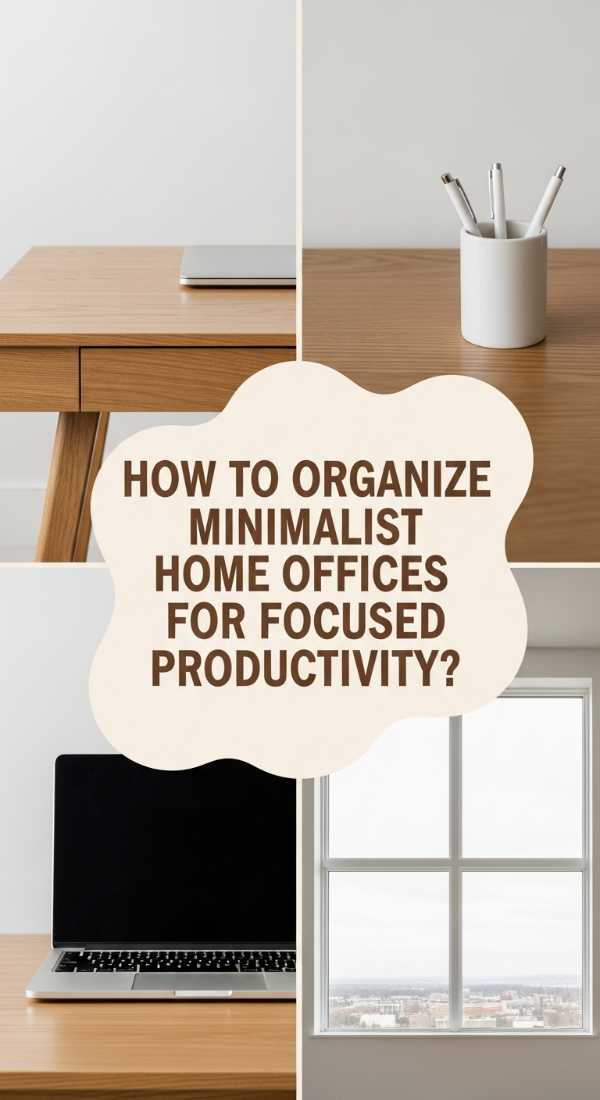
A minimalist office is a powerhouse for focus; when your desk is clear, your mind is free to innovate. We love the ‘clean slate’ feeling of a minimalist workspace, where the only things present are those that inspire work. The tactile sensation of a smooth wooden desk and the organized rows of books create a professional yet serene atmosphere. It’s about creating a ‘flow state’ environment where you aren’t constantly distracted by physical or digital clutter.
Essential Elements:
- Ample natural light
- Ergonomic but sleek furniture
- Cable management solutions
- Singular decorative plant
- Uncluttered desktop surface
How to make it
- Invest in an under-desk cable management tray to hide all power strips and cords, which are a major source of visual stress.
- Adopt a ‘paperless’ system by scanning documents immediately and storing only essential physical files in a single, hidden drawer.
- Position your desk near a window to utilize natural light, which boosts mood and focus, but ensure your monitor is angled to avoid glare.
- Use a single, high-quality desk organizer for pens and small items, ensuring nothing else lives permanently on the desktop surface.
- Incorporate one ‘inspiration’ piece—a small sculpture or a framed quote—to give your eyes a place to rest during breaks.
How to Layer Neutral Textures for a Warm Minimalist Feel
Why we love this
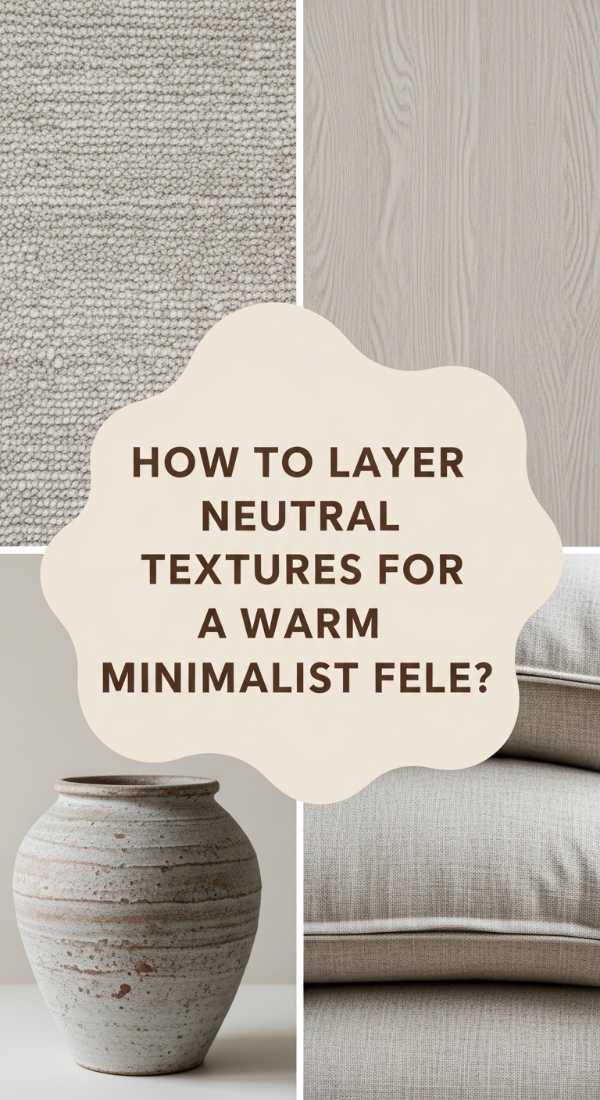
Layering textures is the secret sauce that prevents minimalism from feeling cold or clinical. We love this technique because it adds incredible richness and ‘soul’ to a room using only color-neutral items. It’s the play between a smooth leather chair, a chunky knit blanket, and a soft sheepskin rug that creates a sophisticated, multi-dimensional space. It invites you to touch, to linger, and to appreciate the subtle complexities of the natural world within your own four walls.
Essential Elements:
- Mixed fabrics (linen, wool, silk, velvet)
- Natural fibers (jute, sisal, seagrass)
- Varied wood finishes
- Woven baskets
- Textured wall treatments (plaster or lime wash)
- Sheepskin or faux-fur accents
How to make it
- Start with a ‘base’ of large, smooth surfaces like a linen sofa or a flat-weave rug in a soft cream or oatmeal color.
- Add ‘medium’ textures like cotton velvet pillows or a wooden coffee table with a visible grain to create the first layer of contrast.
- Introduce ‘heavy’ textures such as a chunky wool throw or a hand-woven seagrass basket to ground the space with organic weight.
- Mix your metals and stones; pair a matte black lamp with a travertine side table to add a touch of industrial and geological texture.
- Use ‘micro-textures’ like a ribbed ceramic vase or a fringed napkin to provide detail that is only revealed upon closer inspection.
How to Enhance Natural Light for an Airy Minimalist Aesthetic
Why we love this
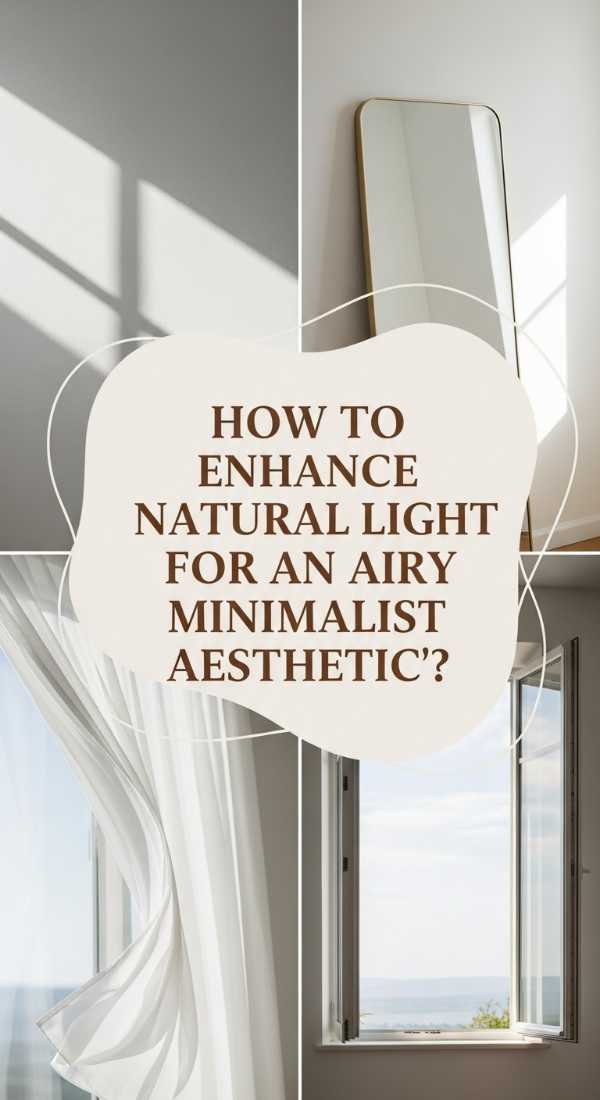
Light is the most important ‘material’ in a minimalist home; it has the power to expand walls and lift spirits. We love how natural light dances across a minimalist room, highlighting the textures and creating a dynamic environment that changes throughout the day. It makes even the smallest apartment feel like an airy loft. The sight of morning sunbeams hitting a white wall is a simple, free luxury that brings a sense of hope and clarity to the start of every day.
Essential Elements:
- Sheer window coverings
- Strategically placed mirrors
- Light-reflective paint colors
- Minimal furniture blocking windows
- Glass or acrylic accents
How to make it
- Paint your walls in a ‘warm white’ or ‘soft grey’ with a satin or eggshell finish to reflect light more effectively than matte paint.
- Place a large mirror directly opposite your largest window to effectively double the amount of light entering the room.
- Swap heavy, dark curtains for light-filtering linen or sheer panels that provide privacy without sacrificing brightness.
- Trim any outdoor foliage that may be shading your windows, ensuring the maximum amount of ‘sky view’ is visible from inside.
- Use glass coffee tables or ‘ghost’ chairs to allow light to pass through furniture rather than being absorbed by solid, dark masses.
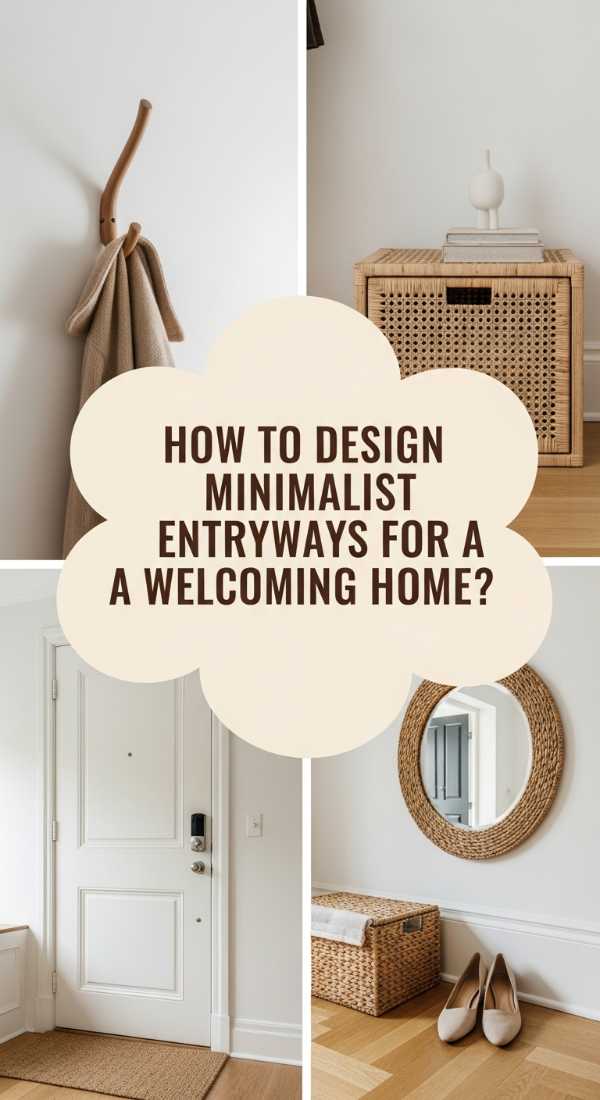
How to Design Minimalist Entryways for a Welcoming Home
[IMAGE_10]
Why we love this
The entryway is the ‘handshake’ of your home, and a minimalist one says, ‘You can breathe here.’ We love this because it prevents the ‘doorway dump’ of shoes and bags that often stresses us out the moment we arrive. Imagine walking into a space that is clear, smells of fresh eucalyptus, and features a single, beautiful wooden bench. It sets the tone for the rest of the house, signaling that this is a place of order, peace, and intentional living.
Essential Elements:
- Wall-mounted hooks or a slim rack
- Functional bench or stool
- Small tray for keys/essentials
- A single piece of art or a mirror
- Hidden shoe storage
How to make it
- Install a ‘slimline’ console table or a floating shelf if your entryway is narrow to provide a surface for keys without taking up floor space.
- Assign a ‘home’ for every person’s most-used items—one hook per person and one basket for shoes—to keep the area organized.
- Place a high-quality coir mat outside and a soft washable rug inside to catch dirt while adding a touch of welcoming texture.
- Hang a large mirror at eye level to allow for a quick ‘check’ before leaving while making the entry feel twice as large.
- Keep a small, lidded box or bowl on the entry surface to hide unsightly items like spare change, receipts, or mail that hasn’t been processed yet.
Conclusion: Embracing the Soulful Silence
Creating a warm minimalist sanctuary isn’t a destination you reach and then stop; it’s a daily practice of choosing quality over quantity and peace over chaos. By focusing on light, texture, and intentional arrangement, we transform our homes into spaces that don’t just look beautiful on a screen, but feel deeply nourishing in real life. Remember, the ‘soul’ in your home comes from the space you leave for it to grow. Start small, clear one surface today, and see how much lighter you feel.