
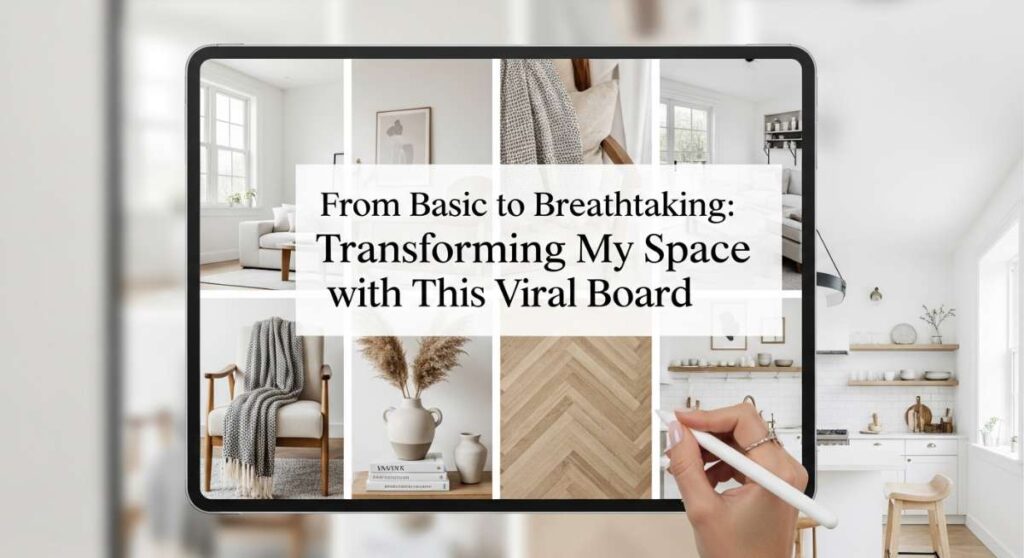
I spent years feeling like my home was just a storage unit for my life rather than a sanctuary for my soul. You know that heavy feeling when you walk through the door and immediately want to close your eyes because the visual noise is just too loud? That was my daily reality. I was drowning in ‘stuff’ that didn’t matter, while the things that actually brought me joy were buried under piles of clutter and uninspired decor.
Everything changed when I stumbled upon a viral aesthetic board that prioritized peace over possession. It wasn’t just about throwing things away; it was about curated intentionality. I realized that my environment was a direct reflection of my internal state, and if I wanted a calm mind, I needed a calm home. This transformation didn’t happen overnight, but by following these ten pillars of the ‘Viral Home Aesthetic,’ I turned my chaotic apartment into a breathtaking haven that finally feels like me.
How to Achieve Zen Through Minimalist Room Decor
Why we love this
Achieving Zen is all about creating a space that breathes. When you walk into a Zen-inspired room, you should feel an immediate drop in your heart rate and a softening of your shoulders. It’s the scent of white tea lingering in the air, the sight of a single, perfectly placed ceramic vase, and the way the natural sunlight dances across a bare wooden floor. This aesthetic removes the distractions of the modern world, allowing you to reconnect with your own thoughts in a space that feels light, airy, and profoundly grounded.
Essential Elements:
- Low-profile furniture made of natural wood
- A single statement botanical (like a dried palm leaf or olive branch)
- Neutral color palette (oatmeal, sand, and stone)
- Dimmable, warm-toned lighting
- Hidden cable management systems
How to make it
- Begin by clearing every single surface in the room. This ‘blank slate’ phase is crucial for visualizing the energy flow without previous clutter.
- Select a focal point, usually a low-set coffee table or a floor cushion, and arrange the room in a circular or open flow around it to encourage movement.
- Introduce organic textures by placing a jute rug as the foundation. Ensure the rug is large enough that the front legs of all furniture sit comfortably on it, creating a sense of ‘island’ peace.
- Limit your decor to the ‘Rule of Three.’ On any surface, place only three items of varying heights—for example, a tall vase, a flat book, and a small candle—to create visual balance without crowding.
- Incorporate a scent strategy using a stone diffuser. Use essential oils like sandalwood or cedar to ground the space through olfaction.
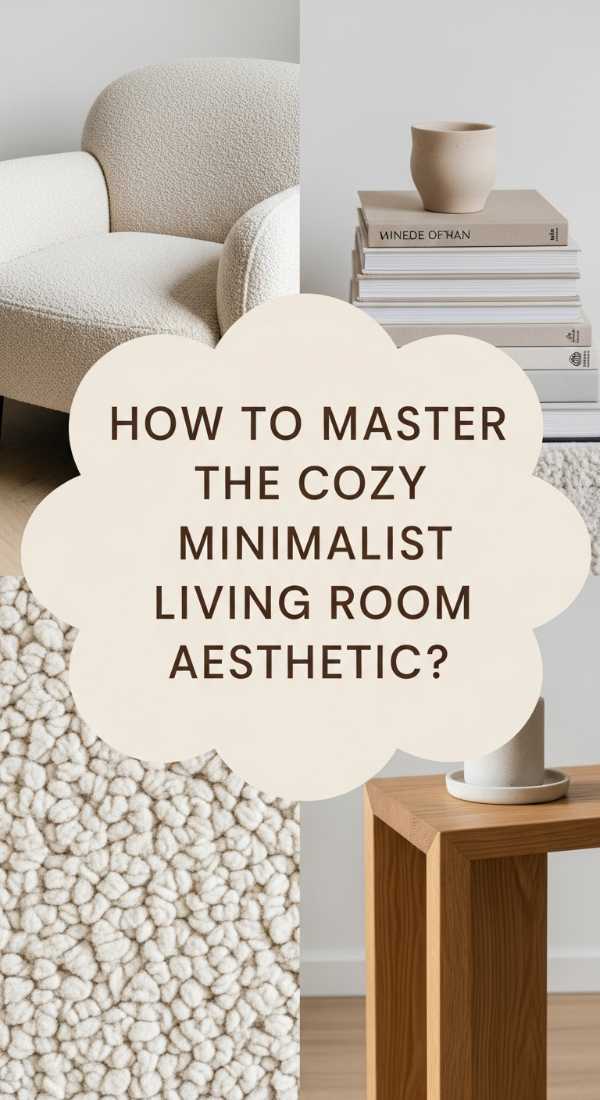
How to Master the Cozy Minimalist Living Room Aesthetic
Why we love this
Cozy minimalism is the ultimate ‘best of both worlds’ scenario. It avoids the cold, clinical feeling of traditional minimalism by injecting warmth through soft, touchable fabrics and rounded edges. Imagine sinking into a cloud-like cream sofa with a chunky knit throw draped over your legs, while the room remains uncluttered and easy on the eyes. It’s about the sensory delight of a soft wool rug against bare feet and the visual relief of clean lines, creating a space that feels both expensive and incredibly lived-in.
Essential Elements:
- Overstuffed, linen-blend seating
- Chunky knit wool throws
- Round wooden coffee tables
- Soft, amber-toned floor lamps
- Layered rugs (sisal topped with faux sheepskin)
How to make it
- Swap out sharp-angled furniture for pieces with rounded silhouettes to soften the visual landscape of the room immediately.
- Layer your textiles starting from the floor up. Place a high-pile Moroccan rug over a flat-weave base to add physical and visual depth.
- Select a tonal color palette. Choose one base color, like ‘Greige,’ and use five different shades of that color in various textures (velvet, linen, wool) to create richness without introducing ‘busy’ colors.
- Add a ‘life’ element. A large fiddle leaf fig or a cluster of air plants brings a vibrant green pop that feels fresh rather than cluttered.
- Adjust your lighting temperature. Ensure all bulbs are 2700K (Warm White) to create that golden-hour glow even in the middle of a rainy afternoon.
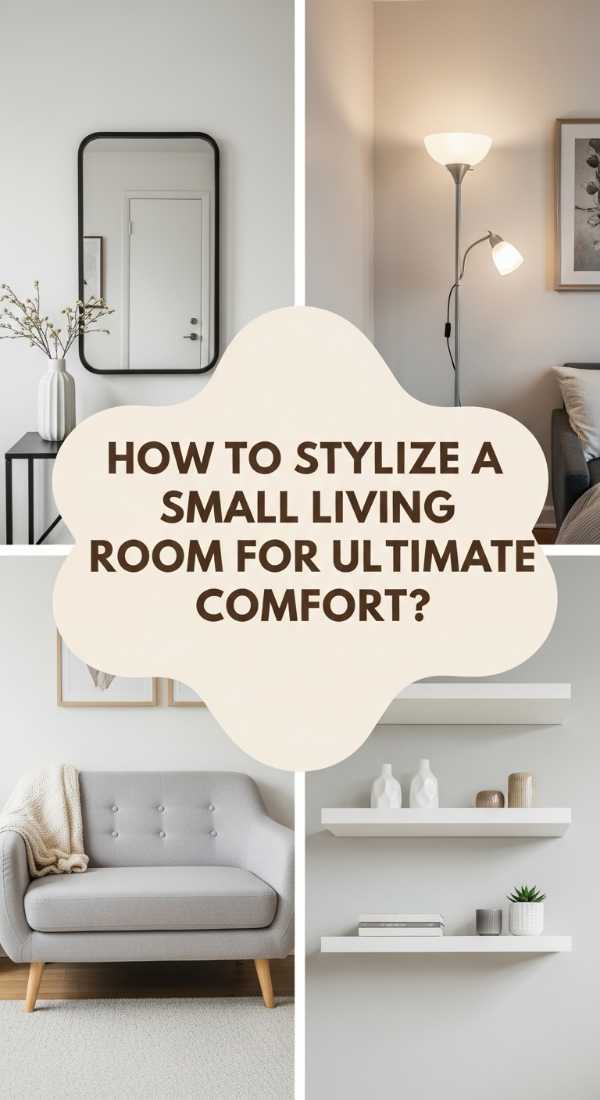
How to Stylize a Small Living Room for Ultimate Comfort
Why we love this
Small rooms often feel like they are closing in, but with the right stylization, they become the most intimate and comforting spots in the house. We love this approach because it treats small square footage as an asset, turning a ‘cramped’ space into a ‘nest.’ By utilizing vertical space and choosing leggy furniture that lets you see the floor, you create an optical illusion of vastness while maintaining a high level of physical coziness that larger rooms often lack.
Essential Elements:
- Acrylic or glass coffee tables (to reduce visual weight)
- Wall-mounted shelving
- Large mirrors to reflect light
- Furniture with exposed legs
- Light-filtering sheer curtains
How to make it
- Mount your curtain rods several inches above the actual window frame and extend them wider than the window. This makes the ceiling feel higher and the window look massive.
- Choose ‘floating’ furniture. A wall-mounted TV console keeps the floor clear, which tricks the eye into thinking the room is larger than it is.
- Use a single, oversized piece of art on the main wall instead of a gallery wall. One large piece creates a focal point that anchors the room without the ‘bitty’ feeling of many small frames.
- Incorporate reflective surfaces. A large arched mirror leaning against the wall opposite your window will double the natural light and the perceived depth of the room.
- Select multi-functional pieces, like an ottoman with hidden storage, to keep daily essentials tucked away and the surfaces clear.
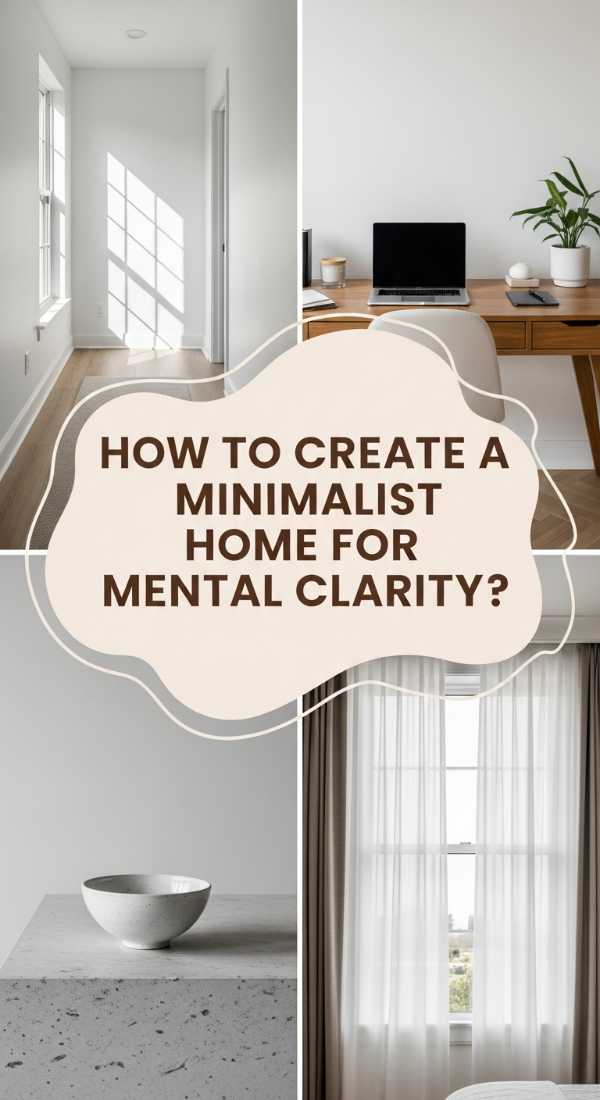
How to Create a Minimalist Home for Mental Clarity
Why we love this
This style is a total reset for the nervous system. By stripping away the ‘visual noise’—those piles of mail, mismatched coasters, and excessive knick-knacks—you create a space where your brain can finally stop processing data. The feeling is one of immense freedom; it’s like a deep exhale for your apartment. Every item left in the room has a purpose or brings genuine joy, leading to a home environment that actively reduces stress and fosters focus.
Essential Elements:
- Uniform storage containers (ceramic or wood)
- Monochromatic color schemes
- Closed cabinetry
- Negative space (empty walls or floor sections)
- Natural materials like stone and linen
How to make it
- Perform a ‘functional audit.’ Remove everything from the room and only bring back items that you have used in the last 30 days or that are objectively beautiful to you.
- Invest in high-quality ‘hidden’ storage. Use matching wicker baskets inside bookshelves to hide colorful book spines or electronics.
- Keep ‘flat surfaces’ 80% empty. This is a professional staging tip that ensures the room feels managed and intentional at all times.
- Utilize a ‘one in, one out’ rule. For every new decorative item you bring into the space, one must be donated or moved to a different room to maintain the equilibrium.
- Designate a ‘tech-free’ zone. Keep one corner of the room entirely free of screens and chargers to signal to your brain that this is a place for rest.
How to Blend Cozy Textures with Minimalist Living Room Pieces
Why we love this
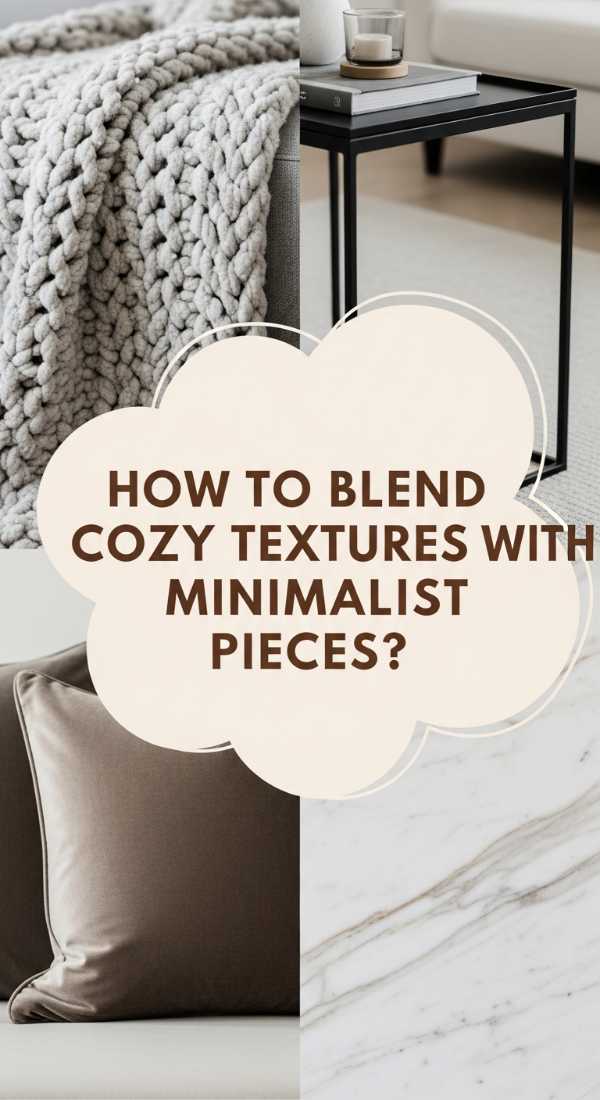
Blending textures is the secret sauce to making minimalism feel expensive. It’s the tactile contrast between a cold, smooth marble side table and a warm, fuzzy bouclé armchair. This approach engages your sense of touch, making the home an interactive experience. It feels sophisticated yet approachable, like a luxury hotel suite that you actually feel comfortable enough to nap in. It’s all about the sophisticated dance between hard and soft surfaces.
Essential Elements:
- Bouclé upholstery
- Marble or travertine accents
- Raw silk pillow covers
- Woven seagrass baskets
- Matte black metal hardware
How to make it
- Start with your ‘hard’ surfaces. Choose a coffee table in a natural stone like travertine or a matte-finish wood.
- Contrast the hard surface with a ‘soft’ textile directly adjacent. Place a bouclé pouf or a velvet cushion next to the stone table to create a high-end textural tension.
- Incorporate metals in a matte finish. Avoid shiny chrome; instead, go for brushed brass or matte black to add a modern edge that doesn’t feel clinical.
- Mix your fabrics. If your sofa is linen, add pillows in raw silk and a throw in heavy wool. The variety in the ‘weave’ of the fabrics adds visual interest without needing patterns.
- Finish with a high-contrast element, like a dark wood bowl on a light stone counter, to ground the different textures.
How to Curate a Minimalist Cozy Sanctuary in Your Apartment
Why we love this
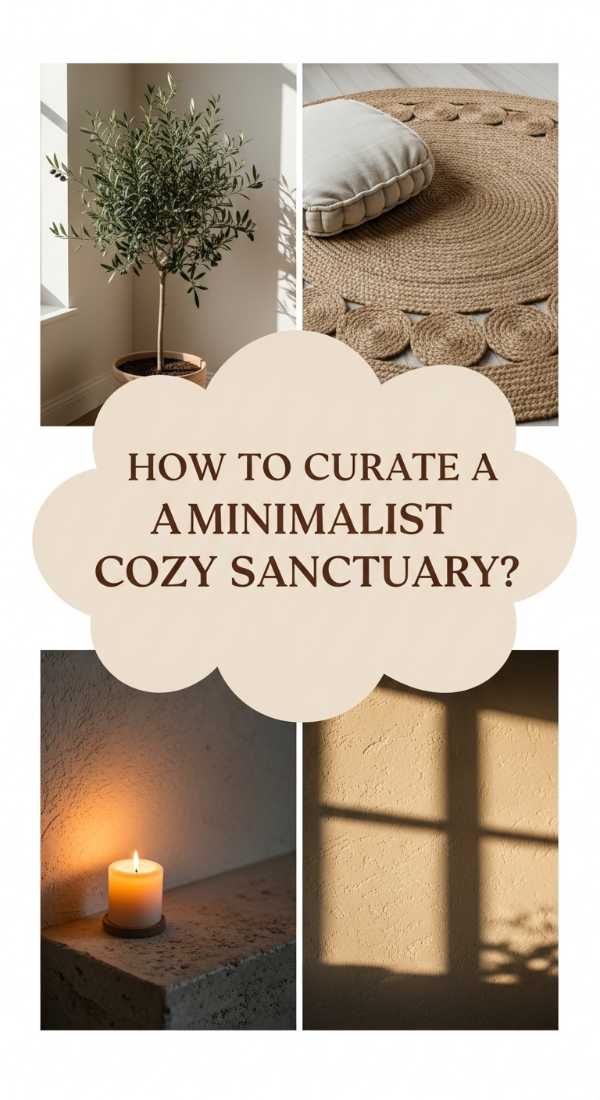
This is about reclaiming your power in a rented or small space. We love this because it proves you don’t need a mansion to have a sanctuary. It’s the feeling of light-blocking curtains during a lazy Sunday morning, the soft hum of a high-end air purifier, and the luxury of high-thread-count linens. It turns an average apartment into a five-star retreat where the outside world completely disappears the moment the door clicks shut.
Essential Elements:
- High-quality linen bedding or sofa covers
- Smart lighting (Phillips Hue or similar)
- Air-purifying plants (Snake plants or Peace Lilies)
- Sound-dampening elements (thick rugs, wall tapestries)
- Personalized scent profile (high-end candles)
How to make it
- Address the acoustics first. Apartment living can be noisy; add a thick felt pad under your area rugs to dampen sound and create a ‘quiet’ atmosphere.
- Upgrade your hardware. Swap out standard apartment cabinet pulls for heavy, high-quality brass handles (just save the originals for when you move!).
- Create a ‘lighting scene.’ Use smart bulbs to program a ‘Sanctuary Mode’ that dims the lights to a warm 20% at sunset.
- Focus on the entryway. Even in a small apartment, a dedicated ‘drop zone’ for keys and bags prevents the rest of your sanctuary from being invaded by daily clutter.
- Use scent as a boundary. Light a specific, high-quality candle only when you are in ‘rest mode’ to psychologically anchor that scent to relaxation.
How to Design a Living Room Decor Minimalist Haven
Why we love this
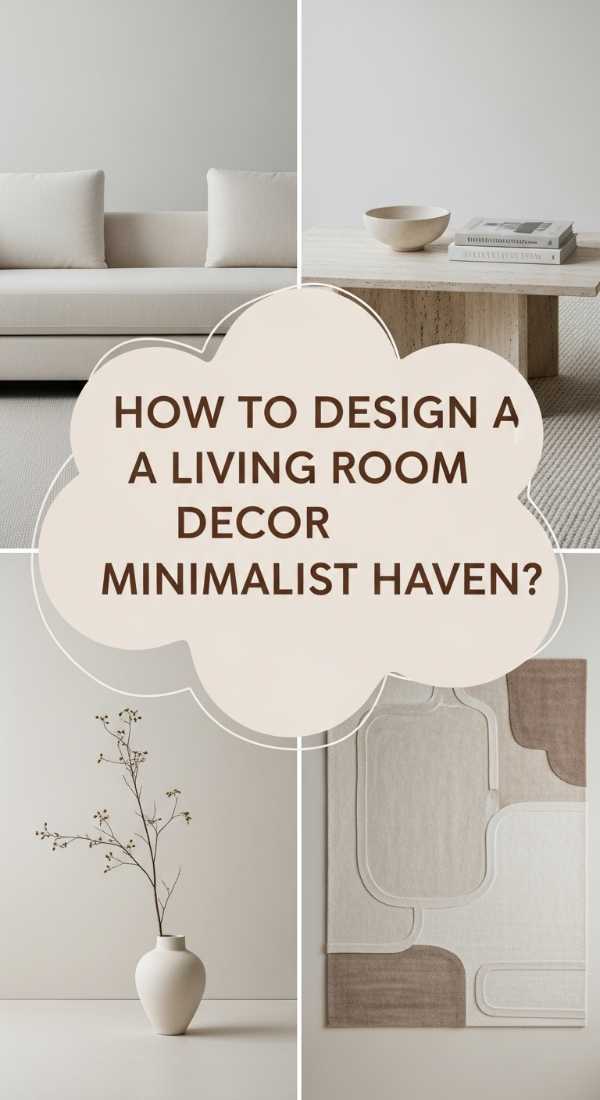
Designing a ‘haven’ is about intentional movement and visual harmony. It’s the way the furniture is angled to encourage conversation, the way the art sits perfectly at eye level, and the absence of any jarring colors. We love it because it feels like a physical embrace. It’s a space that doesn’t demand anything from you; it simply provides a beautiful, sturdy backdrop for your life to unfold.
Essential Elements:
- Low-slung Italian-style sofas
- Symmetrical layout
- Organic-shaped mirrors
- Soft, floor-to-ceiling drapery
- Neutral-toned ceramic collection
How to make it
- Establish symmetry. Place two matching armchairs opposite a sofa to create a ‘conversation circle’ that feels balanced and grounded.
- Use a ‘monotone’ palette for the large items. Ensure your sofa, rug, and walls are within three shades of each other to create a seamless, haven-like backdrop.
- Add ‘organic’ shapes. Use a coffee table with a live edge or an asymmetrical mirror to break up the rigid lines of the room and make it feel more human.
- Hang art at ‘gallery height.’ The center of your artwork should be exactly 57 inches from the floor—this creates a professional, harmonious feel throughout the room.
- Layer your lighting at three levels: overhead (dimmed), eye-level (lamps), and floor-level (up-lighting behind plants) to create a three-dimensional warmth.
How to Balance Light and Shadow in a Minimalist Room
Why we love this
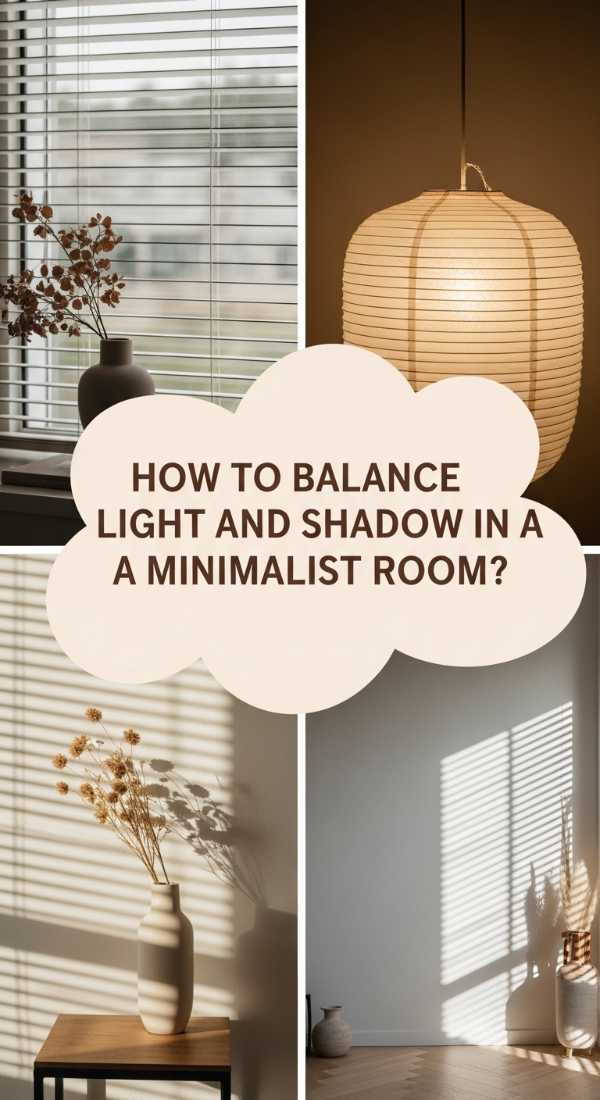
Minimalism can sometimes feel ‘flat,’ but when you master the balance of light and shadow, the room becomes cinematic. We love the way a dramatic shadow from a monstera leaf can act as ‘temporary wallpaper’ on a bare wall, or how a spotlight on a single sculpture creates depth. This approach uses the sun and your lamps as active design tools, making the room change and evolve throughout the day as the light moves.
Essential Elements:
- Sheer linen curtains
- Architectural floor lamps
- Strategically placed mirrors
- Window film for soft diffusion
- Dark accent pieces (charcoal or espresso wood)
How to make it
- Identify your light sources. During the day, use sheer curtains to ‘filter’ harsh sunlight into a soft, ethereal glow that blurs the edges of the room.
- Incorporate ‘shadow casters.’ Place a plant with distinct leaves (like a fan palm) near a window so it casts beautiful, geometric shadows on your walls as the sun sets.
- Use dark accents to provide ‘depth.’ In an all-white room, a single black chair or a dark oak shelf provides an anchor for the eye, preventing the space from looking washed out.
- Place floor lamps in ‘dead corners.’ Lighting the corners of a room makes the space feel larger and eliminates eerie shadows that can make a room feel cold.
- Experiment with ‘up-lighting.’ Place a small LED puck light behind a large floor plant to cast upward shadows on the ceiling, adding height and drama.
How to Elevate Small Living Room Ideas with Cozy Details
Why we love this
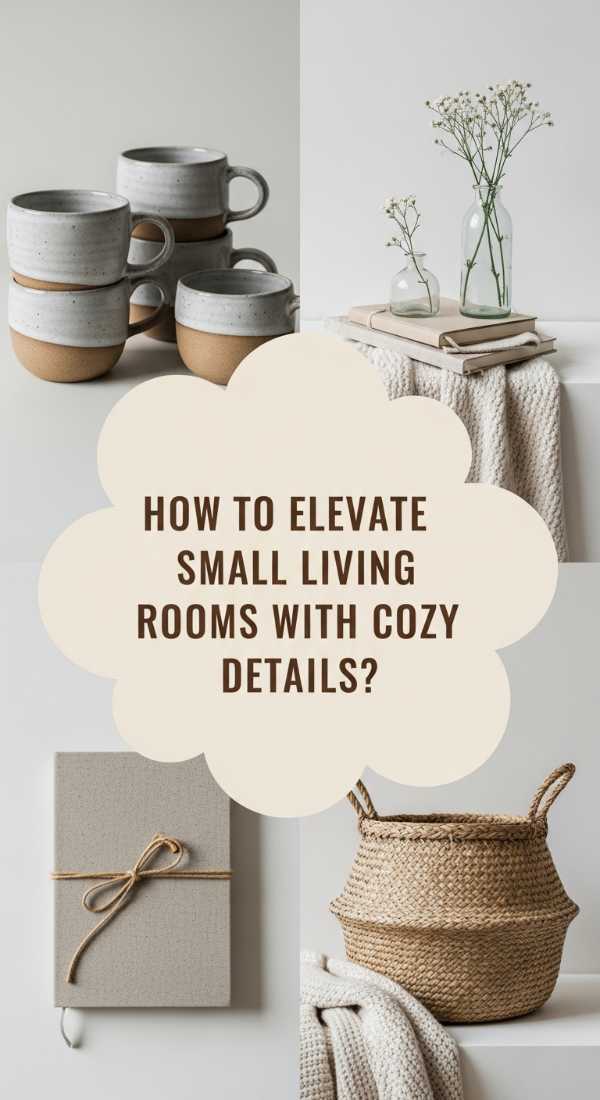
It’s the small, thoughtful details that turn a ‘house’ into a ‘home.’ We love this approach because it’s accessible and high-impact. It’s the leather tray for your remotes, the linen-bound books on the shelf, and the handmade ceramic mug that feels perfect in your hand. These tiny elevations signal that every inch of the home is cared for, creating a sense of luxury that has nothing to do with price and everything to do with taste.
Essential Elements:
- Leather or marble trays
- Linen-bound coffee table books
- Hand-thrown ceramics
- Aged brass accents
- Dried floral arrangements
How to make it
- Curate your surfaces. Instead of a pile of magazines, choose two beautiful ‘coffee table books’ that reflect your interests and stack them neatly.
- Use ‘tray logic.’ Group smaller items (like a candle, a snuffer, and a small vase) on a tray. This turns ‘clutter’ into a ‘vignette.’
- Upgrade your daily objects. Replace plastic soap dispensers or tissue boxes with ceramic or wooden covers to maintain the aesthetic even in the functional moments.
- Bring in ‘everlasting’ nature. Use high-quality dried flowers like eucalyptus or bunny tails that provide texture and beauty for months without maintenance.
- Focus on the hardware. Even on a budget, replacing standard switch plates with brass or matte versions elevates the entire room’s feel.
How to Organize a Minimalist Living Room for Small Spaces
[IMAGE_10]
Why we love this
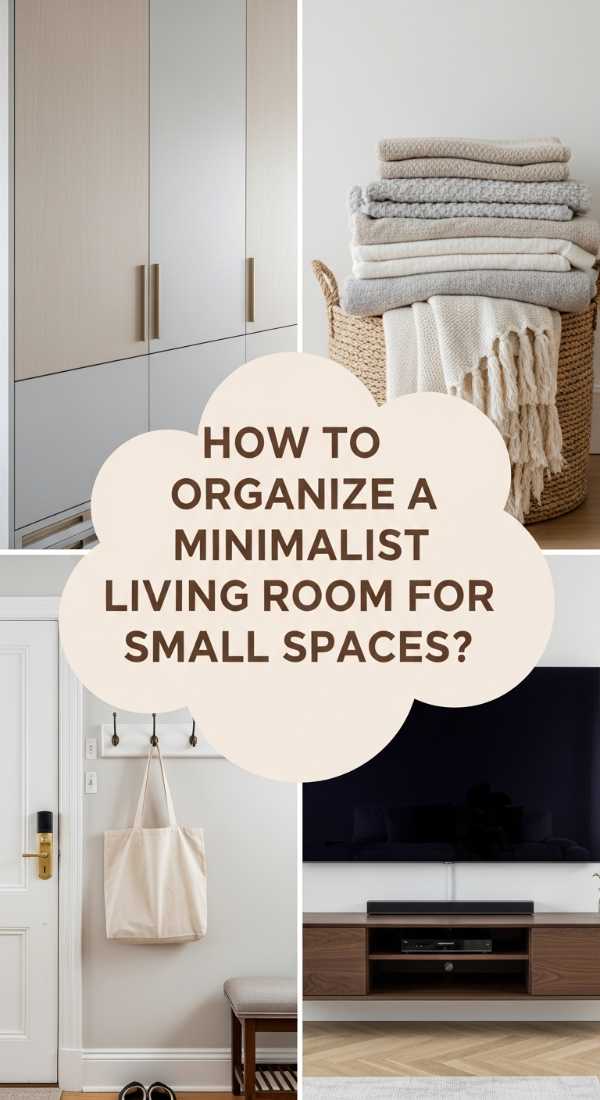
Organization is the foundation of aesthetic beauty. We love this because it solves the ‘messy minimalist’ problem. It’s the satisfaction of a drawer where everything has a place and the peace of mind knowing you can find what you need in seconds. When a small space is perfectly organized, it feels twice as big because the ‘mental load’ of managing the space is significantly reduced.
Essential Elements:
- Built-in or modular shelving
- Decorative storage boxes
- Cable management boxes
- Under-sofa storage bins
- Labelled drawer dividers
How to make it
- Go vertical. Install shelving that reaches all the way to the ceiling to draw the eye upward and provide storage for items you don’t use daily.
- Tame the tech. Use a cable management box to hide power strips and chargers, which are the #1 enemy of a minimalist aesthetic.
- Utilize ‘hidden’ real estate. Choose a sofa with enough clearance for slim, rolling storage bins underneath for linens or out-of-season clothing.
- Color-code your bookshelves. If you have a lot of books, turn the spines inward or group them by color to create a more cohesive visual block.
- Review your ‘landing strip.’ Ensure your entryway has a hook for every coat and a bin for every pair of shoes to prevent the living room from becoming a dumping ground.
Conclusion
Transforming your space from ‘basic’ to ‘breathtaking’ isn’t about buying the most expensive furniture; it’s about curating a lifestyle that values peace, texture, and intentionality. By embracing these viral aesthetic principles, you aren’t just decorating a room—you’re designing a better way to live. Start small, focus on how you want to feel, and watch as your home becomes the sanctuary you’ve always deserved.