
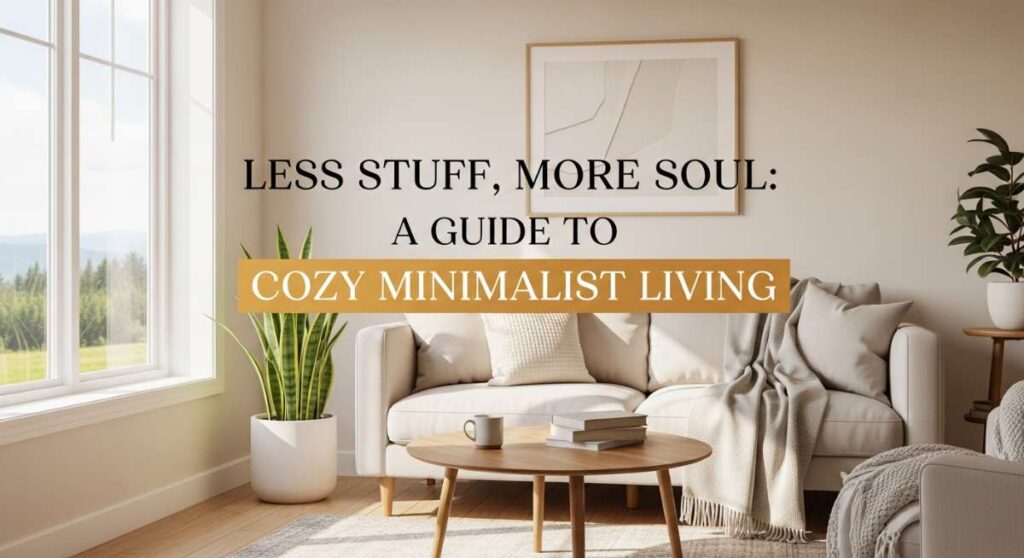
Do you ever walk into your home and feel a physical weight on your shoulders, not from your bag, but from the sheer volume of stuff staring back at you? It’s a common modern ache—the desire for a life that feels lighter, more intentional, and deeply soul-nourishing. We often mistake minimalism for cold, empty white boxes, but true minimalist living is actually about making room for what makes your heart sing. It’s about trading the clutter for a quiet, cozy sanctuary that welcomes you like a warm hug at the end of a long day.
Finding that perfect balance between ‘less is more’ and ‘cozy is everything’ is an art form I like to call Cozy Minimalism. It’s not about deprivation; it’s about curation. It’s the smell of fresh cedar, the touch of a heavy knit blanket, and the visual peace of a room where every object has the space to breathe. Let’s dive into how we can transform your home into a haven of soul and style.
How to Style a Cozy Minimalist Living Room for Ultimate Comfort
Why we love this
There is a profound, quiet magic in a room that breathes, where the air feels lighter and every object serves a purpose or tells a story of comfort. Imagine sinking into a soft, oatmeal-colored linen sofa while the scent of sandalwood and toasted amber wafts from a single, high-quality candle on a reclaimed wood table. The tactile experience of running your fingers over a chunky wool throw, contrasted against the cool, smooth surface of a matte ceramic vase, creates a grounded sensory symphony. It’s about the visual silence of a clear surface and the way the afternoon sun hits a single green leaf, turning a simple living space into a meditative retreat.
Essential Elements:
- Neutral color palette (creams, greiges, and soft taupes)
- Low-profile modular sofa with deep seating
- Natural wood coffee table with organic edges
- One high-quality wool or cashmere throw blanket
- Dimmable warm-toned lighting (2700K)
How to make it
- Clear the Canvas: Remove every non-essential item from the room to see the architectural bones. This ‘reset’ phase is crucial for identifying the true flow of the space.
- Anchor the Room: Place your largest piece of furniture—the sofa—facing the primary light source or fireplace. Ensure there is at least 18 inches of walking space around it to maintain ‘airiness.’
- Layer Soft Goods: Instead of multiple small pillows, choose two oversized 24-inch pillows in a heavy linen fabric. Drape a throw blanket over the arm, using a ‘loose toss’ technique for an effortless look.
- Set the Light Level: Avoid overhead ‘big lights.’ Place floor lamps at eye level when seated and use bulbs with a warm 2700K color temperature. Visual cue: The room should feel like it’s bathed in a soft sunset glow, not a sterile office.
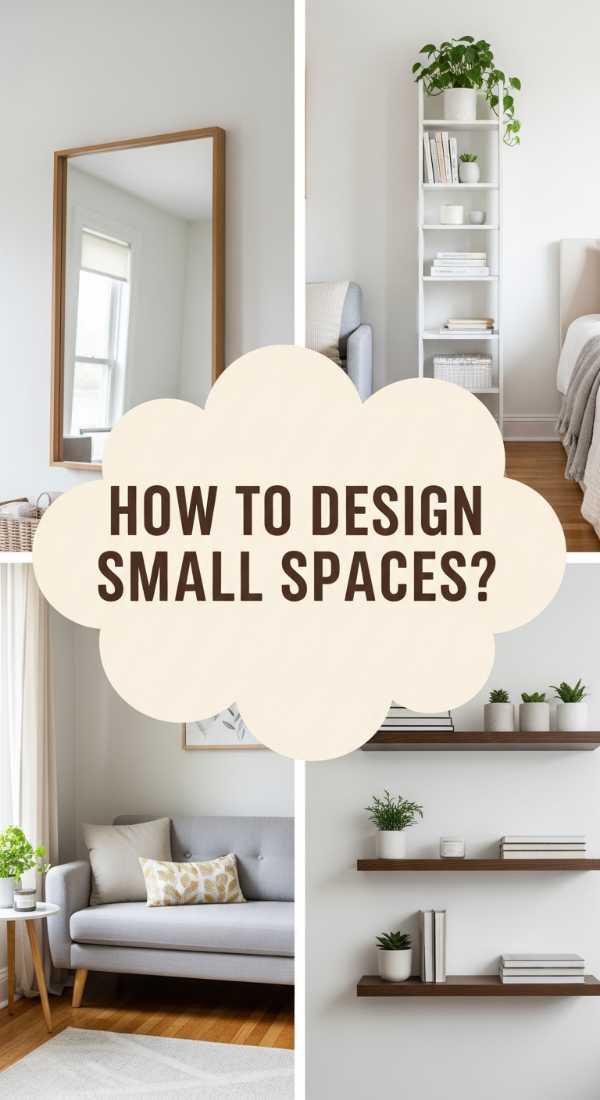
How to Maximize a Small Living Room Apartment for a Spacious Feel

Why we love this
Maximizing a small space is like solving a beautiful puzzle where every piece must be both functional and aesthetically pleasing. We love the challenge of making 400 square feet feel like a grand estate by using clever visual tricks and intentional furniture selection. The sensation of a ‘breathable’ small room comes from seeing the floor extend under furniture, creating an unbroken line for the eye to follow. It’s about that ‘aha!’ moment when you realize you don’t need more space, you just need better spatial awareness and a commitment to verticality.
Essential Elements:
- Furniture with exposed legs (leggy sofas/chairs)
- Large-scale mirrors to bounce light
- Acrylic or glass coffee tables
- Sheer, floor-to-ceiling window treatments
- Multi-functional storage ottomans
How to make it
- Lift the Furniture: Select a sofa and armchairs with slim, exposed legs rather than skirted bases. This allows light to pass underneath, which tricks the brain into perceiving more floor area.
- The Mirror Trick: Hang a large, frameless mirror opposite your largest window. Angle it slightly upward to capture the sky, which effectively doubles the visual depth of the room.
- Scale Up the Rug: A common mistake is using a small rug. Use a large rug that extends under all furniture legs; this draws the eye outward to the perimeter, making the floor feel expansive.
- Vertical Storage: Install floating shelves high on the wall to draw the eye upward. Visual cue: The room is ‘done’ when you can see clear paths of floor and the ceiling feels higher than when you started.
How to Curate Minimalist Room Decor for a Serene Sanctuary

Why we love this
Creating a serene sanctuary is about curating objects that act as anchors for your peace of mind. When you walk into a room and see only the items that hold deep meaning or exquisite utility, your nervous system immediately begins to downshift into a state of relaxation. There is a specific, cooling sensation to a room decorated with intention—the smooth touch of a hand-thrown ceramic bowl or the gentle rustle of eucalyptus branches in a glass vase. It’s a sensory experience that prioritizes quality over quantity, ensuring that every glance around the room brings a sense of calm rather than a mental to-do list.
Essential Elements:
- Organic-shaped ceramic vases
- Single-stem greenery (eucalyptus or dried palms)
- Framed line art or monochromatic photography
- Natural stone trays (marble or travertine)
- Handcrafted incense burners
How to make it
- The Rule of Three: Group decor items in odd numbers, varying the height and texture. For example, a tall glass vase, a medium ceramic bowl, and a small stone candle holder create a balanced ‘vignette.’
- Negative Space: Leave at least 40% of your shelf or tabletop surface completely empty. This ‘white space’ acts as a visual palate cleanser.
- Texture Contrast: Pair a rough, unglazed ceramic piece with a smooth glass surface. This adds depth without adding color clutter.
- Visual Cue for Balance: Step back 10 feet. If your eye gets stuck on one ‘heavy’ spot, move one item to a different area to distribute the visual weight evenly.
How to Achieve a Minimalist Cozy Vibe in Any Room
Why we love this
Achieving this vibe is about the delicate dance between the ‘cool’ of minimalism and the ‘warm’ of coziness, creating a space that feels both modern and lived-in. It’s the ultimate lifestyle hack because it works in a bedroom, a kitchen, or even a home office, instantly elevating the mood. We love how this approach uses warmth—think honey-toned woods and soft textiles—to soften the sharp edges of minimalist design. It transforms a house from a showroom into a home, where the atmosphere feels thick with comfort and thin on distractions.
Essential Elements:
- Warm wood accents (oak, walnut)
- Natural fiber rugs (jute, sisal)
- Soft, layered lighting
- Comforting scents (vanilla, cedar, tobacco)
- Linen textiles in earthy tones
How to make it
- Introduce Wood Tones: Replace plastic or metal surfaces with warm wood. A simple wooden tray on a desk or a wooden bench at the foot of the bed adds immediate organic warmth.
- Layer Textures: Layer a small sheepskin (or faux sheepskin) over a jute rug or a wooden chair. The ‘crunch’ of the jute and the ‘fluff’ of the sheepskin provide a high-contrast cozy feel.
- Scent Scaping: Use a reed diffuser with essential oils like bergamot and cedar. Visual/Sensory cue: The room should feel ‘warm’ to the nose and the eyes simultaneously.
- Softening the Edges: Swap out any harsh, square-edged items for rounded ones—round pillows, round mirrors, or round coasters.
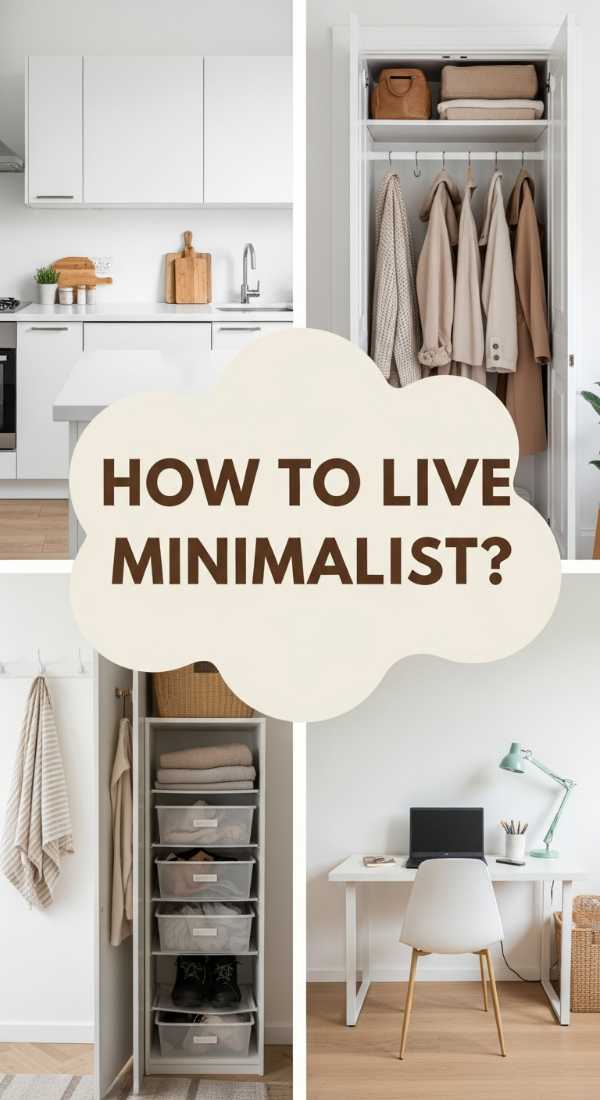
How to Organize a Minimalist Home for a Stress Free Life
Why we love this
Organization is the hidden backbone of the minimalist lifestyle; it is the invisible force that keeps a home feeling serene even during a busy work week. There is an incredible, liberating rush when you open a drawer and see only what you need, neatly categorized and easy to access. It eliminates the ‘micro-stress’ of searching for keys or digging through piles of mail. We love the mental clarity that follows a deep organizational session—it feels as though you’ve decluttered your brain just as much as your pantry, leaving more space for creativity and joy.
Essential Elements:
- Uniform storage containers (clear glass or white)
- Label maker for consistency
- Hidden cord management boxes
- A dedicated ‘drop zone’ by the entry
- In-drawer dividers
How to make it
- The Purge: Empty every item from a category (e.g., all your pens). Only keep what is functional and brings value. Professional tip: If you haven’t used it in 6 months, it’s a candidate for donation.
- Categorize and Containerize: Place like-items in uniform containers. Visual cue: Using the same style of container reduces ‘visual noise’ and makes the space look professionally curated.
- The ‘One In, One Out’ Rule: For every new item that enters the home, one must leave. This maintains the equilibrium of your minimalist sanctuary.
- Maintain Vertical Order: Store items by frequency of use. Everyday items at eye level, seasonal items on top shelves.
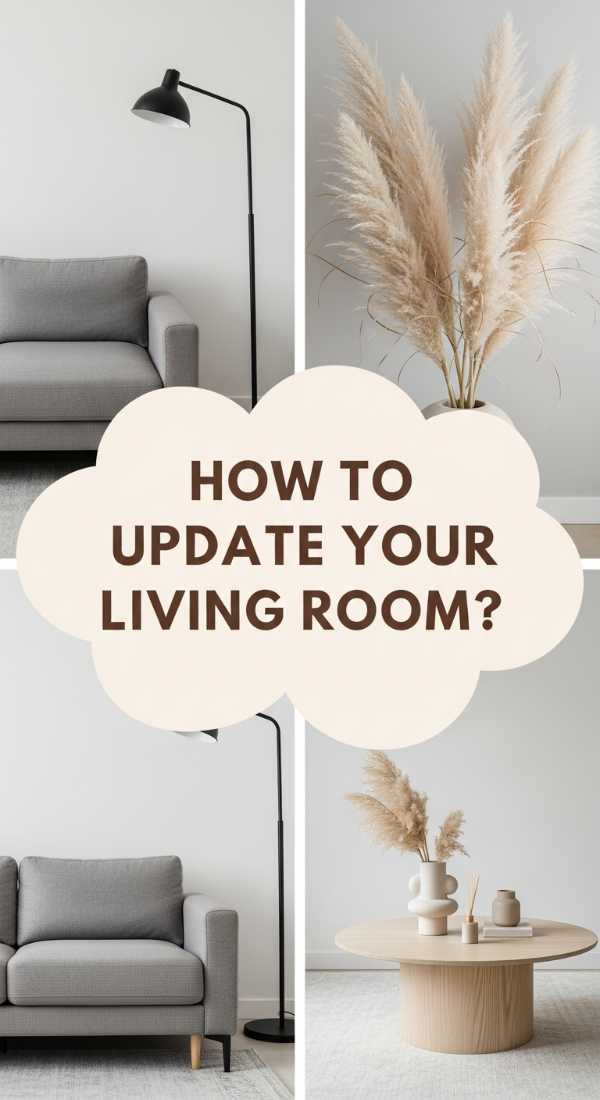
How to Select Living Room Decor Minimalist Style for Modern Homes
Why we love this
In modern homes, the ‘less but better’ philosophy allows architectural details to shine and creates a sophisticated, high-end feel without the high-end price tag. We love the intentionality of selecting one ‘hero’ piece—like a stunning sculptural lamp or a single oversized piece of art—rather than ten smaller, distracting items. This approach creates a gallery-like atmosphere that is deeply personal yet professionally polished. It’s about the confidence of leaving a wall blank and letting a single, beautiful texture do the heavy lifting for the entire room’s aesthetic.
Essential Elements:
- Sculptural lighting fixtures
- Large-scale monochrome art
- Matte black or brass accents
- Geometric furniture silhouettes
- Architectural plants (like a Fiddle Leaf Fig)
How to make it
- Pick a Hero: Choose one item to be the star of the room. It could be a bold light fixture or a velvet armchair. Everything else should be ‘supporting actors’ in neutral tones.
- Focus on Form: Select furniture based on its silhouette. A chair with a unique ‘C’ curve or a table with a tripod base adds visual interest without needing extra decor on top.
- Metal Consistency: Stick to one metal finish (e.g., all matte black) throughout the room to create a cohesive, modern thread.
- Visual Cue: If a piece doesn’t have a distinct shape or a high-quality texture, it shouldn’t be in a modern minimalist room.
How to Arrange Minimalist Living Room Small Spaces for Function
Why we love this
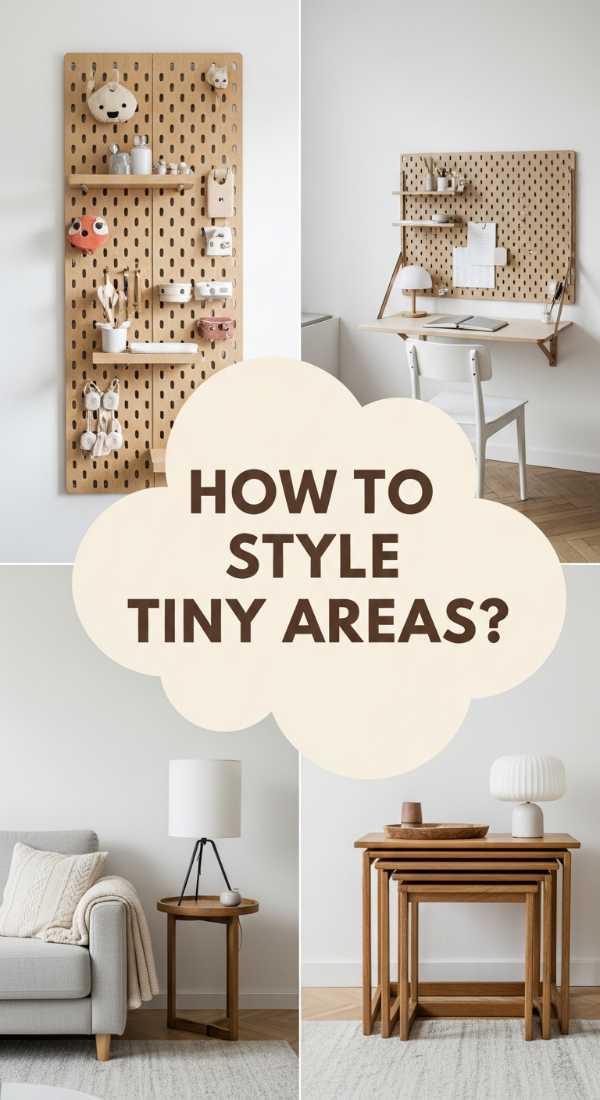
Arranging a small space for function is the ultimate exercise in mindfulness, forcing us to consider how we actually live versus how we think we should live. We love how this process turns every square inch into prime real estate, ensuring that your home works for you, not the other way around. There’s a satisfying ‘click’ when you find the perfect layout that allows for both a morning yoga session and a cozy movie night in the same ten-foot radius. It’s about smart zoning and the clever use of furniture to define ‘rooms’ within a single open area.
Essential Elements:
- Rug to define ‘zones’
- Small-scale furniture (no oversized ‘Texas-style’ sofas)
- Floating desks or console tables
- Nesting tables for flexible surface area
- Swivel chairs for multi-directional use
How to make it
- Zone Your Space: Use a rug to physically ‘border’ the living area. This tells the brain that the space inside the rug is for relaxation, while the space outside is for transit or dining.
- The Floating Layout: Do not push all furniture against the walls. Pulling the sofa just 3-5 inches away from the wall creates an ‘air pocket’ that makes the room feel larger.
- Multi-Purpose Pieces: Use a sturdy ottoman as a coffee table with a tray on top, which can then be moved and used as extra seating for guests.
- Visual Cue for Flow: Walk through the room with your eyes closed. If you bump into anything, the flow is blocked. The ‘path of travel’ should be a clear, curved line.
How to Decorate a Minimalist Room Using Natural Textures

Why we love this
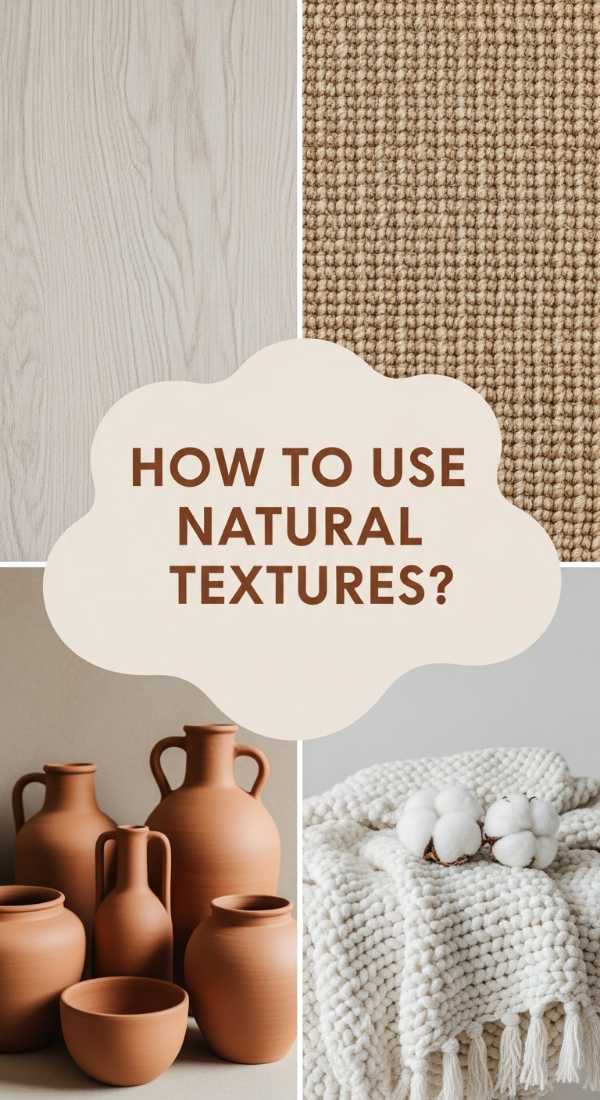
Natural textures are the secret sauce of minimalist design; they provide the visual and physical ‘warmth’ that prevents a room from feeling sterile. We love the way raw silk, unpolished stone, and hand-woven seagrass bring the outdoors in, grounding us in the beauty of the natural world. There is something deeply soothing about the ‘perfectly imperfect’ nature of a knot in a piece of oak or the nubby texture of a high-quality wool rug. It’s a sophisticated way to add ‘color’ without using actual pigments, relying instead on the play of light and shadow across varied surfaces.
Essential Elements:
- Linen curtains
- Rattan or wicker baskets
- Stone coasters or bookends
- Bouclé upholstery
- Unfinished wood accents
How to make it
- The Texture Trio: Every surface should feature three textures: one hard (wood/stone), one soft (wool/linen), and one organic (plant/seagrass).
- Tone-on-Tone: Keep all your textures in the same color family (e.g., all creams). This forces the eye to notice the *feeling* of the materials rather than the color.
- Incorporate ‘Living’ Textures: A bowl of moss or a piece of driftwood acts as a natural sculpture that adds a sense of life to a minimalist space.
- Visual Cue: Rub your hand across the room. If every surface feels the same (all smooth or all hard), you need to add a contrasting texture.
How to Design a Small Living Room Ideas Apartment Aesthetic
Why we love this
The ‘Apartment Aesthetic’ is all about curated, high-impact design that reflects a modern, urban lifestyle while remaining incredibly cozy. We love how this style leans into the ‘now,’ using trendy yet timeless elements like arched mirrors and tonal palettes to create a space that looks like a high-end boutique hotel. It’s the perfect blend of youthful energy and sophisticated restraint. The feeling of a well-designed apartment is one of ‘curated ease’—where everything looks expensive because it has the space to be seen, even if the pieces themselves are budget-friendly finds.
Essential Elements:
- Arched floor mirrors
- Tonal cream and beige palette
- Pampas grass in tall floor vases
- Low-profile boucle chairs
- Geometric wall molding or ‘box’ trim
How to make it
- The Tonal Trick: Paint your walls, trim, and doors the exact same shade of warm white. This ‘washes’ the room in light and removes visual breaks, making the apartment feel like one continuous, luxurious suite.
- Statement Lighting: Install a ‘sputnik’ or ‘paper lantern’ style light fixture as a central focal point. Visual cue: This draws the eye away from the small floor footprint and up toward the design.
- Layered Rugs: Place a small, plush rug over a larger jute rug. This adds the ‘apartment aesthetic’ depth that feels designer-level.
- Minimalist Gallery: Use 2-3 large frames with wide white matting for photos. The matting makes even a small photo look like high art.
How to Implement Minimalist Cozy Decor for Winter Nights
[IMAGE_10]
Why we love this
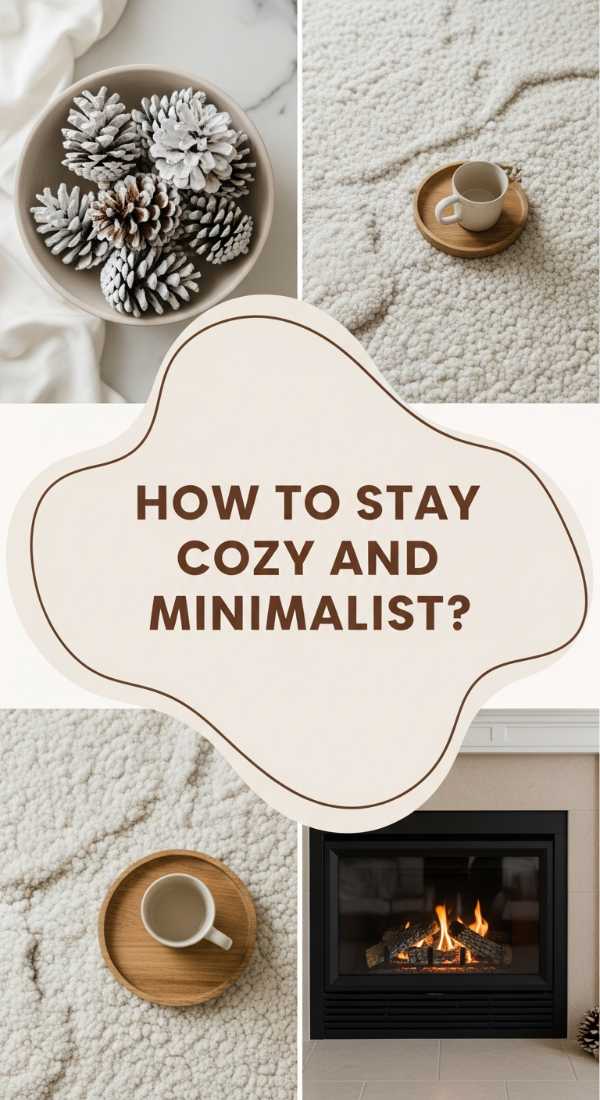
Winter is the season where cozy minimalism truly shines, turning your home into a protective cocoon against the cold. We love the ritual of ‘winterizing’ a minimalist home by introducing deep, heavy textures and warm flickers of light that feel like a soul-level reset. It’s about the aroma of cinnamon and pine, the weight of a weighted blanket, and the golden glow of a fireplace (or even a fireplace video on your TV). This seasonal shift proves that minimalism isn’t static—it’s a living, breathing way of adjusting your environment to meet your internal needs for warmth and safety.
Essential Elements:
- Chunky knit weighted blankets
- Faux fur pillows
- Scented candles with wood wicks (for the crackle)
- Fairy lights in glass jars
- Darker accent colors (charcoal or forest green)
How to make it
- Lower the Light Temp: Swap any ‘cool’ bulbs for ‘extra warm’ 2200K bulbs. The light should mimic candlelight. Visual cue: If it looks like a cozy pub, you’ve nailed it.
- The ‘Blanket Basket’: Place a large wicker basket next to the sofa filled with various heavy knits. This keeps the room tidy (minimalist) while keeping warmth within reach (cozy).
- Warm Up the Floor: If you have hardwood or tile, add a high-pile shag rug just for the winter months to insulate the room visually and physically.
- Scent Curation: Use a simmer pot on the stove with orange slices and cinnamon sticks. The humidity and scent will make the minimalist air feel ‘thicker’ and more comforting.
The Soul of the Home
At the end of the day, cozy minimalist living isn’t about following a set of strict rules or owning a specific number of items. It’s about creating a space that supports your best self. It’s about coming home to a place that doesn’t demand your attention with clutter, but rather invites you to rest. By choosing quality over quantity and prioritizing texture and light, you’re not just decorating a room—you’re crafting a lifestyle that celebrates the beauty of simplicity and the warmth of the soul.