
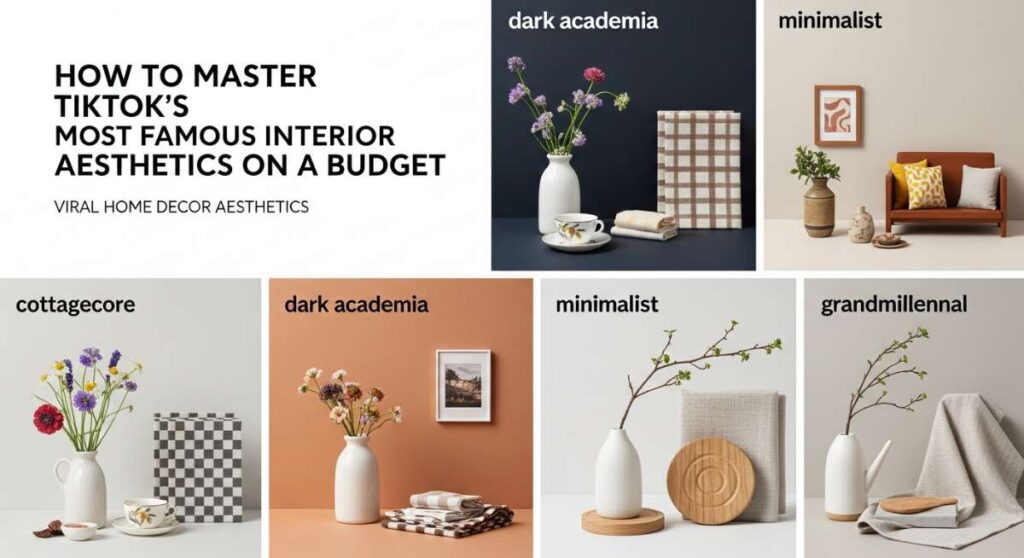
Have you ever spent hours scrolling through TikTok, mesmerized by those perfectly curated rooms that seem to glow with a magical, unattainable energy? I know I have. There is something about the way a sun-drenched coastal living room or a moody, vintage-inspired bedroom looks through a phone screen that makes us want to throw out every piece of furniture we own and start from scratch. But here is the secret that the big influencers don’t always tell you: you don’t need a massive renovation budget to capture that viral magic. Most of what makes an interior aesthetic ‘work’ isn’t about the price tag; it’s about the feeling it evokes and the layers of personality you weave into it.
In this post, I am breaking down how to master the internet’s favorite home styles without breaking the bank. Whether you are dreaming of a cozy Mexican-inspired sanctuary or a playful nineties throwback, we are going to dive deep into the sensory details that make these spaces sing. We will look at textures, lighting, and those tiny DIY tweaks that turn a house into a home. So, grab a cup of coffee, clear your schedule, and let’s start transforming your space into something truly viral-worthy.
How to Create a Rustic Mexican Sanctuary for Cozy Evenings
Why we love this
A rustic Mexican sanctuary is all about the warmth of a sun-baked afternoon transitioning into a cool, starlit evening. When you step into this space, you should feel wrapped in the scent of aged cedar and dried chilies, with the tactile grounding of rough-hewn wood and cool, hand-painted tiles. It is a sensory feast where the deep ambers of Saltillo tile meet the vibrant pops of cobalt blue and sunset orange. The atmosphere is thick with history and hospitality, inviting you to kick off your shoes and sink into a space that feels deeply rooted in the earth and the heart of the home.
Essential Elements:
- Terracotta pots in varying sizes
- Hand-woven Mexican serape blankets
- Distressed wooden furniture
- Talavera-style ceramic accents
- Wrought iron light fixtures
- Dried botanicals like pampas or agave stalks
How to make it
- Foundation with Earth Tones: Begin by establishing a color palette dominated by terracotta, burnt orange, and cream. If you can’t replace flooring, use large jute or sisal rugs to mimic the organic texture of a rustic villa.
- Layering Textiles: Drape vibrant serapes or heavy cotton throws over neutral sofas. The key technique here is ‘loose layering’—don’t fold them perfectly; let them drape naturally to create a lived-in, cozy feel.
- Lighting for Ambience: Swap out harsh overhead bulbs for warm-toned LEDs. Place wrought iron lanterns with thick pillar candles in corners to create flickering shadows that mimic a traditional hearth.
- Curating the Greenery: Incorporate large clay pots filled with succulents or cacti. Use ‘grouping’ techniques—place three pots of varying heights together to create a visual focal point that feels like an indoor garden.
- Sensory Finishing: Introduce a signature scent using a diffuser with notes of sandalwood, cinnamon, or citrus to complete the immersive sanctuary experience.
How to Achieve the Ultimate Summer Home Vibe for Seasonal Refresh
Why we love this
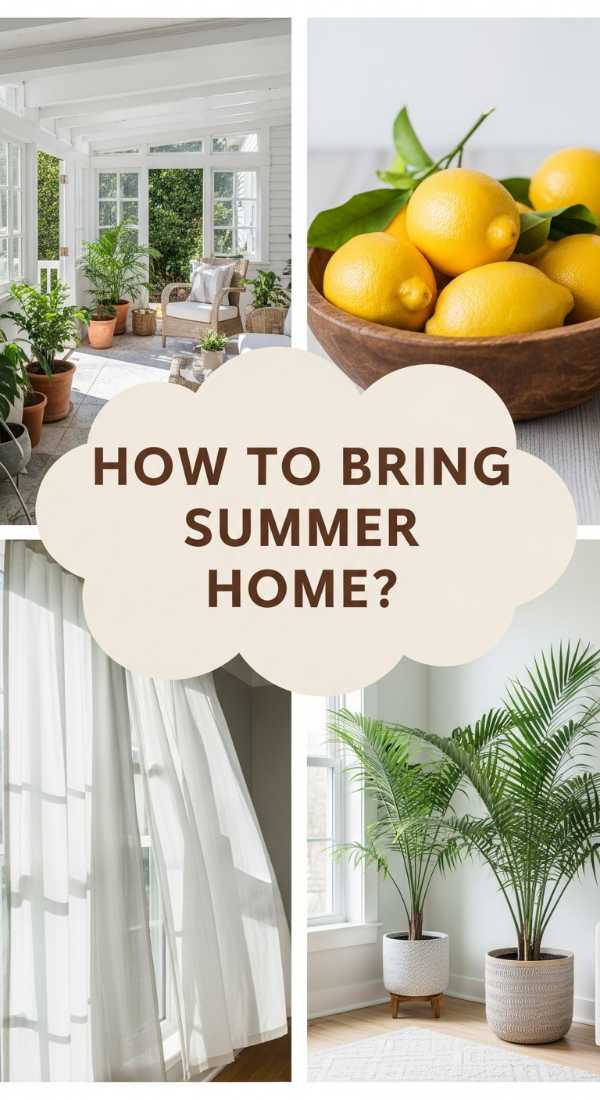
The ultimate summer home vibe is the architectural equivalent of a deep, refreshing breath of salty sea air. It is a space that feels perpetually light, airy, and unburdened by the weight of the world, defined by the crispness of white linen and the natural warmth of light oak. You can almost feel the phantom breeze ruffling sheer curtains while the subtle scent of lemon verbena and fresh-cut grass lingers in the air. This aesthetic isn’t just about decor; it’s about creating a sanctuary where the boundaries between the lush outdoors and the calm indoors beautifully blur into one seamless, sun-drenched experience.
Essential Elements:
- Sheer white linen window treatments
- Light wood or wicker furniture
- Citrus-themed decor and fresh fruit bowls
- Rattan storage baskets
- Lightweight cotton area rugs
- Minimalist glass vases with single-stem greenery
How to make it
- Maximize Natural Light: Remove heavy drapes and replace them with sheer, floor-to-ceiling linen panels. Mount the rod higher and wider than the window frame to create the illusion of larger openings and more airflow.
- De-clutter for Airiness: Adopt a ‘breathable’ layout by removing excess small knick-knacks. Focus on ‘negative space’—leaving areas of the room empty to allow the eye to rest and the air to circulate visually.
- Introduce Organic Textures: Bring in wicker or seagrass elements through chairs or storage bins. These materials reflect light differently than plastic or metal, adding a soft, organic glow to the room.
- Color Palate Refresh: Use a ‘bleached’ palette of whites, creams, and very pale sage. This ‘monochromatic layering’ technique creates a sophisticated, high-end summer look without requiring expensive pieces.
- Fragrance Layering: Place open bowls of dried citrus or high-quality soy candles with sea salt notes to evoke that coastal summer feeling every time you enter the room.
How to Design a Whimsical Garden Room for Magical Living

Why we love this
Walking into a whimsical garden room should feel like discovering a secret portal in the back of a vintage wardrobe. It is a lush, verdant escape where the damp, earthy aroma of ferns and moss meets the delicate sweetness of blooming jasmine. The textures are a mix of soft velvet and rough stone, creating a tactile wonderland that stimulates the imagination at every turn. It is a space designed for daydreaming, filled with the soft sound of a trickling indoor fountain and the sight of sunlight filtering through dense green leaves, making the interior feel like a living, breathing fairytale forest.
Essential Elements:
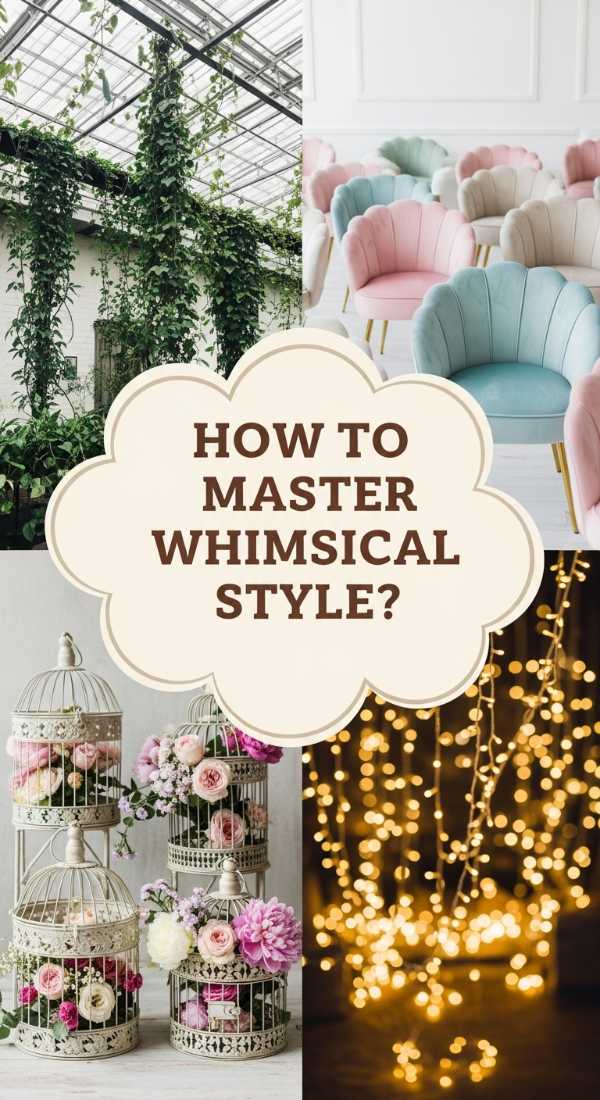
- Climbing indoor vines like Pothos or Ivy
- Wrought iron bistro sets
- Antique-style birdcages used as planters
- Botanical print wallpapers or art
- Floral embroidered pillows
- Fairy lights or delicate brass lanterns
How to make it
- Vertical Greening: Use wall-mounted planters or tall shelving units to create a ‘living wall.’ Train climbing plants to wrap around frames or hooks to give the space an overgrown, magical appearance.
- Eclectic Furniture Sourcing: Look for metal or wire furniture that looks like it belongs on a patio. Soften these pieces with thick, plush cushions in jewel tones like emerald or deep amethyst.
- Mirrored Reflections: Place large, arched mirrors opposite windows. This ‘doubling’ technique reflects the greenery and light, making the room feel like an endless, hidden garden.
- Themed Accessorizing: Incorporate ‘curiosity’ items like glass cloches, vintage gardening books, and small stone statues. Arrange them in ‘vignettes’—small clusters that tell a story of a hidden outdoor sanctuary.
- Floor Texture: Use a faux-moss or high-pile green rug to mimic the sensation of walking on grass, grounding the garden theme from the bottom up.
How to Curate a Peaceful Catholic Home Space for Spiritual Grace

Why we love this
A peaceful Catholic home space is an oasis of silence and spiritual depth, designed to pull the soul away from the noise of modern life. It carries the weight of sacred tradition, characterized by the flickering amber glow of beeswax candles and the faint, woody trail of frankincense. The textures are timeless—smooth polished wood, cold brass, and the softness of prayer books worn by time. It is a space that feels intentionally still, where every object holds a story of faith and every corner offers a visual invitation to pause, breathe, and find a moment of profound interior grace.
Essential Elements:
- A dedicated prayer altar or small side table
- Religious icons or framed sacred art
- Beeswax candles and vintage candle holders
- A wall-mounted or handheld crucifix
- Textured linens for the altar surface
- Fresh flowers, specifically lilies or roses
How to make it
- Zoning for Silence: Choose a quiet corner or a small wall that is away from the main traffic flow of the house. This ‘sacred zoning’ helps mentally separate this space from everyday chores.
- Centering the Focal Point: Place a primary icon or crucifix at eye level. Use the ‘Rule of Thirds’ to balance the altar, placing the main image in the center and smaller items like candles or a Bible to the sides.
- Textural Layering: Use a white or lace runner to cover the surface of your altar table. The contrast of delicate lace against dark wood creates a traditional, reverent aesthetic.
- Sensory Elevation: Incorporate a small incense burner or a high-quality essential oil diffuser. Use frankincense or myrrh scents to anchor the space in the olfactory traditions of the church.
- Illumination: Avoid electric lights in this space. Use exclusively candlelight or low-wattage warm lamps to maintain a soft, contemplative atmosphere that is easy on the eyes and calming for the spirit.
How to Perfect a Coastal Home Aesthetic for Oceanfront Serenity

Why we love this
This aesthetic captures the essence of a serene morning by the sea, where the air is cool and the horizon is a blur of soft blues and grays. It is a space that prioritizes comfort and clarity, utilizing the tactile contrast of smooth sea glass against the rough, sun-dried texture of driftwood. You can almost hear the rhythmic pulse of the tides as you sink into oversized, slipcovered sofas that feel like soft clouds. It is a masterclass in understated luxury, where the color palette is inspired by the shore and the mood is one of permanent, unshakeable tranquility.
Essential Elements:
- Slipcovered furniture in white or oatmeal
- Driftwood accents and decor
- Sea glass jars and blue-toned ceramics
- Striped or nautical-themed textiles
- Jute or braided seagrass rugs
- Large-scale coastal landscape photography
How to make it
- Color Anchoring: Stick to a base of ‘sandy neutrals’ and layer in ‘oceanic accents.’ Use varying shades of blue—from navy to seafoam—but keep them muted to avoid a ‘kitsch’ look.
- Fabric Selection: Opt for heavy-weight cotton or linen slipcovers. These can be easily washed, maintaining that ‘crisp’ coastal look while allowing for a relaxed, ‘no-worries’ lifestyle.
- Natural Curation: When accessorizing, use ‘found objects’ like smooth stones, shells, or pieces of driftwood. Display them in glass vessels to elevate their organic beauty into art.
- Window Light Management: Use bamboo or woven wood shades under sheer curtains. This ‘layered treatment’ allows you to control the light while adding a texture that mimics the docks and dunes.
- Aromatic Finishing: Use reed diffusers with scents of sea salt, sage, and driftwood to ensure the space smells as fresh and clean as it looks.
How to Curate Vintage Home Decor Ideas for Timeless Charm

Why we love this
Vintage home decor is like a well-loved library; it is full of stories, soul, and a sense of enduring character that new furniture simply cannot replicate. There is a specific joy in the tactile feel of a velvet armchair with slightly worn edges or the heavy, satisfying clink of a mid-century glass decanter. The air in a vintage-inspired room often carries a nostalgic hint of old books and dried lavender, creating a space that feels both grand and incredibly intimate. It is a celebration of craftsmanship and the beautiful patina that only time and use can provide.
Essential Elements:
- Thrifted mid-century modern furniture
- Brass or copper kitchenware and accents
- Vintage Persian or oriental rugs
- Gallery walls with mismatched frames
- Ornate mirrors with gold-leaf detailing
- Velvet textiles in moody tones (burgundy, forest green)
How to make it
- Thrifting with Intent: Visit local flea markets or estate sales with a ‘quality first’ mindset. Look for solid wood and heavy metals rather than mass-produced replicas; the weight and finish are what give ‘vintage’ its viral appeal.
- Mastering the Mix: Don’t try to stick to one era. The ‘eclectic layering’ technique involves pairing a 1920s mirror with a 1970s velvet sofa. Keep the color palette consistent to tie these different decades together.
- Refurbishing Basics: Learn the ‘wax and buff’ technique for wood. Applying a high-quality furniture wax to old wooden pieces restores their glow without stripping away the character of their scratches and history.
- Gallery Wall Curation: Layout your art on the floor first. Mix oil paintings with sketches and old maps, keeping the spacing between frames tight (about 2-3 inches) for a cohesive, ‘curated over time’ look.
- Mood Lighting: Use vintage lamps with fringe or pleated shades. The way these shades diffuse light creates a soft, warm glow that highlights the textures of older materials.
How to Craft Boho Welcome Home Decorations for Warm Invitations

Why we love this
The boho welcome aesthetic is a vibrant explosion of global patterns and earthy textures that immediately makes any visitor feel like an old friend. It is characterized by its ‘more is more’ approach to comfort, featuring mountains of macrame, floor cushions, and a forest of indoor plants. The atmosphere is warm and heady, smelling of patchouli and sweet tea, with every surface inviting you to touch and explore. It is the ultimate expression of a free spirit, where the decor is a collection of travels, dreams, and a deep-seated love for the unconventional and the artistic.
Essential Elements:
- Macrame wall hangings and plant hangers
- Patterned kilim or Moroccan rugs
- Floor pillows and oversized ottomans
- Rattan and wicker furniture
- Earthy color palette (terracotta, mustard, ochre)
- Abundant indoor plants (Fiddle leaf figs, Snake plants)
How to make it
- Textile Overloading: Layer rugs on top of rugs. Place a patterned kilim rug diagonally over a larger jute rug to create a ‘tapestry floor’ that feels soft and adventurous.
- Vertical Texture: Hang macrame pieces at different heights. The ‘staggered hanging’ technique adds visual interest and fills the empty wall space with soft, tactile art.
- Comfort-First Seating: Create a ‘conversation pit’ using low-profile seating and plenty of floor cushions. This encourages a relaxed, informal atmosphere that is the hallmark of boho living.
- Plant Integration: Use ‘grouping and elevating.’ Place some plants on the floor, some on stands, and hang others from the ceiling to create a ‘jungle canopy’ effect that feels immersive.
- Warm Tonalities: Switch all light sources to warm-hued Edison bulbs. The amber glow complements the orange and red tones in boho textiles, making the whole room feel like it’s in a permanent golden hour.
How to Elevate Mobile Home Decorating for Spacious Comfort
Why we love this
Elevating a mobile home is all about the clever alchemy of light and proportion, turning a compact space into a sprawling, airy sanctuary. There is a unique satisfaction in how every inch of the room is utilized with purpose, creating a sleek, ‘yacht-like’ efficiency that feels incredibly modern. You’ll love the way light bounces off pale surfaces, making the ceilings feel higher and the walls wider. The texture of smooth, high-gloss finishes paired with soft, rounded furniture creates a sophisticated environment that proves a beautiful home is defined by design, not by square footage.
Essential Elements:
- Light, neutral color palettes (white, light gray, sand)
- Multi-functional, space-saving furniture
- Large wall mirrors to expand the visual field
- Built-in shelving and hidden storage
- Recessed or flush-mount lighting
- Unified flooring throughout the entire space
How to make it
- Visual Expansion: Paint the walls and the ceiling the same light color. This ‘seamless boundary’ technique removes the visual ‘break’ where the wall meets the ceiling, making the room feel significantly taller.
- Flooring Continuity: Run the same flooring through every room. This ‘unbroken line’ creates a flow that tricks the eye into seeing one large, continuous space rather than several small boxes.
- Smart Furniture Selection: Choose furniture with legs rather than pieces that sit flat on the floor. Seeing the floor continue under the sofa creates a sense of ‘openness’ and airflow.
- Mirror Placement: Install floor-to-ceiling mirrors in the narrowest parts of the home (like hallways). This ‘tunneling effect’ reflects the light and adds a sense of depth that wasn’t there before.
- Decluttering Systems: Use vertical storage to keep surfaces clear. The cleaner the lines of the room, the more ‘spacious’ and high-end the mobile home will feel.
How to Revive Nineties Home Decor for Playful Nostalgia
Why we love this
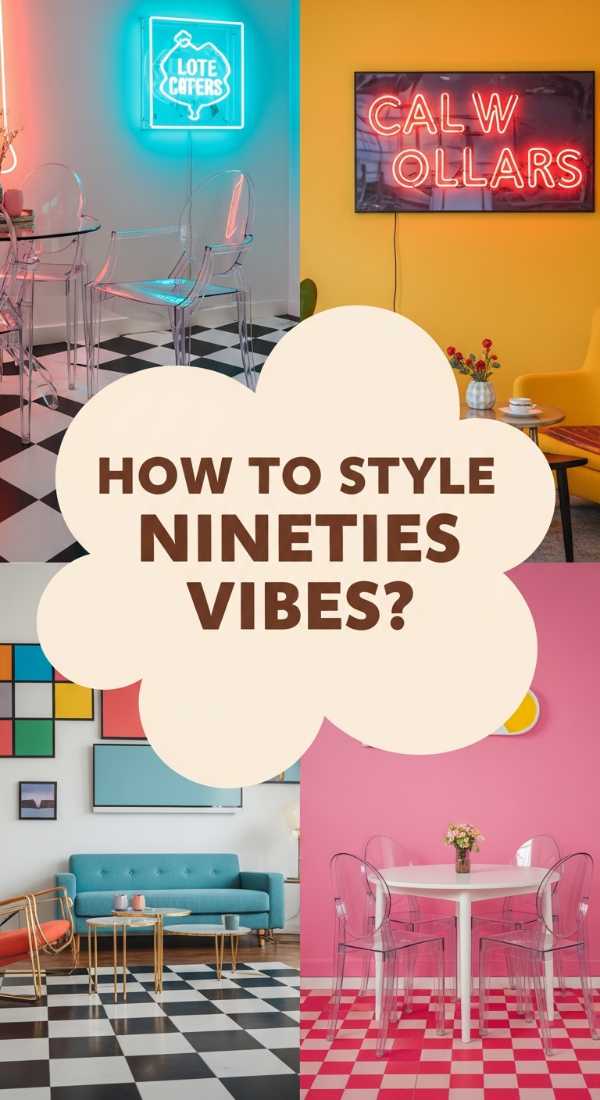
Nineties revival is a joyful, neon-soaked trip down memory lane, filled with the bold energy and ‘anything goes’ attitude of the decade. It is a space defined by high-contrast colors—think electric purple against lime green—and the playful feel of inflatable chairs and beaded curtains. There is a sensory thrill in the mix of synthetic textures and fuzzy fabrics, and the air always feels like it should be filled with the sound of a dial-up modem or a grunge cassette. It is a rebellious, fun-loving aesthetic that prioritizes personality and playfulness over the ‘quiet luxury’ of today.
Essential Elements:
- Inflatable furniture or bean bag chairs
- Neon signs and lava lamps
- Beaded door curtains
- Checkered or bold geometric patterns
- CD wall displays or vintage posters
- Primary color accents (red, blue, yellow)
How to make it
- Bold Pattern Mixing: Don’t be afraid to pair checkered rugs with floral or geometric pillows. The ‘nineties clash’ technique works as long as you have one common color thread running through all the patterns.
- Nostalgic Lighting: Use ‘colored mood lighting.’ Place a lava lamp on a side table or hang a neon sign. The ‘saturated glow’ creates that specific late-night, retro-tech vibe.
- DIY Wall Art: Create a ‘magazine collage’ wall or display your old CD jewel cases in a grid. This ‘grid-display’ technique turns common items from the 90s into a high-impact visual installation.
- Synthetic Textures: Incorporate high-shine plastics, fuzzy ‘muppet’ pillows, and velvet. Mixing these ‘unnatural’ textures is what gives the 90s aesthetic its quirky, high-energy edge.
- Furniture Choice: Look for rounded, ‘bubbly’ furniture shapes. The ‘curvilinear design’ of the late 90s feels friendly and approachable compared to the sharp lines of modern minimalism.
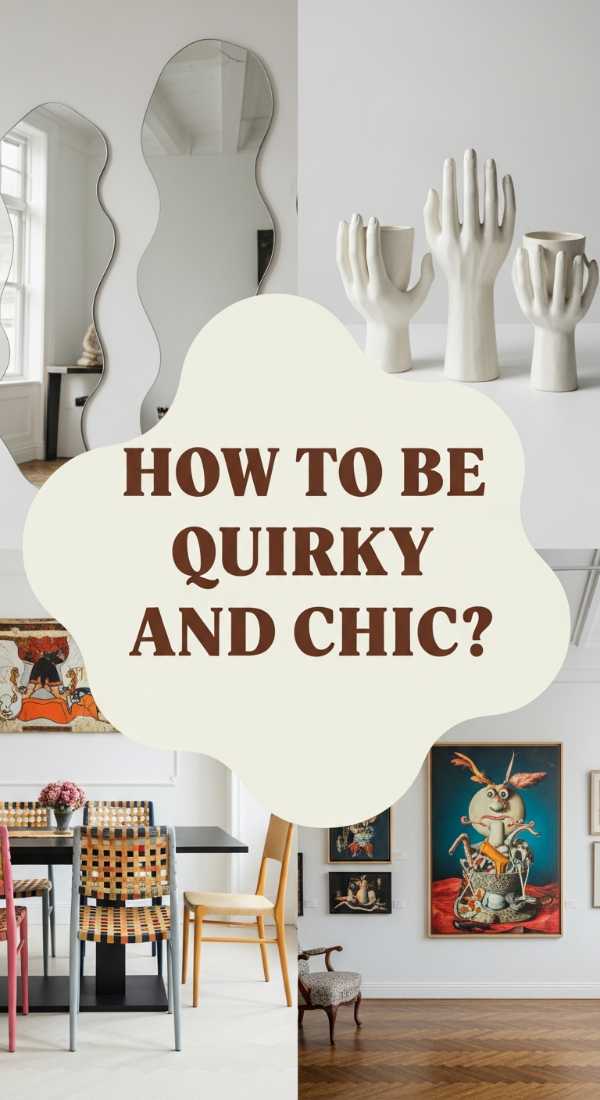
How to Integrate Quirky Home Decor for Unique Personality
[IMAGE_10]
Why we love this
Quirky home decor is the ultimate ‘dopamine decor,’ designed to make you smile the moment you walk through the door. It is a space where rules are discarded in favor of whimsy, featuring everything from disco ball planters to oversized fruit-shaped lamps. The textures are a wild mix of the unexpected—think shag rugs, glossy ceramics, and hand-knitted tapestries. It smells like fresh-baked cookies and creativity, feeling like a physical manifestation of your own inner child. It is vibrant, unapologetic, and completely unique, making every guest feel like they’ve stepped into a gallery of your own imagination.
Essential Elements:
- Unexpected, ‘weird’ objects (e.g., a giant hand-shaped chair)
- Disco balls used for light play
- Vibrant, clashing color palettes
- Handmade or artisanal DIY projects
- Statement lighting with strange shapes
- Personal collections displayed as art
How to make it
- The ‘Anchor and Accent’ Method: Start with one ‘hero’ piece—like a bright pink sofa or a giant clock—and build the rest of the room around it. This prevents the room from looking messy and makes the quirkiness feel intentional.
- Light Play: Hang a disco ball in a spot that catches the direct morning sun. The ‘scattering technique’ fills the room with dancing light spots, instantly lifting the mood of the space.
- Curating Collections: Take your ‘weirdest’ collection—whether it’s vintage salt shakers or plastic dinosaurs—and display them in a clean, museum-style shelf. ‘Organized chaos’ is the key to making quirky look cool.
- Color Blocking: Paint sections of your wall in bright, contrasting shapes. A ‘circle’ of yellow behind a square blue painting adds a graphic, playful element that feels very viral and modern.
- Texture Surprising: Add something tactilely ‘off’—like a furry lamp or a ceramic vase that looks like it’s made of fabric. These ‘visual puns’ are the heart of quirky interior design.
Conclusion: Your Home, Your Viral Story
Mastering these TikTok-famous aesthetics isn’t about perfectly replicating a photo; it’s about finding the elements that resonate with your soul and bringing them into your daily life. Whether you are seeking the spiritual peace of a traditional home space or the high-energy fun of a nineties revival, the most important rule is that your home should make you feel like the best version of yourself. By focusing on sensory details—the way a room smells, the way the light hits a certain corner, and the textures under your fingertips—you can create a viral-worthy sanctuary on any budget. Now, go forth and decorate!