
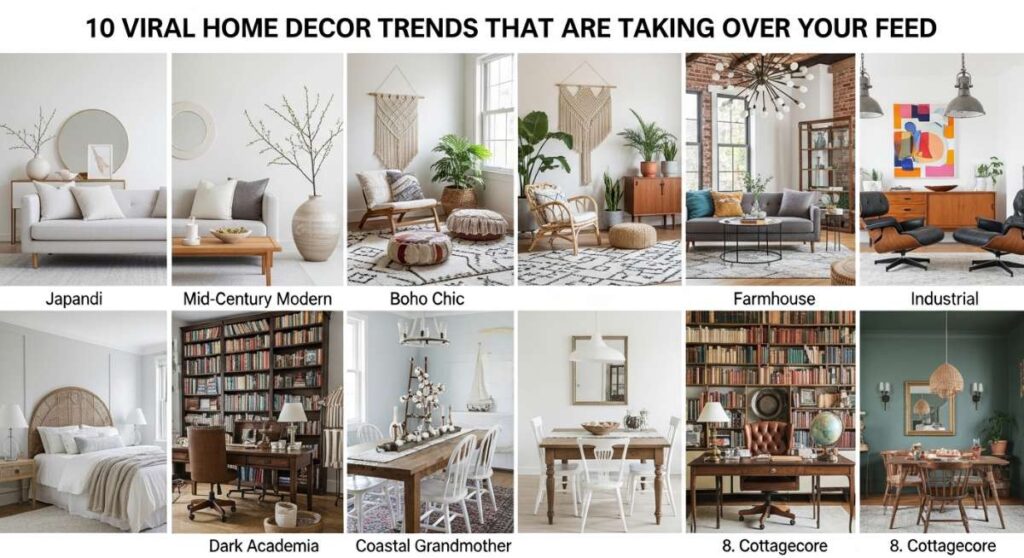
Have you ever scrolled through your feed and felt a sudden, deep ache for a space that doesn’t just look good, but feels like a soul-deep exhale? We’ve all been there—lost in the glow of a perfectly curated corner that seems to whisper stories of slow mornings and candlelit evenings. Our homes have become more than just four walls; they are the canvases where we paint our personalities, our histories, and our wildest dreams. This year, the trends aren’t just about ‘looks’; they are about feelings, textures, and the invisible magic that happens when a room finally clicks into place.
Lately, my own home has been a revolving door of inspiration, from the earthy warmth of sun-drenched courtyards to the nostalgic comfort of my childhood bedroom. It’s about creating a sanctuary that holds you close after a long day. Whether you’re looking to overhaul your entire living room or just tuck a little bit of whimsy into a forgotten corner, these viral trends are taking over for a reason. They ground us, inspire us, and remind us that beauty is found in the intentional details we choose to surround ourselves with every single day.
How to Curate Rustic Mexican Spaces for Warm Cultural Charm
Why we love this
There is a visceral, sun-baked warmth to Rustic Mexican decor that feels like a permanent summer afternoon. We are obsessed with the way it celebrates the ‘perfectly imperfect’—the rough grain of reclaimed wood, the cooling touch of terracotta underfoot, and the vibrant, rhythmic patterns of hand-painted Talavera tiles. It smells like cedarwood and dried chilies, and it feels like a space that has been lived in and loved for generations. This aesthetic doesn’t just fill a room; it invites you to sit down, stay a while, and share a story over a heavy wooden table that’s seen a thousand family dinners.
Essential Elements:
- Terracotta floor tiles or clay accents
- Hand-painted Talavera pottery and wall hangings
- Exposed dark wood ceiling beams or heavy rustic furniture
- Woven textiles in ochre, deep red, and cobalt blue
- Wrought iron light fixtures and hardware
How to make it
- Begin by establishing your earthy base layer. If you cannot replace flooring, bring in a large, jute or sisal rug that mimics the natural texture of desert ground.
- Select a focal point piece, such as a heavy, dark-stained ‘trastero’ (cupboard) or a reclaimed wood dining table. Ensure the wood has visible knots and a matte finish to maintain that raw, authentic feel.
- Layer in your ‘spices’—this means color. Arrange hand-painted tiles as a backsplash or even as coasters. Use textiles like ‘serapes’ or hand-loomed wool cushions to introduce vibrant reds and oranges against the neutral walls.
- Incorporate greenery by placing large Sansevieria (Snake Plants) or cacti in oversized clay pots. The contrast between the sharp green and the orange clay is a quintessential Mexican design staple.
- Finish with warm lighting. Replace harsh overhead bulbs with wrought iron sconces or lanterns that cast soft, flickering shadows, mimicking the glow of a traditional hacienda at dusk.
How to Refresh Summer Home Interiors for Breezy Seasonal Bliss
Why we love this
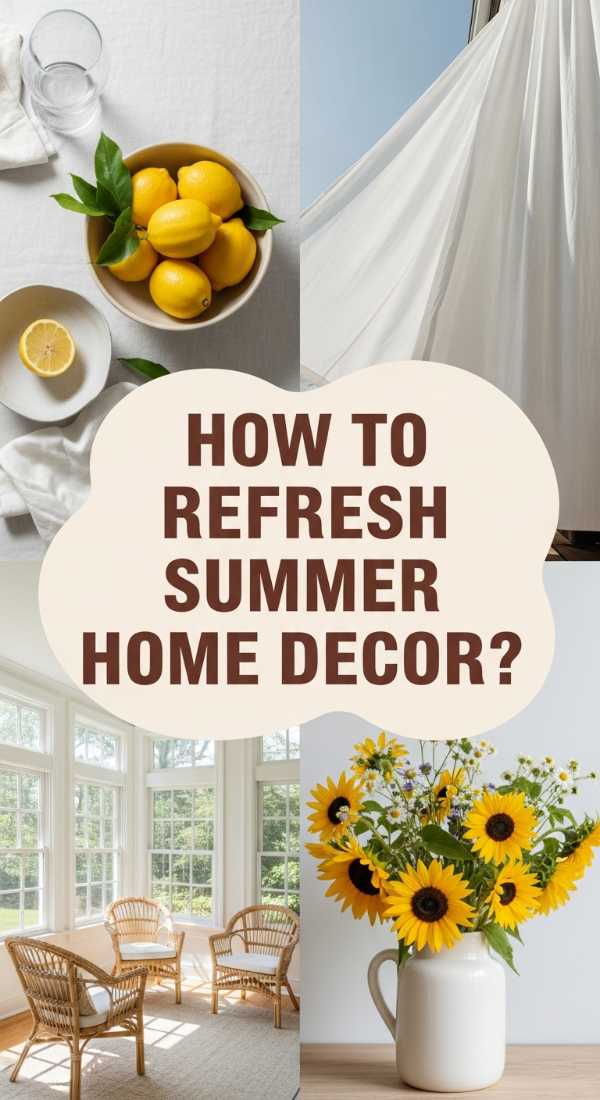
Summer interiors are all about the luxury of breathing room. We love this trend because it strips away the heavy layers of winter and replaces them with fabrics that dance in the cross-breeze. It’s the feeling of cool linen against your skin, the scent of fresh-cut citrus sitting on a marble counter, and the way the golden hour light stretches across a decluttered room. This aesthetic prioritizes light and air, making your home feel like a seaside villa even if you’re in the heart of the city. It’s a sensory reset that clears the mind and invites the outdoors in with open arms.
Essential Elements:
- Lightweight linen or cotton slipcovers and curtains
- Neutral palette with pops of sky blue or lemon yellow
- Natural textures like seagrass, rattan, and light oak
- Fresh greenery and bowls of seasonal fruit
- Sheer window treatments to maximize natural light
How to make it
- Start by ‘de-layering’ your space. Remove heavy wool rugs, velvet pillows, and dark drapes. This creates a literal and visual lightness that allows air to circulate more freely.
- Swap your bedding and sofa accents for high-quality linen. Choose ‘breathable’ whites or soft creams. When styling, don’t worry about wrinkles—the lived-in look of linen is part of its breezy charm.
- Maximize your natural light by cleaning windows thoroughly and switching to sheer curtains. These should be long enough to ‘puddle’ slightly on the floor, catching the wind when the windows are open.
- Introduce organic life. Place a large glass vase of eucalyptus or monstera leaves in a corner, and keep a bowl of lemons or limes on the dining table. The scent is naturally uplifting and provides a pop of organic color.
- Switch your scent profile. Move away from musky, heavy candles and toward sea salt, grapefruit, or cucumber-mint scents to reinforce the ‘fresh’ atmosphere through olfaction.
How to Create Whimsy Home Nooks for Pure Childhood Magic

Why we love this
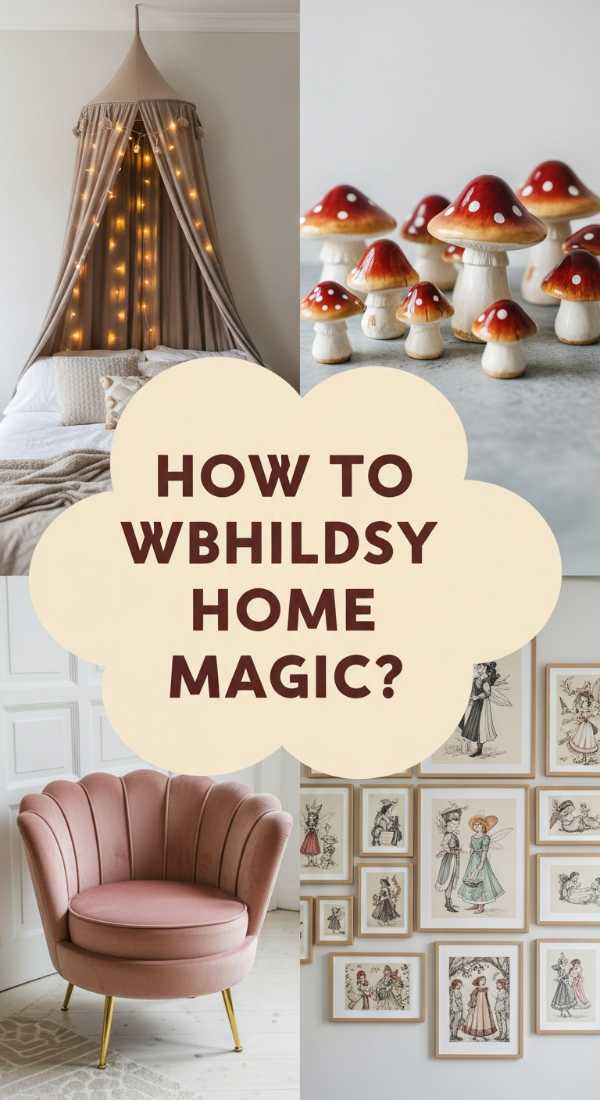
In a world that often feels too serious, whimsy home nooks are a rebellious act of joy. We love this trend because it leans into the ‘cluttercore’ and ‘cottagecore’ aesthetics to create a space that feels like it belongs in a storybook. It’s the soft glow of fairy lights tangled in a canopy, the tactile comfort of a velvet floor pouf, and the secret-garden feeling of a hidden reading corner. It appeals to our inner child, offering a safe harbor where imagination can run wild. It’s cozy, a little chaotic, and deeply personal, smelling of old books and lavender tea.
Essential Elements:
- Tulle or cotton fabric canopies
- String lights, lanterns, or mushroom-shaped lamps
- Eclectic mix of patterned pillows and soft throws
- Wall art featuring botanical prints or vintage illustrations
- Small, hidden shelves for ‘treasures’ like crystals or figurines
How to make it
- Identify an underutilized corner, such as the space under the stairs, a wide windowsill, or a quiet bedroom nook. The goal is to make it feel ‘tucked away.’
- Install a ceiling hook and hang a long, flowing canopy. Drape it so it semi-encloses the space, creating a literal ‘room within a room’ effect.
- Create a ‘nest’ on the floor. Layer a thick faux-fur rug over a standard rug, then pile at least three to five pillows of varying sizes and textures (velvet, silk, and knit) to ensure maximum comfort.
- Weave warm-toned LED fairy lights through the canopy or along the wall. Avoid ‘cool’ white lights; you want the amber glow of a firefly to achieve the magic effect.
- Curate a ‘wonder shelf.’ Add a few vintage books, a small trailing plant like a String of Pearls, and a whimsical lamp. This creates a visual focal point that draws the eye into the ‘story’ of the nook.
How to Arrange Catholic Home Altars for Peaceful Spiritual Reflection

Why we love this
There is a profound, grounding stillness that comes with a dedicated spiritual space. We love the Catholic Home Altar trend because it brings a sense of sacred ritual into the everyday routine. It’s the flicker of a beeswax candle against a lace runner, the cool touch of wooden rosary beads, and the visual peace of classic iconography. This isn’t just decor; it’s a sensory anchor. It creates a ‘thin place’ in the home where the noise of the world fades away, replaced by the scent of frankincense and the quiet beauty of tradition and faith.
Essential Elements:
- A small table, credenza, or wall-mounted shelf
- Crucifix or religious statues (Mary, Joseph, or Saints)
- Lace or embroidered altar cloths
- Votive candles and incense burners
- Fresh flowers and a Bible or prayer book
How to make it
- Select a quiet area of the home that faces east, if possible, to catch the morning light. Use a sturdy surface like a wooden console or a dedicated wall shelf at eye level.
- Lay down a white lace runner or a meaningful textile to designate the space as ‘set apart’ from the rest of the room’s utility.
- Place your central focal point—usually a Crucifix—in the middle and slightly elevated. You can use a small wooden box under the cloth to create levels, which adds visual depth to the arrangement.
- Flank the central piece with candles and statues. Symmetry creates a sense of order and peace, so try placing two identical votives on either side of a statue of the Blessed Mother or a patron saint.
- Incorporate a small bowl for holy water and a tray for your rosary. Adding a small vase of fresh lilies or roses provides a living element that symbolizes growth and beauty, completing the meditative atmosphere.
How to Design Coastal Home Sanctuaries for Ultimate Seaside Calm
Why we love this
Coastal design has evolved far beyond tacky seashells; it’s now about a sophisticated, ‘quiet luxury’ version of seaside living. We love this trend because it mimics the restorative power of the ocean. Imagine the texture of sun-bleached driftwood, the muted blues of a misty morning tide, and the sound of linen curtains rustling in the wind. It feels clean, expansive, and incredibly calm. It’s a style that prioritizes physical comfort—think overstuffed white sofas—while maintaining a visual palette that lowers your heart rate the moment you walk through the door.
Essential Elements:
- A palette of sandy beiges, soft whites, and watery blues
- Weathered wood furniture and accents
- Natural fibers like jute, sisal, and chunky cotton knits
- Large-scale glass jars and matte ceramic vessels
- Abstract ocean-inspired art or large framed photography
How to make it
- Paint your walls in a ‘breezy’ white with slightly cool undertones. This acts as your canvas, reflecting light and making the space feel larger and more open.
- Anchor the room with a large, slipcovered sofa in a durable white cotton. The ‘slipcover’ is key—it suggests a relaxed attitude where life (and sand) happens without stress.
- Layer textures to prevent the room from feeling ‘flat.’ Place a soft, high-pile cream rug over a larger jute rug. Add a weathered oak coffee table that looks like it was found on a beach.
- Accessorize with ‘found’ objects. Instead of store-bought coastal kitsch, use a single large piece of authentic driftwood or a bowl filled with smooth, grey river stones to provide organic interest.
- Use light-filtering window treatments. Bamboo shades paired with sheer white linen panels allow you to control privacy while still bathing the room in a soft, ethereal glow.
How to Find Vintage Home Treasures for Unique Antique Character

Why we love this
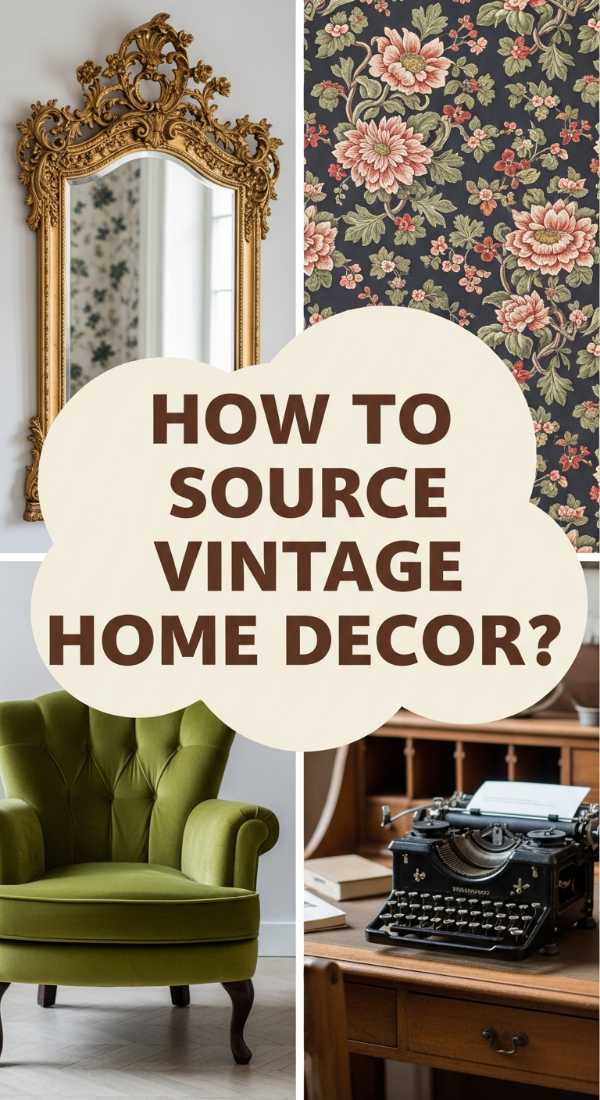
There is a thrill in the hunt for vintage treasures that ‘fast furniture’ can never replicate. We love this trend because it’s about soul and sustainability. It’s the heavy weight of a solid brass candlestick, the intricate carving on a Victorian-era mirror, and the soft patina of a well-worn leather armchair. These pieces carry history in their scratches and stories in their stains. Decorating with antiques makes your home feel curated over time rather than bought in a weekend, resulting in a space that is entirely unique to you and rich with tactile character.
Essential Elements:
- Gilded frames and tarnished silver accents
- Solid wood furniture with original hardware
- Vintage Persian or Turkish rugs with natural wear
- Oil paintings and ‘found’ portraits
- Brass or copper kitchenware and lighting
How to make it
- Start small at local thrift stores or estate sales. Look for ‘bones’—high-quality materials like solid wood, brass, or marble. Ignore the dust; focus on the silhouette and the weight of the object.
- Incorporate one ‘hero’ vintage piece into a modern room. For example, place a 19th-century wooden chest of drawers in a contemporary bedroom. The contrast makes the antique stand out.
- Clean your finds carefully. For wood, use a high-quality beeswax polish to restore the luster without stripping the history. For brass, decide if you want the dark patina (leave it!) or a bright shine (use a gentle polish).
- Mix your eras. A mid-century modern lamp can look stunning atop an ornate Baroque side table. The key is to find a common thread, like color or material, to tie the different centuries together.
- Display ‘collections’ in groups of three or five. Whether it’s vintage glass bottles or old brass bells, grouping items makes them look like an intentional gallery rather than random clutter.
How to Welcome Home Decorations for the Perfect Guest Arrival
Why we love this
Hospitality is an art form, and the ‘Welcome Home’ trend is all about making guests feel like they’ve just entered a five-star boutique hotel. We love this because it focuses on the sensory experience of others. It’s the smell of a fresh eucalyptus sprig in the shower, the sight of a neatly folded stack of plush towels, and the thoughtful touch of a carafe of water by the bed. It transforms a simple visit into a memorable retreat. It’s a way of saying ‘you are loved’ through the medium of interior design, creating a warm, fuzzy feeling that lingers long after they leave.
Essential Elements:
- High-thread-count white linens and extra pillows
- A dedicated ‘welcome tray’ with snacks and water
- Fresh flowers or a small potted plant on the nightstand
- Small toiletries in beautiful glass jars
- Ambient lighting and a signature room scent
How to make it
- Clear the ‘guest room’ of any personal clutter. It should feel like a blank slate for your guest. Ensure the bed is made with crisp, ironed sheets and at least four pillows of varying firmness.
- Set up a ‘hospitality station.’ On a dresser or side table, place a wooden tray containing a glass carafe of filtered water, a small dish of chocolates or local snacks, and a card with the Wi-Fi password.
- Layer the lighting. Ensure there is a bedside lamp with a warm-toned bulb so your guest doesn’t have to use the harsh overhead light to read or unwind.
- Stage the bathroom. Roll your best white towels and place them in a wicker basket. Add a small ‘forgot something’ kit with a new toothbrush, luxury soap, and a high-quality candle.
- Add a living touch. A small vase of seasonal blooms (like tulips in spring or dried wheat in autumn) makes the room feel fresh and intentionally prepared for their specific arrival.
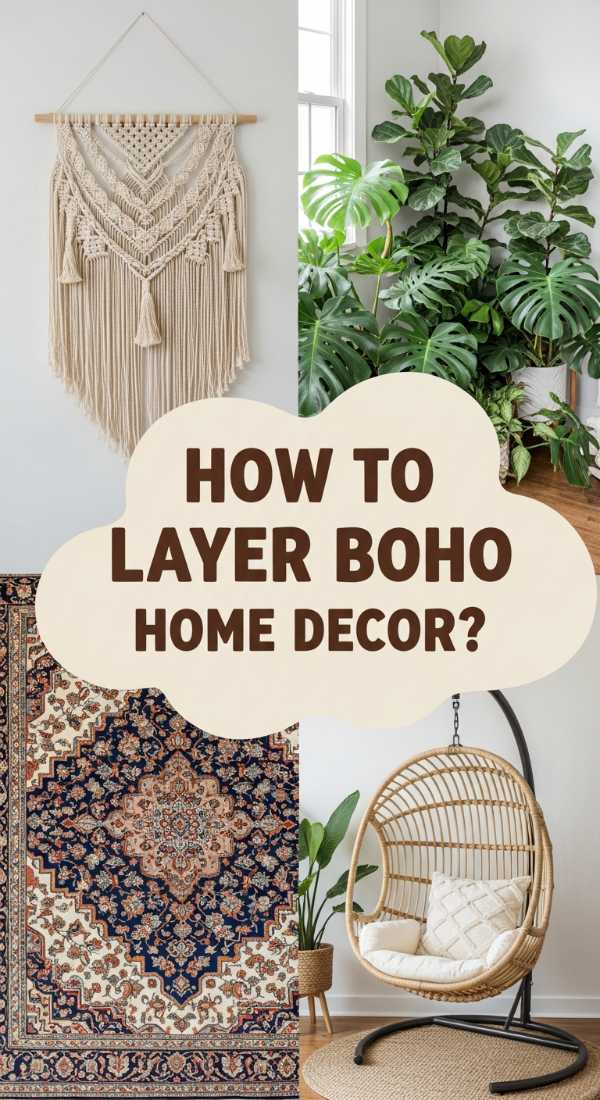
How to Master Boho Home Layers for a Cozy Free Spirit Vibe
Why we love this
Boho decor is the ultimate ‘hug’ for your home. We love it because it’s unapologetically cozy, textures-focused, and incredibly forgiving. It’s about the ‘rug sandwich’—layering patterns on patterns—and the wild, jungle-like energy of a dozen different houseplants. It smells like sandalwood incense and feels like wrapping yourself in a hand-knitted blanket. This trend celebrates the global traveler and the dreamer, mixing macrame wall hangings with Moroccan poufs and mid-century furniture. It’s a vibe that says ‘relax, put your feet up, and be yourself.’
Essential Elements:
- Layered rugs (usually a flat-weave over a larger jute)
- Macrame, woven wall hangings, and fringe details
- An abundance of indoor plants (pothos, ferns, and palms)
- Mismatched patterns in a cohesive color palette
- Natural wood and wicker furniture
How to make it
- Master the ‘rug layer.’ Place a large, neutral sisal rug down first, then angle a smaller, colorful Moroccan or Persian rug on top of it. This adds instant depth and ‘warmth’ to the floor.
- Go vertical with your greenery. Use macrame plant hangers to suspend trailing plants from the ceiling, and place large floor plants in woven baskets to fill empty corners.
- Focus on the ‘low-profile’ seating. Add a few leather floor poufs or oversized floor cushions around a low coffee table to encourage a relaxed, grounded social environment.
- Texture is king. Swap standard pillowcases for those with tassels, embroidery, or shag textures. Mix and match these on your sofa, sticking to a warm palette of terracottas, mustards, and creams.
- Incorporate ‘life’ items. Display your favorite hats on the wall, stack art books on the floor, and hang a string of wooden beads over a stack of magazines to give the space a ‘curated-over-time’ look.
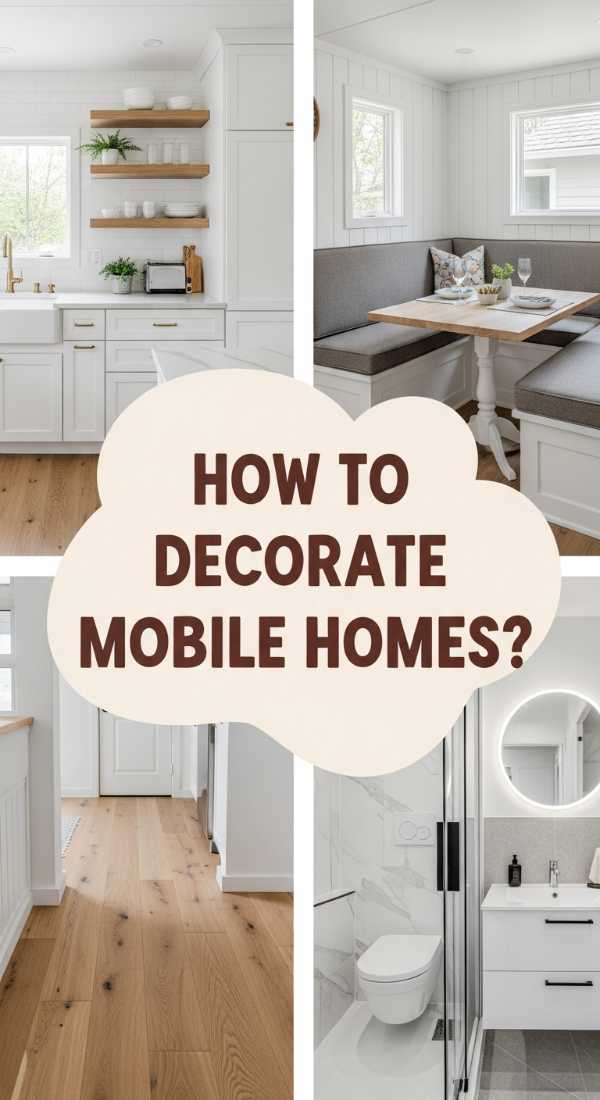
How to Style Mobile Home Interiors for High End Tiny Living
Why we love this
The transformation of mobile homes into high-end sanctuaries is one of the most inspiring trends of the decade. We love it because it proves that style isn’t about square footage; it’s about smart, intentional design. It’s the satisfaction of a perfectly organized ‘everything-in-its-place’ kitchen, the brightness of all-white walls in a small space, and the clever use of vertical real estate. These homes feel like jewel boxes—small, precious, and packed with personality. It’s a minimalist’s dream that doesn’t sacrifice the ‘cozy’ factor, smelling of fresh pine and clean laundry.
Essential Elements:
- Light, bright color palettes to expand the space
- Multi-functional furniture (storage ottomans, folding tables)
- Vertical storage solutions and floating shelves
- Uniform flooring throughout to create a seamless flow
- High-quality finishes like brass hardware and quartz counters
How to make it
- Start with a ‘brightening’ phase. Paint every wall and ceiling in a consistent, warm white. This eliminates the ‘boxy’ feel and makes the ceilings appear higher than they are.
- Invest in ‘leggy’ furniture. Choose sofas and chairs that are raised on thin legs rather than sitting flat on the floor. Seeing more of the floor creates the illusion of more space.
- Maximize your verticality. Install floating shelves that go all the way to the ceiling. This draws the eye upward and provides storage without taking up precious floor real estate.
- Create ‘zones’ without walls. Use a thin rug or a specific lighting fixture (like a pendant lamp) to define the ‘dining’ area versus the ‘living’ area in an open-plan mobile home.
- Upgrade the hardware. Replace standard plastic or cheap metal handles with heavy brass or matte black pulls. It’s a small, ‘low-heat’ DIY that provides a high-end, custom look instantly.
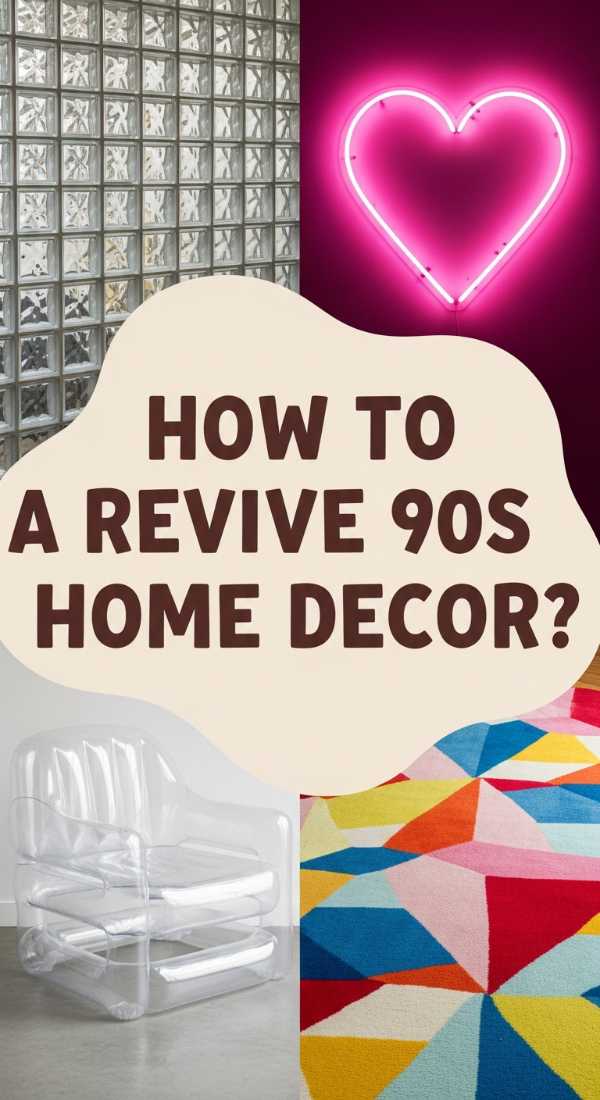
How to Reclaim 90s Home Nostalgia for a Modern Retro Twist
[IMAGE_10]
Why we love this
90s nostalgia is back, but it’s grown up and got a sophisticated makeover. We love this trend because it’s a playful nod to our past—the era of inflatable chairs and checkered floors—reimagined with modern quality. It’s the high-contrast energy of a black-and-white grid pattern, the neon glow of a ‘vibe’ sign, and the kitschy charm of wavy mirrors and primary colors. It feels energetic, youthful, and a little bit daring. It’s a style that doesn’t take itself too seriously, bringing a sense of fun and ‘anything goes’ attitude back into the home.
Essential Elements:
- Checkered patterns (rugs, pillows, or flooring)
- Curvy, ‘wiggly’ shapes in mirrors and furniture
- Acrylic or translucent furniture pieces
- Bold, primary colors (cobalt blue, cherry red)
- Neon signs and retro-inspired tech
How to make it
- Introduce the ‘grid.’ Start with a checkered rug in a neutral cream and sage green (a softer take on the classic black and white). This provides a structured, 90s-inspired base.
- Swap your standard rectangular mirror for a ‘wavy’ or ‘blob’ mirror. This softens the room’s lines and adds that quintessential 90s playful energy.
- Mix in acrylic. A clear ‘ghost’ chair or a translucent acrylic side table allows light to pass through while nodding to the ‘plastic’ furniture trends of the decade without looking cheap.
- Add a pop of ‘neon.’ Use a small neon sign with a cozy phrase in a warm color (like soft pink or amber) to act as a secondary light source and a conversation piece.
- Incorporate ‘retro’ textures. Think velvet in bold colors or even a high-quality corduroy throw pillow. These fabrics were huge in the 90s and add a tactile, nostalgic comfort to your modern sofa.
Creating Your Viral Sanctuary
At the end of the day, trends are just a starting point. Whether you’re leaning into the rustic charm of Mexico or the neon-soaked nostalgia of the 90s, the goal is to create a home that feels like an extension of your own heart. Don’t be afraid to mix these styles—put a 90s wavy mirror in your boho bedroom, or place a vintage treasure on your Catholic altar. The most ‘viral’ homes are the ones that feel authentic, lived-in, and full of love. Happy decorating!