

There is something undeniably magical about the way a well-curated food board brings people together. It’s more than just a meal; it’s a visual story told through colors, textures, and the inviting aroma of fresh ingredients. I remember the first time I set out a large wooden board overflowing with seasonal treats—the room instantly felt warmer, and the conversation flowed as effortlessly as the honey drizzled over the cheese.
Lately, the ‘aesthetic simple food board’ has been taking over my feed, and for good reason. It’s the perfect way to showcase variety without the stress of a formal five-course dinner. It invites guests to graze, to linger, and to appreciate the little details, from the snap of a fresh snap pea to the delicate crumb of a homemade spring cookie. Today, I’m sharing the secrets to creating that viral-worthy board that will have everyone reaching for their phones before they reach for a fork.
How to design spring cakes?

Why we love this
Spring cakes are a breath of fresh air after the heavy, spiced desserts of winter. We love them because they capture the essence of renewal, featuring light-as-air sponges infused with zesty lemon or fragrant lavender. There is a specific joy in seeing a cake adorned with edible pansies or a thin veil of pastel buttercream that looks almost too beautiful to slice, filling the kitchen with the scent of sweet vanilla and blooming citrus.
Ingredients
- All-purpose flour
- Granulated sugar
- Unsalted butter, softened
- Farm-fresh eggs
- Baking powder and salt
- Whole milk
- Lemon zest and fresh juice
- Edible flowers or micro-greens for garnish
How to make it
- Preheat your oven to 350°F (175°C) and grease two 8-inch round cake pans with butter, dusting lightly with flour to ensure a clean release.
- In a large stand mixer, cream the softened butter and sugar on medium-high speed for at least 5 minutes until the mixture is pale, fluffy, and doubles in volume; this aeration is key for a light spring crumb.
- Add eggs one at a time, beating well after each addition to maintain the emulsion, then stir in the lemon zest and vanilla extract.
- Sift the dry ingredients together and alternate adding them to the butter mixture with the milk, beginning and ending with the flour; do not overmix, as this develops gluten and makes the cake tough.
- Divide the batter evenly and bake for 25-30 minutes, or until the tops spring back when lightly touched and a toothpick inserted in the center comes out clean.
- Allow cakes to cool in the pans for 10 minutes before transferring to a wire rack; frost with a light Swiss meringue buttercream once completely cold.
How to make rotel dip?

Why we love this
Rotel dip is the ultimate comfort food that bridges the gap between casual snacking and addictive indulgence. The velvety, molten cheese swirls with the zesty kick of diced tomatoes and green chilies, creating a savory steam that beckons everyone to the center of the table. Its rich, salty profile is perfectly balanced by the crunch of a sturdy tortilla chip, making it a staple for any gathering that requires a touch of spicy warmth.
Ingredients
- 1 lb Velveeta or high-quality melting cheese
- 1 can (10 oz) Ro-Tel Diced Tomatoes and Green Chilies
- 1 lb ground sausage or lean ground beef
- 1/2 cup diced onions
- Fresh cilantro for garnish
- Sturdy corn tortilla chips
How to make it
- In a large skillet over medium-high heat, brown the ground meat and onions, breaking the meat into small crumbles until it is no longer pink and the onions are translucent and slightly caramelized.
- Drain the excess fat thoroughly to ensure the dip stays smooth and doesn’t become oily.
- Cut the melting cheese into 1-inch cubes to facilitate even melting and prevent scorching on the bottom of the pan.
- In a slow cooker or a heavy-bottomed saucepan over low heat, combine the browned meat, cubed cheese, and the entire can of Ro-Tel (do not drain the liquid, as the juices provide essential flavor and consistency).
- Stir constantly with a silicone spatula until the cheese is completely melted and the dip is silky and bubbling gently.
- Keep the heat on the lowest setting for serving; if the dip thickens too much, stir in a splash of whole milk or heavy cream to loosen it back to a pourable state.
How to toss summer salads?

Why we love this
A summer salad is a celebration of the garden’s peak bounty, offering a refreshing explosion of crispness and color. We love the way the coolness of cucumbers and radishes contrasts with the juicy sweetness of sun-ripened berries or stone fruits. When tossed correctly, every leaf is kissed by a bright vinaigrette, creating a dish that feels vibrant, hydrating, and deeply satisfying during the golden hours of a July afternoon.
Ingredients
- Mixed baby greens or arugula
- Fresh strawberries or sliced peaches
- Toasted walnuts or slivered almonds
- Crumbled goat cheese or feta
- Thinly sliced red onions
- Extra virgin olive oil
- Balsamic glaze or lemon juice
How to make it
- Wash your greens in ice-cold water and use a salad spinner to get them bone-dry; moisture is the enemy of a well-dressed salad as it prevents the oil from adhering to the leaves.
- In a small glass jar, whisk together three parts olive oil to one part acid (lemon or vinegar), adding a teaspoon of Dijon mustard to act as an emulsifier for a silky texture.
- Place the dried greens in a very large wooden bowl—giving yourself twice as much room as you think you need allows for proper aeration during the toss.
- Drizzle the dressing around the sides of the bowl rather than directly onto the greens, then use large tongs or clean hands to gently lift and turn the leaves from the bottom up.
- Add your delicate toppings like fruit and cheese last, giving one final, very gentle toss so they stay on top and don’t get smashed at the bottom.
- Season with a pinch of flaky sea salt and cracked black pepper right before serving to maintain the structural integrity of the greens.
How to cook dirty spaghetti?

Why we love this
Dirty spaghetti is the soulful, deep-flavored cousin of your standard marinara, packed with umami and a satisfying richness. The ‘dirty’ aspect comes from the incorporation of savory meats and aromatics that coat every strand of pasta in a dark, glossy sauce. It’s the kind of dish that fills the house with the scent of browned butter and caramelized garlic, promising a hearty meal that feels both rustic and sophisticated.
Ingredients
- 1 lb spaghetti noodles
- 1/2 lb ground pork or spicy sausage
- 4 cloves garlic, minced
- 2 tablespoons tomato paste
- 1 tablespoon Worcestershire sauce
- Freshly grated Parmesan cheese
- Red pepper flakes
- Fresh parsley
How to make it
- Bring a large pot of heavily salted water (it should taste like the sea) to a rolling boil and cook the spaghetti until it is two minutes shy of ‘al dente’; it will finish cooking in the sauce.
- While the pasta boils, brown the meat in a large skillet over medium-high heat until deep brown and crispy bits begin to form on the bottom of the pan—these bits (the fond) are where the flavor lives.
- Lower the heat to medium and add the minced garlic and tomato paste, stirring constantly for 2 minutes until the paste turns a dark rust color and smells fragrant.
- Ladle out 1.5 cups of the starchy pasta water before draining the noodles; this liquid is the secret to a glossy, emulsified sauce.
- Add the undercooked spaghetti directly into the skillet with the meat and aromatics, pouring in 1 cup of pasta water and the Worcestershire sauce.
- Toss vigorously over medium heat, adding more pasta water as needed, until the sauce thickens and clings to the noodles, then finish with a handful of Parmesan and a knob of cold butter for extra shine.
How to make spring roasts?

Why we love this
Spring roasts are all about tenderness and the bright infusion of garden herbs like rosemary, thyme, and mint. Unlike the heavy stews of winter, a spring roast feels light and elegant, often featuring succulent lamb or pasture-raised chicken. The skin gets perfectly crisp while the inside remains buttery and soft, releasing a savory steam that carries the earthy notes of the season’s first harvest.
Ingredients
- 3 lb leg of lamb or whole roasting chicken
- Fresh rosemary and thyme sprigs
- 6 cloves garlic, smashed
- Lemon slices
- Olive oil
- Kosher salt and coarse black pepper
- Baby carrots and fingerling potatoes
How to make it
- Remove the meat from the refrigerator at least 45 minutes before cooking to bring it to room temperature; this ensures the roast cooks evenly from edge to center.
- Pat the skin extremely dry with paper towels; any moisture left on the surface will steam the meat rather than creating that coveted golden-brown crust.
- Generously rub the entire surface with olive oil, then coat with a heavy layer of salt and pepper, pressing chopped herbs and smashed garlic into the nooks and crannies.
- Preheat your oven to 425°F (220°C) for an initial blast of high heat to sear the exterior and lock in juices.
- Place the roast on a bed of root vegetables in a roasting pan and cook at the high temperature for 15 minutes, then reduce the heat to 325°F (165°C) to finish the cooking process gently.
- Use a meat thermometer to pull the roast when it is 5 degrees below your target temperature, then tent it with foil and let it rest for at least 20 minutes to allow the juices to redistribute.
How to mix hummingbird nectar?
Why we love this
There is a quiet, meditative joy in preparing hummingbird nectar and watching these tiny, iridescent jewels flutter around your window. We love this simple ritual because it connects us to nature’s rhythm. The clear, sweet liquid is a lifeline for these high-energy birds, and knowing you’ve prepared it safely without dyes or chemicals makes the experience of watching them zip through the garden even more rewarding.
Ingredients
- Refined white sugar
- Filtered water
How to make it
- The golden rule for hummingbird nectar is a strict 4:1 ratio—four parts water to one part white granulated sugar.
- Avoid using honey, brown sugar, or artificial sweeteners, as these can be fatal to hummingbirds or cause dangerous fungal infections.
- Bring the water to a boil in a clean saucepan; this helps the sugar dissolve completely and kills any bacteria or mold spores present in the water.
- Remove from heat and stir in the sugar until the liquid is perfectly clear and no granules remain at the bottom.
- Allow the mixture to cool completely to room temperature before filling your feeders; pouring hot nectar can warp plastic feeders and harm the birds.
- Store any extra nectar in a clean, airtight glass jar in the refrigerator for up to one week, and remember to clean your feeders every 3-5 days to prevent fermentation.
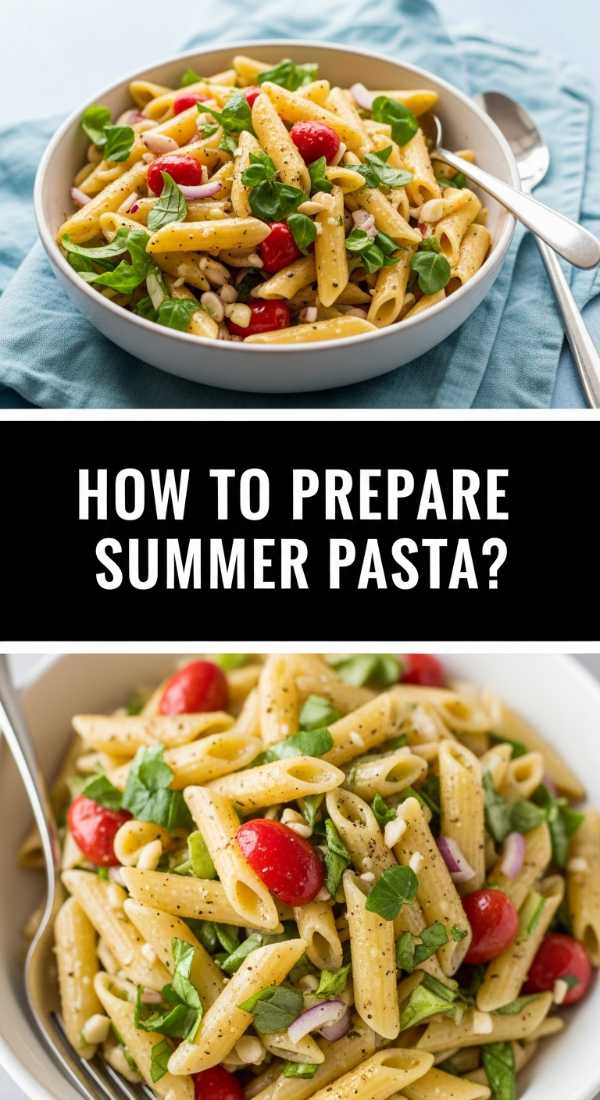
How to prepare summer pasta?

Why we love this
Summer pasta is the epitome of effortless dining, often relying on the heat of the freshly cooked noodles to gently wilt garden-fresh ingredients. We love the simplicity of a dish where the sauce is nothing more than the juices of burst cherry tomatoes and a pool of high-quality olive oil. It tastes like sunshine on a plate, especially when topped with a mountain of torn basil and a squeeze of charred lemon.
Ingredients
- Short pasta (like fusilli or gemelli)
- 2 cups cherry tomatoes
- Fresh garlic, thinly sliced
- Red pepper flakes
- Fresh basil leaves
- Fresh mozzarella pearls or ricotta
- Cold-pressed olive oil
How to make it
- Cook your pasta in boiling salted water until al dente, ensuring you reserve a cup of that liquid gold (pasta water) before draining.
- In a wide skillet, heat 1/4 cup of olive oil over medium-low heat and add the garlic slices, allowing them to turn a very pale golden color without browning too quickly.
- Increase the heat to medium and add the cherry tomatoes whole; cover with a lid for 3-4 minutes until the skins begin to pop and release their juices.
- Gently press down on the tomatoes with a wooden spoon to create a chunky, fresh sauce, then add the pasta directly to the pan.
- Toss everything together with a splash of pasta water, allowing the starch to bind the tomato juices and oil into a light coating.
- Turn off the heat and stir in the fresh basil and mozzarella pearls right before serving so they just barely begin to soften but don’t completely melt.
How to bake spring cookies?
Why we love this
Spring cookies are delightful, buttery canvases for the bright flavors of the season. We love them for their tender, melt-in-your-mouth texture and the way they incorporate ingredients like citrus zest, dried flowers, or chopped pistachios. They are the perfect accompaniment to an afternoon tea, offering a delicate sweetness that isn’t overpowering, and their beautiful, pale appearance makes them a stunning addition to any aesthetic food board.
Ingredients
- Unsalted butter, room temperature
- Powdered sugar
- Vanilla bean paste
- Lemon or orange zest
- All-purpose flour
- Cornstarch (for extra tenderness)
- Dried culinary lavender or rose petals
How to make it
- Cream the butter and powdered sugar together until smooth and creamy; using powdered sugar instead of granulated sugar creates a finer, more melt-away texture.
- Stir in the vanilla bean paste and zest, ensuring the aromatic oils from the citrus are well distributed throughout the fat.
- Whisk the flour and cornstarch together, then gradually add to the wet ingredients until a soft dough forms; do not overwork the dough or the cookies will be tough.
- Wrap the dough in plastic wrap and chill in the refrigerator for at least one hour; this prevents the butter from spreading too quickly in the oven and maintains the cookie’s shape.
- Roll the dough out to 1/4 inch thickness on a floured surface and use decorative cutters, then bake at 325°F (165°C) for 10-12 minutes—you want them to be set but not browned.
- Once cool, glaze with a simple mix of powdered sugar and lemon juice, and sprinkle with dried flowers while the glaze is still wet.
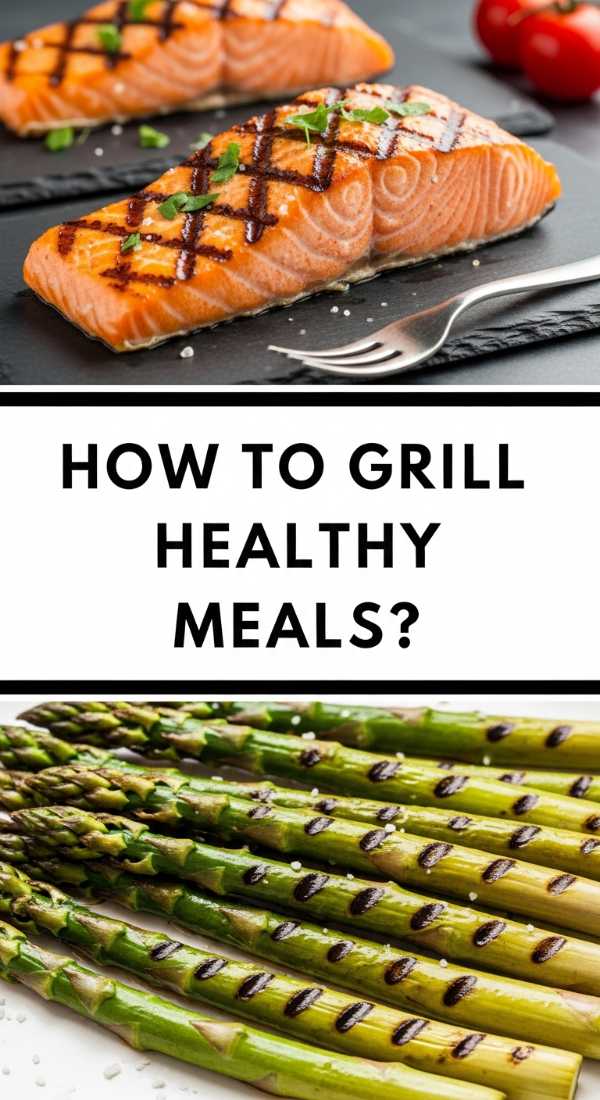
How to grill healthy meals?

Why we love this
Grilling is a transformative cooking method that imparts a smoky depth of flavor without the need for heavy fats. We love healthy grilled meals because they highlight the natural sweetness of vegetables and the succulent texture of lean proteins. The sight of perfect char marks and the sound of a sizzle on the grates create an outdoor dining experience that feels both indulgent and nourishing for the soul.
Ingredients
- Lean proteins (chicken breast, salmon, or tofu)
- Zucchini, bell peppers, and asparagus
- Olive oil and balsamic vinegar
- Fresh herbs (oregano, parsley)
- Garlic powder and smoked paprika
- Lemon wedges
How to make it
- Marinate your protein for at least 30 minutes in a mixture of acid (vinegar/citrus) and oil to tenderize the fibers and infuse flavor deep into the meat.
- Preheat your grill to high heat and use a wire brush to clean the grates thoroughly; a clean grill prevents sticking and ensures clean char lines.
- Lightly oil the grates using a folded paper towel dipped in oil held by tongs to create a non-stick surface.
- Place the thickest pieces of protein on the hottest part of the grill first, then move them to a cooler zone (indirect heat) to finish cooking through without burning the exterior.
- Grill vegetables quickly over high heat until they have visible char marks but still retain a slight ‘snap’ or crunch in the center.
- Let the meat rest for 5-10 minutes after removing it from the grill to keep the juices inside, and finish with a fresh squeeze of lemon to brighten the smoky flavors.
How to use sourdough discard?
[IMAGE_10]
Why we love this
Sourdough discard is the hidden gem of the artisan kitchen, offering a tangy, complex depth to everyday bakes. We love using it because it minimizes waste while adding a unique fermented flavor profile that you simply can’t get from commercial yeast. Whether it’s turned into crispy crackers or fluffy pancakes, the discard adds a sophisticated sour note and an improved texture that makes home cooking feel like a craft.
Ingredients
- 1 cup sourdough discard (unfed)
- All-purpose flour
- Melted butter or oil
- Salt and dried herbs
- Baking powder (for pancakes/biscuits)
How to make it
- For savory crackers, mix 1 cup of discard with 1/2 cup of flour, 2 tablespoons of melted butter, and a pinch of salt until a stiff dough forms.
- Roll the dough directly onto a piece of parchment paper as thin as humanly possible; the thinner the dough, the crispier the final cracker will be.
- Brush the surface with a little more melted butter and sprinkle with flaky salt, rosemary, or sesame seeds.
- Score the dough with a pizza cutter into squares, but don’t separate them yet; this allows them to bake evenly and snap apart easily later.
- Bake at 350°F (175°C) for 15-20 minutes until golden brown and firm to the touch; keep a close eye on the edges as they brown faster.
- Cool completely on a wire rack to allow them to fully crisp up before storing in an airtight container for that perfect ‘aesthetic board’ crunch.
The Art of the Board
Creating a viral-worthy food board is truly about the love you put into the individual components. When you take the time to bake those delicate spring cookies or master the perfect toss of a summer salad, the board becomes a reflection of your care for your guests. It’s an invitation to slow down, enjoy the season, and savor every bite together. So, grab your favorite wooden board, pick a few of these recipes, and start creating your own masterpiece!