
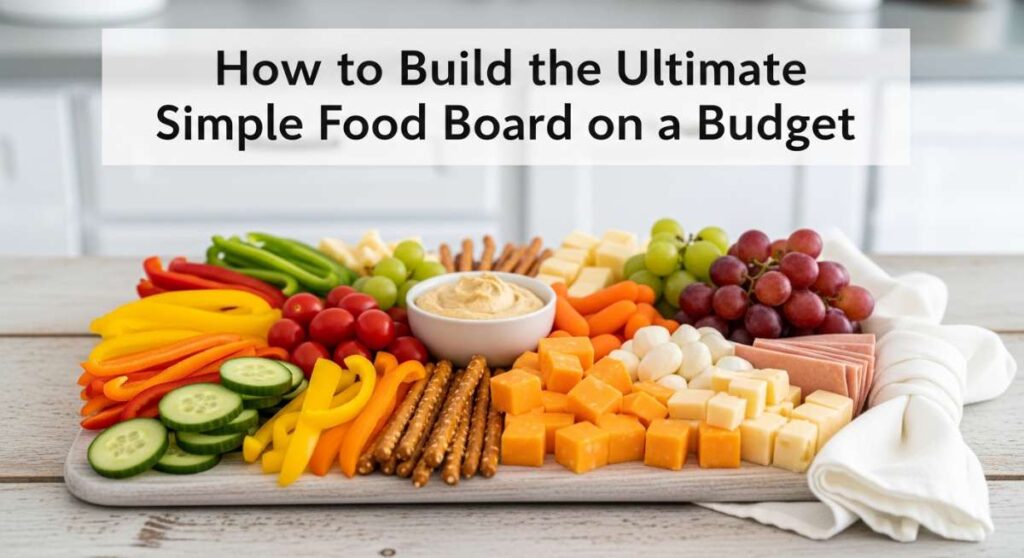
How to Build the Ultimate Simple Food Board on a Budget
There is something undeniably magical about gathering around a large, wooden board overflowing with colors, textures, and aromas. In my home, the ‘Food Board’ has become more than just a meal; it is an invitation to slow down, to share stories over a cluster of grapes, and to celebrate the simple joy of wholesome ingredients. When the week feels heavy, laying out a spread of nourishing bites feels like a warm hug for the soul, and the best part is, you don’t need a luxury grocery budget to make it look—and taste—like a masterpiece.
The secret to a viral-worthy board lies in the balance of elements: the crunch of a fresh salad, the sizzle of a well-seared protein, and the earthy comfort of homemade bread. By focusing on whole foods and seasonal produce, we can create a feast that honors our health goals without emptying our wallets. Whether you are hosting a casual Friday night with friends or looking for a way to make weeknight leftovers feel like a gourmet event, these simple, budget-friendly components will transform your dining table into a sanctuary of flavor.
I’ve curated my favorite ‘building blocks’ for the ultimate food board below. Each of these recipes is designed to be accessible, nourishing, and visually stunning. Let’s dive into how you can mix and match these dishes to create a spread that everyone will be talking about!
How to make paleo bowls?

Why we love this
Paleo bowls are the ultimate canvas for creativity, offering a symphony of textures that dance on the palate. Imagine the crunch of fresh radish against the creamy richness of avocado, all tied together by the smoky sweetness of roasted sweet potatoes. The aroma of toasted pepitas and a zingy lemon-tahini drizzle brings a bright, earthy profile that makes every bite feel like a celebration of clean eating. It’s a grounding, vibrant dish that fills you up with sustained energy and leaves your kitchen smelling like a fresh garden harvest.
Ingredients
- 2 large sweet potatoes, cubed
- 4 cups mixed baby kale or spinach
- 1 avocado, sliced
- 1 cup shredded red cabbage
- 1/4 cup toasted pumpkin seeds (pepitas)
- 2 tbsp olive oil
- 1 tsp smoked paprika
- Salt and pepper to taste
How to make it
- Preheat your oven to 400°F (200°C). Line a large baking sheet with parchment paper to ensure the potatoes don’t stick and to make cleanup a breeze.
- Toss the cubed sweet potatoes with olive oil, smoked paprika, salt, and pepper. Spread them in a single layer, ensuring they aren’t crowded so they can properly caramelize rather than steam.
- Roast for 25-30 minutes, flipping halfway through. You are looking for crispy, golden edges and a tender center.
- While the potatoes roast, prepare your base by massaging the kale with a tiny bit of olive oil and salt to soften the fibrous texture.
- Assemble the bowls by placing a generous handful of greens at the bottom, then topping with the roasted potatoes, shredded cabbage, and avocado slices.
- Finish with a sprinkle of toasted pepitas for that essential crunch and a squeeze of fresh lime or a drizzle of tahini for acidity.
How to cook whole30 steak?
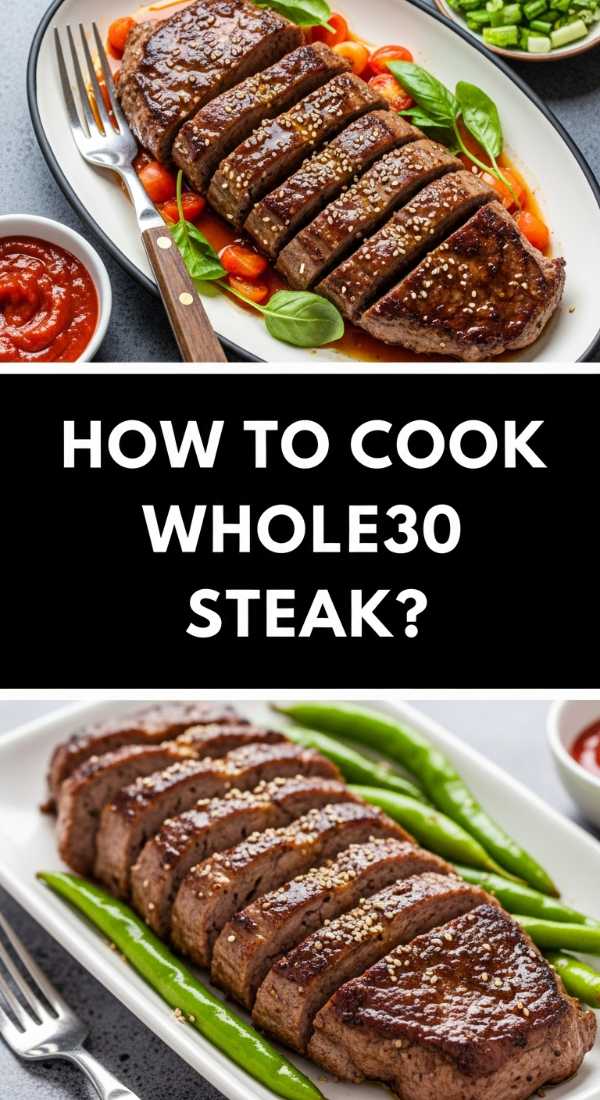
Why we love this
There is nothing quite like the primal, savory scent of a steak searing in a hot cast-iron skillet, seasoned only with the essentials to let the natural quality of the meat shine. The exterior develops a deep, mahogany crust that crackles slightly before giving way to a buttery, melt-in-your-mouth interior. Infused with the herbaceous notes of fresh rosemary and the pungent warmth of smashed garlic cloves, this steak feels like a luxury steakhouse meal brought right into your cozy kitchen. It’s a high-protein centerpiece that provides a sense of indulgence while remaining perfectly compliant with whole-food principles.
Ingredients
- 1 lb grass-fed ribeye or New York strip (room temperature)
- 2 tbsp ghee (clarified butter)
- 3 cloves garlic, smashed
- 2 sprigs fresh rosemary
- Coarse sea salt and cracked black pepper
How to make it
- Remove the steak from the refrigerator at least 30 minutes before cooking. This is crucial for an even cook; a cold steak will result in a grey exterior before the middle is done.
- Pat the meat completely dry with paper towels. Any moisture on the surface will create steam, preventing that beautiful golden-brown crust.
- Season aggressively with coarse sea salt and cracked pepper on all sides, including the edges.
- Heat a cast-iron skillet over medium-high heat until it is wispy-hot (just starting to smoke). Add the ghee and swirl to coat.
- Place the steak in the pan and sear for 3-4 minutes without moving it. Flip the steak and immediately add the garlic and rosemary to the pan.
- Tilt the pan slightly and use a large spoon to baste the steak with the foaming, garlic-rosemary infused ghee for another 3 minutes.
- Use a meat thermometer to check for doneness (130°F for medium-rare). Transfer to a board and let it rest for 10 full minutes to allow the juices to redistribute.
How to prepare mediterranean salad?
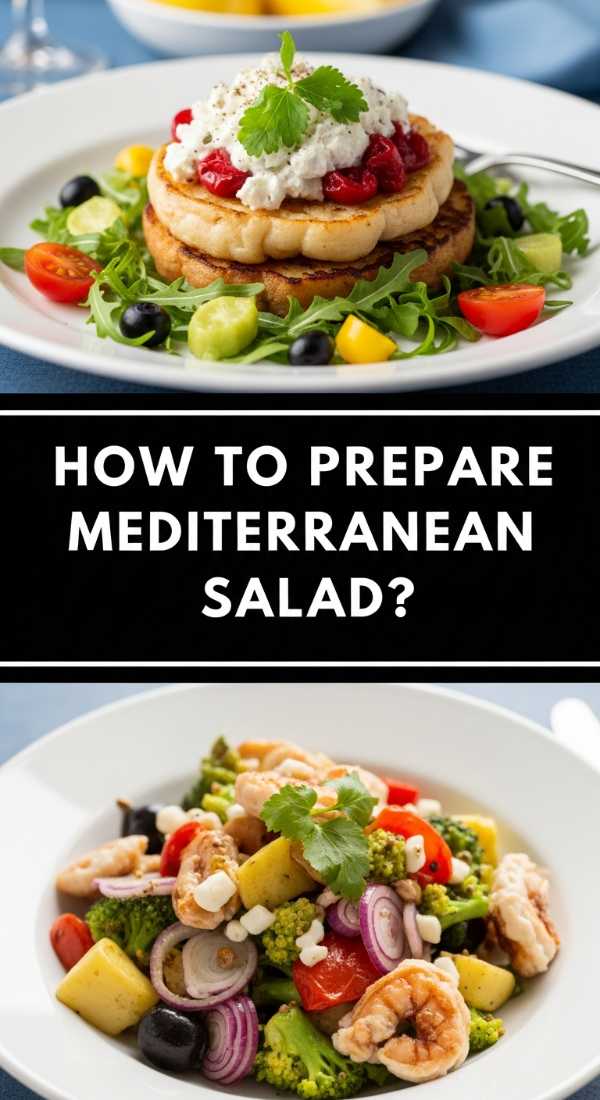
Why we love this
This salad is like a concentrated burst of sunshine, combining the sharp tang of red wine vinegar with the cool, refreshing snap of Persian cucumbers and vine-ripened tomatoes. Every forkful offers a variety of sensations, from the briny pop of Kalamata olives to the smooth, rich finish of extra virgin olive oil. The aroma of freshly chopped parsley and mint fills the air with a herbaceous brightness that cleanses the palate and perfectly balances heavier components on your food board. It’s a light, hydrating, and aesthetically stunning dish that brings the soul of the Mediterranean to your table.
Ingredients
- 2 cups cherry tomatoes, halved
- 2 large cucumbers, diced
- 1/2 red onion, thinly sliced
- 1/2 cup Kalamata olives, pitted
- 1/4 cup fresh flat-leaf parsley, chopped
- 3 tbsp extra virgin olive oil
- 1 tbsp red wine vinegar
- Dried oregano and sea salt
How to make it
- In a large glass bowl, combine the halved cherry tomatoes and diced cucumbers. Use English or Persian cucumbers for a thinner skin and fewer seeds.
- To mellow out the bite of the red onion, soak the slices in ice water for 5 minutes, then pat dry before adding them to the bowl.
- Add the olives and the freshly chopped parsley. Avoid using dried parsley here, as the fresh herb provides the essential aromatic lift.
- In a small jar, whisk together the olive oil, red wine vinegar, a pinch of sea salt, and a generous teaspoon of dried oregano until emulsified.
- Drizzle the dressing over the vegetables and toss gently to coat. Let the salad sit at room temperature for 15 minutes before serving to allow the flavors to meld and the tomatoes to release their juices.
How to bake fiber breads?
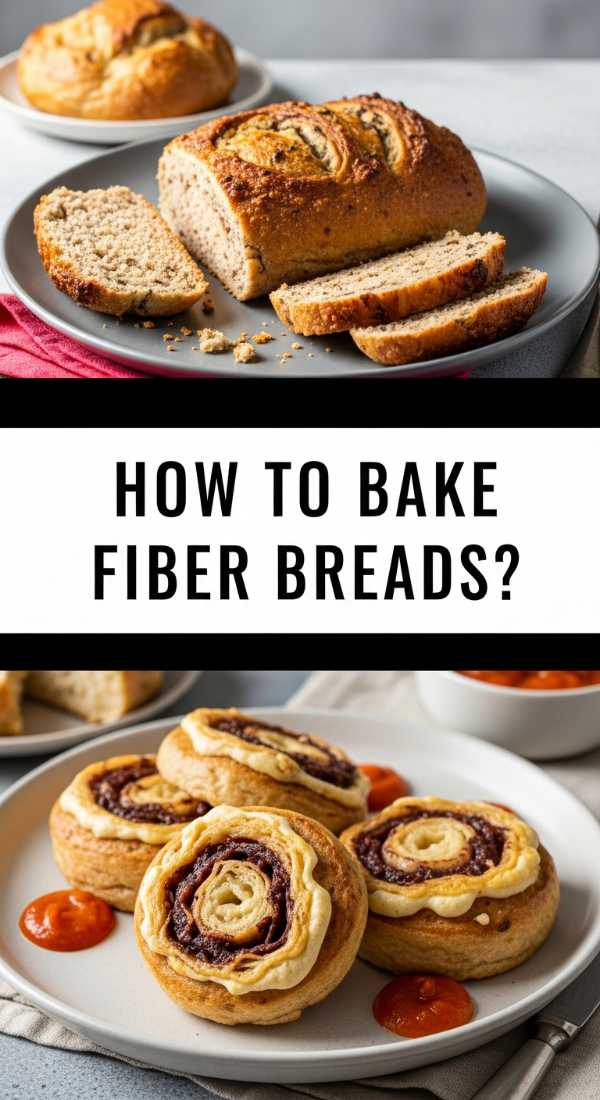
Why we love this
Baking this fiber-rich bread fills your home with a nutty, toasted fragrance that is incredibly comforting and grounding. Unlike traditional airy loaves, this bread has a dense, satisfying chew and a crust that gets delightfully crispy when sliced and toasted. It is packed with the wholesome goodness of flaxseeds and psyllium husk, providing a texture that feels hearty and substantial. Slathered with a bit of grass-fed butter or almond butter, each slice provides a slow-release energy that keeps you feeling full and nourished throughout the day.
Ingredients
- 1 1/2 cups almond flour
- 1/2 cup ground flaxseeds
- 5 tbsp psyllium husk powder
- 2 tsp baking powder
- 1 tsp sea salt
- 3 egg whites
- 1 cup boiling water
- 1 tsp apple cider vinegar
How to make it
- Preheat your oven to 350°F (175°C) and line a small loaf pan with parchment paper, leaving an overhang on the sides for easy removal.
- In a large bowl, whisk together the almond flour, flaxseeds, psyllium husk powder, baking powder, and salt until there are no clumps.
- Add the egg whites and apple cider vinegar to the dry ingredients. Stir with a wooden spoon until a thick, shaggy dough forms.
- Carefully pour in the boiling water. Use a hand mixer or a vigorous whisking motion to combine. The psyllium husk will react with the water and expand, creating a bread-like structure.
- Transfer the dough to the prepared pan and smooth the top with a damp spatula. Sprinkle with extra flaxseeds or sesame seeds if desired.
- Bake for 50-60 minutes. The loaf should sound hollow when tapped on the bottom. Let it cool completely on a wire rack before slicing; this is essential as the steam inside finishes setting the texture.
How to grill plant meals?
Why we love this
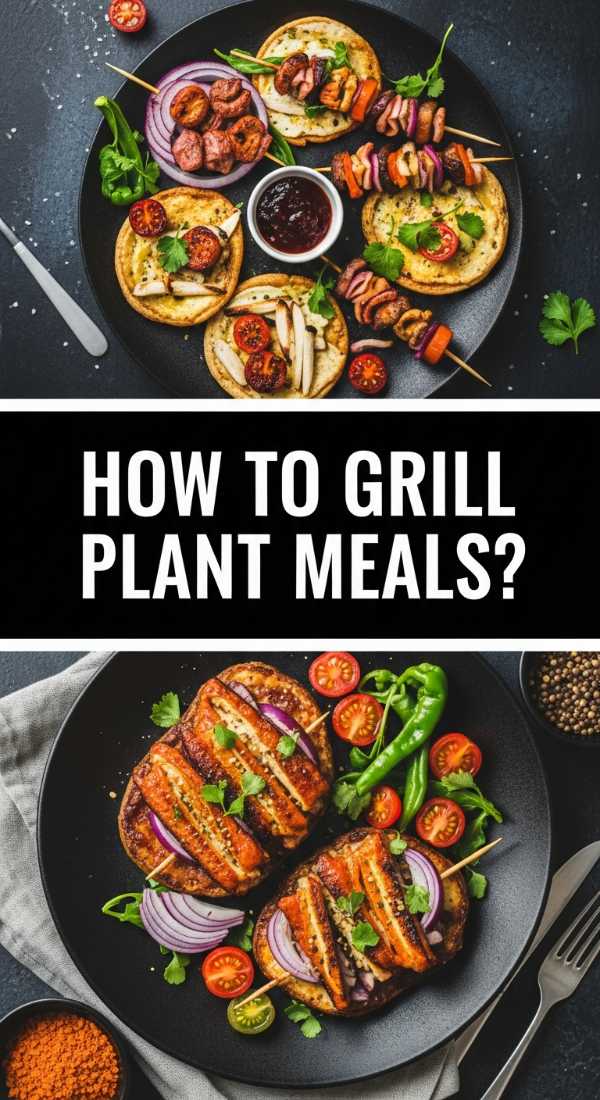
Grilling vegetables transforms them from simple side dishes into the main event, infusing them with a deep, smoky char that contrasts beautifully with their natural sweetness. The sight of distinct grill marks on thick slices of zucchini and bell peppers is visually arresting, making them a standout feature on any food board. As they cook, the sugars in the vegetables caramelize, creating a tender, juicy texture that is enhanced by a simple glaze of balsamic and herbs. It’s a sensory experience that brings the outdoor cooking vibe indoors, offering a robust and earthy flavor profile that even meat-lovers will crave.
Ingredients
- 2 large zucchinis, sliced into planks
- 3 bell peppers (multi-colored), quartered
- 1 large red onion, cut into thick rounds
- 1 bunch of asparagus, woody ends trimmed
- 1/4 cup avocado oil (high smoke point)
- 2 tbsp balsamic glaze
- 1 tsp garlic powder and salt
How to make it
- Preheat your grill or a heavy grill pan over medium-high heat. You want the surface to be hot enough that the vegetables sizzle instantly upon contact.
- In a large tray, toss all the prepared vegetables with avocado oil, garlic powder, and salt. Avocado oil is preferred over olive oil here because it can handle the high heat without burning.
- Place the vegetables on the grill. Do not overcrowd; give them space to ensure even charring.
- Grill the peppers and onions first, as they take longer (about 4-5 minutes per side). Add the zucchini and asparagus for the last 3 minutes per side.
- Look for deep, dark grill marks and a slight softening of the vegetables—they should still have a bit of ‘snap’ or bite to them.
- Remove from heat and immediately drizzle with a balsamic glaze while they are still steaming to allow the flavors to penetrate.
How to make comfort classics?

Why we love this
There is a special kind of nostalgia in ‘comfort classics’ made healthy, like a velvety cauliflower mash that mimics the creamy richness of potatoes without the heavy starch. The aroma of roasted garlic and sautéed leeks creates a warm, inviting atmosphere that makes you want to curl up with a bowl. The texture is silky and smooth, providing a perfect base for savory juices or a simple sprinkle of fresh chives. It’s the kind of food that feels indulgent and decadent, yet leaves you feeling light and nourished, making it a crowd-pleasing addition to any communal board.
Ingredients
- 1 large head of cauliflower, cut into florets
- 3 cloves garlic, peeled
- 2 tbsp ghee or olive oil
- 1/4 cup unsweetened almond milk
- 1/4 cup nutritional yeast (for cheesy flavor)
- Salt, pepper, and fresh chives for garnish
How to make it
- Steam the cauliflower florets and garlic cloves together in a steamer basket over boiling water for 12-15 minutes until very tender. You should be able to mash them easily with a fork.
- Drain the cauliflower thoroughly. If it’s too wet, your mash will be watery. Tip: Pat it dry with a clean kitchen towel to remove excess moisture.
- Transfer the hot cauliflower and garlic to a food processor or high-speed blender.
- Add the ghee, nutritional yeast, salt, and pepper. Start the processor and slowly pour in the almond milk until you reach your desired consistency.
- For a rustic feel, use a hand masher. For a professional, ‘whipped’ texture, blend on high for 30 seconds.
- Taste and adjust seasoning, then transfer to a small bowl on your board and top with chopped chives.
How to prepare paleo chicken?
Why we love this
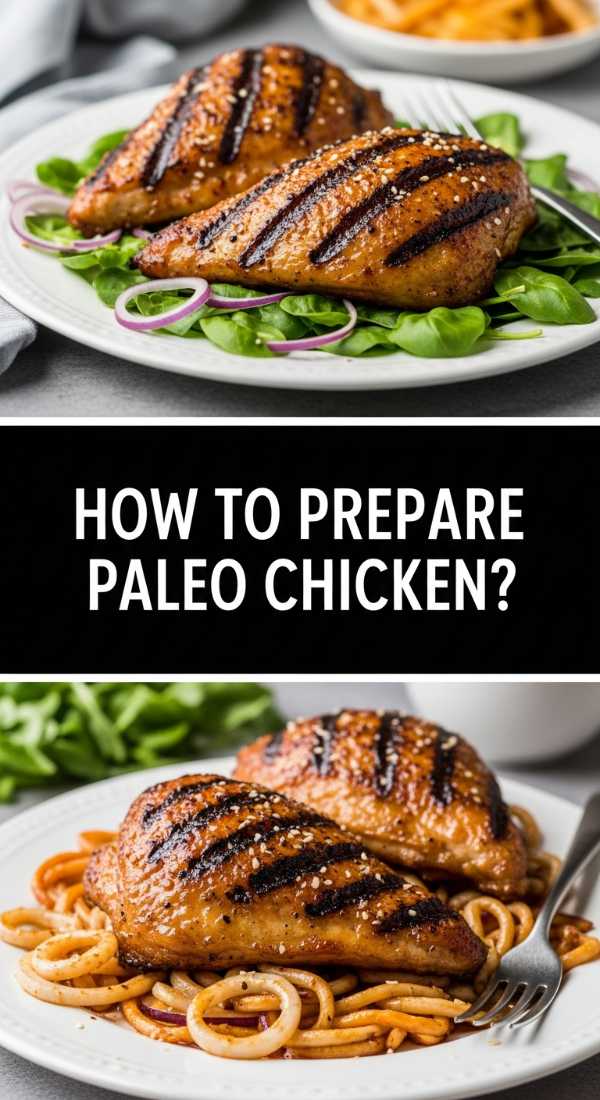
Paleo-style roasted chicken is all about achieving that elusive, perfectly crispy skin while keeping the meat underneath incredibly succulent and flavorful. The scent of lemon zest, dried thyme, and sizzling poultry fat is the ultimate hallmark of home cooking. Each bite offers a satisfying crunch followed by the bright, citrusy notes of the marinade, making it a versatile protein that pairs beautifully with everything from bitter greens to sweet roasted tubers. It is a rustic, honest dish that emphasizes quality over complexity, providing a high-protein anchor for your budget-friendly board.
Ingredients
- 1.5 lbs chicken thighs (skin-on, bone-in)
- 2 tbsp olive oil
- Zest and juice of 1 lemon
- 1 tbsp dried thyme
- 1 tsp onion powder
- 1/2 tsp smoked paprika
- Salt and pepper
How to make it
- Preheat your oven to 425°F (220°C). A high temperature is the secret to rendering the fat and crisping the skin.
- Pat the chicken thighs dry with paper towels. Just like steak, moisture is the enemy of crispiness.
- In a small bowl, whisk together the olive oil, lemon juice, lemon zest, thyme, onion powder, and paprika.
- Rub the marinade all over the chicken, making sure to get some under the skin for maximum flavor. Season the skin side generously with extra salt.
- Place the thighs on a wire rack set over a baking sheet. This allows the hot air to circulate around the entire piece of chicken.
- Roast for 35-40 minutes. The skin should be golden-brown and bubbly, and the internal temperature should reach 165°F (74°C). Let rest for 5 minutes before serving to keep the juices inside.
How to cook whole30 dinner?
Why we love this
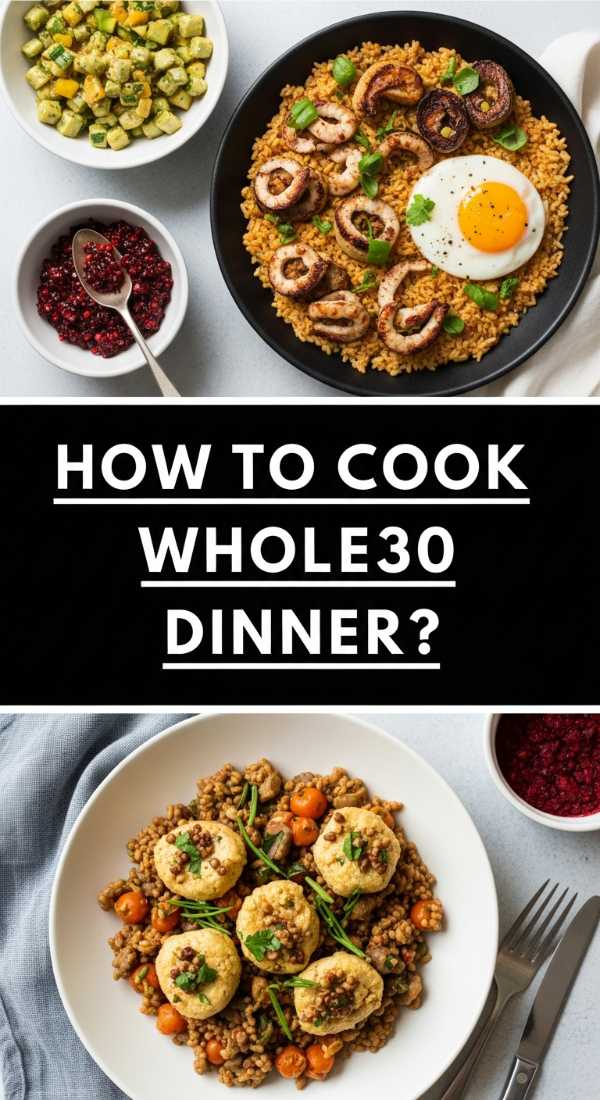
The beauty of a Whole30 dinner lies in its elegant simplicity, often featuring a sheet-pan arrangement of wild-caught fish and vibrant, seasonal vegetables. The delicate flakes of salmon, seasoned with nothing more than sea salt and fresh dill, offer a clean and light protein source that feels incredibly sophisticated. As the sheet pan roasts, the juices from the lemon slices mingle with the olive oil to create a natural sauce that coats the accompanying asparagus or green beans. It’s an effortless way to create a nutritionally complete meal that looks like a work of art when placed in the center of a gathering board.
Ingredients
- 2 salmon fillets
- 1 bunch of asparagus, ends trimmed
- 1 lemon, thinly sliced
- 2 tbsp olive oil
- Fresh dill, chopped
- Coarse sea salt and cracked pepper
How to make it
- Preheat your oven to 400°F (200°C) and line a sheet pan with foil or parchment.
- Arrange the salmon fillets in the center of the pan and surround them with the asparagus.
- Drizzle the olive oil over both the fish and the vegetables, tossing the asparagus gently to ensure it is evenly coated.
- Season everything with salt and pepper. Place 2-3 lemon slices on top of each salmon fillet; this protects the fish from drying out while adding a bright flavor.
- Roast for 12-15 minutes depending on the thickness of the salmon. The fish should flake easily with a fork, and the asparagus should be tender-crisp.
- Garnish with a mountain of fresh dill immediately after removing from the oven to let the residual heat release the herb’s aromatics.
How to make mediterranean bowls?
Why we love this
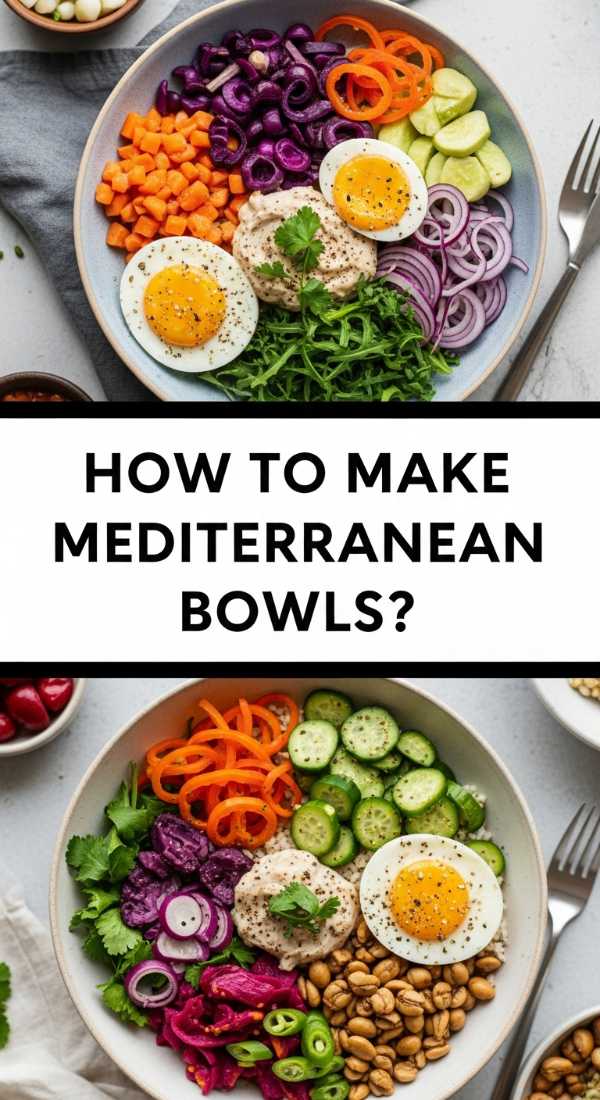
Mediterranean bowls are a festive riot of color and flavor, bringing together the creamy texture of homemade hummus with the sharp, salty punch of feta cheese (or a dairy-free alternative). The base of fluffy quinoa or cauliflower rice acts as a neutral canvas for the bold additions of pickled onions, roasted chickpeas, and fresh parsley. Every spoonful is a new discovery—sometimes a burst of pomegranate seeds, sometimes the cool crunch of a cucumber. It’s a meal that feels like a sun-drenched afternoon on the coast, providing a balanced mix of healthy fats, complex carbs, and plant-based protein.
Ingredients
- 2 cups cooked quinoa or cauliflower rice
- 1 cup hummus (store-bought or homemade)
- 1 cup cherry tomatoes, halved
- 1/2 cup Kalamata olives
- 1/4 cup red onion, pickled
- Fresh mint and parsley
- 1/4 cup toasted pine nuts or sunflower seeds
How to make it
- Start with your base: fluff the cooked quinoa with a fork and season it lightly with lemon juice and a pinch of salt to give it some character.
- Spoon a generous dollop of hummus into the side of the bowl. If you’re building a board, place a large bowl of hummus in the center for everyone to scoop from.
- Arrange the tomatoes, olives, and pickled onions in neat sections around the quinoa to create that classic ‘bowl’ look.
- If using chickpeas, roast them in a pan with a little cumin and paprika until they are crunchy before adding them to the mix.
- Finely chop the mint and parsley and scatter them over the top. The herbs are not just a garnish; they provide a fresh, cooling element that is essential to the dish.
- Finish with a sprinkle of toasted nuts for a buttery crunch and an extra drizzle of high-quality olive oil.
How to cook fiber meals?
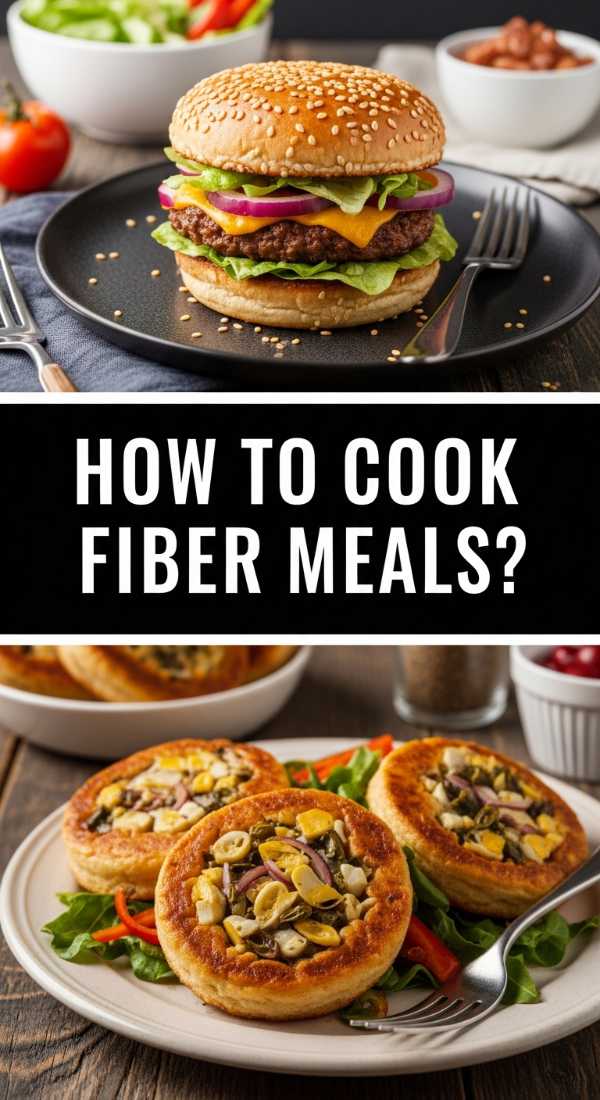
Why we love this
Fiber-rich meals, centered around hearty legumes like lentils or black beans, offer a deep, earthy satisfaction that is both filling and incredibly budget-friendly. The aroma of cumin, coriander, and slow-simmered onions creates a kitchen environment that feels lived-in and warm. The texture is thick and stew-like, perfect for scooping up with pieces of fiber bread or serving over a bed of dark, leafy greens. These meals are the unsung heroes of a healthy diet, providing the gut-loving nutrients we need while delivering a flavor profile that is robust, savory, and endlessly comforting.
Ingredients
- 1 cup dried green lentils, rinsed
- 3 cups vegetable broth
- 1 large carrot, diced
- 1 stalk celery, diced
- 1 onion, finely chopped
- 2 cloves garlic, minced
- 1 tsp ground cumin and 1/2 tsp turmeric
- 2 cups spinach or kale
How to make it
- In a large pot, heat a splash of oil over medium heat. Sauté the onion, carrot, and celery (the ‘mirepoix’) for about 8 minutes until they are soft and fragrant.
- Add the minced garlic, cumin, and turmeric. Stir for 1 minute until the spices smell toasted and aromatic, but be careful not to let the garlic burn.
- Stir in the rinsed lentils and the vegetable broth. Bring the mixture to a boil.
- Once boiling, reduce the heat to low, cover the pot, and simmer for 20-25 minutes. You want the lentils to be tender but not mushy—they should still hold their shape.
- During the last 2 minutes of cooking, stir in the spinach or kale. The residual heat will wilt the greens perfectly without overcooking them.
- Taste for seasoning, adding a squeeze of lemon juice at the very end to brighten the earthy flavors of the lentils.
Conclusion
Building the ultimate food board doesn’t require a culinary degree or a massive budget; it simply requires a bit of heart and a focus on whole, vibrant ingredients. By combining these different elements—from the savory sear of a Whole30 steak to the refreshing zest of a Mediterranean salad—you create a dining experience that is as beautiful as it is nourishing. Remember, the best food boards are the ones that reflect your personal taste and the season around you. So, grab a wooden plank, gather your favorite people, and start building your own budget-friendly masterpiece today!