
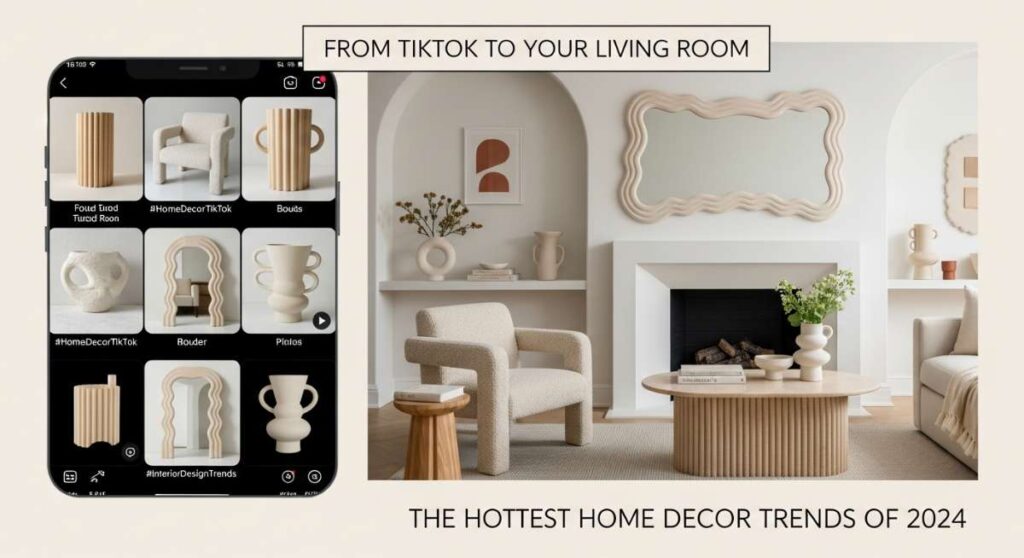
From TikTok to Your Living Room: The Hottest Home Decor Trends of 2024
Have you ever found yourself scrolling through TikTok at 2 AM, completely mesmerized by a time-lapse of someone transforming a dull, beige wall into a lush, living jungle? You’re not alone. There’s a certain magic in watching a space evolve from a mere room into a sanctuary that reflects your personality and peace of mind. This year, the shift isn’t just about ‘looking pretty’; it’s about how our spaces make us feel, breathe, and connect with the world around us.
We have entered an era where our homes are no longer just static backdrops for our lives, but active participants in our well-being. From the tactical comfort of textured walls to the life-giving energy of indoor greenery, the trends of 2024 are all about tactile experiences and cinematic vibes. Whether you are looking to create a grand entrance that leaves guests breathless or a cozy nook that feels like a warm hug, these viral trends are the blueprint for your next home evolution.
In this guide, I’m breaking down the most-saved, most-shared, and most-loved interior design concepts that are leaping off your screen and into reality. Let’s dive into how you can curate, craft, and style your way to a home that feels like a five-star retreat every single day.
How to Curate Lush Green Wall Design for Pure Air Quality
Why we love this
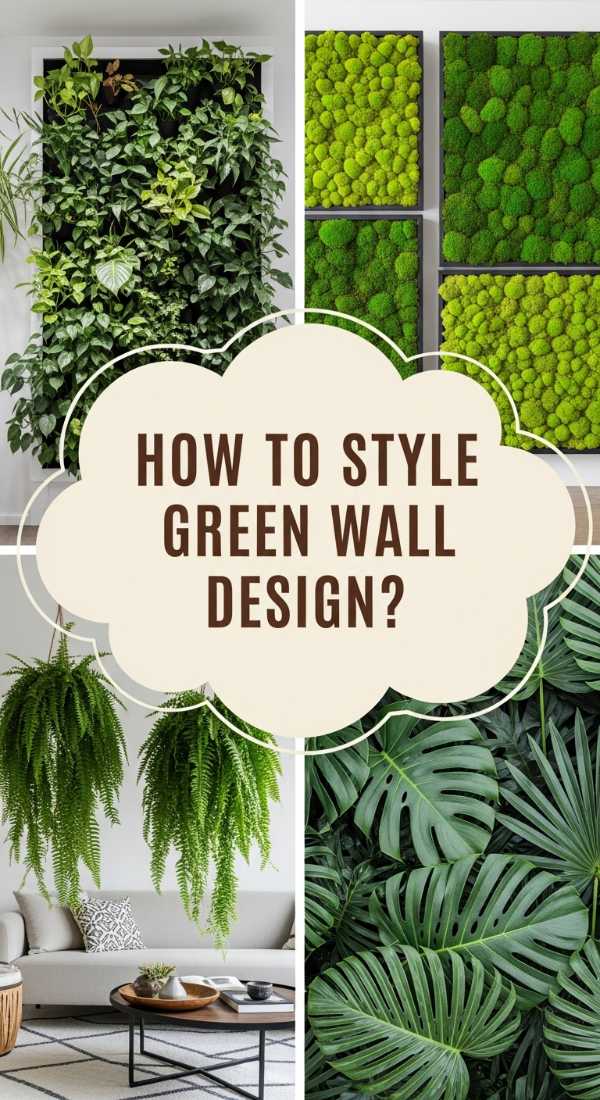
Imagine stepping into your living room and being greeted by the crisp, earthy scent of a rain-washed forest. A lush green wall isn’t just a visual masterpiece; it’s a living lung for your home that filters toxins and pumps fresh oxygen into your space. The sight of vibrant emerald ferns and trailing ivy cascading down your wall provides a cooling psychological effect, lowering stress levels instantly. You can almost feel the humidity rising slightly, soothing your skin and lungs as the soft rustle of leaves creates a natural white noise that buffers the sounds of the outside world.
Essential Elements:
- A mix of Pothos, Philodendrons, and Bird’s Nest Ferns.
- A moisture-resistant backing board (PVC or treated plywood).
- Felt pockets or a modular planter system.
- Integrated drip irrigation or a high-quality misting bottle.
- Full-spectrum LED grow lights for low-light corners.
How to make it
- Begin by selecting a wall that receives indirect sunlight, or prepare to install grow lights. Measure the area precisely and install a waterproof membrane or PVC board to protect your drywall from moisture.
- Attach your modular planting system or felt pockets to the backing board using heavy-duty screws. Ensure the structure is level and can support the weight of wet soil and mature plants.
- Prepare your plants by removing them from their nursery pots and gently loosening the root balls. Place them into the pockets, arranging larger, bushier plants at the bottom and trailing varieties at the top for a waterfall effect.
- Install a hidden drip irrigation line if you want a low-maintenance setup, or establish a manual watering schedule. Check the soil moisture levels daily for the first two weeks to ensure even hydration across the entire vertical surface.
- Prune any yellowing leaves immediately and mist the foliage twice a week to keep the humidity high, ensuring the air stays purified and the leaves remain dust-free.
How to Build Modern Fence Wall Design for Private Serenity
Why we love this
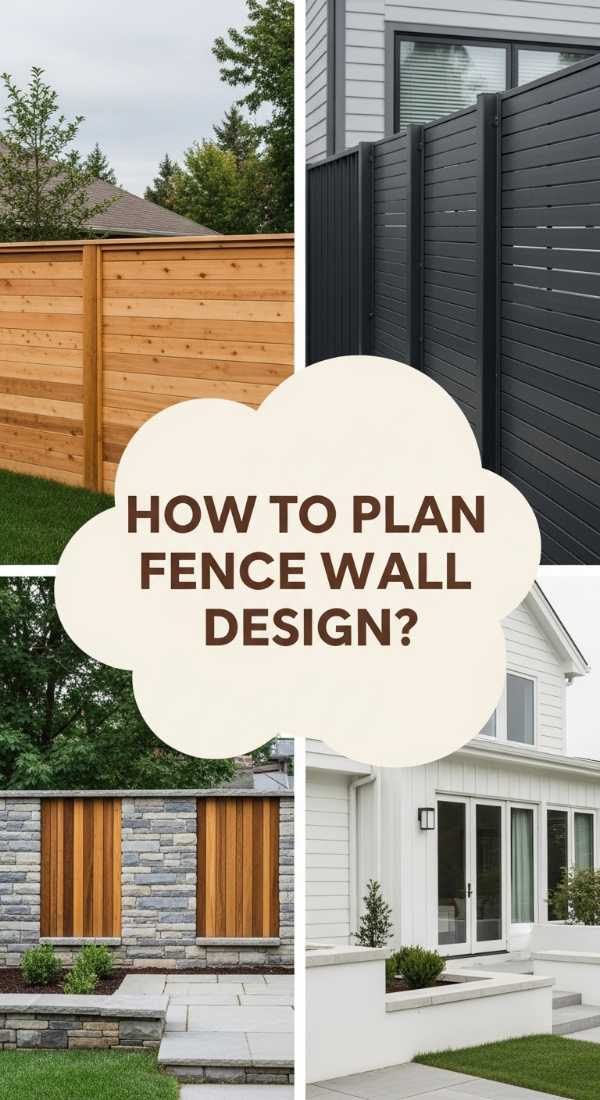
There is nothing quite like the feeling of absolute privacy in an outdoor space that feels like a high-end spa. A modern fence wall uses horizontal lines and rich, warm wood tones to create a sense of expansive calm, blocking out the visual noise of the neighborhood. When the sun hits the cedar or composite slats, it creates a rhythmic shadow play across your patio that feels incredibly grounding. The faint, resinous aroma of treated wood combined with the tactile smoothness of the finish turns a simple boundary into a masterpiece of architectural serenity.
Essential Elements:
- Horizontal cedar or Ipe wood slats.
- Black powder-coated steel posts for a contemporary contrast.
- Stainless steel outdoor-rated screws.
- Hidden fastening systems for a seamless look.
- Built-in LED strip lighting for nighttime ambiance.
How to make it
- Mark your fence line clearly using stakes and mason’s string. Dig post holes at least 24 inches deep (or below the frost line) to ensure structural integrity and pour quick-setting concrete to secure your steel or wood posts.
- Once the posts are perfectly plumb and the concrete has cured for 24-48 hours, begin installing your horizontal slats from the bottom up. Use a 1/2-inch spacer between each board to ensure consistent gaps for airflow and visual rhythm.
- Utilize a hidden fastening system or pre-drill holes to prevent the wood from splitting, then drive your screws through the back of the slats or use color-matched trim screws for a minimalist aesthetic.
- Sand the surface of the wood with 120-grit sandpaper to remove any burrs, then apply a high-quality UV-resistant oil or stain to preserve the rich color and protect it from graying in the sun.
- Mount low-voltage LED strip lights along the top rail or behind certain slats to create an ethereal glow that highlights the texture of the wood during evening gatherings.
How to Elevate Modern TV Wall Design for Cinematic Perfection
Why we love this
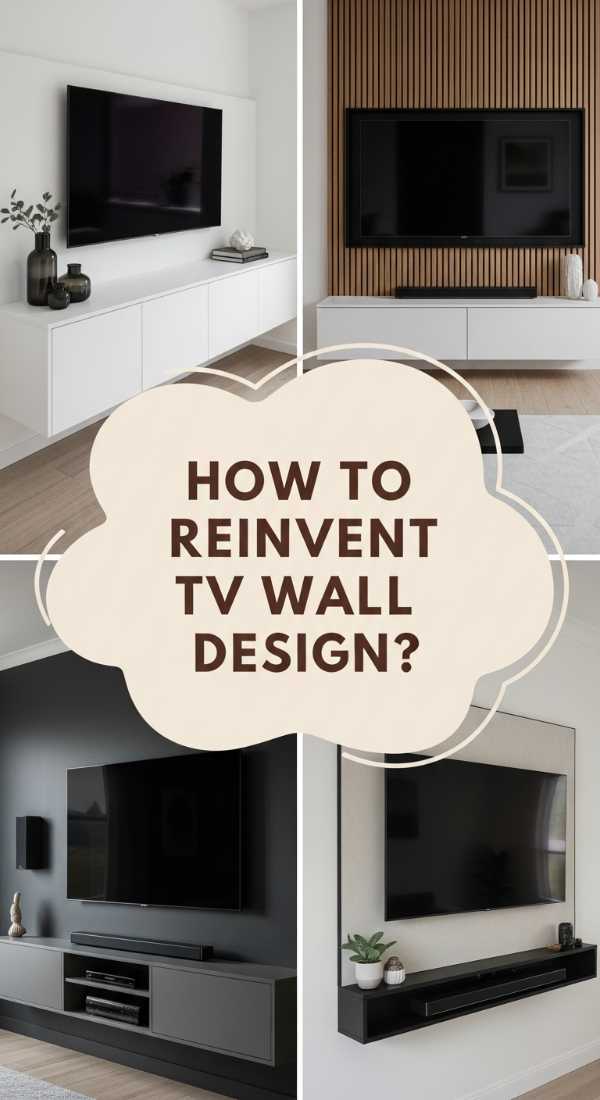
This is about more than just watching a movie; it’s about the experience of disappearing into a story. A modern TV wall focuses on symmetry, hidden technology, and soft ambient lighting that reduces eye strain while looking incredibly sleek. The matte finish of a dark accent wall makes the colors on the screen pop with unbelievable vibrance, while the hidden wires ensure there are no distractions. It feels like having a private boutique cinema, where every frame is framed by sophisticated design and the cool, silent presence of high-end materials.
Essential Elements:
- A recessed niche or flush-mount TV bracket.
- Fluted wood panels or matte charcoal paint.
- Floating media console with cable management.
- Smart LED backlighting (Ambilight style).
- In-wall or discreet soundbar integration.
How to make it
- Identify the studs in your wall using a high-quality stud finder and map out the exact center point for your television. Plan for a recessed ‘media box’ behind the TV to house outlets and HDMI ports.
- Install fluted wall panels or a textured wallpaper on the main section of the wall to create depth. If painting, use a flat or matte finish to prevent glare from the screen and surrounding lights.
- Mount a heavy-duty, low-profile wall bracket. For a ‘floating’ look, ensure the bracket allows the TV to sit as close to the wall as possible.
- Install a floating console beneath the TV. Use a hole saw bit to create an opening in the wall behind the TV and another behind the console to run all cables through the wall, using brush plates for a professional finish.
- Apply Govee or Philips Hue light strips to the back of the TV, syncing them with your screen’s output to extend the colors onto the wall, creating a truly immersive, cinematic atmosphere.
How to Design Living Room Wall Designs for Cozy Atmosphere
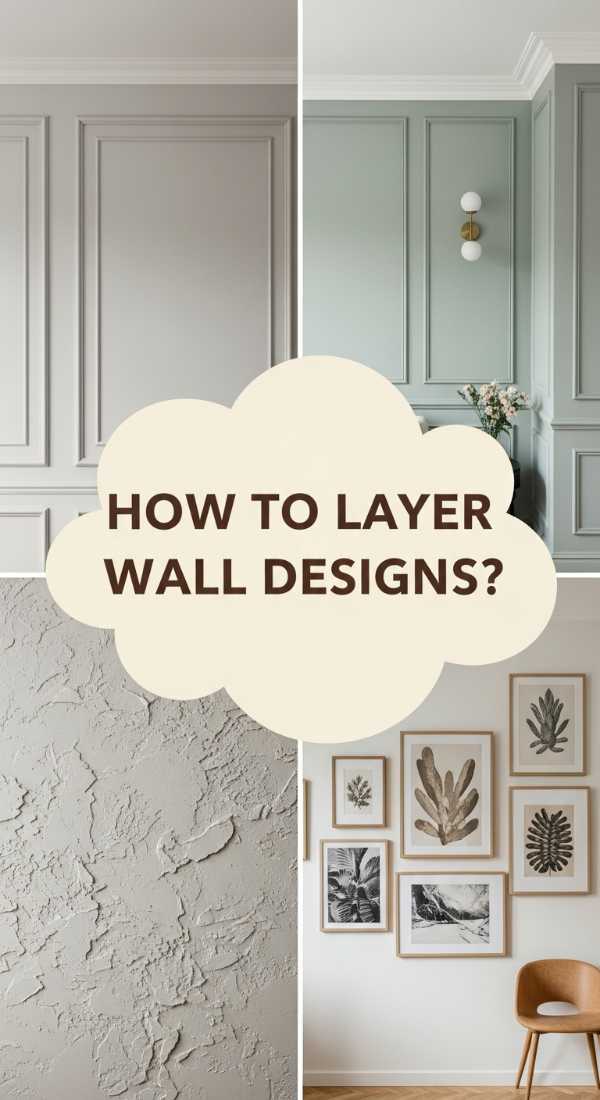
Why we love this
A cozy living room wall is the interior design equivalent of a cashmere blanket. By using ‘limewash’ finishes or soft-textured plasters, the wall takes on a suede-like quality that catches the light in the most beautiful, diffused way. It creates a cocoon-like feeling where the room feels warm even on the coldest nights. You’ll find yourself wanting to reach out and touch the surface, feeling the slight grit of the natural minerals and the gentle coolness of the stone-like finish that somehow manages to make the entire room feel softer and more intimate.
Essential Elements:
- Limewash paint or Venetian plaster.
- Warm-toned wall sconces with dimmable bulbs.
- Floating oak shelves with curved edges.
- Framed textile art or woven tapestries.
- Neutral, tonal color palette (oatmeal, clay, or sage).
How to make it
- Prepare your wall by filling any holes with spackle and sanding them smooth. Apply a specialized primer designed for mineral-based paints to ensure the limewash adheres correctly.
- Apply the first coat of limewash using a large masonry brush in a ‘criss-cross’ or ‘random’ motion. This technique is vital for creating the mottled, textured look that defines the cozy aesthetic.
- Wait for the first coat to dry completely (about 4-6 hours) and apply a second coat, slightly overlapping your strokes to build up depth and color variation. The more layers you add, the more ‘cloud-like’ the effect.
- Install warm-toned wall sconces at eye level rather than using overhead lighting. This creates soft pools of light that emphasize the texture of the limewash.
- Style the wall with minimal decor—a single piece of framed linen or a few ceramic vases on an oak shelf—to maintain the focus on the soothing texture of the wall itself.
How to Create Entrance Foyer Wall Design for Grand Impressions
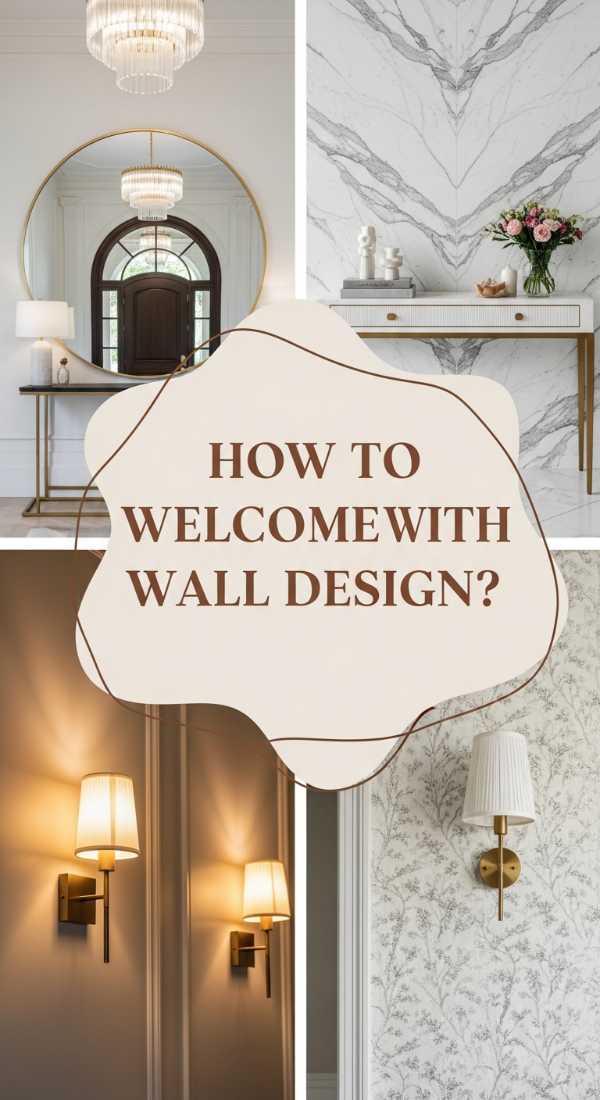
Why we love this
The foyer is your home’s first handshake, and a grand wall design ensures it’s a memorable one. Imagine walking through the front door and being met with a floor-to-ceiling mirrored installation or an oversized piece of abstract art that immediately signals luxury. There is a sense of airiness and light that expands the space, making even small entries feel palatial. The subtle scent of a signature home fragrance—perhaps sandalwood or citrus—wafting through the air combines with the visual grandeur to tell your guests exactly who you are before you even say a word.
Essential Elements:
- Large-scale architectural molding or wainscoting.
- A statement mirror with a brass or black frame.
- Marble-topped console table.
- Overhead statement pendant or chandelier.
- Dramatic, high-contrast wallpaper or paint.
How to make it
- Define the focal point of the foyer. Usually, this is the wall directly opposite or adjacent to the door. Apply decorative molding (like picture frame molding) to add architectural ‘bones’ to the space.
- Paint the molding and the wall the same color—preferably a bold navy, forest green, or a crisp gallery white—to create a sophisticated, high-end look.
- Secure a heavy, oversized mirror to the center of the wall. This will bounce light around the room and double the perceived size of the entrance.
- Anchor the design with a slim console table. Choose a material like marble or fluted wood to add another layer of texture.
- Add a final touch with a decorative tray for keys and a tall vase of fresh greenery (like eucalyptus), which adds height and a welcoming natural aroma to the space.
How to Achieve TV Wall Design Luxury for High-End Living
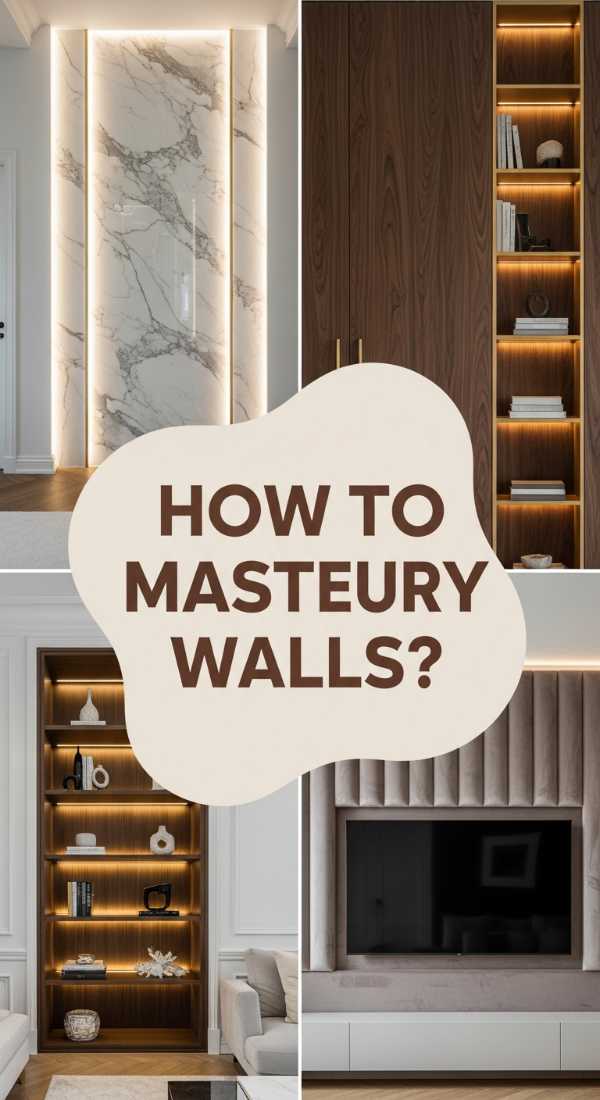
Why we love this
Luxury TV walls are about the seamless fusion of technology and fine art. Think oversized slabs of Calacatta marble or book-matched stone panels that surround your screen, making the television look like a piece of curated gallery work. It’s a sophisticated, polished look that feels incredibly high-end—smooth to the touch and gleaming under the soft glow of recessed spotlights. It removes the ‘black hole’ effect of a TV and replaces it with a focal point that screams ‘executive suite’ and ‘metropolitan penthouse’ all at once.
Essential Elements:
- Large-format porcelain slabs or marble panels.
- Integrated brass or gold metal inlay strips.
- Custom-built cabinetry with ‘push-to-open’ doors.
- Recessed cove lighting along the ceiling and floor.
- The Frame TV (or similar) that displays art when off.
How to make it
- Construct a sturdy plywood sub-wall to support the weight of heavy stone or porcelain slabs. Ensure all electrical wiring for the TV and integrated lighting is run behind this sub-structure.
- Hire a professional to cut and install large-format porcelain slabs. Use a book-matching technique where the veins of the stone line up perfectly across the wall for a bespoke, luxurious finish.
- Incorporate thin metal inlay strips (brass or brushed gold) between the stone panels to add a touch of glamour and to hide any seams.
- Install recessed LED channels at the top and bottom of the wall to create a ‘wash’ of light that highlights the natural veining of the stone.
- Mount a ‘Frame’ style television perfectly flush with the stone. Configure the software to display high-resolution classical art when the TV isn’t in use, completing the transformation from appliance to masterpiece.
How to Style Vertical Green Wall Design for Natural Productivity
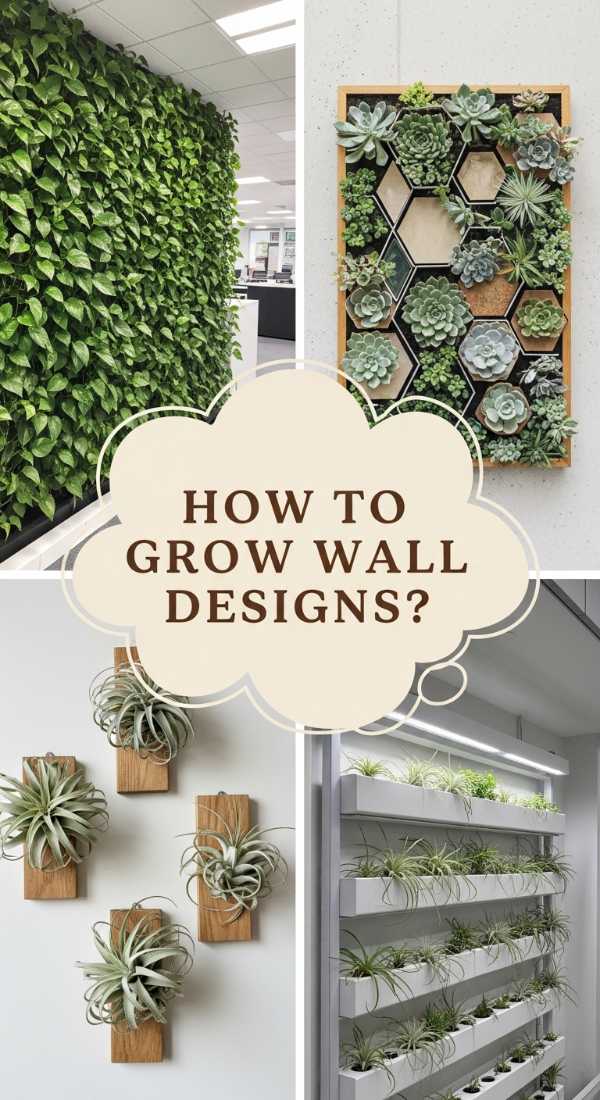
Why we love this
Working from home can often feel sterile, but a vertical green wall in your office space changes the entire energy of the workday. There’s a psychological boost that comes from being surrounded by living things; it sharpens focus and dampens echoing noise. The sight of vibrant greens against a sleek, modern desk setup creates a ‘biophilic’ haven where you can almost feel the air getting cleaner with every breath. It’s a sensory reset for your eyes when you look away from the blue light of your laptop, offering a moment of quiet, natural wonder.
Essential Elements:
- Self-watering vertical planters.
- Snake plants, ZZ plants, and English Ivy (low maintenance).
- Modern geometric wire grids or wooden lattices.
- Task lighting that doubles as grow lighting.
- Natural wood accents to complement the greenery.
How to make it
- Select a wall within your line of sight from your desk. Install a series of geometric wire grids or a minimalist wooden trellis system that will act as the ‘skeleton’ for your plants.
- Choose ‘air-purifying’ plants like Snake plants for height and Pothos for draping. These are resilient and thrive in typical office environments.
- Use lightweight, clip-on pots that attach directly to your grid. This allows you to easily rearrange the plants as they grow or if you want to change the look.
- Position a desk lamp with a ‘daylight’ balanced LED bulb near the wall. This provides the plants with the necessary light spectrum for photosynthesis while reducing your own eye strain.
- Schedule a ‘maintenance minute’ every Monday to check water levels and wipe dust off the leaves with a damp cloth, ensuring the plants stay healthy and your productivity stays high.
How to Craft Contemporary Fence Wall Design for Curb Appeal
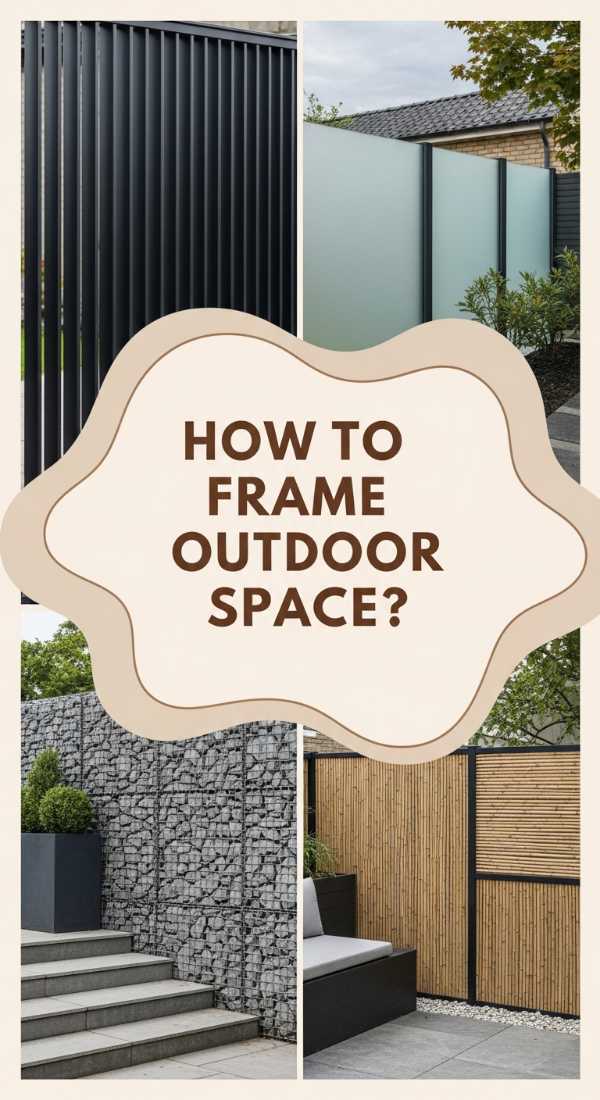
Why we love this
First impressions start at the sidewalk, and a contemporary fence wall is the ultimate statement of modern curb appeal. Unlike traditional fences, these designs use varied slat widths and mixed materials like matte black metal and warm cedar to create a rhythmic, architectural look. It feels substantial and secure, yet welcoming. When you walk past, the clean lines and high-contrast colors give off an aura of organized, intentional living. It’s the kind of design that makes neighbors stop and take photos, proving that even a boundary can be a work of art.
Essential Elements:
- Alternating width wood slats (e.g., 2-inch and 4-inch).
- Matte black powder-coated aluminum framing.
- Concrete or stone base accents.
- Integrated house numbers with backlight.
- Low-profile landscape up-lighting.
How to make it
- Start with a solid foundation. If using a concrete base, pour a small footing and install a low masonry wall before adding the fence panels on top.
- Construct frames using matte black aluminum channels. These provide a rot-proof, modern border for your wood inserts.
- Insert your wood slats into the frames, alternating between wide and narrow boards. This ‘random’ rhythm is a key characteristic of contemporary high-end design.
- Apply a clear, matte sealant to the wood to protect it from the elements without changing its natural, ‘raw’ look.
- Install floating house numbers directly onto the fence and place LED up-lights at the base of the fence every 6 feet. This highlights the texture of the wood and makes the home look incredibly high-end at night.
How to Arrange Sleek TV Wall Design for Minimalist Homes
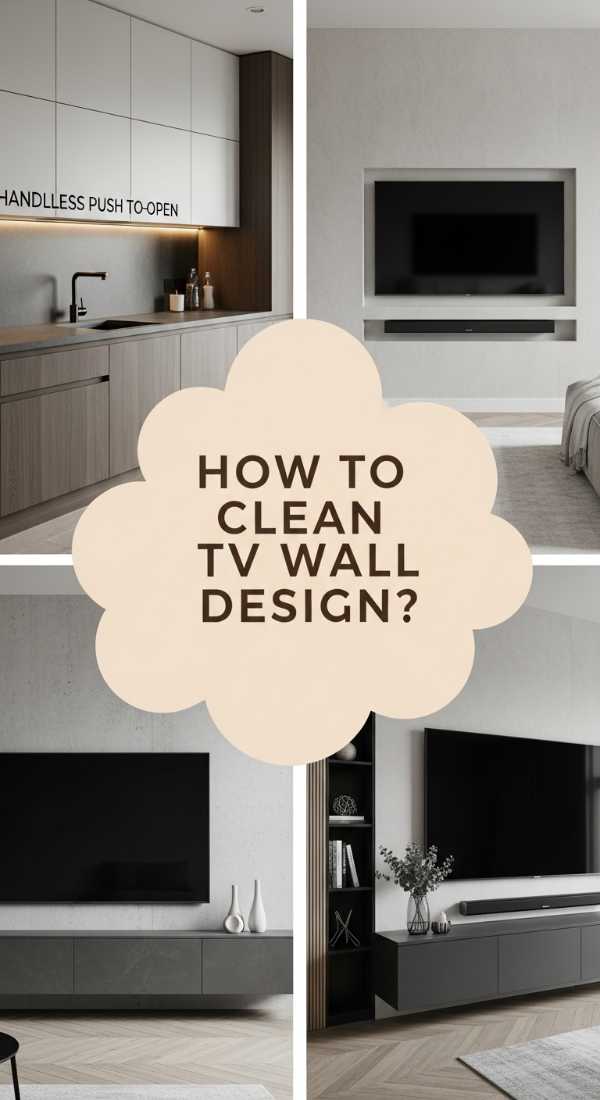
Why we love this
For the minimalist, ‘less is more’ isn’t just a saying; it’s a lifestyle. A sleek TV wall design eliminates the clutter of cables, bulky stands, and unnecessary decor, leaving only a pure, focused aesthetic. The wall usually features a monochromatic palette—think soft greys or off-whites—that feels calm and spacious. There’s a satisfying ‘snap’ to the hidden storage doors and a peaceful silence in the lack of visual noise. It’s a design that breathes, allowing your mind to rest and your focus to remain entirely on the beauty of simplicity.
Essential Elements:
- Handle-less, push-to-open wall cabinets.
- Recessed wall mount for a completely flush TV.
- Monochromatic paint finish (Satin or Eggshell).
- Internal cable routing through the wall studs.
- Hidden sound system (in-ceiling or behind acoustic fabric).
How to make it
- Clear the wall entirely and patch any imperfections. A minimalist design relies on a perfectly smooth surface, so take the time to sand and prime carefully.
- Paint the wall and your floating cabinets in the exact same shade. This ‘color drenching’ technique hides the bulk of the furniture and makes the TV appear to float in space.
- Install a recessed wall box to house all power bricks, routers, and cable boxes. Use a ‘pass-through’ kit to run wires horizontally inside the wall.
- Mount the TV using a ‘no-gap’ wall mount. This ensures the television sits perfectly flat against the wall, mimicking a thin pane of glass.
- Keep the surfaces of the cabinets completely clear. If you must have decor, choose one single, high-quality sculptural object that complements the monochromatic theme.
How to Master Artistic Living Room Wall Designs for Personal Style
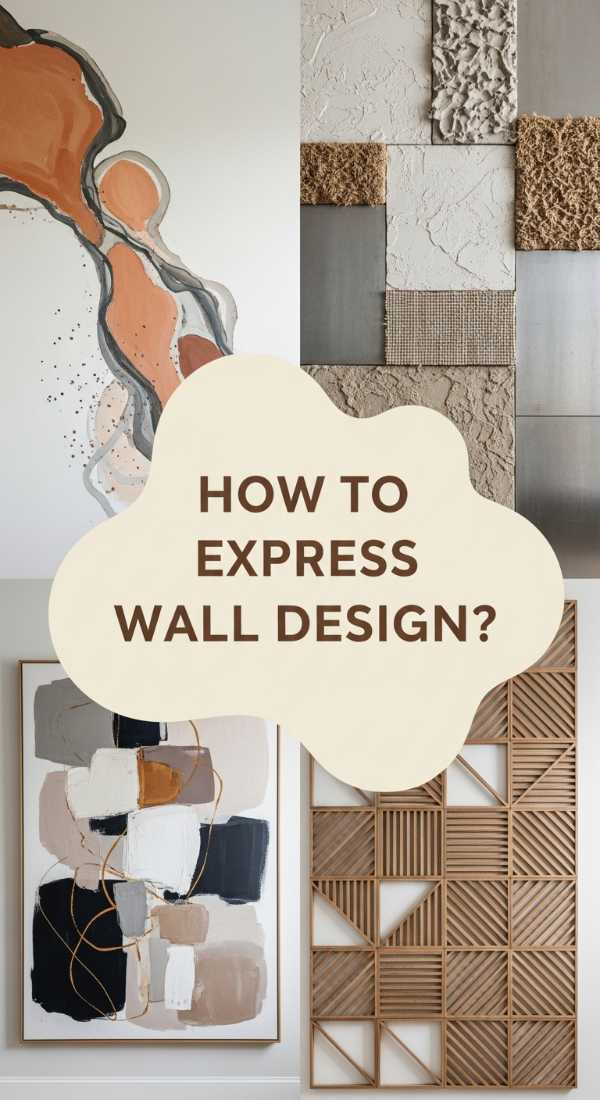
Why we love this
An artistic wall is a window into your soul. It’s where you get to break all the rules and curate a collection of memories, textures, and colors that resonate with your journey. Whether it’s an oversized gallery wall or a hand-painted mural, this design feels deeply personal and tactile. You can smell the faint scent of oil paint or old paper from framed vintage finds. It’s a conversation starter that makes your living room feel lived-in, curated, and vibrantly alive, reflecting a life well-traveled and a mind that appreciates the finer details of creativity.
Essential Elements:
- A mix of frame styles (ornate gold, modern black, raw wood).
- Varied art mediums (canvas, sketches, textiles, 3D objects).
- Picture lights or adjustable track lighting.
- A cohesive color thread (e.g., all pieces have a hint of blue).
- Command strips or a professional hanging kit.
How to make it
- Lay all your art pieces out on the floor in front of the wall first. This allows you to experiment with the arrangement without making unnecessary holes in your drywall.
- Start with your largest ‘anchor’ piece slightly off-center and build outward. Mix horizontal and vertical orientations to keep the eye moving across the display.
- Incorporate non-traditional items like a brass wall sculpture or a framed piece of vintage fabric to add 3D texture and breaking up the flat surfaces of the frames.
- Maintain a consistent gap of 2 to 3 inches between each frame. Use a spirit level and a pencil to mark your hanging points precisely.
- Install dedicated ‘picture lights’ above the most important pieces. This adds a museum-quality feel to the room and ensures your personal style is literally cast in the best light possible.
Conclusion
Transforming your home from a TikTok dream into a tangible reality is all about embracing the trends that speak to your lifestyle. Whether you are planting a vertical garden or building a cinematic TV wall, the goal is to create a space that feels like *you*. 2024 is the year of the ‘sensory home’—a place where texture, light, and nature converge to create a sanctuary from the outside world. So, pick a wall, grab your tools, and start creating the home you’ve always wanted.