
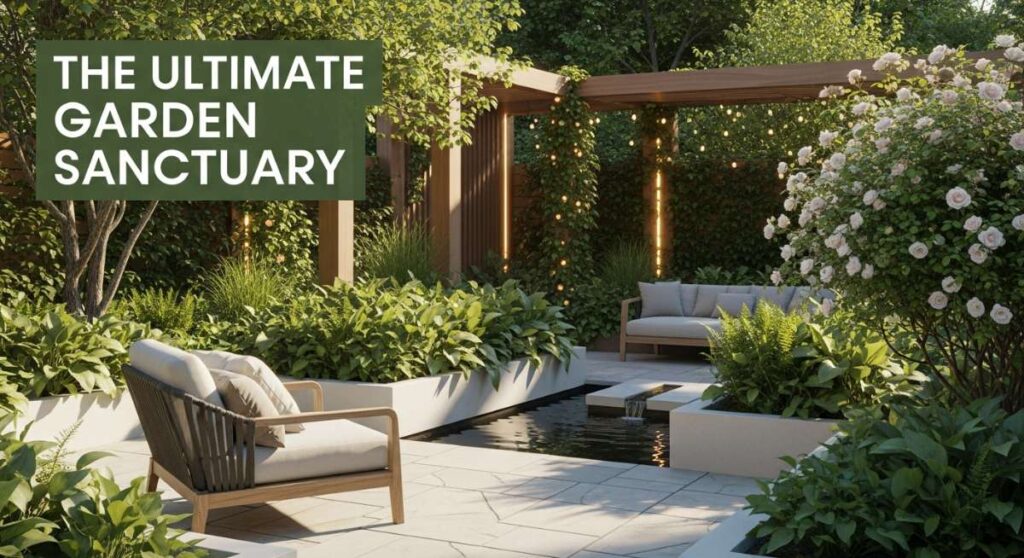
Escape to Bliss: How to Create the Ultimate Garden Sanctuary
Have you ever stepped outside on a crisp Saturday morning, coffee in hand, and felt the world just… stop? There is a profound, almost mystical magic that happens when we reconnect with the earth under our fingernails. For me, my garden isn’t just a collection of plants; it’s my breathing room, my studio, and my sanctuary all rolled into one vibrant, living tapestry. It’s the place where the noise of the digital world fades into the background, replaced by the gentle hum of bumblebees and the rustle of leaves in the breeze.
Creating an outdoor sanctuary is more than a weekend project; it’s an act of self-care. Whether you have a sprawling backyard or a tiny urban balcony, your garden is a reflection of your inner landscape. In this guide, I’m sharing my most cherished secrets for transforming any outdoor space into a haven of tranquility, productivity, and wild beauty. Let’s dig in and discover how to cultivate a life that blooms as beautifully as your hydrangeas.
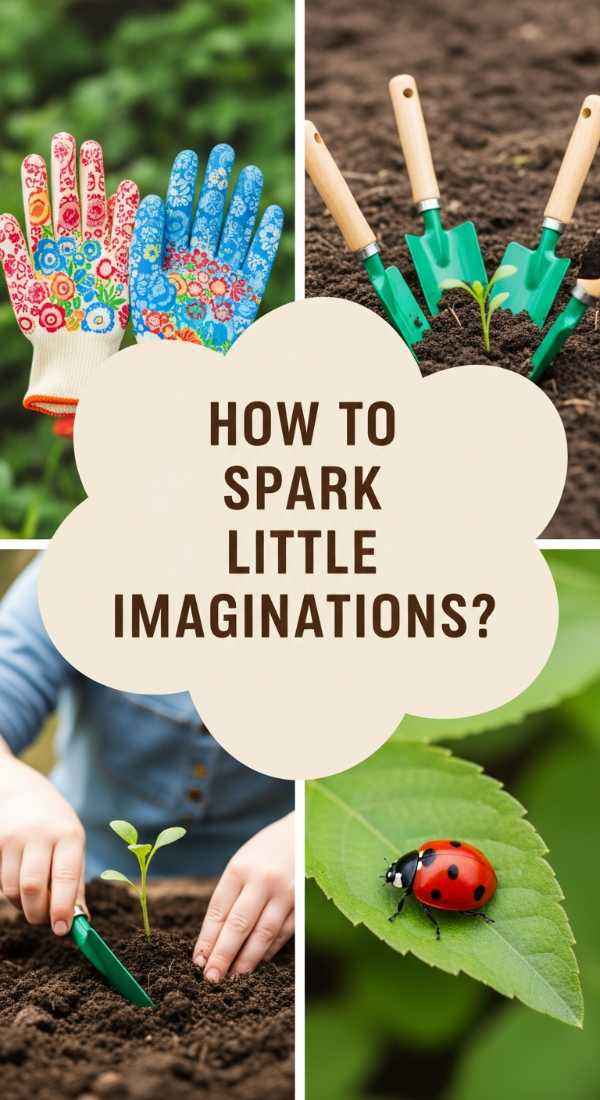
How to Spark Little Imaginations for Magical Outdoor Play
Why we love this
There is something inherently nostalgic and whimsical about a garden designed through the eyes of a child, where every tall fern is a prehistoric forest and every hollow log is a dragon’s den. We love this approach because it encourages unstructured play, grounding children in the tactile sensations of moss, bark, and soil while pulling them away from screens and into the sunlight. It transforms a simple yard into a stage for endless storytelling, fostering a deep, lifelong bond with nature that feels both adventurous and safe. The air feels lighter when filled with the sounds of discovery and the sight of small hands building miniature worlds among the roots.
Essential Elements:
- A willow tunnel or woven twig teepee
- Natural wood stepping stones
- A hidden “fairy garden” tucked under a bush
- A mud kitchen with wooden spoons and old pots
- Baskets for collecting treasures like acorns and stones
How to make it
- Identify a secluded corner of the garden, preferably under a canopy of low-hanging branches or near a cluster of large shrubs to create a sense of enclosure.
- Lay down a winding path using cross-sections of fallen logs or flat river stones, ensuring they are slightly recessed into the ground so they don’t wobble when stepped on.
- Construct a living willow tunnel by planting flexible willow switches in two parallel rows and weaving the tops together over a simple arch frame; secure with twine until the growth hardens.
- Set up a mud kitchen by repurposing an old wooden table or crate, equipping it with stainless steel bowls and organic materials like pinecones, dried lavender, and sand for “sensory cooking.”
- Add the magical details: hide small ceramic doors at the base of trees and hang wind chimes or solar-powered lanterns high in the branches to catch the evening light.
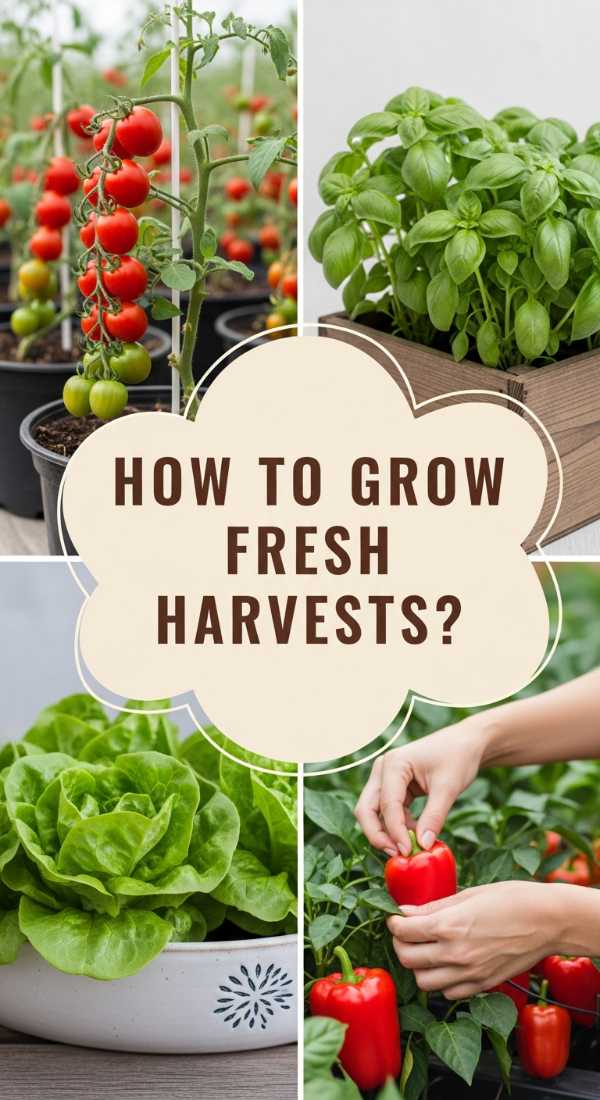
How to Grow Fresh Kitchen Harvests for a Healthy Home
Why we love this
Nothing compares to the sensory explosion of biting into a sun-warmed cherry tomato or inhaling the sharp, peppery aroma of freshly bruised basil leaves right from your own soil. This is the heart of the sanctuary—a place where nutrition meets luxury, and the cycle of growth provides a literal feast for the senses. We love the kitchen garden because it turns the mundane act of cooking into a ritual of gratitude, where you can walk barefoot to the garden bed and select exactly what you need for dinner. The vibrant greens of kale and the deep purples of eggplant create a visual bounty that feels as rewarding as it is delicious.
Essential Elements:
- Raised cedar garden beds
- High-quality organic compost
- A mix of heirloom seeds (tomatoes, peppers, greens)
- Trellises for vertical climbing peas and beans
- Drip irrigation or a vintage copper watering can
How to make it
- Select a location that receives at least 6-8 hours of direct sunlight daily and level the ground before installing raised beds to ensure even drainage.
- Fill your beds with a premium soil blend consisting of 60% topsoil, 30% organic compost, and 10% perlite or vermiculite to provide a light, airy structure for root development.
- Practice companion planting by placing marigolds and basil near your tomato plants; this naturally deters pests while enhancing the flavor profile of your harvest.
- Install vertical supports early—pushing stakes or trellises into the ground before the plants get too large avoids damaging the delicate root systems later.
- Monitor moisture levels by sticking your finger two inches into the soil; if it feels dry, water deeply at the base of the plants in the early morning to prevent fungal diseases on the foliage.
How to Style a Chic Garden Look for Sunny Days Out

Why we love this
A garden sanctuary should feel like an extension of your living room, blending the comfort of indoor styling with the raw beauty of the elements. We love this chic approach because it invites you to linger longer, turning a simple patio into a high-fashion retreat where textures like weathered teak, soft linen, and cool stone coexist harmoniously. The aesthetic is curated yet relaxed, featuring a palette of earthy neutrals that allow the vibrant greens of the foliage to take center stage. It’s about creating a space where you can host a sunset brunch or read a novel while feeling perfectly ensconced in curated luxury.
Essential Elements:
- Weather-resistant outdoor rugs in jute or sisal patterns
- Linen throw pillows in muted tones like sage and terracotta
- A central focal point like a fire pit or a stone water feature
- String bistro lighting for a warm, amber glow
- Comfortable seating with deep cushions and ergonomic support
How to make it
- Define your “outdoor room” by laying down a large, durable rug to anchor the space and create a visual boundary between the seating area and the lawn.
- Arrange your furniture in a conversational circle, ensuring there is enough space for movement while keeping the setting intimate enough for quiet chatter.
- Layer your textiles by adding varying sizes of cushions and a light knit throw for cooler evenings, choosing fabrics specifically treated for UV and moisture resistance.
- Incorporate height and dimension by placing large terracotta planters of varying sizes around the perimeter, filling them with architectural plants like ornamental grasses or olive trees.
- Hang string lights in a “criss-cross” pattern overhead, securing them to sturdy poles or existing structures to create a soft, diffused canopy of light as the sun goes down.
How to Embrace Wild Chaos Beauty for a Carefree Landscape

Why we love this
There is a liberating joy in stepping away from the hedge trimmers and allowing nature to dictate its own rhythm. We love the “wild chaos” look because it celebrates the imperfect, the overgrown, and the spontaneous, creating a pollinator-friendly meadow that feels like a secret garden from a storybook. The air is alive with the movement of butterflies, and the visual texture of swaying wildflowers like cosmos and poppies creates a soft, painterly effect that manicured lawns simply cannot replicate. It’s a low-maintenance philosophy that prioritizes ecological health and effortless, romantic beauty over rigid control.
Essential Elements:
- Native wildflower seed mixes
- Strategic “no-mow” zones
- Drifts of perennial grasses (like Muhly or Fountain grass)
- Natural stone borders to define the wild areas
- Log piles to provide habitat for beneficial insects
How to make it
- Select a sunny patch of the yard and clear away existing grass or weeds by tilling the top layer of soil or using a cardboard sheet-mulching technique for several weeks.
- Scatter a high-quality mix of native wildflower seeds over the prepared soil, tamping them down lightly with your feet to ensure good seed-to-soil contact without burying them too deep.
- Water the area gently with a fine mist setting on your hose until the seedlings are established, then gradually reduce frequency to encourage deep, drought-resistant root growth.
- Maintain a sense of “intentionality” by mowing a clean path through the meadow or using sharp stone edges, which signals that the wildness is a design choice rather than neglect.
- Leave the dried seed heads standing through the winter; they provide essential food for birds and offer a beautiful, structural silhouette against the frost.
How to Arrange Vibrant Floral Pots for Instant Curb Appeal

Why we love this
Container gardening is the ultimate tool for the impatient stylist, offering an instant burst of saturated color and architectural interest exactly where you need it. We love floral pots because they are versatile—they can frame a doorway, brighten a dark corner, or be swapped out as the seasons change from the pastels of spring to the deep ambers of autumn. The smell of petunias and geraniums wafting toward the front door creates an immediate sense of welcome, signaling that the home within is cared for and full of life. It’s a miniature masterpiece you can curate in an afternoon.
Essential Elements:
- High-fired ceramic or stone planters with drainage holes
- Slow-release organic fertilizer
- A selection of “Thriller, Filler, and Spiller” plants
- High-quality potting mix (not garden soil)
- A layer of moss or mulch for the soil surface
How to make it
- Choose a focal plant (the “Thriller”) such as a tall Canna Lily or a structural Dracaena and place it slightly off-center in the pot for a dynamic look.
- Surround the focal plant with “Fillers” like bushy Petunias or Calibrachoa, planting them closely enough so they form a dense mound of foliage and flowers.
- Incorporate “Spillers” around the edges, such as Creeping Jenny or Sweet Potato Vine, which will cascade over the rim of the pot and soften the hard lines of the container.
- Mix a tablespoon of slow-release fertilizer into the top few inches of the potting mix to provide a steady supply of nutrients throughout the blooming season.
- Water your containers daily during the heat of summer, as pots dry out much faster than the ground; a quick finger-test will tell you if the soil is thirsty.
How to Master Glass House Growth for Year Round Blooms

Why we love this
Stepping into a greenhouse or a glass house feels like entering another climate entirely—the air is humid, the scent of damp earth is concentrated, and the light is soft and diffused. We love this for the sanctuary because it defies the seasons, allowing you to nurture tropical orchids or start delicate seedlings while the world outside is still locked in winter’s chill. It is the ultimate laboratory for a plant lover, a warm cocoon where you can propagate new life and witness the slow, steady rhythm of growth regardless of the weather. The aesthetic of glass and iron adds a timeless, Victorian elegance to any garden landscape.
Essential Elements:
- A sturdy glass or polycarbonate structure
- Adjustable shelving and potting benches
- Ventilation windows or automatic fans
- A thermometer and hygrometer for climate tracking
- A shade cloth for high-summer protection
How to make it
- Position your glass house in a spot that maximizes winter sun (typically south-facing) but offers some natural afternoon shade from deciduous trees during the peak of summer.
- Install sturdy, slatted wooden shelving to allow for air circulation around your pots, preventing the buildup of mold or mildew in the humid environment.
- Set up a dedicated potting station with a galvanized metal top for easy cleanup, keeping your various soils, trowels, and labels within arm’s reach.
- Monitor the temperature closely; on sunny days, even in winter, a glass house can overheat, so be prepared to crack the vents or door to regulate the airflow.
- Group plants with similar humidity needs together, and consider adding a small pebble tray with water beneath tropical plants to naturally boost the localized moisture levels.
How to Organize Essential Garden Tools for Effortless Yard Work

Why we love this
There is a deep, quiet satisfaction in a well-organized shed where every tool has its place and every blade is sharp. We love this aspect of gardening because it removes the friction from our hobby; when you can reach for your favorite bypass pruners or your sturdy garden fork without searching through a pile of rust, the work becomes a meditative flow rather than a chore. It honors the craft of gardening and protects your investment in high-quality tools, ensuring they last for decades. A tidy tool wall is also strangely beautiful—a geometric display of wood, steel, and utility that speaks to a life well-tended.
Essential Elements:
- A wall-mounted pegboard or slat-wall system
- Magnetic strips for small hand tools
- Linseed oil and a sharpening stone
- Large hooks for shovels and rakes
- A dedicated cleaning station (bucket of sand and oil)
How to make it
- Sort through your current tool collection, discarding anything broken beyond repair and using a wire brush to remove rust from metal surfaces.
- Install a heavy-duty pegboard on a shed wall and outline each tool with a permanent marker or paint so you know exactly where it returns after use.
- Mount a magnetic strip at eye level to hold smaller items like snips, tweezers, and garden markers, keeping them visible and accessible.
- Create a simple cleaning bucket filled with builders’ sand mixed with a small amount of motor oil; plunging your shovels into this after each use cleans and coats the metal in one step.
- Dedicate a shelf to seasonal items like bird feeders, bulbs, and gloves, using clear bins to keep everything visible and dust-free.
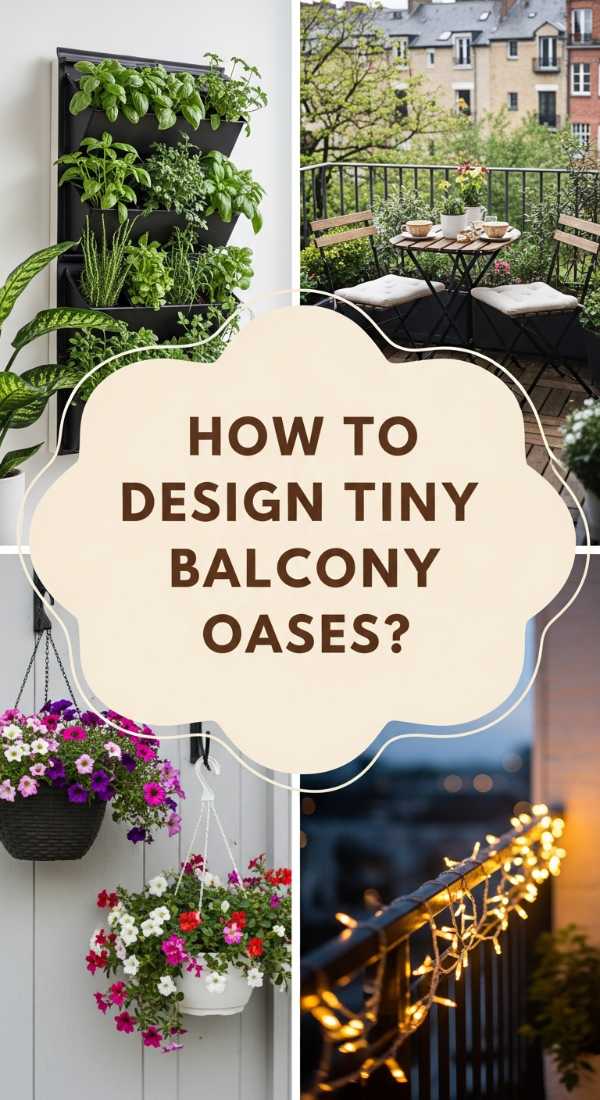
How to Design Tiny Balcony Oases for Urban Peaceful Living
Why we love this
Living in the city shouldn’t mean sacrificing your connection to the earth, and there is something incredibly romantic about a lush, green balcony perched high above the pavement. We love these tiny oases because they prove that scale doesn’t limit soul; with just a few square feet, you can create a private jungle that buffers the city noise and provides a sanctuary for both humans and wandering honeybees. The verticality of the design—vines climbing railings and pots stacked on shelves—creates a sense of being wrapped in nature, offering a peaceful retreat to watch the city lights flicker on as the sun sets.
Essential Elements:
- Vertical planters or wall-mounted pockets
- Folding bistro furniture to save floor space
- Lightweight resin or fiberglass pots
- Trailing plants like Ivy or Honeysuckle
- A small outdoor-rated floor lamp or lantern
How to make it
- Assess the weight capacity and drainage of your balcony before selecting large pots; use lightweight potting mixes to keep the load manageable.
- Utilize vertical space by installing a trellis against a wall or using over-the-railing planters to maximize your growing area without sacrificing floor space for a chair.
- Select plants that thrive in your specific microclimate—balconies can be windier and hotter than ground-level gardens, so choose hardy varieties like succulents or ornamental grasses.
- Incorporate a small water feature, like a tabletop fountain, to provide a soothing auditory backdrop that masks the sound of traffic below.
- Add a touch of softness with an outdoor rug and a few weather-resistant cushions, making the space feel like a true outdoor room rather than a concrete ledge.
How to Cultivate a Soulful Mindset for Inner Growth

Why we love this
The garden is the ultimate teacher of patience, resilience, and the beauty of cycles. We love the “soulful mindset” approach because it shifts the focus from the harvest to the journey, teaching us to find peace in the weeding as much as the blooming. It is a form of active meditation—feeling the cool soil, observing the slow unfurling of a new leaf, and accepting that some things take time to grow. This practice grounds us in the present moment, offering a rare opportunity to be fully present without the pressure of productivity. It’s where we realize that while we are tending the garden, the garden is actually tending us.
Essential Elements:
- A dedicated “quiet spot” or meditation bench
- A journal for recording observations and reflections
- A bird feeder to encourage wildlife interaction
- Plants with calming scents (Lavender, Jasmine, Eucalyptus)
- The intentional absence of technology
How to make it
- Set aside ten minutes every morning to simply sit in your garden without a phone or a list of tasks; observe the light, the movement, and the subtle changes since yesterday.
- Practice “mindful weeding”—instead of viewing it as a chore, focus on the physical sensation of the roots releasing from the earth and the smell of the disturbed soil.
- Keep a garden journal nearby to jot down not just planting dates, but how you feel when you are in the space, capturing the emotional resonance of the seasons.
- Plant a “sensory corner” with soft Lamb’s Ear for touch and aromatic herbs for scent, using these as anchors to bring your awareness back to your body when your mind starts to race.
- Accept the failures (the pests, the wilt, the frost) as natural lessons in letting go, understanding that every ending in the garden is merely a preparation for a new beginning.
How to Nurture Lush Green Spaces for Ultimate Relaxation

Why we love this
There is a specific kind of tranquility found in a monochromatic green garden, where the eye isn’t distracted by clashing colors but is instead soothed by a thousand shades of emerald, moss, and lime. We love these lush spaces because they feel like a cool, deep forest even in the height of summer, providing a literal and figurative breath of fresh air. The layering of different leaf shapes—the broad plates of Hostas, the delicate lace of Ferns, and the glossy sheen of Camellias—creates a rich, tactile environment that feels incredibly grounded and timeless. It is the ultimate backdrop for true, deep relaxation and restorative quiet.
Essential Elements:
- Shade-loving perennials (Ferns, Hostas, Bleeding Hearts)
- A variety of foliage textures and leaf sizes
- Mulch or moss to cover bare soil
- Strategically placed stones or driftwood for structure
- Comfortable lounging furniture nestled into the greenery
How to make it
- Layer your planting from back to front, placing taller evergreens or shrubs at the rear to create a solid green wall that provides privacy and a sense of enclosure.
- Incorporate a diverse range of foliage textures; pair the fine, feathery fronds of an Ostrich Fern with the large, dramatic leaves of a ‘Sum and Substance’ Hosta for visual contrast.
- Use different shades of green to create depth—brighter chartreuse foliage in the foreground can make a small space feel deeper when contrasted against dark forest-green plants behind them.
- Add a thick layer of organic mulch or encourage moss growth on stones to create a soft, “cushioned” look that mimics the floor of an ancient woodland.
- Ensure your seating is tucked partially into the plants rather than just sitting in front of them, creating the feeling of being completely immersed in the lushness.
Cultivating Your Own Piece of Heaven
As we’ve explored, the ultimate garden sanctuary isn’t about perfection; it’s about connection. It’s about creating a space that speaks to your soul, whether that’s through the wild chaos of a wildflower meadow or the structured peace of a lush green corner. My hope is that you feel inspired to step outside, get your hands in the dirt, and start building your own escape. Remember, a garden is a long-term conversation between you and the earth. Listen to what the land wants, bring your own creativity to the table, and most importantly, give yourself permission to simply sit and enjoy the beauty you’ve nurtured. Happy gardening, my friends!