
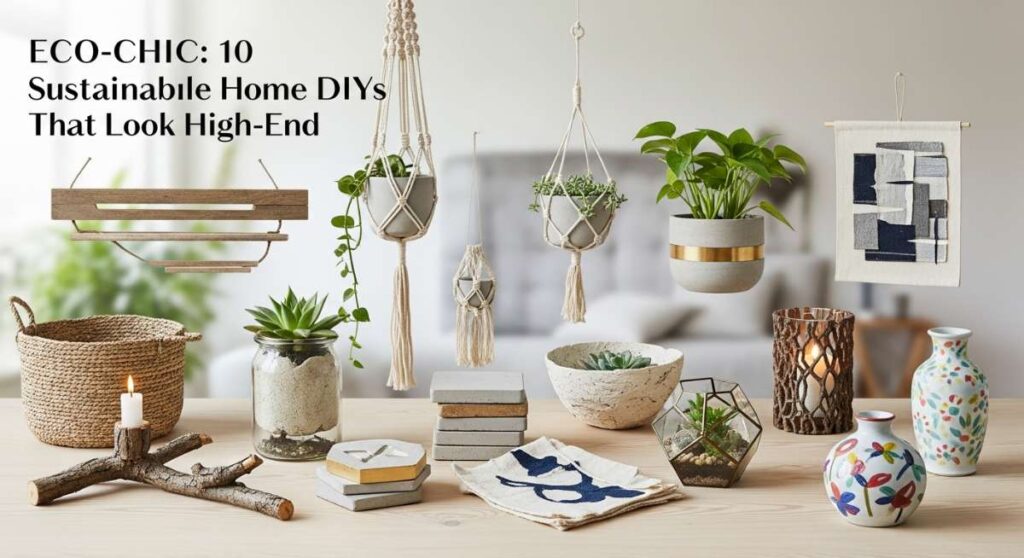
We’ve all seen them: those weathered, discarded wooden pallets leaning against warehouse walls or left by the curb. To most, they are just industrial waste, but to the conscious home designer, they are the raw canvas for something truly extraordinary. There is a profound sense of magic in taking a piece of wood that has traveled the globe and transforming it into the centerpiece of your home—a piece that breathes life, history, and sustainability into your living space without sacrificing a shred of style.
The transition to an ‘Eco-Chic’ lifestyle isn’t about compromise; it’s about curation. It’s that feeling of running your hand over a perfectly sanded, reclaimed grain while knowing you’ve kept usable materials out of a landfill. Today, we’re diving deep into the art of the pallet table, exploring ten ways to elevate this humble material into high-end furniture that would look right at home in a glossy design magazine. Let’s reclaim our spaces and our planet, one DIY project at a time.
How to Build Pallet Tables for Sustainable Living
Why we love this
There is a grounding, earthy quality to a classic pallet coffee table that connects your indoor environment to the natural world. The scent of aged pine, once cleaned and lightly sanded, brings a subtle, forest-like freshness into the room, while the visual weight of the thick planks provides a sturdy anchor for your decor. It’s more than just a surface; it’s a conversation starter that embodies the philosophy of slow living, offering a tactile warmth that mass-produced plastic or laminate furniture simply cannot replicate. Every knot and nail hole serves as a beautiful reminder of the wood’s previous life, now reborn as a functional piece of art.
Essential Elements:
- Two high-quality heat-treated (HT) pallets
- Heavy-duty orbital sander with 80, 120, and 220 grit sandpaper
- Reclaimed wood screws (2.5 inch)
- Matte water-based sealant
- Handheld pry bar and hammer
How to make it
- Carefully dismantle your pallets using a pry bar, being mindful not to split the planks; the ‘doneness’ of this step is achieved when you have clean, individual boards free of rusted nails.
- Select the most uniform boards for the tabletop and sand them starting with 80-grit to remove splinters, moving to 220-grit until the surface feels like smooth silk under your fingertips.
- Construct a simple rectangular frame using the sturdier ‘2×4’ internal pieces of the pallet, ensuring every corner is perfectly square by measuring diagonals.
- Lay your sanded top boards across the frame, leaving a 1/8-inch gap for natural wood expansion, and pre-drill holes to prevent splitting before driving in your screws.
- Apply a thin, even coat of matte sealant using a high-quality brush, watching for any ‘pooling’ in the cracks; let it dry in a dust-free environment for at least 6 hours before a second light sanding and final coat.
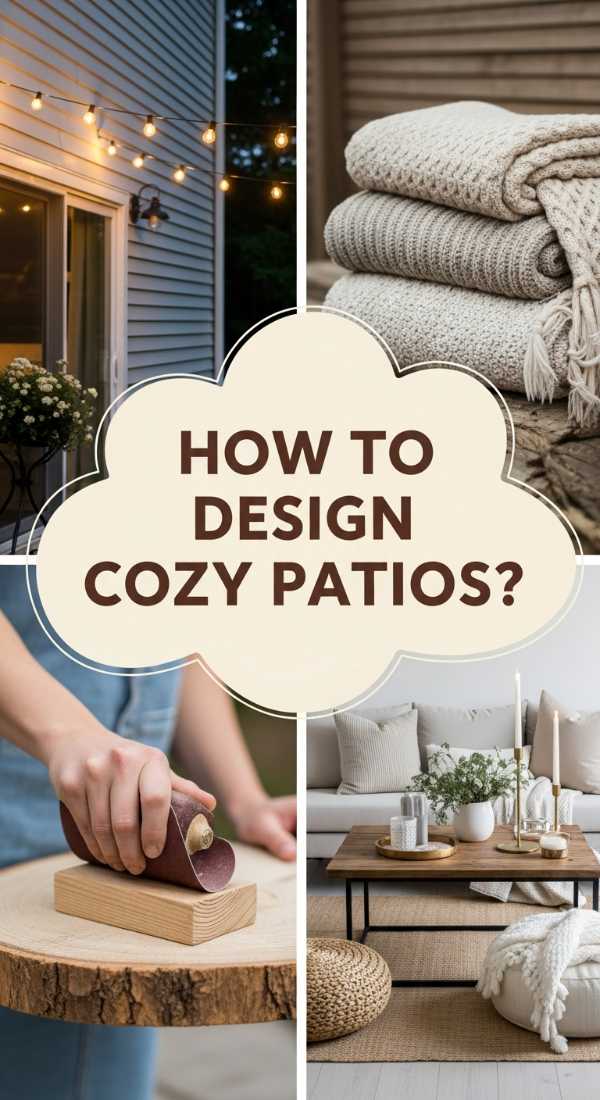
How to Design Pallet Table DIY Projects for Cozy Patios
Why we love this
As the golden hour hits your patio, there is nothing quite like the soft glow of candlelight reflecting off a low-profile pallet table. This design is all about creating an intimate, nested feeling, where the height encourages guests to kick off their shoes and settle into floor cushions. The texture of the wood, combined with the outdoor air, creates a sensory experience that feels like a permanent vacation in a Mediterranean villa. It transforms a standard backyard into a purposeful retreat, where the aroma of grilled herbs and the tactile coolness of the wood under a evening breeze make every gathering feel intentional and relaxed.
Essential Elements:
- One large shipping pallet
- Set of four 4-inch heavy-duty locking casters
- Outdoor-grade wood stain in ‘Weathered Oak’
- Wood glue (weather-resistant)
- Power drill and masonry bits (if attaching to stone)
How to make it
- Clean the pallet thoroughly with a stiff brush and mild soap to remove any industrial residue, then allow it to sun-dry for a full 48 hours to ensure no moisture is trapped.
- Instead of dismantling, we will use the pallet whole; sand the top and sides aggressively to ensure no sharp edges remain to snag outdoor cushions or skin.
- Flip the pallet and mark the four corners for caster placement, ensuring they are inset by 2 inches to maintain a sleek, hidden-leg look.
- Apply the ‘Weathered Oak’ stain in long, continuous strokes, following the grain; the visual cue for a perfect finish is a consistent color saturation without any visible drip marks.
- Secure the casters with heavy-duty bolts, ensuring the locking mechanism is easily accessible so your table remains stable even on slightly uneven patio stones.
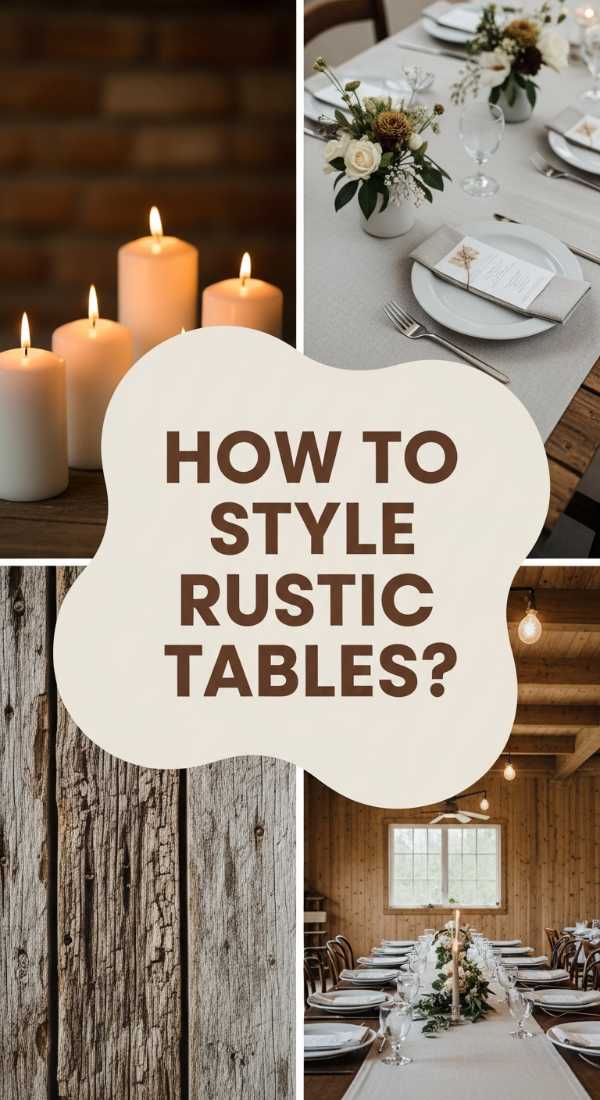
How to Style Wood Pallet Tables for Rustic Charm

Why we love this
Rustic charm is all about the ‘wabi-sabi’—finding beauty in imperfection—and a well-styled pallet table is the ultimate expression of this. We love how the rugged, silvered patina of old wood contrasts with delicate linen runners or vibrant green succulents, creating a visual harmony between the rough and the refined. The texture is deeply evocative; you can almost feel the history of the timber, while the addition of modern accessories like brass trays or ceramic mugs creates a sophisticated farmhouse aesthetic. It’s a style that feels ‘lived-in’ from day one, offering an immediate sense of home and comfort that brand-new furniture often lacks.
Essential Elements:
- A reclaimed pallet with visible grain and character marks
- Dark walnut wood wax
- Lint-free buffing cloths
- Antiqued brass hardware (optional)
- Natural bristle brush
How to make it
- Lightly sand the pallet just enough to remove loose debris while preserving the deep ‘chatter marks’ and saw lines that provide that coveted rustic character.
- Using a natural bristle brush, work the dark walnut wax into every crevice, allowing it to sit for 15 minutes to penetrate the fibers; the wood will darken and take on a rich, antique glow.
- Buff the entire surface with a lint-free cloth using vigorous circular motions; you’ll know it’s ready when the surface transitions from a dull tackiness to a smooth, low-luster sheen.
- If you want extra ‘charme’, hand-screw antiqued brass corners onto the edges, which protects the wood while adding a touch of high-end hardware.
- Style the center with a single, oversized glass vase of wild greenery to contrast the heavy wood with light, organic textures.
How to Finish Pallet Table Ideas for Weatherproof Use

Why we love this
There is a specific peace of mind that comes with knowing your handcrafted furniture can withstand the elements, standing strong against summer storms and winter frosts alike. A properly weatherproofed pallet table takes on a glossy, crystalline depth, where the grain pops under layers of protective finish like a stone under a clear running stream. We love the durability this adds—the way the rain beads up on the surface rather than soaking in, and the cool, hard touch of a finish that feels as permanent as it is beautiful. It’s the ultimate fusion of industrial grit and high-end longevity, ensuring your eco-chic investment lasts for years.
Essential Elements:
- Sanded pallet table base
- Marine-grade Spar Urethane (Gloss or Satin)
- Natural hair brush (high quality)
- Tack cloth for dust removal
- Mineral spirits for cleanup
How to make it
- Ensure your workspace is between 65-80 degrees Fahrenheit; this ‘ideal heat’ ensures the urethane flows smoothly and cures without becoming brittle.
- Use a tack cloth to remove every single microscopic speck of dust, as any debris will be permanently magnified under the clear coat.
- Stir the urethane gently—never shake it, as bubbles are the enemy of a high-end finish—and apply a very thin first layer in long, overlapping strokes.
- Wait the exact time recommended on the can (usually 4-6 hours) until the surface is no longer tacky; then, lightly sand with 320-grit paper to create ‘teeth’ for the next layer.
- Repeat for a total of three coats; the final ‘doneness’ cue is a surface that looks like it has been dipped in liquid glass, providing a total barrier against moisture.
How to Create Pallet Table Outdoor Spaces for Summer Hosting
Why we love this
Summer hosting is defined by abundance, and a double-stacked pallet table offers the perfect ‘buffet style’ surface for cocktails, appetizers, and ambient lanterns. We love the tiered look of this design, which creates hidden nooks for storing extra napkins or guest favors, keeping the top surface clutter-free for social interaction. The vibe is effortlessly cool—think upscale beer garden meets backyard chic—where the smell of fresh cedar and the sound of ice clinking against glass create an irresistible summer atmosphere. It’s a functional powerhouse that makes your backyard feel like the premier destination for every weekend gathering.
Essential Elements:
- Four identical pallets
- Long carriage bolts and washers
- White exterior-grade paint (for a crisp look)
- Heavy-duty casters with brakes
- Outdoor string lights
How to make it
- Stack your pallets in pairs to determine the perfect hosting height; a double-stack is usually ideal for coffee-table height, while a triple-stack works for a standing bar.
- Drill vertical holes through the corner blocks of all stacked pallets, then drop carriage bolts through the entire stack and tighten with a wrench until the units are fused into one solid block.
- Apply a ‘whitewash’ paint technique by diluting white exterior paint with 30% water, allowing the wood grain to peek through for a breezy, coastal aesthetic.
- Attach casters to the bottom four corners so you can easily reposition the hosting station as the sun moves across your yard.
- For a professional touch, wrap the interior ‘shelves’ of the pallet stack with battery-operated LED string lights to give the table a magical internal glow at night.
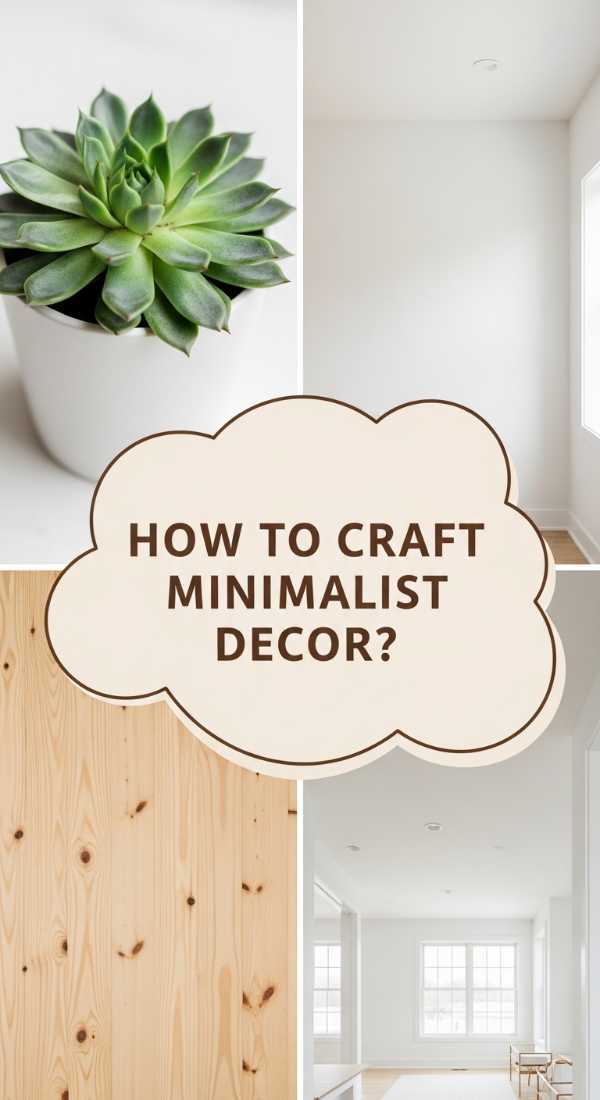
How to Craft Pallet Tables for Minimalist Homes
Why we love this
In a minimalist home, every piece must earn its place, and a streamlined pallet table does so by offering clean lines and raw, honest materiality. This design strips away the bulk, focusing on the slender profile of the top planks paired with modern, thin metal legs to create an ‘airy’ feel that doesn’t overwhelm a small room. We love the juxtaposition of the warm, textured wood against a stark, white-walled gallery setting; it adds a much-needed organic soul to a minimalist space. The tactile experience is one of simplicity and precision, where the lack of clutter allows the unique pattern of the grain to become the focal point of the entire room.
Essential Elements:
- Three high-grade pallet planks
- Matte black hairpin legs (16-inch)
- Wood biscuit joiner or pocket hole jig
- Clear matte furniture wax
- Power planer (for leveling)
How to make it
- Use a power planer to shave the sides of your planks until they are perfectly straight and square; the ‘cue’ for readiness is when three planks pressed together show no light through the seams.
- Join the planks edge-to-edge using a pocket hole jig on the underside, creating a single, seamless ‘slab’ of wood that looks like a high-end designer piece.
- Sand the top to an ultra-fine 400-grit finish; the wood should feel almost like marble or polished stone at this stage.
- Apply a clear matte wax using a soft cloth, which protects the wood while maintaining its natural light color, keeping it perfectly in line with minimalist palettes.
- Screw the matte black hairpin legs into the corners, ensuring they are angled slightly outward for that iconic mid-century modern silhouette.
How to Assemble Wood Pallet Tables for Industrial Lofts
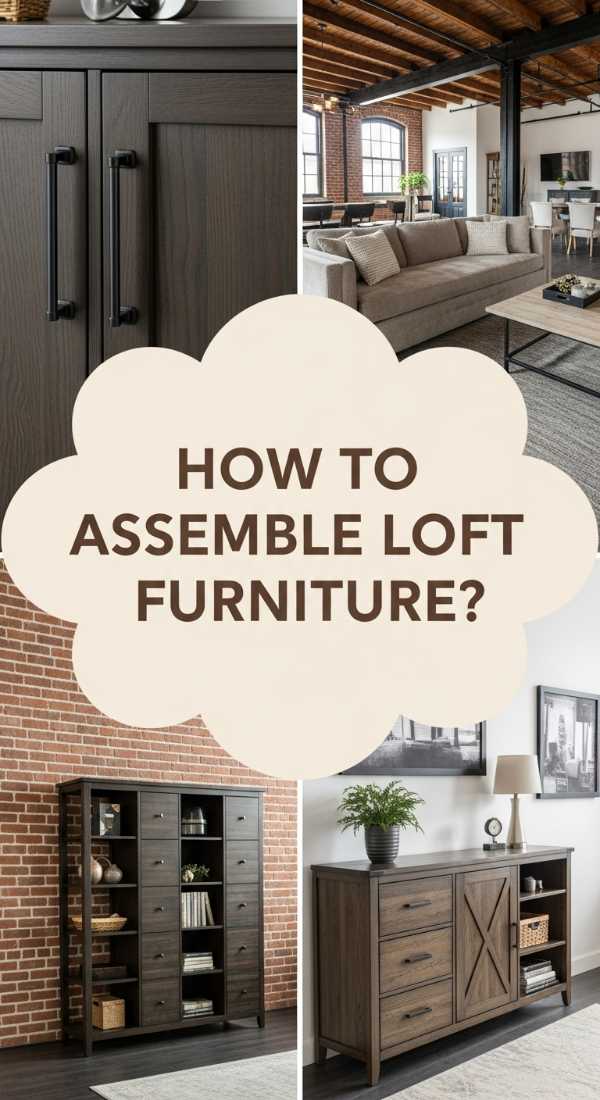
Why we love this
Industrial design is about celebrating the grit of the city, and nothing says ‘lofts’ like the combination of reclaimed timber and raw steel. We love how this table style feels heavy and permanent, standing up to the high ceilings and exposed brick of an urban apartment. The sensory experience is one of contrast: the cold, hard touch of metal casters against the warm, splinter-free texture of aged oak pallets. It’s a piece that feels like it has a job to do, radiating a sense of productivity and history. The aroma of iron and wood oil creates a masculine, sophisticated vibe that is both timeless and trend-setting.
Essential Elements:
- Two distressed pallets
- 6-inch industrial iron casters
- Black spray paint (for hardware)
- Heavy-duty L-brackets
- Wood stain in ‘Ebony’ or ‘Dark Walnut’
How to make it
- Select pallets with the most ‘distress’—hammer marks and oil stains actually add to the industrial appeal here.
- Fasten two pallets together using oversized L-brackets on the interior corners; this creates a thick, ‘butcher block’ appearance from the side.
- Spray your L-brackets and any visible screws with matte black paint to give them a cohesive, forged-iron look.
- Apply a dark stain heavily, then immediately wipe most of it away with a rag; this technique highlights the deep crevices and aging of the wood.
- Bolt the 6-inch casters to the bottom; the visual cue for success is a table that looks like it could have been used in a 1920s factory, yet functions perfectly in a modern home.
How to Customize Pallet Table DIY Furniture for Small Balconies

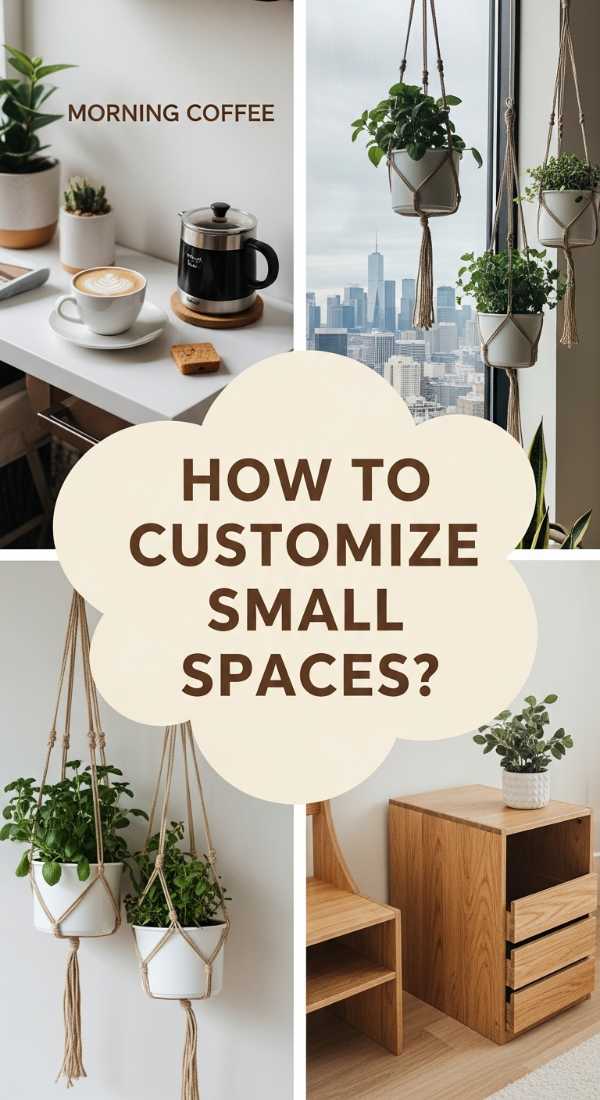
Why we love this
Living in the city often means making the most of every square inch, and a custom-sized balcony pallet table is a game-changer for urban gardening and morning coffees. We love how this design can be tailored to ‘hug’ a railing or tuck into a tight corner, providing a sturdy surface without blocking your view of the skyline. The feeling of enjoying an espresso on a table you built specifically for your tiny sanctuary is incredibly rewarding. It’s a space-saving solution that brings the ‘backyard’ feeling to the fifth floor, combining the scents of your potted herbs with the warm, reclaimed wood for a true urban oasis.
Essential Elements:
- One small ‘half’ pallet
- Jigsaw with wood-cutting blade
- Folding shelf brackets (heavy duty)
- Exterior-grade sealant
- Safety goggles and gloves
How to make it
- Measure your balcony width precisely; use a jigsaw to cut your pallet down to a ‘slim-line’ depth of about 12-14 inches, ensuring you cut through the support beams safely.
- Sand the edges heavily, as you’ll be navigating close to this table in a tight space; the ‘doneness’ check is a completely rounded, snag-free corner.
- If your balcony allows, attach ‘folding brackets’ to the wall or railing so the table can be dropped down when not in use—a professional tip for maximizing floor space.
- Apply a high-UV protection sealant to prevent the sun from graying the wood too quickly, maintaining that ‘new wood’ warmth.
- Mount the table at ‘counter height’ (36 inches) to allow for comfortable standing or stool seating, turning your balcony into a high-end bistro.
How to Repurpose Pallet Tables for Eco Friendly Backyards

Why we love this
True eco-friendliness is about zero-waste, and this project uses every scrap of the pallet to create a multi-functional gardening and dining station. We love the raw, unrefined beauty of this approach, where the wood is left to age naturally and blend into the surrounding garden foliage. The texture is rougher, more tactile, and perfectly suited for the outdoors, where it can be used for potting plants during the day and serving farm-to-table dinners by night. It smells of earth and sun, and it represents a full-circle commitment to the environment that feels as good as it looks.
Essential Elements:
- Three untreated pallets (look for the ‘DB’ or ‘HT’ stamp)
- Galvanized nails (rust-proof)
- Natural linseed oil
- Hemp rope for decorative accents
- Hand saw
How to make it
- Use only ‘HT’ (Heat Treated) pallets, avoiding those treated with chemicals (MB stamp), to ensure your backyard soil and food remain toxin-free.
- Build a basic H-frame for the legs using the thickest pallet runners, securing them with galvanized nails that won’t rust and streak the wood when it rains.
- Cover the top with pallet slats, but leave 1/2-inch gaps between them; this allows rain to drain through quickly, preventing rot and extending the table’s life.
- Rub the wood with pure linseed oil using a rag; the ‘visual cue’ is a deep, honey-like saturation that highlights the natural beauty without using synthetic chemicals.
- Wrap the leg joints with hemp rope for a nautical, eco-chic look that also adds extra stability to the frame.
How to Curate Pallet Table Ideas for Bohemian Lounging
[IMAGE_10]
Why we love this
The Bohemian lifestyle is all about eclectic comfort, and a low-slung, multi-colored pallet table is the heartbeat of a Boho lounge. We love the freedom this style offers—mixing different wood tones, adding stenciled patterns, or even a ‘wash’ of turquoise paint. It’s designed for floor-bound relaxation, where the aroma of incense and the softness of Moroccan rugs meet the sturdy, reliable presence of reclaimed wood. This table isn’t just a piece of furniture; it’s an invitation to sit, stay, and dream, offering a tactile and visual feast that celebrates creativity and global inspiration.
Essential Elements:
- Two large pallets
- Mandala stencils and chalk paint
- Sanding block
- Clear wax finish
- Colorful tassels for the corners
How to make it
- Stack two pallets but offset the top one by 4 inches to create a ‘stepped’ look, which provides extra surface area for tea lights and crystals.
- Sand only the surfaces that will be touched, leaving the sides raw for that ‘found object’ aesthetic that is core to the Boho look.
- Apply a mandala stencil to the center of the table using white chalk paint; the ‘cue’ for a clean stencil is using a nearly-dry sponge to avoid paint bleeding under the edges.
- Once the paint is dry, lightly sand over the stencil to ‘distress’ it, making it look like an ancient carving rather than a new painting.
- Seal the entire piece with a clear wax, and as a final high-end touch, drill small holes in the corners to hang silk tassels or beads for that signature eclectic finish.
Conclusion: Your Sustainable Masterpiece Awaits
Building a pallet table is more than just a DIY project; it is an act of rebellion against the ‘throwaway’ culture. It is a way to prove that luxury doesn’t have to come with a high carbon footprint or a massive price tag. Whether you choose the sleek lines of a minimalist coffee table or the rugged charm of an outdoor hosting station, you are creating something with soul. So, grab your sander, find a pallet with a story to tell, and start crafting. Your home—and the planet—will thank you.