
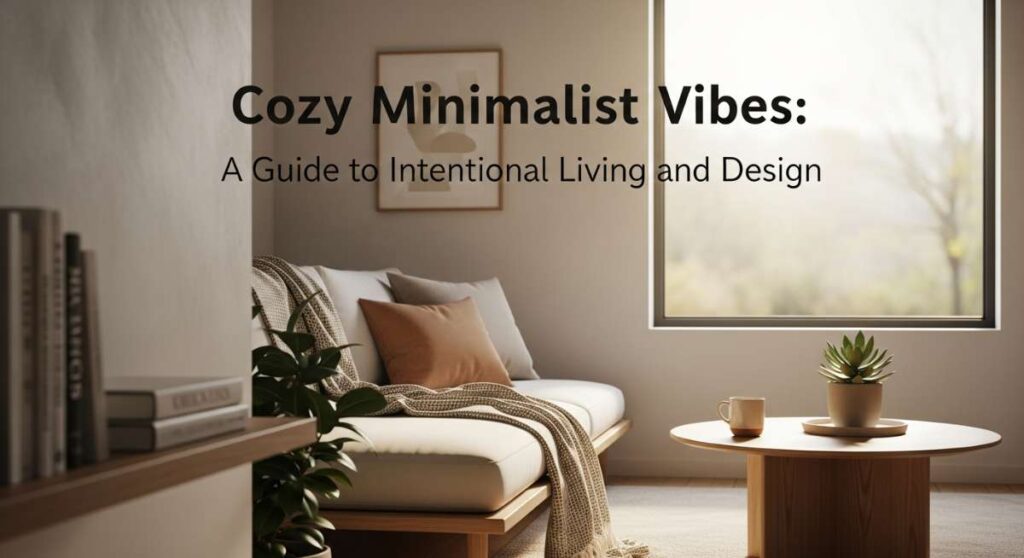
Have you ever walked into a room and felt an immediate sense of relief, as if the space itself was giving you a warm, quiet hug? For years, I thought I had to choose between the sleek, cold lines of modern minimalism and the cluttered, overflowing warmth of a traditional cozy home. My coffee table was buried under magazines I never read, and my shelves were dusty with trinkets that didn’t actually mean anything to me. I was living in a space that felt heavy, and that heaviness followed me into my daily thoughts and routines.
That all changed when I discovered the magic of the ‘Cozy Minimalist’ movement. It’s not about living in a white box with a single chair; it’s about intentionality. It’s about stripping away the noise so that the things you truly love—the softest linen throw, the candle that smells like a rainy forest, the sunlight hitting a ceramic vase—can finally breathe. When we curate our homes with purpose, we aren’t just decorating; we are creating a sanctuary that supports our mental well-being and invites us to slow down in a world that is constantly rushing.
In this guide, we are diving deep into how you can transform your home into a cozy minimalist haven. Whether you are dealing with a tiny studio apartment or looking to refresh your forever home, these principles will help you find that perfect balance between ‘less is more’ and ‘just enough.’ Let’s reclaim our spaces together and build a home that sparks joy every single time we turn the key in the lock.
How to Style a Cozy Minimalist Living Room for Maximum Comfort
Why we love this
There is something undeniably restorative about a living room that prioritizes texture over trinkets. Imagine sinking into a cloud-like sofa, the air around you smelling faintly of sandalwood and fresh eucalyptus, while your eyes rest on a palette of soft oatmeals and warm woods. This approach removes the visual static of clashing patterns and replaces it with the sensory richness of a chunky knit blanket against smooth leather or the gentle flicker of a floor lamp casting a soft amber glow across a clean rug. It turns a standard room into a tactile experience that invites you to leave your stress at the door.
Essential Elements:
- Neutral, high-quality sofa with clean lines
- Natural fiber area rug (jute, wool, or sisal)
- Layered lighting (floor lamps, table lamps, and candles)
- Tactile textiles like linen, velvet, and chunky wool
- Single statement piece of organic wall art
How to make it
- Start by clearing the room entirely of small decorative objects to establish a ‘visual baseline.’ This allows you to see the architecture of the space without distraction.
- Position your largest piece of furniture, usually the sofa, facing the room’s natural focal point—be it a fireplace or a large window. Ensure there is at least 18 inches of walking space around furniture to maintain an airy feel.
- Layer your lighting by placing a warm-toned floor lamp (2700K bulb temperature) in a corner to create depth. Avoid using overhead ‘big lights’ which can feel clinical and harsh.
- Introduce ‘the cozy factor’ by draping a single, high-quality wool throw over the arm of the chair. Choose a color that is only one shade different from the upholstery for a sophisticated, monochromatic look.
- Finish the space with one organic element, such as a large potted olive tree or a vase of dried pampas grass, to bring a sense of life and movement into the minimalist setting.
How to Arrange a Small Living Room for a Cozy Aesthetic

Why we love this
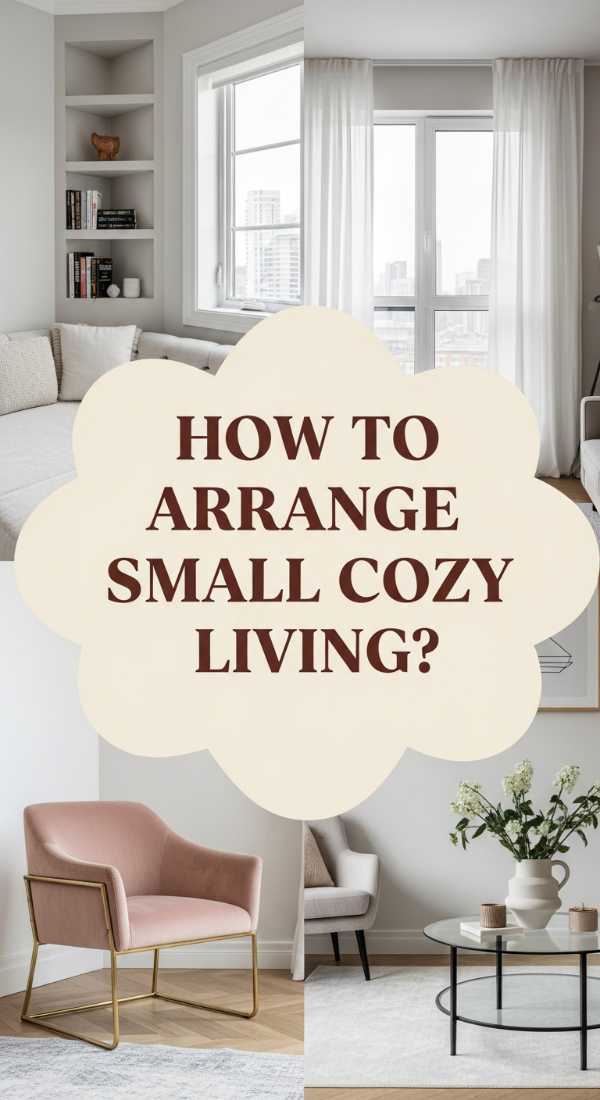
Small living rooms have a secret superpower: they are inherently intimate. When you lean into the cozy minimalist aesthetic in a compact space, you create a ‘jewelry box’ effect where every item feels precious and intentional. The scent of a high-end soy candle lingers longer, the warmth from a plush rug feels more encompassing, and the close proximity of beautiful textures creates a cocoon-like environment. It’s about making the most of every square inch with pieces that serve both function and beauty, ensuring the room feels curated rather than crowded.
Essential Elements:
- Leggy furniture to create the illusion of floor space
- Multifunctional pieces (like a storage ottoman)
- Large mirrors to bounce light and add depth
- A cohesive color palette of 3 main tones
- Sheer curtains for soft, diffused natural light
How to make it
- Select furniture with exposed legs. By seeing the floor extend under the sofa and chairs, the brain perceives the room as being larger than it is; avoid ‘skirted’ furniture which acts as a visual block.
- Use the ‘rule of thirds’ for wall decor. Instead of a gallery wall, choose one large, serene landscape or abstract piece that takes up about two-thirds of the space above the sofa to create a sense of scale.
- Place a large mirror opposite your primary window. This doubles the amount of natural light during the day and adds a ‘window’ effect that prevents the small room from feeling claustrophobic.
- Anchor the room with a rug that is large enough for all furniture legs to sit on. A small rug makes a room look ‘chopped up,’ while a large rug unifies the space and makes it feel expansive.
- Organize small essentials into a single beautiful tray on the coffee table. This ‘contains the chaos’ and ensures that even functional items like remotes or coasters look like a deliberate design choice.
How to Design a Minimalist Room for Peaceful Sleep

Why we love this
Your bedroom should be the final frontier of peace, a place where the hum of the world fades into a whisper. A minimalist bedroom removes the mental ‘to-do list’ often triggered by clutter, replacing it with the soothing rhythm of breathable fabrics and muted tones. Imagine the cool, crisp touch of high-thread-count cotton sheets and the subtle, earthy aroma of lavender essential oil diffusing in the corner. This design philosophy focuses on the sensory experience of rest, ensuring that when you close your eyes, your last thought is one of total serenity.
Essential Elements:
- Low-profile bed frame in natural wood or upholstered fabric
- 100% organic cotton or linen bedding in muted tones
- Blackout curtains in a heavy, textured fabric
- Clear nightstands with integrated charging hidden away
- Dimmable bedside lighting with warm-spectrum bulbs
How to make it
- Remove all electronics, including TVs and bright digital clocks, to eliminate blue light and ‘standby’ glows that disrupt the circadian rhythm.
- Invest in a ‘bedding sandwich.’ Start with a high-quality mattress protector, followed by crisp cotton sheets, a medium-weight duvet, and a textured quilt at the foot of the bed for temperature regulation and visual depth.
- Style the nightstands with only three items: a lamp, a book, and a carafe of water. Use drawers to hide lotions, cables, and other ‘clutter’ items that usually accumulate by the bedside.
- Install floor-to-ceiling curtains. Hanging them high and wide makes the ceiling feel taller and provides an extra layer of sound dampening for a quieter sleep environment.
- Keep the floor clear. Minimalist bedrooms thrive on the ’empty space’ around the bed, which allows for better airflow and a sense of physical freedom as you move through the room.
How to Choose Minimalist Room Decor for a Timeless Look
Why we love this
Timeless decor is the antithesis of the ‘fast furniture’ trend; it’s about choosing pieces that will look as beautiful in ten years as they do today. We love this approach because it honors craftsmanship and the raw beauty of materials—the grain of solid oak, the cool weight of a marble tray, or the hand-pinched edges of a ceramic bowl. It’s a sensory celebration of the permanent over the fleeting. These items don’t just sit in a room; they age with you, gaining character and tell a story of a life lived with quality over quantity.
Essential Elements:
- Natural materials (stone, wood, leather, clay)
- Geometric shapes with soft, rounded edges
- A ‘limited’ color story of earth tones
- Handcrafted ceramics or artisanal glassware
- Subtle metallic accents like brushed brass or matte black
How to make it
- Audit your current decor and remove anything made of cheap plastic or items that have a ‘trendy’ neon or high-gloss finish. Focus on ‘honest’ materials that have a tactile weight to them.
- Follow the ‘one in, one out’ rule. For every new decorative object you bring into your home, remove an old one. This prevents the ‘minimalist’ look from slowly sliding back into ‘maximalist’ territory.
- Select objects with varying heights. When styling a shelf, place a tall, slender vase next to a shorter, rounded bowl to create visual interest through silhouette rather than color.
- Prioritize ‘negative space.’ Leave at least 30% of your surfaces (shelves, tables, mantels) empty. This ‘breathable’ space is what gives minimalist decor its sophisticated and calm energy.
- Choose art that features texture rather than busy imagery. A framed piece of hand-woven textile or a plaster relief piece adds sophistication without demanding too much cognitive attention.
How to Optimize a Minimalist Living Room for Small Spaces
Why we love this
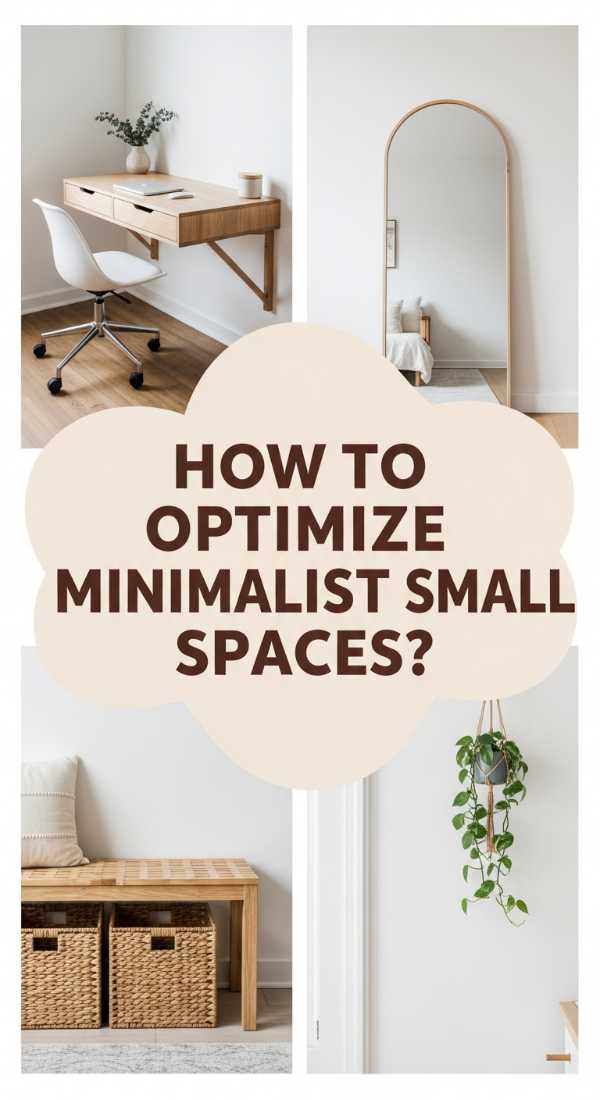
Optimizing a small space for minimalism is like solving a beautiful puzzle where the reward is a sense of total freedom. By choosing ‘smart’ furniture and maintaining a rigorous edit, you transform a potentially cramped area into a high-functioning sanctuary. We love the feeling of a room where everything has a purpose and a place, where the air feels light and the flow is unobstructed. It’s the ultimate lifestyle hack: when you have less to manage, you have more time to enjoy the simple pleasures, like a morning coffee in a sun-drenched corner.
Essential Elements:
- Wall-mounted shelving to save floor real estate
- Nesting tables that can be tucked away when not in use
- Light-colored walls to maximize the bounce of light
- Hidden storage solutions (benches or ottomans)
- Vertical decor to draw the eye upward
How to make it
- Utilize ‘vertical real estate.’ Instead of a bulky bookcase, install floating shelves that go all the way to the ceiling. This provides storage without the visual weight of a heavy furniture piece.
- Choose a ‘transparent’ coffee table made of glass or acrylic. This ‘ghost’ furniture provides a surface for your drinks and books without visually cutting the room in half.
- Define zones using rugs. Even in a tiny studio, placing a small rug under the ‘office’ desk and a larger rug in the ‘living’ area creates mental boundaries between work and relaxation.
- Use ‘over-the-door’ or ‘inside-cabinet’ organizers for all utilities. Keeping the visible surfaces completely clear is the key to making a small space feel like a minimalist retreat.
- Stick to a monochromatic color palette. When the walls, curtains, and large furniture are similar in tone, the boundaries of the room disappear, creating a seamless and expansive look.
How to Curate a Minimalist Home for an Organized Life
Why we love this
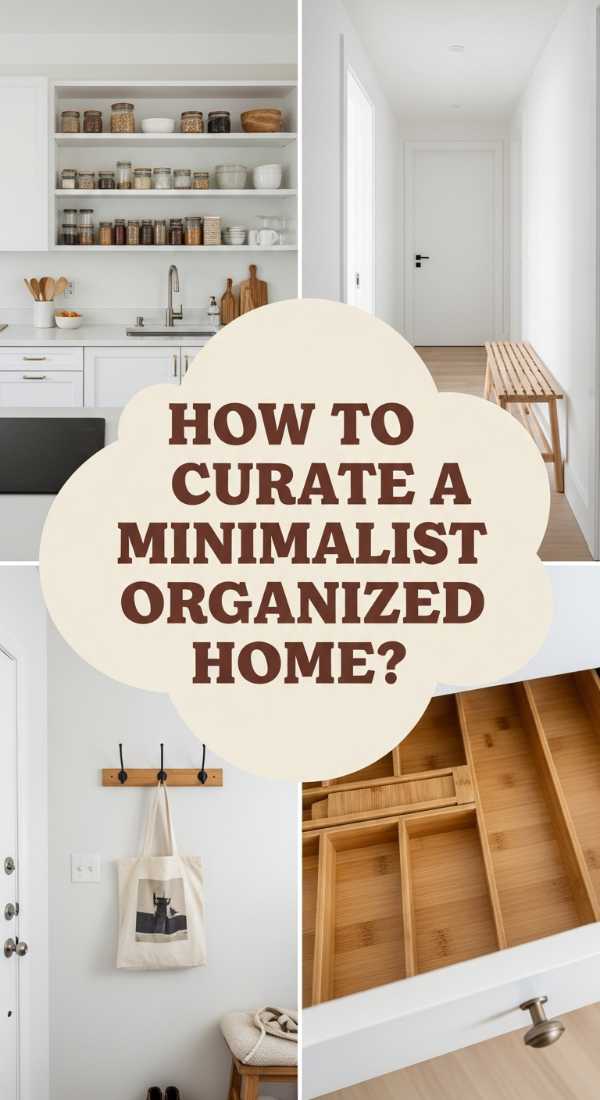
An organized home is a quiet mind. When every object in your living space is curated, you eliminate the daily ‘micro-stresses’ of searching for keys, tripping over shoes, or digging through a cluttered drawer. We love the intentionality of this lifestyle; it feels like living in a luxury hotel where every detail has been pre-considered for your comfort. The aroma of a clean, organized kitchen—perhaps with a hint of lemon and rosemary—and the sight of perfectly aligned spice jars or a clear countertop provides a deep sense of control and calm in an unpredictable world.
Essential Elements:
- Uniform storage containers (glass jars, woven baskets)
- A designated ‘landing strip’ for keys, mail, and bags
- Labels that are subtle but functional
- Drawer dividers for every room in the house
- A commitment to ‘daily resets’
How to make it
- Categorize every item in your home. Group ‘like with like’—all stationery together, all tech cables together—and house them in uniform containers to reduce visual ‘noise’ inside cupboards.
- Implement the ‘two-minute rule.’ If a task (like putting away a coat or washing a mug) takes less than two minutes, do it immediately to maintain the minimalist environment.
- Create a ‘curation station’ in your closet or pantry. Keep a beautiful basket where you can place items that no longer serve you; once it’s full, take it to a donation center.
- Digitalize your paper trail. Scan important documents and keep them in a secure cloud drive, then shred the physical copies. This eliminates the ‘paper piles’ that often plague minimalist homes.
- Perform a ‘nightly sweep.’ Spend 10 minutes before bed returning every object to its ‘home’ so you can wake up to a fresh, organized sanctuary every morning.
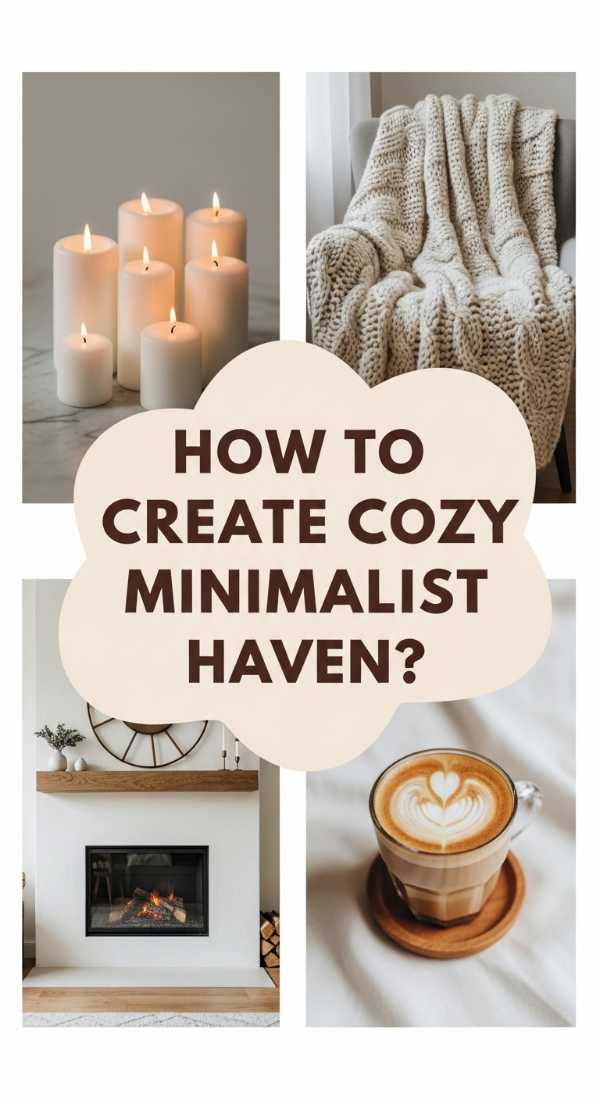
How to Create a Cozy Minimalist Haven for Cold Evenings
Why we love this
There is a specific kind of magic that happens when the sun sets early and you retreat into your cozy minimalist haven. It’s about the contrast between the sharp cold outside and the warm, golden glow inside. This approach focuses on ‘hygge’ through a minimalist lens—think of the sound of a crackling fire, the heavy weight of a weighted blanket, and the rich taste of herbal tea in a matte ceramic mug. It’s a sensory indulgence that doesn’t require ‘stuff,’ but rather atmosphere, making those long winter nights something to actually look forward to.
Essential Elements:
- Warm-toned ambient lighting (fairy lights or lanterns)
- Faux-fur or heavy wool textiles
- A collection of non-toxic, wood-wick candles
- A dedicated ‘nook’ for reading or meditating
- Natural wood elements like a stack of logs or a wooden tray
How to make it
- Switch your light bulbs. Swap out ‘cool white’ bulbs for ‘warm white’ or ‘amber’ tones (2200K to 2700K). This immediately mimics the glow of sunset and makes any room feel instantly cozier.
- Layer your rugs. Place a smaller, high-pile sheepskin rug over your larger flat-weave rug. This adds a layer of insulation for your feet and a luxurious texture for the eyes.
- Introduce scent as a design element. Use a diffuser with oils like cinnamon, clove, and orange to create a seasonal atmosphere that fills the ’empty’ minimalist space with warmth.
- Create a ‘beverage station’ on a sideboard. A simple tray with a teapot, two beautiful mugs, and a jar of honey creates a sense of ritual and ‘warmth’ without needing permanent kitchen clutter.
- Bring the outdoors in with seasonal greenery. A few evergreen branches in a tall glass vase add a fresh scent and a touch of life that balances the heavy blankets and dark evenings.
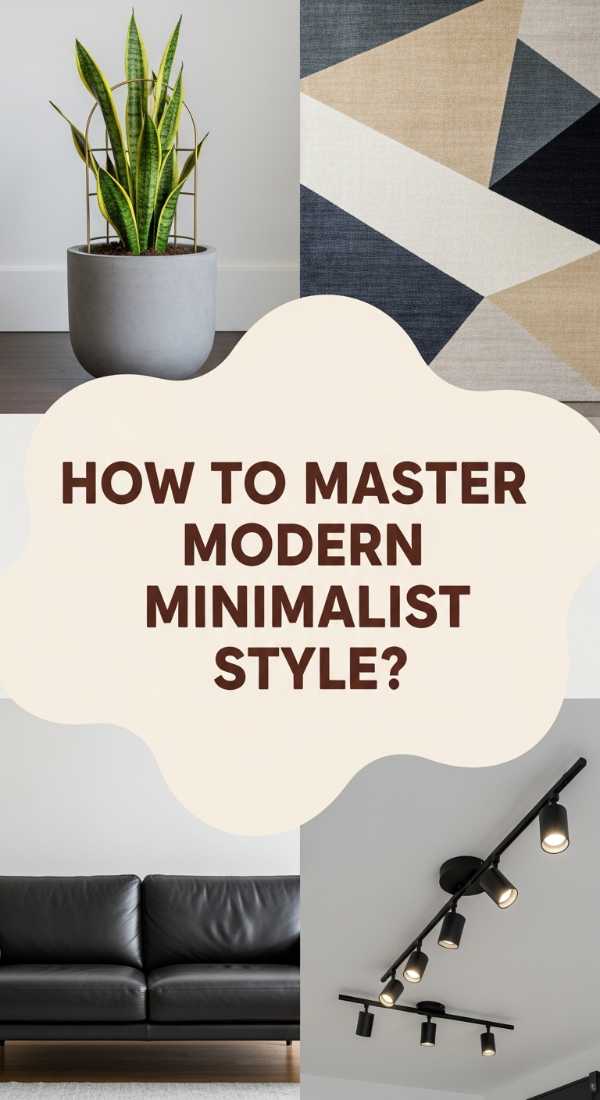
How to Master Room Decor Minimalist Style for Modern Vibes
Why we love this
Modern minimalism is all about the power of the ‘edit.’ It’s a sophisticated dance between sharp architectural lines and soft, inviting comforts. We love this look because it feels current and fresh, yet deeply grounded. Imagine a space with high ceilings, crisp black accents, and large windows, softened by the presence of a curvaceous boucle chair and a single, perfectly placed piece of abstract sculpture. It is a visual palate cleanser that feels expensive and curated, proving that you don’t need a lot of things to make a massive impact on your home’s aesthetic.
Essential Elements:
- High-contrast colors (think charcoal and cream)
- Sculptural furniture with unique silhouettes
- Matte finishes rather than high-gloss
- Large-scale art with plenty of white space
- Smart home technology integrated seamlessly
How to make it
- Choose a ‘hero’ piece for each room. This could be an oversized pendant light or a uniquely shaped armchair. Everything else in the room should ‘bow’ to this piece, remaining simple and understated.
- Incorporate ‘negative space’ on the walls. Don’t feel the need to fill every vertical surface; a large, empty white wall can be a powerful design statement in a modern minimalist home.
- Use matte black hardware as a ‘thread’ to pull the home together. Swap out standard chrome handles and faucets for matte black to give the space a cohesive, modern edge.
- Hide all cords and wires. Use cable management boxes and ‘behind-the-wall’ kits to ensure that your modern tech doesn’t ruin the clean, minimalist lines of your decor.
- Select art that is ‘abstract’ and ‘large scale.’ One massive 48×48 canvas is much more modern and minimalist than a series of smaller, framed photos which can look cluttered.
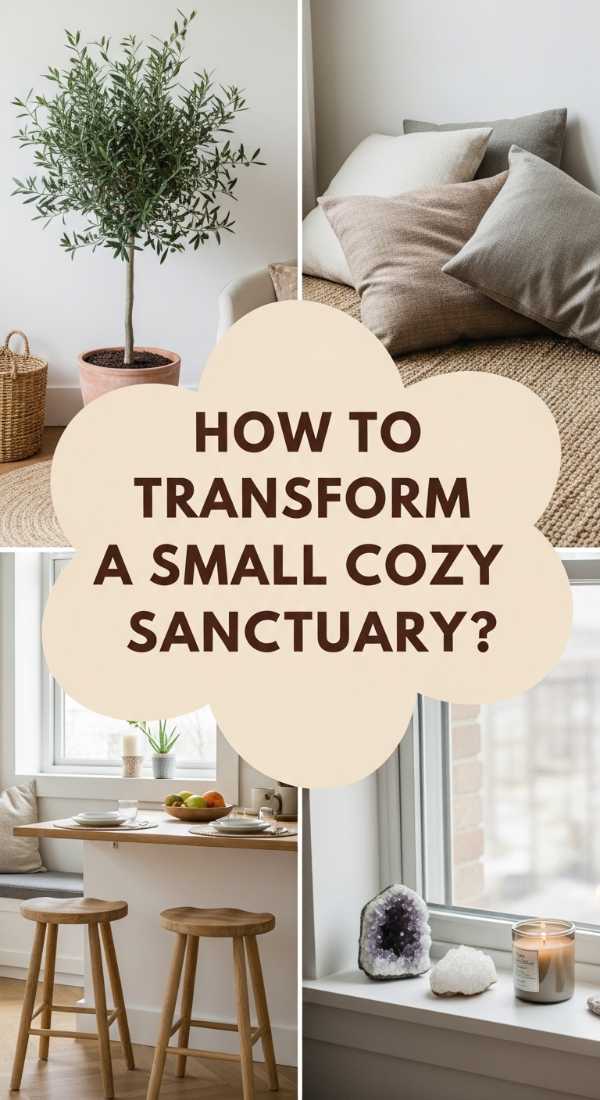
How to Transform a Small Apartment into a Cozy Minimalist Sanctuary

Why we love this
Transforming a small apartment into a sanctuary is an act of self-care. In a busy city or a cramped building, your home becomes your oxygen. We love the ‘sanctuary’ approach because it uses soft textures, light-reflective surfaces, and organic shapes to blur the walls of the apartment. It’s about creating a flow that feels effortless, where the scent of fresh linen and the sight of a few well-placed plants make you forget about the square footage. It’s proof that you don’t need a mansion to live a life of high-quality, peaceful design.
Essential Elements:
- Light-colored, breathable window treatments
- Reflective surfaces like glass and polished stone
- Low-slung furniture to increase ‘wall’ visibility
- Potted plants for air purification and color
- A signature ‘home scent’ using a reed diffuser
How to make it
- Paint your walls and ceiling the same shade of off-white. This removes the ‘horizon line’ where the wall meets the ceiling, making the entire apartment feel taller and more open.
- Maximize natural light by keeping windowsills completely clear. Use sheer linen curtains that offer privacy while still allowing the maximum amount of light to filter through.
- Swap your bulky coffee table for two smaller ‘side tables’ that can be moved around. This ‘modular’ approach keeps the floor plan flexible and the center of the room feeling open.
- Create a ‘wellness corner.’ Even in a small space, a single cushion on the floor next to a plant and a small lamp can serve as a dedicated place for morning meditation.
- Use ‘scent mapping.’ Use a bright, citrus scent in the kitchen/living area and a deep, grounding cedarwood scent in the sleeping area to mentally separate the zones of your apartment.
How to Balance Minimalist Cozy Decor for Daily Joy
[IMAGE_10]
Why we love this
Finding the balance between ‘minimal’ and ‘cozy’ is the ultimate goal for daily joy. It’s the sweet spot where your home is easy to clean but hard to leave. We love this balance because it respects your time (less cleaning!) while honoring your soul (more comfort!). Imagine waking up and walking across a soft rug to a kitchen that is clear of yesterday’s mail, where the morning sun highlights the simple beauty of a single flower in a bud vase. This is about creating a backdrop for your life that is so harmonious it actually lowers your heart rate the moment you step through the door.
Essential Elements:
- Items that pass the ‘beauty and utility’ test
- A mix of hard and soft textures (wood vs. wool)
- Personal mementos displayed with intention
- High-quality everyday items (like a beautiful ceramic mug)
- Plenty of ‘breathing room’ around every object
How to make it
- Audit your home for ‘friction points.’ If you have to move three things to get to the one thing you use daily, rearrange. Minimalism should make your life easier, not more complicated.
- Display ‘sentimental minimalism.’ Instead of a shelf full of souvenirs, choose the one most meaningful item and give it its own dedicated ‘stage’ on a mantel or entryway table.
- Invest in ‘luxury basics.’ Since you have fewer items, make sure the ones you use every day—your towels, your bedding, your mugs—are the highest quality you can afford.
- Practice the ‘reset’ at the end of every activity. When you finish reading, put the book back; when you finish tea, wash the mug. This keeps the ‘minimalist’ look effortless throughout the day.
- Add ‘life’ to every room. A single bowl of fresh lemons in the kitchen or a small succulent on a desk adds a ‘pop’ of organic energy that prevents minimalism from feeling stagnant.
The Path to Intentional Living
Embracing a cozy minimalist lifestyle isn’t a weekend project; it’s a continuous journey of deciding what truly deserves a place in your life. By focusing on quality over quantity and comfort over clutter, you aren’t just changing your decor—you’re changing your mindset. Your home becomes a reflection of your values: calm, intentional, and deeply personal. As you move forward, remember that there is no ‘perfect’ version of this. It’s about finding the balance that makes *you* feel most at peace. Start small, breathe deep, and enjoy the beautiful space you’re creating.