

Have you ever walked into a room and felt like you could finally, truly exhale? Not just a quick sigh of relief, but a deep, soul-level breath that clears the cobwebs from your mind. That is the magic of a minimalist sanctuary. It isn’t about living in a sterile white box; it’s about curating a space that protects your peace and nurtures your creativity. In a world that constantly asks for more of our attention, our homes should be the place that asks for nothing and gives everything back.
I remember the moment I decided to transform my own space. I was surrounded by stacks of ‘to-do’ lists, tangled charging cables, and decor I bought just because it was on sale. I felt heavy. By stripping away the noise and focusing on the ‘sanctuary’ aesthetic, I didn’t just clean my house; I cleaned my headspace. Today, I’m sharing the blueprint for creating that same sense of effortless calm in your own home through intentional design and cozy minimalism.
How to Design a Small Living Room for Maximum Comfort
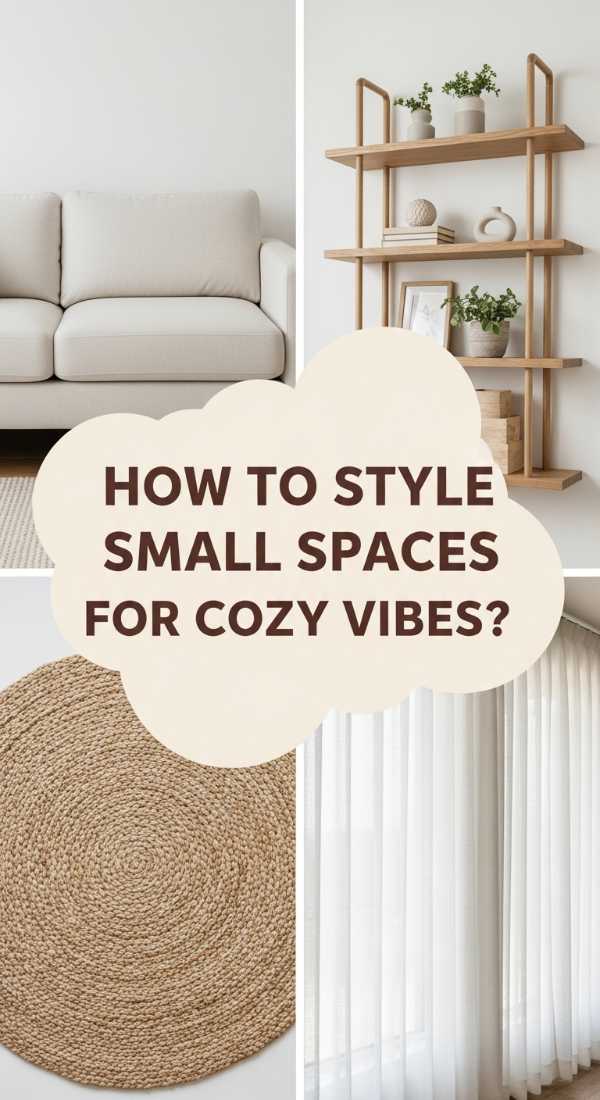
Why we love this
There is an incredible intimacy that comes with a small living room when it is treated with care. We love this because it forces a focus on quality over quantity, where every texture—from the nubby weave of a linen pillow to the smooth grain of a walnut side table—becomes a tactile experience. Imagine the aroma of a cedarwood candle wafting through a space where your knees can comfortably tuck under a soft throw, and every corner feels like a warm embrace rather than a cramped constraint. It is about the luxury of enoughness.
Essential Elements:
- Multi-functional modular seating
- Acrylic or glass coffee tables to maintain sightlines
- Strategic floor-to-ceiling sheer curtains
- Soft, indirect LED warm lighting
- Neutral color palette with varying textures
How to make it
- Measure your footprint with precision, allowing for at least 18 inches of ‘walking lane’ between furniture pieces to prevent a cramped ‘overcooked’ feel.
- Select a low-profile sofa as your base; think of this as the heavy braising step—it sets the tone for the entire room’s energy.
- Layer in ‘transparent’ elements like glass or mesh; this is akin to deglazing a pan, opening up the visual space and letting the light flow through the ‘flavors’ of the room.
- Apply ‘visual height’ by hanging curtain rods 6 inches above the window frame; this stretches the room upward, much like a soufflé rising to its peak.
- Finish with a single, high-quality scent profile; visual doneness is achieved when the eye can move through the room without tripping over a single object.
How to Create a Cozy Minimalist Haven for Stress Relief
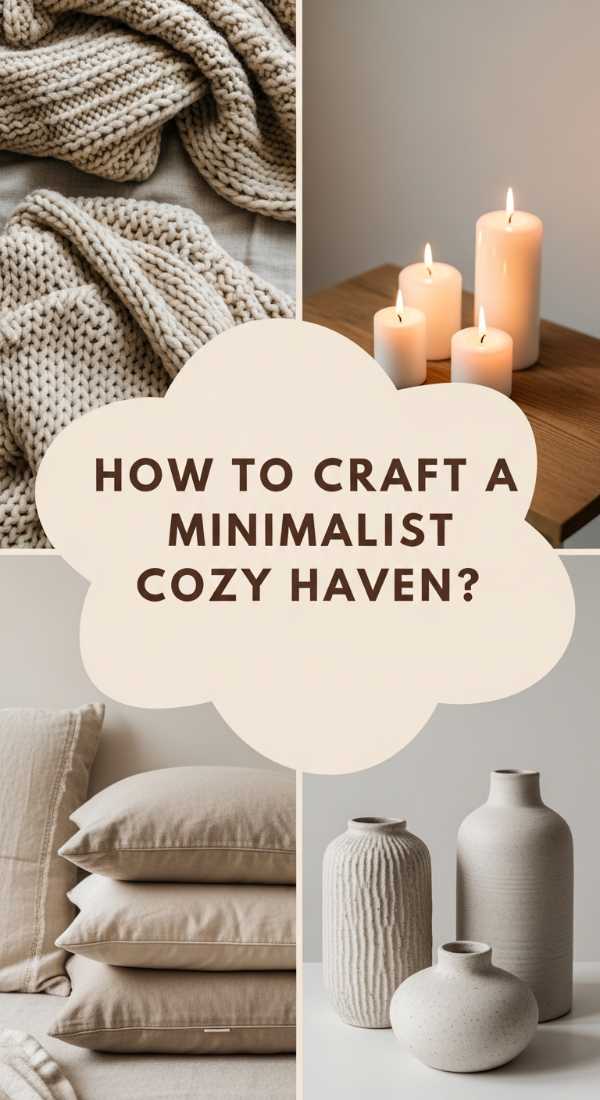
Why we love this
This approach is the ultimate antidote to burnout. We love this because it prioritizes the nervous system, using soft curves and muted tones to signal to the brain that it is safe to rest. The texture here is paramount—think of the buttery softness of organic cotton against your skin or the grounding weight of a stone coaster. The atmosphere is thick with serenity, smelling faintly of lavender and fresh air, creating a sensory cocoon that filters out the chaotic frequency of the outside world.
Essential Elements:
- Weighted blankets in earth tones
- Dimmer switches for all overhead lights
- A dedicated ‘no-tech’ zone
- Soft-edged furniture (no sharp corners)
- Acoustic dampening materials like felt or thick wool
How to make it
- Audit your sensory inputs; strip the room to its bare essentials, removing any item that triggers a ‘to-do’ thought, essentially ‘skimming the fat’ off your environment.
- Introduce ‘low-heat’ lighting; replace cool white bulbs with warm 2700K amber tones to simulate the golden hour, letting the room simmer in warmth.
- Infuse texture in layers; start with a base of smooth cotton, then add a ‘sear’ of chunky knit wool for depth and tactile interest.
- Position your primary seating away from the door’s line of sight to create a ‘simmering’ sense of privacy and safety.
- Check for ‘doneness’ by sitting in the center of the room for five minutes in silence; if your eyes stay still, the recipe for peace is complete.
How to Select Minimalist Room Decor for a Peaceful Mindset
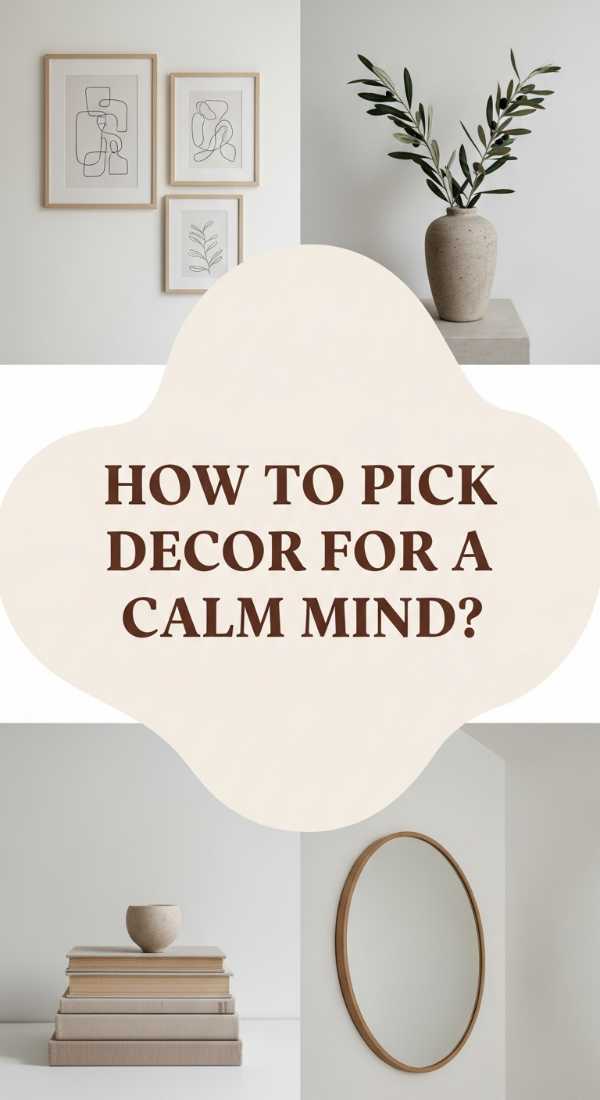
Why we love this
Curation is a form of self-care. We love this method because it turns your home into a gallery of your own intentions. Instead of ‘clutter,’ you have ‘compositions.’ The aroma is crisp and clean, like sun-dried linens, and the tactile experience is one of refined simplicity—the cool touch of a ceramic vase or the matte finish of a wooden bowl. It creates a mindset where you are no longer managing your belongings, but rather, you are being supported by them.
Essential Elements:
- Statement ceramic vessels
- Abstract line art with ample white space
- Natural stone accents (marble or travertine)
- Books with neutral spines
- Hand-forged metal details
How to make it
- Select a ‘hero’ piece of decor—this is your primary protein; it should be high quality and capable of standing alone without garnishes.
- Apply the ‘Rule of Three’ for groupings, ensuring varying heights; this creates a visual ‘flavor profile’ that is balanced and appetizing to the eye.
- Remove 20% of what you think you need; this is the reduction phase, where the remaining items become more concentrated and impactful.
- Match the ‘temperature’ of your materials; keep cool stones with cool metals to ensure a consistent ‘cook’ across the room’s aesthetic.
- Observe the shadows cast by your decor at noon; if the silhouettes are clean and sharp, you have achieved minimalist clarity.
How to Arrange a Minimalist Living Room for Better Social Energy
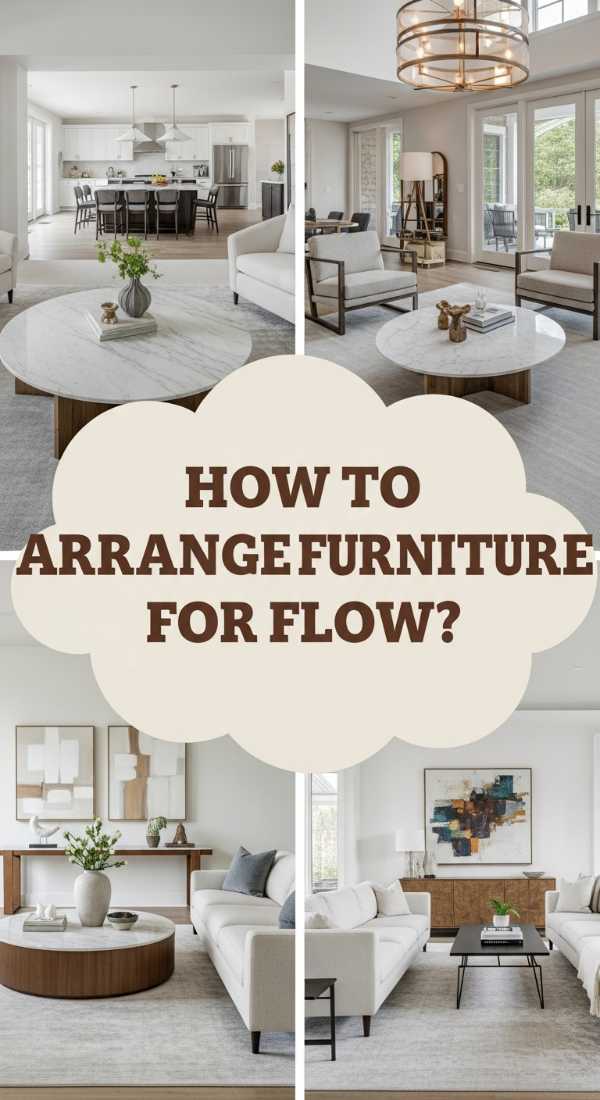
Why we love this
A room arranged for social energy feels like an invitation to connect. We love this because it removes the barriers between people—the literal and figurative clutter that blocks eye contact. The air feels lighter, charged with the warmth of shared stories, while the furniture supports a ‘circulating’ energy. It’s the difference between a stiff, formal dinner and a long, flowing brunch where the textures of velvet and wood invite guests to linger and truly be present.
Essential Elements:
- Circular coffee table for flow
- Swivel chairs for dynamic conversation
- Open floor space in the center
- Low-profile shelving
- Strategic placement of indoor trees
How to make it
- Set the ‘base’ by angling your seating inward; this is like prepping a bowl—it creates a vessel for conversation to pool and stay warm.
- Leave a ‘breathing gap’ of at least 12 inches behind sofas; this allows energy (and guests) to circulate like heat in a convection oven.
- Incorporate ‘soft landings’ like floor poufs; these act as side dishes that can be moved around to accommodate the ‘appetite’ of the party.
- Keep the center of the room clear to avoid ‘burning’ the flow; a clear center allows for a more even distribution of social energy.
- Test the ‘plating’ by walking through the room; if you can move from one side to the other without turning your shoulders, the social layout is ready.
How to Add Warmth to a Minimalist Home for a Welcoming Feel
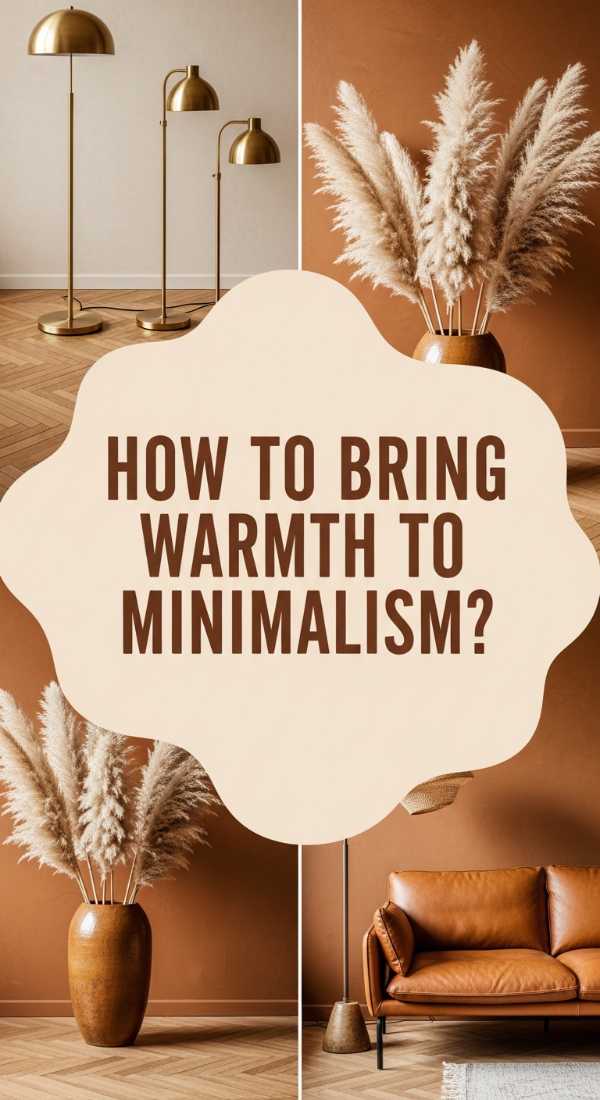
Why we love this
Minimalism doesn’t have to be cold, and we love this ‘warm’ variation because it feels lived-in and loved. It’s the scent of beeswax candles and toasted oak. The texture is a rich blend of sheepskin rugs and worn-in leather. It makes you want to kick off your shoes and stay a while. This aesthetic balances the precision of minimalism with the ‘umami’ of homey comforts, creating a space that feels both high-end and deeply approachable.
Essential Elements:
- Cognac leather accents
- Oversized chunky knit throws
- Raw wood surfaces
- Aged brass hardware
- Dried botanical arrangements
How to make it
- Incorporate ‘warm’ wood tones like oak or walnut; consider this the ‘seasoning’ phase that cuts through the ‘saltiness’ of white walls.
- Layer your lighting with a mix of floor lamps and candles; this creates a ‘slow-roast’ glow that feels organic and inviting.
- Introduce organic shapes; swap a rectangular mirror for an asymmetrical one to ‘tenderize’ the sharp lines of a minimalist room.
- Apply a ‘wash’ of warm neutrals—beige, sand, and terracotta; these act as a rich sauce that binds the different elements of the room together.
- Add a living element, like a fireplace or a cluster of candles; the movement of fire provides the ‘sizzle’ that brings a home to life.
How to Master Light and Shadow in a Cozy Minimalist Room for Serenity
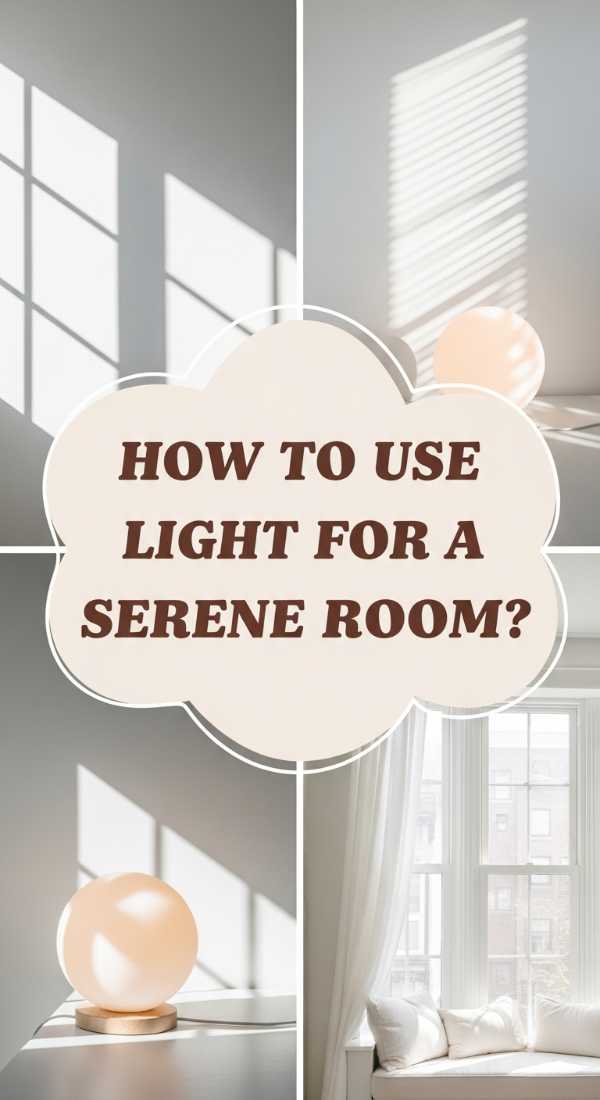
Why we love this
Light is the most powerful tool in your design kit, and we love how it can completely shift the ‘flavor’ of a room throughout the day. In a minimalist sanctuary, the play of shadows on a bare wall becomes art itself. The aroma is that of a crisp morning—ozone and clarity. The texture of the light itself, filtered through linen or bouncing off matte surfaces, creates a serene rhythm that calms the mind and grounds the spirit.
Essential Elements:
- Linen window treatments
- Translucent lamp shades
- Strategic mirror placement
- Matte wall paint (to diffuse light)
- Slatted wood panels for shadow play
How to make it
- Identify your primary light source (the sun); this is your ‘main heat’—work with it, not against it, by using sheer filters.
- Position mirrors opposite windows to ‘reflect the flavor’; this doubles the light without adding any ‘bulk’ to the room.
- Use ‘low-simmer’ lighting for the evening; turn off all overheads and rely on small lamps at eye level to create intimate pools of shadow.
- Observe the ‘glare’ points; if light is bouncing harshly off a surface, ‘cool it down’ with a matte textile or a plant to break up the rays.
- The room is ‘done’ when the transition from day to night feels like a natural, slow reduction of energy, rather than a jarring switch.
How to Integrate Natural Elements into Minimalist Decor for Organic Living
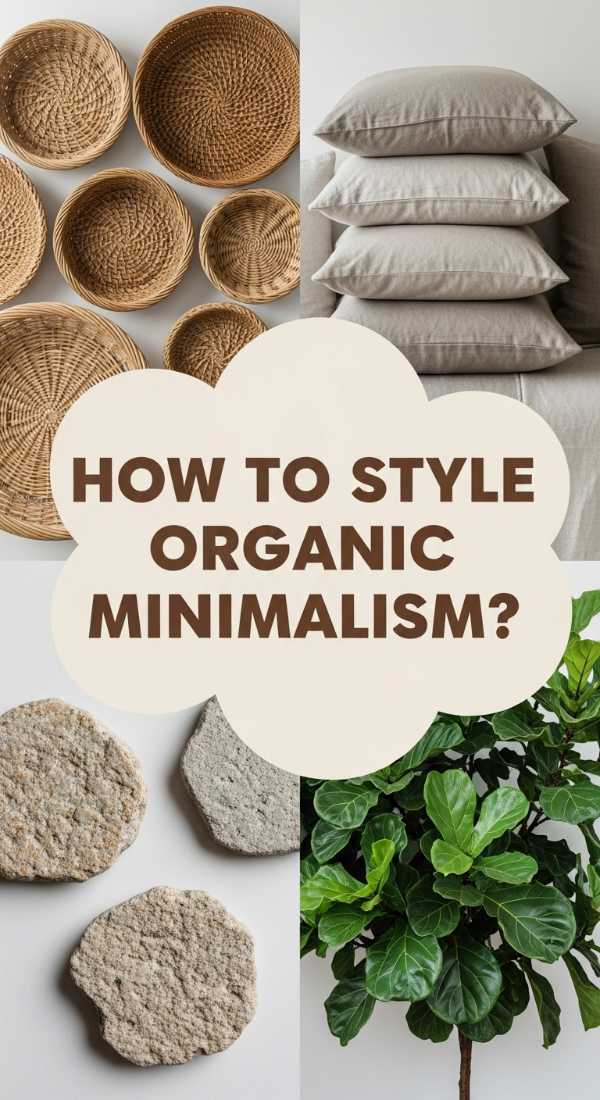
Why we love this
There is a primal peace that comes from being surrounded by nature. We love this because it brings the outdoors in, using the scent of eucalyptus and the rough texture of terracotta to ground the high-tech modern world. It feels like a walk through a quiet forest; every element—from a piece of driftwood to a hand-woven seagrass basket—carries a story of the earth, providing a ‘farm-to-table’ approach to interior design.
Essential Elements:
- Jute and seagrass rugs
- Potted olive trees or snake plants
- Unfinished wood furniture
- Stone or clay decorative objects
- Linen and hemp textiles
How to make it
- Select ‘raw’ ingredients; look for wood with visible knots and stone with natural veining to ensure an authentic ‘organic’ taste.
- Introduce greenery in odd numbers; plants act as the ‘fresh herbs’ of a room, adding a burst of life and color to a neutral base.
- Mix textures—rough stone against smooth glass; this ‘mouthfeel’ for the eyes creates interest without needing color.
- Allow for ‘natural aging’; let brass patina and wood darken over time, appreciating the ‘fermentation’ process of a home.
- Visual doneness is reached when the room feels like it grew in place, rather than being assembled from a box.
How to Style an Apartment Living Room for an Elevated Vibe

Why we love this
Apartment living often requires clever solutions, and we love the ‘elevated’ minimalist approach because it makes small spaces feel like penthouses. It’s all about the ‘plating.’ By using high-end textures like silk-blend rugs and polished marble, you create a sophisticated atmosphere that smells like expensive citrus and feels like smooth velvet. It turns a standard rental into a bespoke sanctuary that reflects a refined, intentional lifestyle.
Essential Elements:
- Statement floor lamp
- Large-scale art (avoiding the ‘gallery wall’ clutter)
- Velvet or high-end bouclé upholstery
- Metallic accents (gold or chrome)
- Floating shelves for a light footprint
How to make it
- Choose a ‘signature’ accent color; use it sparingly, like a saffron thread, to elevate the neutral ‘broth’ of the room.
- Install ‘verticality’; use tall bookshelves or long curtains to draw the eye up, much like plating food vertically to create a ‘wow’ factor.
- Invest in one ‘investment’ piece; this is your prime cut of meat—a high-quality sofa or chair that anchors the entire ‘dish.’
- Hide the ‘messy prep’; use sleek, closed cabinetry to tuck away tech and cables, leaving only the beautiful ‘garnish’ on display.
- Check the ‘finish’ by ensuring every surface has a different ‘sheen’—a mix of matte, satin, and gloss for a professional look.
How to Organize a Minimalist Room for Total Mental Clarity

Why we love this
Organization is the ‘mise en place’ of life. We love this because when everything has a home, your mind can finally stop scanning for chaos. The feeling is one of weightlessness. The aroma is that of fresh air and peppermint—clarity in a bottle. The tactile experience is the smooth slide of a drawer and the sight of clear, open surfaces that act as a blank canvas for your next big idea. It’s not just tidy; it’s transformative.
Essential Elements:
- Hidden storage ottomans
- Uniform baskets and bins
- Digital decluttering (hiding cables)
- The ‘one-in, one-out’ rule
- Daily ‘reset’ rituals
How to make it
- Perform a ‘deep clean’ purge; remove everything that doesn’t serve a function or bring joy, leaving only the ‘pure stock.’
- Categorize your belongings; group ‘like with like’ so your brain can process the room’s inventory at a single glance.
- Label your storage internally; this is the ‘prep work’ that ensures the system stays ‘fresh’ and doesn’t spoil over time.
- Keep ‘work surfaces’ (like coffee tables) at least 70% clear; this ‘negative space’ is the most important ingredient for mental clarity.
- A room is ‘done’ when you can find any item in under 30 seconds with your eyes half-closed.
How to Choose the Perfect Rug for a Minimalist Cozy Living Room

Why we love this
The rug is the foundation of the room—the ‘crust’ that holds the entire ‘pie’ together. We love a well-chosen rug because it provides immediate acoustic and physical warmth. Imagine stepping onto a thick, wool pile first thing in the morning; it’s a sensory ‘hug’ for your feet. The aroma of clean wool and the sight of a grounding, neutral pattern provide a sense of stability that anchors the more ethereal elements of minimalist design.
Essential Elements:
- High-quality natural fibers (wool, silk, jute)
- Subtle, tonal patterns
- Over-sized dimensions (to tuck under all furniture)
- Non-slip, cushioned rug pads
- Low-shed construction
How to make it
- Size the rug to the room, not the furniture; the rug should ‘contain’ the seating area like a crust contains a filling.
- Choose a ‘base note’ color that is one shade darker than your walls; this ‘grounds’ the room and prevents it from feeling ‘soupy.’
- Layer for texture; place a smaller, plush rug over a larger jute one to add ‘depth’ and ‘richness’ to the floor.
- Test the ‘density’; a high-quality rug should feel heavy and substantial, not thin or ‘watered down.’
- Visual doneness is achieved when the rug pulls all disparate furniture pieces into a single, cohesive ‘bite.’
Creating Your Personal Sanctuary
Building a minimalist sanctuary isn’t a weekend project; it’s a slow-simmering evolution of your lifestyle. By focusing on quality, light, and texture, you create a space that doesn’t just look good on a screen, but feels good in your soul. Start small, breathe deep, and let your home become the peaceful refuge you deserve.