
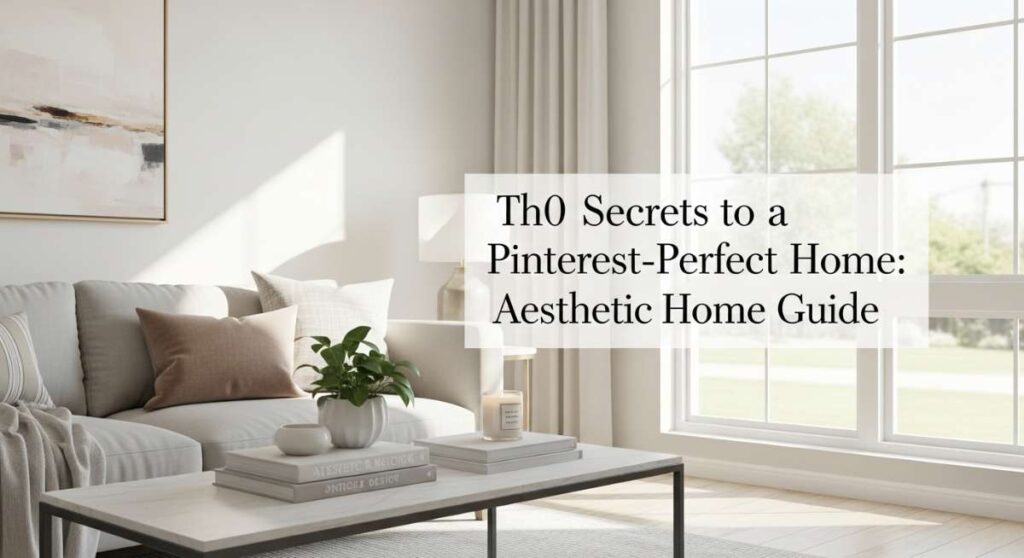
Have you ever spent hours scrolling through Pinterest, coffee in hand, feeling like your dream home is just one more save away? We’ve all been there, mesmerized by those perfectly lit sunrooms and curated bookshelves that seem to breathe a sense of peace we can’t quite replicate in our own living rooms. It’s easy to feel like an aesthetic home is reserved for people with unlimited budgets or professional interior designers, but I’m here to tell you that the magic isn’t in the price tag—it’s in the intention.
Your home is the backdrop of your life; it’s where you morning rituals happen, where your secrets are shared, and where you find sanctuary after a long day. Creating a space that feels like a masterpiece doesn’t mean following every trend; it means weaving together elements that tell your unique story. Today, we’re diving into the ultimate handbook for achieving that Pinterest-perfect aesthetic, broken down into ten distinct vibes that will turn your house into a haven of inspiration.
How to Infuse Rustic Mexican Charm for a Vibrant Daily Life

Why we love this
There is something deeply soul-stirring about the warmth of a rustic Mexican aesthetic. Imagine the sun-drenched feel of terracotta underfoot, the earthy aroma of handmade clay, and the vibrant splash of cobalt blue and sunflower yellow against a crisp white wall. This style celebrates the beauty of imperfection and the richness of heritage, creating a space that feels celebratory, grounded, and alive. It’s the perfect way to bring a sense of eternal summer and festive energy into your daily routine, making every meal feel like a gathering of friends.
Essential Elements:
- Hand-painted Talavera tiles
- Exposed wooden ceiling beams
- Terracotta flooring or planters
- Woven Otomi textiles
- Wrought iron light fixtures
- Cactus and succulent arrangements
- Equipale leather furniture
How to make it
- Begin by establishing a warm, neutral base on your walls, preferably a soft cream or a slightly textured plaster finish to mimic traditional adobe.
- Introduce the “heat” of the room by layering in terracotta elements. Start with large-scale floor planters or a collection of varying-sized clay pots in a corner to create depth and an earthy foundation.
- Integrate pops of intense color through textiles. Drape a hand-woven Otomi runner over your dining table or use vibrant serapes as throw blankets; the goal is to balance the neutral earth tones with high-contrast, joyful embroidery.
- Install wrought iron hardware or lighting. Look for lanterns with intricate cutouts that will cast dancing shadows on the walls when lit, adding that crucial evening ambiance.
- Finish the space with greenery. Place large organ pipe cacti in sunny spots and smaller succulents in hand-painted ceramic bowls on coffee tables to bring the natural desert landscape indoors.
How to Style Summer Home Accents for an Eternal Seasonal Glow

Why we love this
Capturing the essence of summer inside your home is like bottling up pure sunshine and happiness. We love this look because it relies on light-reflecting surfaces, the airy texture of linen, and the refreshing scent of citrus and sea salt to keep your mood elevated year-round. It’s about creating a space that feels breezy and uncluttered, where the boundaries between the indoors and the garden seem to blur. When you master summer styling, your home becomes a permanent vacation spot, offering a restorative glow that washes away the stress of the outside world.
Essential Elements:
- Lightweight linen curtains
- Natural jute or sisal rugs
- Clear glass vases with wild greenery
- Citrus-scented candles or diffusers
- Rattan and wicker accents
- Pale wood furniture
- Sheer white textiles
How to make it
- Swap out heavy drapes for sheer or light linen curtains. Ensure they are hung high and wide to maximize natural light entry, creating a “washed out” brightness that is characteristic of high summer.
- Introduce organic textures by layering a jute rug over your existing floors. The coarse, natural fiber provides a tactile contrast to soft furniture and grounds the room in a coastal-inspired palette.
- Curate a “citrus bar” on your kitchen counter or a side table. Use a large wooden bowl filled with real lemons and limes; the scent is naturally energizing, and the visual pop of yellow and green is a classic summer cue.
- Switch your pillow covers to lighter fabrics and cooler tones like seafoam, pale sky blue, or crisp white. Avoid heavy velvets or dark wools which trap heat and visual weight.
- Incorporate clear glass elements. Large hurricane lanterns or simple glass bottles used as vases allow light to pass through them, preventing the space from feeling cramped or dark.
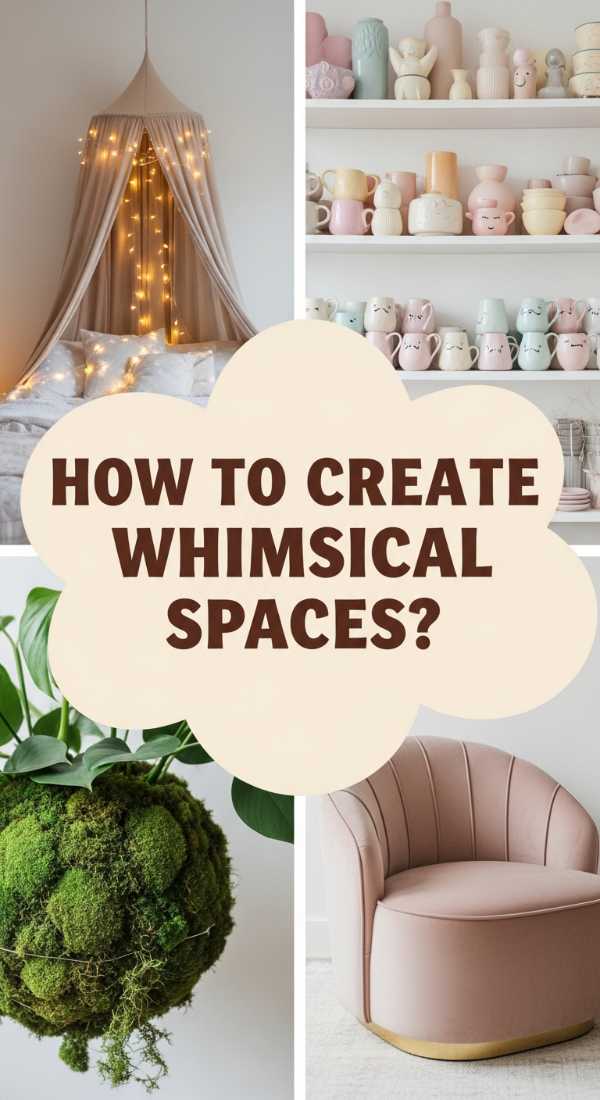
How to Create Whimsical Spaces for Endless Creative Inspiration
Why we love this
A whimsical space is a playground for the imagination, a place where the rules of traditional design take a back seat to wonder and play. We love this aesthetic because it encourages us to embrace our inner child through soft pastel palettes, unexpected shapes, and a touch of magic. Think of the soft glow of fairy lights against a velvet chair, the delicate flutter of a butterfly motif, and the charm of a hidden reading nook. It’s a design style that doesn’t take itself too seriously, fostering a creative environment where ideas can flourish without judgment.
Essential Elements:
- Soft pastel color palettes (lilac, mint, peach)
- Fairy lights or neon signage
- Velvet furniture in unique shapes
- Floating bookshelves
- Patterned wallpapers (floral or celestial)
- Oversized plush floor cushions
- Iridescent glass decor
How to make it
- Choose a “dreamscape” color palette. Select three pastel shades that harmonize, such as lavender, soft blush, and mint green, and apply them through paint or large textile pieces to set a soft, ethereal tone.
- Create a focal point of light. String high-quality, warm-toned fairy lights across a ceiling or around a window frame to create a starry effect that softens the room’s edges.
- Incorporate “gravity-defying” elements. Use invisible floating bookshelves to make your favorite novels look like they are hovering on the wall, which adds an element of surprise and delight.
- Layer in soft, luxurious textures. Place a thick, faux-fur rug or a velvet bean bag in a corner to create a dedicated “dreaming station” that feels physically comforting and visually soft.
- Add one or two “oddity” pieces, like a large gold birdcage used as a planter or a vintage typewriter painted in a bright color, to act as conversation starters and creative catalysts.
How to Incorporate Catholic Art for a Serene Sacred Sanctuary

Why we love this
Incorporating sacred art into the home creates a profound sense of peace and historical depth that few other styles can match. We love this approach because it transforms a living space into a sanctuary for reflection, using the rich symbolism of Catholic icons, the timeless beauty of gilded frames, and the soothing scent of beeswax candles. It brings a sense of the “eternal” into the everyday, offering a visual anchor that reminds us to slow down and find gratitude. Whether you are religious or simply appreciate the artistry, this aesthetic provides a soulful, reverent atmosphere.
Essential Elements:
- Gilded or ornate wooden frames
- Classical religious icons or paintings
- Votive candles and brass holders
- Crucifixes or rosary beads as decor
- Incense burners
- Embroidered linens
- Antique prayer benches or small altars
How to make it
- Identify a quiet corner or a central wall to serve as your “sacred focal point.” This should be a place where the eye naturally rests when you enter the room.
- Select a high-quality piece of art, such as a reproduction of a Renaissance Madonna or a Byzantine icon. Frame it in a heavy, ornate gold frame to elevate its importance and reflect light.
- Arrange a small “home altar” on a console table. Use a white linen cloth as a base, and place three candles of varying heights to create a triangular composition that is visually balanced.
- Incorporate metal accents. Brass or silver candle holders and small incense burners add a touch of traditional craftsmanship and catch the flicker of candlelight beautifully.
- Maintain a sense of “sacred silence” by keeping the surrounding decor minimal. Avoid clutter near your art pieces to allow their symbolic weight and beauty to stand out without distraction.
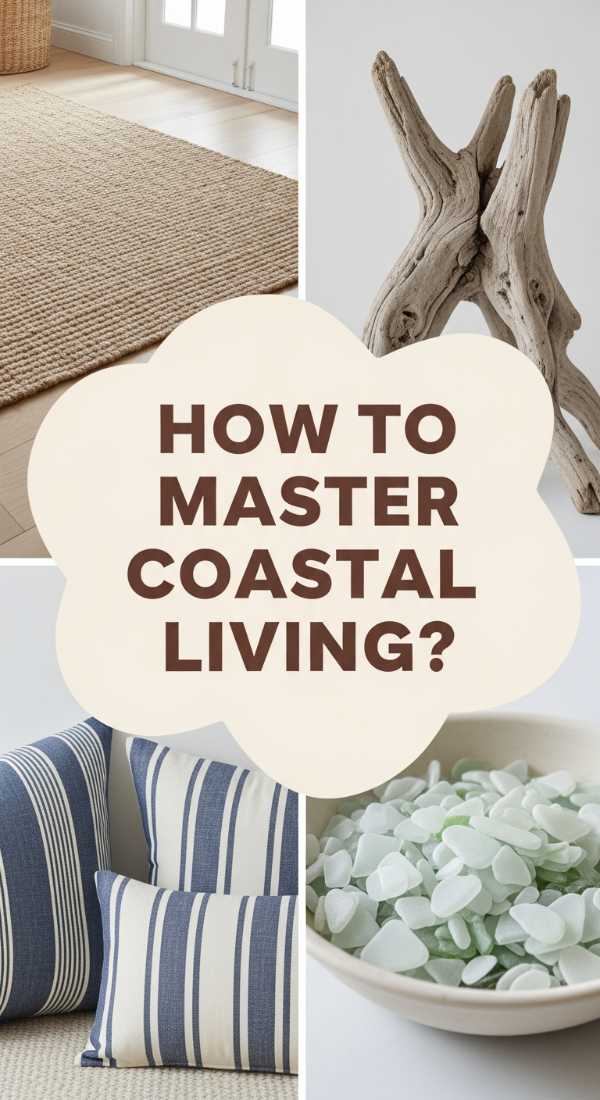
How to Master Coastal Living for a Breezy Oceanfront Atmosphere
Why we love this
Coastal living isn’t just a style; it’s a breath of fresh air. We love this aesthetic for its ability to make any home feel like it’s situated right on the shoreline, even if you’re miles inland. The combination of salt-washed woods, soft blues, and the tactile nature of seagrass creates a sensory experience that mimics the calming rhythm of the tide. It’s a clean, sophisticated look that prioritizes comfort and natural light, making the home feel spacious, airy, and perpetually rejuvenated. It’s the ultimate antidote to the chaos of modern urban life.
Essential Elements:
- Driftwood accents
- Striped navy and white textiles (nautical motifs)
- Seagrass or abaca baskets
- Bleached wood furniture
- Blue and white ginger jars
- Coral or seashell specimens
- Oversized white slipcovered sofas
How to make it
- Start with a foundation of “beach sand” neutrals. Use beige or off-white for your largest pieces of furniture, like a slipcovered sofa, to create a soft, inviting base that feels clean and relaxed.
- Introduce navy blue as your primary accent color. Use this in pillows, throws, or a classic striped rug to provide a crisp contrast that immediately signals a nautical influence.
- Layer in natural seaside textures. Place a large piece of authentic driftwood on a mantel or use seagrass baskets for storage to bring the literal elements of the coast into your living space.
- Focus on “visual breathability.” Keep window treatments light and airy, and avoid overcrowding surfaces. The goal is to let air and light flow freely, mimicking the open expanse of the ocean.
- Add a touch of “found” beauty. A glass jar filled with seaglass or a single, large conch shell on a stack of books adds a personal, curated touch that feels like a treasure from the shore.
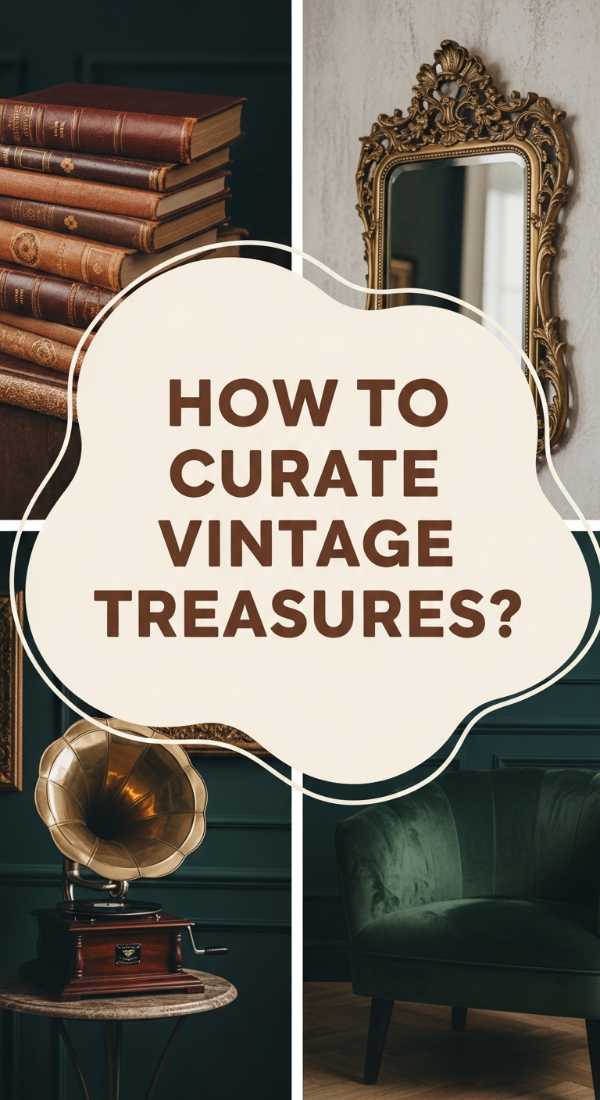
How to Curate Vintage Treasures for a Timeless Historic Feel
Why we love this
Vintage curating is like being a historian of your own home. We love this look because it rejects the “fast furniture” culture in favor of pieces that have a soul, a history, and a patina that only time can create. Walking into a vintage-inspired room feels like stepping into a well-loved library or a storied estate; it’s warm, intellectual, and deeply personal. Each piece, from an aged leather armchair to a tarnished silver tray, tells a story of a previous life, giving your home a sense of permanence and timeless elegance that never goes out of style.
Essential Elements:
- Antique wooden trunks or chests
- Aged leather furniture
- Brass or copper kitchenware
- Oil paintings in vintage frames
- Old leather-bound books
- Persian or Oriental rugs
- Vintage clocks or globes
How to make it
- Source one “hero” antique piece, such as a large mahogany dining table or a Victorian-era sideboard. This piece should have visible wear or “character” that serves as the room’s historical anchor.
- Layer with textiles that feel aged. Use a faded Persian rug with a worn-in pile to provide a sense of history underfoot, opting for deep burgundies, forest greens, and muted golds.
- Create a gallery wall of oil paintings. Look for portraits or landscapes at thrift stores and refit them with vintage frames. The key is to mix different frame styles for an eclectic, collected-over-time appearance.
- Incorporate “living” metals like brass or copper. These materials develop a natural patina over time; use them in lighting fixtures or small decorative objects to add a warm, historic glow.
- Style your shelves with intention. Mix modern books with old leather-bound volumes and interspersed vintage curios like a brass magnifying glass or a porcelain bust to create visual interest and depth.
How to Layer Boho Textures for a Relaxed Free Spirited Vibe

Why we love this
The Boho aesthetic is the ultimate expression of a free-spirited lifestyle. We love it because it’s inherently cozy and entirely unpretentious, prioritizing comfort and self-expression over rigid design rules. It’s a sensory feast of macramé, layered rugs, and an abundance of indoor plants that make a room feel like a lush, indoor jungle. When you layer boho textures, you create a space that invites people to kick off their shoes, sit on the floor, and stay for hours. It’s a warm, tactile, and nurturing environment that celebrates global influences and creative freedom.
Essential Elements:
- Macramé wall hangings
- Rattan furniture and peacock chairs
- Layered eclectic rugs
- Potted plants (Monstera, Pothos, Palms)
- Moroccan poufs
- Tasseled throw pillows
- Bamboo or beaded curtains
How to make it
- Master the art of “the layer.” Start with a large, neutral rug and then layer a smaller, patterned Moroccan or kilim rug on top at a slight angle to create a casual, textured foundation.
- Incorporate vertical texture with macramé. Hang a large knotted piece above a bed or sofa to add softness to the wall and introduce a handcrafted, bohemian feel.
- Introduce a variety of plant heights. Use hanging planters for trailing vines, floor pots for large leafy greens, and shelf plants to create a tiered “greenhouse” effect that breathes life into the room.
- Use low-profile seating. Replace traditional chairs with Moroccan leather poufs or large floor cushions to encourage a relaxed, grounded atmosphere that is perfect for lounging.
- Mix patterns fearlessly. Combine geometric prints with floral textiles and fringed blankets. To keep it cohesive, stick to a general color family like earth tones (terracotta, mustard, sage).
How to Personalize Mobile Home Interiors for a Cozy Modern Sanctuary

Why we love this
Modern mobile home living is all about the genius of small-space design and the intimacy of a “home on the move.” We love this aesthetic because it proves that you don’t need 3,000 square feet to have a Pinterest-perfect life. It’s about maximizing every inch with clever storage, light-reflecting finishes, and a cozy-yet-modern sensibility. These spaces feel incredibly intentional; because every item must earn its place, the result is a highly curated, clutter-free sanctuary that feels like a warm hug. It’s the ultimate expression of “less is more” without sacrificing style or comfort.
Essential Elements:
- Multi-functional furniture
- Light-colored walls (to expand space)
- Built-in shelving and nooks
- Modern matte black hardware
- Large mirrors (to reflect light)
- Cozy textiles like chunky knit throws
- Peel-and-stick backsplash or wallpaper
How to make it
- Paint the entire interior in a bright, warm white or a very light gray. This erases the visual boundaries of the walls and makes the compact space feel exponentially larger and airier.
- Upgrade the hardware. Swap out standard builder-grade cabinet pulls for modern matte black or brushed brass handles; this small change instantly elevates the entire aesthetic to a custom-designed look.
- Utilize vertical space with built-ins. Install floating shelves that go all the way to the ceiling to provide storage without taking up precious floor real estate, keeping the walkways clear.
- Install a large mirror opposite a window. This trick doubles the natural light and creates the illusion of a second window, which is vital for making mobile interiors feel open and bright.
- Define zones with rugs. Use distinct rugs to separate the “living” area from the “dining” area, which helps organize the flow of a small space and adds necessary warmth and texture.
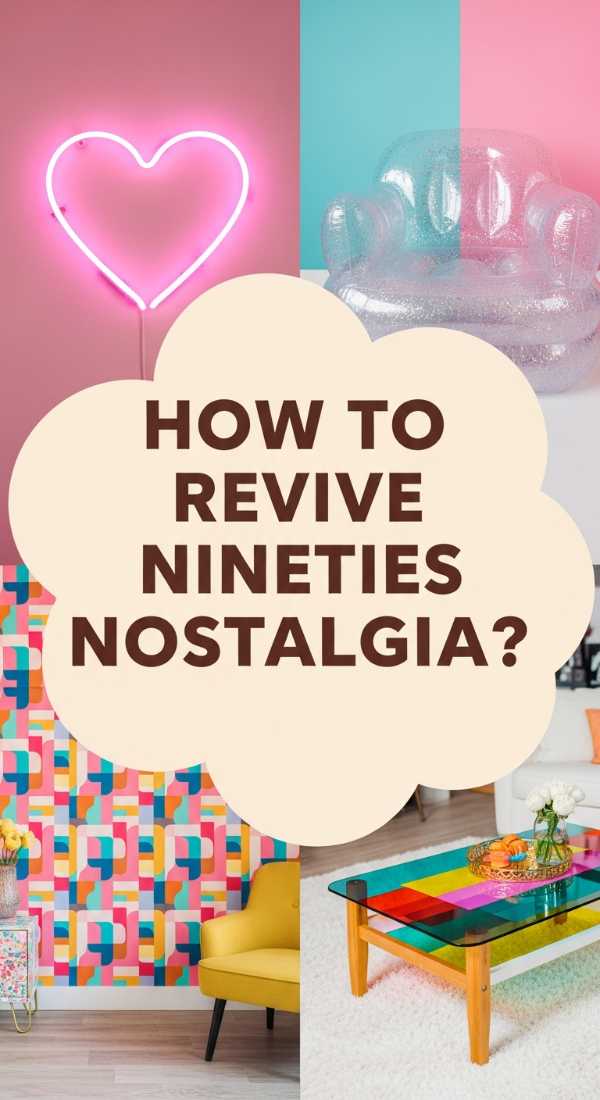
How to Revive Nineties Nostalgia for a Fun Retro Aesthetic
Why we love this
The nineties are back, but with a sophisticated, modern twist that we absolutely adore. This aesthetic is a playful rebellion against the minimalism of the last decade, embracing bold primary colors, fun shapes, and a sense of kitschy nostalgia. We love it because it’s inherently joyful and doesn’t take itself too seriously. Think of it as a “grown-up” version of your childhood bedroom—featuring neon accents, wavy mirrors, and checkered patterns that spark immediate conversation and a sense of fun. It’s a vibrant, energetic style that celebrates individuality and the best parts of retro pop culture.
Essential Elements:
- Checkered rugs or pillows
- Wavy or “wiggly” mirrors and furniture
- Neon light signs
- Primary color accents (red, blue, yellow)
- Inflatable-inspired acrylic furniture
- Graphic posters and pop art
- Fringe and velvet textures
How to make it
- Choose a bold “checkered” piece. A black-and-white checkered rug is the quintessential nineties anchor; place it in the center of the room to establish a high-contrast, graphic vibe.
- Incorporate neon lighting. Custom neon signs or simple LED strips in pink or blue can be used to highlight architectural features or create a “vibe” corner that feels like a retro lounge.
- Introduce the “squiggle.” Look for mirrors, picture frames, or even coffee tables with wavy, organic edges. This shape was iconic in the nineties and adds a sense of playfulness to the room.
- Pop your colors. Use primary colors sparingly but effectively—a bright red lamp or a bold blue side table against a neutral wall creates that signature retro-modern balance.
- Display nostalgic collections. Curate a shelf with vintage tech (like a clear-cased phone) or graphic art books that reflect the era’s unique aesthetic, making the space feel like a curated time capsule.
How to Display Quirky Curiosities for a Bold Artistic Statement

Why we love this
There is nothing more captivating than a home that feels like a cabinet of curiosities. We love this aesthetic because it is the ultimate expression of the “maximalist” soul—it’s about surrounding yourself with objects that spark curiosity and awe. This style turns your home into a private gallery, where a glass-domed cloche might house a rare mineral and the walls are covered in unexpected artifacts. It’s bold, artistic, and completely unique to you. In a world of cookie-cutter design, quirky curiosities offer a refreshing dose of personality and a reminder that the world is full of strange and beautiful things.
Essential Elements:
- Glass cloches and display domes
- Unique taxidermy or botanical specimens
- Vintage medical or scientific charts
- Ornate gallery walls with mixed media
- Velvet-lined display cases
- Unusual sculptures and carvings
- Antique magnifying glasses or globes
How to make it
- Start with a “curation station.” Use a sideboard or a large bookshelf as your primary display area, and group items in odd numbers (three or five) to create a more natural, organic flow.
- Utilize glass cloches to elevate ordinary objects. Placing a simple dried flower, a beautiful stone, or an old skeleton key under a glass dome immediately gives it the status of a “specimen” or work of art.
- Create a dense gallery wall. Don’t just hang paintings; include 3D objects like vintage masks, wooden carvings, or small shelves with curios. The more varied the textures and shapes, the more compelling the wall becomes.
- Use dark, moody colors as a backdrop. A deep charcoal or navy wall makes metallic and organic curiosities “pop,” creating a museum-like atmosphere that feels high-end and dramatic.
- Incorporate lighting that highlights specific objects. Small battery-operated puck lights or adjustable library lamps can be used to spotlight your most prized curiosities, drawing the eye exactly where you want it to go.
Conclusion
Creating a Pinterest-perfect home isn’t about perfectly replicating a photo; it’s about discovering the textures, colors, and stories that make your heart beat a little faster. Whether you are drawn to the sun-soaked tiles of Mexico, the serene whispers of sacred art, or the playful energy of nineties nostalgia, your home is a canvas for your life. By focusing on intentional elements and the sensory details we’ve explored, you can transform your everyday environment into an aesthetic sanctuary that inspires you every single day. Happy decorating!