
Beyond the Pot: Creative Ways to Style Your Space with Greenery
There is a profound, almost magical shift that happens when you bring the outdoors in. It’s more than just decor; it’s about that first deep breath you take when you walk into a room filled with living, breathing energy. We’ve all been there—staring at a sterile corner or a cluttered shelf, feeling that something is missing. That ‘something’ is the vibrant, calming presence of nature that reminds us to slow down and bloom in our own time.
My journey into plant-infused home decor started with a single, struggling succulent on a windowsill. But as I learned to listen to what my plants needed, I realized they were doing more for me than I was for them. They softened the harsh lines of my furniture, purified the air I breathed, and turned my house into a sanctuary. In this guide, I’m sharing how you can transcend basic potting and transform your home into a lush, botanical masterpiece that fuels your soul and sparks constant joy.
How to Design a Lush Living Room for Constant Joy
Why we love this
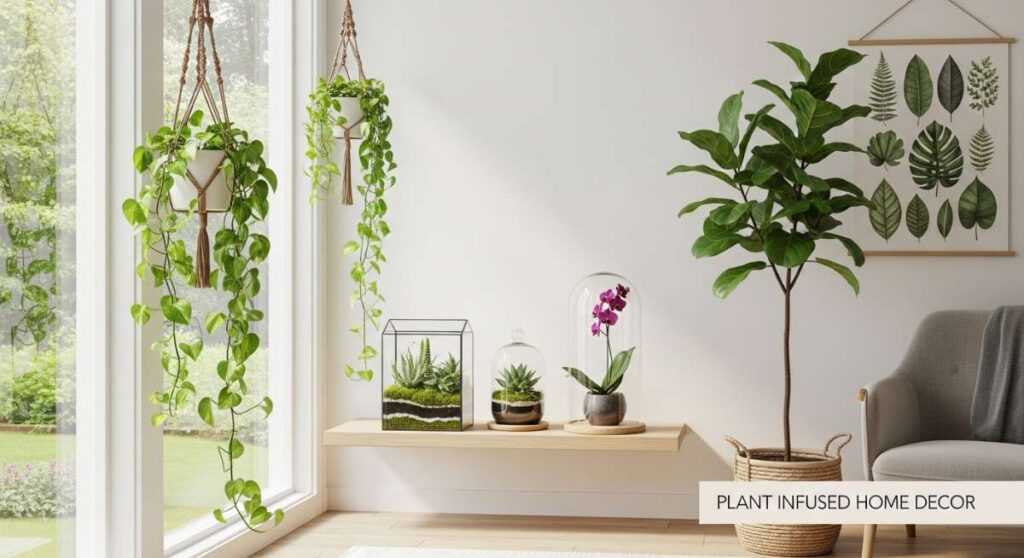
A lush living room acts as the heart of the home, where the velvet texture of a Monstera leaf meets the soft glow of golden hour. There is a specific sensory delight in seeing a massive fiddle-leaf fig stretching toward the ceiling, its broad leaves filtering the sunlight into a dappled green pattern on your floorboards. The air feels crisp and oxygen-rich, carrying a faint, earthy scent that grounds you the moment you sit down with a cup of tea. It’s about creating a multi-dimensional landscape where every glance reveals a different shade of emerald or a delicate new vine reaching out to say hello.
Essential Elements:
- Statement Floor Plant (Fiddle Leaf Fig or Bird of Paradise)
- Varied ceramic pots in neutral tones
- Trailing Pothos for shelving
- Wooden plant stands of different heights
- Natural jute or seagrass rug
How to make it
- Assess your light levels: Before placing any plant, observe the sun’s movement for a full day. Choose the sunniest corner for your statement tree and the lower-light nooks for ferns.
- Layer your heights: Start with your largest floor plant to anchor the room. Place it slightly behind a chair or near a window to create depth. Use a wooden stand to elevate a medium-sized plant next to it, ensuring the eye travels upward.
- The Shelf Drape: Position a trailing Pothos or Philodendron on your highest bookshelf. Gently guide the vines to spill over the edge, creating a ‘living waterfall’ effect. Check the soil moisture weekly; the top two inches should be dry before adding more water.
- Group in odd numbers: Arrange smaller succulents and cacti in groups of three on coffee tables. Mix textures—put a fuzzy-leaved plant next to a smooth, waxy one to create visual contrast.
- Monitor the ‘glow’: Clean the leaves once a month with a damp microfiber cloth. This ensures the plant can ‘breathe’ and maintains that high-gloss, healthy sheen that makes a living room feel vibrant.
How to Create a Botanical Home Office for Focused Energy
Why we love this
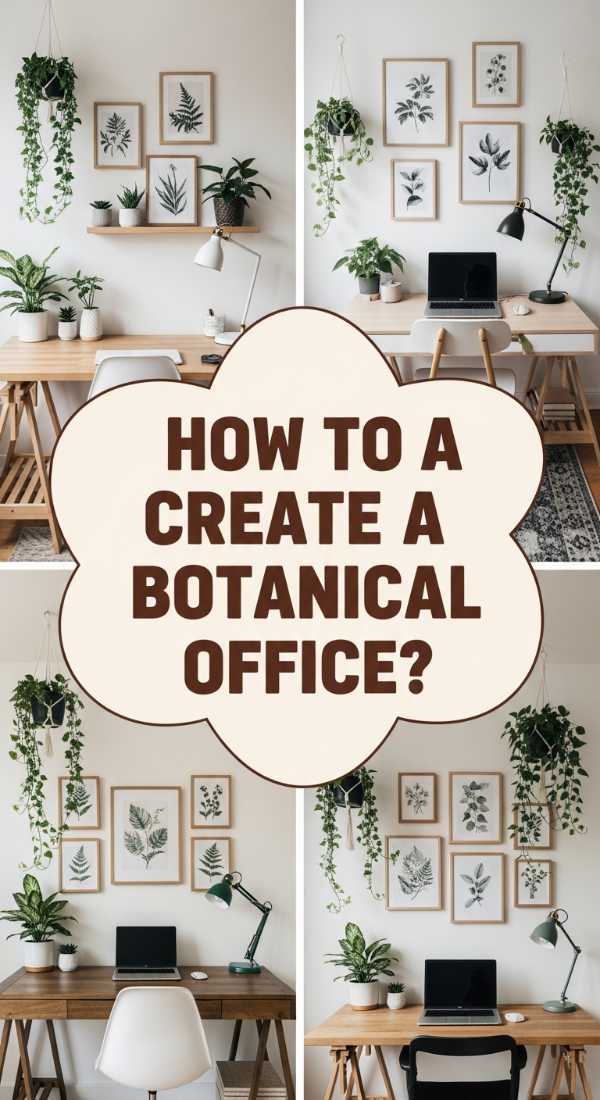
Working amongst greenery is like having a silent, supportive coworker who never complains. The presence of a Sansevieria or a ZZ plant on your desk provides a much-needed visual break from the blue light of your monitor, allowing your eyes to rest on organic shapes and deep greens. There’s a certain crispness to the atmosphere in a plant-filled office that keeps the afternoon slump at bay. The subtle rustle of leaves when the AC kicks on adds a rhythmic, calming background noise that helps you drop into a state of deep, productive flow.
Essential Elements:
- Snake Plants (Sansevieria) for air purification
- Small desk terrarium
- Wall-mounted propagation station
- Adjustable grow light for darker corners
- Leca or pebbles for drainage
How to make it
- Establish your ‘Green Zone’: Keep your immediate keyboard area clear, but flank your monitor with two medium plants. This creates a focal frame that reduces peripheral distractions.
- Install a Propagation Wall: Fix small glass vials to the wall behind your desk. Fill with water and add cuttings of heart-leaf philodendron. Watch for white root nubs as a sign of successful ‘cooking’ or growth; this visual progress is incredibly rewarding during long work weeks.
- Hydration Routine: Use a fine-mist spray bottle to lightly spritz air plants every Tuesday. This keeps the humidity high around your workspace, which is great for both the plants and your skin.
- Manage the ‘Heat’: Ensure no plants are directly touching your computer tower or laptop vents, as the exhaust heat can scorch delicate leaves within hours.
- Visual Cues for Care: If leaves start to droop or turn yellow, it’s a sign of overwatering. Adjust your ‘timing’—wait until the soil is bone-dry to the touch before the next soak.
How to Style a Serene Sanctuary for Peaceful Sleep

Why we love this
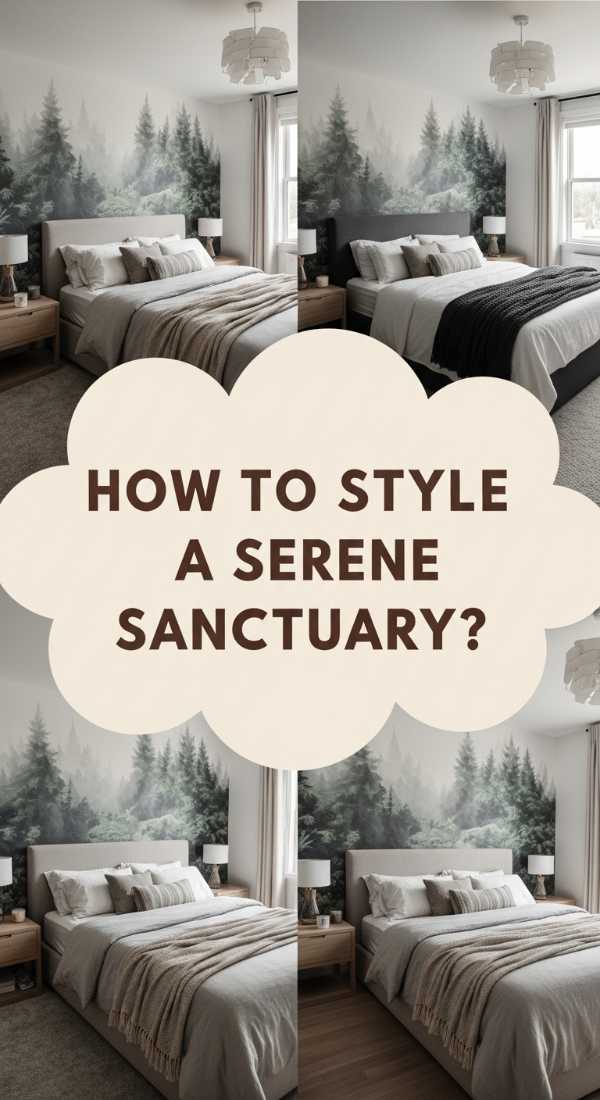
Transforming your bedroom into a botanical sanctuary is the ultimate act of self-care. Imagine waking up to the gentle sight of a trailing Ivy cascading down your headboard, its leaves a soft, matte green that absorbs the morning glare. There’s an intoxicating, clean aroma that comes from plants like Lavender or Jasmine kept near the bed, which naturally lowers heart rates and prepares the mind for rest. The textures here are softer—think feathery palms and velvety calatheas that mimic the comfort of your own linens and pillows.
Essential Elements:
- Lavender or Peace Lily
- Macrame plant hangers
- Terracotta pots (breathable for soil)
- Soft-glow LED fairy lights
- Organic cotton bedding
How to make it
- The Floating Canopy: Install ceiling hooks and hang macrame planters at varying lengths above your nightstands. Use Peace Lilies, which are famous for filtering indoor toxins while you sleep.
- The Scent Layer: Place a potted Lavender plant on the sunniest part of your dresser. Gently rub the leaves before bed to release the essential oils into the air.
- Subdued Lighting: Wrap warm fairy lights around the base of a floor palm. The light should be soft and indirect, casting long, relaxing shadows across the room.
- Watering Timing: Water your bedroom plants in the morning so the soil has all day to drain. Damp soil at night can lead to mold, which disrupts the ‘purity’ of your sleep sanctuary.
- Visual Check: Ensure your plants aren’t ‘crying’ (guttation). If you see water droplets on the tips of leaves in the morning, you’ve watered too much—dial back the frequency for a drier, healthier environment.
How to Maximize Tiny Apartment Space for Urban Jungles

Why we love this
In a small apartment, every square inch counts, and greenery is the best way to make a cramped space feel expansive. By utilizing vertical space, you create a canopy that draws the eye upward, making ceilings feel higher and rooms feel airier. The sight of a ‘living wall’ in a tiny kitchen or a cluster of hanging ferns in a bathroom turns a functional space into an enchanting urban escape. It’s about the thrill of finding a home for a plant in an unexpected nook, proving that you don’t need a backyard to be a gardener.
Essential Elements:
- Vertical wall planters
- Over-the-door hanging racks
- Suction-cup window shelves
- Miniature succulents
- Tiered rolling cart
How to make it
- Vertical Stacking: Use a tension rod across a window frame to hang multiple small pots. This maximizes light without taking up valuable floor or counter space.
- The Rolling Jungle: Organize your plants on a three-tiered metal cart. This allows you to ‘chase the sun’ by moving your entire collection to the brightest spot of the apartment as the seasons change.
- Window Suction: Attach acrylic shelves directly to your window glass. Place small, light-weight succulents here. Tip: Use a ‘gritty mix’ of soil to ensure fast drainage and prevent heavy, soggy pots.
- Mirror Magic: Place a large mirror opposite your plant wall. This doubles the greenery visually and bounces light into the darker corners of your tiny home.
- Pruning for Scale: Keep your plants compact by regularly pinching back the new growth of vines. This prevents the ‘overgrown’ look and keeps the jungle feeling managed and intentional.
How to Build an Inviting Entryway for Lasting First Impressions
Why we love this
The entryway is the handshake of your home, and nothing says ‘welcome’ quite like a burst of fresh, green life. Stepping through the front door into a hall lined with architectural plants creates an immediate transition from the chaos of the outside world to the peace of your private domain. We love the way a tall, structural Dracaena adds a sense of formality and height, while smaller, low-light plants like the Cast Iron plant thrive in the typically darker halls, providing a consistent, reliable beauty that greets every guest.
Essential Elements:
- Tall, structural plants (Dracaena or Yucca)
- Decorative baskets (to hide plastic nursery pots)
- Small console table
- Reflective metallic tray
- Low-light tolerant species
How to make it
- The Anchor Piece: Place a tall Dracaena in a large woven basket next to the door. This ‘anchor’ provides a vertical line that helps define the entryway space.
- The Console Cluster: On a narrow table, place a tray with a small dish for keys and a single, elegant Orchid. The Orchid’s architectural stems provide a ‘doneness’ or polish to the entryway aesthetic.
- Managing the Draft: Entryways are prone to cold air when doors open. Choose hardy plants like the Sansevieria that can handle temperature fluctuations without losing their leaves.
- Symmetry for Sophistication: If space allows, place matching plants on either side of the door. This creates a balanced, professional look that feels high-end.
- Dusting Routine: Entryway plants catch a lot of street dust. Wipe the leaves every two weeks to keep them looking sharp and welcoming for visitors.
How to Embrace Minimalist Greenery for Elegant Simplicity
Why we love this
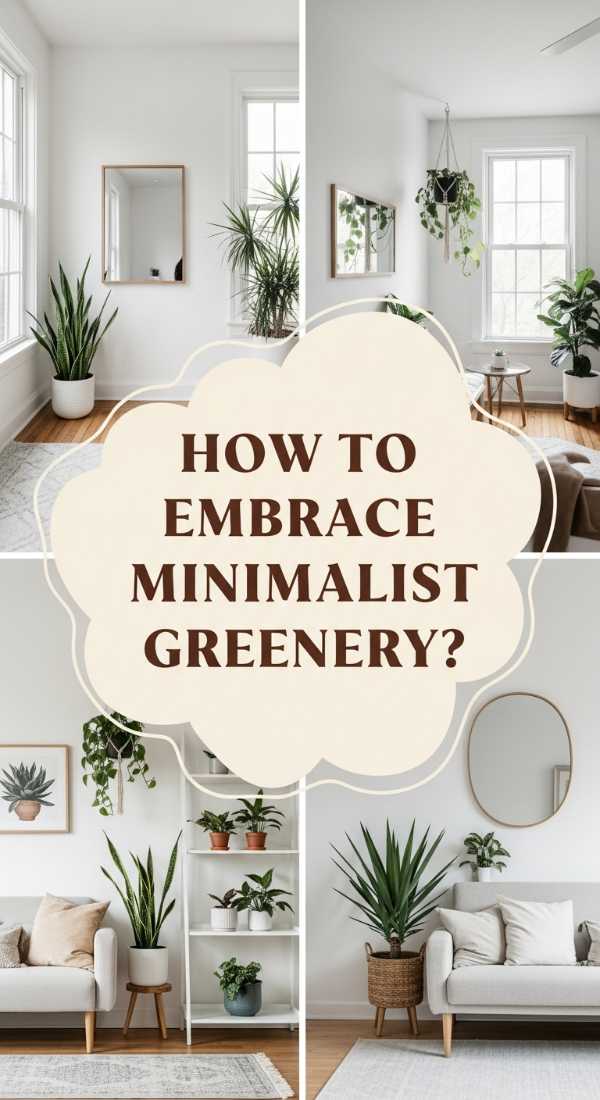
Minimalism isn’t about the absence of things; it’s about the presence of the *right* things. A single, perfectly curated plant can have more impact than a dozen crowded together. We love the clean, sharp lines of a tall cactus against a white wall or the sculptural beauty of a single Eucalyptus branch in a glass vase. It’s a sophisticated approach that celebrates the individual form and texture of the plant, turning it into a living piece of art that breathes life into a minimalist aesthetic without the clutter.
Essential Elements:
- Sculptural plants (African Milk Tree or Euphorbia)
- Concrete or matte black pots
- Single-stem vases
- Air plants (Tillandsia)
- Monochromatic color palette
How to make it
- Select for Shape: Choose plants with unique silhouettes. A Pencil Cactus (Euphorbia tirucalli) provides a stunning, twig-like structure that fits perfectly in a minimalist setting.
- The Rule of One: Instead of a cluster, place one large plant in a corner with at least two feet of empty space around it. This creates a ‘gallery’ feel.
- Neutral Hardscaping: Use gray concrete or white ceramic pots to keep the focus on the plant’s green hue. Avoid patterns or bright colors that distract from the plant’s form.
- Air Plant Accents: Place a single air plant on a stack of white books. Since they don’t need soil, they offer the cleanest possible way to add greenery to a surface.
- Maintenance as Ritual: In a minimalist space, imperfections are more visible. Remove any brown tips immediately with sharp, sterilized shears to maintain the ‘pristine’ look.
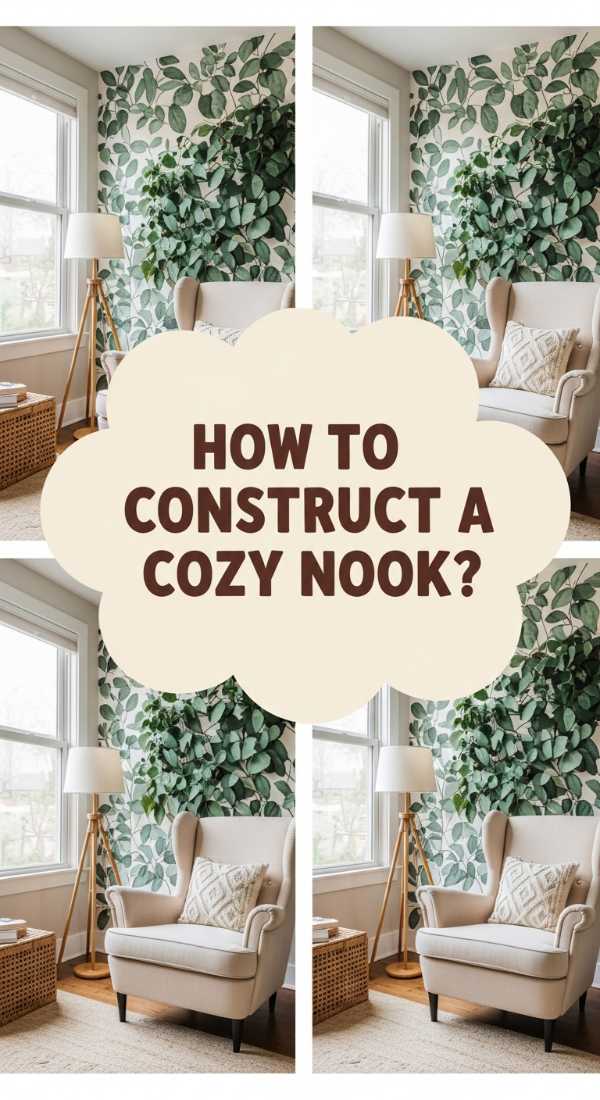
How to Construct a Cozy Reading Nook for Endless Quiet Hours
Why we love this
A reading nook should feel like a secret hideaway, and plants are the best way to ‘wall off’ the rest of the world. There is something deeply comforting about curling up in a soft chair surrounded by the trailing vines of a Hoya or the oversized, protective leaves of a Rubber Tree. The greenery acts as a natural acoustic buffer, dampening the sounds of the household and creating a quiet, oxygen-rich bubble where you can get lost in a story for hours. The texture of the leaves adds a tactile layer to the experience that makes the space feel lived-in and loved.
Essential Elements:
- Trailing Hoya or String of Hearts
- Large-leafed Rubber Tree (Ficus elastica)
- Floor lamp with warm bulb
- Comfortable armchair
- Soft throw blanket
How to make it
- Create a ‘Green Curtain’: Use a tall plant stand behind your chair and let a Hoya carnosa vine drape down and around the back of the seat. This creates a sense of enclosure.
- Side Table Styling: Place a small, soft-leaved plant like a Maidenhair Fern on the table where you keep your books. The delicate fronds provide a beautiful contrast to the hard edges of book spines.
- Optimize the Light: Position your chair and plants near a window with sheer curtains. This ‘low-heat’ light is perfect for reading and for most indoor plants.
- The Moisture Balance: Ferns love humidity. Keep a small pebble tray with water under your fern to ensure it doesn’t get crispy while you’re focused on your reading.
- Sensory Pairing: Light a cedar-scented candle nearby. The combination of the woodsy scent and the living plants creates a cohesive ‘forest floor’ atmosphere.
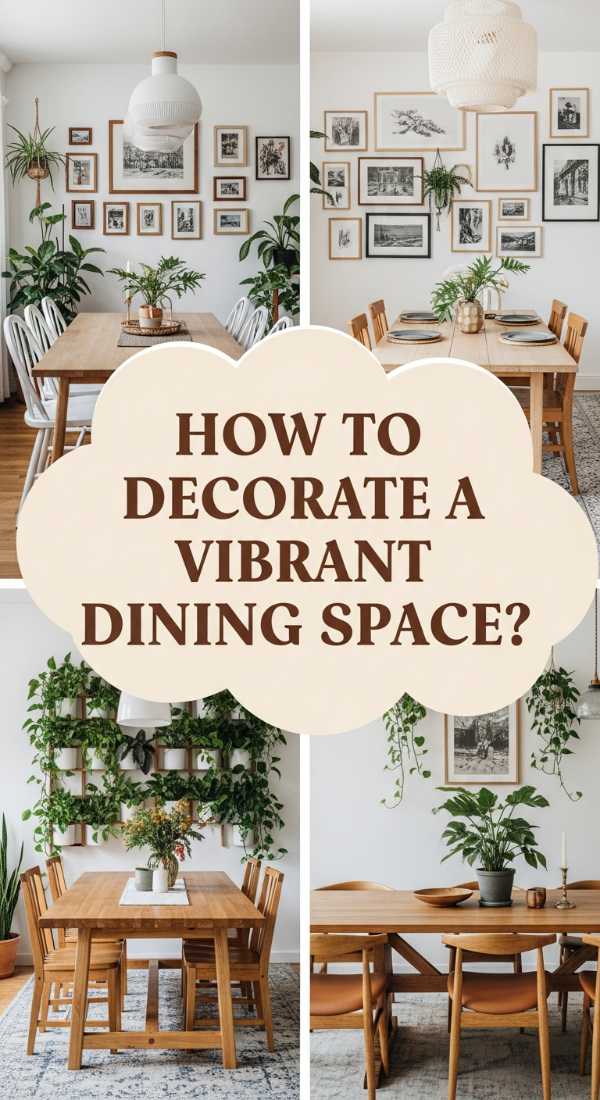
How to Decorate a Vibrant Dining Space for Memorable Dinner Parties
Why we love this
Dining with plants turns a meal into an event. We love using edible greenery like herbs or citrus trees to bridge the gap between the kitchen and the table. The aroma of fresh Basil or Rosemary sitting right in front of your guests stimulates the appetite and adds a fresh, garden-to-table vibe that no artificial decor can match. The vibrant green pops against white linen or dark wood, making the colors of your food look even more appetizing and the conversation feel more grounded and natural.
Essential Elements:
- Potted herbs (Basil, Mint, Thyme)
- Calamondin Orange or Lemon tree
- Linen table runner
- Long wooden planter box
- Low-profile succulents
How to make it
- The Living Centerpiece: Instead of cut flowers, place a long wooden box filled with various succulents down the center of the table. They are low enough that guests can still see each other over the greenery.
- The Edible Accent: Place individual small pots of herbs at each place setting. Guests can even pinch off a leaf to garnish their own drinks or dishes.
- Citrus in the Corner: A small Lemon tree in a sunny corner of the dining room provides a lush, Mediterranean feel and a light, citrusy scent that isn’t overpowering during a meal.
- Lighting for Drama: Use a dimmer switch on your dining lights. Lowering the ‘heat’ of the light makes the green leaves look deeper and more luxurious during dinner.
- Cleanup and Care: After a party, move the tabletop plants back to their sunny windows. Dining tables are often too far from light sources for long-term plant health.
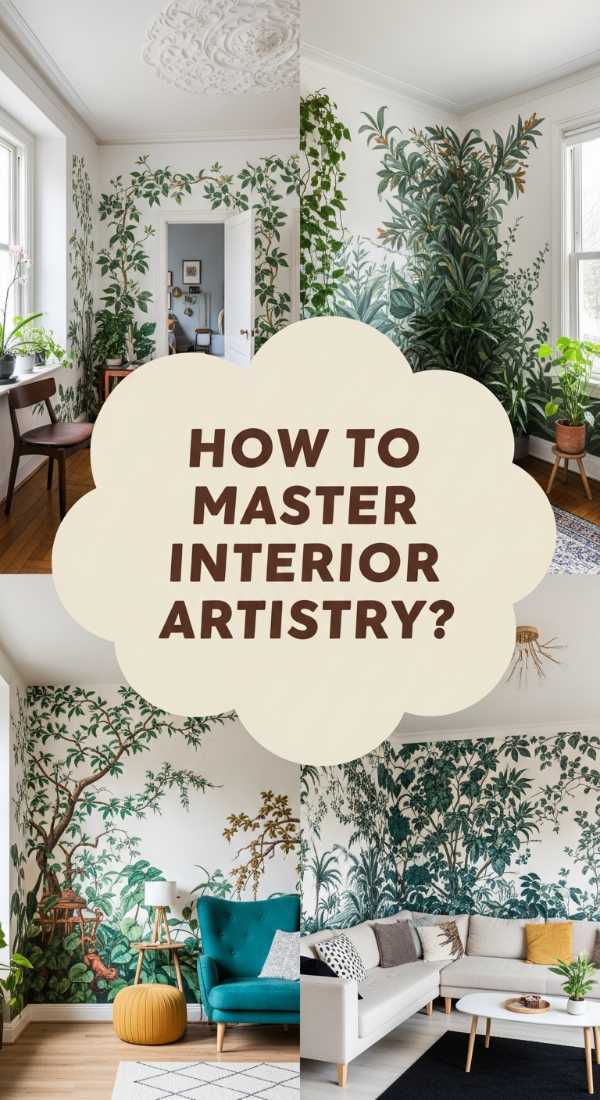
How to Master Interior Artistry for a Personalized Home Aesthetic

Why we love this
This is where plants become true design elements, used with the same intentionality as a painting or a sculpture. Interior artistry involves playing with unusual textures—like the staghorn fern that looks like a set of velvet antlers, or the ‘living wall’ that covers an entire surface in a tapestry of moss. We love this approach because it challenges the traditional ‘pot on a floor’ mentality, turning the entire room into a canvas. It’s bold, it’s personalized, and it shows a mastery of both design and horticulture that is truly breathtaking.
Essential Elements:
- Staghorn Ferns (mounted on wood)
- Moss wall art panels
- Unusual ‘feature’ plants (like the Alocasia Poly)
- Framed botanical prints
- Art-focused lighting (spotlights)
How to make it
- Mounting a Staghorn: Secure a Staghorn fern to a piece of reclaimed wood using fishing line and sphagnum moss. Hang it on the wall like a trophy; it’s a stunning, 3D piece of living art.
- The Moss Canvas: Create or buy a preserved moss frame. These require no light or water but provide the deep green texture of a forest floor on your wall.
- Spotlighting: Use a small directed spotlight to illuminate a particularly beautiful plant at night. This highlights the architectural shadows and makes the plant the ‘hero’ of the room.
- Contrast Framing: Place a high-contrast plant, like an Alocasia with its white veins, against a dark-painted wall to make the botanical details pop.
- Rotating Gallery: Every few months, swap the locations of your smaller decorative plants. This keeps the ‘art’ fresh and ensures different plants get access to different light levels.
How to Curate a Wellness Haven for Total Mindful Living
[IMAGE_10]
Why we love this
A wellness haven is a dedicated space where the ritual of plant care becomes a form of meditation. We love the intentionality of this space—it’s often a sunroom or a quiet corner where you can engage in the tactile acts of misting, pruning, and repotting. The feeling of cool soil between your fingers and the sight of a new leaf unfurling provides a profound sense of connection to the cycles of life. It’s a place for total mindful living, where the greenery serves as a reminder that growth takes time, patience, and a little bit of sunshine.
Essential Elements:
- Yoga mat or meditation cushion
- Humidifier (for the plants and your lungs)
- Assorted Calatheas (the ‘prayer plants’)
- Watering can with a long, elegant spout
- Journal for tracking growth
How to make it
- The Meditation Circle: Arrange your largest, leafiest plants in a semi-circle around your yoga mat. This creates a ‘cradle’ of nature that blocks out the rest of the house.
- Humidity Control: Run a humidifier for two hours every morning. The mist creates a spa-like atmosphere that keeps ‘Prayer Plants’ (Calatheas) happy, as their leaves move up and down in a mindful rhythm.
- Mindful Pruning: Use the ‘visual cue’ of yellowed leaves as a prompt for a five-minute breathing exercise while you carefully prune. Focus entirely on the snip of the shears and the scent of the sap.
- Growth Journaling: Once a week, take a ‘lap’ around your haven. Note any new growth or changes. This ‘timing’ helps you stay present and connected to the living things in your care.
- Natural Textures: Incorporate stone, wood, and water. A small tabletop fountain hidden among the plants adds the sound of trickling water, completing the wellness experience.
Conclusion: Bringing the Outside In
Styling your space with greenery is a journey that never truly ends. As your plants grow and change, so does the energy of your home. Whether you’re starting with a single minimalist cactus or building a full-scale urban jungle in a tiny apartment, the key is to listen to the living things around you. They offer a quiet companionship and a visual beauty that transforms a house into a sanctuary. So go ahead, find that perfect corner, pick a plant that speaks to you, and start creating your own botanical haven today.