
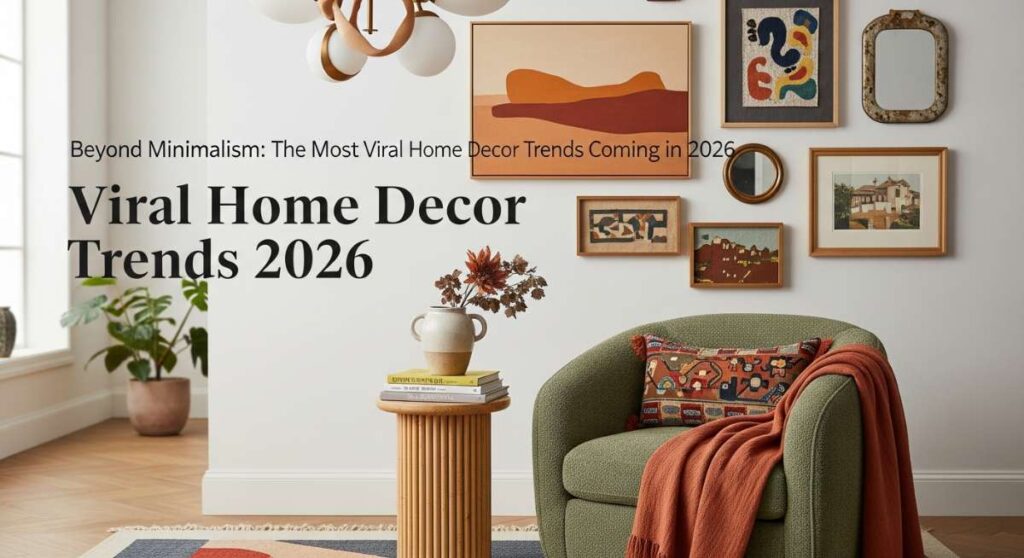
Beyond Minimalism: The Most Viral Home Decor Trends Coming in 2026
We’ve all spent years stripping our walls of color and our shelves of personality in the name of minimalism, but as we look toward 2026, something magical is happening. There is a collective exhale occurring in the design world—a shift away from the sterile and toward spaces that feel like a warm hug for the soul. We are no longer just ‘decorating’ our houses; we are curating sanctuaries that reflect our deepest values, our travels, and our need for sensory grounding in an increasingly digital world.
I remember the moment I realized my own home felt more like a showroom than a sanctuary. It was cold, quiet, and frankly, a bit boring. But the trends coming our way in 2026 are anything but. We’re seeing a return to rich textures, evocative scents, and layouts that prioritize mental well-being over aesthetic perfection. Whether you’re a maximalist at heart or still clinging to your white walls, these viral trends are about to redefine how you feel when you walk through your front door.
How to Design a Dreamy Goddess Bedroom for the Ultimate Night of Relaxation

Why we love this
There is an ethereal, almost otherworldly comfort to the Goddess Bedroom trend that makes slipping into bed feel like a sacred ritual. Imagine the scent of crushed dried rose petals and high-grade sandalwood drifting through the air as your feet sink into a plush, cream-colored faux-fur rug. The texture of heavy silk sheets against your skin provides a cooling yet weighted sensation that instantly signals to your nervous system that it is time to surrender. It is a space defined by soft curves, iridescent accents, and a glow that feels like permanent golden hour, turning every evening into a celestial experience.
Essential Elements:
- Low-profile platform bed with a curved velvet headboard
- 100% mulberry silk bedding in champagne or dusty rose
- Amethyst and clear quartz crystal clusters for the nightstand
- Floor-to-ceiling sheer linen curtains
- Warm-toned smart lighting (2700K color temperature)
- Dried pampas grass or eucalyptus bundles
How to make it
- Begin by establishing your ‘base layer’ with a high-quality silk or bamboo sheet set; ensure the threads are tight and smooth to provide that signature frictionless ‘cool’ feel.
- Introduce the ‘Goddess Glow’ by layering your lighting: place a warm-toned LED strip behind the headboard and two low-wattage amber lamps on side tables to eliminate harsh shadows.
- Curate a ‘sensory tray’ for your bedside, including a ceramic diffuser, a weighted silk eye mask, and a carafe of infused water; the visual cue of self-care items is essential for mental preparation.
- Hang your sheer curtains at least 6 inches above the window frame to create an illusion of height, allowing the fabric to ‘puddle’ slightly on the floor for a romantic, effortless look.
- Finish the space by misting a linen spray containing valerian and lavender over the pillows from a distance of 12 inches to ensure a subtle, non-overwhelming aromatic backdrop.
How to Master Zen Workspace Layouts for Maximum Creative Focus

Why we love this
Stepping into a Zen workspace feels like taking a deep, cleansing breath after a long day of noise. The air feels lighter, punctuated by the faint, earthy aroma of Hinoki wood and fresh green tea. The tactile experience of a smooth, matte bamboo desk surface under your palms provides a grounding contrast to the frantic clicking of a mouse. It’s a design philosophy that removes the ‘clutter of the mind’ by physically streamlining your surroundings, using soft natural light and organic shapes to encourage a state of deep, uninterrupted creative flow that feels both productive and peaceful.
Essential Elements:
- Solid wood desk with integrated cable management
- Ergonomic chair with breathable mesh and lumbar support
- A small desktop sand garden or ‘Karesansui’
- Natural clay or ceramic organizers
- Filtered natural light using rice paper window films
- Single-stem vases with seasonal greenery
How to make it
- Position your desk according to the ‘Command Position’—facing the door but not directly in line with it—to subconsciously reduce stress and increase feelings of security.
- Organize your tech by routing all cables through a hidden tray beneath the desk; the visual ‘doneness’ here is a completely clear line of sight under and around your workspace.
- Incorporate a ‘tactile focus’ point, such as a smooth river stone or a small sandbox, which you should place on your non-dominant hand side to ground yourself during high-stress calls.
- Adjust your monitor height so the top third of the screen is at eye level, ensuring your neck remains in a neutral ‘flow’ position that prevents physical fatigue over long sessions.
- Set a low-volume ‘white noise’ or water feature nearby; the sound should be barely audible, providing a sonic ‘cushion’ that masks distracting household noises.
How to Curate Scandi Living Spaces for a Warm Hygge Lifestyle

Why we love this
The 2026 evolution of Scandi style moves beyond the ‘white box’ and into a world of incredible warmth and ‘Hygge’ depth. It’s the feeling of a chunky wool knit blanket draped over your shoulders while a cedarwood candle crackles on a reclaimed oak coffee table. There is a palpable sense of history and craft in the air, with the smell of freshly baked cardamom buns often lingering nearby. The textures are raw and honest—unpolished wood, tumbled linen, and hand-potted ceramics—creating a living room that feels like a sanctuary from the frantic pace of modern life.
Essential Elements:
- Modular sofa in a neutral, textured weave like bouclé
- Hand-knotted wool rug with high pile for insulation
- Nested coffee tables in light oak or ash wood
- Dimmable floor lamps with pleated fabric shades
- Woven seagrass baskets for storage
- Assorted throw pillows in earthy tones (terracotta, sage, sand)
How to make it
- Layer your flooring by placing a smaller, high-pile wool rug over a larger jute base to create a ‘nest’ effect that provides both visual depth and acoustic dampening.
- Arrange your seating in a ‘conversation circle’ rather than pointing everything at a television; ensure the distance between seats is no more than 8 feet to facilitate intimacy.
- Apply the ‘Rule of Three’ when styling surfaces: combine one tall object (a lamp), one medium object (a vase), and one flat object (a book) to achieve a balanced, lived-in look.
- Use ‘warm-dim’ bulbs in all fixtures, which mimic the sunset by becoming more orange as they are dimmed, signaling your brain to produce melatonin.
- Integrate natural elements by placing a stack of firewood (even if decorative) or a bowl of smooth stones on a low shelf to bring the raw textures of the Nordic landscape indoors.
How to Build a Lush Biophilic Oasis for Refreshing Indoor Air

Why we love this
Walking into a biophilic oasis is like entering a secret rainforest hidden within the city. The air is noticeably cooler and crisper, filled with the oxygen-rich scent of damp soil and vibrant ferns. Your eyes are immediately treated to a fractal pattern of various greens—from the deep emerald of a Monstera leaf to the bright lime of a trailing Pothos. The feeling is one of total rejuvenation; it’s a living, breathing room that physically cleanses your environment while providing a visual feast of organic textures and shapes that lower cortisol levels instantly.
Essential Elements:
- Floor-to-ceiling plant shelving units
- Self-watering terracotta pots for moisture regulation
- A variety of air-purifying plants (Snake plants, Peace lilies, Dracaena)
- Humidifier with a minimalist aesthetic
- Natural rattan or wicker furniture
- Full-spectrum LED grow lights for darker corners
How to make it
- Assess the light levels in your room using a light meter app; group ‘high-light’ plants like Fiddle Leaf Figs near south-facing windows and ‘low-light’ ferns in the interior.
- Create ‘vertical interest’ by installing ceiling hooks for trailing vines; ensure the vines ‘drape’ at varying lengths to mimic the natural layers of a forest canopy.
- Install a smart humidifier to maintain a consistent 50-60% humidity level, which keeps both the plants’ leaves ‘crisp’ and your own skin hydrated.
- Top your soil with a layer of decorative pebbles or moss; this prevents moisture evaporation and gives the ‘finished’ look of a professional botanical garden.
- Rotate each plant 90 degrees every week to ensure even growth toward the light source, preventing ‘leaning’ and maintaining a symmetrical, lush silhouette.
How to Style a Moody Dark Academia Study for Timeless Sophistication

Why we love this
A Dark Academia study feels like stepping into a Victorian library at midnight. The air is thick with the comforting, nostalgic scent of old paper, leather bindings, and a hint of pipe tobacco or dark espresso. Running your fingers over the cool, dark-stained wood of a heavy desk or the rough texture of an oil-on-canvas painting provides a sense of permanence and intellectual weight. It is a space that celebrates the ‘aesthetic of the scholar,’ where shadows are embraced and every object tells a story of curiosity and timeless sophistication.
Essential Elements:
- Deep charcoal or forest green wall paint in a matte finish
- Floor-to-ceiling built-in bookshelves
- Leather wingback chair with brass nailhead trim
- Vintage brass banker’s lamp with a green glass shade
- Gilt-framed botanical or anatomical prints
- A heavy Persian-style rug in deep oxblood tones
How to make it
- Color drench the room by painting the walls, baseboards, and even the ceiling in the same dark, moody hue; this eliminates visual breaks and creates a ‘cocoon’ effect.
- Organize your library by spine color or size, but leave gaps for ‘curiosities’ like antique globes or brass magnifying glasses to avoid a rigid, commercial look.
- Introduce ‘accent lighting’ using picture lights above your main artworks; the glow should be focused on the art, leaving the rest of the room in a sophisticated ‘half-light.’
- Layer a vintage wool rug over dark hardwood floors; the rug should be large enough that all furniture legs rest on it, grounding the heavy desk in the center of the room.
- Incorporate a ‘writing station’ with a fountain pen and heavy-weight parchment; the tactile resistance of pen on paper is the ‘final touch’ for this scholarly sanctuary.
How to Achieve Minimalist Kitchen Perfection for a Calmer Morning Routine
Why we love this
The 2026 minimalist kitchen is a masterclass in silent luxury. The scent is always clean—perhaps a hint of lemon zest or fresh eucalyptus—and the surfaces are flawlessly smooth, cool-to-the-touch marble or matte quartz. There is a profound sense of calm that comes from ‘visual silence’; no cluttered counters, no tangled cords, just the sleek lines of hidden cabinetry and the gentle hum of high-end, integrated appliances. It transforms the act of making a morning coffee into a meditative experience, where every movement is intentional and every tool is exactly where it should be.
Essential Elements:
- Handle-less cabinetry with ‘push-to-open’ technology
- Integrated appliances hidden behind matching wood panels
- Waterfall edge island in a light-colored natural stone
- Concealed ‘appliance garage’ for toasters and blenders
- Sleek, matte black or brushed gold bridge faucet
- Under-cabinet LED strip lighting for task work
How to make it
- Execute a ‘total clear-out’ by moving everything off the countertops and into drawers; only a single high-quality object, like a sculptural fruit bowl, should remain visible.
- Install ‘soft-close’ hardware on all doors and drawers; the absence of banging sounds is a critical sensory component of the ‘minimalist’ psychological experience.
- Organize the ‘appliance garage’ with internal power outlets; this allows you to use the coffee maker and toaster without ever moving them onto the main counters.
- Choose a ‘monochromatic’ palette for your dishes and glassware—sticking to one color (like bone white) creates a unified look when the cabinets are opened.
- Wipe down all surfaces with a microfiber cloth and a pH-neutral stone cleaner to maintain that ‘high-gloss’ or ‘perfect-matte’ visual cue of absolute cleanliness.
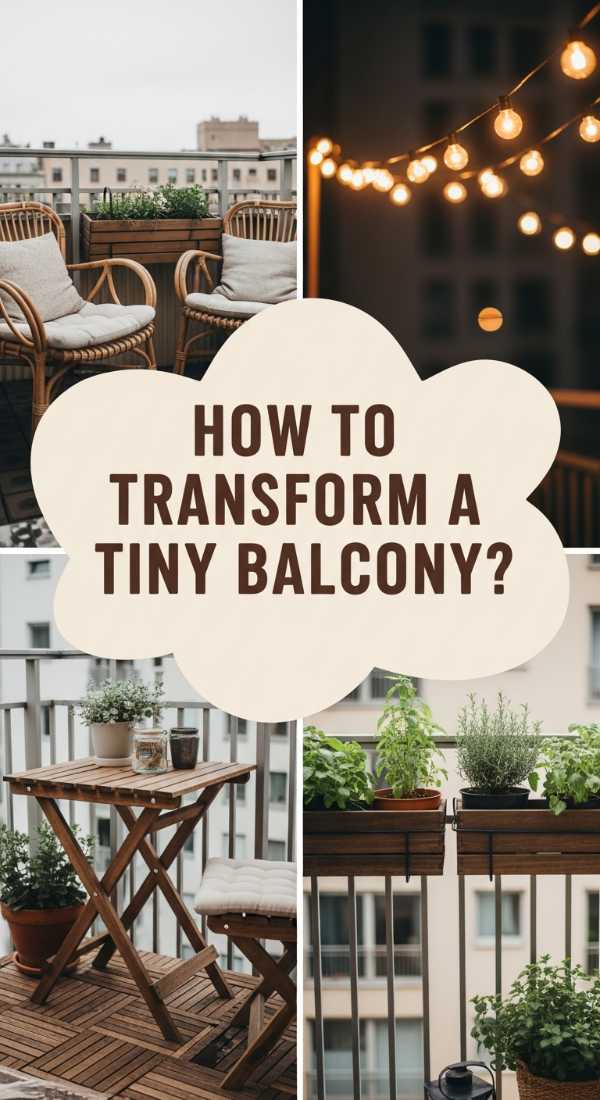
How to Transform a Tiny Balcony for Enchanting Evening Gatherings

Why we love this
Even the smallest balcony can become an enchanting ‘sky garden’ that feels miles away from the city below. As the sun sets, the space comes alive with the twinkle of warm fairy lights reflected in the glass of a wine bottle. The air is filled with the scent of potted jasmine and rosemary, creating a private Mediterranean escape. The feel of outdoor-grade velvet cushions and the slight breeze against your skin make this the perfect spot for intimate whispers and long-form storytelling under the stars.
Essential Elements:
- Weather-resistant bistro set or a custom corner banquette
- String lights with Edison-style bulbs
- Outdoor rugs in a geometric or boho pattern
- Vertical wall planters for herbs and succulents
- Portable outdoor heater or a tabletop fire pit
- Privacy screens made of bamboo or trellis with ivy
How to make it
- Maximize floor space by using ‘over-the-rail’ planters and folding furniture that can be tucked away when not in use, ensuring a clear ‘walking path.’
- Create a ‘lighting canopy’ by zigzagging string lights across the ceiling of the balcony; use zip ties to secure them firmly to the structure for a ‘professional’ finish.
- Incorporate ‘vertical greenery’ on the back wall to act as a natural sound barrier, muffling the street noise and enhancing the feeling of a private ‘cocoon.’
- Add a ‘texture layer’ with all-weather throw blankets and pillows; the fabric should be heavy enough to withstand wind but soft enough for bare skin.
- Place a small tabletop ‘bio-ethanol’ fire pit in the center of the table; the flickering flame provides a visual ‘heart’ to the space and a subtle, cozy warmth.
How to Craft a Japandi Entryway for a Peaceful Welcome Home

Why we love this
The Japandi entryway is the ultimate transition zone—a place where the stress of the outside world simply falls away. It combines the rustic warmth of Scandinavian ‘Hygge’ with the clean, functional minimalism of Japanese design. You’re greeted by the scent of cedar and the sight of perfectly balanced asymmetry. The feel of a smooth wooden bench as you sit to remove your shoes, and the visual order of a few carefully placed objects, creates an immediate ‘reset’ for your brain, welcoming you back to your truest self.
Essential Elements:
- Low wooden bench in light oak or walnut
- A single, large-scale piece of abstract art or a round mirror
- A ceramic tray for keys and small items (the ‘catch-all’)
- Woven baskets for shoe storage beneath the bench
- A tall floor vase with a single architectural branch
- Neutral, warm-toned wall paint (like ‘Oatmeal’ or ‘Soft Clay’)
How to make it
- Select a ‘hero’ piece—either a bench or a console table—and ensure it has clean, ‘tapered’ legs to maintain an airy, open feeling in the hallway.
- Style the ‘catch-all’ tray by placing it slightly off-center on the bench; this ‘wabi-sabi’ approach to asymmetry is key to the Japandi aesthetic.
- Install a large round mirror at eye level; this bounces light into the rest of the house and provides a ‘visual expansion’ of the entryway space.
- Keep the floor ‘breathable’ by storing shoes inside closed woven baskets; the ‘visual cue’ here should be a completely clear floor surface.
- Place a single dried branch (like Magnolia or Quince) in a heavy stone vase; the height of the branch should reach about 2/3 of the way up the wall for perfect scale.
How to Create a Coastal Spa Bathroom for Daily Serenity
Why we love this
A coastal spa bathroom feels like a private villa overlooking the Mediterranean. The air is salty and fresh, reminiscent of sea breezes and high-end eucalyptus oils. The tactile sensation of plush, oversized Turkish cotton towels and a teak shower mat underfoot creates a luxurious, ‘resort’ experience in your own home. With soft blues, sandy beiges, and the glimmer of brushed nickel, it is a space designed for long, steaming baths that wash away the day’s fatigue and leave you feeling balanced and restored.
Essential Elements:
- Freestanding soaking tub with a bamboo caddy
- Rainfall showerhead with high-pressure settings
- Teak wood floor mats and stools
- Hanging eucalyptus bundles for the shower
- Pebble-tile flooring for a natural foot massage
- Large, fluffy white towels and waffle-knit robes
How to make it
- Switch your showerhead to a ‘rainfall’ model; ensure the water temperature is calibrated to a ‘perfect’ 100°F to relax muscles without drying out the skin.
- Hang a fresh bundle of eucalyptus from the shower arm; the steam will release the essential oils, creating a natural decongestant and aromatherapeutic ‘cloud.’
- Replace your fabric bath mat with a teak wood slat mat; the wood is naturally antimicrobial and provides a ‘spa-like’ drainage experience that feels premium.
- Organize your bath products into matching amber glass bottles with waterproof labels; removing ‘visual noise’ from brand packaging is essential for the spa ‘reset.’
- Place a small waterproof bluetooth speaker in a corner; play ‘ocean waves’ or ‘soft piano’ during your routine to complete the multi-sensory immersion.
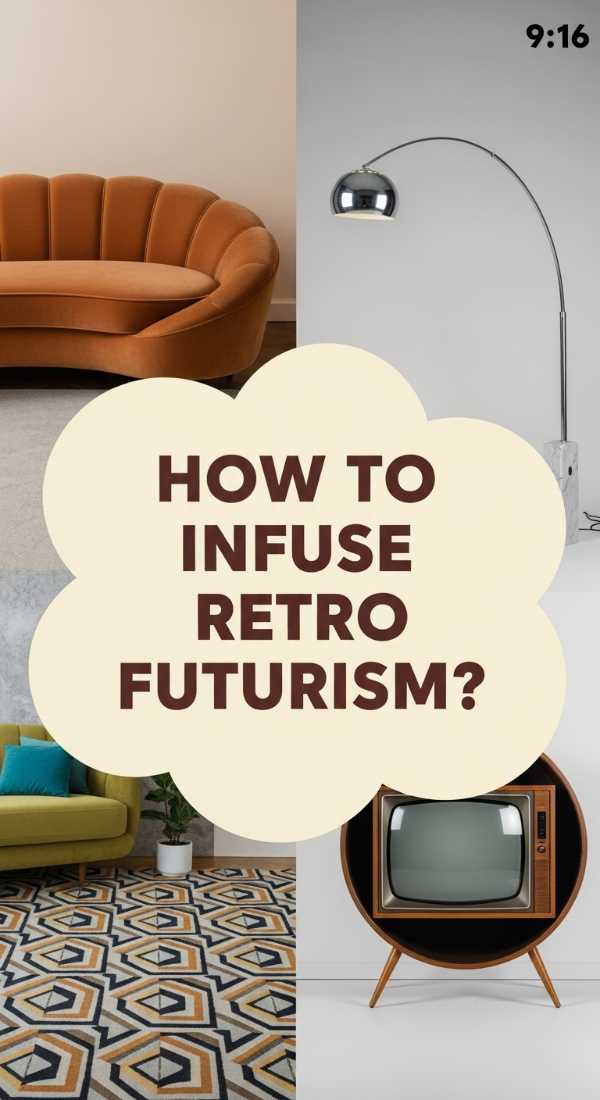
How to Infuse Retro Futurism for a Boldly Stylish Living Area
[IMAGE_10]
Why we love this
Retro Futurism is where the nostalgia of the 1960s ‘Space Age’ meets the sleek technology of tomorrow. It’s a bold, high-energy style that feels like a scene from a stylish sci-fi film. The textures are a mix of high-gloss chrome, smooth molded plastics, and soft neon-lit surfaces. The air feels electric and creative, often accompanied by the ‘warm’ sound of a vinyl record spinning nearby. It’s a design choice for the brave—a room that celebrates progress, imagination, and the joy of ‘what might be’ while keeping one foot in the iconic silhouettes of the past.
Essential Elements:
- Curved, ‘Space Age’ lounge chairs (like the Tulip or Egg chair)
- Chrome floor lamps with large spherical shades
- Neon light art or color-changing LED backlighting
- Acrylic coffee tables and side chairs
- High-gloss white surfaces contrasted with bold ‘pops’ of orange or blue
- A retro-style record player with modern speakers
How to make it
- Select one ‘statement’ piece of furniture with a rounded, aerodynamic shape—this will be the ‘anchor’ of the room’s futuristic vibe.
- Install smart LED strips along the baseboards or behind the TV; set them to a ‘cool’ blue or vibrant purple to create that ‘cyberpunk’ glow.
- Incorporate ‘mirrored’ surfaces, such as a chrome lamp or a silver-tinted vase, to reflect the colored light and create a sense of infinite, ‘space-like’ depth.
- Use ‘invisible’ acrylic shelving for your books or records; the ‘floating’ effect emphasizes the futuristic, gravity-defying theme of the room.
- Contrast the ‘hard’ plastics and metals with a single, high-shag rug; the ‘visual cue’ here is the clash between high-tech materials and cozy, retro comforts.
Embracing the Home of the Future
As we move toward 2026, it’s clear that our homes are becoming much more than places to sleep—they are becoming extensions of our internal landscapes. Whether you find peace in the hushed tones of a Japandi entryway or excitement in the neon glow of Retro Futurism, the goal remains the same: to create a space that makes you feel more like *you*. Don’t be afraid to mix these trends, experiment with sensory elements, and most importantly, listen to what your own soul needs from its sanctuary.