
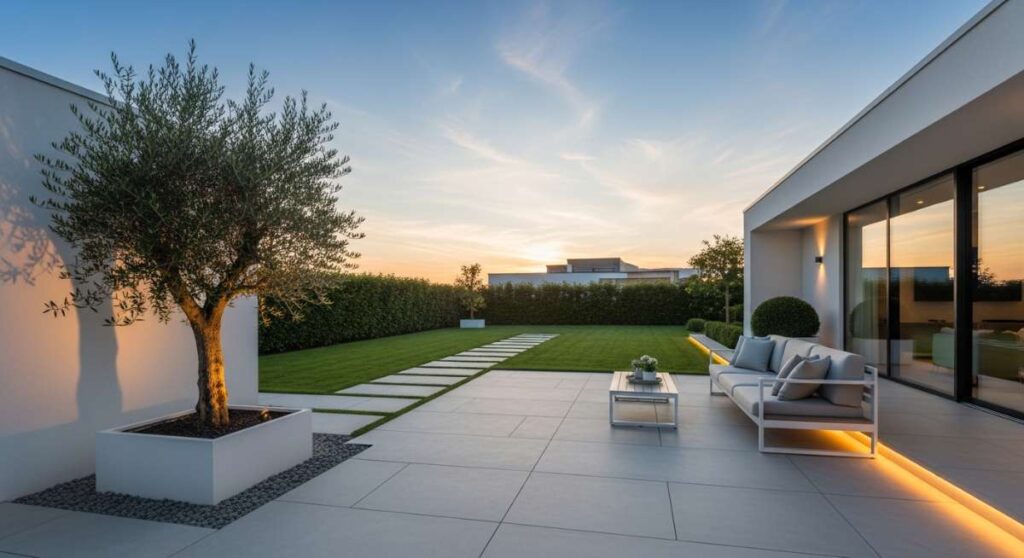
Beyond Basic: Master the Secret to a Sophisticated Sanctuary
Have you ever walked into a room and felt an immediate sense of ‘ahhh’? It’s that magical moment where the lighting is just right, the textures feel like a warm hug, and everything seems to have a purpose. For the longest time, I thought a sophisticated home was reserved for those with a massive budget and a personal designer on speed dial. But here is the truth: a sanctuary isn’t about how much you spend; it’s about the intention you pour into every corner.
Creating an elevated living space is a journey of self-expression. It’s about curating a home that reflects your highest self—a place where you can recharge from the chaos of the world and feel truly grounded. Whether you are working with a cozy apartment or a sprawling house, the secrets to a sophisticated lifestyle are within your reach. Let’s dive into how we can transform your current space into the sanctuary of your dreams, one intentional layer at a time.
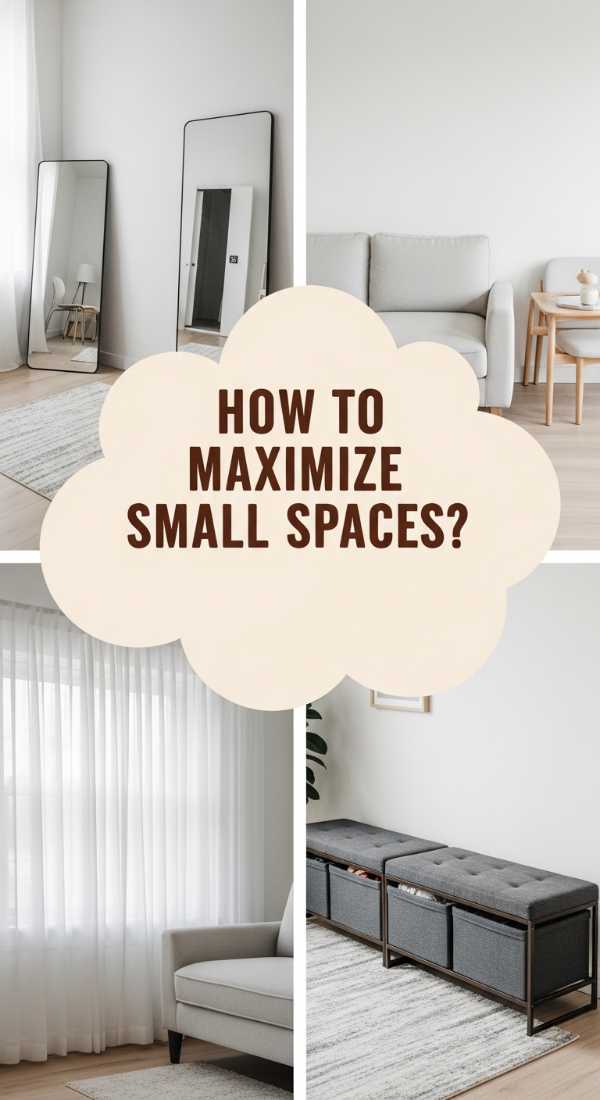
How to Maximize Small Spaces for Ultimate Freedom
Why we love this
There is something incredibly liberating about a small space that functions with the precision of a Swiss watch. We love this approach because it forces us to edit our lives down to the essentials, creating a home that feels airy and light rather than cramped and chaotic. Imagine the scent of fresh lemon zest lingering in a room where every surface is clear, the sight of sunlight bouncing off strategically placed mirrors, and the feeling of total mental clarity that comes from a lack of visual clutter. It’s not about living small; it’s about living big within a focused footprint.
Essential Elements:
- Multi-functional furniture (like ottomans with storage)
- A cohesive, light color palette
- Strategic mirror placement to reflect light
- Transparent materials like acrylic or glass
- High-leg furniture to show more floor space
How to make it
- Begin by auditing your current floor plan; look for ‘dead zones’ where furniture is blocking natural pathways and move pieces to create a clear ‘S’ curve of movement through the room.
- Select a dominant neutral shade for your walls and large furniture pieces; use a flat or eggshell finish to diffuse light softly without harsh glare.
- Incorporate ‘visual transparency’ by swapping a heavy wooden coffee table for a glass or acrylic version, which allows the eye to travel through the object, making the floor area feel larger.
- Install mirrors opposite your primary light source; the ‘visual cue for doneness’ is when the room feels twice as bright during peak daylight hours without adding extra lamps.
- Elevate your furniture by choosing pieces with slim legs rather than blocky bases; this creates a sense of ‘lift’ and allows air to circulate, which is the professional tip for preventing a ‘sunken’ feel in small rooms.
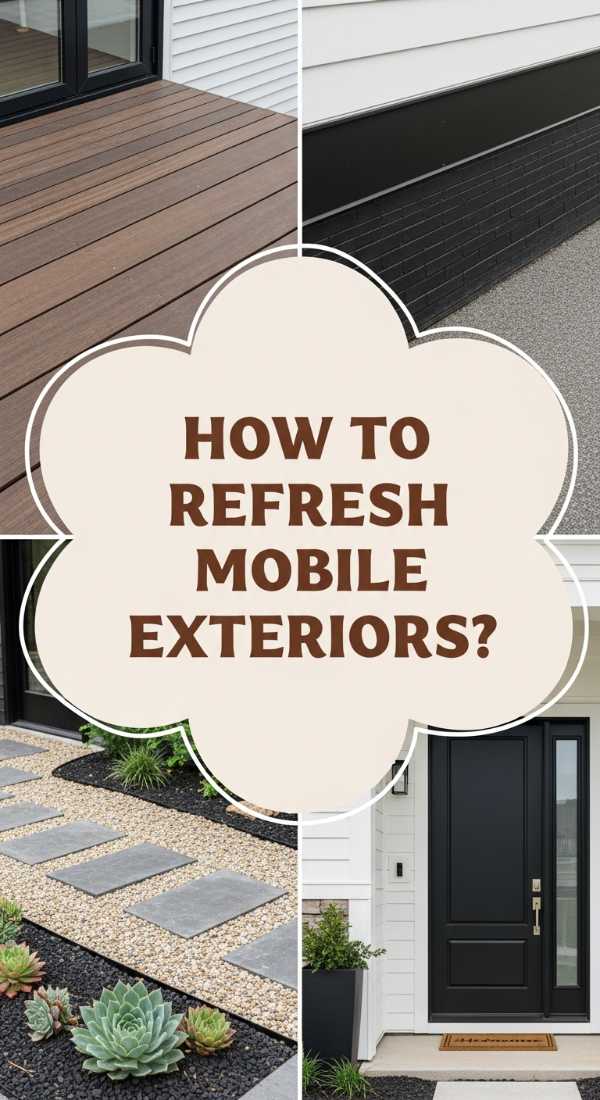
How to Modernize Singlewide Exteriors for Curb Appeal Magic
Why we love this
Modernizing a singlewide exterior is like giving a classic story a brand-new cover; it changes the entire narrative of how you feel when you pull into your driveway. We love the crisp, clean lines of a modern facade paired with the organic warmth of cedar accents or matte black hardware. The aroma of freshly turned mulch and the sight of architectural lighting casting soft shadows against a sleek new paint job create an immediate sense of pride. It’s about taking a humble structure and elevating it into a contemporary masterpiece that feels expensive and intentionally designed.
Essential Elements:
- Matte black or brass exterior hardware
- Horizontal wood slat accents
- Modern, oversized house numbers
- Updated skirting materials (like stone or faux-concrete)
- A bold, sophisticated front door color
How to make it
- Start with a thorough pressure wash of the entire exterior; remove all oxidation and chalking from the siding to ensure your new ‘prime’ layer adheres perfectly.
- Apply a high-quality exterior bonding primer followed by two coats of a modern hue like charcoal grey or ‘greige’; use a low-pressure sprayer for an even, factory-like finish without brush marks.
- Install horizontal cedar slats over sections of the siding or around the porch area; this adds a ‘texture level’ that breaks up the long vertical lines of the home.
- Replace standard vinyl skirting with a textured alternative like faux-stone panels; ensure they are buried 2 inches into the ground for a ‘visual cue’ of a permanent foundation.
- Update the lighting to LED sconces with a 3000K temperature; the goal is a warm, inviting glow that highlights the home’s new textures without looking like a security floodlight.
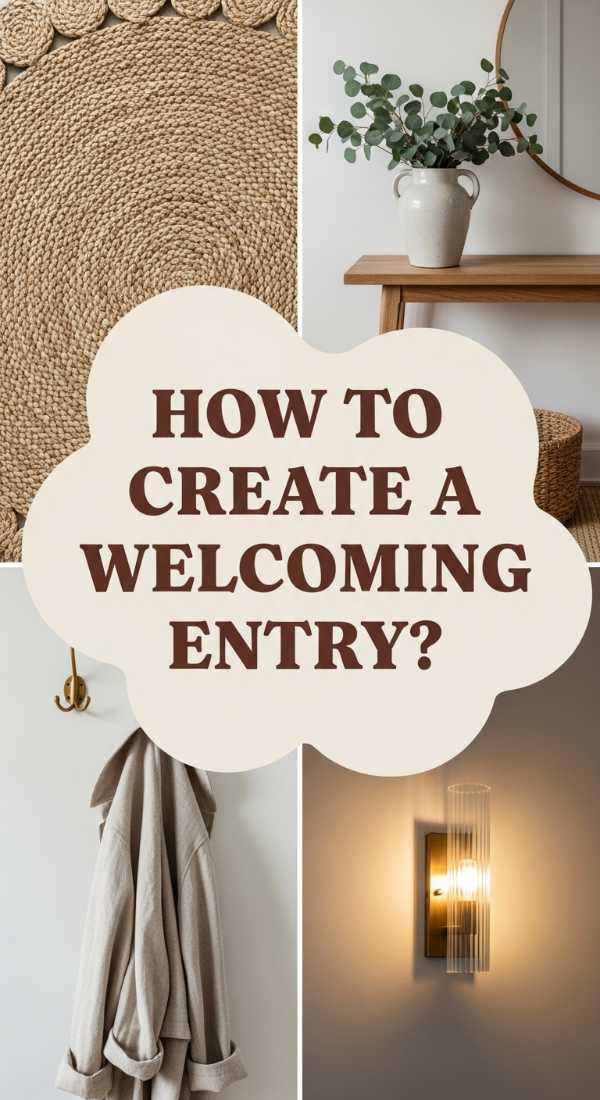
How to Curate Entryway Essentials for a Warm Welcome
Why we love this
The entryway is the handshake of your home—it sets the tone for everything that follows. We love a curated entry because it provides a transition zone that signals your brain to leave the stress of the day at the door. Imagine the soothing scent of a sandalwood candle greeting you, the tactile satisfying ‘click’ of keys landing in a marble bowl, and the visual peace of a neatly organized console table. A well-designed entryway doesn’t just look good; it functions as a functional ritual space that prepares you for the comfort of your sanctuary.
Essential Elements:
- A narrow console table or floating shelf
- A catch-all tray or decorative bowl
- A high-quality rug or runner
- Statement lighting or a table lamp
- A mirror for last-minute checks
How to make it
- Define the ‘drop zone’ by placing a runner rug that is at least 2 feet shorter than the total length of the hallway to create a framed effect.
- Mount a mirror at eye level above your console; the ‘doneness’ cue here is when you can see your full face and shoulders without tilting your head.
- Layer your console by placing a tall lamp on one side and a stack of books or a vase on the other to create ‘visual weight’ and balance.
- Designate a specific vessel for keys and mail; choose a heavy material like brass or stone so it doesn’t slide around when you drop items into it.
- Incorporate a ‘sensory finish’ by adding a diffuser or candle; time your scent to peak right before you usually arrive home for maximum emotional impact.
How to Design Multi-Functional Zones for Productive Living
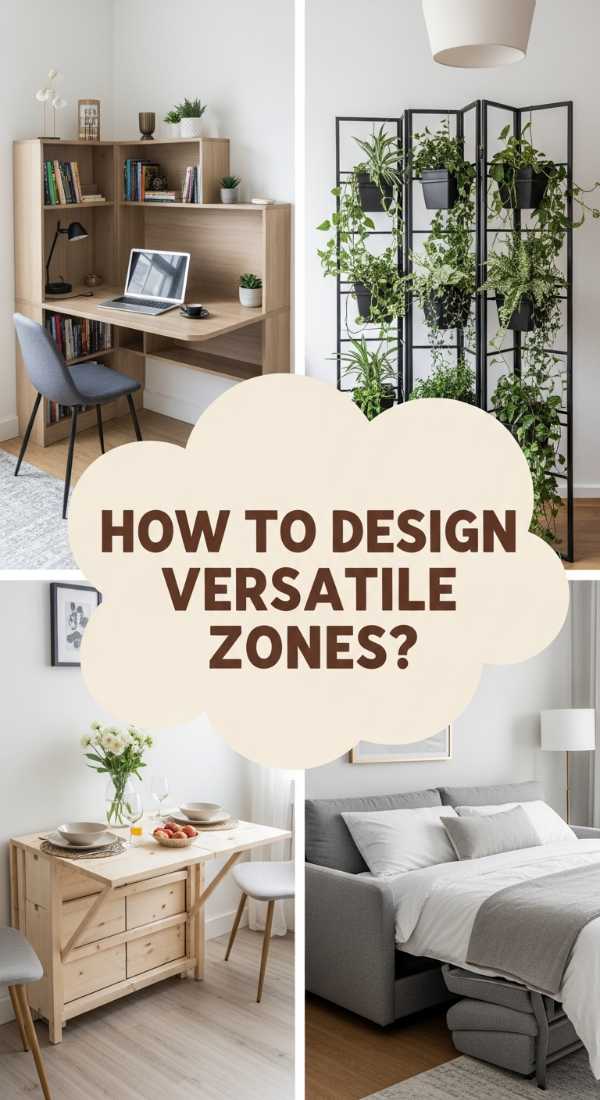
Why we love this
In the modern world, our homes are offices, gyms, and theaters all at once, and we love the cleverness of a room that can shift its identity. There is a deep satisfaction in a living area that feels like a cozy lounge by night but transforms into a high-octane workspace by day with just a few subtle shifts. The feeling of smooth wood under your hands as you unfold a desk, the sight of hidden storage tucked away, and the focused energy of a zone that is ‘just right’ for the task at hand creates a seamless lifestyle where productivity and relaxation coexist beautifully.
Essential Elements:
- Zoned lighting (task vs. ambient)
- Rugs to define specific areas
- Convertible furniture (drop-leaf tables)
- Privacy screens or tall plants as dividers
- Consistent color palette across zones
How to make it
- Map out your ‘activity clusters’ and use area rugs to ‘anchor’ each zone; the rug should be large enough that all furniture legs in that zone sit comfortably on the fabric.
- Install dimmable lighting for each zone; use cool-white light (5000K) for work areas and warm-amber light (2700K) for relaxation areas to signal your brain which mode to be in.
- Utilize vertical dividers like an open-shelf bookcase to separate a desk from a sofa; this creates a ‘visual wall’ that provides privacy without blocking the flow of light.
- Choose a ‘transformer’ piece of furniture, like a coffee table that lifts to desk height; the professional tip is to ensure the mechanism is hydraulic for a smooth, silent transition.
- Harmonize the zones using a ‘bridge color’—a specific accent shade that appears in the pillows of the lounge area and the accessories of the workspace—to ensure the room feels like one cohesive story.
How to Implement Vertical Storage for Clutter-Free Peace
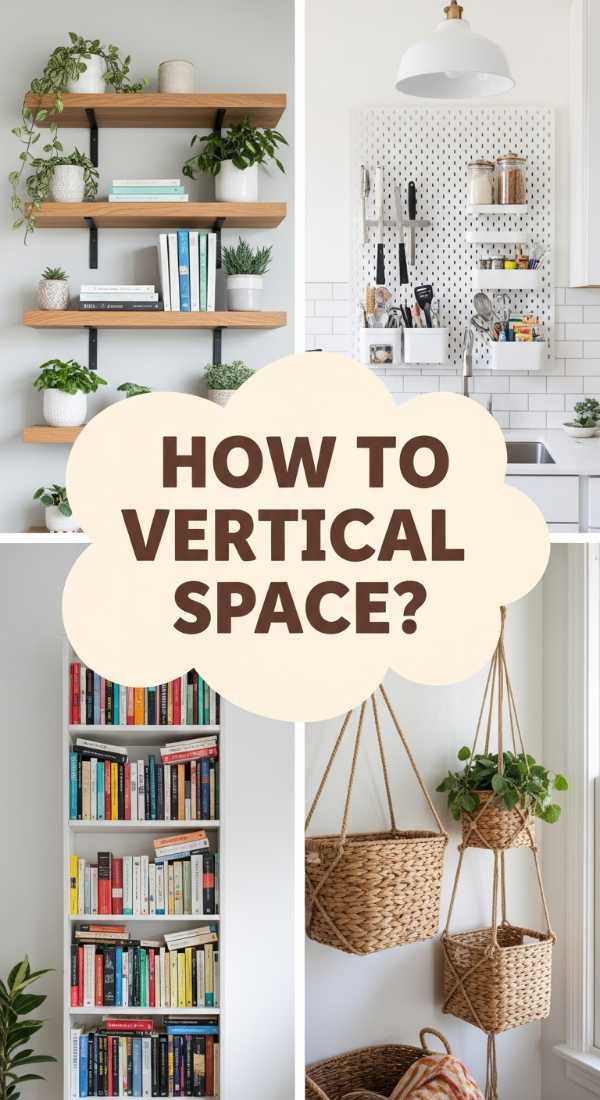
Why we love this
Vertical storage is the secret weapon of sophisticated living because it draws the eye upward, making ceilings feel higher and floors feel infinitely cleaner. We love the rhythmic visual of books lined up on a floor-to-ceiling shelf and the tactile quality of woven baskets hiding away the ‘mess’ of daily life. There is a specific kind of peace that comes from knowing every item has a home that isn’t taking up your valuable walking space. It’s like a deep, cleansing breath for your home’s architecture, allowing the room to feel expansive and organized simultaneously.
Essential Elements:
- Floating shelves
- Floor-to-ceiling bookcases
- Wall-mounted hooks and racks
- Uniform storage bins or baskets
- Over-the-door organizational systems
How to make it
- Identify ‘air space’ above your furniture, such as the area above a sofa or a doorway, and install floating shelves that match your wall color for a ‘built-in’ look.
- Arrange items on shelves using the ’60-30-10′ rule: 60% books/functional items, 30% decorative objects, and 10% empty space to let the eye rest.
- Install wall-mounted racks in the kitchen or entryway; the ‘visual cue’ for success is when you can see the majority of your floor trim again.
- Use uniform containers (like all white or all wicker) to hide visual noise; the repetition of texture creates a ‘calming rhythm’ that professional organizers swear by.
- Secure all tall units to the wall studs using L-brackets; the ‘doneness’ check is a firm shake test to ensure the sanctuary feels safe and permanent.
How to Style Narrow Living Rooms for Social Connection
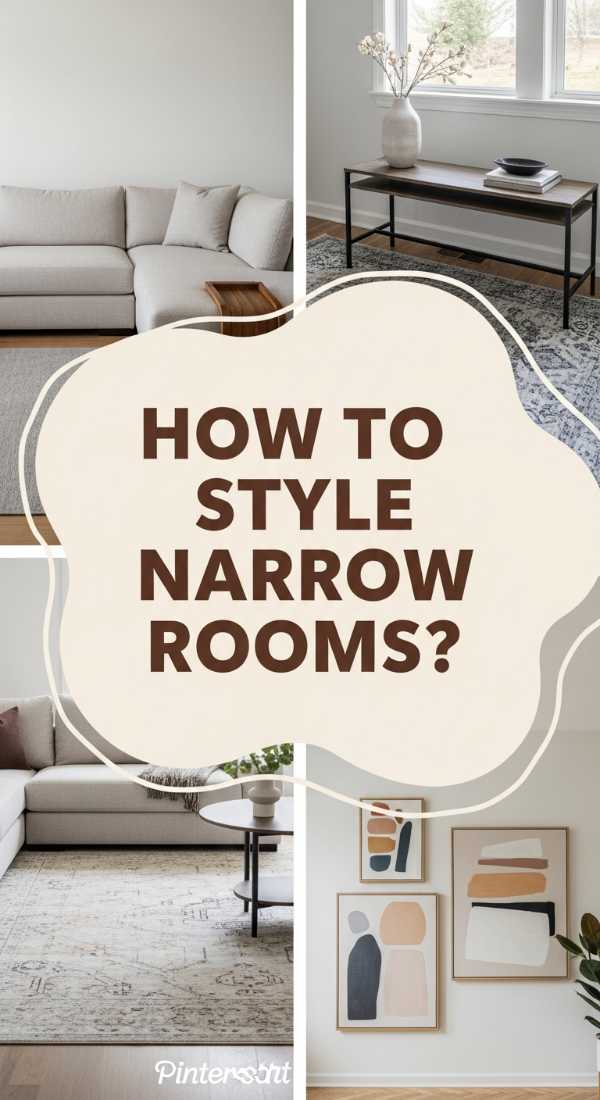
Why we love this
Narrow rooms are often seen as a challenge, but we love them for their inherent intimacy and the ‘cocktail lounge’ vibe they can project when styled correctly. It’s about creating a space where the conversation flows as easily as the wine, with seating that encourages people to lean in and connect. Imagine the softness of a velvet sofa, the low hum of jazz in the background, and the warmth of layered lighting that makes everyone look like they’re in a movie. A well-styled narrow room feels intentional and high-end, turning a ‘hallway’ feel into a sophisticated retreat.
Essential Elements:
- Low-profile, long sofas
- Two armchairs instead of a second sofa
- Round coffee tables to break up linear lines
- Wall-mounted TV or art
- Strategic ‘pathway’ clearance
How to make it
- Place your largest piece of furniture (the sofa) against the longest wall, but pull it 2 inches away from the wall to create ‘breathing room’ and avoid a ‘crammed’ look.
- Use two swivel chairs opposite the sofa; this allows guests to turn toward the conversation or away toward a view, providing ‘social flexibility.’
- Incorporate a round coffee table; the lack of sharp corners ‘softens’ the rectangular nature of the room and improves the ‘flow’ of traffic.
- Keep the center of the room clear by using wall-mounted lighting (sconces) instead of floor lamps that take up precious square footage.
- The ‘visual cue for doneness’ is being able to walk from one end of the room to the other in a straight line without having to turn your body sideways.
How to Enhance Porch Living for Outdoor Relaxation

Why we love this
A porch is more than just a deck; it’s an outdoor living room that connects you to the rhythms of nature. We love this enhancement because it extends your sanctuary into the fresh air, offering a place for morning coffees and twilight reflections. The aroma of jasmine or cedar, the soft rustle of outdoor curtains in the breeze, and the plush feeling of all-weather rugs underfoot transform a basic porch into a five-star resort experience. It’s about creating a ‘slow living’ zone where time seems to bend and the stresses of the digital world simply melt away.
Essential Elements:
- Weather-resistant outdoor rugs
- Sheer outdoor curtains for privacy
- Comfortable seating with high-density foam
- Potted plants of varying heights
- Ambient string lighting or lanterns
How to make it
- Clean the porch surface thoroughly and apply a slip-resistant outdoor rug to define the ‘living area’ and provide a soft ‘indoor’ feel underfoot.
- Hang sheer white outdoor curtains on a tension rod or heavy-duty wire; this creates a ‘visual barrier’ from neighbors and softens the afternoon sun.
- Arrange seating in a ‘U-shape’ to encourage conversation; ensure cushions are treated with a UV-protectant spray to prevent fading and maintain ‘visual freshness.’
- Layer your lighting by hanging Edison-style string lights and placing solar lanterns on the floor; the goal is a low-level ‘firelight glow’ rather than overhead brightness.
- Add ‘life’ with a variety of potted plants; use the ‘thriller, filler, spiller’ method (one tall plant, one mounded plant, and one cascading plant) for a professional garden look.
How to Choose Soft Textures for the Ultimate Home Retreat

Why we love this
Texture is the ‘secret sauce’ of interior design that speaks directly to our sense of comfort. We love the layering of soft textures because it adds a ‘dimensional warmth’ that you can feel before you even touch it. Imagine sinking into a cloud-like bouclé chair, the weight of a chunky knit throw over your lap, and the subtle shimmer of a silk-blend rug. These elements create a sensory-rich environment that feels ‘expensive’ because it prioritizes the human experience of touch and softness. It is the ultimate antidote to the cold, hard surfaces of modern life.
Essential Elements:
- Natural fibers (wool, linen, silk)
- Textured fabrics (bouclé, velvet, chenille)
- Layered rugs (jute topped with faux-hide)
- Varied pillow sizes and fills (feather vs. poly)
- Weighted blankets for comfort
How to make it
- Select a ‘base texture’ for your large furniture, like a durable linen, then layer ‘contrast textures’ like a velvet pillow or a faux-fur throw on top.
- Mix the ‘scales’ of your weaves; pair a large, chunky knit blanket with a fine-weave cotton pillow to create ‘visual interest’ without clashing.
- Incorporate natural elements like a jute rug under a softer wool rug; the ‘visual cue’ for doneness is when the floor looks layered and substantial.
- Replace standard pillow inserts with down or high-quality feather-fill; the ‘karate chop’ test (where the pillow holds a dent in the top) is the professional sign of a high-end look.
- Finish the room with ‘soft edges’—curtains that pool slightly on the floor (about 1/2 inch) to create a sense of luxurious abundance.
How to Brighten Dim Corners for a Cheerful Vibe
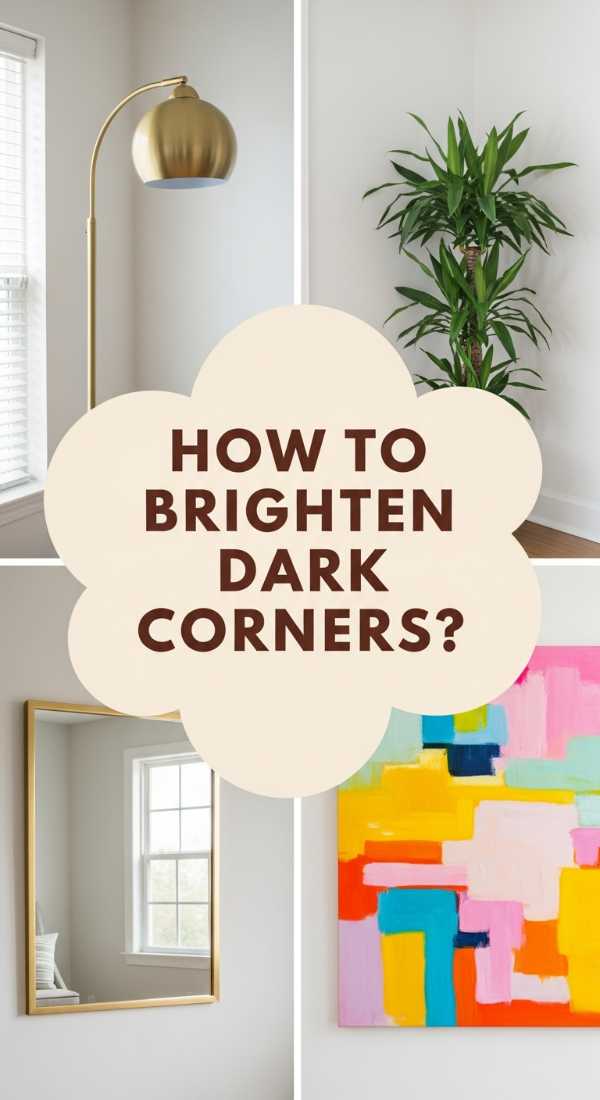
Why we love this
A dim corner is a missed opportunity for beauty, and we love the transformation of a ‘shadowy spot’ into a glowing focal point. Brightening these areas changes the entire energy of a room, moving it from ‘heavy’ to ‘hopeful.’ The sight of a vibrant green plant illuminated by a soft uplight, the sparkle of glass accessories, and the ‘open’ feeling of a corner that now feels part of the room’s story is incredibly satisfying. It’s like adding a sunbeam to your floor plan, ensuring that every inch of your sanctuary feels alive and welcoming.
Essential Elements:
- Floor lamps with arc designs
- Small LED ‘puck’ lights or uplights
- Reflective decor (metallic vases, mirrors)
- Light-colored accent furniture
- Variegated plants (which reflect more light)
How to make it
- Identify the ‘darkest depth’ of the room and place a floor lamp with a warm-toned bulb there; an arc lamp is best as it reaches ‘into’ the space rather than just standing in the corner.
- Tuck a small LED uplight behind a large floor plant; the light will cast ‘organic shadows’ of the leaves onto the ceiling, adding height and drama.
- Paint the inside of a dark bookshelf or alcove a shade lighter than the walls; this ‘pops’ the corner and makes items displayed there more visible.
- Place a metallic or glass object in the line of the light; the ‘visual cue’ is a subtle ‘glint’ that draws the eye across the room.
- Avoid ‘heavy’ corner furniture; swap a dark wood cabinet for a light oak or white pedestal to ‘lift’ the visual weight of the corner.
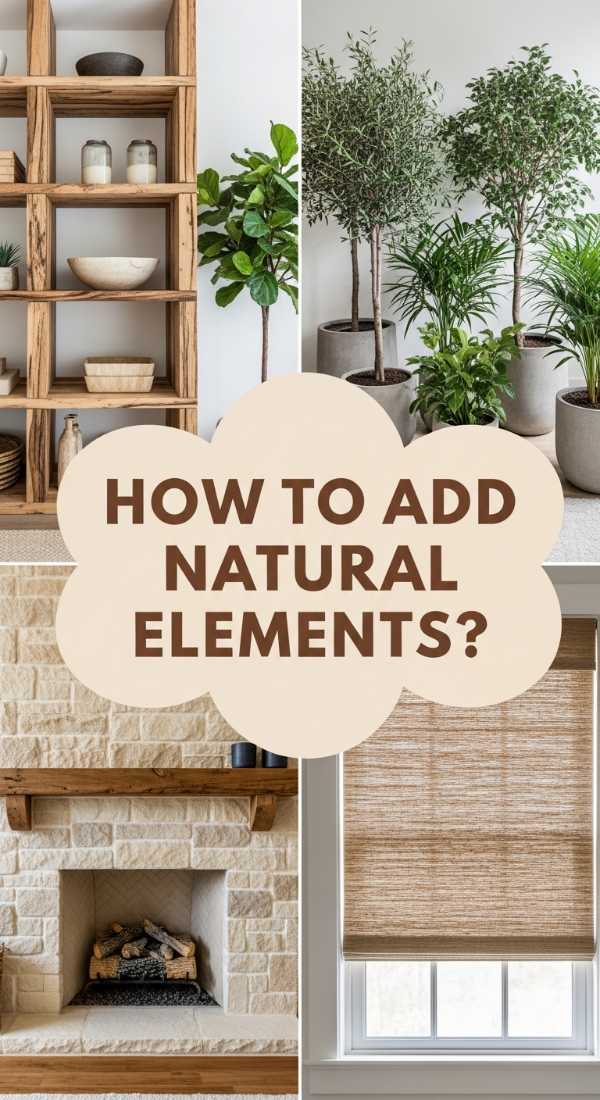
How to Incorporate Natural Elements for Grounded Living
Why we love this
Bringing the outdoors in is the ultimate way to ground your home’s energy. We love natural elements because they connect us to the earth, providing a ‘timeless sophistication’ that never goes out of style. The earthy aroma of a cedarwood tray, the cool touch of a marble countertop, and the vibrant, oxygen-rich sight of a well-tended monstera leaf create an environment that feels ‘living.’ It’s about creating a sanctuary that breathes with you, using materials that age gracefully and tell a story of natural beauty and organic simplicity.
Essential Elements:
- Live indoor plants (Snake plants, Fiddle leaf figs)
- Natural wood accents (driftwood, walnut)
- Stone textures (marble, slate, river rock)
- Woven materials (rattan, seagrass)
- Organic shapes in furniture and decor
How to make it
- Introduce ‘living breath’ by placing a large-scale plant in a corner; ensure the pot is made of a natural material like terracotta or ceramic for a ‘grounded’ feel.
- Swap out plastic or synthetic trays for ‘raw’ materials like a live-edge wood board or a marble slab; the ‘visual cue’ for success is when the material feels ‘heavy’ and authentic.
- Incorporate ‘found objects’ from nature, like a piece of interesting driftwood or a bowl of smooth river stones, as coffee table decor.
- Use natural window treatments like bamboo shades or linen curtains; these allow ‘filtered light’ to enter, mimicking the feeling of a forest canopy.
- The ‘professional finish’ is to ensure a balance of elements (wood, stone, water/glass, and greenery) in every room; once you have one of each, the room will feel perfectly ‘centered.’
The Path to Your Sophisticated Sanctuary
Transforming your home into a sophisticated sanctuary isn’t about a single grand gesture; it’s a collection of small, intentional choices that honor how you want to feel every day. From the way you light a dim corner to the textures you choose for your sofa, every detail is a brushstroke in the masterpiece of your life. Start small, trust your instincts, and remember that the most sophisticated home is one that truly feels like you.
Frequently Asked Questions
How can I make my home look expensive on a tight budget?
Focus on ‘high-impact’ changes like updating hardware, decluttering surfaces, and using a consistent, light color palette. Thrifting natural materials like wood and stone and adding plenty of greenery can also create a high-end look for very little cost.
What is the most important element of a ‘sophisticated’ room?
Lighting is the number one factor. Moving away from harsh overhead lights and using layered lamps with warm bulbs (2700K-3000K) instantly elevates the mood and perceived quality of any space.
How do I choose the right textures for my living room?
Always aim for a mix of ‘hard’ and ‘soft.’ If you have a leather sofa (hard/smooth), pair it with a chunky knit throw (soft/textured) and a jute rug (rough/organic) to create a balanced, professional look.