

There is something deeply grounding about a kitchen filled with the scent of simmering soy sauce and toasted sesame. Whenever I feel overwhelmed by the chaos of a busy week, I find myself gravitating toward the pantry, reaching for those humble staples that promise comfort. A food board isn’t just about fancy cheeses and expensive charcuterie; it is about the joy of gathering, the textures of home-cooked favorites, and the magic of transforming simple ingredients into a visual masterpiece that looks like it stepped right off a viral social media feed.
Creating a Japanese-inspired snack board using pantry staples is my favorite way to entertain without the stress. It’s a tactile, communal experience where every dip, crunch, and savory bite tells a story of warmth and hospitality. Whether you are hosting a cozy movie night or just want to elevate a Tuesday dinner, these elements come together to create a stunning spread that is as delicious as it is Instagram-worthy. Let’s dive into how to craft these viral favorites from scratch.
How to make rich ramen broth?
Why we love this
This broth is the soulful heart of any Japanese-inspired spread, offering a deep, complex umami that feels like a warm hug in a bowl. As it simmers, the kitchen fills with the savory aroma of ginger, garlic, and toasted sesame oil, promising a rich mouthfeel that coats the palate perfectly. The velvety texture of the liquid, combined with the salty depth of miso or soy, creates a sensory experience that is both comforting and sophisticated, making it the ultimate base for a customizable noodle station on your board.
Ingredients
- 2 tablespoons sesame oil
- 4 cloves garlic, minced
- 1 tablespoon fresh ginger, grated
- 4 cups vegetable or chicken stock
- 2 tablespoons soy sauce
- 1 tablespoon miso paste
- 1 teaspoon sugar
- Dried shiitake mushrooms (optional for depth)
- Green onions for garnish
How to make it
- Begin by heating the sesame oil in a large heavy-bottomed pot over medium heat until it shimmers, ensuring the oil is hot enough to bloom the aromatics without burning them.
- Add the minced garlic and grated ginger to the pot, sautéing for about 1-2 minutes until they become intensely fragrant and slightly golden; maintain a watchful eye to prevent the garlic from turning bitter.
- Slowly pour in the stock of your choice, stirring constantly to incorporate the aromatic oil into the liquid base.
- Whisk in the soy sauce, miso paste, and sugar, ensuring the miso is completely dissolved into the broth to prevent any salty clumps from forming.
- If using dried shiitake mushrooms, add them now and bring the mixture to a gentle boil, then immediately reduce the heat to low.
- Simmer the broth uncovered for at least 20-30 minutes, allowing the flavors to concentrate and the liquid to develop a rich, opaque consistency that signifies a well-developed broth.
- Taste and adjust the seasoning with an extra splash of soy or a pinch of salt, then strain if you prefer a perfectly clear broth or leave the aromatics in for a rustic, home-style feel.
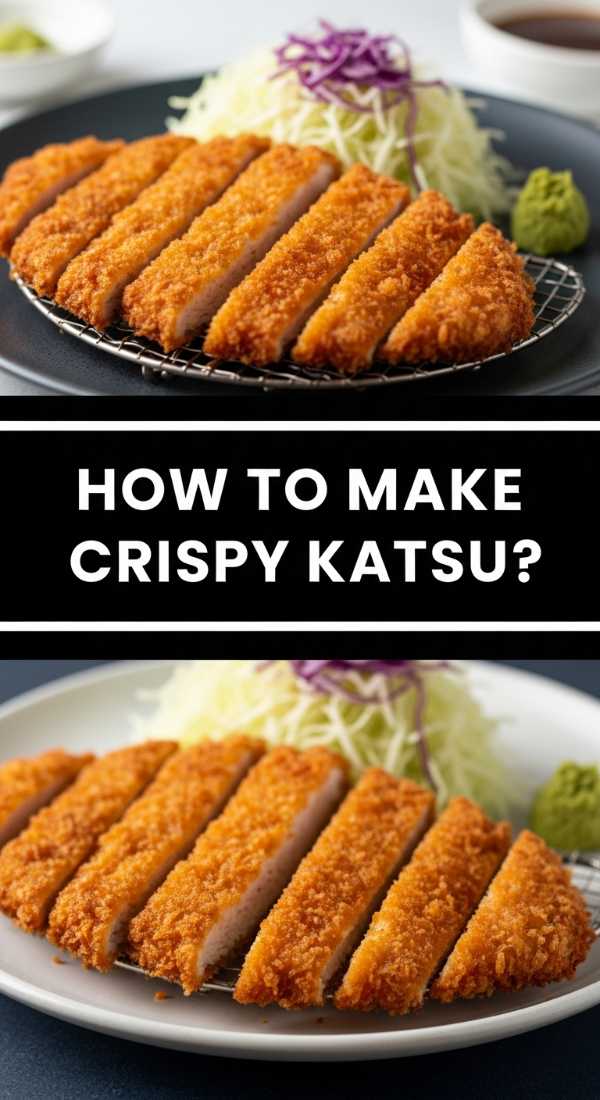
How to make crispy chicken katsu?
Why we love this
There is nothing quite as satisfying as the audible crunch of a perfectly fried chicken katsu, a golden-brown treasure that stands out on any food board. The contrast between the jagged, airy panko crust and the tender, juicy meat inside provides a rhythmic eating experience that is hard to beat. Each bite offers a clean, savory flavor profile that acts as the perfect canvas for tangy sauces, while the visual appeal of the sliced, uniform strips adds a professional, high-end touch to your DIY arrangement.
Ingredients
- 2 boneless, skinless chicken breasts
- Salt and pepper to taste
- 1/2 cup all-purpose flour
- 1 large egg, beaten
- 1 cup panko breadcrumbs
- Neutral oil for frying (canola or vegetable)
How to make it
- Place the chicken breasts between two sheets of plastic wrap and use a meat mallet or heavy pan to pound them to an even half-inch thickness, which ensures the meat cooks at the same rate as the crust.
- Season both sides of the chicken generously with salt and pepper, allowing them to sit for a few minutes to lock in moisture and flavor.
- Set up a dredging station with three shallow bowls: one with flour, one with the beaten egg, and one with the panko breadcrumbs.
- Coat each piece of chicken in flour, shaking off the excess, then dip into the egg wash until fully coated, and finally press firmly into the panko until the breadcrumbs form a thick, even layer.
- Heat about half an inch of oil in a large skillet over medium-high heat; test the temperature by dropping a breadcrumb in—if it sizzles immediately, the oil is ready (approximately 350°F).
- Carefully lower the chicken into the oil and fry for 3-4 minutes per side, maintaining a steady sizzle until the exterior is a deep, honey-gold color and the internal temperature reaches 165°F.
- Transfer the chicken to a wire rack rather than a paper towel to keep the bottom from getting soggy, and let it rest for 5 minutes before slicing into thick, diagonal strips.
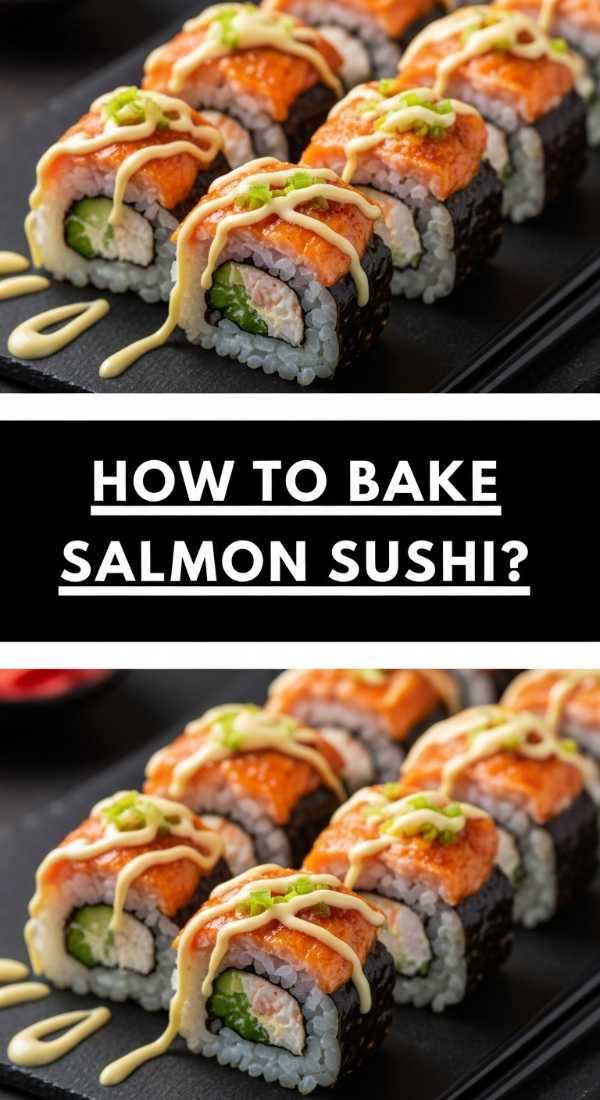
How to cook salmon sushi bake?

Why we love this
The salmon sushi bake is the ultimate viral comfort food, blending the fresh flavors of sushi with the warm, gooey satisfaction of a casserole. It’s a riot of textures: the chewy, vinegared rice base, the creamy, spicy salmon topping, and the crispy nori sheets used for scooping. As it bakes, the mayonnaise and sriracha topping caramelizes slightly, releasing a decadent aroma that draws everyone to the board, making it the perfect centerpiece for sharing and storytelling.
Ingredients
- 2 cups cooked sushi rice (seasoned with rice vinegar and sugar)
- 1 lb cooked salmon, flaked
- 1/2 cup Japanese mayonnaise (Kewpie)
- 2 tablespoons sriracha
- Furikake seasoning
- Nori sheets (cut into small squares)
- Sliced cucumber and avocado for serving
How to make it
- Preheat your oven to 400°F and lightly grease a glass baking dish with a small amount of oil or cooking spray.
- Press the cooked and seasoned sushi rice into the bottom of the dish in an even, compact layer, ensuring it is about an inch thick to provide a sturdy base.
- In a medium mixing bowl, combine the flaked cooked salmon, Japanese mayonnaise, and sriracha, stirring gently until the fish is fully coated in the creamy, spicy dressing.
- Spread the salmon mixture evenly over the rice layer, smoothing it out with a spatula to cover the edges completely.
- Generously sprinkle furikake over the top, adding layers of seaweed, sesame, and salt for a burst of flavor and a professional finish.
- Bake for 15-20 minutes until the top is bubbling and the edges of the salmon mixture begin to turn a light golden brown.
- Remove from the oven and drizzle with extra mayonnaise or unagi sauce if desired, then serve warm with stacks of nori squares for guests to assemble their own mini bites.
How to make fluffy japanese pancakes?
Why we love this
These soufflé-like pancakes are the definition of food magic, standing tall with a whimsical wobble that instantly delights anyone at the table. Their texture is ethereal—cloud-like, light, and almost melting on the tongue—with a delicate sweetness that pairs beautifully with fresh fruit or a drizzle of syrup. Adding these to your board provides a stunning vertical element and a soft, pillowy contrast to the crispier savory snacks, making the entire spread feel like a luxurious brunch experience.
Ingredients
- 2 large egg yolks
- 1/4 cup whole milk
- 1/2 teaspoon vanilla extract
- 1/4 cup all-purpose flour
- 3 large egg whites
- 2 tablespoons granulated sugar
- Butter for the pan
How to make it
- In a small bowl, whisk together the egg yolks, milk, and vanilla until smooth, then sift in the flour and whisk until just combined into a thick paste.
- In a separate clean, dry bowl, beat the egg whites using a hand mixer on medium speed until they become frothy; gradually add the sugar while continuing to beat.
- Increase the mixer speed to high and beat the egg whites until stiff, glossy peaks form—this is the secret to the height of the pancake, so don’t rush this step.
- Gently fold a third of the egg whites into the yolk mixture to lighten it, then carefully fold in the remaining whites using a spatula, being extremely careful not to deflate the air bubbles.
- Heat a non-stick skillet over the lowest possible heat setting and lightly grease with butter; use a scoop to pile the batter into tall mounds in the pan.
- Add a teaspoon of water to the empty spaces in the pan and cover with a lid to create steam, which helps the pancakes cook through without burning the bottoms.
- Cook for 5-6 minutes on the first side, then very carefully flip them over and cook for another 5 minutes with the lid on until they are set and bouncy to the touch.
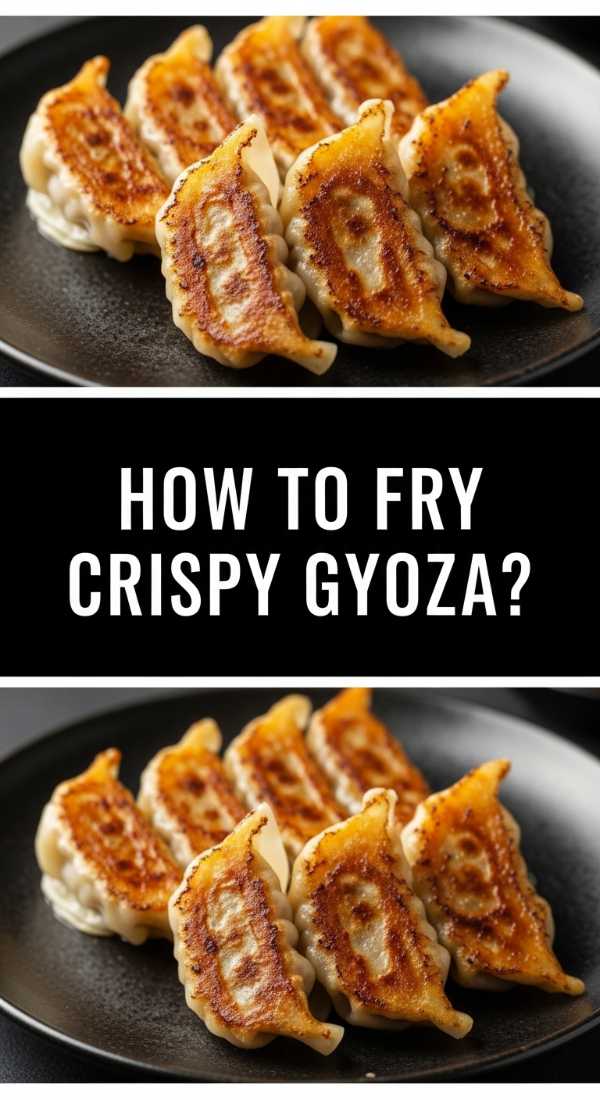
How to fry crispy gyoza dumplings?
Why we love this
Gyoza are the ultimate crowd-pleaser, offering a dual texture that is nothing short of addictive: a golden, lacy, crispy bottom paired with a tender, steamed top. The filling is a burst of savory juices and aromatic chives that perfectly complements the thin, slightly chewy wrapper. When stacked on a board, their elegant pleats and charred undersides create an artisanal look that suggests hours of effort, even when they come straight from your pantry and freezer stock.
Ingredients
- 1 pack of gyoza wrappers (or frozen gyoza)
- 1/2 lb ground pork or finely chopped cabbage/mushrooms
- 1 tablespoon grated ginger
- 1 tablespoon soy sauce
- 1 tablespoon sesame oil
- Water for steaming
- Cornstarch slurry (1 tsp cornstarch + 1/4 cup water) for the “lace”
How to make it
- If making from scratch, mix your filling ingredients together and place a small spoonful in the center of a wrapper, wetting the edges with water and pleating them tightly to seal.
- Heat a tablespoon of neutral oil in a non-stick frying pan over medium-high heat until the oil is hot and shimmering.
- Arrange the gyoza in the pan in a circular or row pattern, flat side down, and fry for 2-3 minutes until the bottoms are a beautiful golden brown.
- Whisk your cornstarch slurry and pour it into the pan; the liquid should immediately bubble and create steam.
- Cover the pan with a tight-fitting lid and reduce the heat to medium, allowing the dumplings to steam for about 5-7 minutes (or until the water has mostly evaporated).
- Remove the lid and continue to cook for another minute to allow the remaining moisture to cook off and the cornstarch to form a thin, crispy brown “skirt” or lace between the dumplings.
- Carefully invert the pan onto a plate or use a spatula to lift the entire connected sheet of gyoza to maintain that stunning viral “lace” effect on your board.
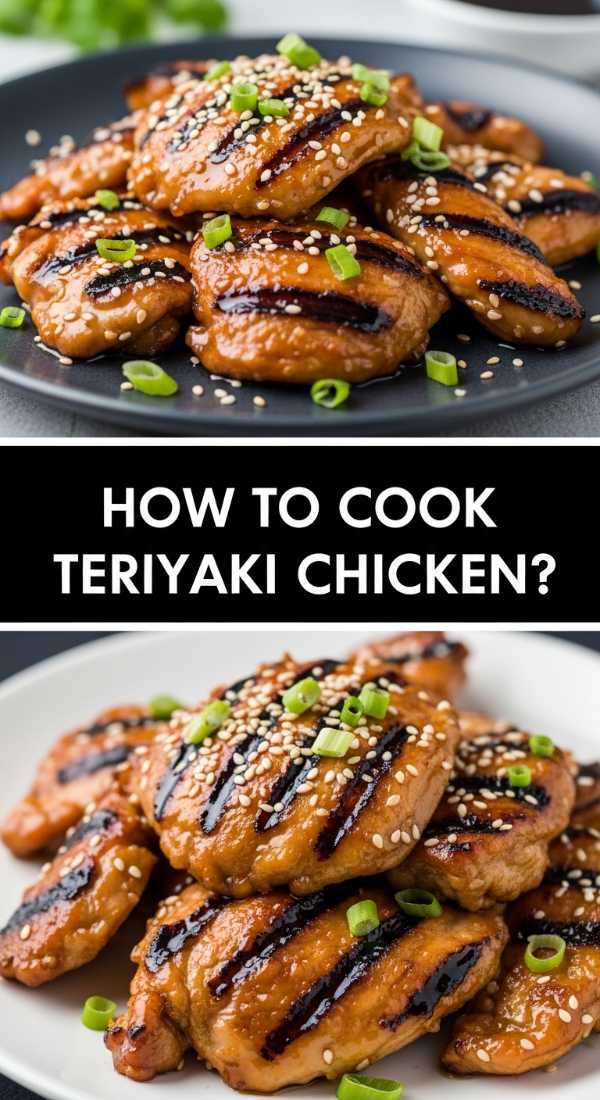
How to grill perfect chicken teriyaki?

Why we love this
Chicken teriyaki is a masterclass in the balance of sweet and salty, featuring a glossy, mahogany glaze that clings to the meat and sparkles under the light. The charred, slightly smoky edges of the chicken provide a rustic contrast to the silky sauce, while the aroma of caramelized sugar and ginger is instantly mouthwatering. It’s a familiar, beloved flavor that grounds the more adventurous items on your board, providing a high-protein anchor that satisfies every guest.
Ingredients
- 1 lb chicken thighs, cut into bite-sized pieces
- 1/4 cup soy sauce
- 1/4 cup mirin
- 2 tablespoons sake (or dry sherry)
- 1 tablespoon sugar
- 1 teaspoon grated ginger
- Sesame seeds for garnish
How to make it
- In a small saucepan, combine the soy sauce, mirin, sake, sugar, and ginger; simmer over medium heat for 5-8 minutes until the sauce reduces and thickens into a syrupy consistency.
- Heat a grill pan or cast-iron skillet over medium-high heat and lightly oil the surface to prevent sticking.
- Pat the chicken pieces dry with a paper towel to ensure a good sear, then place them in the hot pan in a single layer.
- Sear the chicken for 4-5 minutes without moving them, allowing a dark, flavorful crust to form on the bottom.
- Flip the pieces and cook for another 3-4 minutes until the chicken is almost entirely cooked through.
- Pour the thickened teriyaki sauce over the chicken in the pan, tossing constantly so the sauce bubbles and coats every inch of the meat in a thick, shiny glaze.
- Once the sauce has reduced to a sticky coating and the chicken is fully cooked (165°F), remove from heat and garnish with a heavy sprinkle of toasted sesame seeds for crunch.
How to make japanese beef donburi?
Why we love this
The beauty of a beef donburi lies in its simplicity and the way the thinly sliced meat absorbs a rich, savory broth until it is incredibly tender. The onions, cooked until translucent and sweet, melt into the sauce, creating a dish that is deeply savory and satisfyingly hearty. When served in small bowls on a board, the vibrant colors of the red pickled ginger and green onions on top provide a striking visual pop that balances the rich browns of the beef.
Ingredients
- 1/2 lb thinly sliced ribeye or sirloin
- 1 onion, thinly sliced
- 1/2 cup dashi stock (or beef broth)
- 2 tablespoons soy sauce
- 2 tablespoons mirin
- 1 tablespoon sugar
- Cooked white rice
- Pickled ginger (beni shoga) for garnish
How to make it
- In a wide skillet, combine the dashi, soy sauce, mirin, and sugar, and bring the mixture to a simmer over medium heat.
- Add the sliced onions to the simmering liquid and cook for 3-5 minutes until they are soft, translucent, and have absorbed some of the brown color from the sauce.
- Add the thinly sliced beef to the pan, spreading the slices out so they don’t clump together in the liquid.
- Simmer the beef for only 2-3 minutes; because it is sliced so thinly, it will cook very quickly, and overcooking will make it tough.
- Skim off any foam that rises to the top of the liquid to keep the sauce clean and flavorful.
- Taste the sauce—it should be a perfect balance of salty and sweet—and adjust with a splash more soy if needed.
- Serve the beef and onions over small individual bowls of hot rice, spooning plenty of the extra simmering liquid over the top so it soaks into the grains.
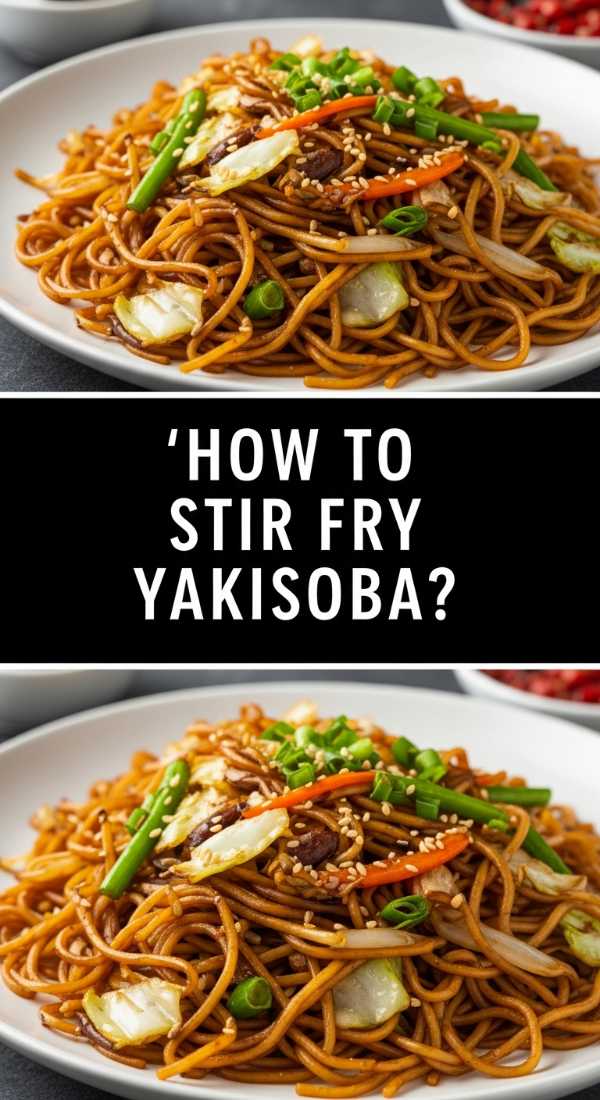
How to cook savory yakisoba noodles?
Why we love this
Yakisoba is the ultimate street-food style addition to your board, bringing a tangled, glossy mess of noodles that are bursting with a unique sweet-savory-tangy flavor. The combination of crisp vegetables and chewy noodles tossed in a thick, dark sauce creates a complex texture that is incredibly satisfying to eat with chopsticks. The subtle tang from the Worcestershire-based sauce cuts through the richness of other fried items, making it a refreshing yet filling component of your spread.
Ingredients
- 1 package yakisoba noodles (or ramen noodles)
- 1/2 cup sliced cabbage
- 1/4 cup julienned carrots
- 1/4 cup sliced onions
- 3 tablespoons yakisoba sauce (or mix soy sauce, ketchup, and Worcestershire)
- 1 tablespoon neutral oil
- Aonori (dried seaweed powder) and pickled ginger for garnish
How to make it
- If using fresh yakisoba noodles, rinse them quickly under warm water to loosen the strands; if using dried, cook them slightly under-al-dente and drain.
- Heat the oil in a large wok or skillet over high heat until it starts to smoke slightly, indicating it’s hot enough for a proper stir-fry.
- Add the cabbage, carrots, and onions to the pan, tossing vigorously for 2 minutes until the vegetables are slightly charred but still retain a crisp bite.
- Add the noodles to the pan and toss with the vegetables, using tongs to pull the strands apart and ensure they are evenly distributed.
- Pour the yakisoba sauce over the noodles and turn the heat up slightly; the sauce should sizzle and begin to caramelize on the noodles.
- Stir-fry for another 2-3 minutes, pressing the noodles against the pan occasionally to get some crispy, browned bits.
- Transfer to a platter or small bowls for the board and top with a dusting of aonori and a heap of bright pink pickled ginger for that authentic finish.
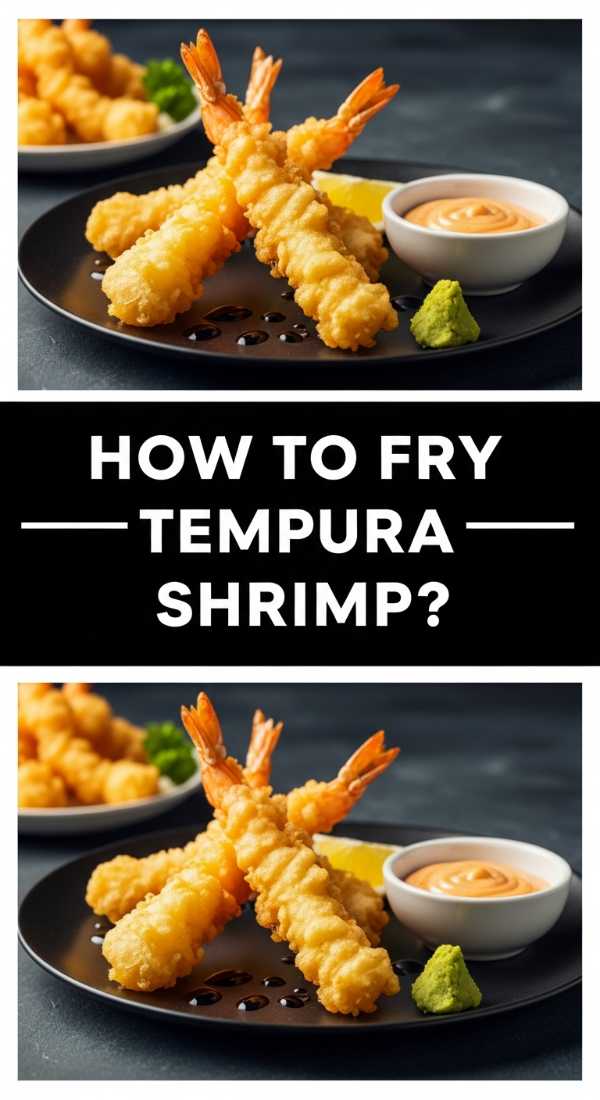
How to fry light tempura shrimp?
Why we love this
Tempura shrimp is like the fine lace of the culinary world—delicate, golden, and incredibly light. The icy-cold batter creates a dramatic, shattered-glass texture when it hits the hot oil, resulting in a coating that is crisp without being heavy or greasy. It’s the ultimate luxury staple for a food board, providing a sophisticated crunch and a beautiful, elongated shape that draws the eye and offers a mild, sweet seafood flavor that everyone loves.
Ingredients
- 10-12 large shrimp, peeled and deveined (tail on)
- 1/2 cup all-purpose flour
- 1/2 cup cornstarch
- 1 teaspoon baking powder
- 1 egg yolk
- 1 cup ice-cold sparkling water
- Neutral oil for deep frying
How to make it
- To keep the shrimp from curling when fried, make 3-4 shallow slits along the “belly” of the shrimp and gently press them flat on a cutting board until you feel them straighten.
- Pat the shrimp completely dry with paper towels and lightly dust them with a little extra cornstarch to help the batter adhere.
- In a medium bowl, whisk the egg yolk and ice-cold sparkling water; the cold temperature is critical for achieving a light, airy crust.
- Add the flour, cornstarch, and baking powder to the liquid and whisk very briefly—lumps are perfectly fine and actually help create the signature tempura texture.
- Heat at least 2 inches of oil in a heavy pot to 340°F; check the temperature frequently to ensure it doesn’t drop too low when you add the shrimp.
- Hold each shrimp by the tail, dip it into the cold batter, and carefully slide it into the hot oil, moving it slightly so it doesn’t sink to the bottom immediately.
- Fry for 2-3 minutes until the batter is pale gold and very crisp, then drain on a wire rack and serve immediately while the crunch is at its peak.
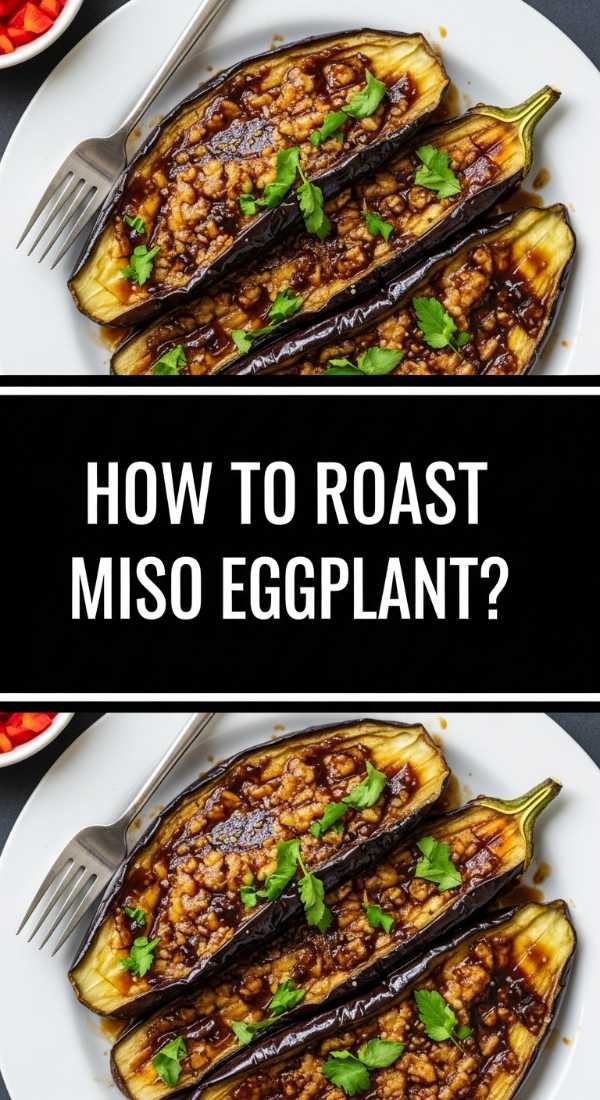
How to roast miso glazed eggplant?
[IMAGE_10]
Why we love this
Known as Nasu Dengaku, this dish transforms the humble eggplant into a decadent, melt-in-your-mouth treat that is both sweet and deeply savory. The creamy, buttery interior of the roasted eggplant acts as the perfect vessel for the thick, caramelized miso glaze that bubbles and browns under the broiler. It adds a rich, earthy, and sophisticated vegetable option to your board, offering a complex flavor profile that feels far more expensive than its pantry-staple ingredients suggest.
Ingredients
- 2 medium eggplants (Japanese or Italian)
- 2 tablespoons white or red miso paste
- 1 tablespoon mirin
- 1 tablespoon sake
- 1 tablespoon sugar
- 1 teaspoon sesame oil
- Toasted sesame seeds and sliced chives for garnish
How to make it
- Preheat your oven to 400°F and line a baking sheet with parchment paper for easy cleanup.
- Slice the eggplants in half lengthwise and use a sharp knife to score the flesh in a crosshatch diamond pattern, being careful not to cut through the skin.
- Brush the cut sides of the eggplant with a little neutral oil and roast face down for 15-20 minutes until the flesh is soft and tender.
- While the eggplant roasts, whisk together the miso paste, mirin, sake, sugar, and sesame oil in a small bowl until it forms a smooth, thick paste.
- Flip the roasted eggplants over so the cut side is facing up and spread a generous layer of the miso glaze over the scored surface, pressing it into the cracks.
- Turn your oven to the broiler setting and place the eggplants under the heat for 2-4 minutes, watching closely until the glaze is bubbling and charred in spots.
- Remove from the oven and garnish with sesame seeds and chives, allowing them to cool slightly so the glaze sets into a sticky, delicious topping before adding them to your board.
The Final Touches: Assembling Your Viral Board
Once you have prepared these elements, the real fun begins with the assembly. Start by placing your larger bowls—like the ramen broth and beef donburi—near the center to anchor the board. Surround them with the structured shapes of the chicken katsu and tempura shrimp, and use the gyoza and pancakes to fill in the gaps. Don’t be afraid to add small dishes of dipping sauces, piles of nori, and fresh garnishes like radish or cucumber to add color and freshness. The goal is a lush, overflowing look that invites everyone to dig in. Happy hosting!