
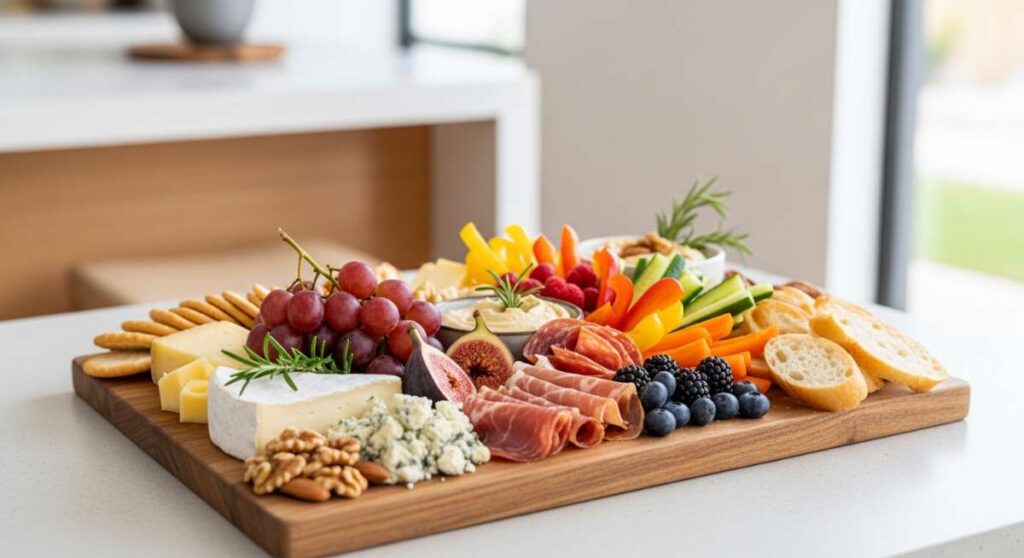
There is something undeniably magical about a wooden board overflowing with textures, colors, and the promise of a shared meal. We’ve all seen them—those effortlessly chic spreads scrolling through our feeds, making us crave a lifestyle that is both sophisticated and deeply grounded. The ‘board’ trend isn’t just about charcuterie anymore; it’s about taking the simple, soulful foods we love and presenting them in a way that invites everyone to lean in, linger, and enjoy a moment of connection.
I remember the first time I set out a simple ‘dirty spaghetti’ board for a group of friends. Instead of formal plating, we just huddled around the table, forks in hand, sharing stories over the steam rising from the noodles. That’s the heart of this movement: it’s food that feels human. It’s about celebrating the seasons, from the bright zest of a spring cake to the smoky depth of a summer grill, and realizing that the best meals are the ones where the barrier between the cook and the guest completely disappears.
How to Bake Spring Cakes

Why we love this
Spring cakes are a celebration of renewal, bringing the light, airy textures of a chiffon or sponge together with the delicate perfume of citrus and floral notes. There is a specific joy in the way a crumb feels against the fork—moist and tender, yet light enough to feel like a whisper of sunshine. The aroma of lemon zest and vanilla bean wafting through the kitchen signals the end of winter, creating a sensory experience that is as much about the anticipation as it is about the first, sweet bite of sugary glaze and fresh berries.
Ingredients
- 2 cups all-purpose flour
- 1 1/2 cups granulated sugar
- 1 tbsp baking powder
- 1/2 tsp salt
- 3 large eggs (room temperature)
- 1/2 cup whole milk
- 1/2 cup vegetable oil
- 2 tbsp fresh lemon zest
- 1 tsp vanilla extract
- Fresh edible flowers and berries for garnish
How to make it
- Preheat your oven to 350°F (175°C) and grease a round cake pan thoroughly with butter and a dusting of flour to ensure a clean release.
- In a medium bowl, whisk together the flour, baking powder, and salt. Sifting these ingredients together is a professional secret that ensures a much lighter, more aerated crumb.
- In a separate large bowl, beat the eggs and sugar together for at least 3-5 minutes until the mixture is pale and thick; this volume is crucial for the cake’s structure.
- Slowly stream in the oil and milk while continuing to whisk at a low speed, then fold in the lemon zest and vanilla extract manually to preserve the air bubbles.
- Gradually fold the dry ingredients into the wet ingredients using a spatula. Do not overmix; stop as soon as no streaks of flour remain to avoid a tough texture.
- Pour the batter into the prepared pan and bake for 30-35 minutes. Test for doneness by inserting a toothpick into the center; it should come out clean or with a few moist crumbs.
- Let the cake cool in the pan for 10 minutes before transferring to a wire rack. Once completely cool, adorn with a light glaze and your spring garnishes.
How to Cook a Healthy Dinner Board
Why we love this
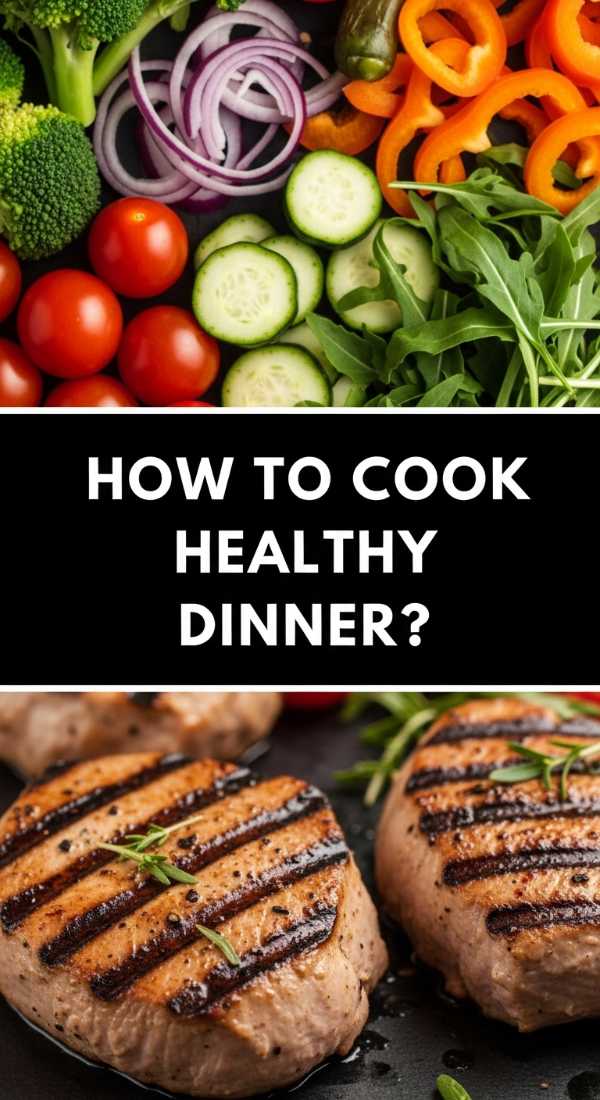
A healthy dinner board is all about the vibrant contrast of colors and the satisfying crunch of roasted vegetables paired with lean proteins. Imagine the earthy scent of roasted sweet potatoes mingling with the sharp, clean aroma of a lemon-tahini dressing. Each bite offers a different texture—from the creaminess of avocado to the snap of blanched snap peas—making the meal feel like a curated journey through a garden rather than a chore of nutrition. It’s a way to eat well while feeling completely indulged by the variety on the table.
Ingredients
- 1 lb chicken breast or firm tofu
- 2 large sweet potatoes, cubed
- 1 bunch of asparagus, trimmed
- 1 cup quinoa, cooked
- 1 avocado, sliced
- 1/2 cup hummus
- Lemon wedges, olive oil, and sea salt
How to make it
- Preheat your oven to 400°F (200°C). High heat is essential for getting that golden-brown caramelization on your vegetables without overcooking the centers.
- Toss the cubed sweet potatoes in olive oil, salt, and pepper. Spread them on a baking sheet in a single layer to ensure they roast rather than steam.
- Roast the potatoes for 15 minutes, then add the asparagus to the tray. Drizzle the asparagus with a bit more oil and roast everything for another 10-12 minutes until the potatoes are tender and the asparagus is bright green with charred tips.
- Season your protein (chicken or tofu) with garlic powder and paprika. Pan-sear in a hot skillet with a tablespoon of oil for 5-7 minutes per side until the internal temperature reaches 165°F (for chicken) or until the tofu is crispy on the edges.
- Assemble the board by placing the warm quinoa in a central bowl, then arranging the roasted vegetables and protein in distinct clusters around it.
- Add the fresh avocado and a generous dollop of hummus to provide creamy elements that act as a natural ‘sauce’ for the drier components.
How to Make Dirty Spaghetti
Why we love this
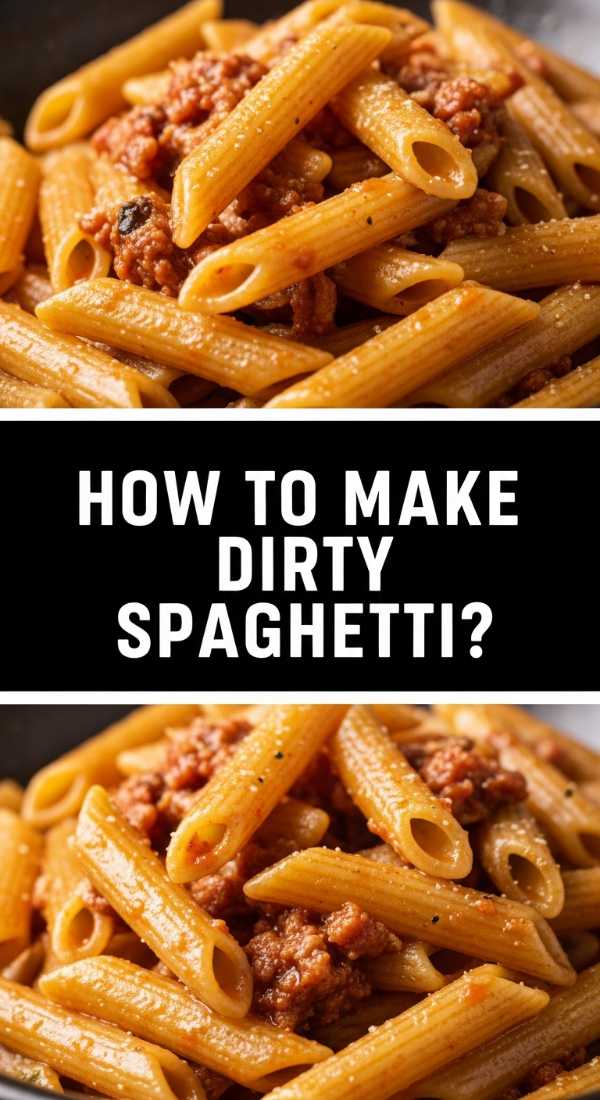
Dirty spaghetti is the ultimate ‘messy-chic’ comfort food, defined by its rich, glossy sauce and the pungent, irresistible kick of garlic and chili flakes. The noodles are coated in a savory, umami-packed oil that clings to every strand, releasing a deep, toasted aroma that fills the entire room. It’s the kind of dish that feels rustic and bold, where the silkiness of the pasta meets the crunch of toasted breadcrumbs or parmesan, creating a decadent mouthfeel that demands a second serving immediately.
Ingredients
- 1 lb spaghetti noodles
- 1/4 cup high-quality extra virgin olive oil
- 6 cloves garlic, thinly sliced
- 1 tsp red pepper flakes
- 1/4 cup chopped fresh parsley
- 1/2 cup grated Parmesan cheese
- 1/2 cup toasted panko breadcrumbs
How to make it
- Bring a large pot of heavily salted water to a rolling boil. Professional chefs say the water should taste like the sea; this is your only chance to season the pasta itself.
- Cook the spaghetti until it is slightly underdone (about 2 minutes before the package’s ‘al dente’ time). Reserve 1 cup of the starchy pasta water—this is the ‘liquid gold’ that creates the sauce.
- In a large skillet, heat the olive oil over medium-low heat. Add the sliced garlic and red pepper flakes. Sizzle gently for 2-3 minutes until the garlic is golden but not brown; if it turns dark, it will become bitter.
- Transfer the undercooked pasta directly into the skillet with the garlic oil. Increase the heat to medium and add half of the reserved pasta water.
- Toss vigorously with tongs for 2 minutes. The agitation helps the starch in the water emulsify with the oil, creating a glossy, ‘dirty’ sauce that coats the noodles perfectly.
- Remove from heat, fold in the parsley and Parmesan. If it looks dry, add a splash more pasta water. Top with panko breadcrumbs for that signature crunch and serve directly on a board.
How to Make Rotel Dip

Why we love this
There is a nostalgic, irresistible pull to a warm bowl of Rotel dip, with its velvety smooth cheese and the zesty, spicy pop of diced tomatoes and green chilies. The aroma is instantly recognizable—savory, slightly smoky, and deeply comforting. As you dip a salty tortilla chip into the molten cheese, the way it pulls and stretches creates a visual and textural satisfaction that is the hallmark of every great party. It’s unpretentious, bold, and evokes memories of game days and late-night laughs.
Ingredients
- 1 lb Velveeta cheese (or high-melt American cheese), cubed
- 1 can (10 oz) Ro-Tel Diced Tomatoes and Green Chilies (undrained)
- 1 lb ground sausage or beef
- 1/2 tsp cumin
- Fresh cilantro for garnish
- Tortilla chips for serving
How to make it
- In a large skillet over medium-high heat, brown the ground sausage or beef. Use a spatula to break it into very small crumbles; small bits ensure you get meat in every single bite of the dip.
- Once fully cooked, drain the excess grease from the skillet to keep the dip from becoming oily. Stir in the cumin for an extra layer of warmth.
- Reduce the heat to low and add the cubed cheese. Using cubes rather than a solid block allows the cheese to melt faster and more evenly without scorching.
- Pour in the can of Ro-Tel (including the juice). The acidity in the tomato juice helps stabilize the cheese sauce and provides that signature tangy kick.
- Stir constantly with a silicone spatula until the mixture is completely smooth and bubbling gently. This should take about 5-8 minutes.
- Transfer to a warm bowl placed in the center of your board. Surround with a mountain of sturdy tortilla chips that can handle the weight of the thick, creamy dip.
How to Make a Summer Salad Board
Why we love this
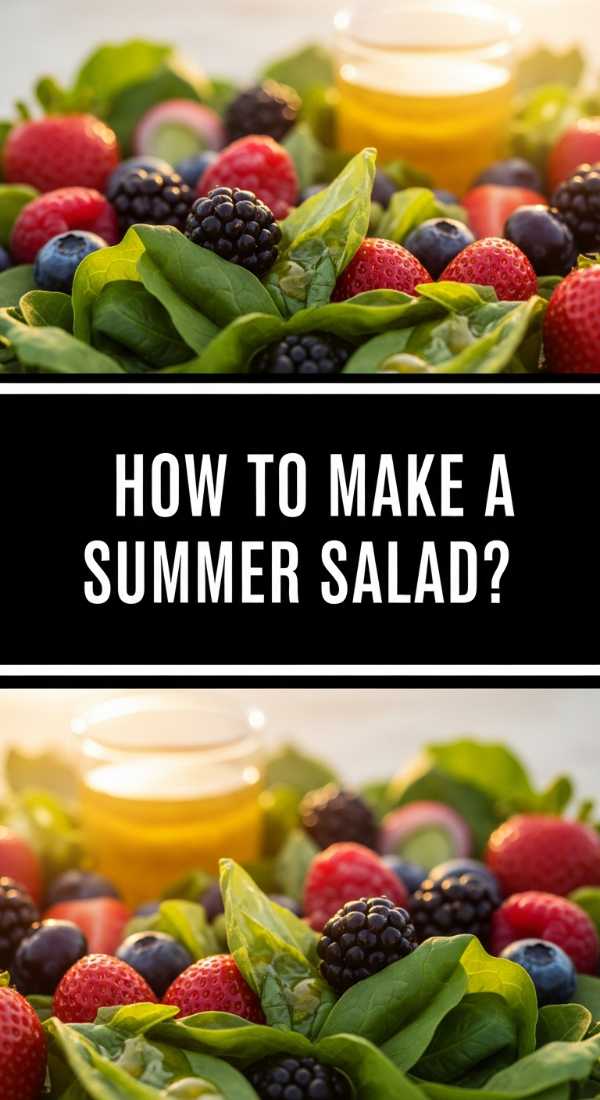
A summer salad board is a visual masterpiece, showcasing the peak of the season’s bounty in a way that feels lush and abundant. The scent is a mix of fresh-cut herbs, the sweetness of sun-ripened peaches, and the peppery bite of wild arugula. Texturally, it’s a playground: the creamy heart of a burrata ball, the snap of a cucumber, and the crunch of toasted nuts all come together under a drizzle of balsamic. It’s a refreshing, cooling meal that celebrates the heat of summer through vibrant, raw ingredients.
Ingredients
- 4 cups mixed greens (arugula and spinach)
- 2 ripe peaches, sliced
- 1 cup cherry tomatoes, halved
- 1 ball of fresh burrata cheese
- 1/4 cup toasted pine nuts
- Fresh basil leaves
- Balsamic glaze and olive oil
How to make it
- Start with a large, clean board. Lay down the mixed greens as a base, but don’t pack them tight; keep them light and fluffy to give the board height and volume.
- Scatter the halved cherry tomatoes and sliced peaches over the greens. For a professional touch, grill the peach slices for 1 minute per side beforehand to enhance their natural sugars and add char marks.
- Place the burrata ball in the center of the board. Gently tear the top open with a knife just before serving so the creamy ‘stracciatella’ center begins to ooze out over the greens.
- Nestle fresh basil leaves throughout the salad. Tearing the leaves by hand rather than cutting them with a knife prevents the edges from bruising and browning.
- Sprinkle the toasted pine nuts evenly over the top for a consistent crunch in every bite.
- Just before guests arrive, drizzle the entire board with high-quality olive oil and a thick balsamic glaze. Season generously with flaky sea salt and freshly cracked black pepper.
How to Make Crockpot Meal Boards

Why we love this
Crockpot boards are the ultimate in ‘set it and forget it’ luxury, where the slow-cooking process transforms simple cuts of meat into tender, melt-in-your-mouth masterpieces. The aroma of slow-simmering garlic, onions, and spices fills the home for hours, creating a sense of cozy anticipation. When the meat is finally shredded and piled onto a board, it’s juicy, flavorful, and perfectly paired with soft rolls or crisp slaw. It’s hearty, soul-warming food that looks incredibly impressive with very little hands-on effort.
Ingredients
- 3 lb pork shoulder or beef chuck roast
- 1 cup barbecue sauce or beef broth
- 1 onion, sliced
- 3 cloves garlic, minced
- 1 tbsp smoked paprika
- Slider buns or mini tacos
- Pickled red onions for topping
How to make it
- Pat the meat dry with paper towels. This is a vital step; moisture on the surface prevents the meat from searing properly. Season heavily with salt, pepper, and smoked paprika.
- In a hot pan, sear the meat on all sides until a deep brown crust forms. This ‘Maillard reaction’ adds a depth of flavor that the slow cooker alone cannot achieve.
- Place the sliced onions and garlic at the bottom of the slow cooker to act as a flavorful bed for the meat.
- Place the seared meat on top and pour over your liquid (BBQ sauce or broth). Set the crockpot to ‘Low’ and cook for 8 hours. Low and slow is the secret to breaking down the tough connective tissues into tender shreds.
- Once the meat falls apart with a fork, remove it from the crockpot and shred it on a large tray, removing any excess fat. Mix in a few tablespoons of the cooking liquid to keep it moist.
- Arrange the shredded meat on a board alongside toasted slider buns, bowls of coleslaw, and pickled onions, allowing guests to build their own perfect bites.
How to Cook Spring Soup

Why we love this
Spring soup is a bowl of pure, liquid green—vibrant, herbaceous, and incredibly light. It captures the essence of the garden, with the sweet aroma of young peas, leeks, and fresh mint. The texture is often silky and smooth, offering a gentle warmth that doesn’t weigh you down as the weather begins to turn. Paired with a crusty baguette on a board, it feels like a sophisticated tea-time meal, where the bright flavors of lemon and herb-infused oils dance on the palate, making it a refreshing change from the heavy stews of winter.
Ingredients
- 2 cups frozen or fresh peas
- 2 large leeks, white parts only, cleaned and sliced
- 1 quart vegetable broth
- 1 tbsp butter
- 1/2 cup heavy cream (optional)
- Fresh mint and lemon juice
- Crusty sourdough bread for dipping
How to make it
- In a large pot, melt the butter over medium heat. Add the sliced leeks and sauté until soft and translucent (about 5-7 minutes). Do not let them brown; you want to keep the soup’s color bright and green.
- Add the peas and the vegetable broth. Bring the mixture to a gentle simmer. Cook for only 5 minutes—if you overcook the peas, they will lose their vibrant green color and turn a dull olive hue.
- Remove from heat and add a handful of fresh mint leaves. The residual heat will release the mint’s oils without making it bitter.
- Use an immersion blender to puree the soup until it is completely smooth. For an extra-fine, professional texture, pour the soup through a fine-mesh sieve.
- Stir in the heavy cream and a squeeze of fresh lemon juice to brighten the flavors. Taste and adjust the seasoning with salt and white pepper.
- Pour into small bowls and place them on a board surrounded by thick slices of toasted, buttered sourdough bread and extra sprigs of mint for a beautiful presentation.
How to Make Baked Goods Boards

Why we love this
A baked goods board is a dream for the senses, smelling of caramelized sugar, toasted flour, and warm butter. There is a tactile joy in breaking open a fresh pastry to see the flaky layers or biting into a soft, chewy cookie. The board offers a variety of textures—from the snap of a biscotti to the velvet crumb of a muffin—all tied together with a drizzle of honey or a bowl of whipped jam. It’s the ultimate brunch or dessert centerpiece that feels like a warm hug in food form.
Ingredients
- Assorted mini croissants
- Blueberry muffins
- Chocolate chip cookies
- Shortbread biscuits
- Fresh strawberries and grapes
- Small jars of honey and fruit preserves
- Whipped butter
How to make it
- The key to a great baked goods board is variety in scale. Bake or buy items in ‘mini’ sizes so guests can try multiple things without feeling overwhelmed.
- Warm the croissants and muffins in a 300°F oven for 5 minutes just before serving. The heat revives the fats in the pastry, making them smell freshly baked and improving the texture.
- Place the larger items like muffins and croissants on the board first to create ‘anchors’ for your design.
- Fill in the gaps with smaller cookies and biscuits, layering them to create a sense of abundance and depth.
- Place small, open jars of honey and preserves directly onto the board. Use a small spoon or honey dipper to make it interactive.
- Add clusters of fresh fruit like grapes or halved strawberries. The acidity and moisture of the fruit provide a necessary palate cleanser between the rich, sweet baked bites.
How to Make Grilling Recipes
Why we love this
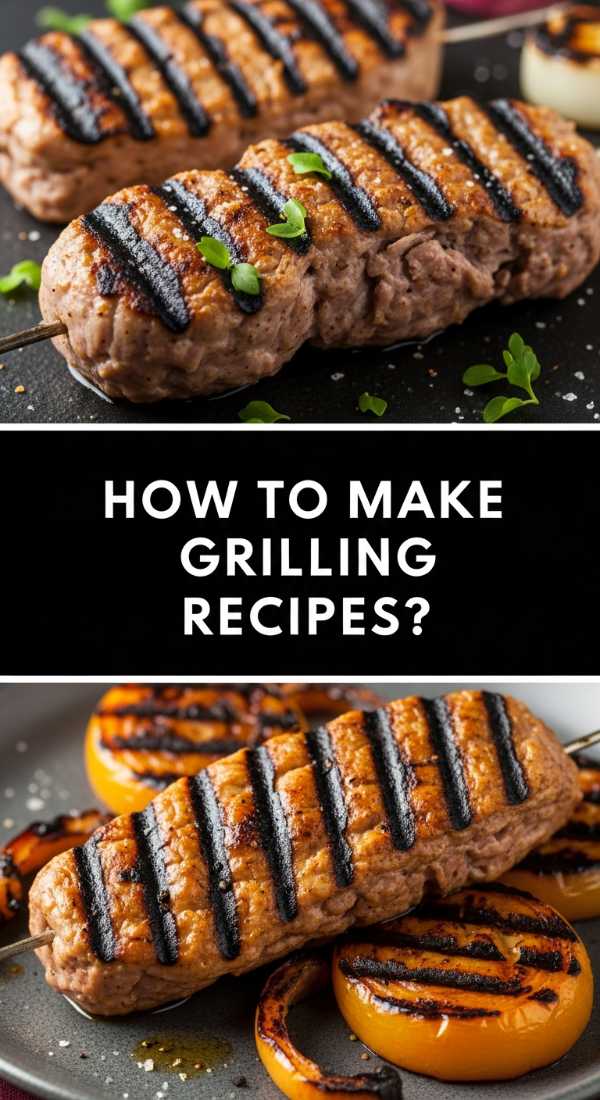
Grilling boards bring the theater of outdoor cooking to the table, featuring the irresistible charred edges and smoky aroma that only fire can provide. The sound of the sizzle and the sight of perfect grill marks on a piece of steak or a summer zucchini are incredibly appetizing. It’s a rustic, hearty way to eat, where the natural juices of the meat and vegetables mingle on the wood, creating a built-in sauce. Every bite is infused with the essence of summer evenings and the bold, primal flavors of the grill.
Ingredients
- 1 lb flank steak or chicken thighs
- 2 bell peppers, sliced into thick strips
- 1 red onion, cut into wedges
- 2 ears of corn, husked
- Chimichurri sauce (parsley, garlic, oil, vinegar)
- Lime wedges
How to make it
- Clean and oil your grill grates thoroughly. A clean grill prevents sticking and ensures those distinct, professional-looking char marks. Preheat to high heat (around 450°F).
- Season your meat with a high-smoke-point oil (like avocado oil) and a generous amount of salt and pepper. Avoid sugary rubs at the start, as they will burn before the meat is cooked.
- Place the steak on the hottest part of the grill. For a medium-rare flank steak, cook for 4-5 minutes per side. Resist the urge to move it; let it sit to develop a crust.
- Toss the vegetables in oil and salt and place them on the cooler edges of the grill. Rotate them frequently until they are tender with charred edges.
- Remove the meat from the grill and let it rest for at least 10 minutes on a cutting board. This allows the juices to redistribute so they don’t run out when you slice it.
- Slice the meat against the grain for maximum tenderness. Arrange the meat, charred vegetables, and corn on the board, and drizzle everything with fresh, zesty chimichurri sauce.
How to Make Summer Pasta Boards
Why we love this
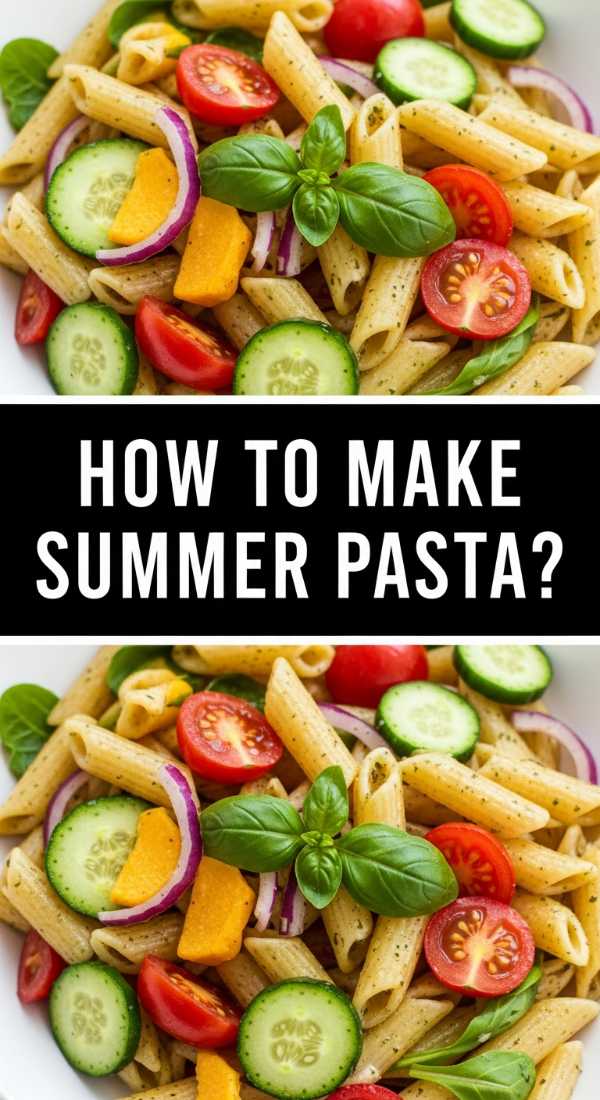
Summer pasta is all about freshness and speed, utilizing the sweetness of vine-ripened tomatoes and the pungent aroma of fresh-picked basil. The texture is light and slippery, with a sauce that is often just a simple emulsion of olive oil, garlic, and tomato juices. It feels like a vacation in Italy, where the focus is on the quality of a few simple ingredients rather than complexity. When served on a board with piles of parmesan and fresh herbs, it becomes a communal feast that is as beautiful to look at as it is delicious to eat.
Ingredients
- 1 lb penne or fusilli pasta
- 2 cups cherry tomatoes
- 1/4 cup extra virgin olive oil
- 3 cloves garlic, smashed
- 1 cup fresh basil leaves, torn
- 1/2 cup fresh mozzarella pearls
- Red pepper flakes
How to make it
- Boil your pasta in salted water until it is al dente. Drain, but do not rinse; you want the surface starch to remain so the light sauce can cling to the noodles.
- In a large pan, heat the olive oil over medium heat. Add the smashed garlic cloves and a pinch of red pepper flakes. Sauté for 2 minutes just to infuse the oil, then remove the garlic cloves.
- Add the whole cherry tomatoes to the oil. Increase the heat to medium-high and cook for 5-7 minutes. Use the back of a spoon to gently ‘pop’ the tomatoes once they soften; their juices will mix with the oil to create a light, fresh sauce.
- Toss the warm pasta into the pan with the tomato sauce. Add a splash of pasta water if the mixture needs more moisture to coat the noodles evenly.
- Turn off the heat and fold in the fresh mozzarella pearls and half of the torn basil. The cheese should just begin to soften and become ‘gooey’ but not completely melt away.
- Spread the pasta out on a large board. Garnish with the remaining fresh basil, a final drizzle of cold-pressed olive oil, and plenty of cracked black pepper.
Conclusion: The Art of the Shared Board
The beauty of the food board trend lies in its versatility and the way it strips away the formality of dining. Whether you are serving a sophisticated spring soup or a messy, glorious pile of dirty spaghetti, the board says ‘dig in, help yourself, and stay a while.’ It’s about more than just food; it’s about the memories made when we gather around a table and share something beautiful. So, grab your largest wooden board, pick your favorite recipe from this list, and start building your own viral-worthy feast.