
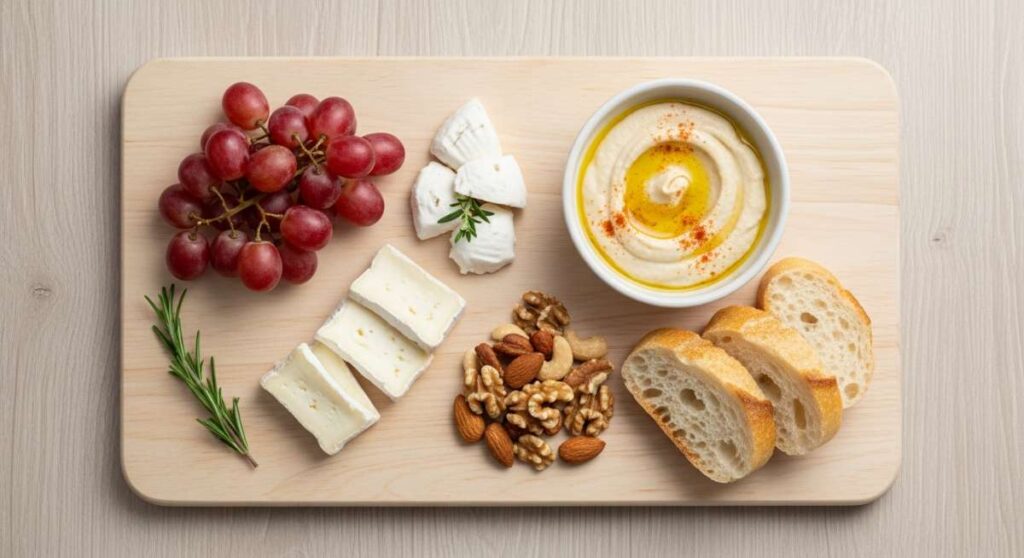
Why This Simple Food Board is Taking Over My Feed (And How to Make It)
There is something undeniably magical about the shift from a chaotic weekday to the slow, intentional ritual of a Sunday afternoon. Lately, my social media feed has been flooded with these stunning, vibrant food boards that look less like a meal and more like a curated piece of art. It’s not just about the aesthetic, though; it’s about that feeling of grounding yourself in simple, whole ingredients that nourish both the body and the soul. I found myself staring at these photos, craving that perfect balance of crunch, color, and comfort, and I knew I had to bring that energy into my own kitchen.
Sharing a meal this way feels so much more intimate and relaxed than a traditional plated dinner. You have the freedom to pick and choose, to dip and crunch, and to linger over conversation while reaching for just one more caramelized carrot. It’s a celebration of textures and flavors that are accessible yet elevated. Today, I’m breaking down every element of this viral trend so you can recreate this masterpiece at home and see exactly why it has captured everyone’s hearts—and appetites.
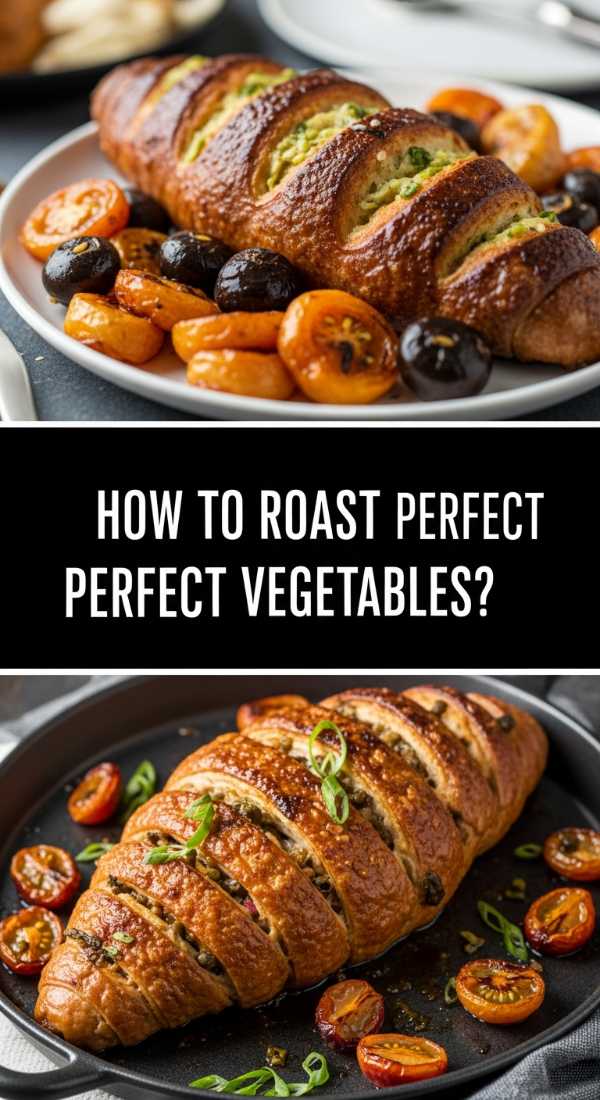
How to roast perfect vegetables?
Why we love this
The perfect roasted vegetable is a masterclass in contrast, offering a deeply caramelized, savory exterior that gives way to a buttery, tender center. When done right, the natural sugars in the vegetables transform into something almost candy-like, filling your kitchen with a rich, earthy aroma that signals true comfort. There is a specific joy in hearing the slight crackle of a crisp edge as you lift it from the pan, knowing every bite will be a concentrated burst of sun-drenched flavor and satisfying texture.
Ingredients
- 2 lbs Assorted root vegetables (potatoes, parsnips, beets)
- 3 tbsp Extra virgin olive oil
- 1 tsp Flaky sea salt
- 1/2 tsp Freshly cracked black pepper
- 2 sprigs Fresh rosemary or thyme
How to make it
- Preheat your oven to 425°F (220°C). This high temperature is crucial for achieving that golden-brown exterior without turning the inside into mush. Place your heavy-duty baking sheet inside while the oven preheats to ensure a hot surface for immediate searing.
- Wash and dry your vegetables thoroughly. Any excess moisture will create steam, which is the enemy of a crisp roast. Cut them into uniform 1-inch pieces to ensure everything cooks at the same rate.
- In a large bowl, toss the vegetables with olive oil, salt, and pepper until every surface is glistening. Don’t be afraid to use your hands to massage the oil into the nooks and crannies.
- Carefully spread the vegetables onto the hot baking sheet in a single layer. Space them out—if they are touching, they will steam rather than roast. You should hear a satisfying sizzle the moment they hit the pan.
- Roast for 30–40 minutes, tossing them halfway through with a metal spatula. Look for deep browning on the edges and a fork-tender interior as your visual cue for perfection.
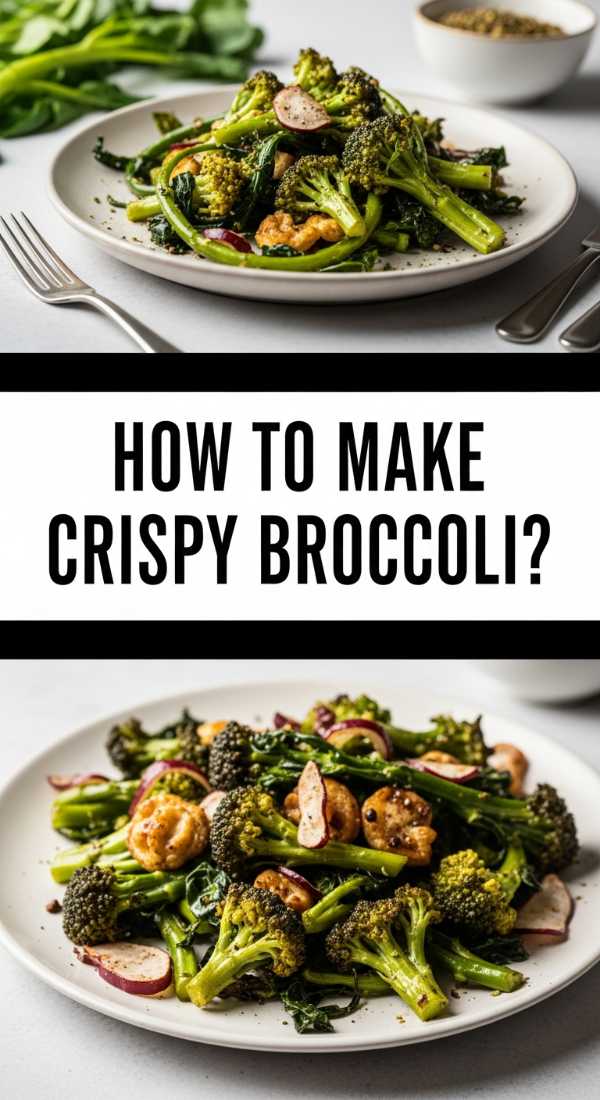
How to make crispy broccoli?
Why we love this
Crispy broccoli is a total game-changer for anyone who thinks they don’t like greens, turning a humble vegetable into a nutty, salty snack that is addictive as popcorn. The tips of the florets become lace-like and charred, shattering delightfully between your teeth, while the stalks retain a pleasant, tender snap. It carries a toasted, slightly smoky aroma that pairs beautifully with the brightness of a squeeze of lemon, making it the undeniable star of any food board.
Ingredients
- 2 Large heads of broccoli
- 2 tbsp Avocado oil (high smoke point)
- 1/2 tsp Garlic powder
- 1/4 tsp Red pepper flakes
- Lemon wedges for serving
How to make it
- Cut the broccoli into small, bite-sized florets, keeping the stems short so they can crisp up quickly. Ensure the florets are completely dry before proceeding.
- Preheat the oven to 400°F (205°C). While a higher heat works for root veggies, broccoli is delicate and can burn quickly, so 400°F provides the perfect balance.
- Whisk the oil and spices in a large bowl, then add the broccoli. Toss vigorously to ensure the oil penetrates the bushy tops of the florets, which is where the crunch happens.
- Spread the florets onto a parchment-lined sheet, making sure none are overlapping. Position them with the cut side down to maximize contact with the hot pan.
- Roast for 20-25 minutes. You are looking for the “frizzy” ends to turn dark brown and the stems to look vibrant green. Finish with a spritz of fresh lemon juice immediately after removing from the oven.
How to roast honey carrots?

Why we love this
Honey carrots are the ultimate crowd-pleaser, offering a glossy, amber-hued finish that looks absolutely stunning nestled amongst darker greens and grains. The heat of the oven mellows the carrot’s earthiness, while the honey creates a sticky, decadent glaze that clings to every curve, resulting in a melt-in-your-mouth experience. Each bite is a harmonious blend of floral sweetness and a hint of salt, evoking the warmth of a harvest dinner no matter the time of year.
Ingredients
- 1 lb Whole baby carrots (tops removed)
- 2 tbsp Clover honey
- 1 tbsp Melted unsalted butter
- 1/2 tsp Ground cumin
- A pinch of flaky salt
How to make it
- Whisk together the melted butter, honey, and cumin in a small ramekin until the mixture is fully emulsified and smooth.
- Place the carrots on a baking sheet and drizzle the honey mixture over them. Use tongs to roll them around until they are fully coated in the golden liquid.
- Arrange the carrots so they are not crowded; they need air circulation to allow the honey to reduce and thicken into a glaze rather than a watery syrup.
- Roast at 400°F for 25 minutes. Every 10 minutes, open the oven and shake the pan or roll the carrots to ensure they are glazed on all sides and aren’t sticking to the pan.
- The carrots are done when they look wrinkled and glossy, with dark caramelized spots appearing on the undersides. Sprinkle with flaky salt while the glaze is still hot and tacky.
How to make vegetable soup?

Why we love this
A bowl of homemade vegetable soup is like a warm hug for your digestive system, offering a complex depth of flavor that can only come from simmering ingredients with patience. The aroma of sautéed onions and celery creates an inviting atmosphere in the home, while the colorful broth sparkles with the essence of fresh herbs and nutrients. It’s a versatile, soothing dish that feels both light and incredibly grounding, making it the perfect liquid companion to a crunchy roasted board.
Ingredients
- 1 Onion, diced
- 2 Carrots, sliced
- 2 Celery stalks, chopped
- 4 cups Vegetable stock
- 1 can Fire-roasted tomatoes
- 1 tsp Dried oregano
How to make it
- Heat a large heavy-bottomed pot over medium-high heat. Add a splash of oil and the diced onions, carrots, and celery (the mirepoix). Sauté for 8-10 minutes until the onions are translucent and the carrots begin to soften.
- Add the dried oregano and cook for 1 minute until fragrant; this “blooms” the spices and intensifies their flavor in the final broth.
- Pour in the fire-roasted tomatoes and the vegetable stock. Use a wooden spoon to scrape the bottom of the pot to release any browned bits of flavor (fond).
- Bring the liquid to a rolling boil, then immediately reduce the heat to low. Cover the pot with a lid, leaving it slightly ajar to allow a small amount of steam to escape.
- Simmer for at least 30 minutes. Taste the broth—it should feel rich and integrated. If the flavors feel thin, simmer for another 10 minutes without the lid to concentrate the liquid.
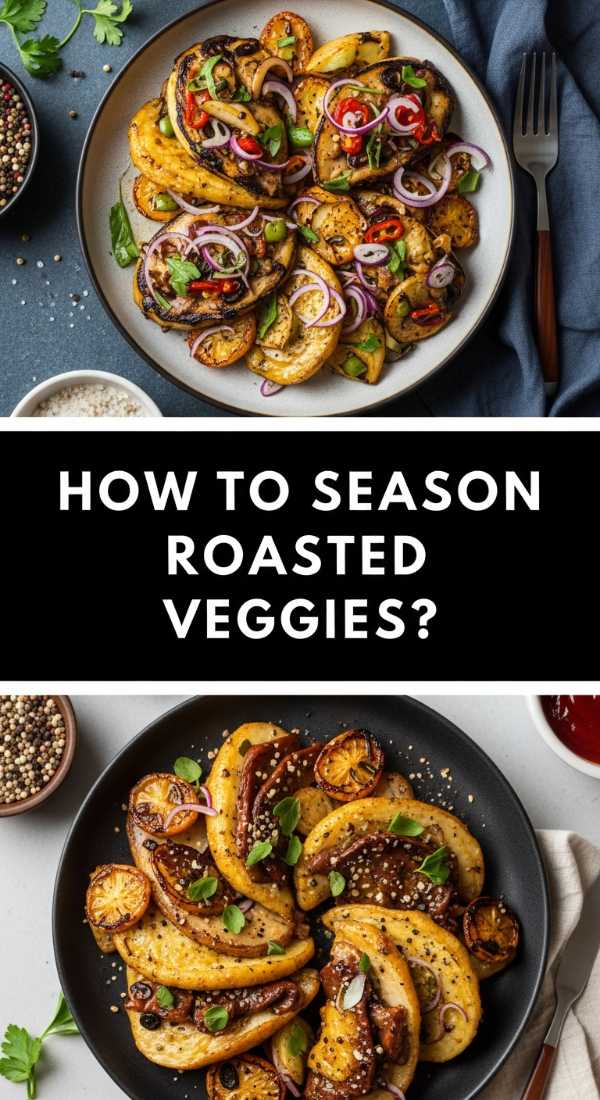
How to season roasted veggies?
Why we love this
Seasoning is the bridge between a bland vegetable and a culinary revelation, transforming simple produce into something bold and memorable. The way a pinch of salt draws out moisture or a dash of smoked paprika adds a grilled depth is truly transformative to the senses. Properly seasoned vegetables hit every note on the palate—salty, sweet, and umami—creating a multi-dimensional eating experience that keeps you coming back for more.
Ingredients
- Kosher salt and black pepper
- Smoked paprika
- Garlic powder
- Nutritional yeast (for a cheesy vibe)
- High-quality avocado or olive oil
How to make it
- The first rule of seasoning is the “High-Hand” technique: sprinkle your salt from about 12 inches above the pan to ensure even distribution and avoid salty hot spots.
- Always apply your oil first; it acts as the adhesive that keeps your dry spices from falling off the vegetables and burning on the bottom of the pan.
- For dried herbs and spices like paprika or garlic powder, add them before roasting. For delicate fresh herbs like parsley or cilantro, wait until the vegetables are out of the oven to preserve their bright color and volatile oils.
- Incorporate an acid. After roasting, a tiny splash of apple cider vinegar or lemon juice will “wake up” the flavors and cut through the richness of the oil.
- Do a final taste test. Vegetables absorb salt as they cook, so a tiny finishing sprinkle of flaky salt right before serving often provides that professional-level pop.
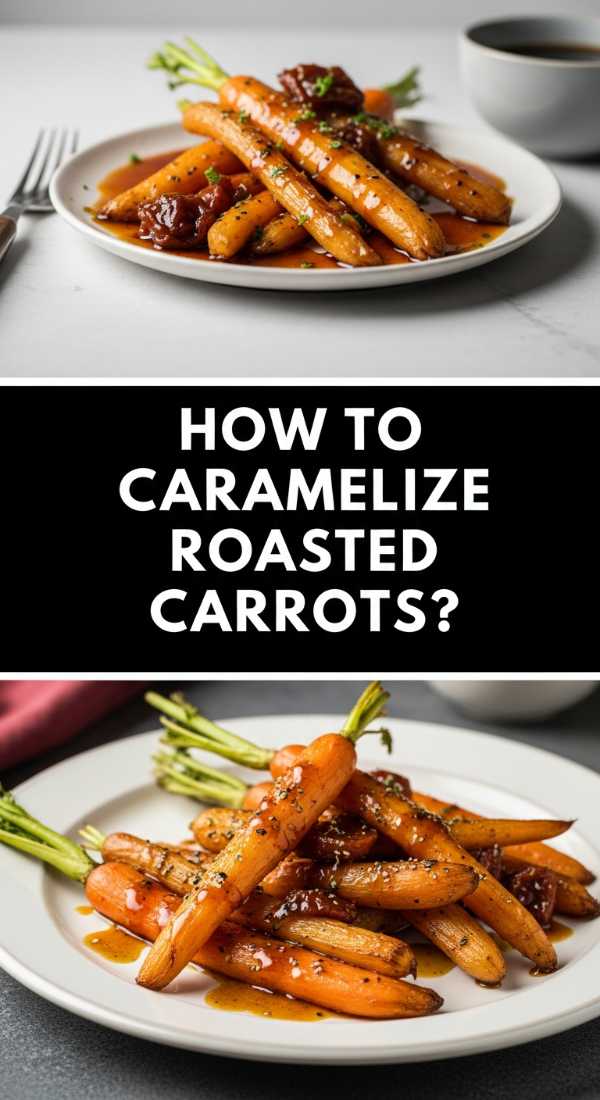
How to caramelize roasted carrots?
Why we love this
Caramelization is a chemical romance that turns the humble carrot into a sophisticated delicacy with deep, nutty undertones and a jewel-like appearance. As the natural sugars break down under high heat, they develop a complex sweetness that is far more interesting than raw sugar, offering a savory-sweet profile that pairs perfectly with sharp cheeses or creamy dips. The texture becomes supple and luscious, providing a beautiful contrast to the crunchier elements on your food board.
Ingredients
- 1 lb Large carrots, sliced on a diagonal
- 2 tbsp Olive oil
- 1 tbsp Balsamic vinegar
- 1/2 tsp Brown sugar (optional for extra depth)
- Fresh thyme leaves
How to make it
- Slice the carrots on a sharp diagonal (a bias cut). This creates more surface area, which means more space for caramelization to occur against the hot pan.
- Toss the carrots with olive oil and the optional pinch of brown sugar. The sugar helps jumpstart the Maillard reaction, ensuring a deep brown color.
- Arrange the carrots on a baking sheet, ensuring the flat, cut sides are making full contact with the metal. This is the secret to those dark, sweet spots.
- Roast at 425°F for 20 minutes without touching them. Resisting the urge to flip them early allows the sugars to properly brown against the heat.
- During the last 5 minutes of roasting, drizzle the balsamic vinegar over the carrots. The vinegar will reduce into a thick, tangy syrup that balances the intense sweetness of the caramelized carrots.
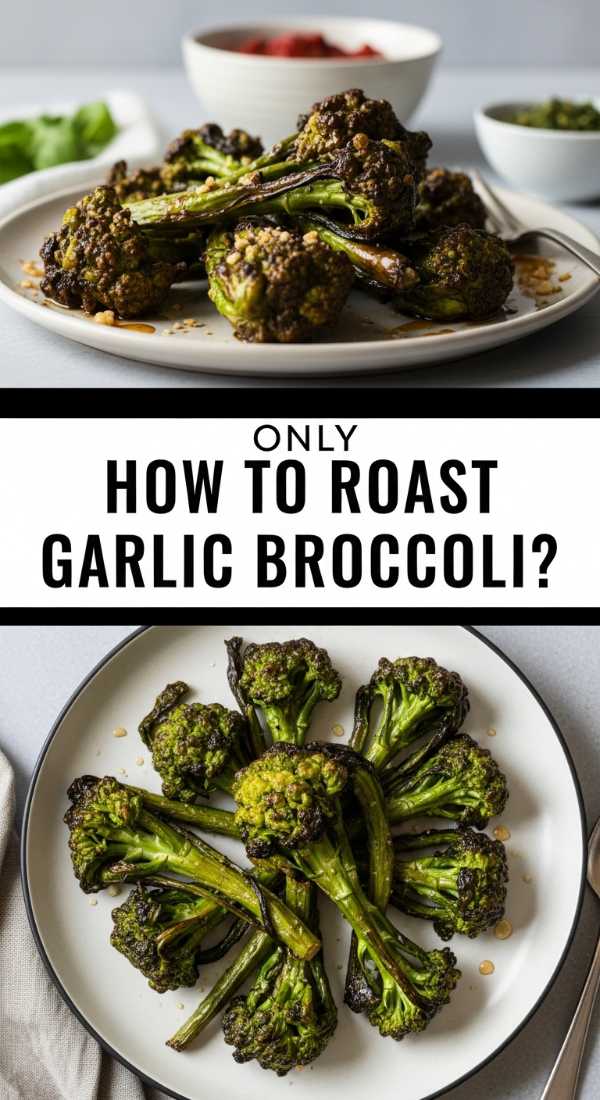
How to roast garlic broccoli?
Why we love this
Roasted garlic broccoli is an aromatic powerhouse that fills the room with a mouth-watering, savory scent that is impossible to ignore. The garlic slices become golden and crisp, resembling tiny chips of flavor that nestle inside the charred broccoli florets. It creates a bold, punchy experience that wakes up the senses and adds a layer of sophisticated bitterness and umami to your vegetable spread.
Ingredients
- 1 Large head of broccoli
- 4-5 Cloves of garlic, thinly sliced (not minced)
- 3 tbsp Olive oil
- Zest of one lemon
- Grated Parmesan cheese
How to make it
- Prepare the broccoli by cutting it into medium florets. Peel and slice your garlic cloves into very thin, translucent “chips.” Avoid mincing the garlic, as tiny pieces will burn and turn bitter at roasting temperatures.
- Toss the broccoli florets with olive oil and salt in a bowl, then spread them onto a baking sheet.
- Wait to add the garlic! Roast the broccoli alone at 400°F for the first 12 minutes. Because garlic slices are thin, they only need about 8-10 minutes to reach golden perfection.
- At the 12-minute mark, remove the pan and scatter the garlic slices over the broccoli. Give the pan a quick shake to distribute.
- Return to the oven for the remaining 8-10 minutes. Watch closely; as soon as the garlic turns a pale golden brown, remove the pan. Finish with lemon zest and a dusting of Parmesan for a salty kick.
How to make creamy soup?

Why we love this
The texture of a truly creamy vegetable soup is pure luxury, feeling like silk on the tongue and providing a rich, satisfying weight that keeps you full for hours. It’s a wonderful way to experience the pure, concentrated flavor of a single vegetable—like butternut squash or cauliflower—transformed into a velvety liquid. There is a visual elegance to a smooth soup, especially when swirled with a touch of cream or oil, making it the perfect centerpiece for a sophisticated lunch.
Ingredients
- 1 lb Starchy vegetable (like potatoes or cauliflower)
- 1 White onion, chopped
- 3 cups Broth
- 1/2 cup Heavy cream or full-fat coconut milk
- Salt and white pepper to taste
How to make it
- Sauté the onion in butter or oil until soft but not browned. You want to keep the color of the soup as pure as possible, so avoid any charring.
- Add your main vegetable (cut into small chunks) and the broth. Ensure the broth just barely covers the vegetables; too much liquid will result in a thin, watery soup.
- Simmer until the vegetables are incredibly soft—they should fall apart when pressed against the side of the pot with a spoon. This usually takes about 20-25 minutes.
- Use an immersion blender directly in the pot, or transfer to a high-speed stand blender. Blend on the highest setting for at least 60 seconds to break down every fiber into a perfectly smooth puree.
- Stir in the cream or coconut milk over very low heat. Do not let the soup boil once the cream is added, as this can cause it to break. Season with white pepper to maintain the clean, creamy aesthetic.
How to get crispy edges?

Why we love this
The quest for the crispy edge is the ultimate pursuit in vegetable roasting; it’s that concentrated, slightly salty, deeply browned bit that provides the most flavor and the best crunch. It adds a professional touch to home cooking, elevating simple ingredients to restaurant quality. There is a primal satisfaction in finding that one perfectly charred potato wedge or Brussels sprout leaf that has turned into a translucent, savory chip.
Ingredients
- Starchy vegetables (potatoes, squash, or carrots)
- High smoke-point oil (Grapeseed or Avocado)
- Preheated heavy baking sheet
- Sea salt
How to make it
- The “Flat Surface Strategy”: Always cut your vegetables to have at least one wide, flat side. For potatoes, this means a clean slice down the middle.
- Ensure the vegetables are bone-dry. Use a clean kitchen towel to pat them down repeatedly. Moisture creates a barrier between the vegetable and the oil, preventing the crisping process.
- Do not use parchment paper if you want maximum crisp. While paper makes cleanup easy, roasting directly on a dark, heavy metal pan provides the best heat transfer for browning.
- Place the flat side of each vegetable face-down on the oiled, preheated pan. Do not move them for the first 20 minutes! This undisturbed contact is what builds the “crust.”
- Use a thin metal fish spatula to flip them. A metal spatula can slide under the crispy layer without tearing it off, ensuring that beautiful brown edge stays attached to the vegetable.
How to cook rainbow vegetables?

Why we love this
Cooking with a rainbow of vegetables is a feast for the eyes and a gift to your health, providing a diverse range of phytonutrients and a stunning array of flavors on one tray. There is a playful, creative energy in arranging purple cauliflower, orange carrots, and green asparagus together, watching as the heat intensifies their natural hues. It’s a dish that celebrates the season’s bounty and makes healthy eating feel like a vibrant, joyful indulgence rather than a chore.
Ingredients
- Purple potatoes
- Red bell peppers
- Yellow squash
- Zucchini (green)
- Red onion (purple/pink)
- Olive oil and Italian seasoning
How to make it
- Group your vegetables by density. Harder vegetables (potatoes, carrots) take longer to cook than soft ones (peppers, zucchini).
- Start the dense vegetables first. Roast the potatoes and onions at 400°F for about 15 minutes before adding anything else to the tray.
- Prepare the softer vegetables by cutting them slightly larger than the dense ones. This helps them finish at the same time as the smaller, pre-roasted pieces.
- Add the softer vegetables to the tray, tossing them with a fresh drizzle of oil and seasoning to ensure everything is evenly coated.
- Continue roasting for another 15-20 minutes. The visual cue for a perfect rainbow tray is when the peppers are blistered and the zucchini is tender but still holds its bright green color.
The Final Touch: Bringing the Board Together
Once your vegetables are roasted to perfection and your soup is velvety smooth, the real fun begins. Arrange your colorful creations on a large wooden board, grouping them by color or texture. Add a few small bowls of dipping sauces—think tahini, pesto, or a spicy harissa—and garnish with fresh herbs. This viral food board isn’t just about the food; it’s about the experience of sharing something beautiful, healthy, and deeply satisfying with the people you love. So, grab a board, fire up the oven, and get ready to see why this simple meal is taking over everyone’s feed!