

Have you ever walked through your front door after a long day and felt an immediate weight on your chest? It is usually not one big thing, but a thousand tiny ones—the pile of mail on the console, the mismatched throw pillows that no longer spark joy, and that one chair that always seems to be in the way. For years, we have been told that to be cozy, we need to surround ourselves with ‘more,’ but I have discovered that true sanctuary is found at the intersection of intentional minimalism and the soulful warmth of hygge.
Creating a warm, clutter-free sanctuary is not about living in a cold, white box; it is about curated comfort. It is about choosing quality over quantity and ensuring every item in your home has a purpose or a story that makes your heart beat a little slower. In this guide, I am sharing my favorite ways to blend these two worlds, transforming your living space into a breathable, beautiful retreat that nourishes your spirit every time you step inside.
How to Arrange Small Living Spaces for Maximum Flow
Why we love this
There is a profound sense of relief that comes from a room that breathes with you rather than constricting you. We love this approach because it treats the floor plan like a river, allowing energy and movement to glide effortlessly from the entryway to the window nook. When a small space is arranged for flow, you no longer feel ‘cramped’—instead, you feel nestled. The sensory experience of seeing clear paths and balanced furniture heights creates a visual quiet that instantly lowers your cortisol levels and makes the square footage feel doubled.
Essential Elements:
- Multi-functional furniture with exposed legs.
- A large, light-colored area rug to define the zone.
- Strategic mirror placement to reflect natural light.
- Low-profile seating to maintain sightlines.
- Minimalist floating shelves for vertical storage.
How to make it
- Begin by clearing the entire room to visualize the ‘dead’ zones and the natural pathways where people walk; aim for at least 30 inches of walking space between furniture pieces.
- Position your largest piece, usually the sofa, against the longest wall or centered facing the main focal point, ensuring it doesn’t block any windows to keep the natural light pouring in.
- Select furniture with ‘legs’ rather than blocky bases; seeing the floor continue underneath the sofa and chairs creates an optical illusion of more space and allows for better air circulation.
- Place a large mirror directly opposite your primary light source; this ‘doubles’ your window and bounces warmth into the darker corners of the room.
- Incorporate ‘breathable’ zones by leaving at least one corner entirely empty or occupied only by a tall, slim plant, which draws the eye upward and prevents a ‘heavy’ feeling at floor level.
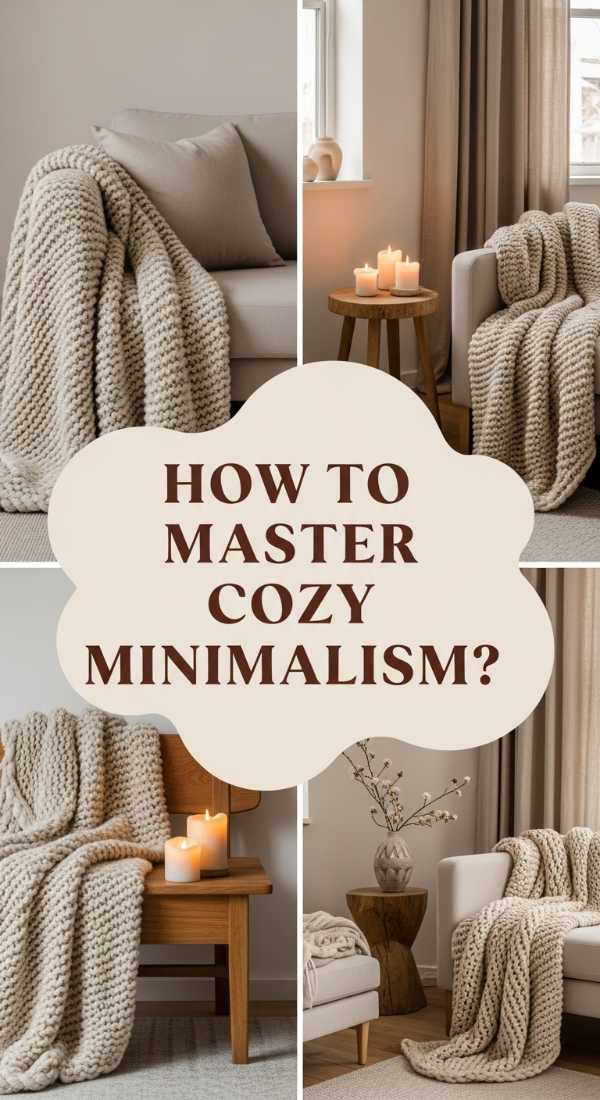
How to Master Cozy Minimalist Style for a Warm Home
Why we love this
This style is the ultimate antidote to the ‘sterile’ minimalist stereotype, offering a hug for the soul while keeping the surfaces clear. We love it because it relies on a palette of creamy oatmeals, soft sands, and weathered woods that mimic the calming tones of a secluded beach at dusk. The aroma of a beeswax candle dancing against a single, well-placed ceramic vase creates a vignette of pure peace. It is about the tactile joy of running your hand over a raw wood table—it feels grounded, authentic, and deeply personal without the noise of excess decor.
Essential Elements:
- A monochromatic color palette with varying warm undertones.
- Natural materials like linen, wood, and stone.
- Soft, amber-toned ambient lighting.
- Handcrafted ceramics with organic shapes.
- One or two high-quality statement textiles.
How to make it
- Identify your base color—usually a warm white or a soft greige—and paint your walls with a matte finish to absorb light softly and eliminate harsh glares.
- Layer in natural wood elements; choose one dominant wood tone (like light oak or walnut) and use it for your coffee table, shelving, or picture frames to create a cohesive, grounded look.
- Replace all cool-toned LED bulbs with warm-spectrum bulbs (2700K to 3000K) to ensure that even at night, the minimalist surfaces glow with an inviting, golden hue.
- Select ‘hero’ decor pieces rather than ‘filler’ items; choose one large, handmade ceramic bowl for the dining table instead of five small plastic trinkets, ensuring the item has enough visual weight to stand alone.
- Introduce a single scent profile for the home, such as sandalwood or cedar, which acts as an invisible layer of decor that reinforces the ‘warm sanctuary’ vibe the moment you enter.
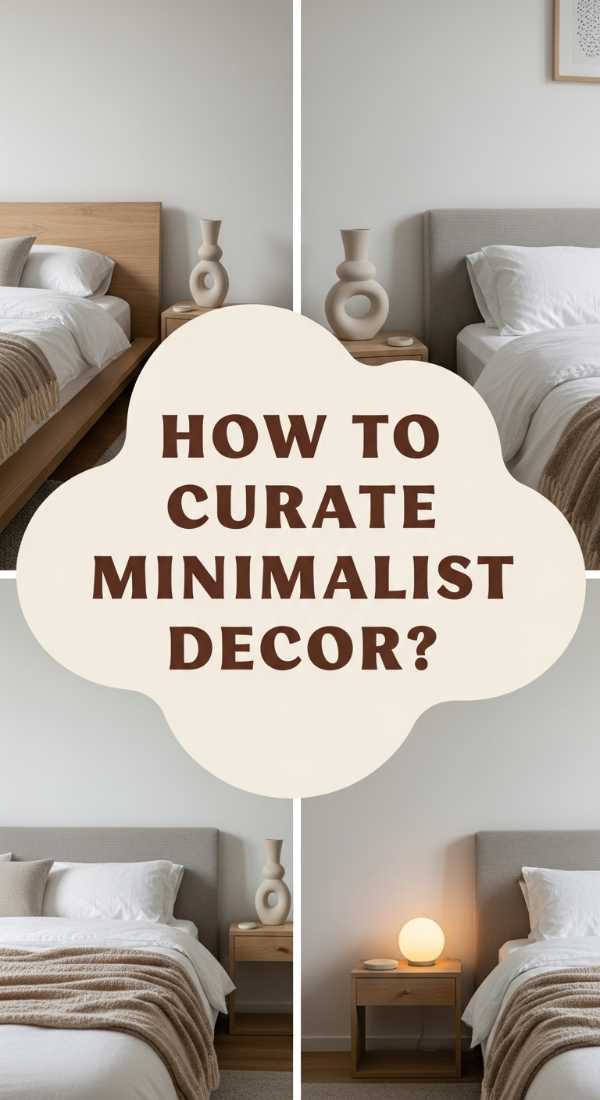
How to Curate Minimalist Room Decor for Peaceful Sleep
Why we love this
Your bedroom should be a cathedral of rest, a place where the chaotic thoughts of the day simply cannot find a place to land. We love minimalist sleep decor because it removes the visual ‘to-do list’—the stacks of books, the tech chargers, and the laundry piles—leaving only the softest textures and the quietest colors. The feeling of crisp, high-quality linen against your skin, paired with the absence of clutter, signals to your brain that the world is safe and quiet, allowing for a depth of REM sleep that is impossible in a crowded room.
Essential Elements:
- High-quality linen or organic cotton bedding.
- Closed bedside storage to hide clutter.
- Blackout curtains in a heavy, neutral fabric.
- A single piece of calming, low-contrast art.
- Zero-technology zone (no TVs or visible chargers).
How to make it
- Audit your bedside table; remove everything except a lamp, a carafe of water, and the one book you are currently reading, storing all other essentials in a drawer out of sight.
- Invest in ‘layerable’ bedding; start with a fitted sheet, add a high-thread-count flat sheet, and top with a duvet in a muted tone like sage or charcoal to create a ‘hotel-bed’ feel that invites rest.
- Install blackout window treatments that extend 6 inches beyond the window frame on each side to ensure total darkness, which is essential for regulating your circadian rhythm.
- Select art that features soft, blurry edges or abstract landscapes and hang it at eye level when sitting in bed, providing a peaceful point for your gaze to rest before you close your eyes.
- Implement a ‘cord management’ system behind the nightstand to ensure that even the few necessary electronics are invisible, maintaining the clean lines of the room.
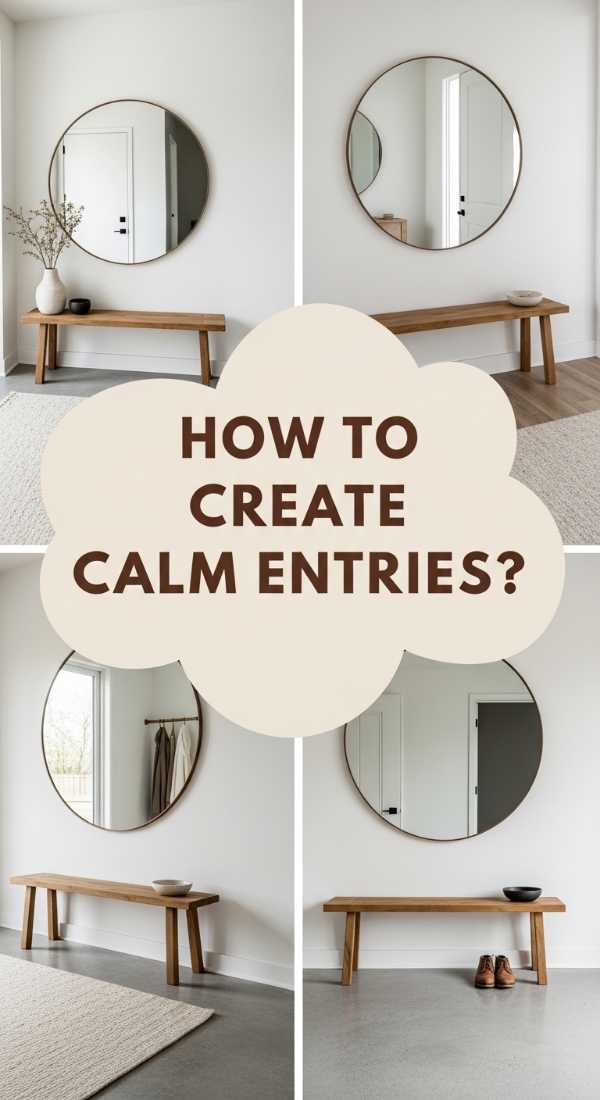
How to Create a Minimalist Home Entryway for Calm Arrivals
Why we love this
The entryway is the transition between the wildness of the outside world and the peace of your private life, and we love a minimalist approach here because it sets the tone for your entire evening. Imagine walking in and seeing only a smooth wooden bench and a single hook for your coat, rather than a mountain of shoes and keys. The scent of a fresh eucalyptus sprig in a glass vase greets you, acting as a sensory ‘reset’ button that tells your mind, ‘You are home now; you can exhale.’
Essential Elements:
- A slim console table or a wall-mounted floating shelf.
- Hidden shoe storage or a low-profile wooden bench.
- A designated, beautiful ‘drop zone’ for keys and mail.
- Uniform wall hooks in a matte metal finish.
- A durable, low-pile runner in an earthy tone.
How to make it
- Assess the ‘dumping’ habits of your household and install a hidden cabinet or a bench with a lid to conceal shoes, preventing the visual chaos of mismatched footwear at the door.
- Mount a floating shelf at waist height (approx. 30-36 inches) to serve as a ‘landing strip’ for mail and keys; use a small brass or ceramic tray to contain these items so they don’t migrate across the surface.
- Place exactly three hooks on the wall at varied heights; this limits the number of coats that can be left out, forcing you to move excess outer garments to a closet and keeping the entryway light.
- Position a round mirror above the console to check your appearance and bounce light into what is often the darkest part of the home, making the transition from outside feel bright and airy.
- Add one organic element, like a small potted snake plant or a single branch in a tall vase, to bridge the gap between the outdoors and your minimalist interior.
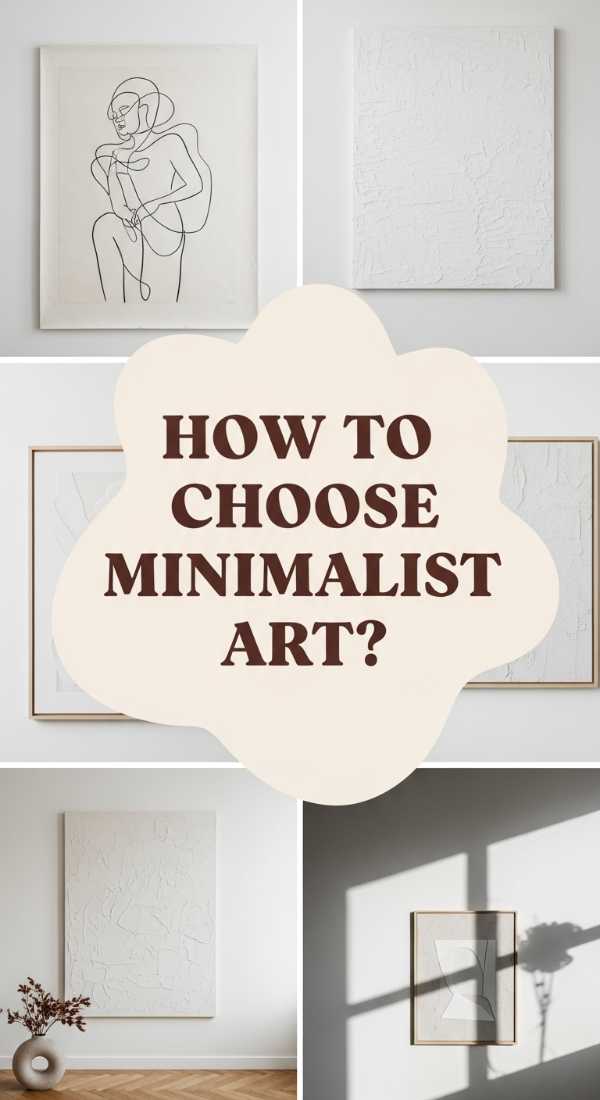
How to Choose Minimalist Living Room Art for Modern Elegance
Why we love this
Art in a minimalist home isn’t just decoration; it’s a focal point that defines the soul of the room. We love large-scale, minimalist art because it provides a sophisticated ‘rest’ for the eyes, using negative space to create a sense of grandeur without the noise. There is something deeply moving about a single, oversized canvas with a simple brushstroke or a textured white-on-white composition; it invites contemplation and adds a layer of curated elegance that makes the room feel like a high-end gallery while remaining undeniably cozy.
Essential Elements:
- Oversized canvases or large-scale frames.
- Abstract compositions with a limited color palette.
- Texture-focused pieces (plaster, textile, or raw paper).
- Slim, museum-style frames in natural wood or black.
- Strategic ‘negative space’ on the surrounding walls.
How to make it
- Select one ‘hero’ wall in your living room—usually the one behind the sofa—and measure the space to ensure your chosen art piece takes up about two-thirds of the width of the furniture below it.
- Choose art that features ‘white space’ or ‘breathing room’ within the composition; this prevents the art from feeling like it’s crowding the minimalist furniture and keeps the vibe airy.
- Hang the piece so that the center point is exactly 57 to 60 inches from the floor, which is the standard gallery height, ensuring it feels integrated into the room’s architecture.
- If using a frame, opt for a ‘floater’ frame for canvases or a slim wood frame with a wide white mat for prints; the mat acts as a buffer that makes the art feel more intentional and expensive.
- Avoid ‘gallery walls’ with dozens of small frames, which can feel cluttered; instead, if you want more than one piece, use a ‘diptych’ (two matching pieces) placed 2-3 inches apart for a clean, rhythmic look.
How to Layer Minimalist Textures for Ultimate Cozy Vibes
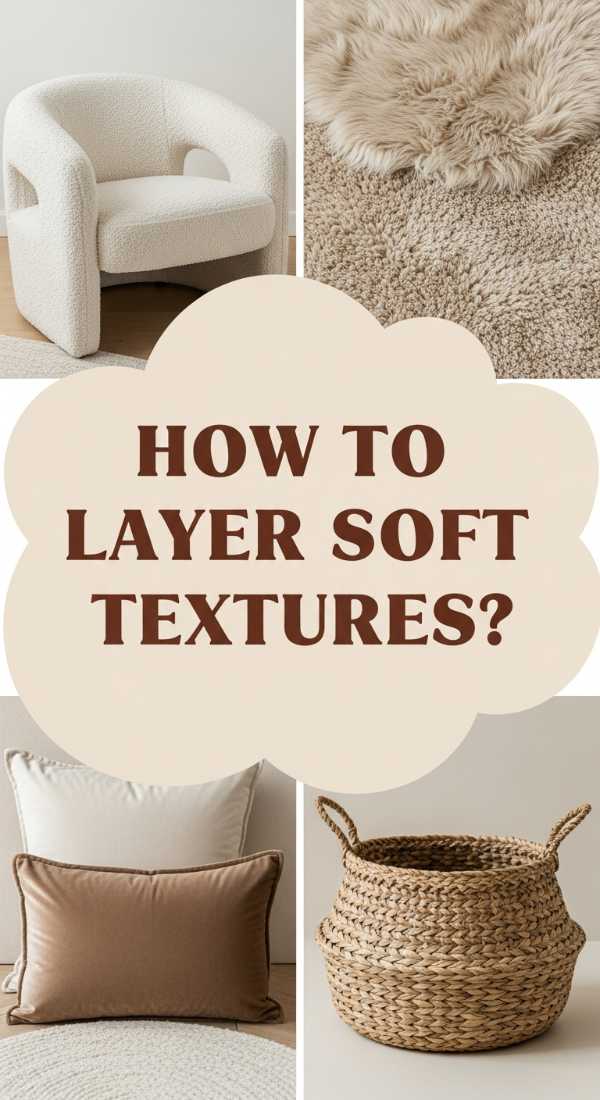
Why we love this
Texture is the secret language of the minimalist home; it provides the ‘warmth’ in hygge without needing a single extra trinket. We love this because it appeals to our most primal sense of touch—the nubby grain of a bouclé chair, the cool smoothness of a marble side table, and the heavy drape of a chunky wool throw. By layering these contrasting textures, you create a rich, sensory environment that feels incredibly ‘full’ and luxurious, even if the room only contains a few items. It’s like a warm hug for your eyes and your skin.
Essential Elements:
- A mix of ‘hard’ and ‘soft’ materials (stone vs. wool).
- Textured fabrics like bouclé, linen, and velvet.
- Natural fibers like jute, sisal, or shearling.
- Variable pile heights in rugs.
- Tonal variations of the same color.
How to make it
- Start with your ‘base’ texture—usually a large, low-pile wool rug in a neutral cream or grey that grounds the entire seating area.
- Add a contrasting ‘hard’ element, such as a smooth stone coffee table or a metal side table, to provide a sharp, clean counterpoint to the soft rug.
- Drape a heavy, oversized knit throw over the corner of your sofa, allowing it to pool slightly on the floor; this ‘relaxed’ styling adds an immediate sense of lived-in comfort.
- Incorporate ‘tactile’ pillows; choose covers in different fabrics—one linen, one velvet, and one sheepskin—but keep them all within the same color family to maintain minimalist cohesion.
- Finish the layer by adding a ‘rough’ natural element, like a woven seagrass basket for extra pillows, which introduces an organic rhythm that balances the smoother synthetic surfaces in the room.
How to Style Minimalist Greenery for a Natural Room Refresh
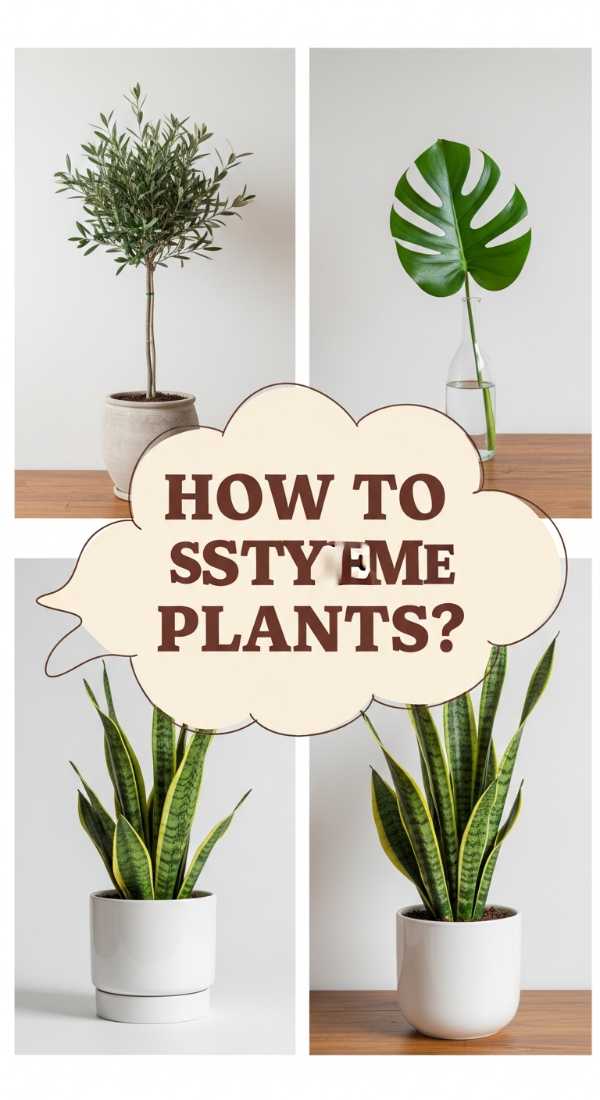
Why we love this
Plants are the only ‘decor’ that actually improves your life by cleaning the air and providing a living, breathing connection to nature. We love minimalist greenery because it uses a ‘less is more’ approach—a single, magnificent Olive tree in a terracotta pot can transform a corner more effectively than ten small succulents. The vibrant green against a neutral minimalist backdrop creates a stunning visual pop that feels fresh, clean, and vital. It brings the ‘outside in’ in a way that feels intentional and architectural rather than overgrown.
Essential Elements:
- Large-scale statement plants (Fiddle Leaf Fig, Olive Tree).
- Monochromatic, matte-finished planters.
- Minimalist plant stands with clean lines.
- Single botanical stems in clear glass vases.
- Healthy, dust-free foliage.
How to make it
- Identify a corner that receives bright, indirect sunlight and place a large, floor-standing plant there to act as a living sculpture that softens the room’s hard angles.
- Choose a planter that matches your wall color or your floor tone; a white pot on a white wall makes the green leaves ‘pop’ and keeps the floor space looking uncluttered.
- For tabletops, use the ‘single stem’ method: place one beautiful Eucalyptus or Monstera leaf in a tall, narrow glass vase; the transparency of the glass keeps the look light and airy.
- Group smaller plants in odd numbers (threes or fives) but keep them in identical pots to create a ‘unified’ green zone rather than a scattered collection of mismatched containers.
- Maintenance is key for minimalism; prune any brown leaves immediately and dust the foliage with a damp cloth every two weeks to ensure the plants look like vibrant pieces of art.
How to Select Minimalist Lighting for a Radiant Living Area
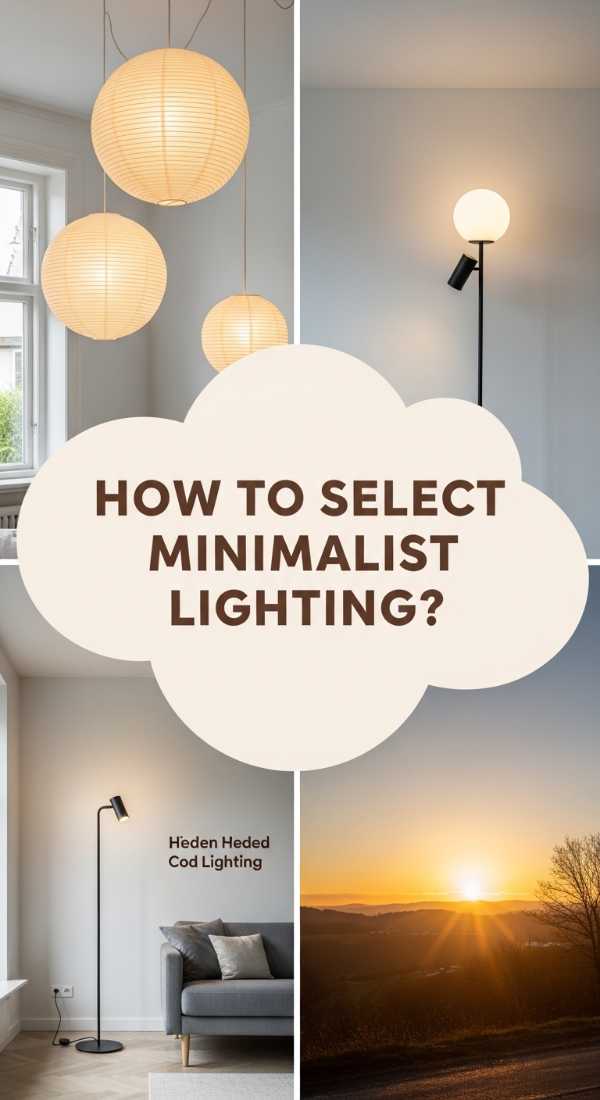
Why we love this
Lighting is the ‘makeup’ of your home; it has the power to make even the simplest room feel like a glowing sanctuary. We love minimalist lighting because it focuses on the quality of light rather than the flashiness of the fixture. When you hide the light sources—using recessed lights or sleek floor lamps—the room feels like it is radiating from within. The soft, diffused glow creates deep shadows and bright highlights that add dimension to a minimalist space, making it feel cozy and intimate during the evening hours.
Essential Elements:
- Dimmable switches for every light source.
- Architectural floor lamps with slim profiles.
- Warm-toned bulbs (2700K).
- Frosted glass or fabric shades for diffusion.
- Minimalist wall sconces for accent lighting.
How to make it
- Layer your light in three levels: ‘ambient’ (ceiling), ‘task’ (reading lamps), and ‘accent’ (warm glows in corners) to ensure the room never feels flat or clinical.
- Swap out ‘boob lights’ or outdated chandeliers for flush-mount or semi-flush-mount fixtures with clean geometric shapes in matte black or brushed brass.
- Place a slim arc floor lamp behind a reading chair; the curve adds a soft shape to the room while the light is directed exactly where you need it without cluttering the ceiling.
- Install dimmers on everything; being able to lower the light levels to 20% in the evening is the fastest way to trigger the ‘hygge’ response in your brain.
- Use ‘uplighting’ by placing a small, hidden LED puck light behind a large plant; this casts beautiful, leafy shadows on the ceiling and adds a magical, indirect glow to the room.
How to Design a Minimalist Kitchen for Stress-Free Cooking
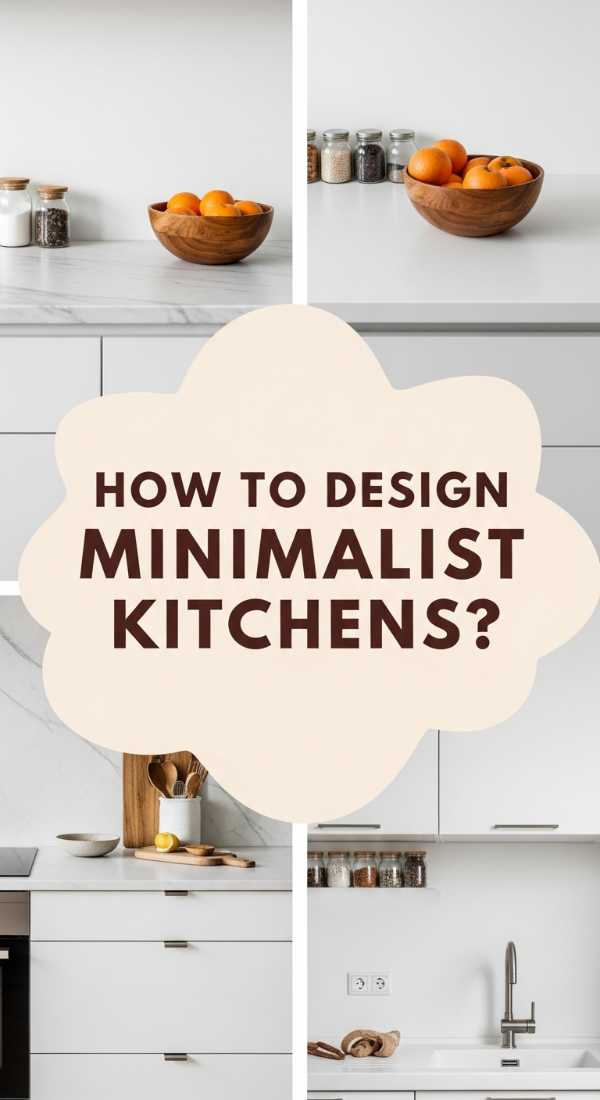
Why we love this
The kitchen is often the most cluttered room in the house, so a minimalist approach here feels like a literal breath of fresh air. We love a ‘clear counter’ policy because it removes the visual ‘static’ of appliances and spice jars, allowing you to focus on the sensory joy of cooking—the smell of fresh herbs, the sound of a simmering pot, and the tactile feel of a sharp knife. A minimalist kitchen isn’t just about looks; it’s about creating a high-functioning workshop where every tool is tucked away but within easy reach, turning chores into a meditative ritual.
Essential Elements:
- Hidden appliance garages or deep cabinet storage.
- Uniform jars and containers for pantry staples.
- A neutral, easy-to-clean backsplash (like large-format tiles).
- Under-cabinet LED task lighting.
- High-quality, multi-purpose cookware.
How to make it
- Perform a ‘countertop audit’ and move every appliance you don’t use daily (the toaster, the blender, the stand mixer) into lower cabinets or a dedicated ‘appliance garage.’
- Decant frequently used dry goods—like flour, sugar, and pasta—into matching glass jars with wooden lids; this creates a sense of visual rhythm and makes it easy to see when you’re running low.
- Install a magnetic knife strip or a sleek, hidden drawer insert for utensils to keep the ‘clutter’ of tools off the surfaces and maintain a sharp, clean aesthetic.
- Choose a single, beautiful bowl for fruit as the only decorative item on your island; this provides a natural pop of color while keeping the workspace functional.
- Upgrade your hardware; replacing mismatched or plastic knobs with heavy, minimalist metal pulls in a uniform finish instantly elevates the entire kitchen’s design.
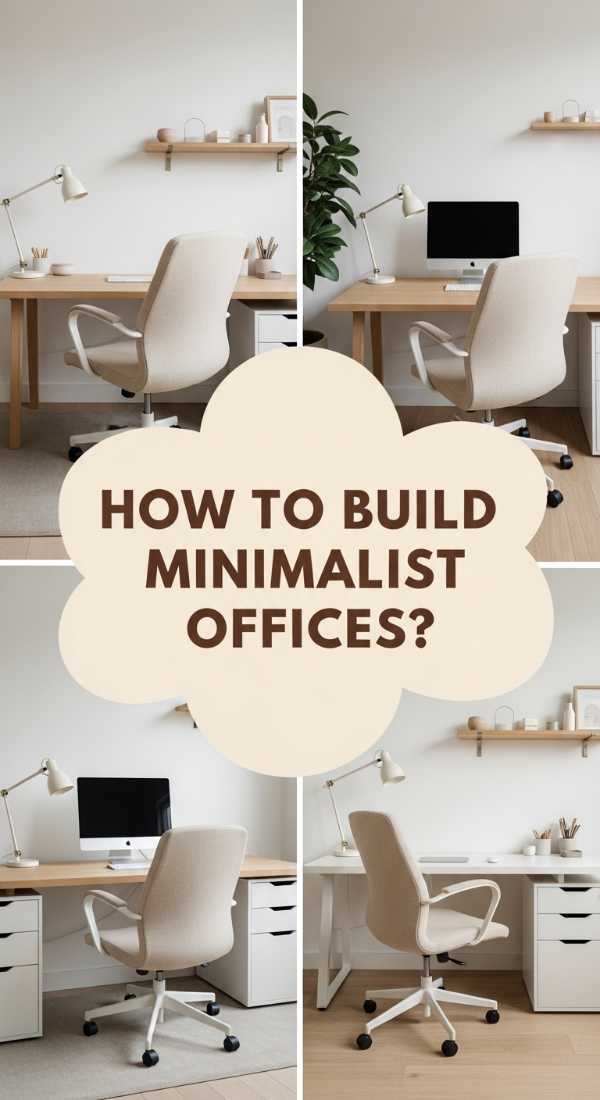
How to Build a Minimalist Home Office for Deep Focus
[IMAGE_10]
Why we love this
In a world of constant digital pings, a minimalist home office is a fortress for your focus. We love this because it minimizes ‘cognitive load’—the less your eyes have to process in your peripheral vision, the more your brain can dedicate to the task at hand. The feeling of a clean, smooth desk surface and a comfortable, ergonomic chair creates a professional ‘bubble’ that separates your work life from your home life. It’s about creating a space where the only thing that matters is the flow of your ideas.
Essential Elements:
- A simple, spacious desk with built-in cable management.
- An ergonomic chair that blends with your decor.
- Hidden filing systems or digital-only document storage.
- Natural light or a high-quality desk lamp.
- One small, inspiring object (a stone, a plant, or a photo).
How to make it
- Position your desk near a window to take advantage of natural light, which boosts productivity, but ensure your monitor is angled to avoid glare and eye strain.
- Implement a ‘zero-cable’ rule by using adhesive cord clips and ‘sleeves’ to bundle all computer and charger wires and hide them behind the desk legs or in a cable management box.
- Limit your desktop items to the ‘Rule of Three’: your computer, one notebook, and one beverage; everything else goes in a drawer or on a shelf behind you.
- Select a neutral, comfortable chair that doesn’t look like a typical ‘office chair’; look for clean lines and breathable fabrics that match the rest of your home sanctuary.
- End every workday with a ‘reset’ ritual: clear your desk of papers and pens, shut down your computer, and wipe the surface clean so that when you arrive the next morning, you are greeted by a fresh start.
The Path to a Purposeful Home
Transforming your home into a minimalist sanctuary is not a one-day project; it is a lifestyle shift that values your peace of mind over the accumulation of things. By focusing on quality textures, natural light, and intentional flow, you create a space that doesn’t just look beautiful in photos, but feels restorative to live in. Remember, the goal isn’t perfection—it’s to create a home that supports the best version of you. Start small, one room at a time, and listen to how your space feels as it begins to breathe again.
Minimalist & Hygge FAQ
Is minimalism expensive to start?
Actually, the best way to start minimalism is free—it begins with decluttering and removing what you don’t need! While investing in high-quality ‘hero’ pieces can be more expensive upfront, you end up spending less over time because you stop buying cheap, disposable decor.
How do I make a minimalist room feel ‘warm’ instead of cold?
The secret is texture and lighting. Use warm-toned light bulbs (2700K) and layer natural materials like wool, linen, and wood. Avoid too many ‘shiny’ or plastic surfaces, which tend to feel more clinical.
Can I have a minimalist home with children?
Yes! Minimalist living with kids is about having ‘homes’ for everything. Use beautiful baskets and closed storage to hide toys when they aren’t in use, and focus on owning fewer, higher-quality toys that can be easily organized.