
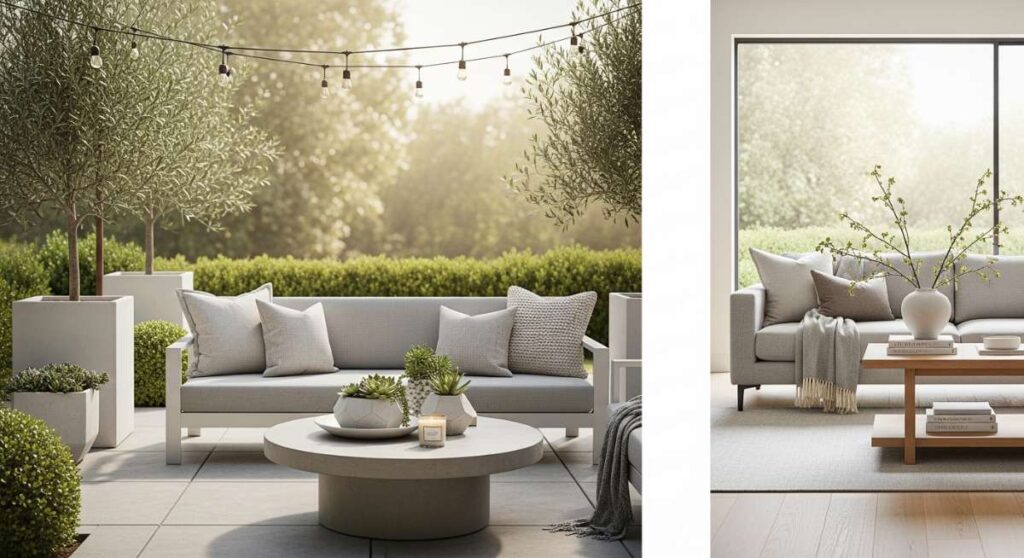
Curated Comforts: Transforming Your Patio and Living Room
There is a specific kind of magic that happens when the late afternoon sun hits just right, casting long, golden shadows across a space that feels entirely your own. Whether it is the scent of blooming jasmine drifting through an open window or the way a plush velvet throw catches the light, our homes are more than just four walls; they are the backdrops to our most cherished memories. Lately, I’ve found myself yearning to blur the lines between the wild beauty of the outdoors and the cozy sanctuary of my living room.
Creating an aesthetic home isn’t just about following trends; it’s about curation—selecting pieces that spark joy and textures that invite you to slow down. In this guide, we are diving deep into how you can transform every corner of your property, from the smallest garden nook to the heart of your interior, into a lush, serene oasis. Let’s explore how to cultivate that perfect balance of comfort and elegance that makes every day feel like a getaway.
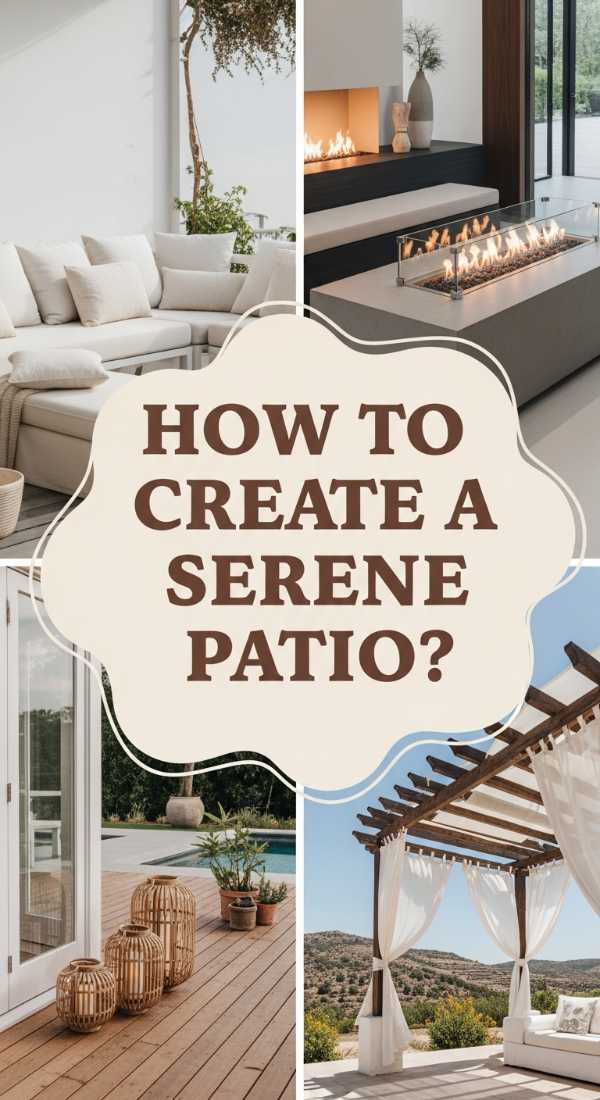
How to Create a Serene Patio for Ultimate Relaxation
Why we love this
A serene patio acts as a physical exhale, providing a dedicated transition zone between the chaos of the world and the peace of your home. Imagine the cool touch of smooth stone underfoot, the rhythmic swaying of a macramé hammock, and the faint, grounding aroma of cedarwood incense mingling with fresh air. It is a sensory sanctuary where the visual clutter of life disappears, replaced by a soft palette of eucalyptus greens and sandy beiges that soothe the eyes and quiet the mind.
Essential Elements:
- Weather-resistant floor cushions in linen fabrics
- A minimalist water feature or bubbling stone fountain
- Potted bamboo or tall grasses for natural privacy screens
- Dimmable warm-toned LED floor lanterns
- A low-profile teak coffee table
How to make it
- **The Foundation (Preparation Phase):** Begin by clearing the space entirely to assess the flow. Deep clean the flooring using a power washer or a stiff-bristle brush with a mild soap solution to ensure a fresh, grit-free surface.
- **Zone Definition (Structural Phase):** Use a large, outdoor-rated jute rug to define the relaxation area. Position your largest seating piece—ideally a daybed or deep-seated sofa—against the most stable wall or railing to create a sense of security (the ‘anchor’ technique).
- **Atmospheric Layering (Aroma & Sound):** Place your water feature in a corner where the sound can bounce off walls, amplifying the white noise. Introduce scent through potted lavender or rosemary placed at waist height, where the breeze can easily catch the fragrance.
- **Soft Goods Calibration (Texture Phase):** Layer cushions of varying densities. Start with high-firmness base cushions for support, topped with ‘cloud-like’ feather-filled accent pillows. Ensure the color story remains monochromatic to prevent visual overstimulation.
- **Lighting Finalization (The Glow):** Avoid harsh overhead lights. Position three lanterns of varying heights in a triangular formation to create ‘pools’ of light, which visually expands the space after dark and mimics the soft flicker of candlelight.
How to Cultivate a Dreamy Garden Aesthetic for a Peaceful Sanctuary

Why we love this
There is something deeply spiritual about a garden that feels like a hidden world, where every path leads to a moment of reflection. We love this aesthetic because it prioritizes the organic over the manicured, favoring soft, billowing blooms like hydrangeas and foxgloves that move with the wind. The air here feels heavier with the sweet, honeyed scent of nectar, and the visual tapestry of layered greens creates a depth that makes even a small plot feel like an endless woodland escape.
Essential Elements:
- Winding gravel or stepping-stone paths
- A mix of perennial flowers in pastel hues (pinks, purples, whites)
- Antique-style iron benches or ‘hidden’ seating nooks
- Bird baths or shallow stone basins
- Climbing vines like clematis or climbing roses
How to make it
- **Mapping the Journey (Pathwork Phase):** Instead of a straight line, plot a ‘serpentine’ path using garden stakes and string. This forces the eye to move slowly. Dig out the path 3 inches deep, lay landscape fabric to prevent weeds, and fill with pea gravel for that satisfying ‘crunch’ sound underfoot.
- **Vertical Architecture (Climbing Phase):** Install a wooden or iron arbor at the entrance of your garden. Plant fast-growing climbers at the base, ensuring you ‘train’ the vines by loosely tying them to the structure with soft twine in a criss-cross pattern to maximize coverage.
- **The Layering Bloom Technique (Planting Phase):** Follow the ‘staircase’ planting method. Place taller, sun-loving shrubs in the back, mid-sized flowering perennials in the center, and low-growing groundcovers like creeping thyme at the edges. This creates a lush, wall-of-nature effect.
- **Sensory Integration (Wildlife Phase):** Place a stone bird bath in a sunny spot. Ensure the water depth is no more than 2 inches; add decorative river stones to the basin so bees and birds have a landing ‘island’ to drink safely.
- **Patina Application (Finishing Phase):** To give the garden an ‘eternal’ feel, choose decor with a natural patina. If using new terracotta pots, rub them with a mixture of yogurt and moss to encourage natural lichen growth, making the garden look established and lived-in.
How to Select Elegant Outdoor Furniture for the Perfect Summer Lounge

Why we love this
The right furniture turns a backyard into a high-end resort, combining the durability of outdoor materials with the sophisticated silhouettes of indoor design. We love the juxtaposition of raw, tactile materials like weathered teak or woven rattan against the crisp, clean lines of white performance fabrics. It’s about that feeling of sinking into a chair that supports you perfectly while you sip a chilled glass of rosé, feeling the sun-warmed wood beneath your fingertips.
Essential Elements:
- Grade-A Teak or powder-coated aluminum frames
- Sunbrella or high-performance acrylic cushions
- Modular sectional pieces for flexible layouts
- Marble-topped or stone accent tables
- Integrated storage for weather protection
How to make it
- **Material Stress-Testing (Durability Phase):** Before buying, check the ‘weight’ of the furniture. High-quality outdoor furniture should feel substantial. For metal, look for ‘powder-coated’ labels which indicate a baked-on finish that prevents rust even in high-humidity environments.
- **The Comfort Evaluation (Ergonomics Phase):** Measure the seat depth. For a ‘lounge’ feel, look for a depth of at least 24 inches. Ensure the foam inside the cushions is ‘open-cell’—this allows water to drain through quickly rather than soaking it up like a sponge.
- **Layout Geometry (Spacing Phase):** Arrange your furniture to facilitate conversation. Leave at least 18 inches between the edge of the seating and the coffee table. This ‘clearance zone’ ensures guests can move their legs comfortably without feeling cramped.
- **Fabric Protection (Maintenance Phase):** Even with performance fabrics, apply a secondary UV-protectant spray to prevent fading from intense summer sun. Apply in a well-ventilated area, using long, even strokes to ensure an invisible, waterproof seal.
- **Detailing (The Polish):** Swap out standard plastic feet for stainless steel or rubber levelers. This ensures your lounge remains perfectly level even on uneven stone or decking, preventing the ‘wobble’ that ruins the luxury experience.
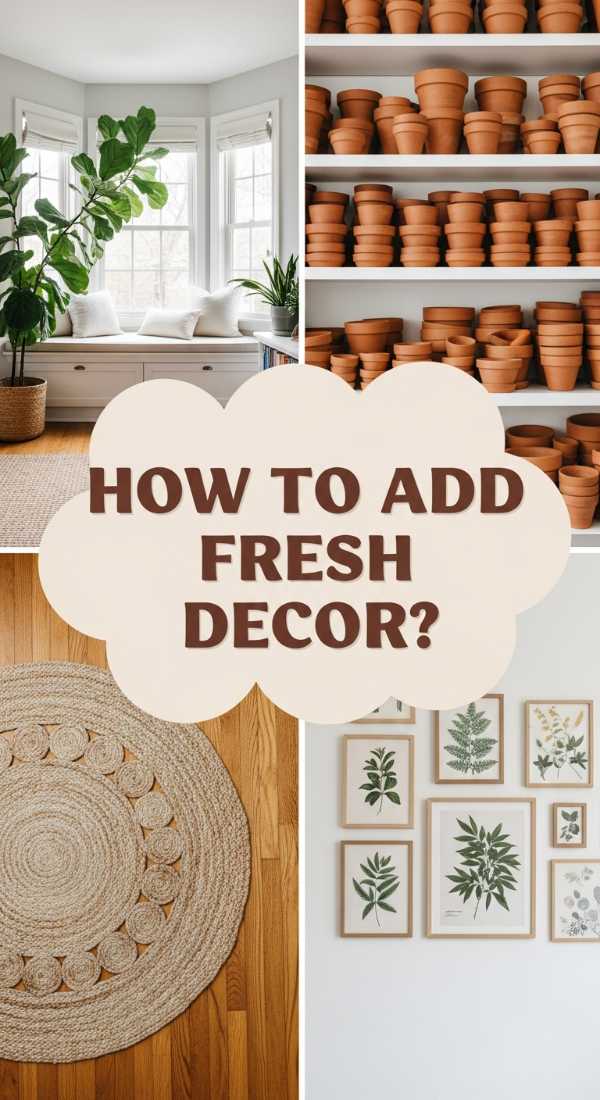
How to Integrate Lush Home Decor Ideas for a Fresh Interior Vibe
Why we love this
Bringing the outdoors in is the ultimate way to breathe life into a stagnant room. This vibe is all about ‘living decor’—the vibrant, waxy green of a Fiddle Leaf Fig, the earthy scent of damp terracotta, and the way shadows from leaves play across your walls like natural wallpaper. It creates a breathable, oxygen-rich environment that feels energetic during the day and deeply cocooning at night, bridging the gap between architecture and nature.
Essential Elements:
- Large-scale indoor trees (Olive trees or Palms)
- Natural fiber rugs (Sisal, Seagrass, or Jute)
- Ceramic vases in organic, asymmetrical shapes
- Sheer linen curtains that catch the breeze
- Botanical art prints or framed herbarium sheets
How to make it
- **The Green Anchor (Focal Point Phase):** Select a corner with bright, indirect light and place your largest plant there. Use a ‘double pot’ method: keep the plant in its plastic nursery pot (for drainage) and place that inside a decorative ceramic planter, filling the gap with dried moss for a professional, seamless look.
- **Textural Transition (Grounding Phase):** Layer a soft wool rug over a larger jute rug. This adds a ‘lush’ tactile feel underfoot while maintaining the earthy, natural aesthetic of the ‘outdoor-in’ theme.
- **Airflow Optimization (Window Treatment Phase):** Replace heavy drapes with lightweight linen sheers. Hang the curtain rod 4-6 inches above the window frame and extend it wider than the window itself; this ‘frames’ the outdoor view rather than blocking it.
- **The Vignette Technique (Styling Phase):** Group decor in odd numbers (the rule of three). Combine a tall botanical element (like eucalyptus branches), a medium-sized textured book, and a small stone or candle. This creates a visual ‘slope’ that is pleasing to the eye.
- **Natural Scent Layering (Diffusion Phase):** Avoid synthetic aerosols. Use a stone diffuser with essential oils like lemon, pine, or sandalwood. Set the diffuser on a ‘mist’ interval of 30 seconds on/off to maintain a subtle, fresh forest aroma without overwhelming the room.
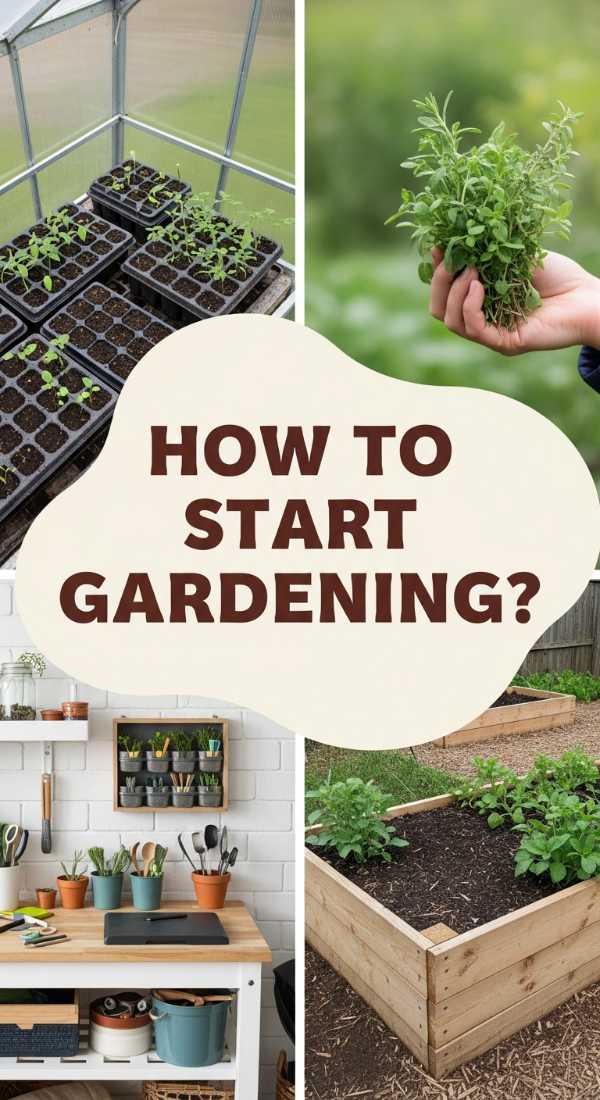
How to Start Gardening for a Sustainable Green Lifestyle
Why we love this
Gardening is a slow, rhythmic dance with the seasons that nourishes both the earth and the soul. There is an unmatched pride in harvesting your first handful of sun-warmed cherry tomatoes or clipping fresh mint for a morning tea. We love this approach because it turns your backyard into a functional ecosystem—a buzzing, humming sanctuary where you contribute to the planet’s health while reaping the rewards of fresh, organic produce right at your doorstep.
Essential Elements:
- Raised cedar garden beds
- High-quality organic compost and topsoil
- Heirloom seeds or organic seedlings
- A drip irrigation system or a vintage copper watering can
- A dedicated composting bin
How to make it
- **Site Analysis (Sun Mapping Phase):** Observe your yard for a full day. You need a spot that receives at least 6-8 hours of direct sunlight. Mark the sunniest area using flour or garden twine—this is where your ‘edibles’ will thrive.
- **Soil Engineering (Nutrient Phase):** Don’t just use dirt. Mix 50% screened topsoil with 50% organic compost. This creates a ‘crumbly’ texture (friability) that allows roots to breathe and prevents waterlogging. If you can squeeze a handful and it holds its shape but crumbles when poked, it’s perfect.
- **The Planting Ritual (Seeding Phase):** Plant according to the ‘depth rule’—usually twice as deep as the seed is wide. For seedlings, tease the roots gently before placing them in the hole to encourage outward growth rather than ‘root-bound’ circling.
- **Hydration Strategy (Moisture Phase):** Water early in the morning (before 9 AM) to minimize evaporation. Direct the water at the base of the plant, not the leaves, to prevent fungal diseases. Aim for a ‘deep soak’ rather than a frequent ‘mist’ to encourage deep root systems.
- **Sustainable Maintenance (Closing the Loop):** Start a ‘lasagna’ compost pile near your garden. Layer brown materials (dried leaves/cardboard) with green materials (kitchen scraps). Turn the pile once a week with a pitchfork to introduce oxygen, accelerating the breakdown into ‘black gold’ for next season.
How to Style Enchanting Decoration Ideas for Magical Evening Gatherings

Why we love this
When the sun dips below the horizon, your outdoor space has the potential to become a fairytale setting. This style is all about the ‘glow’—the soft, amber flicker of candlelight reflecting off glassware and the delicate shimmer of fairy lights woven through tree branches. It creates an atmosphere of intimacy and mystery, where the rest of the world falls away, leaving only the warmth of good company and the soft rustle of the night air.
Essential Elements:
- Brass or copper taper candle holders
- Warm-white string lights (Edison bulbs)
- Solar-powered pathway ‘moon’ lights
- Sheer outdoor fabric draped over beams
- Reflective metallic trays or mirrors
How to make it
- **Lighting Hierarchy (Layering Phase):** Start with your ‘ambient’ light. String Edison bulbs overhead in a ‘Z’ pattern to mimic a starry canopy. Ensure they are on a dimmer switch so you can dial back the brightness as the night progresses.
- **Accent Lighting (Focus Phase):** Use small, battery-operated tea lights inside frosted glass jars. Place these along stairs or low walls to define the perimeter of the gathering space, providing safety while adding to the ‘magical’ aesthetic.
- **Tabletop Sparkle (Reflective Phase):** Place a large mirror or a polished metal tray in the center of your dining table. Arrange candles of varying heights on top; the reflection will double the light output and create a mesmerizing, flickering centerpiece.
- **Textile Draping (Softening Phase):** Take long lengths of inexpensive white cheesecloth or muslin and drape them loosely over pergola beams or tree branches. Secure with clear fishing line. This catches the light and adds a dreamy, ethereal movement to the space.
- **Fire Element (The Heart Phase):** If space allows, introduce a tabletop fire bowl or a central fire pit. Use ‘crackling’ wood like birch to add an auditory layer to the magic. The orange glow of real fire provides the warmest light spectrum, which is naturally relaxing to the human eye.
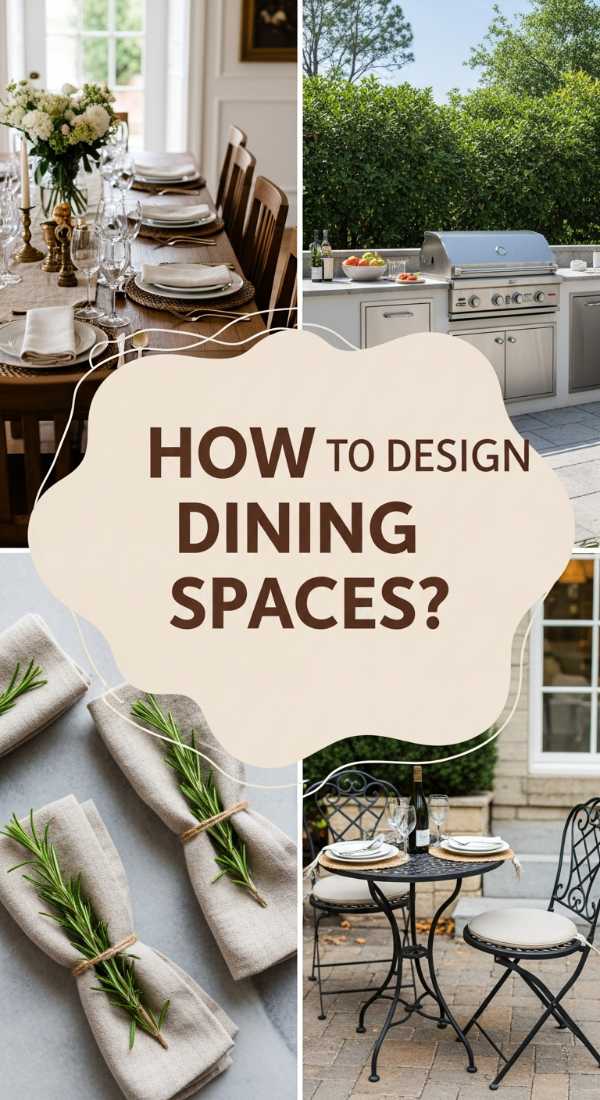
How to Design an Outdoor Oasis for Gourmet Al Fresco Dining
Why we love this
Dining outdoors should feel like a feast for all the senses, not just a picnic. We love the sophistication of a fully realized ‘outdoor kitchen’ and dining room that rivals any five-star terrace in Italy. Think heavy ceramic plates, the clink of real crystal, and the intoxicating aroma of charred rosemary and wood-fired crust. It turns a simple meal into an event, celebrating the joy of slow eating under the vast, open sky.
Essential Elements:
- A sturdy, oversized wooden dining table
- Comfortable chairs with back support
- A dedicated prep station or rolling bar cart
- Outdoor-safe dinnerware in matte stoneware
- Potted culinary herbs (basil, thyme, sage) as centerpieces
How to make it
- **Ergonomic Planning (Flow Phase):** Position the dining table close enough to the indoor kitchen to make transport easy, but far enough to feel like a ‘destination.’ Ensure there is at least 3 feet of clearance behind each chair for easy movement.
- **The Living Centerpiece (Functional Decor Phase):** Instead of cut flowers, plant a variety of edible herbs in a long, shallow wooden trough. Guests can pluck fresh mint for their drinks or basil for their pasta, adding an interactive and fragrant element to the meal.
- **Surface Preparation (Setting Phase):** Use a linen table runner to add texture without the formality of a full tablecloth. Weight the edges with decorative stones or ‘tablecloth weights’ to ensure a sudden breeze doesn’t disrupt the setting.
- **Service Logistics (Efficiency Phase):** Set up a ‘beverage station’ on a separate side table. Use a large galvanized bucket filled with ice and rock salt (which lowers the freezing point, chilling bottles faster). This keeps the main dining table clear of clutter.
- **Temperature Control (Comfort Phase):** For cooler evenings, have a basket of rolled-up Turkish towels or pashminas nearby. If it’s hot, position a stylish, high-velocity pedestal fan just out of sight to create a gentle cross-breeze and keep insects away from the food.
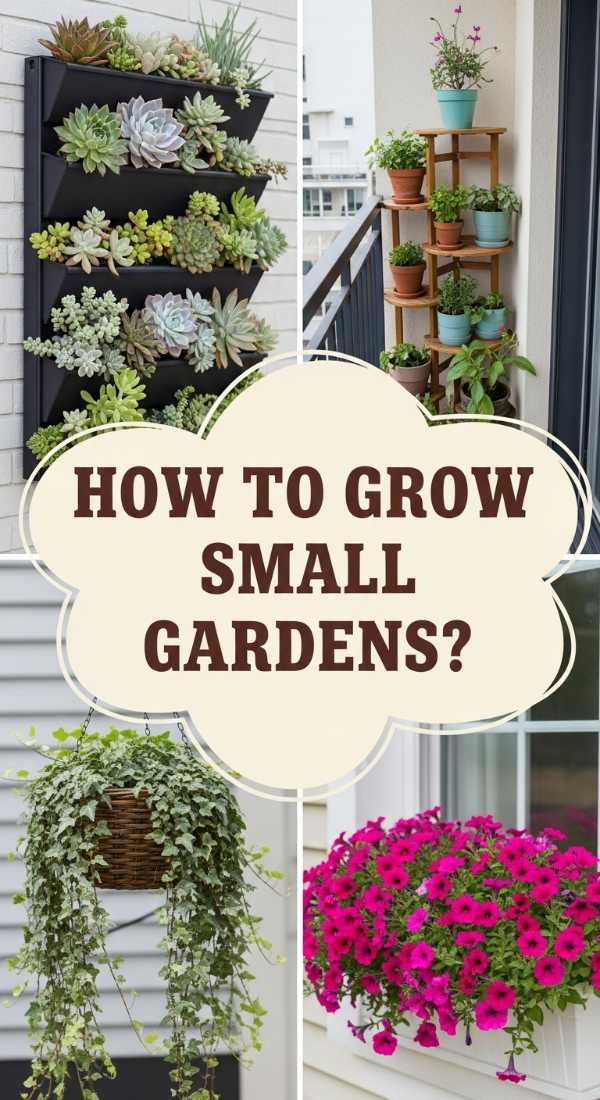
How to Maximise Small Garden Spaces for Abundant Plant Growth
Why we love this
A small garden is a puzzle that, when solved, creates a jewel-box effect of concentrated beauty. We love the ingenuity of vertical gardening—where walls become living tapestries and every square inch is optimized for growth. It feels intimate, lush, and surprisingly productive. There’s a secret-garden charm to a tiny balcony or courtyard overflowing with greenery, proving that you don’t need an acre to create a verdant paradise.
Essential Elements:
- Vertical wall planters or ‘living wall’ pockets
- Tiered plant stands (the ‘stadium seating’ for plants)
- Hanging baskets with trailing vines
- Mirrors designed for outdoor use
- Large, singular focal-point pots
How to make it
- **The Vertical Shift (Elevation Phase):** Mount a sturdy wooden trellis or a wire grid system directly onto your wall or fence. Use ‘S’ hooks to hang lightweight terracotta pots. This utilizes the ‘air rights’ of your garden, freeing up precious floor space for a chair or small table.
- **The Illusion of Depth (Optical Phase):** Hang a large, weathered mirror on the back wall of the garden. Position it so it reflects the most lush area of plants. This trick visually doubles the size of the space and bounces extra sunlight into shaded corners.
- **Pot Scaling (Proportion Phase):** Avoid dozens of tiny pots, which look cluttered. Instead, use three ‘statement’ pots of varying sizes (large, medium, small). One large pot with a ‘thriller, filler, spiller’ planting combo looks much more expansive than several small ones.
- **Color Palette Strategy (Visual Phase):** Stick to a ‘cool’ color palette—blues, silvers, and whites. These colors appear to recede from the eye, making the boundaries of the garden feel further away than they actually are.
- **Micro-Drip Installation (Hydration Phase):** In small spaces, pots dry out quickly. Install a simple battery-operated timer on your outdoor tap and run thin 1/4 inch drip lines to each pot. This ensures consistent moisture levels without the clutter of a heavy garden hose.
How to Achieve a Chic Bohemian Patio for Relaxed Weekend Vibes

Why we love this
The Bohemian patio is the ultimate ‘anti-perfection’ aesthetic, where comfort is king and the vibe is perpetually Sunday afternoon. We love the soulful mix of global patterns, weathered wood, and overflowing greenery that feels like it has been collected over a lifetime of travels. It’s a space where you can kick off your shoes, lounge on a pile of floor cushions, and feel completely unhurried, surrounded by the warmth of woven textures and sun-faded colors.
Essential Elements:
- Layered rugs (jute base with a patterned kilim on top)
- Low-slung rattan chairs or a hanging egg chair
- Macramé plant hangers at various heights
- Moroccan metal lanterns and colorful glass votives
- Abundant textiles (fringe throws, embroidered pillows)
How to make it
- **The ‘Low-Life’ Setup (Foundational Phase):** Focus on low-profile seating. If you don’t have a sofa, use a sturdy wooden pallet, sand it down, and top it with a twin-sized mattress covered in a durable outdoor canvas. This encourages a relaxed, ‘lounge’ posture.
- **Rug Layering (Textile Phase):** Lay down a neutral, oversized seagrass rug first. Then, ‘toss’ a smaller, brightly colored Persian or Kilim rug over it at a slight angle. This ‘imperfect’ layering is the hallmark of the Boho chic look.
- **Greenery Explosion (Cluttering Phase):** Unlike the minimalist patio, Boho thrives on ‘more is more.’ Group plants of different species and heights together in mismatched vintage pots. Use macramé hangers to suspend trailing ivy from the ceiling to create a ‘canopy’ effect.
- **The Pattern Mix (Curation Phase):** Combine at least three different patterns: one large-scale (like a wide stripe), one medium (floral or geometric), and one small (solid texture). Keep them unified by a single ‘thread’ of color, such as a burnt orange or deep indigo.
- **The Finishing Glow (Ambience Phase):** Avoid any modern, bright white lights. String ‘warm glow’ fairy lights haphazardly around poles or through plants. Scatter brass lanterns on the floor—the lower the light source, the more intimate and ‘chill’ the vibe becomes.
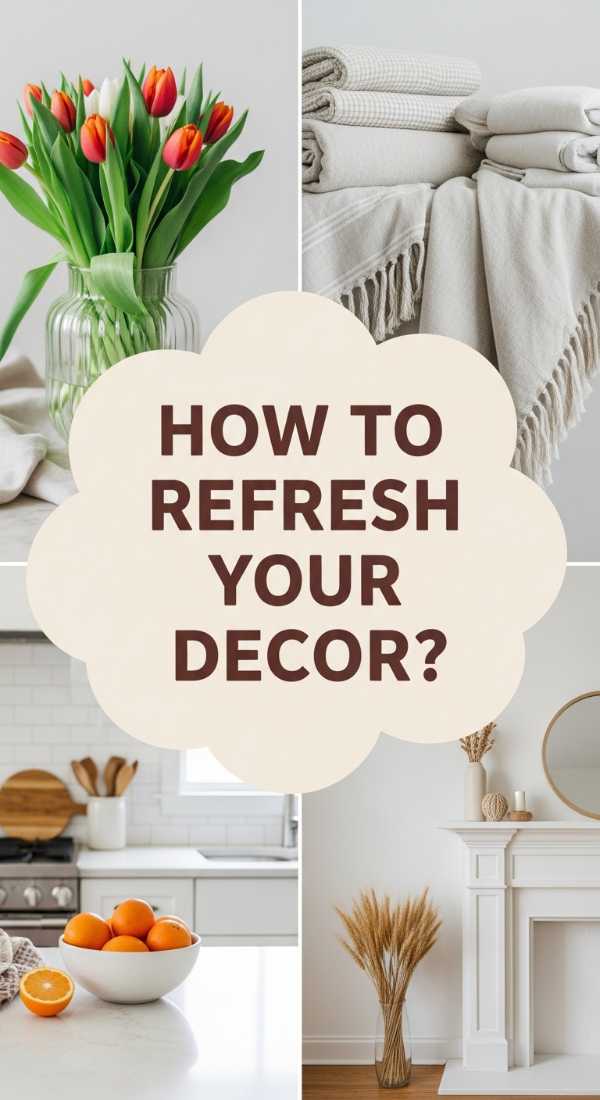
How to Refresh Your Home Decor for a Vibrant Seasonal Transformation
Why we love this
A seasonal refresh is like a deep breath for your home, clearing away the ‘visual dust’ and realigning your interior with the energy of the world outside. We love the ritual of swapping heavy winter knits for breezy linens in the spring, or introducing the rich, spicy scents of autumn as the leaves turn. It keeps your living space feeling dynamic and prevents ‘decor fatigue,’ ensuring your home always feels like a fresh, relevant reflection of your current mood.
Essential Elements:
- A ‘capsule’ collection of seasonal cushion covers
- Lightweight cotton or linen throw blankets
- Seasonal scents (citrus for summer, cedar for winter)
- Fresh-cut seasonal florals or foraged branches
- Decorative bowls for seasonal fruit or ornaments
How to make it
- **The Palette Pivot (Color Phase):** Identify your ‘base’ neutral sofa or bed. Change the accent color through 3-4 pillows. In spring/summer, think ‘watercolors’ (sage, sky blue, peach). In fall/winter, move to ‘jewel tones’ (burgundy, forest green, mustard).
- **Texture Rotation (Weight Phase):** Store away heavy faux-fur or chunky knit throws. Replace them with ‘breathable’ textiles like waffle-weave cotton or stone-washed linen. Fold them loosely over the arm of a chair to suggest a ‘light’ layer for cool evenings.
- **Olfactory Branding (Scent Phase):** Change your signature home scent. Use a ‘top-note’ heavy diffuser oil like grapefruit or basil in the warmer months to energize the air, and ‘base-note’ heavy scents like sandalwood or amber in the winter to ground the space.
- **Botanical Updating (Nature Phase):** Clear off your coffee table and replace permanent decor with something living. In spring, a simple vase of tulips; in summer, a bowl of fresh lemons; in fall, a vessel of dried eucalyptus; and in winter, a few sprigs of evergreen.
- **Artistic Swapping (Visual Phase):** Keep a few versatile frames on the wall. Swap the prints inside for seasonally appropriate art. Abstract botanical sketches work well for the first half of the year, while moodier, darker landscapes or architectural photography suit the latter half.
Conclusion
Transforming your patio and living room into a curated sanctuary is a journey of intentionality. It is about more than just buying furniture; it is about creating a dialogue between your indoor comforts and the natural beauty of the outdoors. By focusing on sensory details—the play of light, the softness of a textile, the fragrance of a blooming garden—you create a home that doesn’t just look beautiful on camera, but feels deeply restorative to live in. Start small, layer with love, and watch as your home becomes the ultimate retreat you never want to leave.