
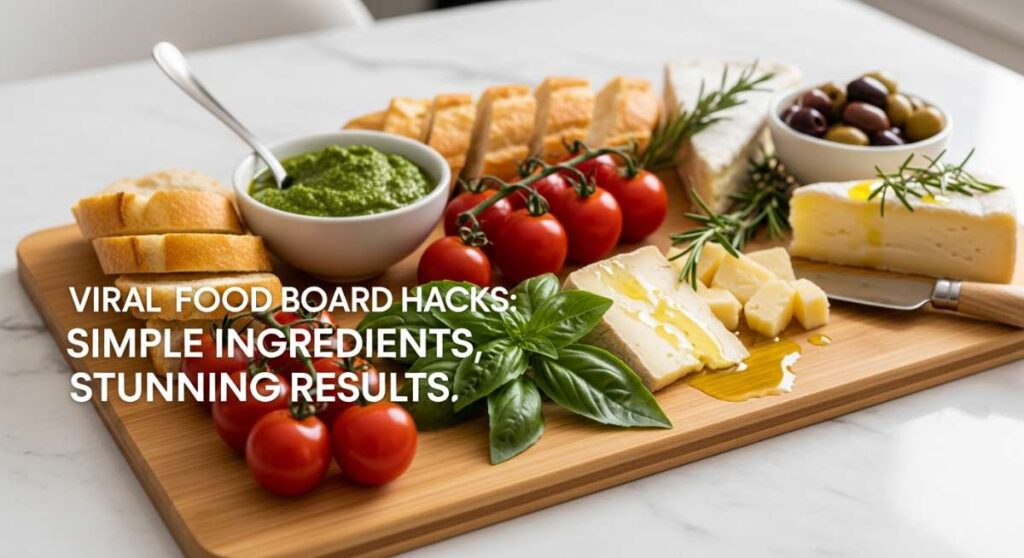
There is something truly magical about the way the light shifts when spring finally arrives, isn’t there? It’s that soft, golden glow that makes us want to throw open the windows, invite our favorite people over, and fill our tables with colors that rival the blooming garden outside. Lately, I’ve been obsessed with the idea of taking the classic charcuterie board and elevating it into a ‘Food Board’ experience—a beautiful, communal way to serve everything from main courses to decadent desserts.
Sharing a meal should feel like a celebration of the senses, and these viral food board hacks are designed to do exactly that. We’re moving beyond just cheese and crackers into the realm of vibrant spring pastas, shimmering dumplings, and cakes that look like they’ve been plucked straight from a fairytale. Whether you are hosting a brunch or a cozy evening on the patio, these ideas will help you create those ‘wow’ moments with simple ingredients and a little bit of creative flair.
How to decorate spring cakes?

Why we love this
There is nothing quite like the whimsical beauty of a spring cake sitting in the center of a dessert board. Imagine the scent of sweet vanilla and fresh citrus wafting through the air as you admire a cake adorned with delicate, edible flowers and soft pastel swirls. The texture of silky Swiss meringue buttercream against the fragility of dried petals creates a sensory experience that feels both sophisticated and deeply nostalgic of garden parties past. It’s a way to bring the renewal of the season directly to your taste buds with every floral-infused bite.
Ingredients
- Freshly baked sponge cake (chilled)
- Swiss meringue buttercream
- Edible flowers (violas, pansies, or marigolds)
- Pastel food coloring gels
- Gold leaf accents
- Offset spatula and piping bags
How to make it
- Begin with a fully chilled cake to ensure the frosting adheres smoothly without crumbs lifting; apply a thin crumb coat and refrigerate for 30 minutes until firm.
- Divide your remaining buttercream into small bowls and tint them with soft pastel shades using a toothpick to add tiny amounts of gel color, mixing until perfectly uniform.
- Apply the final layer of frosting using an offset spatula, creating a smooth finish or a rustic ‘textured’ look by sweeping the spatula in soft waves around the sides.
- Carefully wash and dry your edible flowers, ensuring they are organic and pesticide-free; gently press the larger blooms into the base of the cake to create a ‘growing’ garden effect.
- Use tweezers to apply tiny fragments of gold leaf to the petals and the edges of the frosting for a touch of viral-worthy shimmer and luxury.
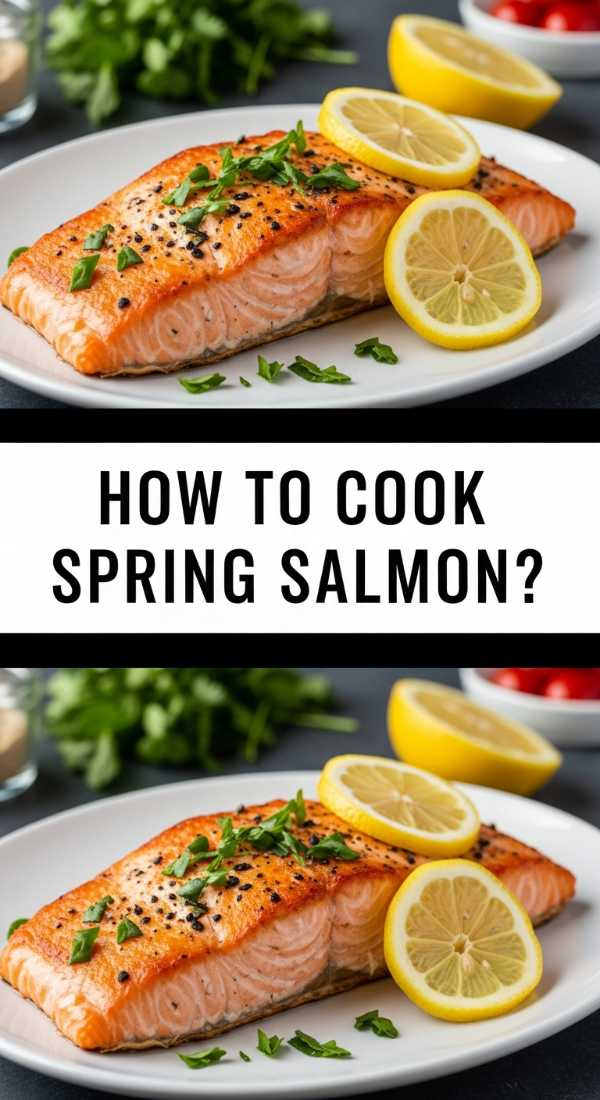
How to cook spring salmon?
Why we love this
Spring salmon is all about that perfect balance between a crisp, salty skin and a tender, buttery interior that melts the moment it hits your tongue. When paired with the bright, herbaceous aroma of dill and the sharp zest of lemon, it feels like the ultimate light yet satisfying main for a dinner board. The vibrant pink of the fish against a bed of bright green asparagus creates a visual contrast that is as appetizing as it is beautiful, making it a centerpiece that guests will be talking about long after the meal is over.
Ingredients
- 4 salmon fillets (skin-on)
- Extra virgin olive oil
- Fresh dill and parsley, finely chopped
- 1 organic lemon (sliced and zested)
- Flaky sea salt and cracked black pepper
- Unsalted butter
How to make it
- Remove the salmon from the refrigerator 20 minutes before cooking to bring it to room temperature, which ensures even cooking throughout the fillet.
- Pat the skin side of the salmon extremely dry with a paper towel; this is the secret hack to getting that viral, ultra-crispy skin that everyone craves.
- Heat a heavy cast-iron skillet over medium-high heat and add olive oil until it shimmers; place the fillets skin-side down and press gently with a spatula for 30 seconds to prevent curling.
- Cook undisturbed for 5-6 minutes until the skin is golden and releases easily from the pan, then flip and add a knob of butter, lemon slices, and herbs to the pan.
- Baste the salmon with the melting herb butter for another 2 minutes until the internal temperature reaches 145°F, then let it rest for 3 minutes before serving on your board.
How to make glitter dumplings?

Why we love this
If you want to create a viral moment, glitter dumplings are the answer—they turn a traditional comfort food into a shimmering, magical feast. The sight of these translucent, sparkling gems piled high on a board is absolutely mesmerizing, especially when the light catches the edible luster dust. As you bite through the delicate, chewy wrapper, you’re met with a burst of savory steam and rich, umami flavors that contrast beautifully with the whimsical, glamorous exterior. It’s a playful, high-fashion take on dim sum that brings a sense of wonder to the table.
Ingredients
- Dumpling wrappers (wheat or rice flour based)
- Ground pork or finely chopped mushrooms
- Grated ginger and garlic
- Soy sauce and sesame oil
- Edible gold or silver luster dust
- Food-grade soft brush
How to make it
- Prepare your filling by mixing your protein with ginger, garlic, soy sauce, and sesame oil, ensuring the mixture is cold so it’s easy to handle during the pleating process.
- Place a teaspoon of filling in the center of the wrapper, moisten the edges with water, and fold into your desired shape, pressing firmly to seal out all air pockets.
- Steam the dumplings in a bamboo steamer lined with parchment paper for 8-10 minutes over boiling water until the wrappers are translucent and the filling is fully cooked.
- Once steamed, let the dumplings sit for 2 minutes to slightly dry the surface; this allows the luster dust to adhere without dissolving instantly.
- Dip a dry, soft food-grade brush into the edible glitter and gently buff it onto the pleated ridges of the dumplings to create a stunning, metallic finish.
How to slow cook chicken?

Why we love this
Slow-cooked chicken is the ultimate ‘set it and forget it’ hack for a crowded board, resulting in meat so tender it falls apart with just the touch of a fork. The slow-simmering process allows the chicken to soak up every drop of aromatic broth, garlic, and herbs, filling your entire home with a cozy, mouthwatering scent that promises a delicious meal. The texture is incredibly succulent and juicy, providing a rich, comforting base that pairs perfectly with crunchy vegetables or soft artisan breads. It’s the kind of effortless cooking that yields high-impact, soulful results every single time.
Ingredients
- 2 lbs boneless skinless chicken thighs
- 1 cup chicken bone broth
- 4 cloves smashed garlic
- Fresh thyme and rosemary sprigs
- 1 tablespoon onion powder
- Salt and pepper to taste
How to make it
- Season the chicken thighs generously on both sides with salt, pepper, and onion powder to build a foundation of flavor before the cooking process even begins.
- Place the chicken in the slow cooker liner, ensuring they are in a mostly single layer to allow for even heat distribution during the long simmer.
- Pour in the bone broth and tuck the smashed garlic and herb sprigs in between the pieces of meat; do not fully submerge the chicken if you want a thicker sauce later.
- Set the slow cooker to ‘Low’ and cook for 6 to 7 hours; avoid using the ‘High’ setting if possible, as the lower temperature ensures the collagen breaks down into a melt-in-your-mouth texture.
- Once finished, use two forks to shred the meat directly in the juices, allowing it to soak up the concentrated flavors for at least 10 minutes before plating on your board.
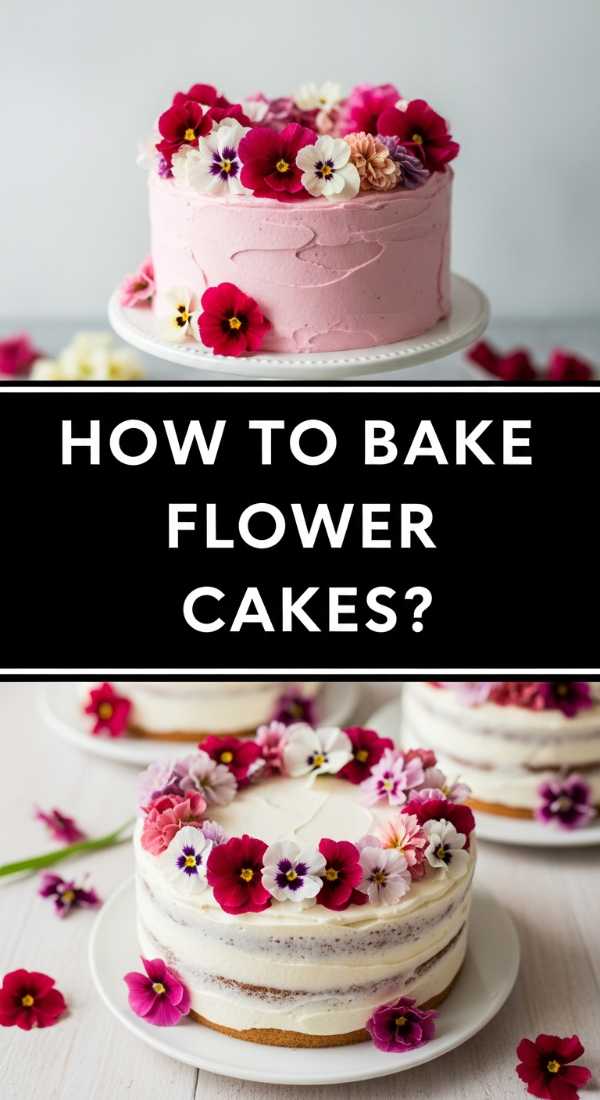
How to bake flower cakes?
Why we love this
Flower cakes are a literal slice of spring, incorporating the delicate flavors of blossoms directly into the crumb of the cake. The aroma is softly floral and sweet, evoking the feeling of a sun-drenched meadow, while the appearance of whole pressed flowers baked onto the surface is nothing short of artistic. Each bite offers a sophisticated botanical note that is refined and unexpected, making these cakes the perfect centerpiece for a high-tea themed food board. It’s a beautiful marriage of nature and baking that feels both rustic and incredibly elegant.
Ingredients
- 2 cups all-purpose flour
- 1.5 cups granulated sugar
- 1/2 cup culinary lavender or rosewater
- 3 large eggs (room temperature)
- Fresh pansies or violas (pesticide-free)
- Parchment paper
How to make it
- Preheat your oven to 350°F and grease your cake pans thoroughly, lining the bottoms with parchment paper to ensure easy removal of your delicate floral creation.
- Cream the butter and sugar together until light and fluffy, then slowly incorporate the eggs one at a time followed by the floral water or crushed culinary lavender.
- Fold in the dry ingredients gently using a spatula to maintain the airiness of the batter; over-mixing will lead to a tough cake, so stop as soon as the flour disappears.
- Pour the batter into the pans and carefully place your fresh, flat flowers on top of the raw batter, pressing very lightly so they stay on the surface during the rise.
- Bake for 25-30 minutes until a skewer comes out clean, then let the cakes cool completely in the pan to ensure the flowers remain perfectly ‘pressed’ and vibrant against the golden crust.
How to cook carrot soup?

Why we love this
A bright, velvety carrot soup is like sunshine in a bowl, offering a vibrant pop of orange that anchors a spring-themed food board beautifully. The texture is smooth and luxurious, coating the palate with the natural sweetness of roasted carrots balanced by the zing of fresh ginger and turmeric. As you spoon it up, the earthy, warm aroma provides a sense of grounding and health, making it a wonderful starter that feels light yet deeply nourishing. It is the perfect liquid component to serve in small artisanal bowls alongside crusty bread and herb-infused oils.
Ingredients
- 1 lb organic carrots (peeled and chopped)
- 1 large yellow onion
- 2-inch piece of fresh ginger (grated)
- 4 cups vegetable stock
- 1/2 cup coconut milk (for creaminess)
- Toasted pepitas for garnish
How to make it
- Sauté the chopped onions in a large pot with a splash of olive oil over medium heat until they become translucent and slightly sweet, about 8 minutes.
- Add the chopped carrots and grated ginger to the pot, stirring frequently for 5 minutes to allow the ginger’s essential oils to release and the carrots to slightly caramelize.
- Pour in the vegetable stock, bring the mixture to a rolling boil, then immediately reduce the heat to a simmer and cover the pot for 20-25 minutes until the carrots are fork-tender.
- Use an immersion blender to puree the soup directly in the pot until it is completely smooth and free of any lumps, ensuring a professional, velvety finish.
- Stir in the coconut milk for added richness and season with salt and pepper; serve warm on your board with a sprinkle of toasted pepitas for a satisfying crunch.
How to make veggie bowls?

Why we love this
Veggie bowls are the ultimate customization hack for a food board, allowing guests to build their own rainbow of health and flavor. We love the riot of textures—from the crunch of raw radishes to the creaminess of ripe avocado and the chew of ancient grains. The visual appeal is undeniable, as the bright purples, greens, and reds create a stunning mosaic that feels fresh and energized. It’s a meal that celebrates the diversity of the garden, providing a clean, vibrant option that leaves everyone feeling nourished and light.
Ingredients
- Cooked quinoa or farro
- Massaged kale or baby spinach
- Roasted sweet potatoes and chickpeas
- Sliced radishes and cucumbers
- Tahini-lemon dressing
- Pickled red onions
How to make it
- Prepare your base grains in advance, seasoning them with a little lemon juice and salt while still warm so they absorb the flavor throughout.
- Roast your sweet potatoes and chickpeas at 400°F with smoked paprika and cumin until the potatoes are tender and the chickpeas are audibly crunchy.
- Massage your kale with a teaspoon of olive oil and a pinch of salt for 2 minutes; this breaks down the tough fibers and makes the greens much more palatable and tender.
- Arrange the ingredients in sections on a large platter or board, grouping colors together to create that viral, ‘rainbow’ aesthetic that looks incredible in photos.
- Place a small jar of creamy tahini dressing in the center and top the entire board with pickled onions for a hit of acidity that ties all the earthy flavors together.
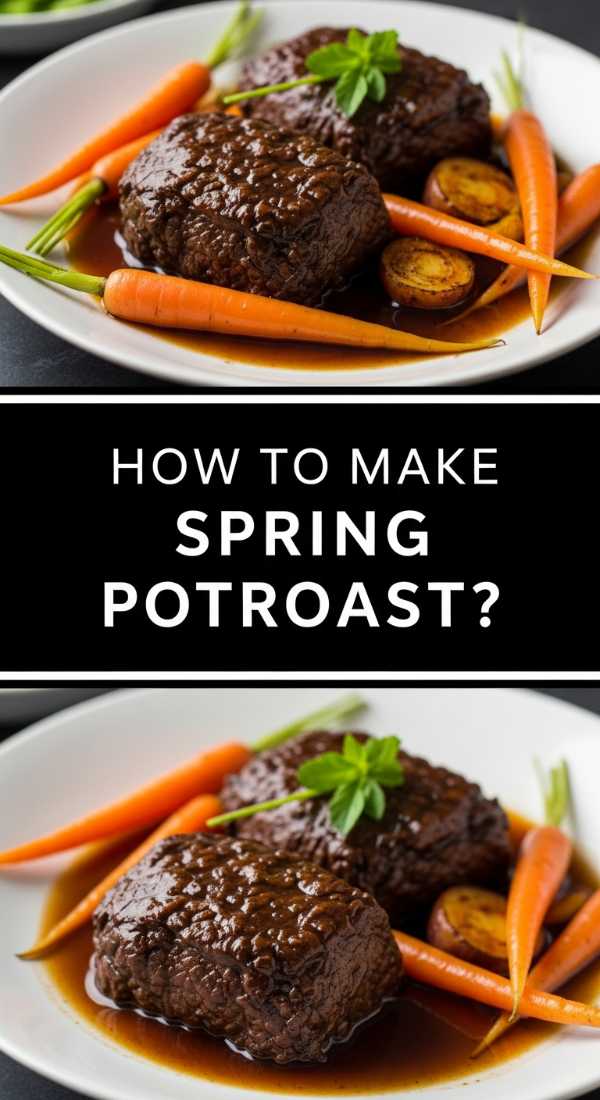
How to make spring potrotast?
Why we love this
A spring pot roast—or ‘potrotast’—is a lighter, more elegant version of the winter classic, swapping heavy gravies for bright wine-based broths and tender baby vegetables. The aroma of slow-seared beef mingling with fresh leeks and white wine is intoxicating and sophisticated, filling the kitchen with a sense of refined comfort. The meat remains incredibly tender, but the addition of snap peas and baby carrots keeps the dish feeling seasonal and fresh rather than weighed down. It’s the perfect ‘heavy’ element for a board that still feels perfectly in tune with the blooming outdoors.
Ingredients
- 3 lb chuck roast
- 2 cups dry white wine (like Sauvignon Blanc)
- 1 lb baby potatoes
- Bunch of baby carrots and sugar snap peas
- 2 leeks (white and light green parts only)
- Fresh sprigs of tarragon
How to make it
- Sear the beef in a hot Dutch oven on all sides until a deep, dark brown crust forms; this Maillard reaction is vital for the depth of the final sauce.
- Remove the beef and sauté the sliced leeks in the remaining fat until soft, then deglaze the pan with the white wine, scraping up all the flavorful browned bits from the bottom.
- Return the beef to the pot, add enough beef stock to come halfway up the sides of the meat, and add the tarragon sprigs before covering and placing in a 300°F oven for 3 hours.
- In the final 45 minutes of cooking, tuck the baby potatoes and carrots around the meat so they cook in the flavorful juices without becoming mushy.
- Add the sugar snap peas in the last 5 minutes of cooking just to blanch them; this ensures they stay bright green and crisp-tender when you move the roast to your serving board.
How to cook pea soup?

Why we love this
Nothing says spring quite like the vibrant, electric green of a fresh pea soup. This dish is the epitome of garden-fresh flavor, offering a sweetness that is balanced by the cool, refreshing notes of mint and the creaminess of a swirl of crème fraîche. The texture is incredibly light and airy, almost like a mousse, making it a delightful contrast to the more savory, dense items on a food board. It’s a sensory delight that smells of crushed herbs and morning dew, bringing a sense of pure, clean vitality to your spring gathering.
Ingredients
- 4 cups fresh or frozen sweet peas
- 1 large shallot (minced)
- 5 cups vegetable broth
- Handful of fresh mint leaves
- Crème fraîche for garnish
- Lemon juice
How to make it
- Sauté the minced shallots in butter over medium-low heat until they are soft and translucent, taking care not to brown them as you want to preserve the soup’s bright green color.
- Add the vegetable broth and bring to a simmer, then drop in the peas and cook for only 3-5 minutes; overcooking the peas will turn them a dull olive color instead of vibrant green.
- Immediately transfer the peas and broth to a high-speed blender, adding the fresh mint leaves and a squeeze of lemon juice to brighten the flavors.
- Blend on high until the soup is completely liquefied and aerated, which gives it that signature light, viral-worthy texture.
- Pour into small glass jars for the board and finish with a decorative swirl of crème fraîche and a single tiny mint leaf for a professional look.
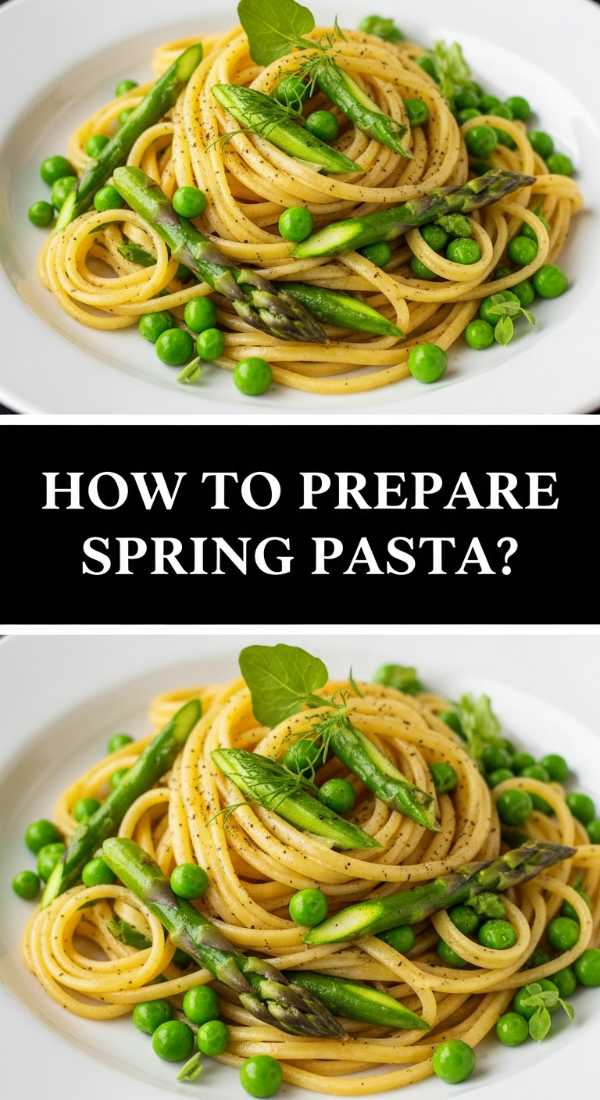
How to prepare spring pasta?
Why we love this
Spring pasta is a celebration of the season’s first harvest, featuring ribbons of pasta tossed with tender asparagus, peas, and a light, lemony butter sauce. The aroma is a heavenly mix of garlic, parmesan, and fresh herbs that immediately stimulates the appetite. We love how the pasta acts as a canvas for the varying textures of the vegetables—the snap of the asparagus against the soft, al dente noodles is purely satisfying. It’s a bright, cheerful dish that feels sophisticated enough for a dinner party but simple enough to enjoy on a Tuesday evening.
Ingredients
- 1 lb linguine or tagliatelle
- 1 bunch thin asparagus (trimmed)
- 1 cup shelled English peas
- 3 cloves garlic (sliced thin)
- Zest and juice of 1 lemon
- Freshly grated Parmigiano-Reggiano
How to make it
- Boil a large pot of heavily salted water—it should taste like the sea—and cook your pasta until it is just one minute shy of al dente.
- During the last 2 minutes of pasta cooking, throw the sliced asparagus and peas directly into the boiling pasta water to blanch them quickly.
- Reserve 1 cup of the starchy pasta water before draining; this water is the ‘liquid gold’ that will help create a silky, emulsified sauce.
- In a wide skillet, sauté the garlic in olive oil until fragrant, then add the drained pasta and vegetables along with the lemon juice, zest, and half of the reserved pasta water.
- Toss vigorously over medium heat while slowly adding the grated cheese, adding more pasta water as needed until a glossy, light sauce coats every strand, then pile it onto your board and serve immediately.
Conclusion
Creating a viral food board isn’t just about the ‘likes’ on social media—it’s about the joy of presenting food in a way that feels abundant, artistic, and deeply welcoming. By focusing on seasonal spring ingredients and using these simple hacks, you can transform everyday meals into an extraordinary experience for your loved ones. From the shimmer of glitter dumplings to the rustic charm of flower cakes, these dishes remind us that cooking is an act of love and creativity. So, clear your table, grab your largest board, and start building your own spring masterpiece today!