
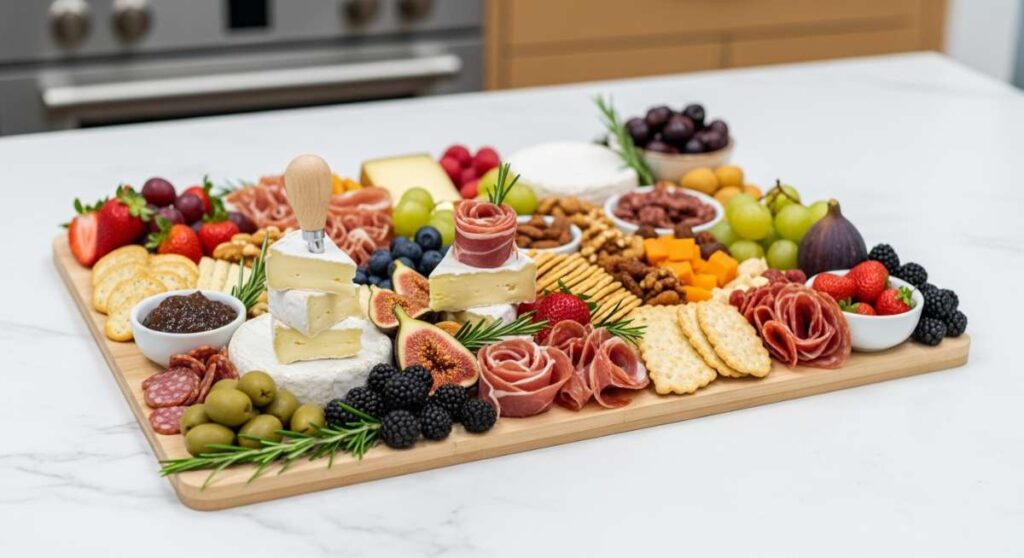
The Beginner’s Guide to Crafting a Viral-Worthy Grazing Board
There is something inherently magical about a gathering where the food is as much a conversation starter as the guest list itself. I remember the first time I set out a massive, sprawling board—the way my friends’ eyes lit up and the immediate sense of ease that filled the room as everyone reached for a bite. It’s not just about snacks; it’s about creating a landscape of flavors that invites people to linger, laugh, and share a moment together.
Lately, my secret weapon for a truly viral-worthy grazing board has been the ‘Simple Salmon Board.’ While cheese and charcuterie are classics, incorporating high-quality salmon prepared in various ways elevates the entire experience to a gourmet level without the stress of a formal sit-down dinner. It’s elegant, vibrant, and surprisingly easy to assemble when you have a few core recipes in your back pocket.
Whether you are hosting a sunny backyard brunch or a cozy evening in, these salmon variations will make your board the star of the show. Let’s dive into the delicious details of how to prep your proteins for the ultimate aesthetic and edible masterpiece.
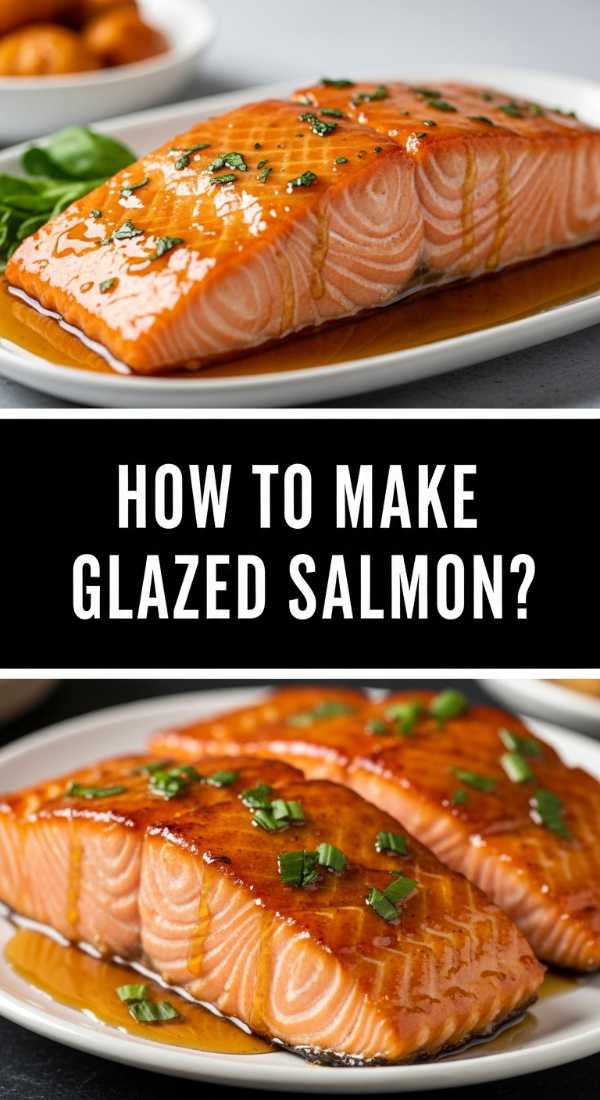
How to make glazed salmon?
Why we love this
This preparation is the crown jewel of any grazing board, offering a stunning lacquered finish that catches the light and the appetite. The aroma of caramelized sugars mingling with savory soy is absolutely intoxicating, filling your kitchen with a warmth that feels like a hug. Each bite provides a satisfying snap from the glaze followed by the buttery, flaky texture of perfectly cooked fish that melts on your tongue. It’s the ideal centerpiece that feels incredibly luxurious yet remains accessible for any home cook.
Ingredients
- 1 lb Salmon side or fillets
- 3 tbsp Soy sauce
- 2 tbsp Honey
- 1 tsp Grated fresh ginger
- 1 clove Garlic, minced
- 1 tbsp Toasted sesame oil
How to make it
- Begin by patting your salmon completely dry with paper towels; moisture is the enemy of a good glaze adhesion.
- In a small saucepan over medium heat, combine the soy sauce, honey, ginger, and minced garlic. Whisk constantly until the mixture begins to bubble and reduce, usually about 4-6 minutes, until it reaches a syrupy consistency that coats the back of a spoon.
- Preheat your oven to 400°F (200°C) and line a baking sheet with parchment paper. Place the salmon on the sheet and brush a generous layer of the glaze over the top surface.
- Bake for 10-12 minutes. Halfway through the cooking time, open the oven and apply another layer of glaze to build that deep, rich color and flavor profile.
- The salmon is done when the internal temperature reaches 145°F and the glaze is bubbling and slightly charred at the edges. Let it rest for 5 minutes before sliding it onto your board.
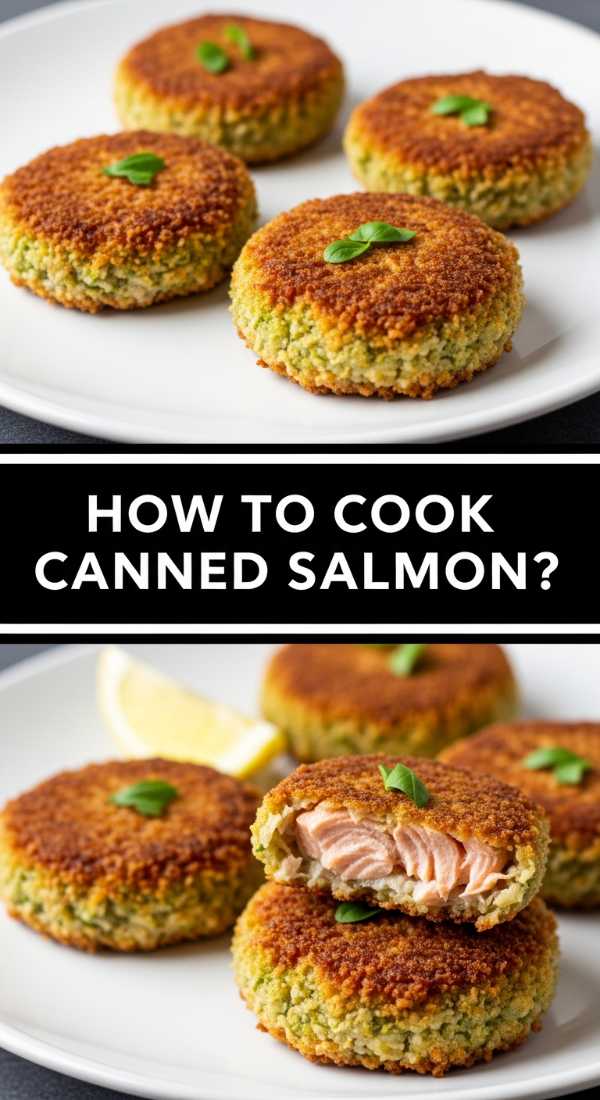
How to cook canned salmon?
Why we love this
Don’t sleep on the humble canned salmon; when treated with respect, it transforms into a sophisticated rillette that provides a wonderful textural contrast on a board. We love the saltiness and the rustic, flaky feel it brings when mixed with bright herbs and creamy binders, making it the perfect spread for crusty crostini. The aroma is clean and oceanic, reminding one of a seaside picnic, and it provides a budget-friendly way to add volume to your display. It’s the ultimate ‘pantry magic’ trick that tastes like it came from a high-end deli.
Ingredients
- 1 can (14.75 oz) High-quality pink or sockeye salmon
- 2 tbsp Greek yogurt or mayonnaise
- 1 tbsp Capers, drained
- 1 tbsp Fresh dill, chopped
- 1 tsp Lemon zest
- Cracked black pepper
How to make it
- Open the can and drain the liquid thoroughly. Transfer the salmon to a medium mixing bowl and carefully remove any large bones or pieces of skin if you prefer a smoother texture.
- Use a fork to flake the salmon into small, uniform pieces, ensuring there are no large chunks remaining.
- Add the Greek yogurt, capers, fresh dill, and lemon zest to the bowl. Fold the ingredients together gently using a spatula rather than whisking to maintain some of the salmon’s natural structure.
- Season with a generous amount of cracked black pepper; usually, the canned salmon and capers provide enough salt, so taste before adding more.
- Chill the mixture in the refrigerator for at least 30 minutes before serving. This allows the flavors to meld and the texture to firm up, making it easier to scoop onto crackers.
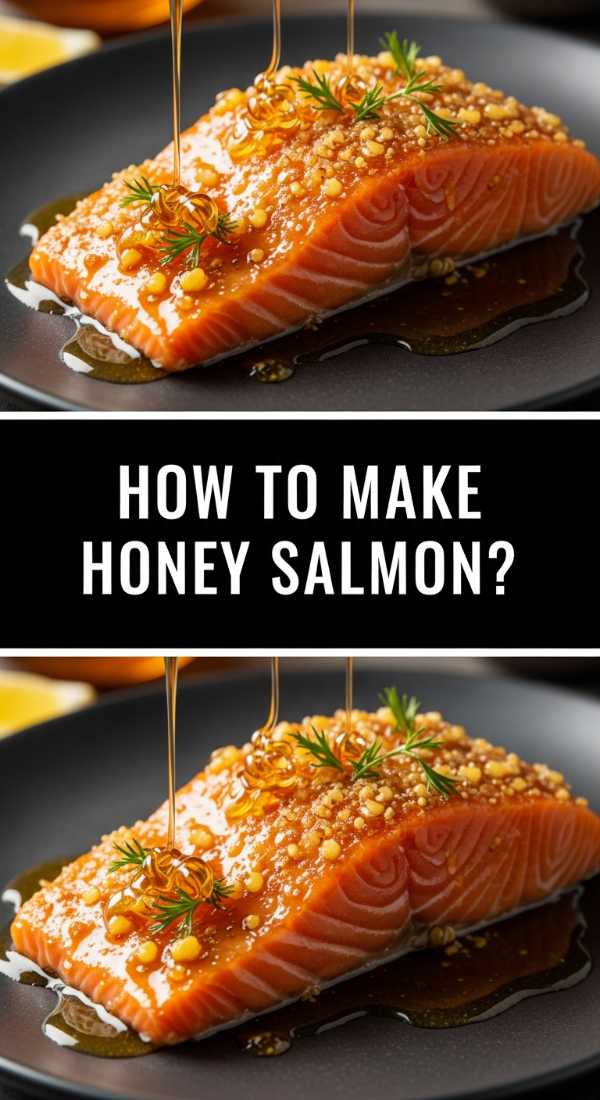
How to make honey salmon?
Why we love this
Honey salmon is the personification of ‘sweet meets savory’ perfection, creating a sticky, golden exterior that is visually irresistible on a grazing platter. The smell of honey hitting a hot pan creates a floral, sweet perfume that instantly whets the appetite of everyone in the room. We adore how the honey creates a protective barrier that keeps the inside of the salmon incredibly moist and tender, contrasting with the slightly tacky, sweet crust. It’s a crowd-pleaser that appeals to kids and adults alike, making it a versatile staple for any party.
Ingredients
- 2 Salmon fillets
- 1/4 cup Raw honey
- 2 tbsp Butter
- 1 tbsp Lemon juice
- 1/2 tsp Smoked paprika
- Salt to taste
How to make it
- Season your salmon fillets generously with salt and a dusting of smoked paprika on both sides to provide a base layer of flavor.
- In a heavy-bottomed skillet, melt the butter over medium-high heat until it begins to foam and turn slightly nut-brown.
- Place the salmon fillets in the pan, skin-side up first, and sear for 3-4 minutes until a golden-brown crust forms.
- Flip the fillets and immediately pour the honey and lemon juice into the pan around the fish. As the honey melts and combines with the butter, use a spoon to continuously baste the top of the salmon.
- Continue cooking for another 3-5 minutes, allowing the liquid to reduce into a thick, bubbly amber sauce that clings to the fish. Remove from heat once the salmon is opaque and flakes easily.
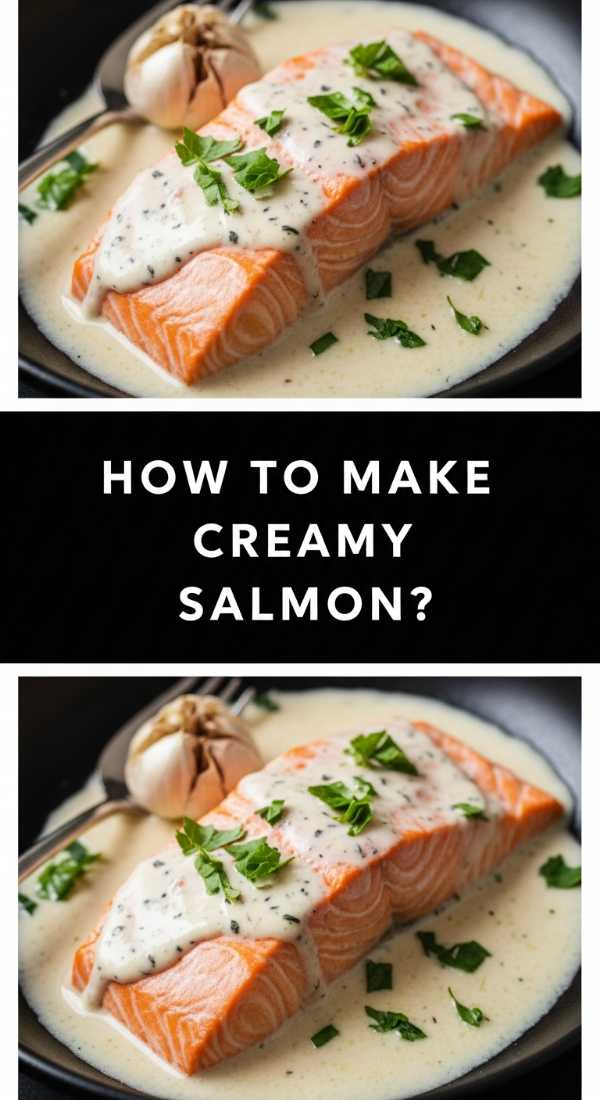
How to make creamy salmon?
Why we love this
Creamy salmon brings a sense of decadence and ‘comfort food’ vibes to your grazing board that is hard to beat. The velvety sauce, often infused with garlic and parmesan, coats the fish in a rich embrace that feels like a true indulgence. We love the way the aroma of simmering cream and savory cheese wafts through the air, signaling to guests that a special treat is served. It offers a soft, luscious mouthfeel that pairs beautifully with crunchy vegetables or sturdy crackers, providing a much-needed richness to the board’s palette.
Ingredients
- 1 lb Salmon, cubed into 2-inch pieces
- 1/2 cup Heavy cream
- 1/4 cup Grated Parmesan cheese
- 2 cups Fresh baby spinach
- 2 cloves Garlic, minced
- 1 tbsp Olive oil
How to make it
- Heat olive oil in a large skillet over medium-high heat. Add the salmon cubes and sear them quickly on all sides for about 2 minutes just to get some color; they don’t need to be fully cooked yet.
- Remove the salmon from the pan and set aside. In the same pan, lower the heat to medium and add the minced garlic, sautéing for 30 seconds until fragrant.
- Pour in the heavy cream and bring to a gentle simmer. Do not let it reach a rolling boil, as the cream might break or curdle.
- Whisk in the Parmesan cheese until the sauce thickens slightly, then add the baby spinach. Stir until the spinach has wilted into the sauce.
- Return the salmon cubes to the pan and let them simmer in the cream sauce for 3-4 minutes until fully cooked and the sauce is thick and glossy. Serve in a small decorative bowl in the center of your board.
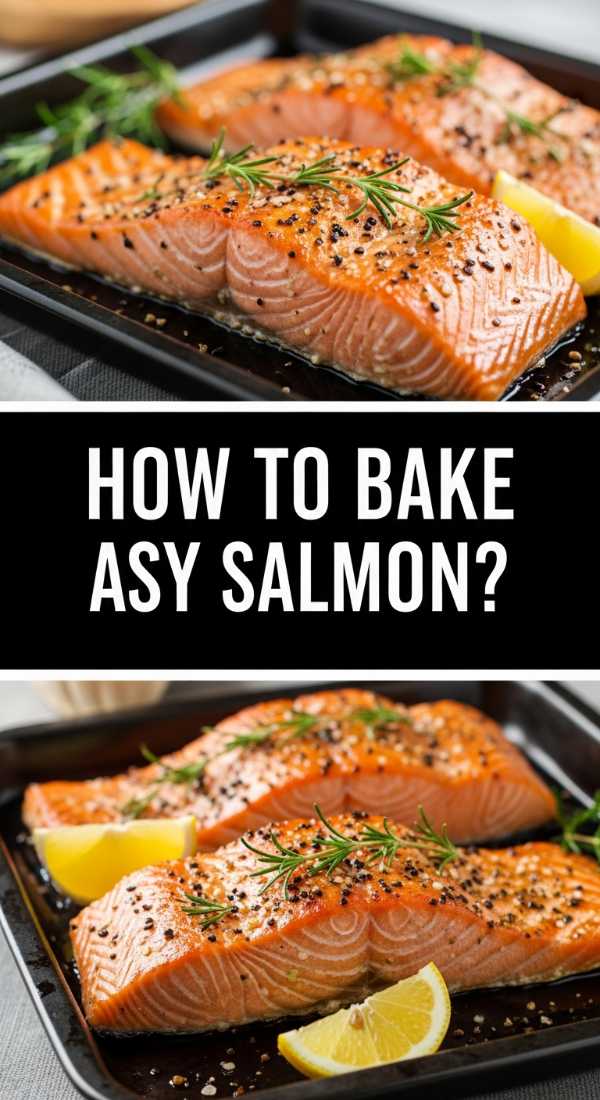
How to bake easy salmon?
Why we love this
This is the ‘no-stress’ hero of the host who wants to spend more time with guests and less time hovering over the stove. Easy baked salmon relies on the natural beauty of the fish, highlighted by simple aromatics and bright citrus notes that look stunning when garnished with fresh herbs. We love the clean, light aroma of lemon and parsley that fills the house, and the way the salmon remains flakey and succulent when cooked low and slow. It’s the perfect reliable base for any grazing board, providing a healthy and bright protein option.
Ingredients
- 1 Large salmon fillet (1.5 lbs)
- 2 tbsp Extra virgin olive oil
- 1 Lemon, thinly sliced
- 2 sprigs Fresh rosemary or thyme
- Coarse sea salt and cracked pepper
How to make it
- Preheat your oven to a steady 375°F (190°C). Lay a large piece of aluminum foil or parchment paper on a baking sheet.
- Place the salmon fillet in the center and drizzle evenly with olive oil, using your fingers or a brush to ensure every inch is coated.
- Season heavily with sea salt and black pepper. Arrange the lemon slices and herb sprigs directly on top of the fish to infuse it with flavor as it cooks.
- Fold the edges of the foil or parchment up slightly to create a ‘boat’ that will trap the steam and juices.
- Bake for 15-18 minutes. To check for doneness, press the thickest part of the fish with a fork; it should flake easily and the center should be just barely translucent for a moist finish.
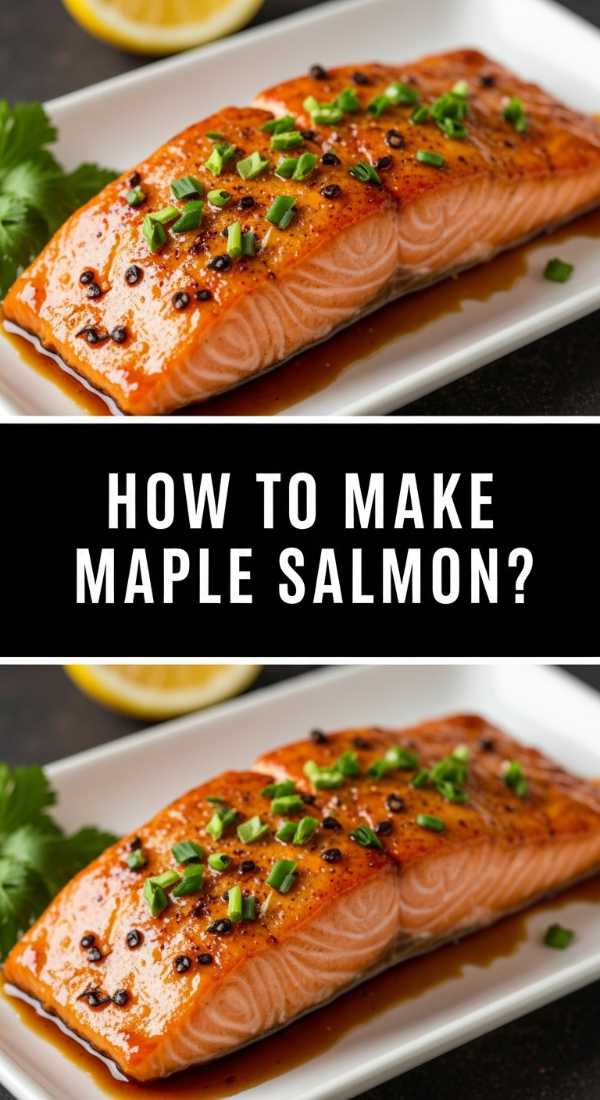
How to make maple salmon?
Why we love this
Maple salmon brings a distinct, earthy sweetness that feels grounded and sophisticated, especially during the cooler months. The aroma of maple syrup caramelizing over high heat is reminiscent of cozy mornings and wood-fired ovens, creating a nostalgic sensory experience. We love the deep mahogany color that the maple glaze imparts on the fish, making it a visual standout against green garnishes on your board. The flavor profile is complex—sweet but with a woody depth that pairs perfectly with dijon or grainy mustards.
Ingredients
- 2 Salmon fillets
- 3 tbsp Pure maple syrup
- 1 tbsp Dijon mustard
- 1 tsp Soy sauce
- 1/2 tsp Garlic powder
How to make it
- In a small bowl, whisk together the pure maple syrup, Dijon mustard, soy sauce, and garlic powder until completely emulsified and smooth.
- Place the salmon fillets in a shallow dish and pour half of the maple mixture over them. Let them marinate at room temperature for about 15 minutes to soak up the flavors.
- Heat a non-stick skillet over medium heat and place the salmon fillets skin-side down. Cook for 5 minutes until the skin is crispy and the heat is penetrating the center.
- Flip the fillets and pour the remaining maple glaze into the pan. Let the glaze bubble and thicken for 3-4 minutes, turning the heat down if the sugar in the syrup starts to smoke.
- Once the glaze has reduced to a thick coating that sticks to the salmon, remove from the heat and serve immediately.
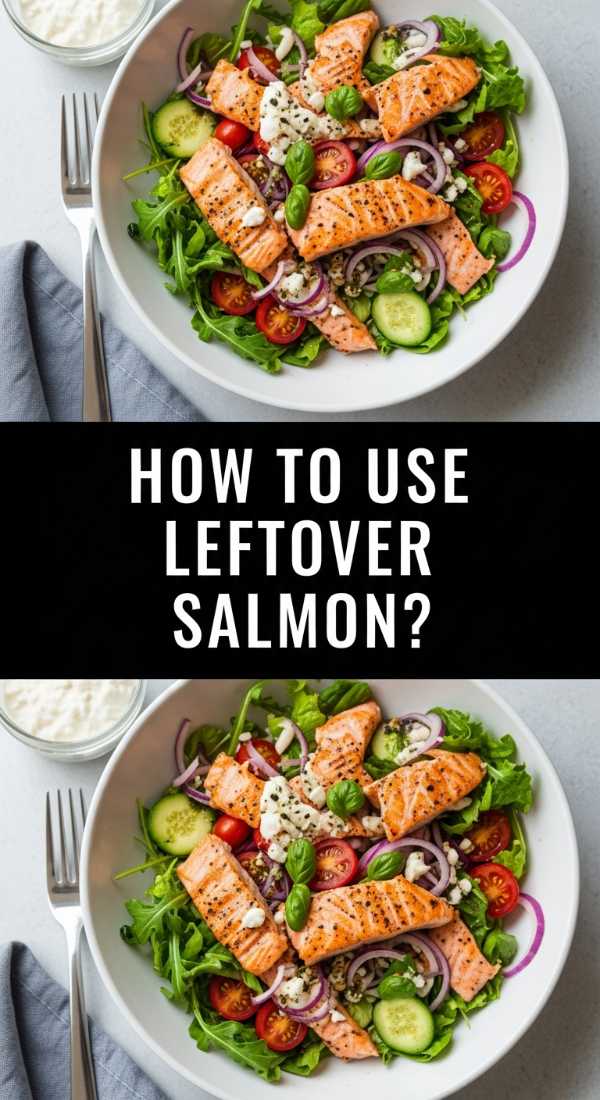
How to use leftover salmon?
Why we love this
There is a unique satisfaction in transforming yesterday’s dinner into today’s viral-worthy snack, promoting a sustainable and creative kitchen. Leftover salmon, when flaked and mixed with bright, crunchy ingredients, creates a refreshing salad that adds a light and airy element to a heavy grazing board. We love the mix of textures—the soft fish, the crunch of celery, and the bite of red onion—all tied together with a zesty dressing. The aroma is fresh and herby, making it a perfect palate cleanser between richer meats and cheeses.
Ingredients
- 2 cups Cooked salmon, cold and flaked
- 1/4 cup Celery, finely diced
- 2 tbsp Red onion, minced
- 3 tbsp Greek yogurt
- 1 tbsp Fresh lemon juice
- 1 tbsp Fresh parsley, chopped
How to make it
- Start with cold, cooked salmon straight from the fridge. Use two forks to gently flake the fish into bite-sized pieces, being careful not to overwork it into a paste.
- In a separate bowl, whisk together the Greek yogurt, lemon juice, and chopped parsley to create a light, creamy dressing base.
- Add the finely diced celery and minced red onion to the dressing. This ensures the aromatics are evenly distributed before adding the delicate fish.
- Gently fold the flaked salmon into the dressing mixture. Use a light hand to keep those beautiful flakes intact for a better visual presentation.
- Taste and adjust seasoning with a pinch of salt or a squeeze more lemon. Serve in a chilled bowl with toasted baguette rounds or endive leaves for dipping.
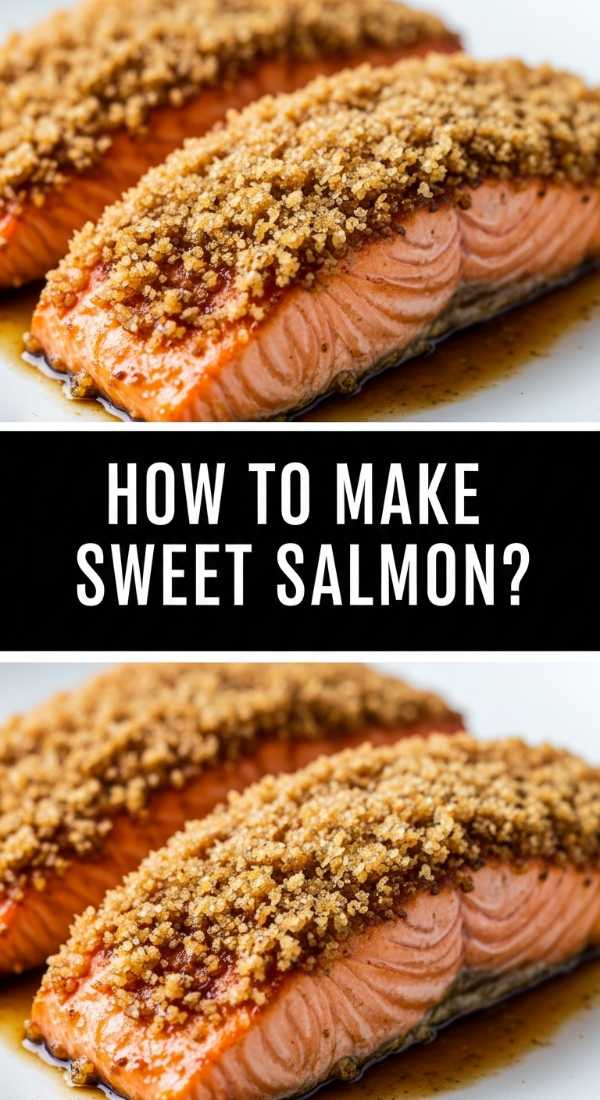
How to make sweet salmon?
Why we love this
Sweet salmon takes the sugar-crust concept to the next level, using brown sugar to create a brulee-like topping that is absolutely addictive. The smell of brown sugar and butter melting together over the fish is like a savory dessert, drawing guests to the board from across the room. We love the dramatic look of the dark, crackling crust against the bright orange flesh of the salmon, providing a gourmet aesthetic with very little effort. It’s the kind of dish that people ask for the recipe for before they’ve even finished their first bite.
Ingredients
- 1 lb Salmon fillet
- 1/4 cup Packed light brown sugar
- 1 tsp Chili powder (for a hint of heat)
- 1/2 tsp Salt
- 2 tbsp Melted butter
How to make it
- Preheat your broiler to high and position the oven rack about 6 inches from the heat source. Line a baking tray with foil.
- In a small bowl, mix the brown sugar, chili powder, and salt until well combined and free of lumps.
- Brush the top of the salmon fillet with the melted butter, which acts as the ‘glue’ for your sweet topping.
- Press the brown sugar mixture firmly onto the top of the salmon, creating an even, thick layer that covers the entire surface.
- Place under the broiler for 7-10 minutes. Watch it extremely closely—the sugar will go from bubbling to burnt very quickly. You want a dark, bubbling, and slightly crystalline crust. Let it sit for 2 minutes to let the sugar harden before serving.
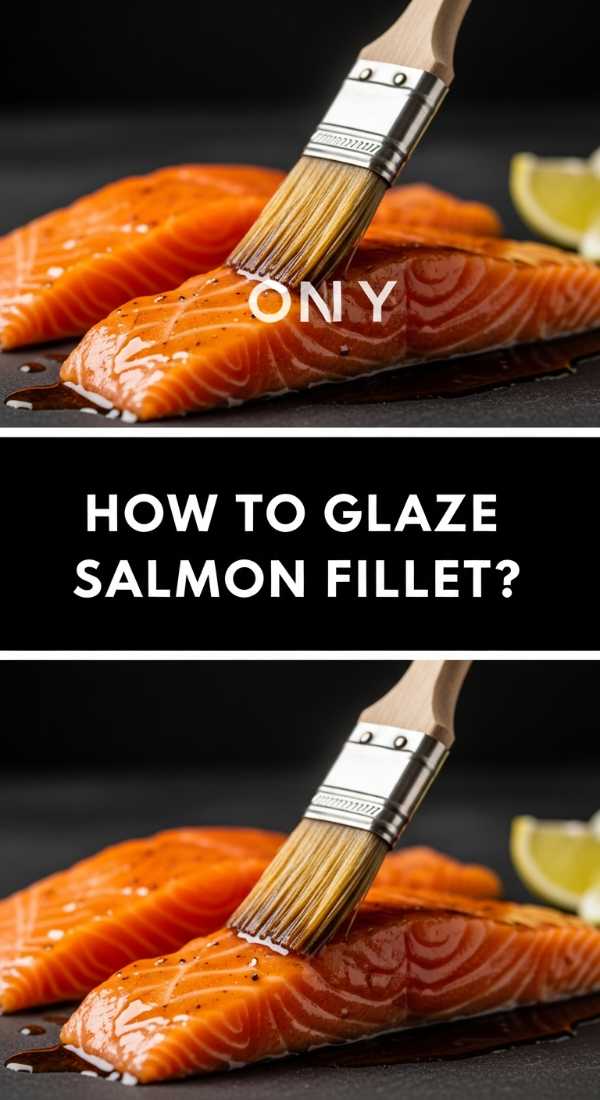
How to glaze salmon fillet?
Why we love this
Focusing on the individual fillet allows for a more controlled, elegant presentation where the glaze can be perfectly drizzled and decorated. We love how a balsamic or pomegranate glaze creates a sophisticated, tart edge that cuts through the natural fattiness of the salmon fillet. The aroma of a vinegar-based glaze reducing is sharp and appetizing, promising a complex flavor profile that feels very ‘fine dining.’ Each fillet becomes a miniature work of art on your board, topped with microgreens or pomegranate arils for a pop of color.
Ingredients
- 2 Salmon fillets (6 oz each)
- 1/2 cup Balsamic vinegar
- 1 tbsp Honey
- 1 clove Garlic, smashed
- 1 tbsp Olive oil
How to make it
- In a small saucepan, combine the balsamic vinegar, honey, and the smashed garlic clove. Bring to a simmer over medium heat.
- Allow the liquid to reduce by half, which should take about 10-12 minutes. The result should be a thick, glossy reduction that smells deeply sweet and tangy. Remove the garlic clove and set the glaze aside.
- Season the fillets with salt and pepper. Heat olive oil in a skillet over medium-high heat.
- Place the fillets skin-side down and sear for 4 minutes. Carefully flip the fillets and cook for another 3 minutes.
- During the last minute of cooking, brush a thick layer of the balsamic glaze over the top. Once you remove them from the heat, give them one final drizzle of glaze for a high-shine finish before plating.
How to make hot salmon?

Why we love this
For those who love a bit of adventure on their plate, hot salmon provides a spicy, bold kick that wakes up the taste buds. The aroma of sriracha or chili oil hitting the heat is sharp and energizing, instantly making the grazing board feel more modern and edgy. We love how the heat of the peppers is balanced by the natural sweetness of the salmon, creating a vibrant harmony of flavors that pairs perfectly with cooling dips like tzatziki. It’s a fiery addition that ensures your board has something for the spice-lovers in the group.
Ingredients
- 2 Salmon fillets
- 2 tbsp Sriracha or Sambal Oelek
- 1 tbsp Honey (to balance the heat)
- 1 tbsp Lime juice
- 1/2 tsp Crushed red pepper flakes
- 1 tbsp Vegetable oil
How to make it
- In a small bowl, whisk together the sriracha, honey, lime juice, and red pepper flakes to create a fiery marinade.
- Coat the salmon fillets thoroughly in the spicy mixture and let them sit for at least 20 minutes to allow the heat to penetrate the flesh.
- Heat the vegetable oil in a skillet over medium-high heat until it just begins to shimmer.
- Place the salmon in the pan. Be aware that spicy marinades can smoke more easily than others, so keep an eye on the temperature. Cook for 4 minutes on the first side.
- Flip and cook for another 3-4 minutes. The sauce will caramelize and create a ‘hot’ crust. Garnish with extra red pepper flakes or sliced jalapeños for a final visual warning of the delicious heat to come.
Conclusion
Creating a viral-worthy grazing board is all about the balance of aesthetics, texture, and flavor. By mastering these diverse salmon preparations, you move beyond the standard cheese and crackers and offer your guests a truly memorable culinary journey. Remember, the best boards are the ones made with love and shared with even more. So grab your biggest platter, pick a few of these recipes, and get ready to be the host everyone talks about!
FAQ Section
Can I prepare these salmon dishes in advance? Yes! Most of these recipes, especially the glazed and baked versions, can be cooked a few hours ahead and served at room temperature, which is traditional for a grazing board. The rillette (canned salmon) is actually better when made a day in advance.
How do I keep the salmon fresh on the board? If your party is going to last more than two hours, it is best to set the salmon dishes on small plates that can be swapped out with fresh ones from the fridge, or place the serving bowls over a larger bowl of ice to keep them chilled.
What are the best crackers to pair with salmon? Look for sturdy crackers that won’t break under the weight of a fillet. Multigrain crackers, toasted baguette slices, and even cucumber rounds provide a great base for the various textures of the salmon preparations.