
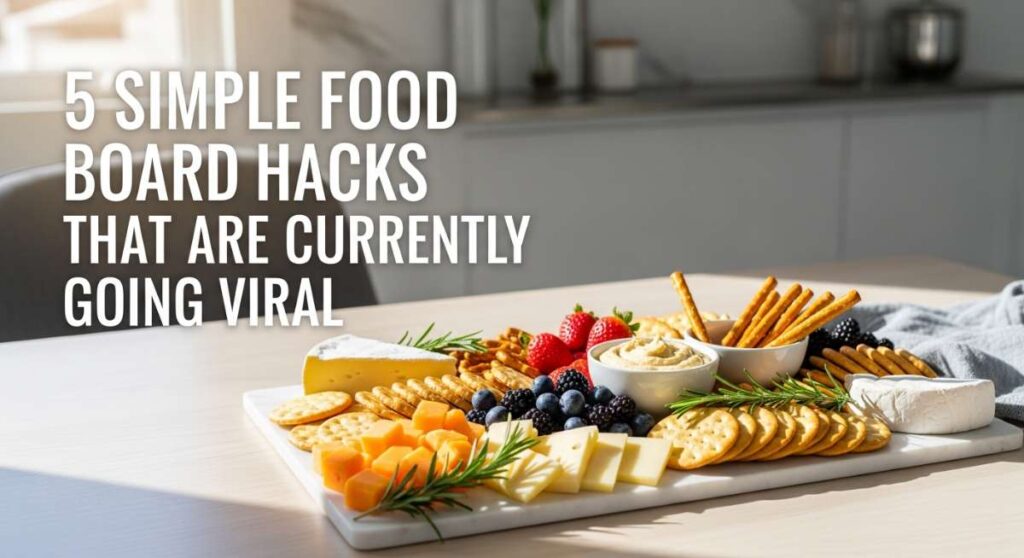
There is nothing quite like the magic of a shared meal to bring people together, and lately, my feed has been overflowing with the most beautiful, vibrant food boards that turn a simple lunch into a literal work of art. I remember the first time I set out a large wooden board filled with a colorful Thai-inspired pasta salad; the room instantly buzzed with excitement as everyone crowded around to build their own perfect bowl. It’s that sense of community and the sheer joy of grazing on fresh, crisp ingredients that makes these viral food boards so special.
We are currently living in the era of ‘elevated casual,’ where we want our food to look spectacular without spending hours tucked away in the kitchen. These food board hacks take the classic pasta salad and transform it into a deconstructed masterpiece that is as delicious as it is Instagram-worthy. Whether you are hosting a sunny backyard brunch or just want to spice up your weekly meal prep, these tips will help you master the art of the pasta board like a pro.
How to Make Thai Pasta Salad
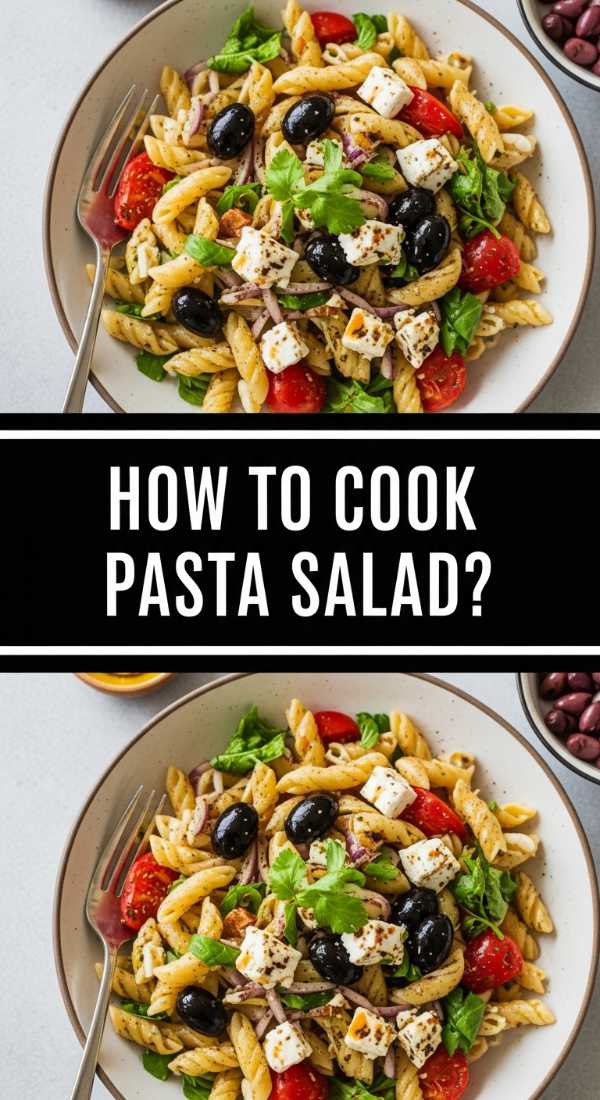
Why we love this
There is something truly magical about the way a creamy peanut sauce clings to every ridge of a rotini or fusilli noodle, creating a harmony of savory and sweet that dances on your palate. The aroma of toasted sesame oil and fresh-squeezed lime zest fills the kitchen, immediately transporting you to a vibrant outdoor summer market. Each bite offers a satisfying crunch from shredded carrots and purple cabbage, followed by the silky, cooling sensation of the pasta, making it the ultimate refreshing comfort food for those warm afternoon gatherings where laughter flows as easily as the wine.
Ingredients
- 1 lb Fusilli or Rotini pasta
- 1/2 cup Creamy peanut butter
- 3 tbsp Soy sauce
- 1 tbsp Toasted sesame oil
- 2 tbsp Honey or agave
- 1 clove Garlic, minced
- 1 tsp Fresh ginger, grated
- 1 cup Shredded red cabbage
- 1/2 cup Sliced scallions
How to make it
- Begin by bringing a large pot of heavily salted water to a rolling boil. Use about one tablespoon of salt per gallon of water to ensure the pasta is seasoned from the inside out.
- Cook the pasta according to the package directions, but aim for exactly ‘al dente’—usually 1-2 minutes less than the full cook time—as the noodles will soften slightly once they absorb the dressing.
- While the pasta cooks, prepare the signature sauce by whisking the peanut butter, soy sauce, sesame oil, honey, garlic, and ginger in a medium glass bowl. If the mixture is too thick, add 1-2 tablespoons of warm pasta water to emulsify it into a pourable consistency.
- Drain the pasta and immediately rinse it under cold running water to stop the cooking process and remove excess starch, which prevents the noodles from sticking together.
- In a large mixing bowl, toss the cooled pasta with half of the peanut dressing, ensuring every spiral is coated. Fold in the shredded cabbage and scallions gently.
How to Cook Pasta Salad
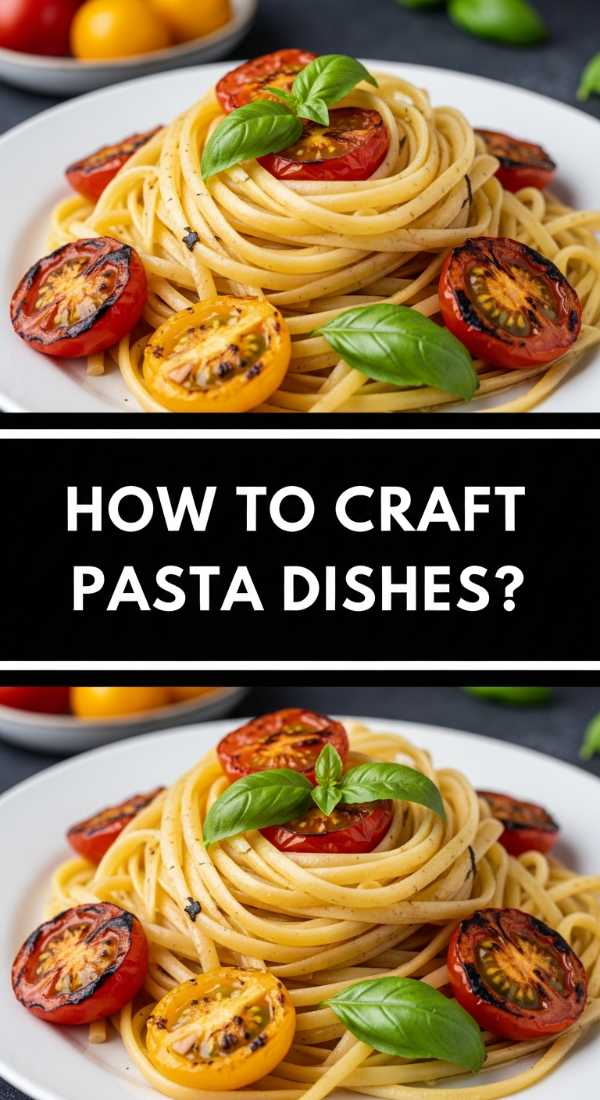
Why we love this
Cooking pasta for a salad is an art form that yields a texture completely different from your standard hot dinner dish. When done correctly, the pasta maintains a firm, bouncy bite that stands up to heavy dressings and crisp vegetables without becoming mushy or waterlogged. The tactile experience of a perfectly chilled noodle, seasoned to perfection, provides a cooling base that grounds the brighter, more acidic flavors of the toppings, creating a balanced mouthful that feels light yet incredibly satisfying.
Ingredients
- Dry pasta (Farfalle or Penne)
- Kosher salt
- Ice cubes (for an ice bath)
- Olive oil (to prevent sticking)
How to make it
- Fill a stockpot with cold water and add enough salt so it tastes like the sea; this is your only chance to flavor the pasta itself.
- Once the water is at a violent boil, add the pasta and stir immediately to prevent the pieces from settling at the bottom and sticking.
- Test the pasta frequently during the last 3 minutes of cooking; you want a firm center with no chalky residue, known as the ‘perfect bite.’
- Prepare an ice bath in a separate bowl. This is a pro secret: shock the drained pasta in ice water for 30 seconds to lock in the texture and vibrancy.
- Drain thoroughly and pat dry with a clean kitchen towel. Toss with a teaspoon of olive oil to create a light barrier that keeps the noodles individual and sleek.
How to Craft Pasta Dishes
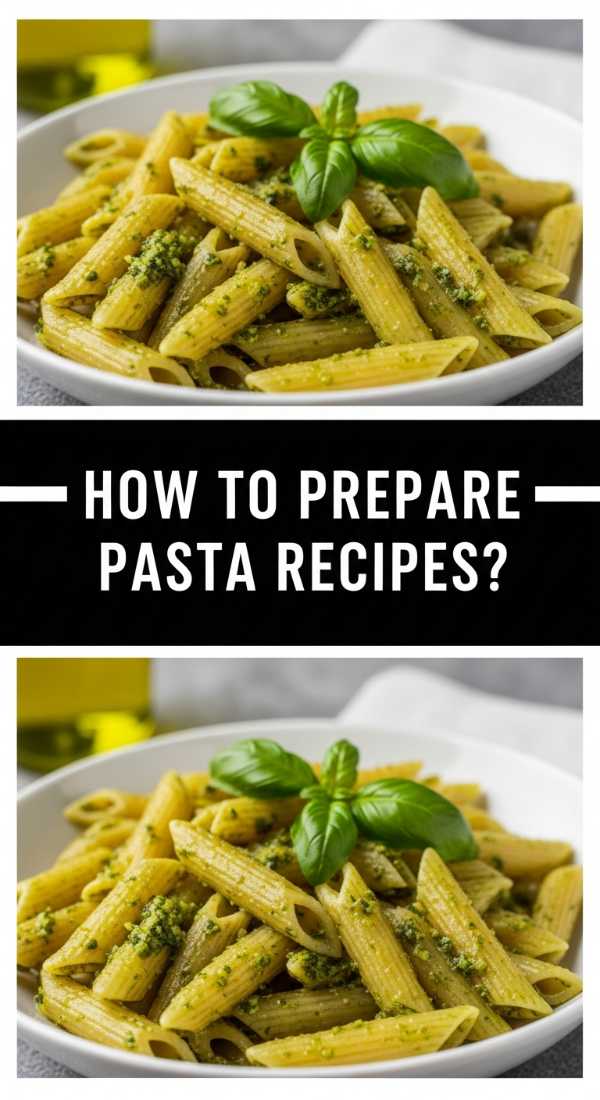
Why we love this
Crafting a pasta dish is like painting on a blank canvas, where the shapes and colors of the ingredients dictate the final aesthetic and flavor profile. We love this process because it allows for total creative freedom—mixing textures like velvety sauces with the snap of fresh bell peppers and the earthiness of toasted nuts. The visual appeal of a well-crafted board, with piles of pasta nestled next to vibrant garnishes, creates an irresistible invitation to dig in and explore the different layers of flavor you’ve carefully assembled.
Ingredients
- Cooked pasta base
- Assorted bell peppers (red, yellow, orange)
- Fresh snap peas
- Edamame beans
- Sesame seeds
How to make it
- Select a large wooden or marble board as your base. Ensure it is clean and food-safe.
- Place your cooked and lightly oiled pasta in the center of the board, shaping it into a soft mound that serves as the focal point.
- Slice your vegetables into uniform matchsticks (julienne style). This consistent sizing ensures that every forkful of the ‘crafted’ dish contains a bit of everything.
- Arrange the vegetables in colorful ‘rays’ or clusters around the central pasta pile to create a sunburst effect.
- Drizzle a small amount of dressing over the vegetables to give them a glossy, fresh appearance that catches the light beautifully.
How to Prepare Pasta Recipes
Why we love this
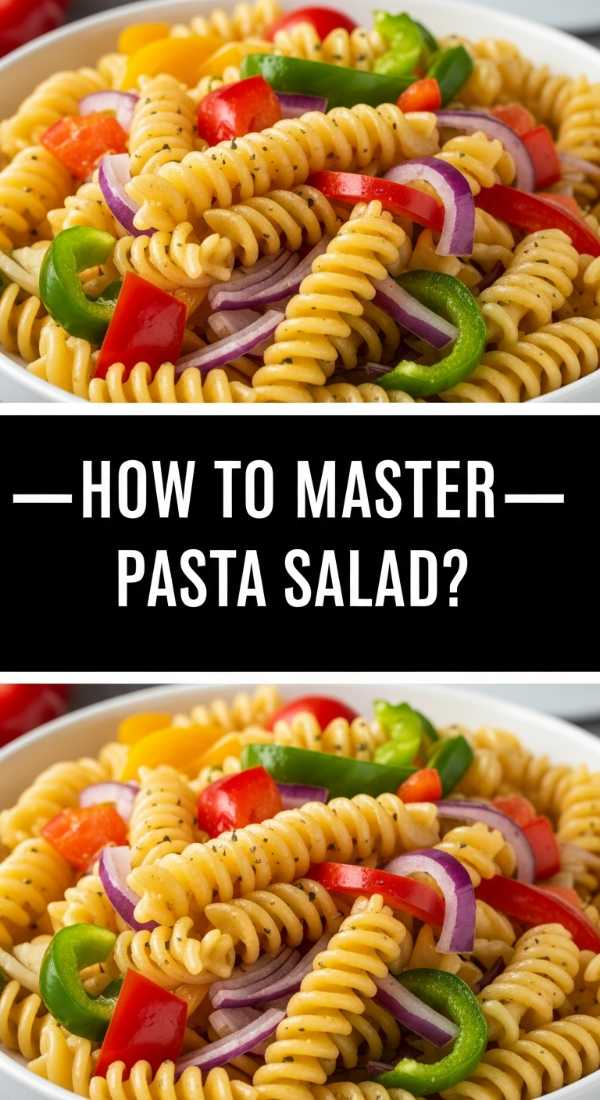
The preparation phase is where the heart of the meal is built, turning raw, humble ingredients into a sophisticated feast. There is a rhythmic, therapeutic quality to chopping fresh herbs and whisking dressings until they are perfectly smooth and emulsified. As you prepare these components, the kitchen fills with the sharp, clean scent of cilantro and the pungent kick of fresh garlic, building anticipation for the meal to come. This stage is all about intentionality, ensuring that every element is prepped to maximize its natural flavor and visual impact on the board.
Ingredients
- Fresh cilantro
- Red chili flakes
- Rice vinegar
- Honey
- Canola or vegetable oil
How to make it
- Begin by washing all fresh produce in cold water and drying it completely; moisture is the enemy of a crisp pasta salad.
- Finely mince the cilantro, including the tender stems which hold intense flavor, and set aside in a small pinch bowl.
- Whisk together the rice vinegar, honey, and oil in a small jar. Shake vigorously for 30 seconds until the honey is fully incorporated and the oil doesn’t separate.
- Taste your preparation components individually. If the dressing is too acidic, add a pinch of salt; if it’s too sweet, add another splash of vinegar.
- Keep all prepared ingredients in separate containers until the moment of assembly to maintain their individual textures and bright colors.
How to Master Pasta Salad
Why we love this
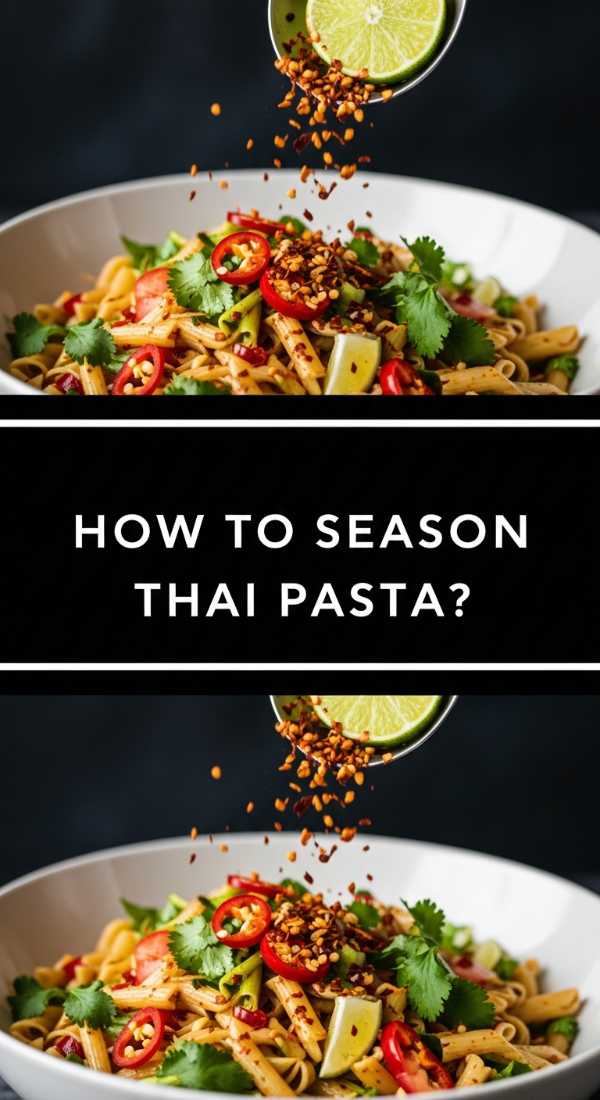
Mastering the pasta salad means finding that elusive balance where no single ingredient overpowers another, but everything works in concert to create a symphony of flavor. We love this because it transforms a standard potluck side into a gourmet experience that people will talk about for weeks. The contrast between the cold, firm pasta and the warm, spicy kick of a Thai-inspired seasoning creates a sensory experience that is both comforting and adventurous. It’s about achieving that perfect ratio of sauce to noodle, ensuring every bite is moist and flavorful without being heavy or greasy.
Ingredients
- Prepared pasta
- Peanut-lime dressing
- Toasted cashews
- Sliced radishes
- Lime wedges
How to make it
- The first step to mastery is temperature control. Ensure your pasta is completely chilled to 40°F (4°C) before adding any cream-based or oil-based dressings.
- Apply the dressing in two stages: use half when the pasta is first cooled to allow it to soak in, and the second half right before serving to provide a fresh, glossy coat.
- Incorporate ‘texture pops’ like sliced radishes or toasted cashews just before the board is presented to ensure they remain crunchy and don’t soften in the moisture of the salad.
- Balance the heavy fats of the peanut butter with fresh lime juice squeezed over the top at the very last second; the acid cuts through the richness and wakes up the palate.
- Use a wide, shallow bowl or board for serving rather than a deep one, which prevents the ingredients at the bottom from getting crushed or soggy.
How to Season Thai Pasta
Why we love this
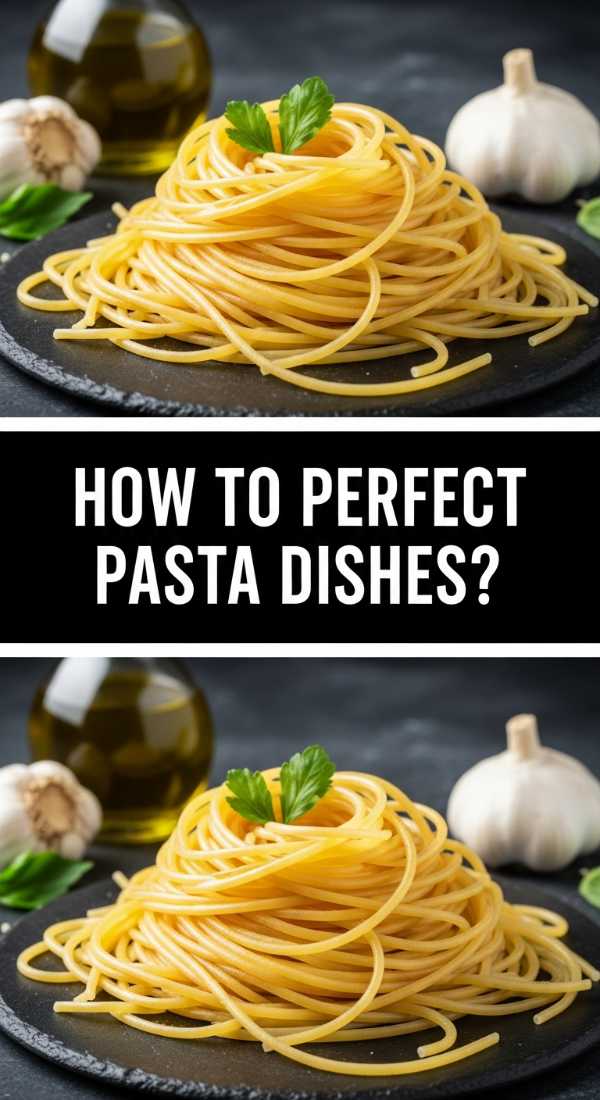
Seasoning is where the soul of Thai-inspired cuisine truly shines, bringing a complex profile of salty, sweet, sour, and spicy to a simple pasta base. The deep, umami notes of soy sauce mingle with the heat of Thai bird’s eye chilies, creating a lingering warmth that is incredibly addictive. We love how a simple sprinkle of sea salt and a dash of white pepper can suddenly make all the other ingredients pop, making the vegetables taste sweeter and the dressing taste creamier. It’s an olfactory delight that makes your mouth water the second the spices hit the dish.
Ingredients
- Sriracha or chili garlic sauce
- Fish sauce (optional for depth)
- Brown sugar
- Freshly ground black pepper
- Grated lime zest
How to make it
- In a small prep bowl, combine 1 teaspoon of sriracha with a tablespoon of brown sugar. This creates a sweet-heat base that is essential for authentic Thai flavor.
- Add a few drops of fish sauce if you want a deep, fermented umami kick; otherwise, use a pinch of extra salt.
- When seasoning the pasta, sprinkle the lime zest directly over the noodles while they are slightly damp; the oils from the zest will stick better to the pasta surface.
- Toss the pasta gently while adding the liquid seasonings slowly, tasting as you go to ensure the heat level doesn’t become overwhelming.
- Finish with a light dusting of black pepper from a high height to ensure an even distribution across the entire board.
How to Perfect Pasta Dishes
Why we love this
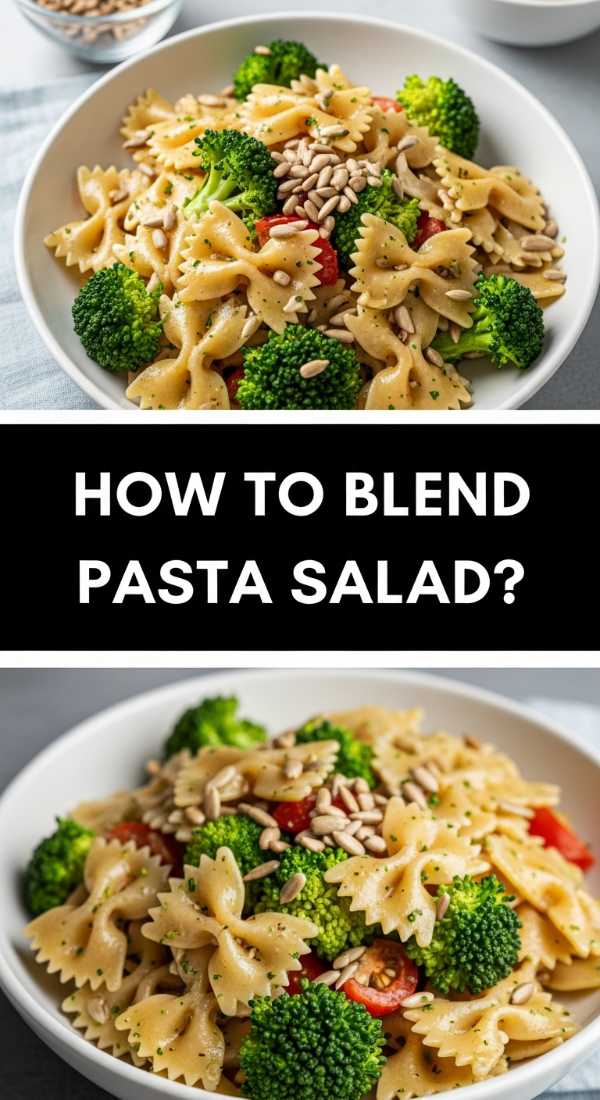
Perfection in a pasta dish comes down to the finer details that many overlook, such as the sheen of the sauce and the arrangement of the colors. We love the satisfaction of seeing a dish where every component looks intentional—where the herbs are vibrant green and the noodles are perfectly separated. It’s the difference between a meal and an experience. When you perfect the pasta dish, you’re creating something that feels luxurious and thoughtful, turning a casual get-together into a high-end dining moment that feels both personal and polished.
Ingredients
- Extra virgin olive oil
- Microgreens
- Flaky sea salt
- Edible flowers (optional)
How to make it
- To achieve a perfect sheen, give the final assembled pasta a very light mist of high-quality olive oil right before guests arrive.
- Use culinary tweezers to place microgreens in small, deliberate clusters rather than scattering them randomly; this adds a professional ‘plated’ look to your board.
- Check the salt levels one last time; cold food often requires slightly more salt than hot food to carry the flavor to the taste buds.
- Ensure there is a clear contrast in colors. If the board looks too green, add a few more shreds of purple cabbage or a sprinkle of red chili flakes for visual ‘pop.’
- Clean the edges of the board with a damp cloth to remove any stray drips of dressing or stray noodle bits for a clean, professional finish.
How to Blend Pasta Salad
Why we love this
Blending is more than just mixing; it’s about marrying the flavors so that they become a cohesive unit. We love the way the thick, savory peanut sauce begins to emulsify with the natural juices of the sliced cucumbers and peppers, creating a secondary ‘sauce’ that is light and refreshing. The process of folding the ingredients together ensures that you get a bit of everything in every bite—a piece of pasta, a crunch of nut, a snap of veggie, and a burst of herb—all unified by a dressing that has been perfectly distributed.
Ingredients
- English cucumbers, diced
- Red onion, finely slivered
- Shredded carrots
- The pre-made peanut dressing
How to make it
- Use two large salad spoons or even clean hands to toss the pasta. This ‘lifting and folding’ motion prevents the noodles from breaking or tearing.
- Start with the pasta in the bowl, then add the heavier vegetables like cucumbers and carrots.
- Pour the dressing around the edges of the bowl rather than directly on top; this allows you to pull the dressing into the center as you toss, ensuring more even coverage.
- Blend for at least 60 seconds. This might seem long, but it ensures that the micro-layers of the dressing coat the interior of the pasta shapes.
- Allow the blended salad to sit for 10 minutes before moving it to the serving board; this ‘marinating’ time lets the flavors settle.
How to Whip Pasta Recipe
Why we love this
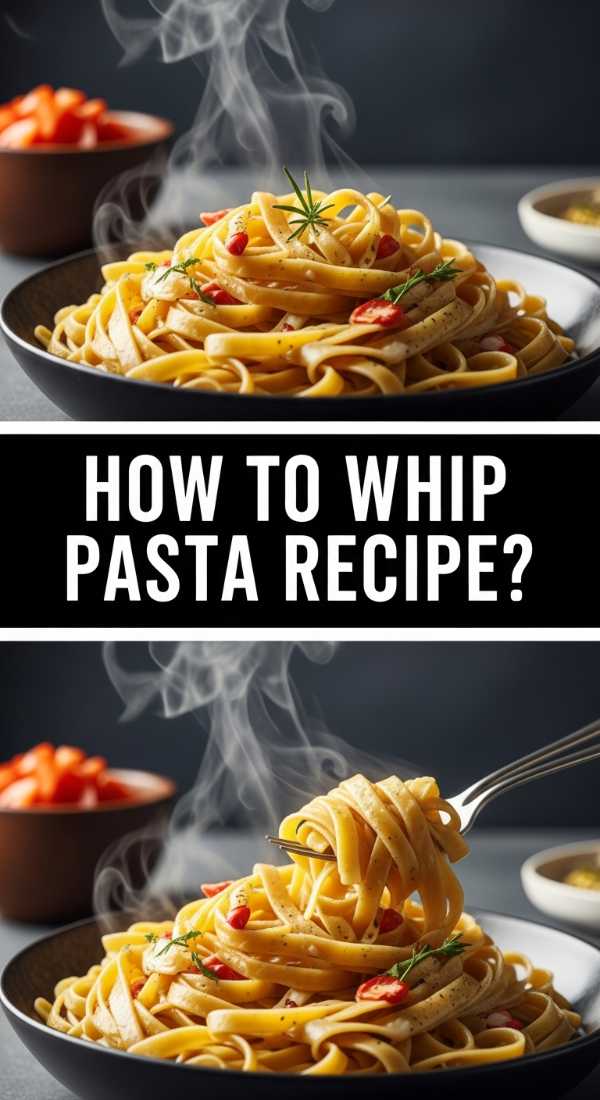
Whipping up a recipe shouldn’t mean sacrificing quality for speed. We love this approach because it’s perfect for those last-minute ‘let’s have people over’ moments that turn into the best nights. By using efficient techniques and high-impact ingredients, you can create a viral-worthy board in under twenty minutes. There’s a certain thrill in the fast-paced prep—the sound of the knife on the cutting board, the quick boil of the pasta, and the rapid whisking of the sauce—that makes the final result feel like a hard-won victory that you can finally sit down and enjoy.
Ingredients
- Quick-cook pasta (like Angel Hair or thin Spaghetti)
- Store-bought peanut sauce (to save time)
- Bagged coleslaw mix (carrots and cabbage)
- Pre-shelled edamame
How to make it
- Choose a thinner pasta shape which cooks in 4-5 minutes, significantly cutting down your stovetop time.
- While the water boils, open your pre-prepped ingredients. Using a bagged slaw mix eliminates 10 minutes of chopping and provides the same crunch.
- Heat the store-bought sauce in the microwave for 15 seconds; thinning it slightly with heat makes it much faster to toss and coat the pasta.
- Drain the pasta and toss it immediately with the warm sauce. The residual heat will help the sauce penetrate the pasta quickly.
- Spread the mixture onto your board and top with pre-shelled edamame and a handful of nuts for an instant, high-quality look with minimal effort.
How to Garnish Thai Pasta
[IMAGE_10]
Why we love this
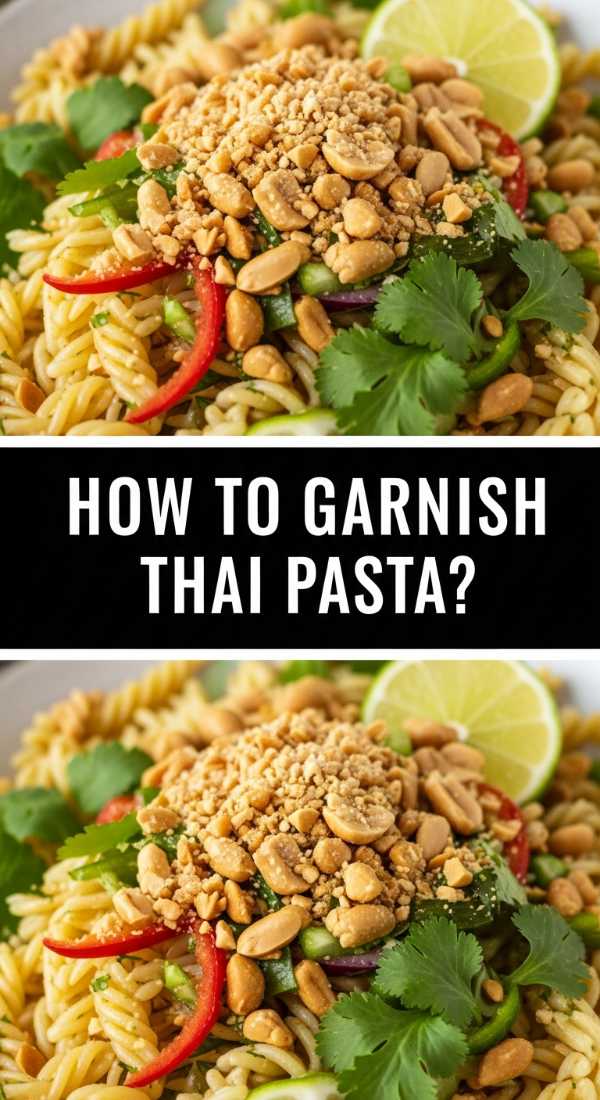
Garnishing is the final flourish, the ‘cherry on top’ that signals the meal is ready to be celebrated. We love the way a final sprinkle of crushed peanuts and a shower of fresh green herbs adds a layer of complexity and freshness that elevates the entire board. It’s about the contrast—the bright green against the deep orange of the sauce, the matte texture of the noodles against the shiny lime wedges. A well-garnished board looks like it was prepared by a chef, giving your guests a sense of being truly cared for and pampered.
Ingredients
- Crushed roasted peanuts
- Fresh mint leaves
- Black sesame seeds
- Sliced red chilies (for heat and color)
- Extra lime wedges
How to make it
- Start with the largest garnishes first: nestle lime wedges into the corners and sides of the pasta pile.
- Sprinkle the crushed peanuts in a diagonal line across the board to create a sense of movement and visual interest.
- Tear the mint leaves by hand rather than cutting them with a knife; this prevents the edges from bruising and browning while releasing the most aroma.
- Add a final ‘dusting’ of black sesame seeds from a height for a sophisticated, speckled look that contrasts beautifully with the colorful veggies.
- Place a few whole sprigs of cilantro on top to signify the freshness of the dish and provide a final pop of organic shape.
The Ultimate Viral Board
Creating a viral food board isn’t just about following a recipe; it’s about embracing the textures, colors, and communal spirit of modern dining. By mastering these simple hacks, you’ve turned a humble pasta salad into a centerpiece that invites conversation and satisfies every craving. So grab your biggest wooden board, boil that water, and get ready to be the star of your next gathering!