
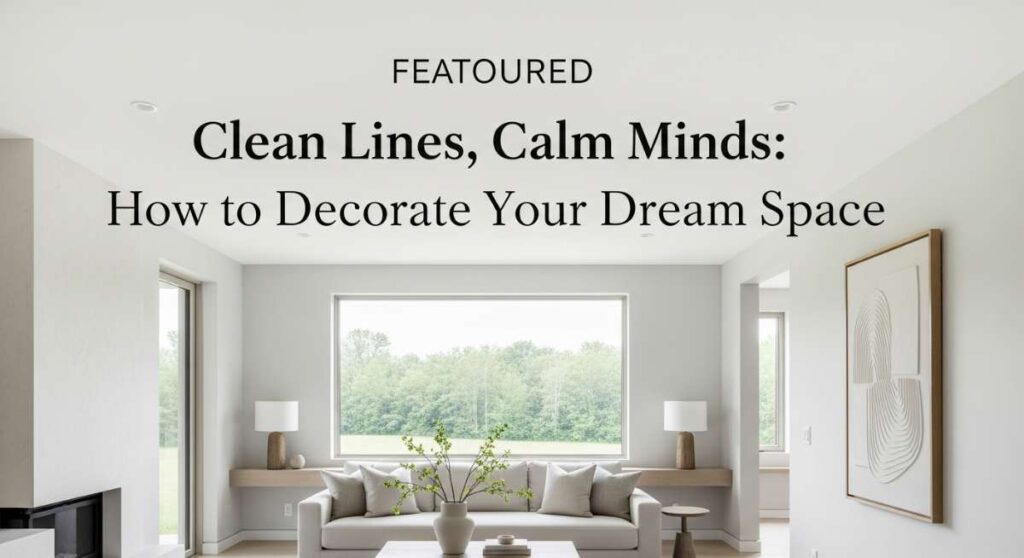
Clean Lines, Calm Minds: How to Decorate Your Dream Space
Have you ever walked into a room and felt an instant, heavy sigh of relief wash over you? Not the kind of sigh that comes from exhaustion, but the kind that signals your brain has finally stopped racing. For the longest time, my home was the opposite of that. It was a collection of ‘someday’ projects, mismatched throw pillows, and clutter that seemed to breed in the corners overnight. I realized that my external environment was mirroring my internal chaos, and something had to change.
Embracing a minimalist lifestyle isn’t about living in a cold, empty white box; it is about making room for the things that truly nourish your soul. It’s about the tactile joy of a linen sofa, the way the morning light hits a single ceramic vase, and the quiet power of negative space. When we strip away the excess, we don’t just find a cleaner room—we find a clearer version of ourselves. Today, I’m sharing my journey and the secrets to crafting a home that feels like a sanctuary.
How to Create a Cozy Minimalist Living Room for Complete Zen
Why we love this
There is a profound, soulful comfort in a space that breathes. This aesthetic blends the discipline of minimalism with the warmth of organic textures, creating a room that feels both curated and incredibly lived-in. Imagine the scent of sandalwood wafting through the air while you run your hand over a chunky, hand-knit wool throw. The visual silence of neutral tones allows your eyes to rest, while the varied textures—from smooth white oak to soft, nubby bouclé—provide a rich sensory experience that feels like a warm hug for your nervous system.
Essential Elements:
- Low-profile modular sofa in oatmeal or soft grey
- Natural wood coffee table with a matte finish
- Textured wool or jute area rug
- Ceramic vessels in organic shapes
- Large-leaf indoor plants like a Fiddle Leaf Fig
- Soft, dimmable amber lighting
How to make it
- Start with a blank slate by removing every decorative item from the room to see the architectural bones of the space.
- Position your largest piece of furniture, the sofa, toward the natural light source to maximize the airy feel of the room.
- Layer in a large area rug that anchors the space; ensure all furniture legs sit at least partially on the rug to create a cohesive ‘island’ of comfort.
- Incorporate ‘soft’ minimalism by adding three distinct textures: something smooth (wood), something soft (linen), and something rough (jute or stone).
- Install warm-toned smart bulbs (2700K) and set them to a lower intensity during the evening to mimic the natural setting of the sun.
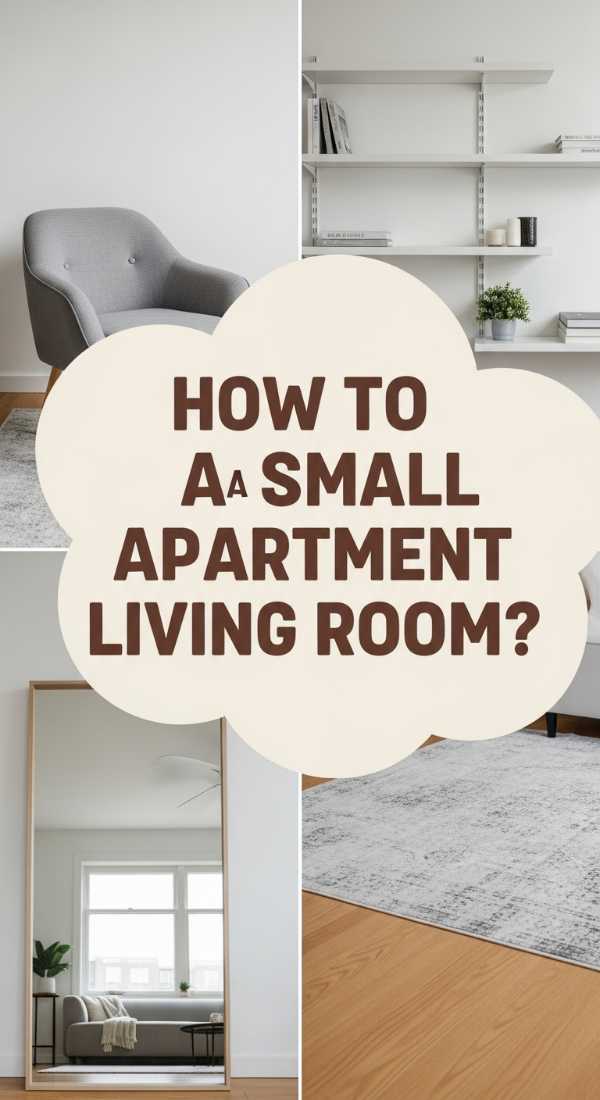
How to Style a Small Living Room Apartment for an Elevated Vibe
Why we love this
Small apartments often get a bad rap for being cramped, but with a minimalist approach, they become the ultimate jewel boxes of design. We love this style because it forces intentionality; every single object must earn its place. There is a specific magic in a perfectly styled studio where a sleek glass coffee table reflects the city lights and a monochromatic color palette makes the walls seem to push outward. It feels sophisticated, high-end, and deeply personal, proving that luxury isn’t about square footage—it’s about the quality of the atmosphere you cultivate.
Essential Elements:
- Leggy furniture that shows more floor space
- Large wall-mounted mirrors to bounce light
- Sheer floor-to-ceiling linen curtains
- Acrylic or glass accent pieces
- Multi-functional storage ottomans
- Vertical shelving units
How to make it
- Select a ‘hero’ color, preferably a light shade like parchment or dove grey, and use it for the walls, curtains, and largest furniture pieces to create an unbroken visual line.
- Mount your curtain rods several inches above the actual window frame and let the fabric hit the floor to create the illusion of soaring ceilings.
- Choose a coffee table with thin metal legs or a transparent top; this prevents the center of the room from feeling ‘heavy’ or blocked.
- Utilize vertical space by installing floating shelves high on the walls, drawing the eye upward and keeping the floor clear of clutter.
- Edit your decor ruthlessly; for every new item brought into the small space, remove one old item to maintain the equilibrium of the room.
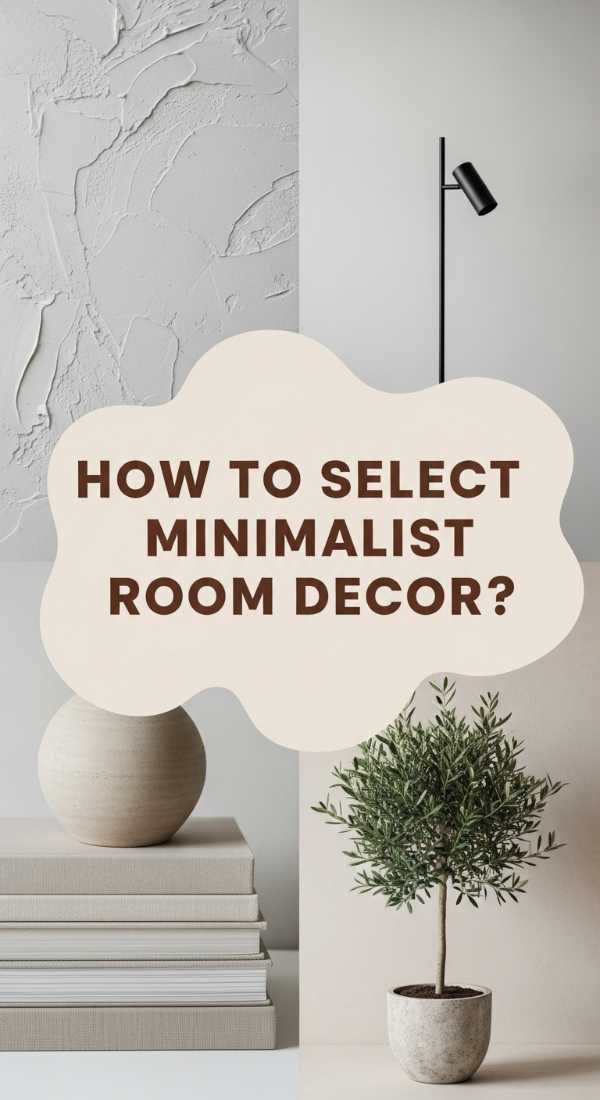
How to Select Minimalist Room Decor for a Soulful Sanctuary
Why we love this
Decorating a soulful sanctuary is less about following trends and more about a deep, emotional resonance with your surroundings. It’s the feeling of pouring a cup of tea and looking at a piece of art that reminds you of a quiet beach, or the tactile sensation of a handmade clay bowl. We love this approach because it transforms ‘stuff’ into ‘meaning.’ It’s a sensory feast of earthy scents like cedar and patchouli, the cool touch of marble, and the visual peace of a singular, well-placed branch in a glass vase that brings the outdoors in.
Essential Elements:
- Handmade stoneware and pottery
- Abstract line art in simple black frames
- Scented soy candles with wood wicks
- Natural linen bedding in muted tones
- Dried botanicals or single-stem fresh flowers
- Smooth river stones or crystals
How to make it
- Identify your ‘anchor’ scent for the room; use a high-quality diffuser or candle to consistently associate that smell with relaxation and home.
- Curate a ‘still life’ on a dresser or shelf by grouping three items of varying heights: a tall botanical, a medium-sized book, and a small ceramic bowl.
- Focus on ‘quality over quantity’ by saving for one original piece of art or a handmade item rather than buying five mass-produced decorative objects.
- Integrate natural elements by placing a single, sculptural branch in a tall floor vase to add height and a touch of wildness to the clean lines.
- Keep surfaces 60% empty; this ‘negative space’ is what allows the soulful items you do choose to actually stand out and be appreciated.
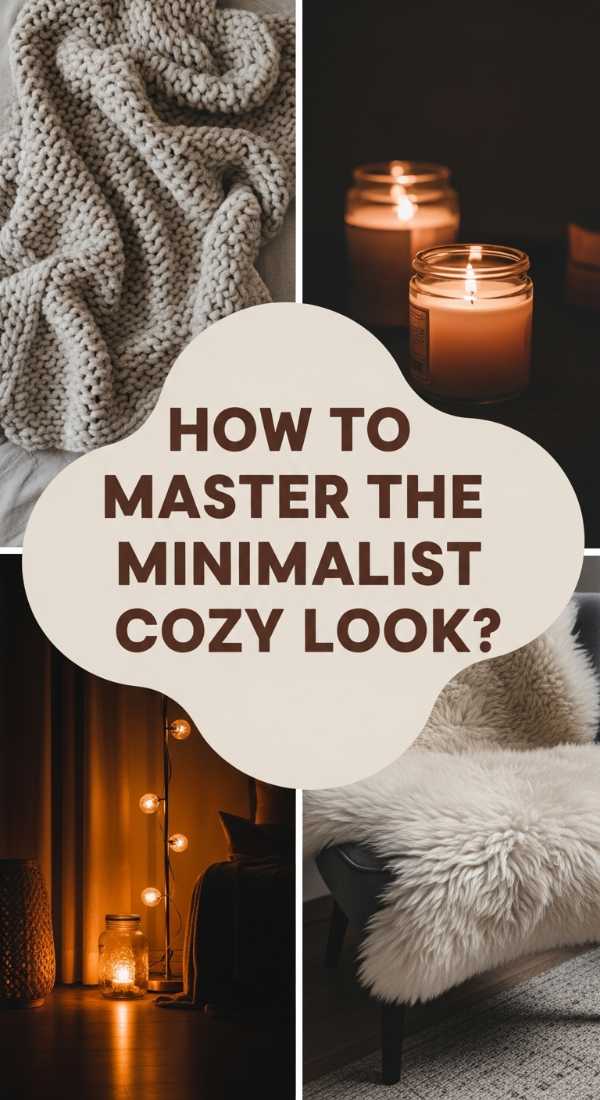
How to Master the Minimalist Cozy Look for Winter Warmth
Why we love this
Winter demands a shift in our environment, a transition into a ‘hygge’ mindset where minimalism meets extreme coziness. This look is all about the contrast between the crisp, cold air outside and the plush, layered cocoon inside. We love the way a minimalist base allows the richness of winter textures—like faux fur, heavy knits, and velvet—to shine without feeling suffocating. It’s the amber glow of a fireplace reflecting off a clean white wall, the smell of cinnamon and pine, and the feeling of sinking into a mountain of soft pillows after a long day.
Essential Elements:
- Faux fur or chunky knit weighted blankets
- Velvet floor cushions
- Brass or copper candle holders
- String lights with a warm ‘fairy’ glow
- Darker accent colors like forest green or charcoal
- Sheepskin rugs
How to make it
- Swap out lightweight summer linens for heavier fabrics like velvet or wool in your throw pillows and blankets to instantly ‘weight’ the room for winter.
- Layer your rugs by placing a smaller, soft sheepskin or plush rug directly over your larger, flat-weave area rug for extra toe-warming insulation.
- Create a ‘glow corner’ by grouping candles of various heights on a metal tray; the reflection of the flames on the metal adds a shimmering warmth.
- Introduce darker, moodier hues through small accents like a dark ceramic mug or a deep-toned vase to ground the airy minimalist aesthetic for the season.
- Ensure your lighting is layered; turn off the overhead ‘big light’ and use a combination of floor lamps, table lamps, and candles to create a soft, golden perimeter.
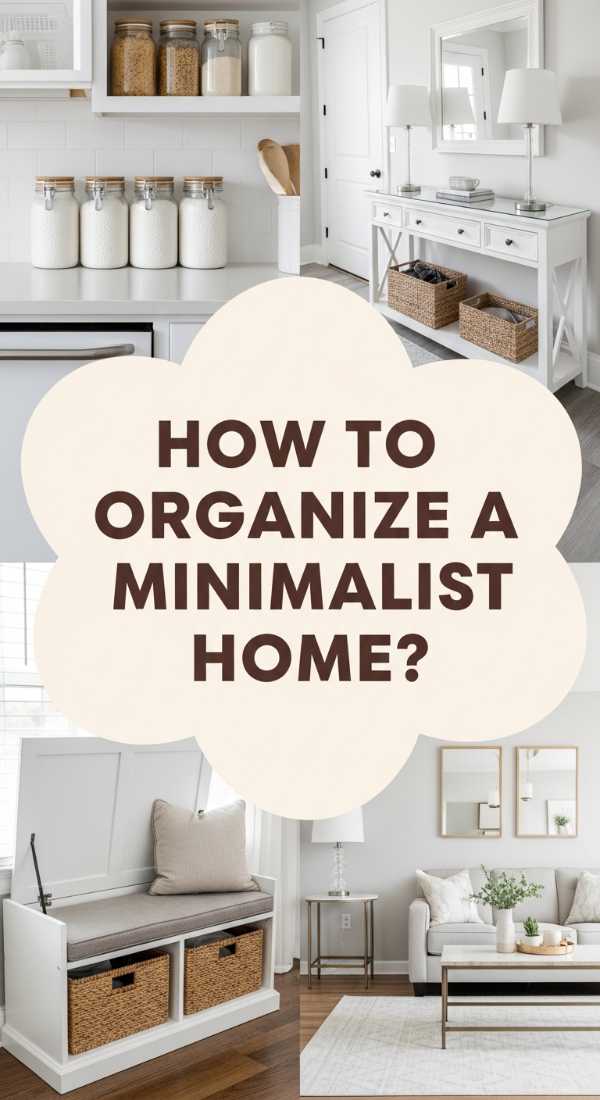
How to Organize a Minimalist Home for a Clutter Free Life
Why we love this
There is an undeniable rush of endorphins that comes with opening a cabinet and seeing perfectly aligned, labeled containers. This isn’t just about cleaning; it’s about reclaiming your time and mental energy. We love minimalist organization because it removes the ‘visual noise’ that causes underlying stress. It’s the tactile satisfaction of a smooth-sliding drawer, the clean scent of lemon-eucalyptus cleaner on a marble counter, and the visual harmony of a pantry where everything has a designated home, allowing you to move through your day with effortless grace.
Essential Elements:
- Uniform glass jars with bamboo lids
- Woven seagrass or cloth baskets
- Acrylic drawer dividers
- Minimalist label stickers
- Hidden cable management boxes
- Under-shelf hanging racks
How to make it
- Perform a ‘deep purge’ by category, not by room; gather all items of one type (like all your pens or all your spices) to see the true volume of what you own.
- Invest in uniform storage containers; the visual consistency of matching jars or baskets trick the eye into seeing order even if the contents are varied.
- Implement the ‘one-touch rule’: if a task takes less than two minutes (like hanging up a coat or filing a mail), do it immediately rather than putting it down.
- Categorize items into baskets based on ‘zones of activity’—keep all coffee-related items in one basket near the machine and all remote controls in another by the sofa.
- Schedule a 10-minute ‘reset’ every evening to return every stray item to its designated home, ensuring you wake up to a fresh, calm environment.
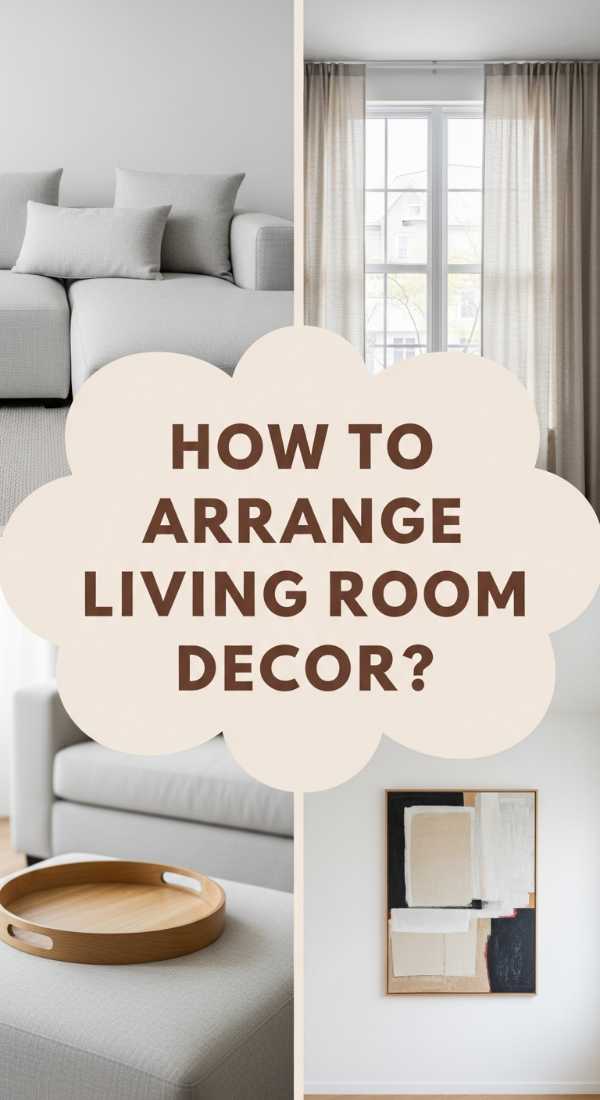
How to Arrange Living Room Decor Minimalist Style for Impact
Why we love this
Minimalist arrangement is the art of the ‘focal point.’ By carefully placing a few high-impact pieces, you create a room that feels like a gallery of your life. We love this because it removes the guesswork of decorating; you don’t need a hundred trinkets to make a statement. It’s the striking silhouette of a mid-century chair against a bare wall, the scent of fresh eucalyptus hanging in the air, and the balanced, symmetrical feeling of a room that is perfectly in proportion, making every visitor feel an immediate sense of ‘wow.’
Essential Elements:
- One large-scale statement piece of furniture
- Oversized wall art (36×48 or larger)
- Architectural lighting fixtures
- Tall, sculptural floor vases
- Geometric decorative objects
- Symmetry in furniture placement
How to make it
- Identify your room’s natural focal point—usually a fireplace, a large window, or a main wall—and arrange your furniture to face or frame that area.
- Follow the ‘Rule of Thirds’ by placing your most impactful decor items slightly off-center to create a dynamic, professional-looking composition.
- Use ‘negative space’ as a design tool; leave at least one wall almost entirely bare to give the eye a place to rest and to make the art on the other walls ‘pop.’
- Incorporate height variations; if your sofa is low, add a tall floor lamp or a high-reaching plant next to it to create a pleasing visual rhythm.
- Choose a ‘hero’ texture like a rough stone coffee table or a high-shine metal chair to act as the primary visual interest in a room of otherwise soft surfaces.
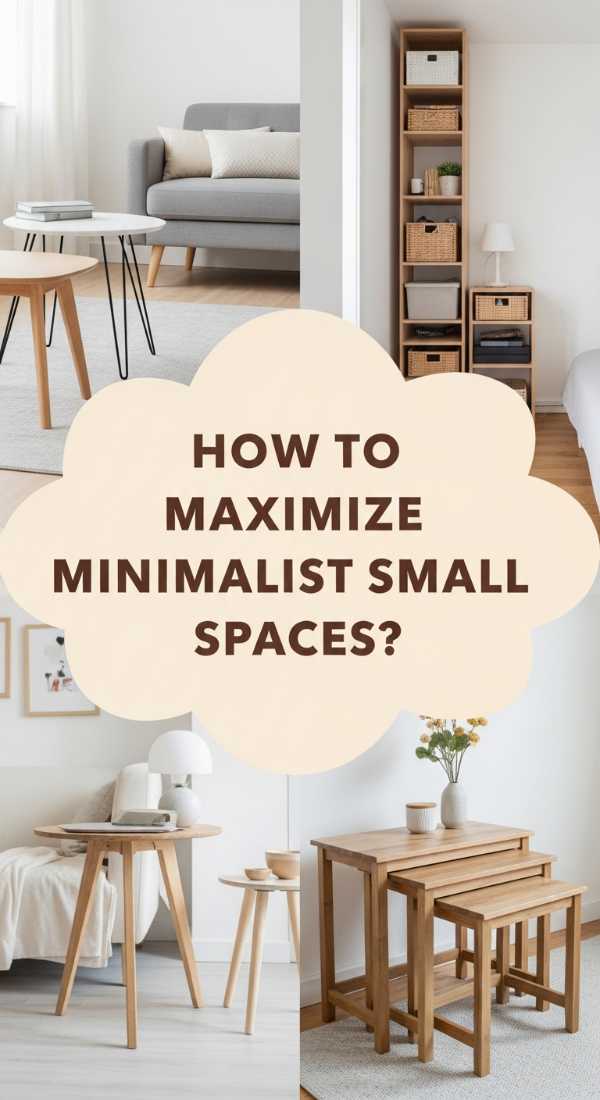
How to Maximize Minimalist Living Room Small Spaces with Ease
Why we love this
Maximizing a small space through minimalism feels like solving a beautiful puzzle. It’s about the clever use of light and the strategic placement of ‘airy’ furniture that makes a 400-square-foot studio feel like an expansive loft. We love the cleverness of this style—the way a mirror placed opposite a window can double the perceived depth of a room. It feels efficient, smart, and breezy, filled with the scent of fresh air and the sight of clean, unobstructed pathways that make navigating your home a joy rather than a hurdle.
Essential Elements:
- Mirrored or metallic surfaces
- Nesting tables that can be tucked away
- Furniture with exposed legs
- Wall-mounted desks or consoles
- Light-filtering window treatments
- Monochromatic white or cream color palette
How to make it
- Replace a bulky traditional sofa with a ‘floating’ sofa that has tall, thin legs; seeing the floor underneath the furniture creates the psychological feeling of more space.
- Place a floor-to-ceiling mirror directly across from your largest window to catch the natural light and reflect the view, ‘opening up’ the wall.
- Use ‘ghost’ furniture, such as acrylic chairs or a glass desk, which provides function without taking up any visual real estate in the room.
- Stick to a ‘high-contrast’ minimalist palette—mostly white with a few sharp black accents—to create clear boundaries and depth in the small space.
- Keep the floor clear by using wall-mounted lamps (sconces) instead of table lamps, freeing up the surfaces of your side tables for a cleaner look.
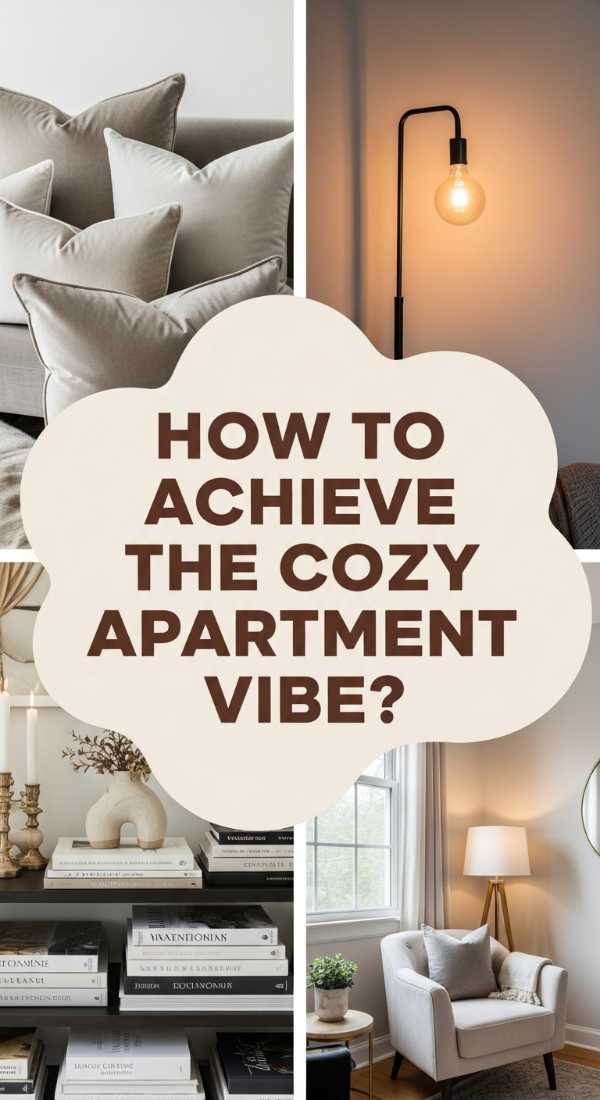
How to Achieve the Apartment Cozy Aesthetic for a Luxe Feel
Why we love this
The ‘Luxe Cozy’ aesthetic is where minimalism gets a glamorous promotion. This style is for those who love clean lines but also crave the indulgence of a five-star hotel. We love the rich, sensory experience of this look—the scent of expensive white tea and thyme, the sight of a silk-blend rug shimmering under soft light, and the feeling of high-thread-count cotton against your skin. It’s about choosing a few ‘investment’ pieces that scream quality, creating a space that feels expensive, sophisticated, and deeply restorative.
Essential Elements:
- Silk or velvet throw pillows
- Marble-topped side tables
- Polished brass or gold hardware
- High-end linen window drapes
- Designer art books for styling
- Plush, high-pile area rugs
How to make it
- Incorporate metallic accents sparingly; a brass lamp or a gold-rimmed mirror adds a ‘jewelry’ effect to the room without overwhelming the minimalist base.
- Upgrade your textiles to premium materials like 100% Belgian linen or Mongolian cashmere to add a tactile richness that looks and feels expensive.
- Style your coffee table with two or three large, high-end ‘coffee table books’ stacked neatly, topped with a small marble tray for a curated, boutique hotel vibe.
- Use ‘uplighting’ by placing small puck lights behind floor plants or furniture to create a sophisticated, dramatic glow on the walls at night.
- Select a signature home fragrance—look for notes of bergamot, leather, or amber—to create a consistent ‘luxury’ atmosphere through scent.
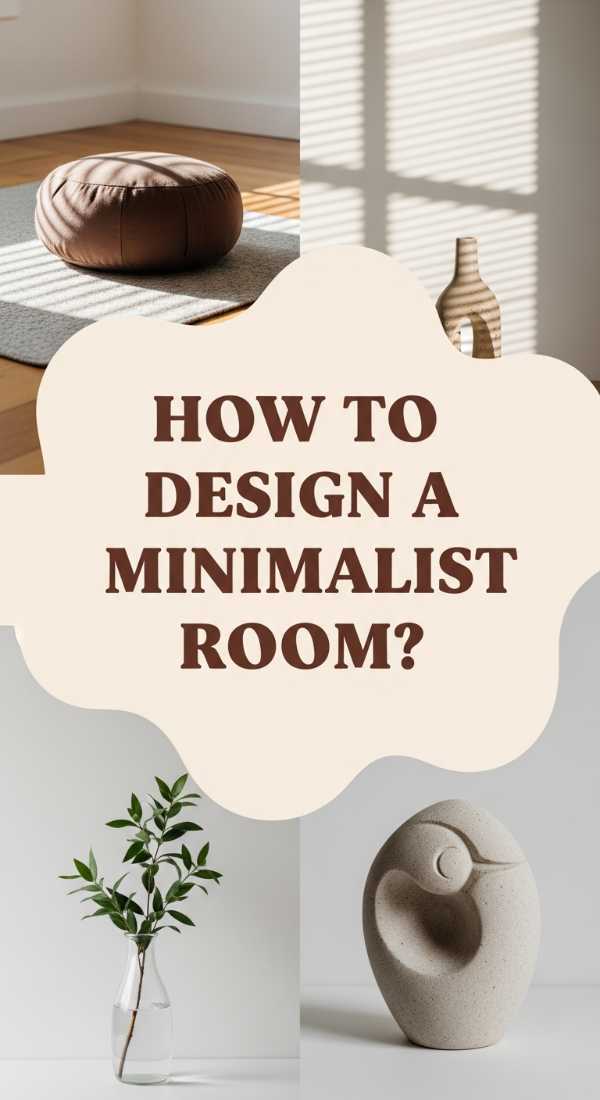
How to Design a Minimalist Room for Ultimate Inner Peace
Why we love this
This is the purest form of minimalism, designed specifically to facilitate meditation, reflection, and deep rest. We love this because it prioritizes the human experience over the aesthetic. It’s a room that feels like a temple—cool, quiet, and filled with a gentle energy. The scent of lavender and frankincense fills the air, the sight of symmetrical furniture provides a sense of order, and the absence of electronics creates a ‘digital detox’ zone. It is the ultimate escape from a loud world, a place where your mind can finally expand and find stillness.
Essential Elements:
- Low-to-the-ground furniture (Japanese-inspired)
- A dedicated meditation floor cushion or mat
- Soft, diffused paper lamps (Noguchi style)
- A neutral, earth-toned color palette
- Natural materials like bamboo and rice paper
- A small indoor water feature or zen garden
How to make it
- Remove all ‘distractions’ including televisions, speakers, and bright charging lights to ensure the room remains a sanctuary for focus and peace.
- Arrange the room with perfect symmetry—two identical side tables, two lamps—to create a visual balance that subconsciously calms the brain.
- Incorporate ‘living’ decor like a small bonsai tree or a bowl of moss to bring a quiet, grounded connection to nature into the room.
- Use floor seating to lower your physical perspective; this creates a grounded feeling and makes the room feel much taller and more spacious.
- Keep the walls completely bare except for perhaps one meaningful scroll or a single, simple piece of nature photography to encourage a clear mind.
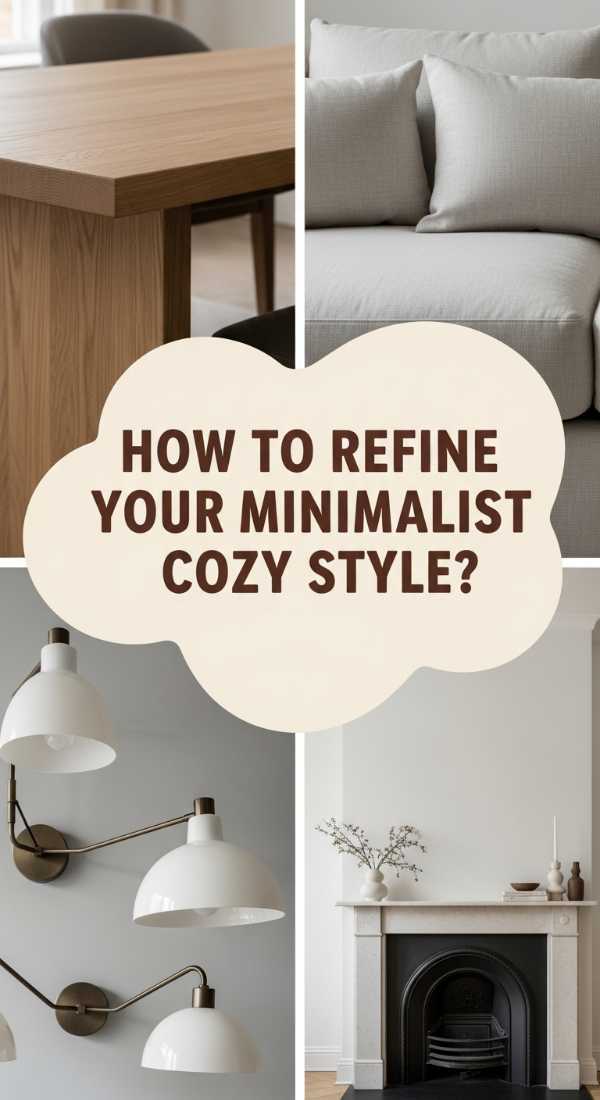
How to Refine your Minimalist Cozy Style for a Timeless Home
[IMAGE_10]
Why we love this
A timeless minimalist home is one that ages beautifully, avoiding the traps of fast-fashion interior design. We love this refined approach because it celebrates the ‘patina’ of life—the way a leather chair softens over decades or how a solid wood table tells a story. It’s the scent of beeswax polish and fresh eucalyptus, the sight of classic silhouettes that never go out of style, and the feeling of pride that comes from owning a home that feels relevant today and will still feel beautiful twenty years from now. It is the ultimate expression of sustainable, intentional living.
Essential Elements:
- Classic mid-century modern furniture silhouettes
- Natural leather accents
- Solid hardwood flooring
- Built-in shelving or cabinetry
- Neutral, high-quality paint (like Farrow & Ball)
- Vintage or antique minimalist finds
How to make it
- Invest in ‘anchor’ pieces made from solid, natural materials (solid oak, top-grain leather, stone) rather than veneers or plastics that will degrade over time.
- Choose a ‘forever’ color palette of warm whites, soft tans, and charcoal blacks—colors that have existed in design for centuries and never feel dated.
- Integrate one or two vintage minimalist pieces, like a 1960s Danish chair, to add ‘soul’ and history to your otherwise modern space.
- Focus on the quality of light by choosing fixtures with classic shapes—think globes, cones, and cylinders—that transcend specific decade-based trends.
- Practice the ‘editing’ method once a year; go through your home and remove anything that feels like a ‘trend’ item, replacing it with something of lasting value or leaving the space empty.
Conclusion
Creating a minimalist dream home isn’t a weekend project; it’s a lifestyle shift. It’s about choosing peace over possessions and quality over quantity. As you begin to strip away the layers of excess, you’ll find that your home starts to work for you, rather than you working for your home. Remember, the goal isn’t perfection—it’s a space that reflects the best version of you. So, take a deep breath, clear that first surface, and start your journey toward a calmer, more beautiful life today.