
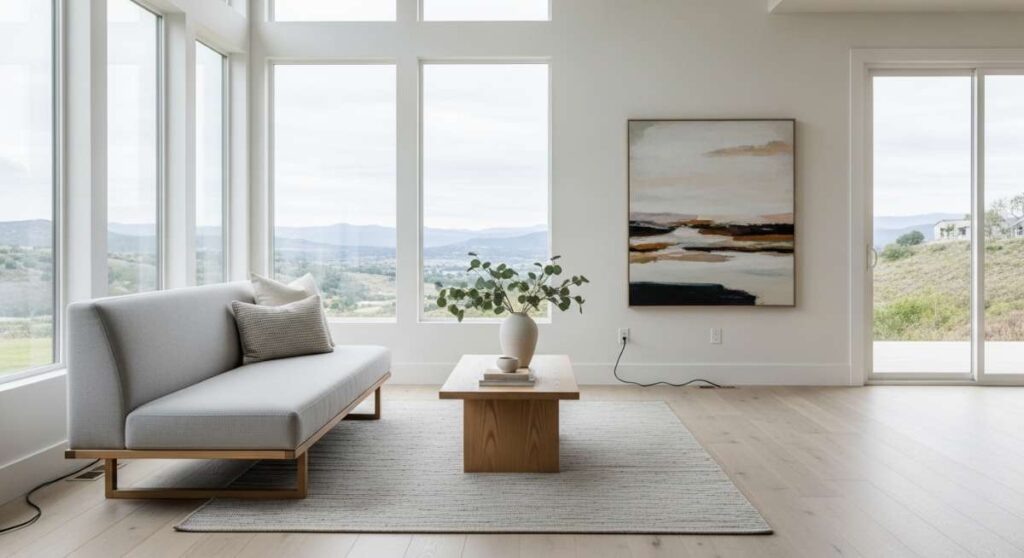
From Clutter to Calm: Your Guide to a Minimalist Living Space
Have you ever walked through your front door after a long day, only to feel your shoulders tighten at the sight of the ‘stuff’ greeting you? We’ve all been there—the pile of mail on the entryway table, the tangled mess of chargers, and the sofa buried under pillows that no longer bring us joy. Home should be the place where the world goes quiet, not where the noise follows us inside.
Minimalism isn’t about living in a cold, empty box; it’s about making room for the things that actually matter. It’s about that sigh of relief when you sit down in a room that feels intentional, airy, and warm. Over the years, I’ve realized that by clearing the physical clutter, we miraculously clear the mental clutter, too. It’s a journey of choosing quality over quantity and soul over ‘stuff.’
In this guide, we are going to walk through exactly how to transform your home into a serene sanctuary. Whether you are living in a tiny city apartment or a sprawling suburban house, these steps will help you curate a space that breathes. Let’s dive into the art of minimalist living and find your home’s hidden heartbeat.
How to Create a Cozy Minimalist Living Room for Total Serenity
Why we love this
There is a specific kind of magic that happens when a room is stripped down to its most beautiful essentials. Imagine walking into a space where the air feels cool and clean, smelling faintly of dried lavender and fresh linen. You sink into a cloud-like cream sofa, your fingers grazing the rough, honest texture of a jute rug while the afternoon sun casts long, golden shadows across a bare oak floor. It’s a sensory experience of pure stillness, where every item has a purpose and every corner offers a soft place for your eyes to rest.
Essential Elements:
- Low-profile modular sofa in oatmeal or dove gray
- Natural fiber rug (jute or wool)
- Single architectural branch in a matte ceramic vase
- Hidden storage for tech and remotes
- Sheer linen curtains for diffused lighting
How to make it
- Prep the foundation: Strip the room of all small decor. Clear every surface until you are left with only the large furniture pieces.
- Adjust the ‘heat’ of the room: Switch out cool-toned LED bulbs for warm, dimmable lights (2700K). This creates a ‘simmer’ of golden light that prevents the minimalist space from feeling clinical.
- Sear the focal point: Choose one large-scale piece of art or a single oversized plant. This acts as the ‘main ingredient,’ drawing the eye without cluttering the visual palate.
- Balance the textures: Layer a soft throw over the sofa. You’ll know it’s ‘done’ when the room feels cozy to the touch but still looks visually ‘lean.’
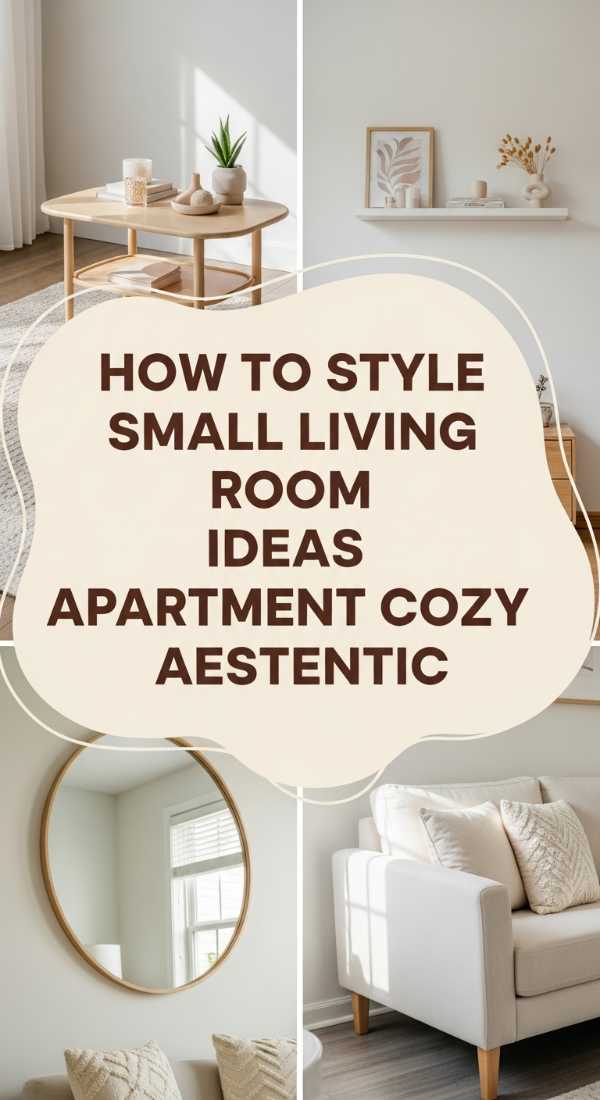
How to Style Small Living Room Ideas Apartment Cozy Aesthetic for Dreamy Vibes
Why we love this
Small apartments often feel like they are closing in on us, but with a minimalist approach, they become intimate, dreamy jewelry boxes. We love this because it proves that you don’t need square footage to have luxury. The scent of a high-quality sandalwood candle fills a small space faster, and the soft glow of a single well-placed lamp can turn a cramped corner into a glowing retreat. It’s about the tactile joy of a velvet cushion against a crisp white wall, making your home feel like a warm hug rather than a storage unit.
Essential Elements:
- Multi-functional furniture (ottomans with storage)
- Large wall-mounted mirror to double the light
- Floating shelves to keep the floor clear
- Monochromatic color palette
- Task lighting with brass accents
How to make it
- Deglaze the floor: Remove any bulky rugs that chop up the floor plan. Replace them with one large rug that goes under all furniture to create an illusion of ‘endless’ space.
- Embrace verticality: Install shelves high on the walls. This ‘pulls’ the eye upward, much like a soufflé rising, creating airiness in a tight space.
- Control the ‘visual steam’: Use glass or acrylic coffee tables. These ‘invisible’ pieces provide function without adding visual weight.
- Garnish with light: Place mirrors opposite windows. This ‘doubles’ your light intake, a professional tip for making the space feel ‘well-done’ and bright.
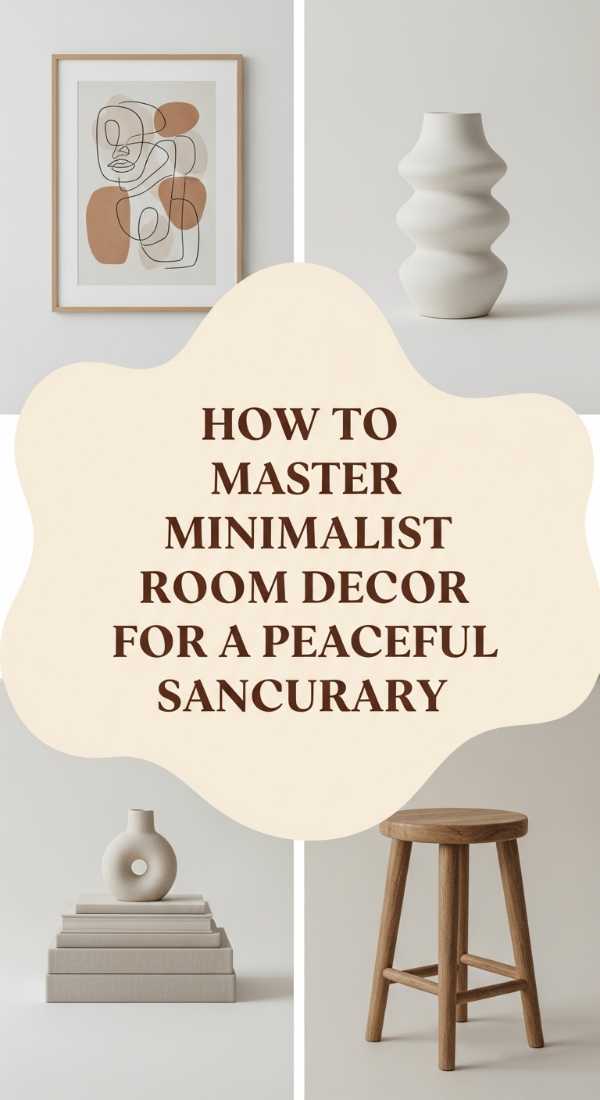
How to Master Minimalist Room Decor for a Peaceful Sanctuary
Why we love this
A peaceful sanctuary is the ultimate goal of minimalist decor, especially in the bedroom. We love the feeling of cool, high-thread-count cotton sheets against the skin and the sight of a bedside table that holds nothing but a glass of water and a single book. It creates a vacuum for stress, allowing your mind to switch off the moment you cross the threshold. The lack of visual noise acts as a sedative, turning your sleeping area into a cocoon of pure, unadulterated rest.
Essential Elements:
- All-white bedding with varied textures
- Blackout linen drapes
- Solid wood bed frame
- Dimmable bedside sconces
- A single piece of meaningful ceramic art
How to make it
- Reduce the clutter: Clear everything from under the bed and off the tops of dressers. If it doesn’t aid sleep, it doesn’t stay.
- Temper the textiles: Layer different weights of the same color. A heavy linen duvet over cotton sheets adds ‘flavor’ through texture rather than busy patterns.
- Set the ‘simmer’ level: Install dimmers on all switches. You want to be able to dial the light down to a ‘low flame’ an hour before bed.
- Visual cues for doneness: The room is ready when you can stand at the door and not see a single ‘to-do’ list item or stray electronic cord.
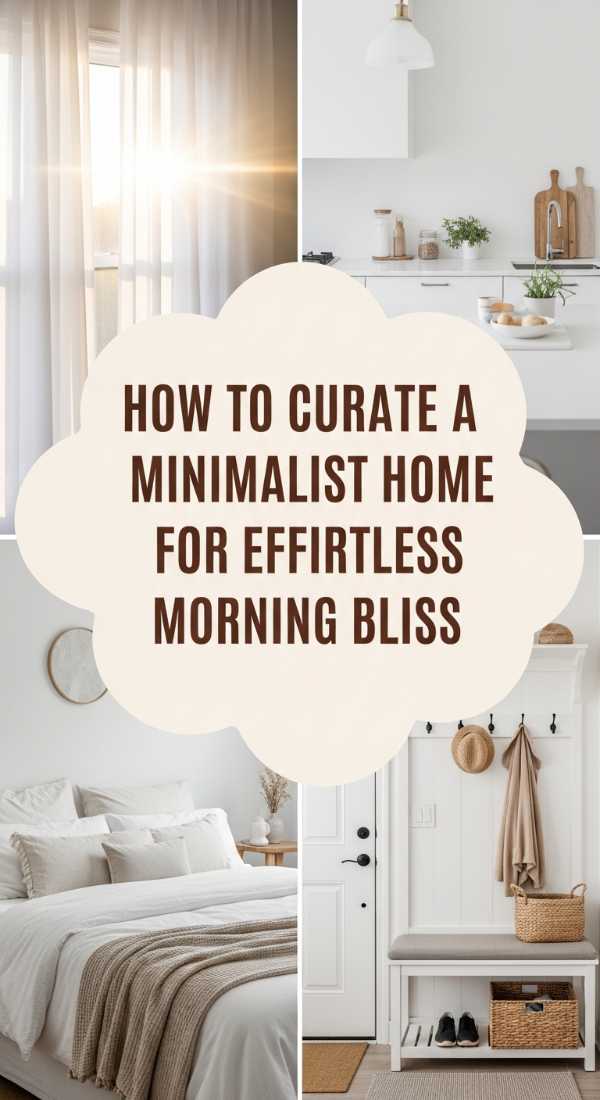
How to Curate a Minimalist Home for Effortless Morning Bliss
Why we love this
Morning bliss is the quiet luxury of a kitchen that isn’t screaming for attention. We love the smooth, cool touch of marble or quartz countertops that are completely bare except for a steaming ceramic mug of coffee. There’s a rhythmic peace in the morning light hitting a clean surface, the aroma of freshly ground beans, and the absence of ‘countertop clutter’ like mail or old spices. It sets a tone of competence and calm that follows you throughout your entire day.
Essential Elements:
- Hidden appliance garage
- Uniform glass jars for pantry staples
- Under-cabinet LED strip lighting
- Integrated sinks for a seamless look
- Neutral tea towels in waffle knit
How to make it
- The ‘Mise en Place’ method: Everything must have a permanent home inside a cabinet. If it’s used daily, like the toaster, it goes in an ‘appliance garage.’
- Emulsify the colors: Match your canisters to your backsplash color. This ‘blends’ the items into the wall, making them disappear from sight.
- Optimize the flow: Clear the ‘prep zone’ (the main counter). A clear counter is the ‘secret sauce’ to a fast, stress-free breakfast.
- Visual cue: When the morning sun hits the counter and reflects off a clean surface without hitting a single stray paper, your morning sanctuary is complete.
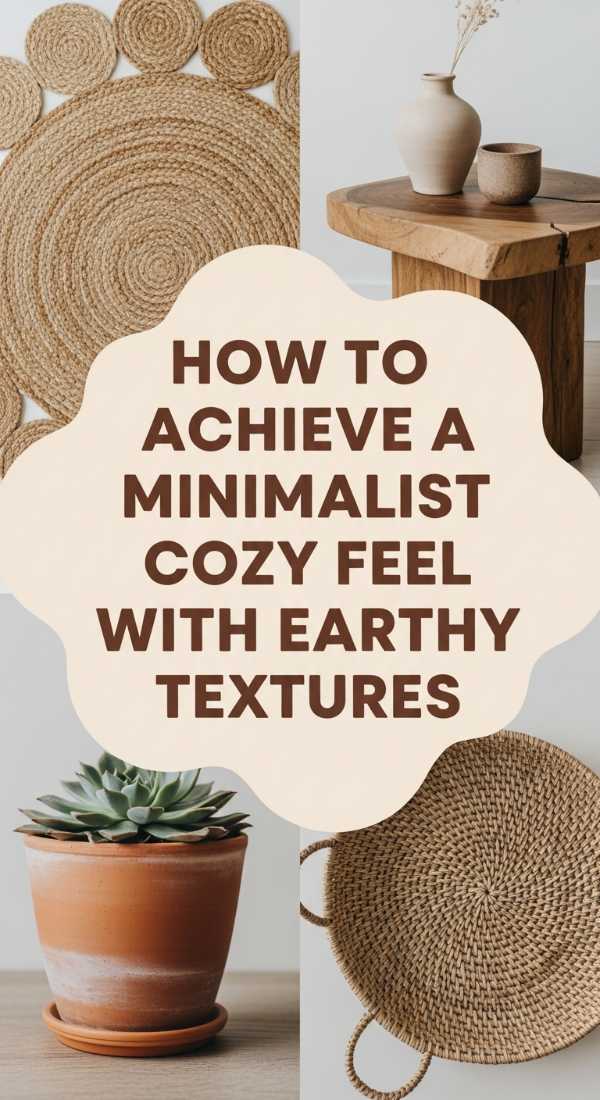
How to Achieve a Minimalist Cozy Feel with Earthy Textures

Why we love this
This is where minimalism meets ‘hygge.’ We love earthy textures because they prevent a minimalist home from feeling ‘cold.’ There is something deeply grounding about the scent of cedar, the feel of a hand-woven wool rug, and the visual warmth of terracotta. It connects us back to nature, bringing the organic, irregular beauty of the outdoors into our curated spaces. It’s like a slow-cooked meal for the eyes—rich, layered, and incredibly satisfying.
Essential Elements:
- Terracotta planters
- Raw wood accents (stools or side tables)
- Linen textiles in clay or sand tones
- Woven seagrass baskets
- Hand-thrown pottery
How to make it
- Base Layer: Start with a neutral ‘stock’—white or beige walls and floors.
- Introduce the ‘Earth’: Add three items of raw wood. The grain provides the ‘seasoning’ that a plain white room needs.
- Texture ‘Folding’: Incorporate different fabrics. Combine a smooth linen sofa with a chunky knit wool pillow to create ‘bite’ and depth.
- Check the ‘Color Doneness’: Ensure your earthy tones (browns, tans, clays) stay within the same family so the room feels unified, not chaotic.
How to Arrange Minimalist Living Room Small Spaces for Maximum Comfort
Why we love this
We love the challenge of making a small space feel like a grand hall through clever arrangement. It’s about the ‘flow’—that feeling of moving through a room without having to dodge furniture corners. When a small space is arranged perfectly, it feels efficient and snug, like a well-tailored suit. The focus is on the comfort of the seat and the accessibility of the light, creating a high-functioning environment that serves your needs perfectly without wasting an inch.
Essential Elements:
- Wall-mounted television or projector
- Leggy furniture (to show more floor)
- Vertical storage units
- Nesting tables
- Lightweight, movable armchairs
How to make it
- Carve out the ‘Pathways’: Ensure there are 30-36 inches of ‘breathing room’ between furniture pieces. This is the ‘secret ingredient’ to making a small room feel large.
- Elevate the ‘Ingredients’: Use furniture with tall legs. This allows light to travel *under* the pieces, preventing the ‘heavy’ feeling of floor-seated sofas.
- Scale the ‘Portions’: Choose furniture that is 2/3 the size of the wall it sits against. Overcrowding the wall ‘overcooks’ the room.
- Final Garnish: Place a tall plant in the furthest corner to draw the eye to the maximum depth of the room.
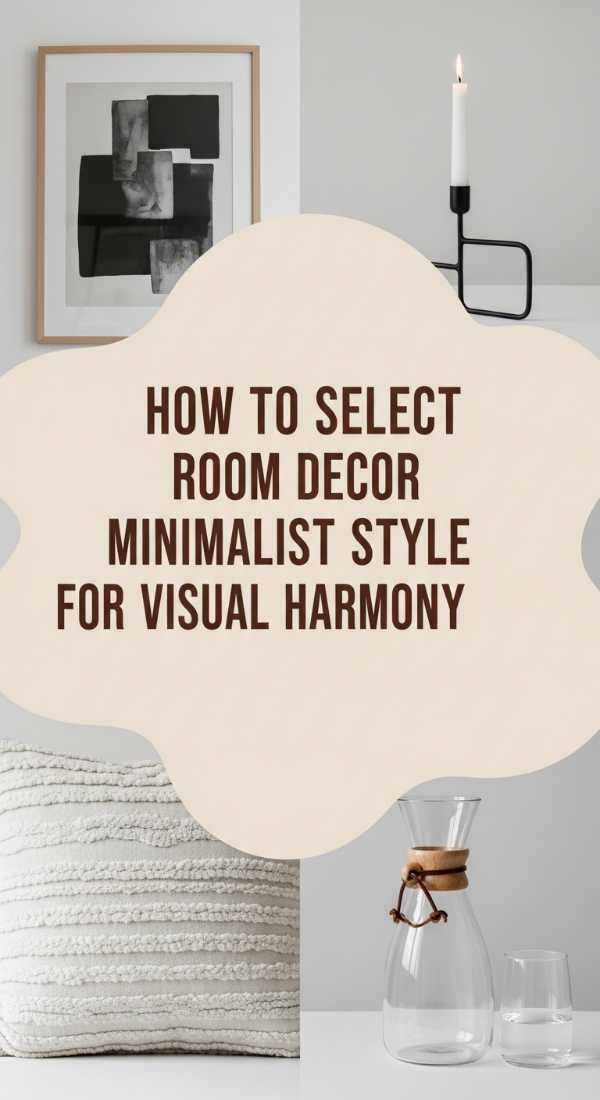
How to Select Room Decor Minimalist Style for Visual Harmony

Why we love this
Visual harmony is the ‘umami’ of interior design. We love it because it’s a quiet perfection that you don’t necessarily notice at first, but you feel it immediately. It’s the way the height of a lamp relates to the height of the chair, and how the colors of a single painting are pulled into the rug. It creates a sense of order that settles the nervous system, making the home a place of mental recovery after a day of visual overstimulation in the outside world.
Essential Elements:
- The 60-30-10 color rule (60% neutral, 30% secondary, 10% accent)
- Symmetrical furniture placement
- Consistent hardware finishes (all matte black or all brass)
- Negative space (empty wall sections)
- Geometric balance
How to make it
- Establish the ‘Base Palette’: Choose one primary neutral. Use this for 60% of the room (walls and largest furniture).
- Add the ‘Reduction’: Use a slightly darker or lighter shade for the next 30% (curtains, rugs).
- The ‘Accent Garnish’: Use your 10% accent color sparingly—perhaps in two or three small objects like a vase or a book cover.
- Visual Cue: Stand in the center of the room and spin. If your eye doesn’t ‘snag’ on any one item that feels out of place, you have achieved harmony.
How to Design a Minimalist Room for Quiet Creative Focus
Why we love this
A creative focus room is a temple for the mind. We love the crispness of a clean desk, the soft hum of silence, and the lack of distractions. In a minimalist office, your ideas are the star of the show. The tactile satisfaction of a smooth desk surface and the ergonomic support of a simple, beautiful chair allow you to enter a ‘flow state’ much faster. It’s not just a room; it’s an incubator for your best work.
Essential Elements:
- Floating desk for a light footprint
- Hidden cable management systems
- Natural light source
- One high-quality task chair
- Single inspirational quote or art piece
How to make it
- Clear the ‘Work Surface’: The desk must be 100% clear at the end of every day. This is the ‘clean pan’ you start with every morning.
- Cable ‘Blanching’: Use clips and sleeves to hide all black wires against the white walls. Wires are the ‘bitter’ elements of minimalist design.
- Focus the ‘Heat’: Position the desk facing a window or a blank wall. Minimizing visual ‘spices’ prevents the brain from wandering.
- Visual Cue: The room is ready for ‘cooking’ ideas when there is nothing within your peripheral vision that isn’t essential to the task at hand.
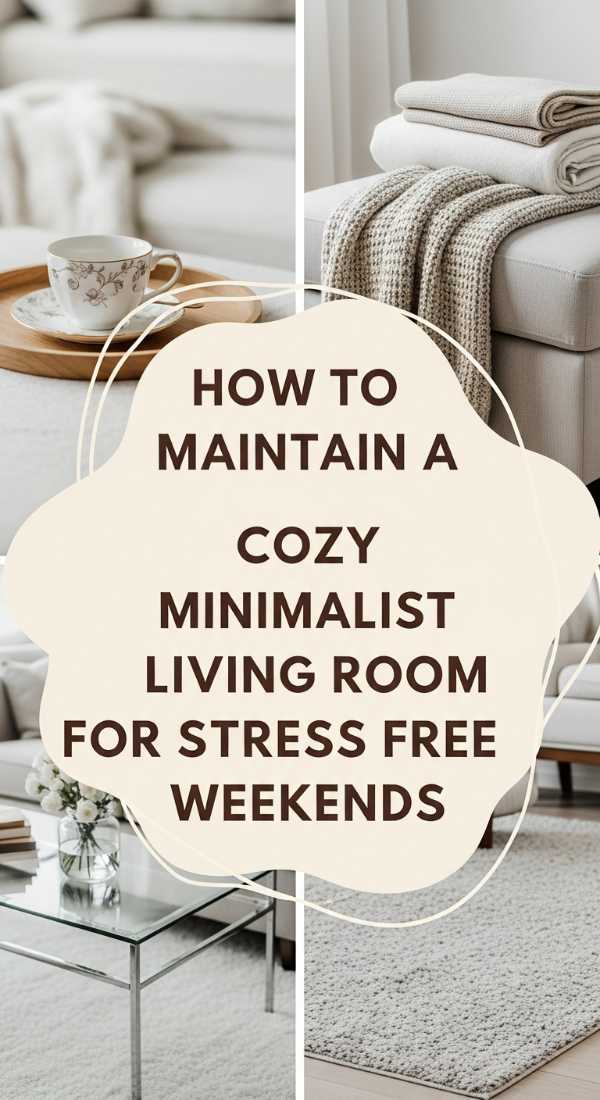
How to Maintain a Cozy Minimalist Living Room for Stress Free Weekends
Why we love this
Maintenance is the ‘low and slow’ cooking of minimalism. We love the ‘weekend reset’—the 15-minute process of returning things to their places so that Saturday and Sunday can be spent actually relaxing. There is a profound joy in a home that resets easily. When you have fewer things, maintenance isn’t a chore; it’s a quick ritual that honors your space, leaving you with hours of free time to sip tea and watch the birds.
Essential Elements:
- ‘One in, one out’ rule
- Dedicated ‘reset’ basket
- Minimalist cleaning kit
- Daily 10-minute tidy habit
- Digital declutter routine
How to make it
- The ’15-Minute Simmer’: Set a timer every Friday evening. Move through the living room and return all ‘stray’ items to their specific ‘homes.’
- The ‘One-In-One-Out’ Filter: For every new book or pillow brought into the room, one must be ‘strained’ out (donated).
- Surface ‘Degreasing’: Wipe down all bare surfaces. Minimalism relies on the ‘shine’ of clean lines.
- Doneness Check: If you can transition from ‘work mode’ to ‘relax mode’ in under 10 minutes, your maintenance system is perfectly seasoned.
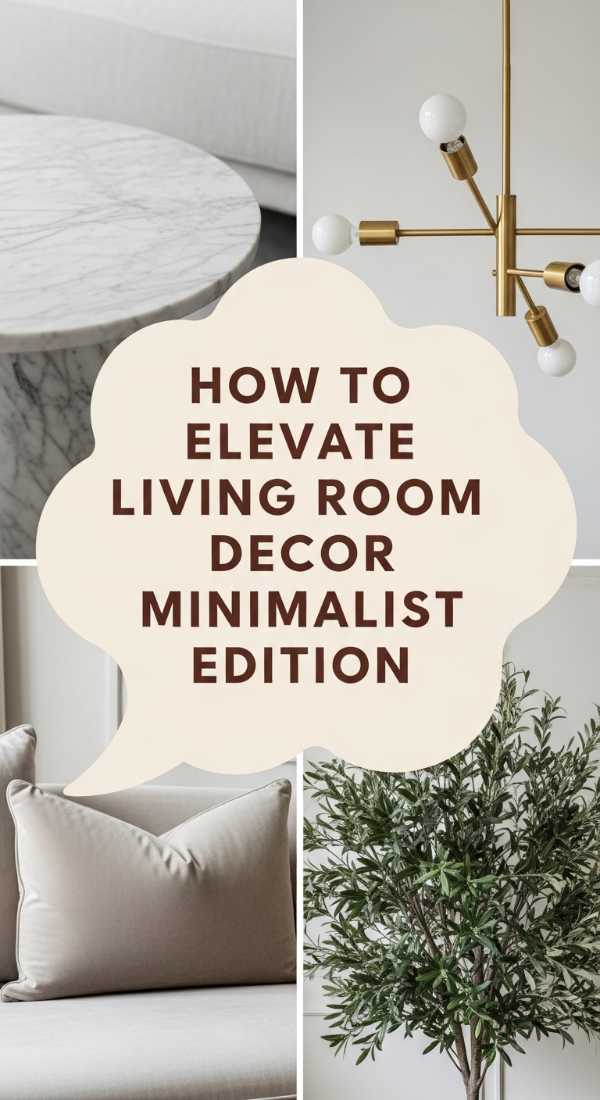
How to Elevate Living Room Decor Minimalist Edition for Modern Luxury
[IMAGE_10]
Why we love this
Modern luxury in minimalism is about the ‘high-quality ingredient.’ We love it because it’s subtle—a heavy brass handle, a slab of thick Italian marble, or a cashmere throw. It’s not flashy, but it feels expensive. This approach to decor emphasizes the ‘hand-feel’ and the longevity of items. It’s about owning a few things that will last a lifetime and only get better with age, like a fine wine or a cast-iron skillet.
Essential Elements:
- Statement lighting (oversized pendant)
- High-end natural materials (marble, brass, leather)
- Custom-built cabinetry
- Artisan-made textiles
- Large-scale original art
How to make it
- The ‘Hero Ingredient’: Invest in one ‘luxury’ item—like a designer lounge chair. This ‘elevates’ the entire room, even if everything else is simple.
- Refine the ‘Hardware’: Replace standard plastic light switches or cheap knobs with solid brass or stone. It’s the ‘finishing salt’ of decor.
- Layer with ‘Richness’: Use a high-pile silk or wool rug. The ‘visual weight’ of the material adds a layer of luxury that a thin rug cannot.
- Final Taste Test: If the room feels like a boutique hotel suite—effortless yet expensive—you have achieved minimalist luxury.
Conclusion
Minimalism is a journey, not a destination. It’s about constantly editing your life to make room for what truly matters. As you begin to strip away the excess in your home, you’ll find that you are also stripping away the noise in your mind. Enjoy the process of creating your sanctuary—one clear surface at a time. Welcome home to the calm.