
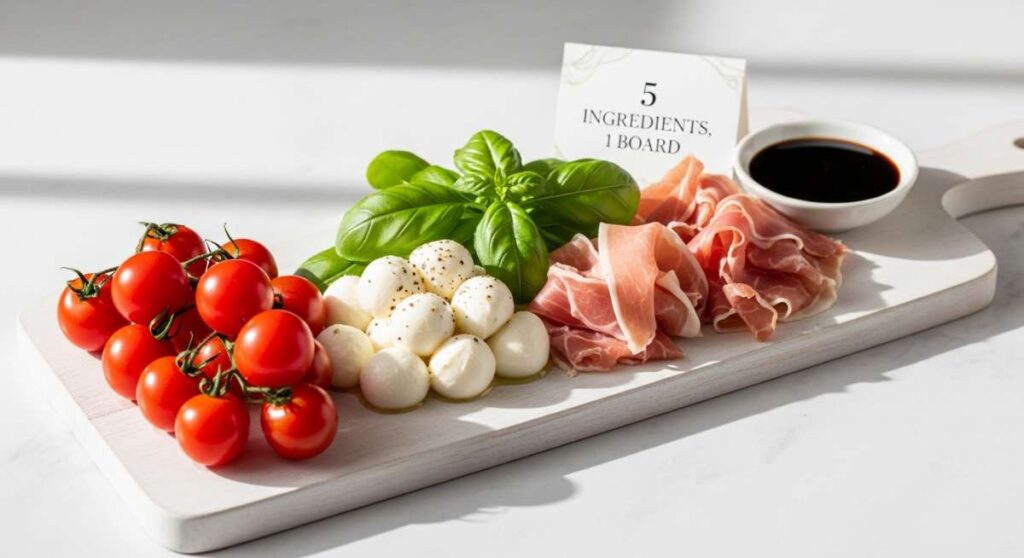
There is something absolutely magical about a slow morning where the sunlight streams through the kitchen window, illuminating a counter full of vibrant, fresh produce. Lately, I have been leaning into the ritual of ‘Juice Boards’—a refreshing, wellness-focused twist on the classic charcuterie trend that is taking social media by storm. It’s more than just a drink; it’s an experience that celebrates the raw, unadulterated beauty of nature’s bounty, beautifully arranged and ready to be shared with those you love.
Whether you are hosting a high-vibe brunch or simply looking for a way to reset your system after a long week, these recipes offer a kaleidoscope of flavors that feel like a hug for your insides. From the cooling mist of watermelon to the earthy, grounding notes of carrot, we are diving into the ultimate guide for creating your own viral juice board. Grab your favorite glasses, some reusable straws, and let’s get juicing!
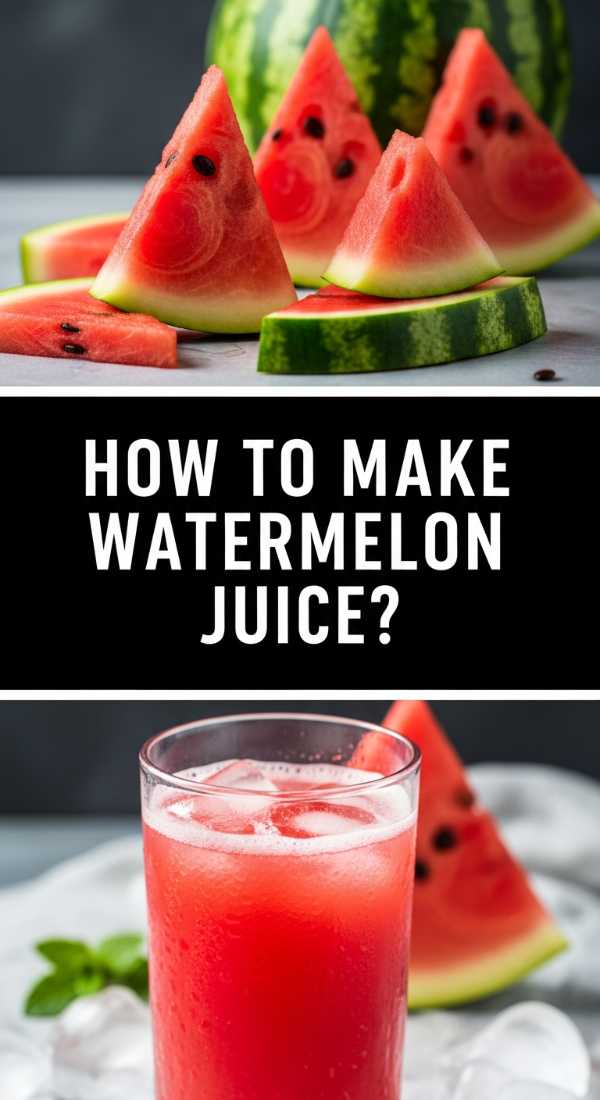
HOW TO MAKE WATERMELON JUICE?
Why we love this
Watermelon juice is the quintessential taste of summer, offering a hydrating explosion that feels like a cool breeze on a humid afternoon. The texture is light and silky, with a subtle sweetness that lingers on the palate without being overpowering, while the vibrant pink hue instantly lifts your mood. There is a specific, nostalgic aroma of sliced rind and cold fruit that fills the kitchen as you prepare this, making it the perfect restorative beverage to sip poolside or as a refreshing mid-day pick-me-up that keeps you glowing from the inside out.
Ingredients
- 1 large seedless watermelon (chilled)
- 1 tablespoon fresh lime juice
- A handful of fresh mint leaves
- Ice cubes (optional)
How to make it
- Begin by placing your watermelon on a sturdy cutting board and slicing off both ends. Stand the melon upright and carefully shave off the green rind and white pith until only the deep red flesh remains. Cut the fruit into manageable 2-inch cubes.
- Place the watermelon cubes into a high-speed blender. You may need to do this in batches to avoid overfilling; the blender should only be about three-quarters full to ensure a smooth vortex.
- Pulse on low for 10 seconds, then increase to high speed for another 30 seconds. You are looking for a completely liquid consistency with no visible chunks. The juice will develop a frothy, light pink foam on top which is perfectly normal.
- For a truly refined experience, pour the liquid through a fine-mesh sieve or a nut milk bag into a large glass pitcher. Use a spoon to gently press the pulp to extract every last drop of moisture.
- Stir in the fresh lime juice to brighten the flavor profile. The acidity of the lime acts as a flavor enhancer, cutting through the natural sugars of the melon. Serve immediately over ice, garnished with a sprig of slapped mint to release its aromatic oils.
HOW TO MAKE CELERY JUICE?

Why we love this
There is a reason the celery juice craze hasn’t slowed down: it is the ultimate morning wake-up call for your digestive system. The scent is incredibly crisp and clean, reminiscent of a dew-covered garden at dawn, and the flavor is surprisingly salty and mineral-rich. Drinking a glass of this vibrant green liquid feels like a clean slate for your body, providing a sharp, refreshing astringency that leaves you feeling lighter, more alert, and ready to tackle the day with a focused, clear mind.
Ingredients
- 2 large bunches of organic celery
- 1/2 inch fresh ginger (optional for zing)
- A splash of filtered water
How to make it
- Start by separating the celery stalks and washing them thoroughly under cold running water. Celery often hides dirt in the crevices of the stalks, so use your fingers to rub away any debris. Trim off the very bottom white base and the leafy tops, though you can keep a few leaves if you prefer a more bitter, nutrient-dense profile.
- If you are using a juicer, simply feed the stalks through one by one. Slow masticating juicers are preferred here as they prevent heat buildup, preserving the delicate enzymes within the juice.
- If using a blender, chop the celery into 1-inch pieces. Add them to the blender with a tiny splash of filtered water (about 1/4 cup) just to help the blades catch the fruit. Blend on high until a thick green slurry forms.
- Line a bowl with a nut milk bag or a double layer of cheesecloth. Pour the slurry into the bag and use your hands to squeeze firmly. Continue squeezing until the pulp inside the bag feels dry to the touch; this ensures you’ve captured all the potent nutrients.
- Celery juice is best consumed immediately on an empty stomach. If you find the flavor too intense, adding a small piece of ginger during the blending process provides a warming contrast to the cooling celery notes.
HOW TO PREPARE JUNGLE JUICE?

Why we love this
Jungle Juice is the life of the party, a maximalist explosion of tropical fruits and spirits that is designed for celebration and sharing. The aroma is a heady mix of citrus, pineapple, and berries, creating a sweet and punchy fragrance that fills the room the moment the container is opened. It’s visually stunning with its kaleidoscope of floating fruit slices, and the flavor is a complex, multi-layered sweetness that masks the potency of the ingredients, making it a smooth, dangerously delicious centerpiece for any large gathering.
Ingredients
- 1 liter of Vodka
- 1 liter of White Rum
- 2 liters of Fruit Punch
- 1 liter of Pineapple Juice
- 1 liter of Orange Juice
- Assorted sliced fruits (Oranges, Lemons, Strawberries, Pineapple)
How to make it
- Select a very large, food-grade container or a classic punch bowl. Ensure it has been thoroughly sanitized. Begin by prep-slicing your fruit into thin wheels and halves; the more surface area exposed, the better the fruit will infuse the liquid.
- Pour in your chilled fruit juices first (Fruit Punch, Pineapple, and Orange). Stirring these together first allows the flavors to meld before the alcohol is added.
- Slowly pour in the vodka and rum. Use a long-handled spoon to stir the mixture gently in a circular motion for at least 60 seconds to ensure the spirits are fully integrated and not sitting at the bottom of the container.
- Add the sliced fruit to the mixture. For the best results, let the Jungle Juice sit in the refrigerator for at least 2 to 4 hours before serving. This ‘marinating’ period allows the fruit to soak up the alcohol and the juices to harmonize.
- When ready to serve, add large ice blocks rather than small cubes; large blocks melt slower and won’t dilute your punch as quickly. Taste and adjust—if it’s too strong, add a splash of lemon-lime soda for fizz and sweetness.
HOW TO MAKE CARROT JUICE?

Why we love this
Carrot juice is nature’s liquid gold, boasting a rich, earthy sweetness that is deeply grounding and incredibly satisfying. The texture is slightly denser than other juices, giving it a velvety mouthfeel that carries the concentrated flavor of the root vegetable beautifully. There is something so wholesome about the bright, neon-orange color, and the subtle, woody aroma reminds me of autumn harvests and sunshine-filled gardens, making it a powerhouse of beta-carotene that leaves your skin glowing and your spirit energized.
Ingredients
- 1 lb of large carrots
- 1 green apple (for balance)
- 1/2 lemon, peeled
- 1/2 inch fresh turmeric (optional)
How to make it
- Wash the carrots thoroughly using a vegetable brush to remove any lingering soil. While peeling is optional, removing the outer skin can result in a sweeter, less ‘earthy’ juice. Trim the green tops and the very tip of the root.
- Cut the carrots into pieces that fit your juicer’s chute. If using a blender, grate the carrots first to help the motor process the tough fibers without overheating.
- Feed the carrots, apple, lemon, and turmeric through your juicer. The apple provides a necessary malic acid that cuts through the starchiness of the carrot, while the turmeric adds a spicy, anti-inflammatory kick.
- If blending, add 1/2 cup of water or coconut water to the grated carrots and blend until completely smooth. Strain through a fine-mesh strainer, pressing down with the back of a spoon to extract the juice.
- Observe the color; it should be a vibrant, opaque orange. If the juice feels too thick, you can whisk in a tablespoon of water. Serve chilled in a tall glass, ideally with a drop of high-quality flax oil to help your body absorb the fat-soluble vitamin A.
HOW TO START JUICE CLEANSE?

Why we love this
Starting a juice cleanse is like hitting the ‘reset’ button on your entire well-being, providing a sense of clarity and lightness that is hard to find elsewhere. It’s a dedicated ritual of self-care that shifts your focus from mindless eating to intentional nourishment, allowing your digestive system a much-needed break while flooding your cells with liquid nutrients. The experience is meditative; you begin to appreciate the subtle nuances of different vegetables and fruits, and by day two, many people report a heightened sense of smell and a surge of natural, steady energy.
Ingredients
- A variety of green, red, and orange juices (pre-made or home-juiced)
- Abundant filtered water
- Herbal teas (caffeine-free)
- Lemons for morning warm water
How to make it
- Preparation is key. Two days before you start, begin ‘weaning’ your body off caffeine, processed sugars, and heavy dairy. This significantly reduces the likelihood of headaches and fatigue during the cleanse.
- Map out your juice schedule. A typical cleanse involves six 16-ounce juices per day, consumed every 2 to 3 hours. Start with a green juice in the morning for alkalinity, move to fruitier blends mid-day for energy, and finish with a protein-rich nut milk or earthy root juice in the evening.
- Prepare your juices in bulk if making them at home. Store them in airtight glass jars (like Mason jars) filled to the very brim to minimize oxidation. Keep them in the coldest part of your refrigerator and consume within 24-48 hours.
- Listen to your body throughout the process. Hydration is vital; drink at least one glass of filtered water between each juice to help flush toxins. If you feel extremely lightheaded, don’t hesitate to eat a few slices of cucumber or half an avocado.
- Breaking the cleanse is just as important as the cleanse itself. On the day after, stick to light, water-rich foods like watermelon, steamed vegetables, or simple broths. Do not jump straight back into a heavy meal, as your digestive system will be in a sensitive, rested state.
HOW TO MAKE ORANGE JUICE?

Why we love this
Nothing beats the zesty, sun-drenched aroma of freshly squeezed orange juice—it is the ultimate classic for a reason. The flavor is a perfect harmony of tartness and honey-like sweetness, with a bright acidity that dances on the tongue and awakens the senses instantly. When you make it yourself, you get that incredible, frothy texture and the tiny bursts of pulp that store-bought versions simply can’t replicate. It’s like drinking a glass of pure, liquid sunshine that makes every breakfast feel like a special occasion.
Ingredients
- 6-8 large juice oranges (Valencia or Navel)
- A pinch of sea salt (optional, to enhance sweetness)
- Fresh mint for garnish
How to make it
- Roll the oranges firmly against the countertop with the palm of your hand before cutting. This helps break down the internal membranes and ensures you get the maximum amount of juice from each fruit.
- Slice the oranges in half crosswise. If you are using a manual citrus reamer, press the orange half onto the reamer and twist firmly, ensuring you scrape the sides to get all the juice and some of the pulp.
- If using an electric citrus juicer, simply hold the orange half over the spinning reamer. Apply steady downward pressure, but avoid pressing so hard that you hit the bitter white pith of the rind.
- For those who prefer a ‘pulp-free’ experience, pour the juice through a medium-mesh strainer. However, keeping the pulp adds fiber and a more rustic, ‘viral-board’ aesthetic.
- Add a tiny pinch of sea salt and stir. This might sound strange, but it neutralizes the bitterness of the pith and makes the orange flavor pop. Pour into a chilled carafe and serve within 15 minutes to enjoy the peak vitamin C content.
HOW TO MAKE MANGO JUICE?

Why we love this
Mango juice is the gold standard of tropical indulgence, offering a thick, velvety consistency that feels almost like a liquified silk. The scent is intoxicatingly floral and sweet, transporting you to a white-sand beach with every sniff. Unlike thinner juices, mango juice has a substantial weight to it, coating the palate in a rich, buttery sweetness that is balanced by a slight tropical tang. It is the ultimate treat for when you want something that feels luxurious, exotic, and deeply satisfying.
Ingredients
- 3 large ripe mangos (Alphonso or Honey mangos are best)
- 1 cup cold filtered water or coconut water
- 1 tablespoon lime juice
- A drizzle of honey (optional)
How to make it
- Choose mangos that are slightly soft to the touch and highly fragrant at the stem. Slice the ‘cheeks’ off the mango, avoiding the large flat pit in the center. Score the flesh in a crosshatch pattern and scoop the cubes out into a blender.
- Scrape any remaining flesh from the pit area. Add the mango pieces to the blender along with the cold water or coconut water. Coconut water adds a lovely nutty undertone that complements the mango perfectly.
- Blend on high for 45-60 seconds until the mixture is completely homogenous. Mango is naturally fibrous, so you want to ensure it is pulverized into a smooth cream.
- If the consistency is too thick (more like a puree), add more water 1/4 cup at a time until it reaches a pourable juice consistency. Stir in the lime juice to provide a necessary acidic counterpoint to the heavy sugar content of the fruit.
- For a professional touch, pass the juice through a fine-mesh strainer to remove any stubborn fibers. Serve in a glass rimmed with chili-lime seasoning for a sophisticated, sweet-and-spicy viral board presentation.
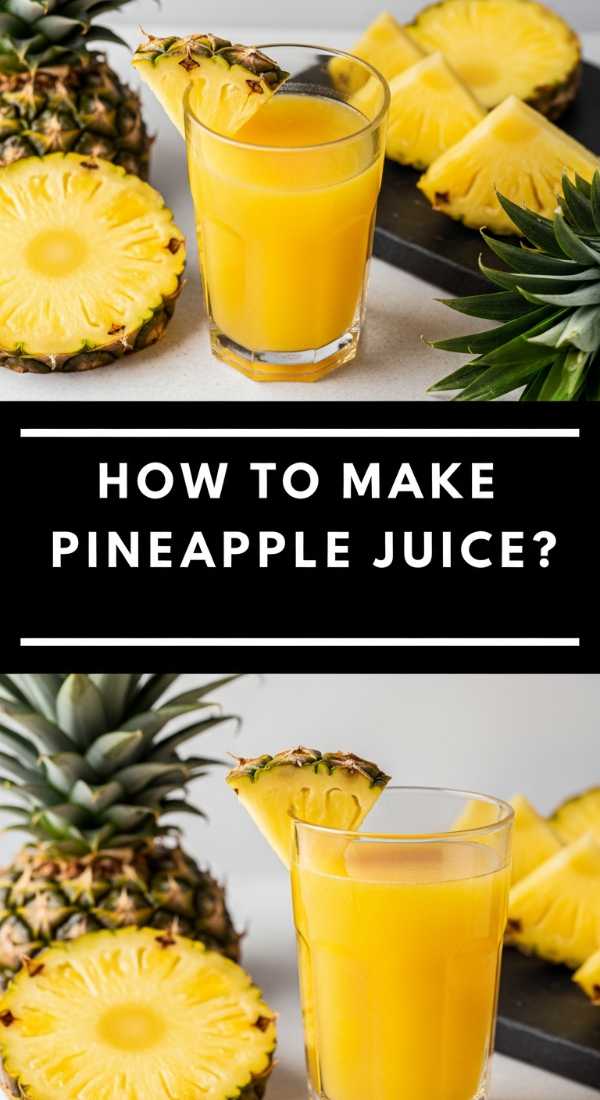
HOW TO MAKE PINEAPPLE JUICE?
Why we love this
Pineapple juice is a tropical powerhouse, known for its sharp, tangy bite and its incredibly frothy, golden appearance. The aroma is instantly recognizable—sharp, sweet, and slightly acidic—which acts as a natural palate cleanser. When freshly made, the juice has a wonderful ‘zing’ that tingles on the tongue, followed by a mellow, honeyed finish. It’s high in bromelain, making it as functional as it is delicious, and it provides a vibrant, sunny energy that is perfect for mixing into mocktails or enjoying straight over crushed ice.
Ingredients
- 1 whole ripe pineapple
- A small pinch of salt
- Optional: 1/4 cup cold water
How to make it
- Prepare the pineapple by slicing off the leafy crown and the base. Stand it up and cut away the tough, ‘eyed’ skin. Quarter the pineapple vertically and remove the woody core, though you can juice the core if using a high-powered juicer as it contains the most bromelain.
- Chop the flesh into chunks. If using a juicer, feed the pieces through, allowing the machine to separate the dry pulp from the bright yellow liquid.
- If using a blender, add the pineapple chunks and a splash of water. Blend on the highest setting until you see a thick, frothy foam developing on top. This foam is a signature of fresh pineapple juice and is highly sought after for its texture.
- Strain the liquid through a fine-mesh sieve. Use a spatula to press the solids firmly to ensure no juice is wasted.
- Add a tiny pinch of salt to the juice; this helps to mellow the acidity and brings out the deeper sugars of the fruit. Serve in a glass with a wedge of pineapple on the rim to capture that viral aesthetic.
HOW TO MAKE CRANBERRY JUICE?

Why we love this
Fresh cranberry juice is a world away from the syrupy versions found in stores; it is elegantly tart, deeply crimson, and packed with a sophisticated bitterness that is incredibly refreshing. The aroma is bright and slightly tannic, reminiscent of wild berries and crisp autumn air. Its deep red color adds a stunning visual pop to any drink board, and the way the tartness makes your mouth water ensures that it’s a juice you savor sip by sip, making it an excellent base for healthy spritzers or a cleansing morning shot.
Ingredients
- 1 lb fresh or frozen cranberries
- 4 cups filtered water
- 1/4 cup maple syrup or honey (adjust to taste)
- 1 orange peel (optional)
How to make it
- Rinse the cranberries thoroughly in a colander, discarding any that are soft or shriveled. Place them in a large stainless steel pot.
- Add the 4 cups of water and the orange peel to the pot. Bring the mixture to a rolling boil over high heat. Once boiling, you will hear the cranberries begin to ‘pop’ as their skins burst from the heat.
- Reduce the heat to medium-low and let the mixture simmer for about 15 to 20 minutes. The water will turn a deep, opaque red, and the berries will break down into a soft mash.
- Remove from heat and let it cool slightly. Strain the mixture through a fine-mesh sieve into a glass bowl, using a spoon to press the skins. Discard the solids and the orange peel.
- While the juice is still warm, stir in your sweetener of choice. Start with a small amount and taste as you go; the goal is to balance the intense tartness without masking the natural cranberry flavor. Chill completely in the refrigerator before serving.
HOW TO MAKE APPLE JUICE?

Why we love this
Freshly pressed apple juice is like drinking the essence of an orchard—it is sweet, crisp, and carries a nostalgic warmth that bottled juices simply can’t match. The scent is delicate and floral, with a hint of honey, and the flavor varies beautifully depending on the apples you choose, ranging from tart and snappy to sugary and mellow. It has a beautiful, cloudy appearance when unfiltered, which feels rustic and authentic, providing a comforting, heart-healthy drink that appeals to all ages and brings a sense of wholesome joy to the table.
Ingredients
- 10-12 medium apples (a mix of Gala and Granny Smith is best)
- 1 teaspoon lemon juice (to prevent browning)
- Optional: 1/2 teaspoon cinnamon
How to make it
- Wash the apples thoroughly to remove any wax or residue. Core the apples and slice them into wedges. Leaving the skin on is highly recommended as it contains much of the apple’s flavor and nutritional value.
- If using a juicer, feed the wedges through slowly. You will notice a thick layer of brown foam forming; this is natural oxidation and can be stirred back in or skimmed off depending on your preference.
- If using a blender, add the apple wedges with a few tablespoons of water. Blend until it reaches a ‘sauce’ consistency. Pour this mash into a nut milk bag and squeeze with all your might over a large bowl.
- Immediately stir in the lemon juice. The acidity of the lemon is crucial as it slows down the oxidation process, keeping your juice a bright, appetizing color rather than a dull brown.
- For a ‘spiced apple’ twist, whisk in a pinch of cinnamon. Serve cold, perhaps with a cinnamon stick stirrer for a cozy, viral-worthy presentation on your juice board.
The Art of the Juice Board
Creating a viral-worthy juice board is all about the presentation. Arrange your different juices in various sizes of glass carafes or vintage bottles to create height and interest. Fill the gaps on your board with the whole fruits used in the juices—think sliced dragon fruit, halved limes, and bunches of grapes. This not only looks beautiful but also tells the story of what is inside the glasses. The contrast of the deep greens, vibrant oranges, and rich reds will make your table the center of attention and provide a healthy, delicious experience your guests will never forget.