

Have you ever looked at your backyard and realized you were standing on a literal goldmine? I’m talking about those cheerful, yellow dandelions that pop up the moment the sun hits the grass. For years, we’ve been told they’re just weeds, but in the world of high-end, viral food boards, they are the secret ingredient to a lush, expensive-looking spread that tells a story of foraging and sunshine. There is something so incredibly grounding about gathering your own ingredients and turning them into a gourmet masterpiece that stops the scroll on Instagram.
Creating a viral food board isn’t just about the cheese and crackers; it’s about the textures, the unexpected pops of color, and the conversation starters. When you place a jar of homemade dandelion jelly next to crispy fried blossoms, you aren’t just serving food—you’re serving an experience. The vibrant yellows and deep greens of the dandelion plant offer a rustic yet sophisticated palette that feels like a spring morning in the French countryside. It’s warm, it’s inviting, and honestly, it’s the most fun I’ve had in the kitchen all season.
In this guide, I’m going to walk you through 10 incredible ways to use every single part of the dandelion—from the roots to the petals—to build a board that will have your friends begging for your secrets. Let’s dive into how we can turn these humble garden gems into a luxury feast that’s as beautiful to look at as it is delicious to eat.
How to make dandelion salad

Why we love this
This salad is the ultimate celebration of spring, offering a sophisticated bitterness that pairs beautifully with a sweet, zesty dressing. The crunch of the fresh leaves against the softness of toasted nuts creates a multi-dimensional mouthfeel, while the bright yellow petals scattered on top look like edible confetti. It smells like a fresh rain on a herb garden, and eating it feels like a literal detox for your soul, leaving you feeling light, refreshed, and ready for the day.
Ingredients
- 4 cups young dandelion greens (harvested before flowering for less bitterness)
- 1/2 cup toasted walnuts
- 1/4 cup shaved parmesan cheese
- 1/2 cup fresh raspberries
- Dressing: 3 tbsp olive oil, 1 tbsp honey, 1 tbsp apple cider vinegar, salt, and pepper to taste
How to make it
- Begin by thoroughly washing your dandelion greens in a bowl of cold water with a splash of vinegar to remove any dirt or tiny critters; spin them completely dry in a salad spinner to ensure the dressing adheres perfectly.
- In a small glass jar, combine the olive oil, honey, apple cider vinegar, salt, and black pepper, shaking vigorously until the honey is fully emulsified and the mixture looks creamy.
- Place the dried greens into a large wooden bowl and drizzle half of the dressing over them, using your hands or tongs to gently massage the leaves so they soften slightly and absorb the flavors.
- Add the toasted walnuts and shaved parmesan, tossing gently one more time to distribute the textures without bruising the delicate greens.
- Top with fresh raspberries and a handful of plucked dandelion petals for color, and serve immediately to maintain the crispness of the leaves.
How to cook dandelion jelly
Why we love this
Imagine spreading liquid sunshine onto a warm, buttery biscuit—that is exactly what this dandelion jelly feels like. It has a delicate, honey-like flavor with subtle floral notes that dance on the back of your palate, far more complex than standard store-bought jams. The texture is smooth and shimmering, catching the light on your food board like a precious amber gem. It’s the perfect conversation piece for a brunch board, offering a sweet, nostalgic aroma that fills the kitchen as it simmers.
Ingredients
- 2 cups dandelion petals (green parts removed)
- 4 cups boiling water
- 1/4 cup lemon juice
- 1 package (1.75 oz) powdered fruit pectin
- 4 cups granulated sugar
How to make it
- Start by making a ‘tea’ by pouring the boiling water over your cleaned dandelion petals in a heat-proof bowl; let this steep for at least 2 hours, or overnight in the fridge for a deeper, more golden color.
- Strain the liquid through a fine-mesh sieve or cheesecloth, squeezing the petals firmly to extract every drop of floral essence, and pour the resulting yellow liquid into a large heavy-bottomed pot.
- Stir in the lemon juice and the fruit pectin, then bring the mixture to a rolling boil over medium-high heat, stirring constantly to ensure the pectin dissolves completely.
- Once boiling, pour in the sugar all at once and return to a full, hard boil that cannot be stirred down; boil exactly for 1 to 2 minutes, watching for the liquid to thicken and coat the back of a spoon.
- Remove from heat, skim off any foam from the surface with a metal spoon, and ladle the hot jelly into sterilized jars, leaving a 1/4 inch headspace before sealing and letting them set for 24 hours.
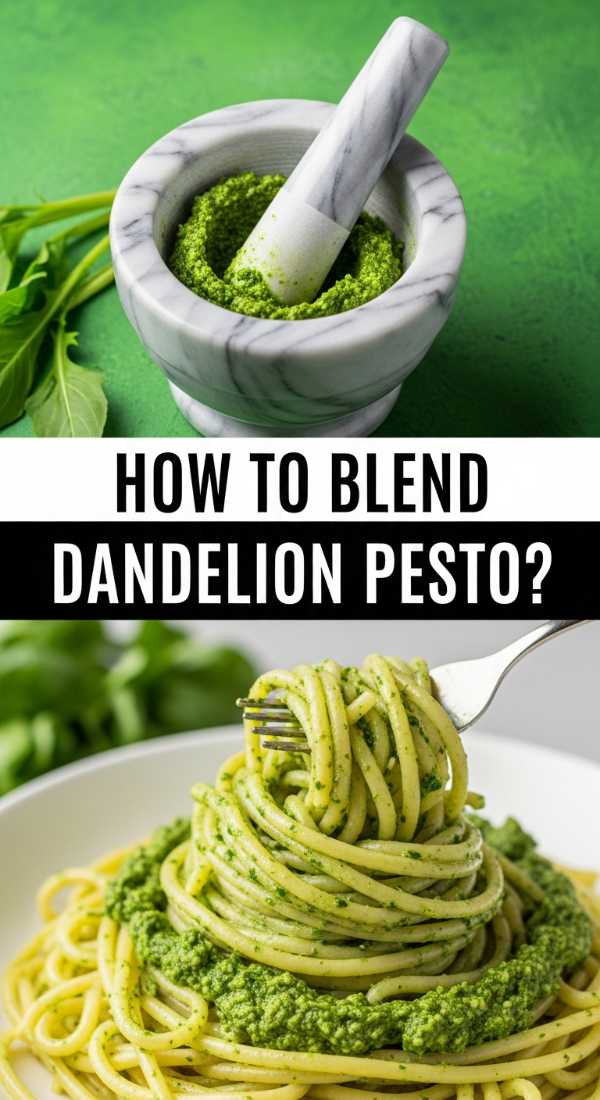
How to blend dandelion pesto

Why we love this
This pesto is a vibrant, earthy twist on the classic basil version, bringing a bold and slightly peppery depth to your food board. The rich green hue is visually stunning when drizzled over fresh mozzarella or used as a dip for crusty baguette slices. As you blend it, the aroma of garlic and toasted pine nuts mingles with the fresh, grassy scent of the greens, creating a sauce that feels both rustic and incredibly high-end. It’s thick, nutty, and packed with vitamins, making it a guilt-free luxury.
Ingredients
- 2 cups packed dandelion greens
- 2 cloves garlic, peeled
- 1/2 cup toasted pine nuts or walnuts
- 1/2 cup grated Pecorino Romano or Parmesan
- 2/3 cup extra-virgin olive oil
- 1 tbsp lemon juice and a pinch of salt
How to make it
- Blanch the dandelion greens in boiling water for 30 seconds, then immediately plunge them into an ice bath; this step is crucial as it removes the harsh bitterness while locking in that bright, neon-green color.
- Squeeze every bit of excess moisture out of the cooled greens until they form a tight ball, then roughly chop them to help the blender process them evenly.
- In a food processor, pulse the garlic and toasted nuts until they are finely minced but not yet a paste, ensuring you still have some texture for that ‘expensive’ artisanal feel.
- Add the dandelion greens, lemon juice, and cheese to the processor, pulsing several times until the mixture is well combined and relatively smooth.
- With the motor running on low, slowly drizzle in the extra-virgin olive oil in a steady stream until the pesto reaches your desired consistency—thick enough to spread but loose enough to dip.
How to brew dandelion tea

Why we love this
There is a quiet, meditative quality to brewing a pot of dandelion tea that makes it the perfect accompaniment to a slow afternoon snack board. Whether you use the petals for a light, floral infusion or the roasted roots for a deep, coffee-like brew, the experience is incredibly soothing. The steam carries a scent that is reminiscent of a meadow in mid-July, grounding you in the present moment. It’s a gentle, digestive-friendly beverage that looks beautiful served in clear glass cups with a single flower floating on top.
Ingredients
- 1 cup fresh dandelion flowers or 1 tbsp dried dandelion roots
- 2 cups filtered water
- 1 tsp honey or maple syrup (optional)
- A slice of fresh lemon
How to make it
- For flower tea: Remove all green sepals from the base of the flower heads so you only have the yellow petals, as the green parts can make the tea unpleasantly bitter.
- Bring your filtered water to a gentle simmer (around 190°F–200°F)—avoiding a rolling boil helps preserve the delicate floral oils.
- Place the petals or roots into a tea infuser or directly into a teapot and pour the hot water over them, allowing the petals to steep for 5 minutes or the roots for 10 minutes for a bolder flavor.
- Strain the tea into a cup, observing the beautiful pale gold or deep mahogany color depending on which part of the plant you used.
- Stir in a touch of honey while the tea is still warm and add a slice of lemon to brighten the earthy notes; serve alongside your food board as a warm palate cleanser.
How to fry dandelion flowers

Why we love this
These little golden nuggets are the absolute showstoppers of any viral food board. Imagine a delicate, crispy tempura shell that shatters upon impact, revealing a soft, buttery, and slightly sweet flower inside. They are savory, salty, and totally addictive, often described as ‘vegan mushrooms’ because of their rich, umami-like quality when fried. The contrast between the hot, crunchy exterior and the tender floral heart is a culinary revelation that always surprises guests and looks stunning piled high in a ceramic bowl.
Ingredients
- 20-30 large, freshly picked dandelion heads
- 1/2 cup all-purpose flour
- 1/2 cup cornstarch
- 1 tsp baking powder
- 3/4 cup ice-cold sparkling water
- Neutral oil for frying (like vegetable or grapeseed)
How to make it
- Ensure your dandelion flowers are clean and dry, leaving a tiny bit of the stem (about 1/4 inch) to use as a handle during the dipping process.
- In a medium bowl, whisk together the flour, cornstarch, and baking powder, then gently whisk in the ice-cold sparkling water—do not overmix; a few lumps are fine and actually contribute to a crunchier texture.
- Heat about 2 inches of oil in a heavy skillet or Dutch oven to 350°F; you can test the heat by dropping a bit of batter in—if it sizzles and rises immediately, you’re ready.
- Hold a dandelion by its stem, dip the flower head-first into the batter until fully coated, and then carefully place it face-down into the hot oil.
- Fry for 2-3 minutes, turning once, until they are a light golden brown; drain them on a wire rack rather than paper towels to keep them from getting soggy, and sprinkle with sea salt immediately.
How to make dandelion honey
Why we love this
This isn’t actual bee honey, but a thick, floral-infused syrup often called ‘Dandelion Honey’ because it shares the same viscous, amber quality and sweet profile. It is the perfect vegan alternative for a luxury board, offering a complex floral scent that store-bought syrups just can’t match. It’s thick enough to drizzle over sharp cheddar or goat cheese, creating that perfect sweet-and-salty bite that makes food boards so famous. The way it catches the light in a glass jar adds a touch of ‘cottagecore’ magic to your table.
Ingredients
- 4 cups dandelion petals (strictly no green parts)
- 4 cups water
- 3-4 slices of lemon
- 1/2 vanilla bean (split)
- 3 cups granulated sugar
How to make it
- Place the dandelion petals, lemon slices, and vanilla bean in a large pot with the water and bring to a simmer; let it cook gently for 15 minutes, then remove from heat and let it steep for at least 12 hours.
- Strain the mixture through a very fine cloth, squeezing hard to get all the infused liquid out; you should have a very fragrant, yellow ‘tea’ base.
- Pour the liquid into a clean pot and add the sugar, stirring over low heat until the sugar is completely dissolved.
- Simmer the mixture uncovered on low heat for 1 to 2 hours, watching it carefully; it will gradually thicken and darken into a rich honey-like syrup as the water evaporates.
- Test the consistency by placing a small drop on a cold plate; if it holds its shape and feels tacky, it’s done. Pour into a sterilized jar and let it cool completely before serving.
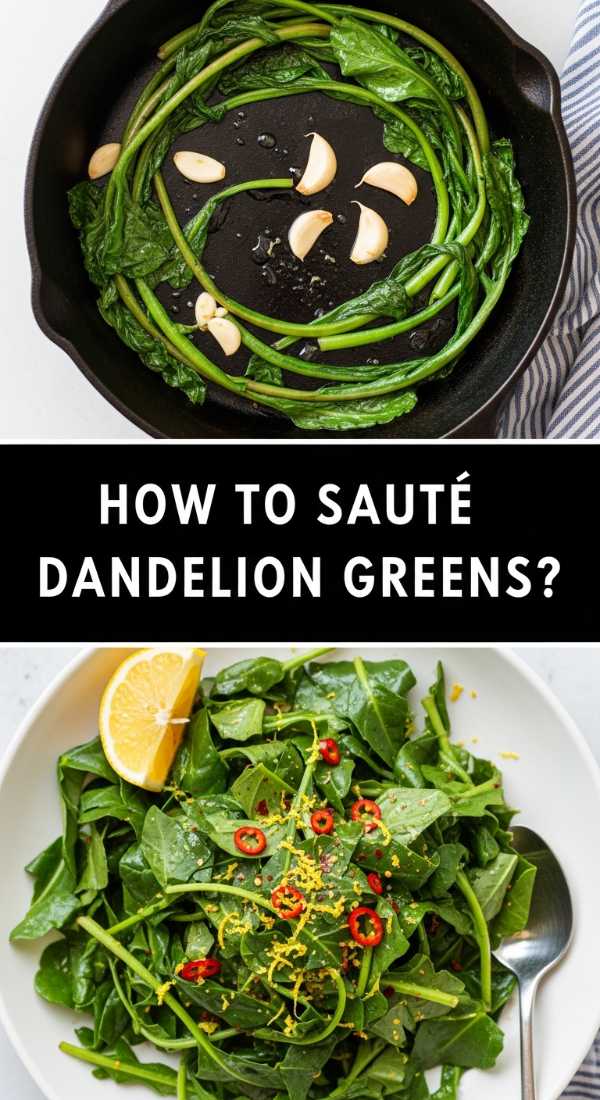
How to sauté dandelion greens

Why we love this
If you love sautéed kale or spinach, you are going to be obsessed with dandelion greens. When cooked correctly with garlic and a bit of fat, the bitterness mellows into a sophisticated, savory side that provides a perfect anchor for the richer items on your food board. The greens turn a deep, forest emerald color and take on a silky texture that is incredibly satisfying. It’s the kind of dish that feels rustic and farmhouse-chic, filling the air with the mouthwatering aroma of toasted garlic and olive oil.
Ingredients
- 1 large bunch of dandelion greens, chopped into 2-inch pieces
- 2 tbsp extra-virgin olive oil
- 3 cloves garlic, thinly sliced
- 1/4 tsp red pepper flakes
- A squeeze of fresh lemon and flaky sea salt
How to make it
- To ensure the greens aren’t overly bitter, blanch them in a pot of boiling salted water for 2 minutes, then drain and squeeze out the excess water.
- In a large skillet, heat the olive oil over medium heat and add the sliced garlic and red pepper flakes, cooking for 1 minute until the garlic is fragrant and just beginning to turn golden at the edges.
- Add the blanched dandelion greens to the skillet, using tongs to toss them and coat them thoroughly in the infused oil.
- Sauté for 3-5 minutes, allowing the greens to slightly crisp up at the edges and soak up the garlic flavor; the greens should be tender but still hold their shape.
- Finish with a generous squeeze of fresh lemon juice and a sprinkle of flaky sea salt to brighten the earthy tones, and serve warm in a shallow bowl on your board.
How to craft dandelion wine
Why we love this
Dandelion wine is often called ‘summer in a bottle,’ and for good reason—it is a light, dry, and incredibly floral beverage that takes time to mature, making it a true labor of love. Including a bottle of this on your board adds an air of mystery and old-world craftsmanship. It has a pale straw color and a scent that is purely ethereal, reminiscent of citrus and wildflowers. It’s the ultimate way to preserve the spirit of spring to be enjoyed during a sunset gathering with friends.
Ingredients
- 2 quarts dandelion petals (no green parts at all)
- 1 gallon boiling water
- 1 gallon cold water
- 3 lbs granulated sugar
- 2 lemons and 2 oranges (sliced)
- 1 packet wine yeast
How to make it
- Place your cleaned petals in a large, sanitized primary fermentation bucket and pour the boiling water over them; let them steep for 2 days, stirring occasionally with a sanitized spoon.
- Strain the liquid into a large pot, discarding the petals, and add the sugar and citrus slices; bring to a boil for 10 minutes to dissolve the sugar and sterilize the mixture.
- Let the liquid cool to room temperature (about 70°F), then stir in the wine yeast that has been rehydrated according to the packet instructions.
- Cover the bucket with a clean cloth and let it ferment in a dark, cool place for 1 to 2 weeks, or until the vigorous bubbling subsides.
- Siphon the liquid into a glass carboy (leaving the sediment behind), fit with an airlock, and let it age for at least 3 to 6 months before bottling for a clear, crisp, and sophisticated home-crafted wine.
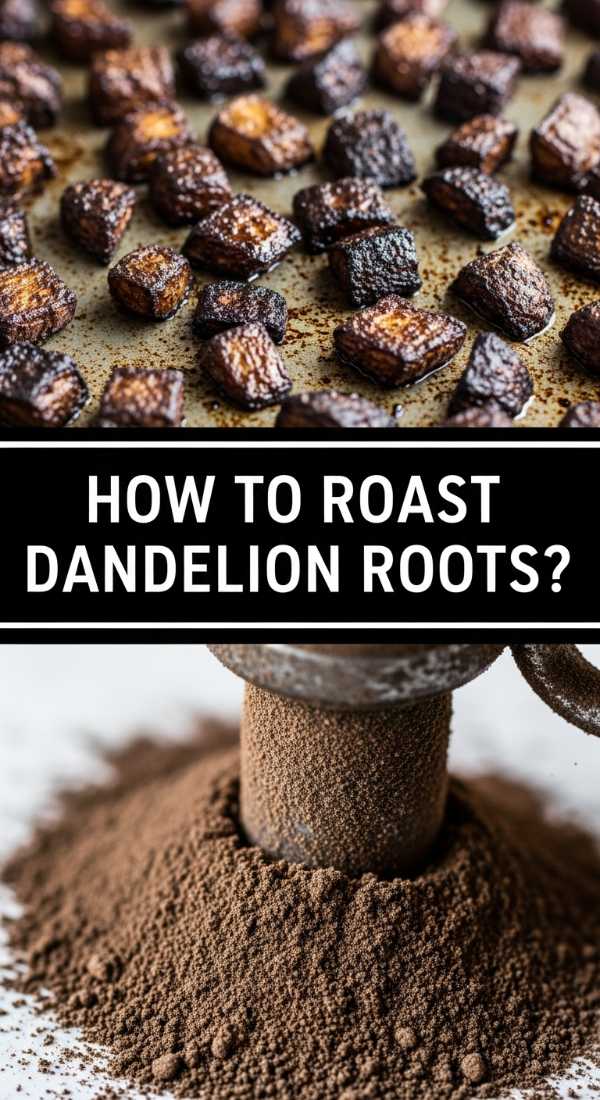
How to roast dandelion roots

Why we love this
Roasting dandelion roots transforms a bitter, tough taproot into a nutty, cocoa-scented delicacy that serves as an incredible coffee substitute or a crunchy snack. The roasting process brings out a natural sweetness and a deep, chocolatey aroma that is surprisingly comforting. On a food board, roasted root pieces offer a dark, earthy contrast to the bright yellow flowers and green leaves. It’s a way to use the ‘waste’ of the plant and turn it into something that feels deeply grounded and artisanal.
Ingredients
- 2 cups dandelion roots (scrubbed very clean)
- 1 tbsp melted coconut oil or olive oil
- A pinch of cinnamon or sea salt (depending on sweet or savory preference)
How to make it
- Thoroughly scrub your dandelion roots with a stiff brush under running water to remove every bit of soil, then pat them dry with a towel.
- Chop the roots into small, uniform pieces (about the size of a coffee bean) to ensure they roast evenly without burning.
- Toss the root pieces in a bowl with your chosen oil and a sprinkle of salt or cinnamon, coating each piece thoroughly.
- Spread the roots in a single layer on a parchment-lined baking sheet and roast at 300°F for 30 to 45 minutes, stirring every 10 minutes.
- The roots are done when they are dark brown, fragrant, and brittle; let them cool completely—they will crisp up further as they cool—and store in an airtight jar.
How to bake dandelion fritters
[IMAGE_10]
Why we love this
Fritters are the cozy, comforting cousin to fried flowers, offering a more substantial bite that feels like a savory pancake. They are fluffy on the inside with golden, crispy edges, and the chopped dandelion greens inside provide a beautiful mosaic of color. The scent of browning butter and onions makes these irresistible, and they serve as the perfect vessel for a dollop of dandelion pesto or jelly. They add a ‘homemade kitchen’ warmth to your board that makes guests feel instantly welcome and well-fed.
Ingredients
- 1 cup chopped dandelion greens and flowers
- 1 cup all-purpose flour
- 1 tsp baking powder
- 1 egg, beaten
- 1/2 cup milk
- 1/4 cup finely diced onions
- Butter for the pan
How to make it
- In a large bowl, whisk together the flour and baking powder, then create a well in the center and add the egg and milk, stirring until a thick batter forms.
- Fold in the chopped dandelion parts and the diced onions, ensuring the vegetation is evenly distributed throughout the batter.
- Heat a heavy cast-iron skillet over medium heat and melt a tablespoon of butter until it’s foaming and slightly browned.
- Drop large spoonfuls of the batter into the skillet, flattening them slightly with the back of the spoon to create small discs.
- Cook for 3-4 minutes per side until they are a deep golden brown and the center is cooked through; serve them warm with a sprinkle of sea salt and a side of dipping sauce.
Conclusion
Building a viral food board is all about embracing the beauty of nature and the creativity of your own kitchen. By using dandelions in these ten unique ways, you aren’t just making snacks—you’re crafting a story of sustainability and gourmet foraging. These ‘weeds’ bring a level of color, texture, and flavor that can rival any expensive imported cheese or charcuterie. So next time you see those yellow blooms in your yard, don’t reach for the mower—reach for a basket and start creating your next viral masterpiece!