

10 Eco-Friendly Home DIYs That Are Actually Going Viral
There is something deeply grounding about bringing a piece of furniture into your home that you didn’t just buy off a showroom floor, but instead, crafted with your own two hands. In an era where fast furniture often ends up in landfills, the surge of sustainable home DIYs isn’t just a trend—it’s a movement toward more intentional, conscious living. I remember the first time I dragged a discarded pallet home; it looked like nothing more than scrap wood, but as I sanded away the rough edges, the beautiful grain underneath began to tell a story of resilience and hidden potential.
Today, we are diving into the world of pallet transformations. These projects are taking social media by storm because they prove that luxury doesn’t have to be expensive, and sustainability can be incredibly chic. Whether you’re looking to host the garden party of the year or create a quiet corner for your morning brew, these eco-friendly DIYs offer a way to style your space while treading lightly on the earth. Let’s roll up our sleeves and explore how these ten viral pallet table projects can transform your home into a sustainable sanctuary.
How to Build a Rustic Pallet Table for Your Summer Garden Parties

Why we love this
There is nothing quite like the atmosphere of an alfresco dinner party as the sun begins to set, and this rustic pallet table becomes the literal heart of those memories. We love the way the raw, sun-bleached wood smells like a summer afternoon, and the way the natural textures feel under your hands as you set out platters of fresh fruit and artisanal cheeses. The wide gaps between the planks offer a gorgeous, airy feel that mimics the dappled light filtering through the trees, making your garden feel like a private, European getaway right in your own backyard.
Essential Elements:
- Two heat-treated (HT) shipping pallets
- Heavy-duty 4×4 timber for legs
- Galvanized outdoor wood screws
- Orbital sander with 60, 80, and 120 grit paper
- Outdoor weather-resistant wood stain or teak oil
How to make it
- Begin by sourcing two pallets of equal size marked with the ‘HT’ stamp, which ensures they were heat-treated rather than chemically preserved. Use a pry bar to remove any broken slats, then sand the top surface starting with 60-grit paper to remove splinters, gradually moving to 120-grit for a smooth, touchable finish.
- Cut your 4×4 timber into four equal lengths (typically 28-30 inches for standard dining height). Secure these to the four corners of your primary pallet using two heavy-duty screws per leg, ensuring they are perfectly vertical by checking with a spirit level.
- Stack the second pallet face-down underneath the first to create a ‘double-decker’ storage shelf, or disassemble it to use the wood to fill in the gaps of the top pallet for a solid tabletop surface. Pre-drill every hole to prevent the aged wood from splitting.
- Apply a generous coat of weather-resistant stain. Use a brush to work the liquid into the grain, following the direction of the wood fibers, and let it cure for at least 24 hours before your first garden party.
How to Master Your Pallet Table DIY for a Chic Budget Friendly Home
Why we love this
The beauty of this project lies in its ability to look like a high-end designer piece while costing almost nothing but your time and creativity. We love the transformation from gritty warehouse material to a polished, sophisticated centerpiece that anchors a living room. The visual weight of the thick pallet wood provides a sense of permanence and quality that lightweight, mass-produced tables often lack, and the subtle scent of fresh wax or varnish gives your home that ‘newly renovated’ fragrance that is so incredibly satisfying.
Essential Elements:
- One clean, high-quality pallet
- Hairpin legs (matte black or gold finish)
- Wood filler (matching the wood tone)
- Clear polyurethane topcoat (satin or gloss)
- Drill and driver bit set
How to make it
- Inspect your pallet for any protruding nails and either remove them or use a nail set to drive them deep into the wood. Fill any large knots or cracks with wood filler, smoothing it with a putty knife and letting it dry completely before sanding the entire piece until it feels like glass.
- Turn the pallet over and measure the placement for your hairpin legs. To ensure stability, place each leg exactly 2 inches from the corners. Mark the holes with a pencil.
- Pre-drill small pilot holes for the leg screws. This step is crucial because pallet wood is often very dry and prone to cracking under the pressure of a large screw.
- Apply three thin coats of polyurethane. Between each coat, lightly hand-sand with a 220-grit sponge to remove any tiny air bubbles or dust nibs, ensuring the final finish is professional and durable.
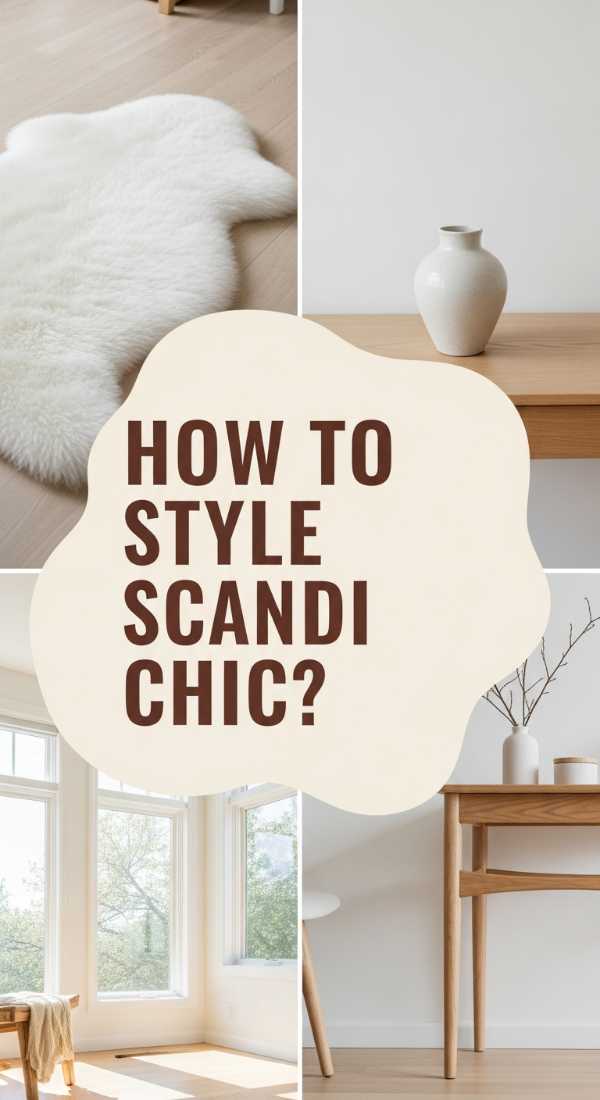
How to Style Wood Pallet Tables for a Clean Scandi Aesthetic

Why we love this
The Scandinavian aesthetic is all about light, air, and functional beauty, and this DIY nails that brief perfectly. We love the way a white-washed pallet table brightens up a room, making it feel larger and more serene while still providing that essential ‘hygge’ warmth. The tactile experience of the matte finish combined with the visible wood grain creates a soft, organic look that pairs beautifully with linen throws and ceramic mugs, turning your living space into a calm retreat from the busy world outside.
Essential Elements:
- Sanded pallet
- White wood wash or diluted white chalk paint
- Tack cloth
- Matte water-based sealer
- Natural fiber rugs (for styling)
How to make it
- After a thorough sanding, use a tack cloth to remove every single speck of sawdust. This is vital for a Scandi look, as any trapped dust will muddy the white finish.
- Mix your white paint with water in a 1:1 ratio to create a ‘wash.’ Brush the wash onto the wood in long, even strokes, then immediately wipe it back with a clean rag. This allows the white pigment to settle into the grain while keeping the wood’s natural texture visible.
- Repeat the washing process once the first layer is dry if you desire a more opaque look, but remember that Scandi style favors a lighter, more natural touch.
- Seal the table with a matte water-based sealer. Avoid oil-based sealers as they tend to yellow over time, which would ruin the crisp, clean white aesthetic you’ve created.
How to Create Pallet Table Ideas for Your Cozy Reading Nook

Why we love this
This is the ultimate ‘me time’ project that encourages you to slow down and get lost in a good book. We love the compact, sturdy nature of a reading nook side table; it’s just the right size for a steaming cup of herbal tea and a stack of your favorite novels. The warmth of the wood provides a comforting contrast to the soft textures of a reading chair, and the built-in slots of the pallet act as perfect natural dividers for storing magazines or tablets, keeping your sanctuary organized and inviting.
Essential Elements:
- Half-size pallet or a pallet cut in half
- Sandpaper (various grits)
- Beeswax wood polish
- Small castor wheels (optional for mobility)
- L-brackets for structural support
How to make it
- Cut a standard pallet in half using a circular saw or a hand saw. Focus on keeping the side with the most intact structural ‘stringer’ (the thick middle board) as your main support.
- Sand all edges thoroughly, paying extra attention to the corners. In a cozy nook, you’ll likely be reaching for this table in low light, so you want it to be perfectly smooth to the touch to avoid any accidental snags.
- If the pallet feels a bit wobbly after being cut, reinforce the interior joints with small metal L-brackets hidden on the underside. This ensures your tea won’t spill when you set down a heavy book.
- Rub a high-quality beeswax polish into the wood using a circular motion. This not only protects the wood but fills the room with a subtle, honey-like aroma that enhances the cozy reading atmosphere.
How to Repurpose Wood Pallet Tables for the Ultimate Backyard Cinema Night
Why we love this
There is magic in a backyard movie night, and these low-profile pallet tables are the secret ingredient to a viral-worthy setup. We love how they sit close to the ground, perfectly positioned for lounge pillows and bean bags, creating a relaxed, bohemian vibe. The smell of popcorn mixing with the evening air and the sight of these rustic tables glowing under string lights makes for an unforgettable sensory experience that brings friends and family together in the most sustainable way possible.
Essential Elements:
- Three to four pallets of the same size
- Outdoor cushions and blankets
- Wood glue
- Weatherproof clear coat
- Battery-operated LED light strips
How to make it
- Stack two pallets on top of each other for each ‘table’ unit. If you want a long, banquet-style cinema table, align them side-by-side. Apply a bead of wood glue between the contact points and screw them together for stability.
- Sand only the top and the outer edges to save time, as the internal parts won’t be touched. Focus on a medium finish (80-100 grit) to maintain a bit of that rugged, outdoor character.
- Apply a thick layer of weatherproof clear coat. Since these will likely be on grass or a patio, you need a finish that can withstand a bit of ground moisture and the occasional spilled soda.
- For a viral ‘pro’ touch, tuck LED light strips into the pallet’s internal cavities. This creates a soft under-glow that illuminates the ground around the table, making it easy for guests to find their snacks in the dark without ruining the movie ambiance.
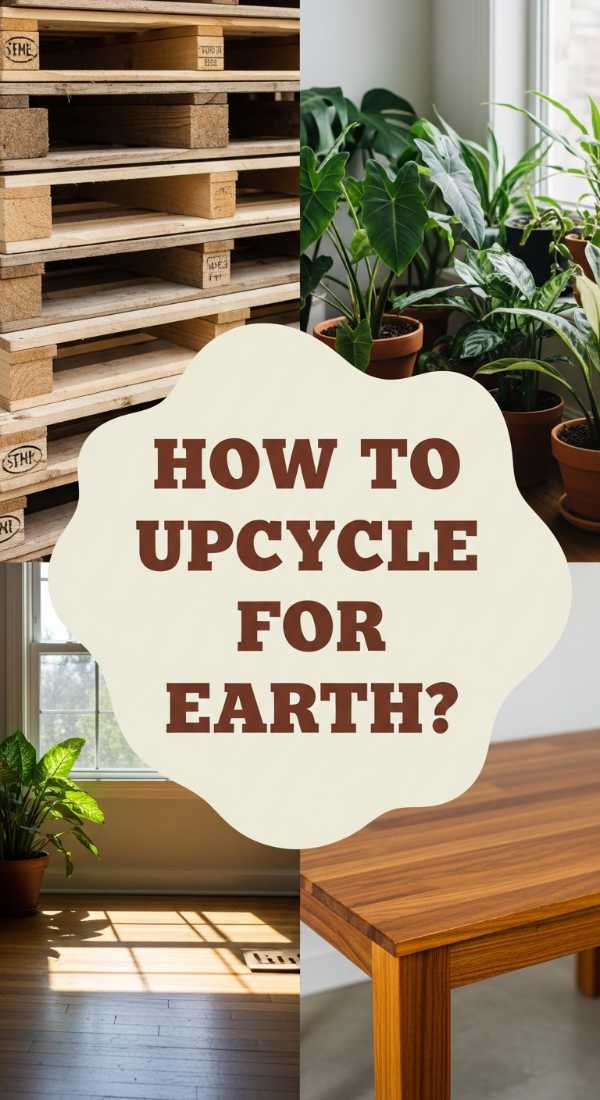
How to Upcycle Pallet Tables for Sustainable Living Spaces
Why we love this
This project is a love letter to the environment, showcasing how ‘waste’ can be elevated into a functional piece of art. We love the intentionality behind using reclaimed materials, where every knot and nail hole in the wood serves as a reminder of its previous life. The earthy, raw texture of upcycled wood brings a sense of the outdoors inside, grounding your living space and creating a conversation piece that speaks to your values of conservation and mindful consumption.
Essential Elements:
- Reclaimed pallet wood (dismantled)
- Plywood base sheet
- Wood glue and finishing nails
- Natural linseed oil
- Square metal frame legs
How to make it
- Dismantle three pallets entirely using a pallet buster or a crowbar. Sort the planks by color and texture to create a pleasing ‘patchwork’ design.
- Cut a piece of plywood to your desired table size. Apply wood glue to the plywood and lay the pallet planks on top, staggering the joints like a brick wall or a herringbone pattern for a high-end look.
- Secure each plank with small finishing nails. Once the glue is dry, trim the overhanging edges of the planks with a circular saw so they are perfectly flush with the plywood base.
- Sand the surface until the different planks feel like one continuous piece. Apply linseed oil with a soft cloth; this deepens the natural tones of the reclaimed wood and provides a breathable, eco-friendly finish that smells wonderfully nutty and clean.
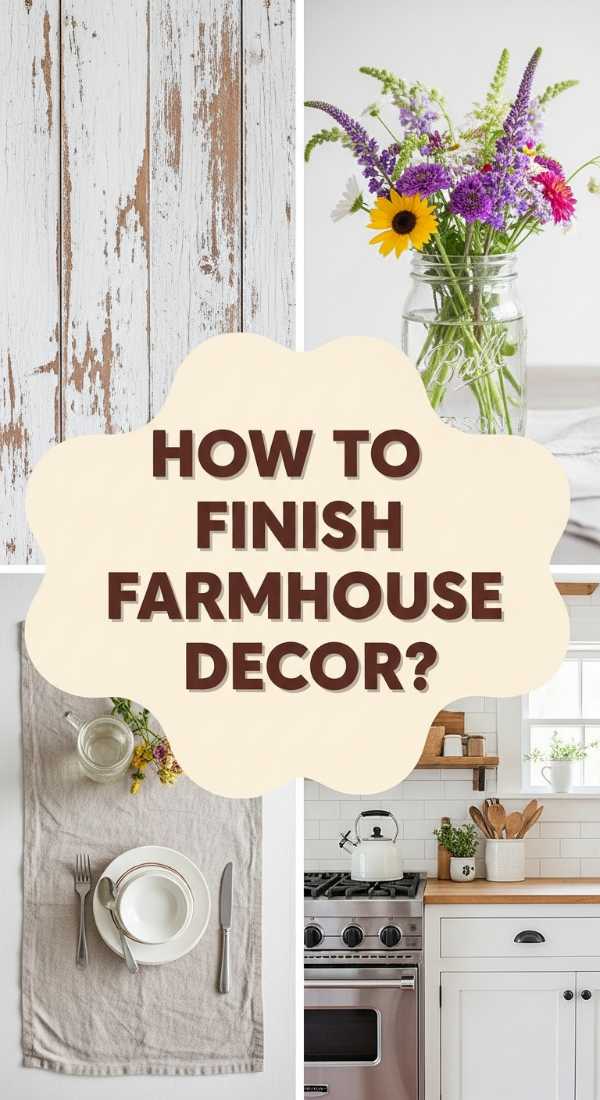
How to Craft Pallet Table DIY Projects for That Perfect Farmhouse Vibe

Why we love this
The farmhouse trend is all about warmth, family, and a touch of nostalgia, and a chunky pallet table fits this aesthetic like a glove. We love the ‘perfectly imperfect’ look of distressed wood, which feels like it has been passed down through generations. The sound of a heavy ceramic pitcher being placed on the solid wood and the visual of sunbeams dancing across a dark-stained surface create a heart-of-the-home feeling that is both welcoming and timelessly stylish.
Essential Elements:
- Standard pallet
- Dark walnut or espresso wood stain
- Steel wool and vinegar (for aging)
- Thick wooden post legs
- Heavy-duty bolts
How to make it
- To get that aged farmhouse look, create an iron-vinegar stain by soaking steel wool in white vinegar for 24 hours. Brush this onto the sanded pallet; it reacts with the tannins in the wood to create an instant, beautiful gray-brown weathered patina.
- Once dry, apply a dark walnut stain over the patina. This layering technique gives the wood incredible depth and age that a single stain cannot achieve.
- Attach thick, chunky wooden legs using carriage bolts instead of regular screws. The visible bolt heads on the sides of the table add to the ‘hand-built’ rustic farmhouse charm.
- Finish with a buffed wax coating. This gives the table a soft, low-sheen glow that feels incredible under your hands and is easy to touch up if it gets scratched during daily use.
How to Design Pallet Tables for a Sleek Industrial Loft Look

Why we love this
Industrial design thrives on the contrast between the organic and the man-made, and this pallet table project nails that balance. We love the juxtaposition of rough-hewn wood against cold, dark metal, which gives the piece an urban, edgy energy. It feels sophisticated and ‘grown-up,’ yet retains the soul of the workshop. The smell of metal polish mixed with wood sealer creates a crisp, professional atmosphere that is perfect for a modern workspace or a minimalist apartment.
Essential Elements:
- Clean-lined pallet
- Black spray paint (matte)
- Industrial pipe fittings (for legs)
- Gray-toned wood stain
- Socket wrench set
How to make it
- Clean the pallet thoroughly and sand it to a medium-smooth finish. Apply a gray or ‘weathered oak’ stain to give the wood a cool-toned, reclaimed look that pairs perfectly with black metal.
- Assemble your legs using 1-inch black iron pipes and flanges, available at most hardware stores. Make sure to clean the pipes with a degreaser first, as they often come with an oily coating from the factory.
- Spray paint the pipe legs with a matte black finish to give them a uniform, modern look. Let them dry for at least four hours before handling.
- Screw the flanges directly into the structural stringers of the pallet. Because these legs are heavy, ensure you are using screws long enough to bite deep into the wood without poking through the top surface.
How to Build Pallet Tables for the Dreamiest Morning Coffee Routine

Why we love this
There is a specific kind of peace found in the early morning hours, and having a dedicated ‘coffee station’ table makes that ritual feel sacred. We love the compact, tall design of this table—perfect for leaning against while the kettle boils. The smooth, sanded surface is the ideal resting place for your favorite mug, and the scent of freshly ground beans paired with the natural wood aroma creates a sensory experience that wakes you up gently and beautifully.
Essential Elements:
- Narrow pallet or pallet slats
- Tall bar-height legs (36-42 inches)
- Wood glue
- Waterproof sealer (food safe)
- Clamps
How to make it
- Carefully remove the best slats from a pallet and glue them side-by-side to create a solid, narrow tabletop. Use bar clamps to hold them tightly together overnight until the glue is fully cured.
- Sand the surface starting with 80-grit and finishing with a very fine 220-grit. Since this table will hold hot coffee, the surface needs to be perfectly level to prevent cups from sliding.
- Attach tall, slender legs to the corners. If you’re making a ‘bar’ style table, consider adding a cross-brace between the legs about 6 inches from the floor to act as a footrest.
- Finish with a food-safe waterproof sealer. This is essential for a coffee table, as it protects the wood from heat rings and the inevitable morning spills, ensuring the wood stays beautiful for years.
How to Enhance Your Pallet Table Outdoor Space for Sunset Relaxation
[IMAGE_10]
Why we love this
As the day winds down, having a dedicated spot to watch the sunset is a true luxury. We love this enhanced outdoor pallet table because it’s built for durability and comfort. The wide surface area is perfect for resting a cold drink and a pair of binoculars, while the low profile keeps your view of the horizon unobstructed. The feeling of the cool evening air against the wood that has been warmed by the sun all day creates a cozy, grounding sensation that helps you transition into a restful night.
Essential Elements:
- Two large pallets
- Heavy-duty locking castor wheels
- Marine-grade varnish
- Sanding block
- Exterior-grade wood glue
How to make it
- Stack two pallets and secure them using exterior-grade wood glue and long deck screws. This height is perfect for lounging in Adirondack chairs or low outdoor sofas.
- Install large, 4-inch locking castor wheels on the bottom. This allows you to roll the table around your deck or patio to follow the sun or move it out of the way for cleaning.
- Sand all outer surfaces, focusing on removing any splinters that could catch on outdoor fabrics or blankets.
- Apply three coats of marine-grade varnish. This is the ‘gold standard’ for outdoor protection; it provides a thick, UV-resistant barrier that will keep your pallet table looking like new despite rain, wind, and intense sun exposure.
The Joy of Sustainable Crafting
Building your own furniture is about more than just saving money; it’s about reclaiming your connection to the items you use every day. These ten pallet table projects offer a starting point for anyone looking to infuse their home with personality, history, and a deep respect for the planet. As you finish your project and run your hand over the smooth, finished wood, take a moment to appreciate the journey from a discarded shipping pallet to a viral-worthy centerpiece. Your home is a reflection of your values, and through these DIYs, you are choosing a future that is as beautiful as it is sustainable.
Frequently Asked Questions
Are all pallets safe to use for indoor furniture?
Not all pallets are created equal. You should always look for the ‘HT’ stamp, which stands for Heat Treated. Avoid pallets marked with ‘MB,’ which indicates they were treated with Methyl Bromide, a toxic pesticide. Also, ensure the pallet is clean and free of any visible chemical spills.
How do I prevent my pallet table from wobbling?
Stability comes from level legs and tight joints. Always use a spirit level during assembly and ensure your legs are cut to exactly the same length. If the table is on an uneven surface like a patio, consider using adjustable leveling feet on the bottom of the legs.
What is the best way to clean a pallet table?
For daily cleaning, use a damp cloth with a mild soap solution. Avoid harsh chemicals that can strip the finish. If you used a wax finish, you may need to re-buff or re-apply wax every few months to maintain the luster and protection.