
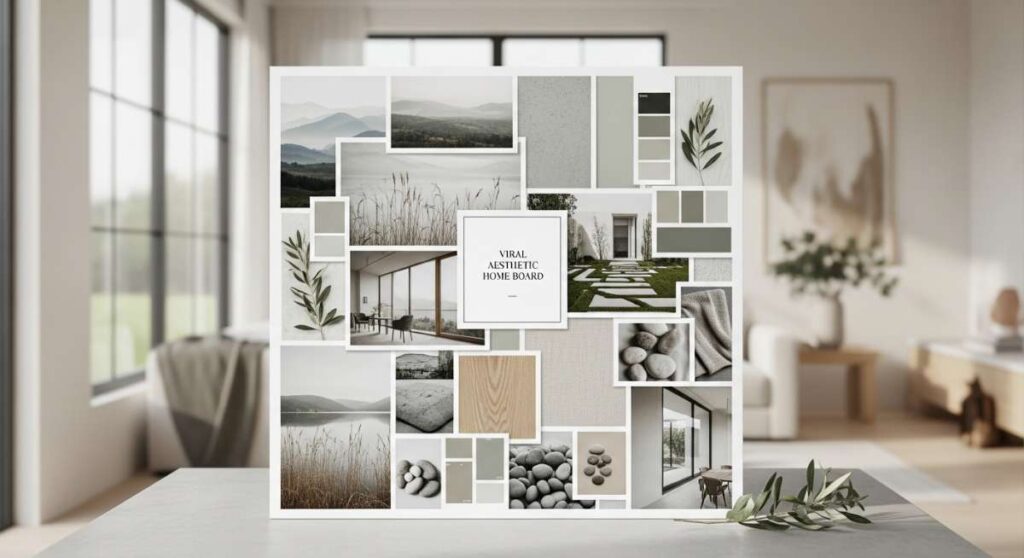
Why This Specific Aesthetic Home Board is Taking Over the Internet
Have you ever scrolled through your feed and felt a sudden, profound sense of peace wash over you just by looking at a photo? We’ve all been there—cascading into a rabbit hole of perfectly curated rooms that feel less like a catalog and more like a gentle hug. Lately, one specific aesthetic home board has been setting the internet on fire, and it’s not just because of the pretty pictures. It’s because it captures a feeling we’re all craving: a home that feels like a curated sanctuary from the noise of the outside world.
This viral movement is about more than just buying furniture; it’s about a lifestyle shift toward intentionality. It blends the tactile warmth of natural materials with the sharp clarity of modern design, creating spaces that feel lived-in yet elevated. Whether you’re a minimalist at heart or someone who loves the stories hidden in vintage finds, this aesthetic provides a blueprint for turning your living space into a soulful retreat that mirrors your inner peace. Let’s dive into how you can recreate this viral magic in your own home.
How to Curate Earthy Textures for a Grounded Sanctuary
Why we love this
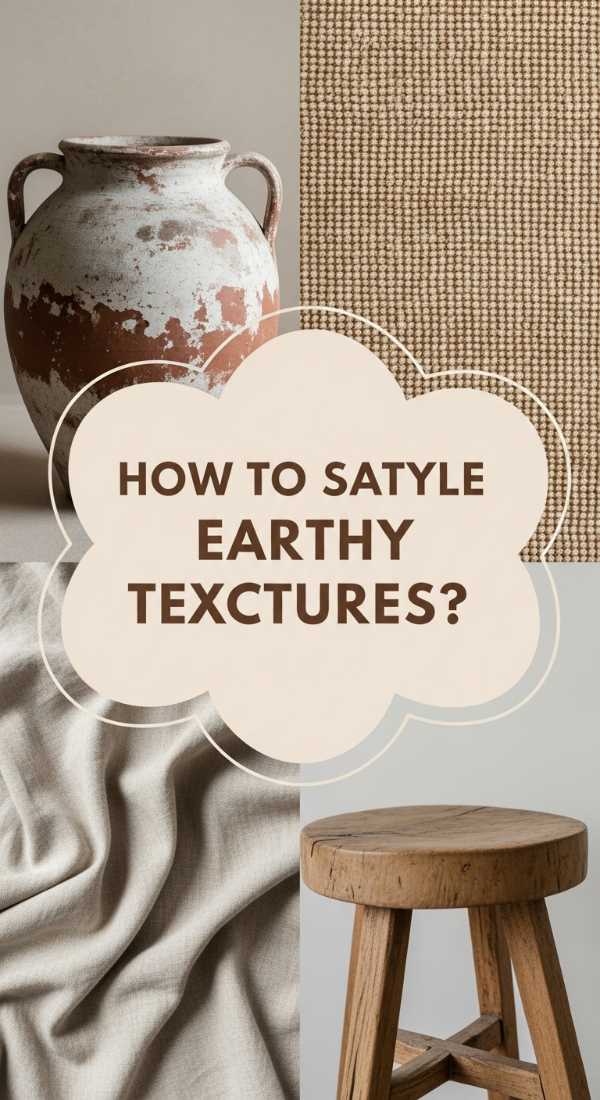
There is something deeply primal and soothing about surrounding yourself with the textures of the earth. Imagine walking barefoot across a hand-woven jute rug, the slight grit reminding you of the ground beneath, while your hands graze the cool, chalky surface of a raw terracotta vase. The air feels heavier in the best way, scented with the faint, woody aroma of dried eucalyptus and sun-drenched linen. These textures add a three-dimensional depth to a room that flat, synthetic surfaces simply cannot replicate, making every corner feel like a tactile experience that grounds your nervous system after a long day.
Essential Elements:
- Hand-woven jute or sisal rugs
- Raw terracotta and unglazed ceramic vessels
- Linen throw pillows in oatmeal and flax tones
- Reclaimed wood coffee tables with visible grain
- Dried botanicals like pampas grass or eucalyptus
How to make it
- Start by clearing your base layer; choose a rug with high tactile feedback, like a chunky loop wool or natural fiber jute, ensuring it covers at least 70% of the floor area to anchor the room.
- Incorporate ‘raw’ edges by selecting a wooden focal point—like a side table or stool—that retains its natural knots and imperfections; avoid high-gloss finishes which reflect too much artificial light.
- Layer your soft goods using the ‘pinch test’—if the fabric doesn’t have a visible weave or texture when pinched, it’s too flat; stick to 100% Belgian linen or heavy cotton canvas.
- Introduce ceramic elements in clusters of three, varying the heights; look for ‘visual cues’ of hand-craftsmanship like thumbprints in the clay or uneven glazing.
- Finalize the ‘seasoning’ of the room by adding one large-scale organic element, like a gnarled olive branch in a heavy floor vase, to draw the eye upward and create a sense of height.
How to Master Organic Modernism for a Sophisticated Flow
Why we love this
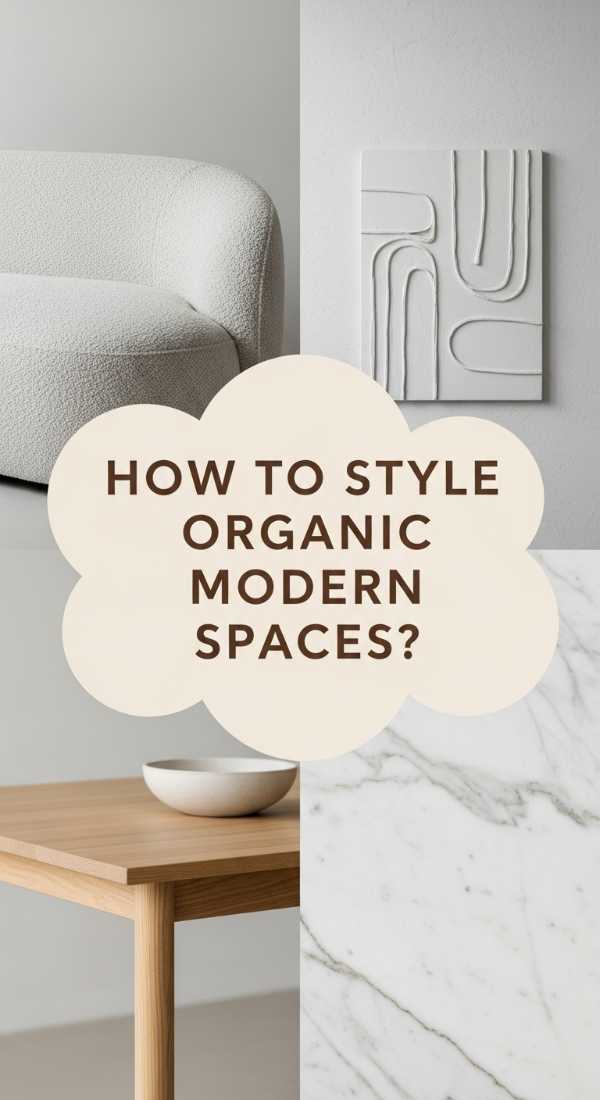
Organic Modernism is the sweet spot where the precision of architectural lines meets the soft, unpredictable curves of nature. It creates a sophisticated flow that feels both expensive and approachable. You can almost feel the smooth, buttery finish of a curved bouclé sofa and the crisp, clean snap of a marble countertop under your fingertips. It’s a sensory balance of ‘hard’ and ‘soft’—the visual ‘coolness’ of metal balanced by the ‘warmth’ of a sheepskin rug. This style makes a home feel like a high-end gallery that you aren’t afraid to actually live in.
Essential Elements:
- Furniture with curved, sculptural silhouettes
- Natural stone surfaces like marble or travertine
- Soft lighting with matte black or brass accents
- Bouclé or velvet upholstery in muted tones
- Negative space to allow the architecture to breathe
How to make it
- Select your ‘hero’ piece, typically a sofa or dining table, featuring a soft curve or ‘kidney’ shape to break the rigid geometry of the walls.
- Balance the ‘temperature’ of the room by pairing cold materials, like a stone coffee table, with high-pile textiles; if the stone feels too ‘sterile,’ add a warm-toned wooden tray on top.
- Adjust the lighting levels to 2700K (warm white) using dimmable bulbs to soften the sharp edges of modern furniture; avoid overhead ‘big lights’ which wash out sculptural details.
- Position furniture at a slight angle rather than flush against walls to create ‘flow’—the visual cue of a successful layout is being able to walk through the room without sharp turns.
- Use ‘invisible’ storage solutions to maintain the clean lines, ensuring that only the most sculptural, intentional items are left on display for that gallery-like finish.
How to Blend Japandi Styles for Ultimate Zen
Why we love this
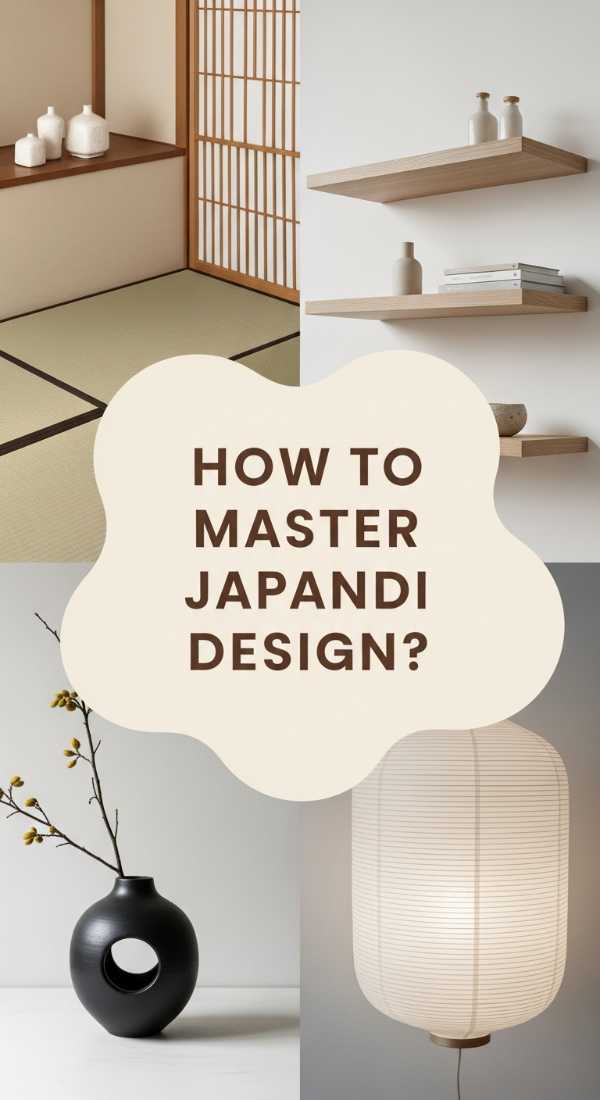
Japandi is the marriage of Japanese functionalism and Scandinavian coziness, and it is the ultimate recipe for a Zen home. It evokes a feeling of quiet stillness, like sipping matcha in a sun-drenched forest cabin. There is a distinct absence of ‘noise’—both visual and physical. You’ll find yourself noticing the delicate shadows cast by a paper lantern or the way a single stem in a bud vase commands the entire room. It’s a style that celebrates the beauty of ‘wabi-sabi’ (imperfection) while maintaining a strict, disciplined order that clears the mind instantly.
Essential Elements:
- Low-profile furniture to keep the sightlines open
- Light-toned woods like white oak or ash
- Paper shoji screens or Noguchi-style lamps
- Minimalist artwork with organic shapes
- A neutral palette of soft greys, beiges, and blacks
How to make it
- Lower the ‘center of gravity’ of the room by choosing furniture that sits closer to the floor, which mimics the traditional Japanese floor-seating aesthetic and makes ceilings feel higher.
- Adopt the ‘Scandi-warmth’ prep by adding one high-quality wool throw in a monochromatic shade to prevent the space from feeling too sparse or cold.
- Apply the ‘one-in, one-out’ rule for decor; Japandi relies on ‘Ma’ (negative space), so if a surface feels crowded, remove items until only the essential ‘flavor’ remains.
- Incorporate natural light as a ‘primary ingredient’ by using sheer linen curtains that allow a soft, diffused glow to permeate the room throughout the day.
- Use contrast sparingly—a single black accent piece (like a faucet or a picture frame) acts like a dash of salt, bringing out the subtle tones of the light wood and neutral fabrics.
How to Layer Warm Neutrals for a Cozy Atmosphere
Why we love this
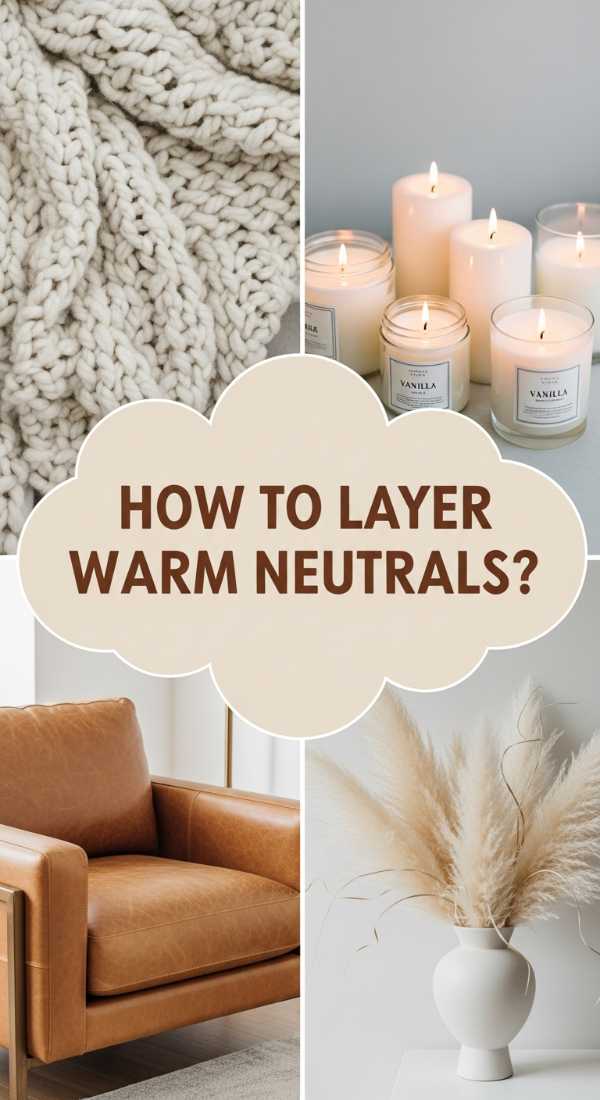
Warm neutrals are the backbone of a cozy home, acting like a soft, golden-hour filter for your life. Instead of flat whites, this aesthetic leans into creams, butters, and toasted almonds that make a room feel glowy and inviting even on a rainy day. Imagine sinking into a mountain of pillows that range from ivory to deep sand, feeling the varying weights of the fabrics against your skin. It smells like vanilla bean and old books, creating an atmosphere that encourages you to slow down, pour a cup of tea, and linger a little longer in the comfort of your own nest.
Essential Elements:
- Tonal layering of cream, beige, tan, and taupe
- Mix of textures: chunky knits, smooth cotton, silk
- Warm-toned woods like cherry or walnut for depth
- Brass or gold hardware for a subtle shimmer
- Layered rugs to define different zones
How to make it
- Start with a ‘base coat’ of warm white paint (look for yellow or red undertones, not blue) to set the temperature of the room.
- Layer your textiles in ‘tiers’—begin with the heaviest fabrics (wool) at the bottom and work up to lighter silks or muslins to create a visual ‘meringue’ of comfort.
- Check for ‘flatness’ by looking at the room through a camera lens; if it looks like one big blur of beige, add a ‘pop’ of tan or cognac leather to provide a structural anchor.
- Maintain the ‘warmth’ by avoiding cool-toned metals like chrome; swap for unlacquered brass which will develop a beautiful patina over time, adding to the cozy, lived-in feel.
- Introduce ‘life’ through subtle green tones; a soft-leafed plant like a fern provides a natural contrast that makes the neutrals feel more vibrant and less static.
How to Embrace Moody Tones for a Soulful Retreat
Why we love this
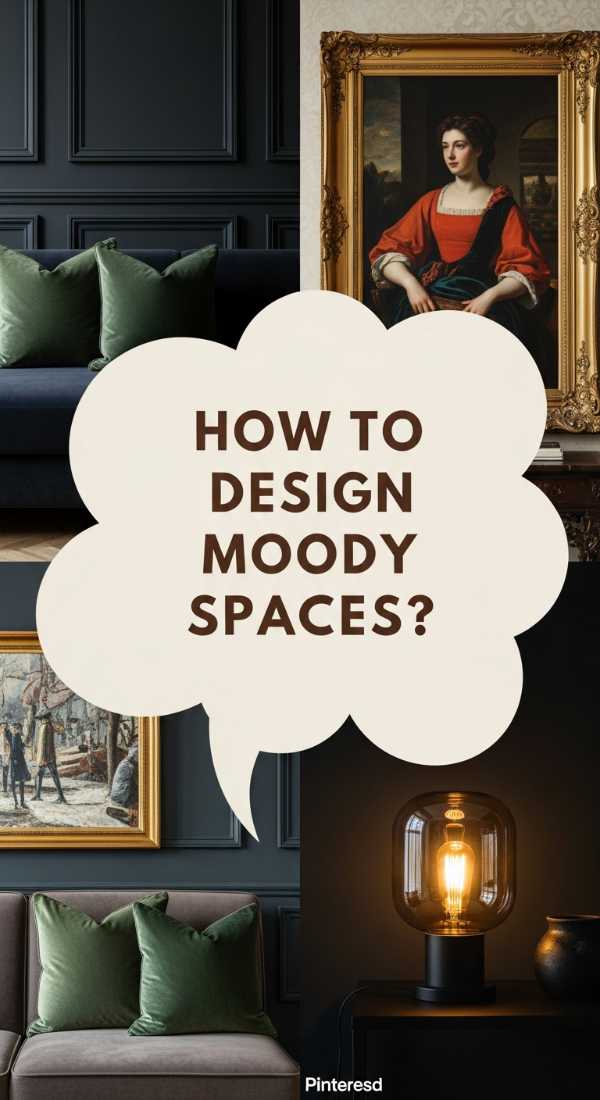
There is a profound, soulful magic in the dark. Embracing moody tones is like wrapping your home in a velvet cloak—it feels intimate, mysterious, and deeply private. Picture a room drenched in forest green or charcoal grey, where the light from a single candle dances against the matte walls, creating long, dramatic shadows. It’s the scent of amber and smoked oud, the feel of a heavy wool blanket, and the visual depth of a space that doesn’t reveal all its secrets at once. Moody rooms are the ultimate retreat for the introverted soul.
Essential Elements:
- Deep, saturated wall colors (navy, emerald, charcoal)
- Velvet or corduroy fabrics for rich light absorption
- Dark wood furniture or painted cabinetry
- Strategic accent lighting (sconces, floor lamps)
- Metallic accents to catch and reflect low light
- Dramatic, large-scale art pieces
How to make it
- Choose a high-pigment, matte paint for the walls; the matte finish is crucial as it absorbs light rather than reflecting it, creating that ‘inkwell’ effect.
- Prep the ‘lighting landscape’ by installing dimmers on every switch; moody rooms fail under bright light, so you need to be able to dial the intensity down to a ‘simmer.’
- Use the ’70/30′ rule for color: 70% deep tones and 30% medium tones or metallics to prevent the room from feeling like a cave.
- Incorporate reflective surfaces—a large mirror or a polished brass tray—to ‘bounce’ small amounts of light around, ensuring the corners don’t disappear into total darkness.
- Select art with ‘high contrast’—a piece with white or gold elements will ‘pop’ against dark walls, providing a necessary visual focal point that draws the viewer in.
How to Maintain Clutter Free Spaces for Mental Clarity
Why we love this
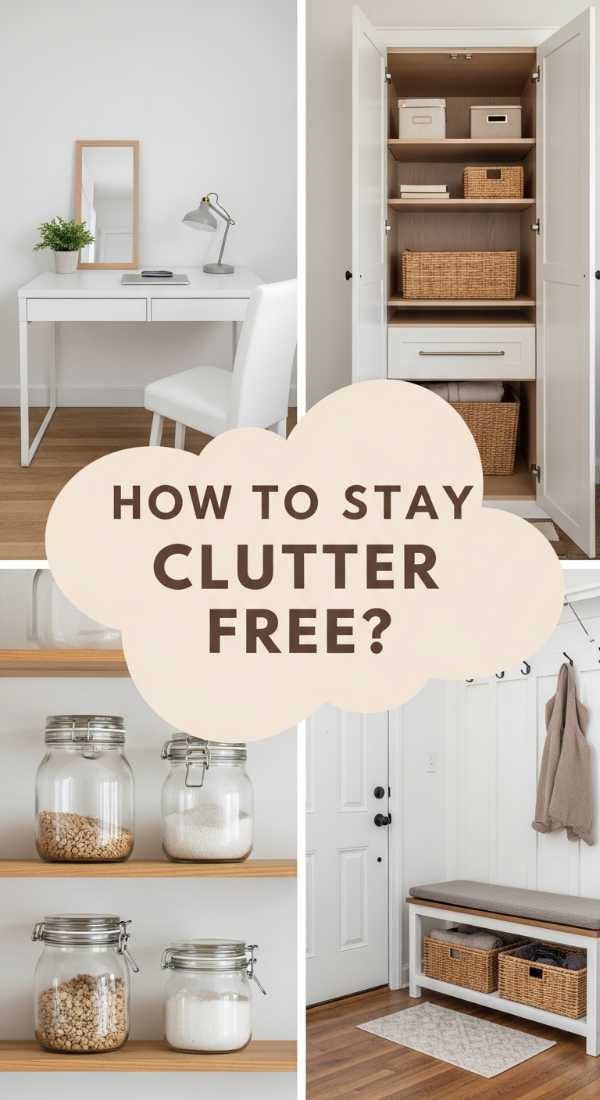
Minimalism isn’t about having nothing; it’s about having exactly what you need and nothing more, which creates a startling amount of mental clarity. When you walk into a clutter-free space, your brain finally gets a chance to exhale. There is a sense of ‘visual silence’ that allows you to focus on the steam rising from your coffee or the way the sun hits the floorboards. It feels light, airy, and incredibly liberating. By removing the physical distractions, you make room for the things that actually matter—the conversations, the rest, and the quiet moments of reflection.
Essential Elements:
- Closed storage solutions (cabinets, drawers)
- Functional decor that serves a dual purpose
- ‘One-touch’ rule for daily items
- Minimalist surfaces with only 1-2 curated items
- Hidden tech (cord management, TV covers)
How to make it
- Conduct a ‘visual audit’ by removing every single item from a surface (like a kitchen counter or desk) and only ‘re-introducing’ items that are used daily or bring immense joy.
- Implement the ‘5-minute sweep’ at the end of each day to return items to their designated ‘homes,’ preventing the ‘clutter-creep’ that happens over time.
- Optimize your storage ‘prep’ by using dividers inside drawers; the visual cue of an organized interior makes you more likely to maintain the exterior.
- ‘Hide’ the digital noise by using cable management boxes and ‘Art Mode’ on televisions to transform black rectangles into beautiful landscapes when not in use.
- Leave ‘negative space’ on your shelves—aim for a ratio of 60% items to 40% empty space to let the objects you do own ‘breathe’ and feel more intentional.
How to Hide Every Day Items for an Elevated Aesthetic

Why we love this
The secret to that ‘Pinterest-perfect’ home isn’t that those people don’t own remote controls or tissue boxes—it’s that they know how to hide them. This practice is all about elevating the mundane into something beautiful. It’s the satisfying click of a hidden cabinet door or the discovery of a beautiful wicker basket that secretly holds all your chargers. It removes the ‘visual friction’ of modern life, allowing the aesthetic beauty of your home to take center stage without being interrupted by a plastic bottle of dish soap or a tangle of white wires.
Essential Elements:
- Woven baskets with lids for storage
- Decorative boxes or ‘book’ boxes for remotes
- Soap dispensers that match the kitchen/bath decor
- Furniture with hidden compartments
- Built-in ‘appliance garages’ in kitchens
How to make it
- Decant all ‘commercial’ liquids—dish soap, hand wash, laundry detergent—into uniform glass or ceramic dispensers to remove the ‘visual noise’ of bright labels.
- Utilize ‘decorative camouflage’ by placing a beautiful wooden bowl on the entryway table specifically for keys and mail, turning a messy pile into a curated ‘vignette.’
- Check the ‘visual cues’ of your electronics; if a power strip is visible, use a cable management box that matches your floor color to make it ‘disappear.’
- Invest in ‘hidden-function’ furniture, such as an ottoman that opens for blanket storage or a bed frame with integrated drawers for seasonal clothing.
- Establish a ‘station’ for daily habits, like a coffee bar or charging dock, and use a small tray to ‘contain’ the items, which signals to the eye that the grouping is intentional rather than messy.
How to Mix Vintage Treasures for a Timeless Home
Why we love this
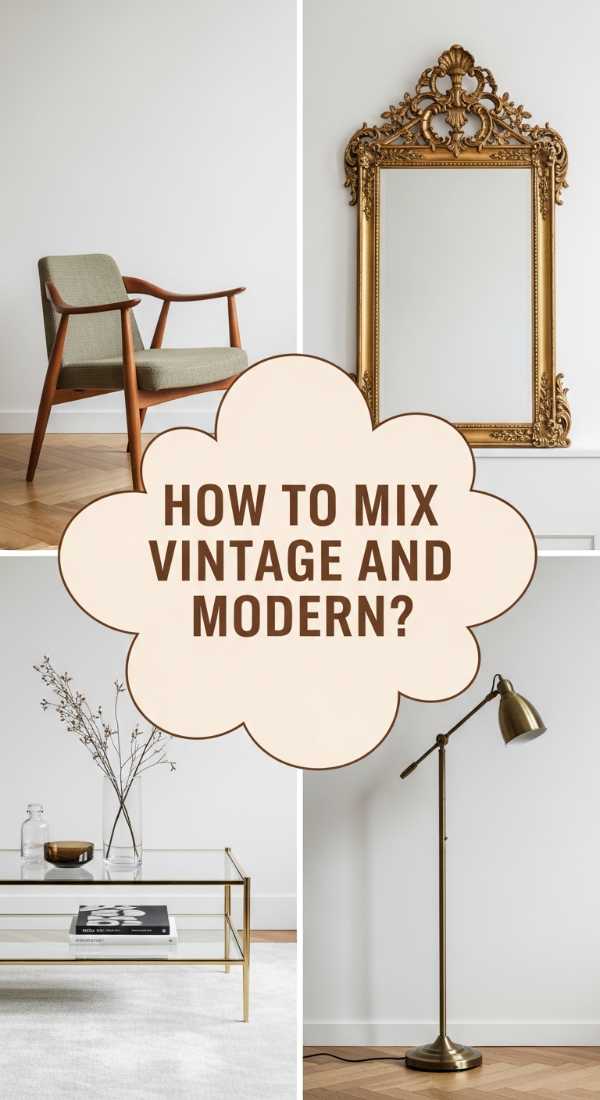
A home without vintage items can sometimes feel a bit ‘flat’ or ‘new-build soul-less.’ Mixing in treasures from the past adds a layer of history and character that you simply can’t buy at a big-box store. There is a specific joy in the smell of old wood, the weight of a brass candlestick found at a flea market, and the unique patina on a mid-century chair. These pieces tell stories and act as the ‘soul’ of the room, grounding the modern elements and ensuring your home feels timeless rather than trendy. It’s about creating a space that feels like it has evolved over decades.
Essential Elements:
- A mix of different wood tones and eras
- Original oil paintings or vintage sketches
- Found objects like brass bells or stone bowls
- Reupholstered antique chairs or benches
- Layered vintage rugs (Persian or Turkish)
How to make it
- Apply the ’80/20′ rule: 80% modern/functional pieces and 20% vintage ‘character’ pieces to ensure the room feels current but storied.
- When sourcing wood, don’t worry about ‘matching’ tones; instead, look for a common ‘undertone’ (all warm or all cool) to create harmony between a 1950s dresser and a 2024 bed frame.
- Clean vintage finds carefully—use a gentle ‘feed-n-wax’ for old wood to restore the luster without removing the ‘visual cue’ of its age and history.
- Style ‘found objects’ on top of modern coffee table books to create a contrast between the crisp, printed paper and the organic, weathered texture of the vintage item.
- Avoid the ‘museum look’ by mixing eras; a Victorian mirror above a sleek, minimalist console table creates a ‘tension’ that is the hallmark of high-end interior design.
How to Source Sustainable Materials for an Eco Conscious Space
Why we love this
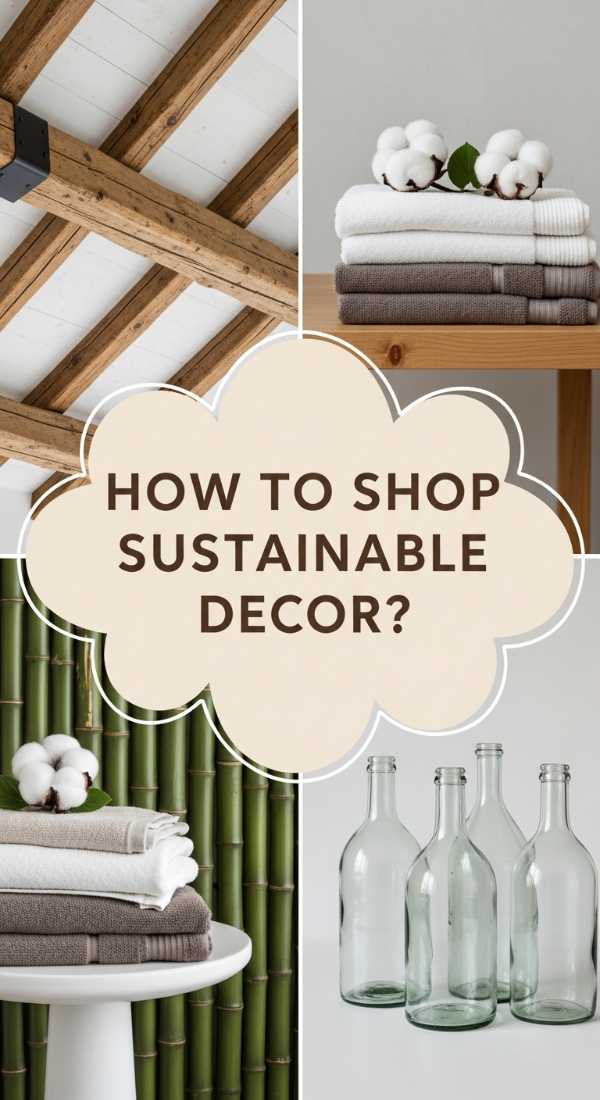
Sustainability is the ultimate luxury in the modern world. Creating an eco-conscious home feels ‘good’ in a way that goes beyond aesthetics; it’s about a harmony with the planet. Imagine the soft, cooling touch of organic bamboo sheets or the earthy smell of a cork floor. These materials are often more breathable and healthier for your indoor air quality. There’s a quiet pride in knowing that the beautiful wool rug under your feet was ethically sourced or that your dining table was crafted from reclaimed barn wood. It’s an aesthetic that values longevity over fast-fashion trends.
Essential Elements:
- Materials like cork, bamboo, and reclaimed wood
- Natural fibers: hemp, organic cotton, wool
- FSC-certified furniture and non-toxic finishes
- Vintage or secondhand furniture (the most sustainable option)
- Energy-efficient lighting and natural insulation
How to make it
- Prioritize ‘natural’ over ‘synthetic’ during the prep phase; if a rug is made of polyester (plastic), swap it for wool or jute which will eventually biodegrade and feels better underfoot.
- Look for ‘third-party’ certifications like OEKO-TEX for textiles or Greenguard Gold for furniture to ensure the ‘visual cues’ of quality are backed by actual safety standards.
- When buying new, ask about the ‘end-of-life’ for the product; sustainable design focuses on items that can be repaired, recycled, or will last for 20+ years.
- Incorporate indoor plants not just for decor, but as ‘natural air filters’—they are the most sustainable way to improve the ‘flavor’ and health of your home environment.
- Repurpose before you replace; a ‘visual cue’ of a truly sustainable home is a creative reuse of an item, like turning an old ladder into a towel rack or a glass jar into a vase.
How to Infuse Dopamine Details for an Instant Mood Lift

Why we love this
Dopamine decor is the rebellious younger sibling of minimalism, and we are here for it. It’s all about infusing your home with items that trigger an instant smile—a ‘visual high.’ Think of a bright, lemon-yellow glass vase that catches the morning light, or a gallery wall filled with art that reminds you of your favorite vacation. It’s the scent of fresh grapefruit and the feel of a disco ball throwing tiny light-speckles across the floor. This isn’t about clutter; it’s about strategic bursts of joy that make your home feel like a celebration of your unique personality.
Essential Elements:
- Vibrant ‘pops’ of color (cobalt blue, sunset orange)
- Whimsical or cheeky decor items
- Personal collections on display
- Playful patterns and high-contrast textures
- Personalized art and photography
How to make it
- Identify your ‘joy-triggers’—is it a specific color, a type of flower, or a hobby? Prep your room by dedicating 10% of the space to these high-energy elements.
- Use ‘micro-doses’ of color; instead of painting a whole wall, use a vibrant throw pillow or a piece of colorful glass art to provide a visual ‘jolt’ without overwhelming the senses.
- Check the ‘energy levels’ of the room; if it feels too ‘serious,’ add one whimsical item—like a sculptural candle in a funky shape—to break the tension and add a ‘visual wink.’
- Arrange a ‘dopamine corner’ or shelf where you display items that hold positive memories; the visual cue of seeing these daily actually helps regulate your mood.
- Use scent as a ‘mood-booster’—citrus or peppermint oils provide an olfactory ‘heat’ that energizes the space, perfectly complementing the bright visual details.
Conclusion: Your Home, Your Sanctuary
At the end of the day, the reason this aesthetic is taking over the internet is simple: it prioritizes how we *feel* inside our walls. Whether you are layering warm neutrals or hunting for the perfect vintage brass bell, you are crafting a space that serves as an anchor in a fast-paced world. Take these tips, experiment with the textures and tones that speak to you, and remember that the most ‘viral’ home is one that truly reflects the person living in it. Happy styling!