
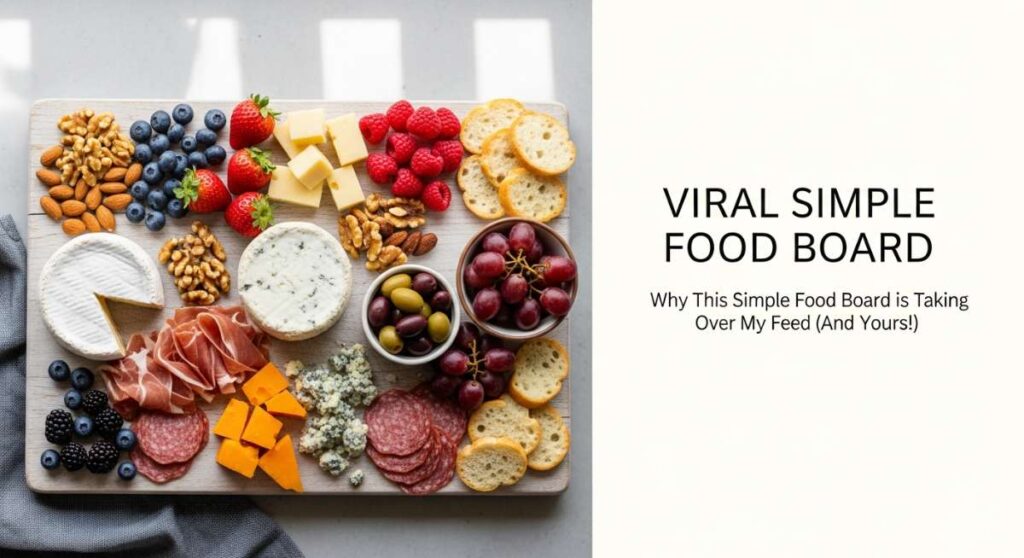
Why This Simple Food Board is Taking Over My Feed (And Yours!)
There is something undeniably magical about a spread that invites everyone to lean in, reach over, and share a bite. Lately, my social media feeds have been flooded with these gorgeous, effortless food boards, and I finally realized why: they aren’t just about the food; they are about the connection. In a world that feels increasingly digital, sitting down to a board overflowing with colors and textures feels like a grounding ritual that nourishes the soul as much as the body.
I started experimenting with these ‘Viral Simple Food Boards’ last month, and honestly, they have transformed my Sunday afternoons. Whether it’s the way the light hits a perfectly glazed cherry cake or the steam rising from a bamboo basket of dumplings, these boards celebrate the beauty of the everyday. It’s about taking those simple ingredients—the ones sitting in your pantry or fridge right now—and turning them into a visual and culinary feast that feels like a warm hug.
How to make creamy rotel dip?

Why we love this
This dip is the ultimate crowd-pleaser, offering a velvety, molten texture that coats every chip with a rich, salty embrace. As it simmers, the aroma of browned savory sausage mingles with the sharp, acidic notes of diced tomatoes and green chilies, creating a scent that immediately signals ‘party time.’ Every bite is a harmonious balance of heat and creaminess, leaving a lingering warmth on the palate that makes it impossible to stop at just one dip.
Ingredients
- 1 lb ground breakfast sausage or lean ground beef
- 1 block (32 oz) Velveeta cheese, cubed
- 2 cans (10 oz each) Ro-Tel diced tomatoes and green chilies
- 1/2 cup whole milk (optional, for desired consistency)
- 1 teaspoon smoked paprika
- Fresh cilantro for garnish
How to make it
- Begin by placing a large skillet or heavy-bottomed pot over medium-high heat. Add your ground sausage or beef, breaking it apart with a wooden spoon into small, uniform crumbles. Cook for about 8-10 minutes until no pink remains and the meat has developed a deep, caramelized brown color.
- Carefully drain the excess fat from the skillet to ensure the dip isn’t greasy. Return the pan to the stove and turn the heat down to low-medium.
- Add the cubed Velveeta cheese to the pan. Constant stirring is key here; you want to melt the cheese slowly to prevent scorching.
- Once the cheese begins to soften, pour in both cans of Ro-Tel (do not drain them, as the juices provide essential flavor and acidity).
- Continue to stir gently until the mixture is completely smooth and uniform in color. If the dip feels too thick, whisk in a splash of milk until you reach your preferred silkiness.
- Sprinkle in the smoked paprika and stir. Transfer to a warm serving bowl or a small slow cooker on the ‘warm’ setting to keep it liquid and luscious for your guests.
How to cook dirty spaghetti?
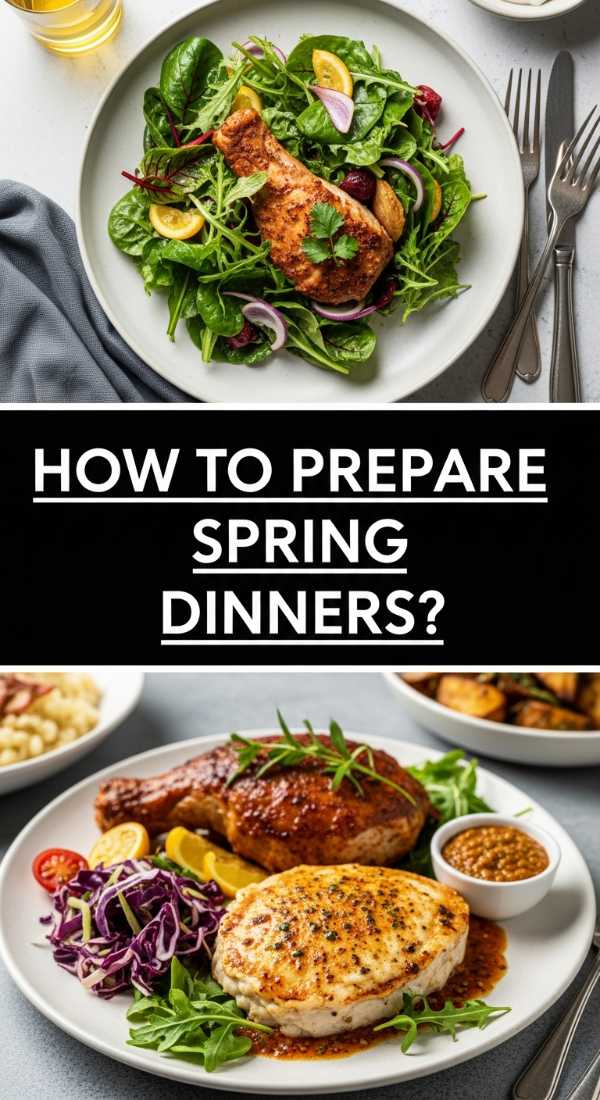
Why we love this
Dirty spaghetti is the soul-food cousin of the classic Italian dish, bringing a deep, earthy richness that comes from well-seasoned meats and the ‘trinity’ of Southern cooking. The texture is complex—firm al dente pasta strands tangled with crumbly, spice-laden beef and soft, sautéed vegetables. It smells like a rustic kitchen in the heart of the South, with notes of garlic, bell pepper, and black pepper creating a savory profile that feels incredibly hearty and grounding.
Ingredients
- 1 lb spaghetti noodles
- 1 lb ground beef or ground pork
- 1 medium onion, finely diced
- 1 green bell pepper, finely diced
- 2 stalks celery, finely chopped
- 3 cloves garlic, minced
- 2 tablespoons Worcestershire sauce
- 1 teaspoon Cajun seasoning
- Fresh parsley for garnish
How to make it
- Bring a large pot of heavily salted water to a rolling boil. Add the spaghetti and cook according to package directions until just al dente—usually about 1 minute less than the full cooking time. Reserve 1 cup of starchy pasta water before draining.
- While the pasta cooks, heat a large Dutch oven or deep skillet over medium heat. Add the ground meat and cook until fully browned and slightly crispy on the edges.
- Add the diced onion, bell pepper, and celery (the trinity) directly into the pan with the meat. Sauté for 6-8 minutes until the vegetables are translucent and soft, absorbing all the savory fats from the meat.
- Stir in the minced garlic, Cajun seasoning, and Worcestershire sauce. Cook for another 2 minutes until the garlic is fragrant but not burnt.
- Add the cooked spaghetti into the meat mixture. Pour in half of the reserved pasta water and toss vigorously with tongs. The starch in the water will help the meat and spices cling to the noodles.
- Continue tossing over low heat for 2-3 minutes until the liquid has reduced into a light, savory sauce that coats every strand. Garnish with parsley and serve immediately.
How to prepare spring dinners?
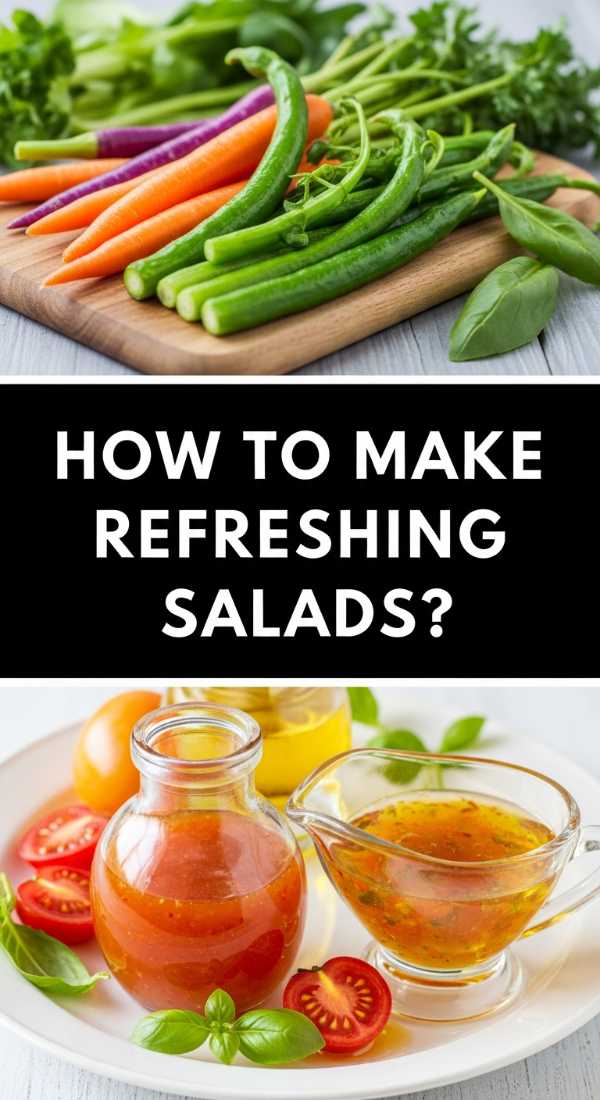
Why we love this
Spring dinners are all about the transition from heavy comfort foods to bright, vibrant ingredients that wake up the senses. Imagine the snap of fresh asparagus paired with the zing of lemon zest and the tender flake of a perfectly seared piece of chicken. These meals feel light and restorative, smelling of fresh herbs and citrus, providing a refreshing dining experience that mirrors the blooming world outside your window.
Ingredients
- 2 chicken breasts, thinly sliced
- 1 bunch thin asparagus, woody ends trimmed
- 1 cup fresh or frozen peas
- 2 lemons (one sliced, one juiced)
- 3 tablespoons olive oil
- 2 tablespoons fresh dill, chopped
- Salt and cracked black pepper to taste
How to make it
- Season your chicken slices generously with salt, pepper, and a bit of lemon juice. Heat 2 tablespoons of olive oil in a wide skillet over medium-high heat.
- Place the chicken in the skillet in a single layer. Sear for 3-4 minutes per side until a golden-brown crust forms and the internal temperature reaches 165°F. Remove chicken from the pan and set aside on a plate.
- In the same pan, add the remaining tablespoon of oil. Toss in the asparagus and peas. Sauté for 4-5 minutes. You are looking for the asparagus to turn a bright, vivid green and become tender-crisp—avoid overcooking them into mush.
- Add the lemon slices to the pan for the last 2 minutes of cooking, allowing them to slightly caramelize and release their oils.
- Return the chicken to the pan and pour over the remaining lemon juice. Toss everything together for 60 seconds to marry the flavors.
- Finish by folding in the fresh dill. The residual heat will release the herb’s aroma without wilting it completely. Serve warm on a large platter.
How to make refreshing salads?

Why we love this
A truly refreshing salad is a symphony of textures—the crunch of leafy greens, the burst of juicy fruit, and the creamy crumble of a high-quality cheese. It should taste like a cool breeze on a warm afternoon, with a dressing that provides a sharp, acidic bite to cut through the sweetness. The visual appeal is just as important, with deep greens, bright reds, and pearly whites making the board look like a work of edible art.
Ingredients
- 4 cups baby arugula or spinach
- 1 cup fresh strawberries, sliced
- 1/2 cup cucumber, thinly sliced into half-moons
- 1/4 cup feta cheese or goat cheese crumbles
- 1/4 cup toasted pecans or walnuts
- 3 tablespoons balsamic glaze
- 2 tablespoons extra virgin olive oil
How to make it
- Start with a very large, chilled wooden bowl or a flat serving board. Place your greens (arugula or spinach) as the base, fluffing them up to create volume and aeration.
- Evenly distribute the sliced cucumbers and strawberries over the greens. The contrast between the cool cucumber and the sweet strawberry is the secret to the ‘refreshing’ factor.
- Sprinkle the crumbled cheese and toasted nuts over the top. The nuts add a necessary fatty crunch that balances the watery vegetables.
- In a small jar, whisk together the olive oil with a pinch of salt and pepper. Drizzle this light oil base over the salad first to coat the leaves and prevent them from wilting too quickly.
- Just before serving, use a spoon to decoratively drizzle the thick balsamic glaze in a zigzag pattern across the entire board. This adds both visual flair and a concentrated punch of flavor.
- Serve immediately, using large tongs to ensure every plate gets a bit of every component.
How to steam perfect dumplings?

Why we love this
Steaming dumplings is a lesson in delicate textures; the dough becomes translucent and slightly tacky to the touch, while the filling inside stays incredibly moist and succulent. When you lift the lid of the steamer, a cloud of ginger and scallion-scented steam envelopes you, promising a bite that is both soft and savory. It’s a gentle way of cooking that preserves the integrity of the ingredients, making each parcel feel like a little gift of flavor.
Ingredients
- 1 pack of high-quality frozen or fresh dumplings (pork, shrimp, or veg)
- Large cabbage leaves or parchment paper liners
- 2 tablespoons soy sauce
- 1 teaspoon rice vinegar
- 1/2 teaspoon chili oil
- Water for steaming
How to make it
- Prepare your steamer basket—whether bamboo or stainless steel. Line the bottom with large cabbage leaves or perforated parchment paper. This is a critical professional tip to prevent the delicate dough from sticking and tearing when you try to lift them.
- Fill a wide pot or wok with about 2 inches of water. Bring the water to a vigorous, rolling boil over high heat.
- Place the dumplings in the steamer basket, ensuring they are at least half an inch apart. They will expand slightly as they absorb moisture, and you don’t want them fusing together.
- Carefully place the steamer basket over the boiling water and cover with a tight-fitting lid. Reduce the heat to medium-high to maintain a steady flow of steam.
- Steam for 8 to 10 minutes if fresh, or 12 to 15 minutes if frozen. You will know they are done when the skins look slightly translucent and have a firm yet elastic feel.
- While they steam, whisk the soy sauce, rice vinegar, and chili oil in a small ramekin. Carefully remove the steamer from the heat and serve the dumplings right in the basket for a rustic, beautiful presentation.
How to bake spring cookies?

Why we love this
Spring cookies should be light, buttery, and infused with the scents of a garden in bloom. These aren’t the heavy, chocolate-laden cookies of winter; instead, they feature delicate crumbs that melt on the tongue, leaving behind hints of floral lavender or bright lemon. They look absolutely stunning on a food board, especially when decorated with pastel icing or edible dried petals, evoking a sense of whimsy and elegance that perfectly captures the season’s spirit.
Ingredients
- 2 1/2 cups all-purpose flour
- 1 cup unsalted butter, softened
- 3/4 cup granulated sugar
- 1 egg
- 1 tablespoon lemon zest
- 1 teaspoon dried culinary lavender (optional)
- 1/2 teaspoon vanilla extract
How to make it
- In a large mixing bowl, cream together the softened butter and granulated sugar using an electric mixer. Beat for at least 3-5 minutes until the mixture is pale, fluffy, and doubles in volume.
- Add the egg, vanilla extract, and lemon zest. Beat again until fully incorporated, scraping down the sides of the bowl to ensure no streaks remain.
- In a separate bowl, whisk the flour and culinary lavender. Gradually add the dry ingredients to the wet ingredients on low speed. Mix only until the flour disappears; over-mixing will lead to a tough, bready cookie.
- Wrap the dough in plastic wrap and chill in the refrigerator for at least 30 minutes. This prevents the cookies from spreading too much and keeps the butter from melting instantly in the oven.
- Preheat your oven to 350°F (175°C). Roll the dough into small, 1-inch balls or use a cookie cutter for shapes. Place them on a parchment-lined baking sheet.
- Bake for 10-12 minutes. The edges should be just barely golden, while the centers remain pale and soft. Let them cool completely on a wire rack before serving to allow the crumb to set.
How to make summer pasta?

Why we love this
Summer pasta is a celebration of the sun, utilizing the peak sweetness of vine-ripened tomatoes and the peppery fragrance of fresh basil. The ‘sauce’ is often nothing more than infused olive oil and the natural juices of the vegetables, creating a dish that feels incredibly clean and vibrant. It’s the kind of meal you want to eat outdoors, with the warmth of the pasta contrasting against the cool, fresh herbs, creating a sensory experience that is both simple and sophisticated.
Ingredients
- 1 lb angel hair or thin spaghetti
- 2 cups cherry tomatoes, halved
- 3 cloves garlic, very thinly sliced
- 1/2 cup extra virgin olive oil
- 1 cup fresh basil leaves, torn
- 1/2 cup freshly grated Parmesan cheese
- Red pepper flakes (optional)
How to make it
- Boil your pasta in salted water until al dente. Because summer pasta uses thin noodles, this usually only takes 3-5 minutes. Reserve a splash of the pasta water.
- In a cold, wide skillet, combine the olive oil and sliced garlic. Turn the heat to medium-low. This ‘cold start’ allows the garlic to infuse the oil with flavor without burning or becoming bitter.
- Once the garlic begins to sizzle and turn golden, add the cherry tomatoes and a pinch of red pepper flakes. Increase the heat to medium.
- Cook the tomatoes for 5-7 minutes, pressing down on them occasionally with a spatula. You want them to ‘blister’ and burst, releasing their sweet juices into the oil to form a light sauce.
- Add the cooked pasta and the torn basil directly into the skillet. Toss quickly to coat the noodles in the tomato-garlic oil. If it looks dry, add a tablespoon of the reserved pasta water.
- Remove from heat and immediately toss in the Parmesan cheese. The cheese should melt into the oil, creating a silky coating rather than a thick sauce. Serve immediately with a final crack of black pepper.
How to grill healthy meals?

Why we love this
Grilling transforms simple proteins and vegetables into something smoky, charred, and deeply flavorful without the need for heavy sauces. The sound of the sear as food hits the hot grates is the ultimate summer soundtrack. Healthy grilled meals offer a satisfying crunch on the outside and a tender, juicy interior, making even the simplest zucchini or piece of salmon feel like a gourmet treat enjoyed under the open sky.
Ingredients
- 1 lb salmon fillets or chicken skewers
- 2 zucchinis, sliced into spears
- 2 bell peppers, cut into wide strips
- 2 tablespoons olive oil
- 1 tablespoon dried oregano
- 1 teaspoon garlic powder
- Lemon wedges for serving
How to make it
- Preheat your grill to medium-high heat (about 400°F). While the grill warms, clean the grates thoroughly with a wire brush to prevent sticking and ensure clean char marks.
- In a large bowl, toss your vegetables and protein with olive oil, oregano, garlic powder, salt, and pepper. Ensure every piece is lightly coated; the oil is what creates those beautiful grill lines.
- Lightly oil the grill grates using a folded paper towel dipped in oil held by tongs.
- Place the protein on the hottest part of the grill. For salmon, start skin-side down and grill for 4-5 minutes without moving it. This allows the skin to crisp up and release naturally from the grate. Flip and cook for another 3-4 minutes.
- Place the vegetables around the edges of the grill where the heat is slightly less intense. Grill for 3-4 minutes per side until they have clear char marks but still retain some structural integrity.
- Remove everything from the grill and let the meat rest for 5 minutes. Squeeze fresh lemon juice over everything just before serving to brighten the smoky flavors.
How to bake cherry cake?

Why we love this
A cherry cake is a visual masterpiece, with pockets of deep ruby fruit nestled in a golden, buttery crumb. The aroma while it bakes is intoxicating—a mix of sweet almond and tart fruit that fills the entire house. When you cut into it, the cake is moist and dense enough to hold the fruit, yet light enough to feel like a delicate afternoon treat. It’s the perfect balance of sweet and sour, making it a sophisticated addition to any dessert board.
Ingredients
- 1 1/2 cups all-purpose flour
- 1 cup granulated sugar
- 1/2 cup unsalted butter, softened
- 2 eggs
- 1/2 cup sour cream (for moisture)
- 1 teaspoon almond extract
- 2 cups fresh cherries, pitted and halved
- 1 tablespoon powdered sugar for dusting
How to make it
- Preheat your oven to 350°F (175°C) and grease a 9-inch round cake pan or springform pan.
- In a large bowl, cream the butter and granulated sugar together until light and fluffy. Add the eggs one at a time, beating well after each addition.
- Stir in the sour cream and almond extract. The almond extract is the ‘secret’ ingredient that perfectly complements the natural flavor of the cherries.
- Gently fold in the flour until just combined. Do not overmix, or the cake will be tough.
- Pour the batter into the prepared pan. Scatter the halved cherries over the top, pressing them slightly into the batter. They will sink a little as the cake rises, creating beautiful layers of fruit.
- Bake for 40-45 minutes, or until a toothpick inserted into the center comes out clean. Let the cake cool in the pan for 10 minutes before transferring to a wire rack. Dust with powdered sugar once completely cool for a snowy, elegant finish.
How to use sourdough discard?
[IMAGE_10]
Why we love this
Using sourdough discard is as much about the philosophy of ‘no waste’ as it is about the incredible tangy flavor it adds to baked goods. The discard provides a complex, fermented depth that regular flour simply can’t match. Whether turned into crispy crackers or fluffy pancakes, it has a signature chew and a slight sourness that pairs beautifully with savory herbs or sweet syrups, making your board feel artisanal and thoughtfully prepared.
Ingredients
- 1 cup sourdough discard (unfed)
- 2 tablespoons melted butter or olive oil
- 1/2 teaspoon sea salt
- 1 tablespoon dried herbs (like rosemary or thyme)
- Extra salt for topping
How to make it
- Preheat your oven to 325°F (165°C). This lower temperature is essential for dehydrating the discard into a crisp cracker without burning the flour.
- In a medium bowl, mix the sourdough discard, melted butter (or oil), sea salt, and dried herbs until you have a smooth, spreadable paste.
- Line a large baking sheet with a silicon mat or high-quality parchment paper. Pour the mixture onto the center.
- Using an offset spatula, spread the mixture as thinly and evenly as possible. You want it to be almost translucent; the thinner the spread, the crispier the final cracker will be.
- Sprinkle a little extra sea salt over the top. Bake for 10 minutes, then remove from the oven and use a pizza cutter to score the dough into squares or rectangles.
- Return to the oven for another 20-30 minutes, or until the crackers are golden brown and completely dry to the touch. Let them cool on the pan; they will crisp up even further as they reach room temperature. Break along the scored lines and serve.
The Joy of the Shared Board
Creating these boards has reminded me that the best meals aren’t always the most complicated ones. They are the meals that encourage us to put down our phones, linger over a second helping, and actually talk to one another. Whether you’re making a spicy Rotel dip for a game night or a delicate cherry cake for a Sunday brunch, I hope these recipes inspire you to create your own viral-worthy spread. Remember, the secret ingredient isn’t just the seasoning—it’s the love you put into the presentation and the people you share it with. Happy boarding!