
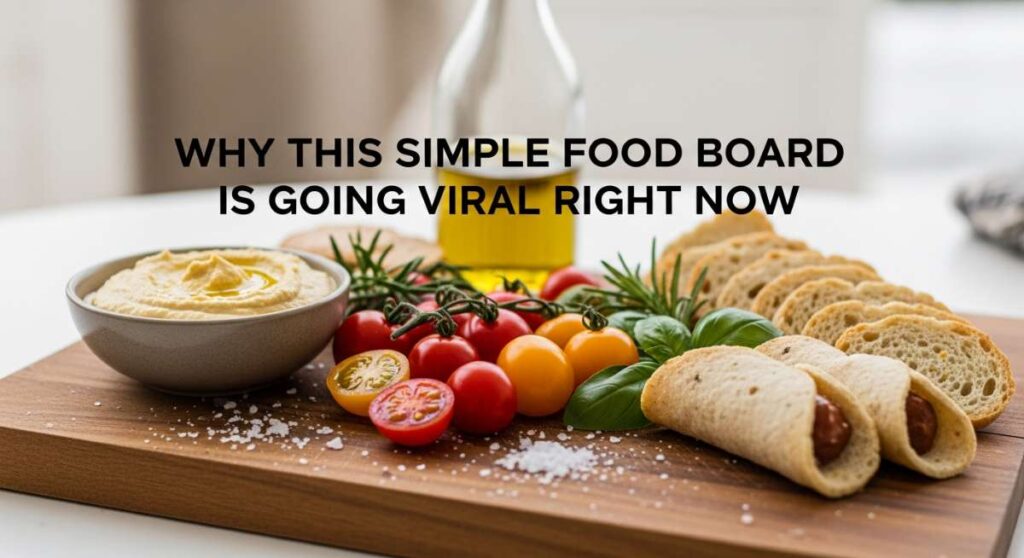
Why This Simple Food Board is Going Viral Right Now
There is something deeply grounding about a gathering that centers around a shared platter of food. Lately, my social feed has been exploding with a trend that I am absolutely obsessed with: the roasted vegetable food board. It’s a departure from the heavy cheeses and cured meats we’re used to, offering instead a vibrant, soul-warming tapestry of colors and textures that feel like a hug from the earth itself. It’s not just about eating; it’s about the ritual of picking the perfect, charred floret or a honey-glazed carrot while chatting with friends.
I think we’re all craving a bit more simplicity and nourishment in our lives, and these boards deliver exactly that. They turn humble root vegetables and cruciferous greens into the stars of the show, proving that with a little bit of heat and the right seasoning, the most basic ingredients can become a gourmet experience. Whether you’re hosting a cozy dinner party or just looking for a way to make weeknight meals feel special, this viral trend is the ultimate way to celebrate seasonal produce in its most delicious form.
7 Easy Ways to Make Roasted Vegetable Recipes (Step-by-Step Guide)
Why we love this
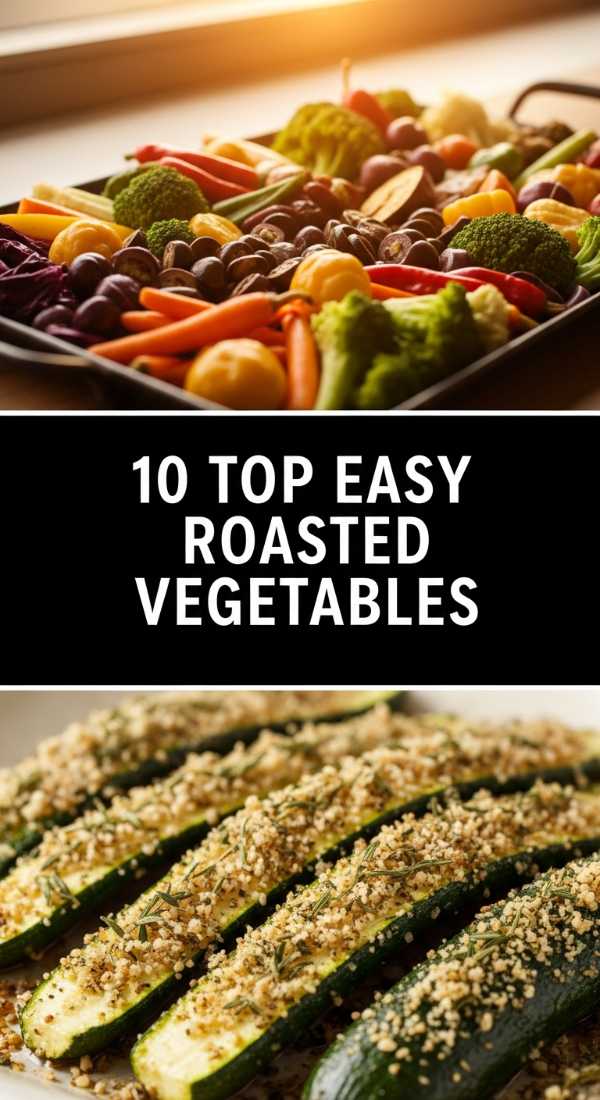
There is an undeniable magic that happens when a medley of fresh vegetables meets a hot oven and a drizzle of high-quality oil. We love this approach because it transforms the mundane into the extraordinary; the edges of the peppers become sweet and blistered, while the zucchini develops a tender, melt-in-your-mouth quality. The aroma that fills your kitchen is a heady mix of earthy sweetness and roasted goodness, promising a meal that is as satisfying to the soul as it is to the palate. It’s the ultimate comfort food that leaves you feeling light and energized.
Ingredients
- 2 red bell peppers, sliced
- 1 large zucchini, sliced into rounds
- 1 red onion, wedged
- 1 pound baby potatoes, halved
- 3 tablespoons extra virgin olive oil
- 1 teaspoon dried oregano
- 1/2 teaspoon smoked paprika
- Salt and cracked black pepper to taste
How to make it
- Preheat your oven to 425°F (220°C). This high temperature is crucial for achieving that signature roasted char without turning the vegetables into mush. Place your baking sheets inside while the oven preheats to get them screaming hot.
- In a large mixing bowl, combine your prepped vegetables. Drizzle the olive oil over the top and sprinkle with oregano, smoked paprika, salt, and pepper. Use your hands to toss everything thoroughly, ensuring every nook and cranny of the vegetables is lightly coated in oil and spices.
- Carefully remove the hot baking sheets from the oven and spread the vegetables in a single layer. You should hear a satisfying sizzle the moment they touch the pan. Do not overcrowd the sheet; if the vegetables are touching too much, they will steam instead of roast.
- Slide the trays into the center rack of the oven. Roast for 25 to 30 minutes. At the 15-minute mark, use a wide spatula to toss and flip the vegetables, ensuring even browning on all sides.
- Look for visual cues: the potatoes should be golden and crispy on the outside, and the peppers should have small charred spots. Once achieved, remove from the oven and let them rest for two minutes before serving to allow the juices to settle.
10 Easy Ways to Prep Roasted Vegetables (Step-by-Step Guide)

Why we love this
Prep work is often seen as a chore, but when it comes to a viral food board, it’s a meditative process of appreciation for the ingredients. We love this step because it’s where the artistry begins; the way you slice a radish or trim a stalk of asparagus dictates the final aesthetic of your board. There is a tactile satisfaction in the crunch of a fresh carrot under a sharp knife and the vibrant rainbow of colors that starts to take shape on your counter. Prepping correctly ensures that every bite roasts at the same rate, resulting in a harmonious plate where nothing is burnt and nothing is raw.
Ingredients
- Variety of root vegetables (carrots, parsnips, beets)
- Cruciferous vegetables (cauliflower, Brussels sprouts)
- A sharp chef’s knife
- A large, stable cutting board
- Paper towels for drying
- Large mixing bowls
How to make it
- Start by thoroughly washing all vegetables under cold water to remove any lingering grit. This is especially important for root vegetables. Once washed, use paper towels to pat them completely dry. Any moisture left on the surface will create steam in the oven, preventing that desired crispiness.
- Focus on uniform sizing. Slice denser vegetables like beets and carrots into smaller, bite-sized pieces, while softer vegetables like zucchini can be cut into larger chunks. This ensures they all finish cooking at the same time.
- For Brussels sprouts, trim the woody ends and slice them in half through the stem. This allows the flat surface to caramelize against the hot pan. For cauliflower, break them into small, even florets.
- Peel vegetables only when necessary. Many skins, like those on organic carrots and parsnips, become beautifully tender and flavorful when roasted, adding extra fiber and texture to your dish.
- Once cut, group your vegetables by density in separate bowls. This allows you to time their entry into the oven perfectly—adding the “hard” vegetables first and the “soft” ones later.
5 Best Ways to Cook Roasted Vegetable Soup (Step-by-Step Guide)
Why we love this
This soup is the quintessential evolution of a roasted vegetable board. We love it because it takes those deep, concentrated flavors of roasted produce and transforms them into a silky, luxurious liquid gold. The smokiness from the oven char infuses the broth, creating a depth of flavor that you simply cannot achieve by boiling raw vegetables. It’s thick, creamy, and incredibly comforting, with an aroma that feels like home. Each spoonful is a concentrated burst of autumn warmth, making it the perfect way to use up any leftovers from your viral food board.
Ingredients
- 4 cups pre-roasted mixed vegetables (carrots, onions, squash)
- 3 cups vegetable or chicken stock
- 1/2 cup heavy cream or coconut milk
- 2 cloves roasted garlic
- 1 teaspoon fresh thyme leaves
- Salt and white pepper to taste
How to make it
- Begin by gathering your pre-roasted vegetables. If you are roasting them specifically for the soup, ensure they have a good amount of “color” (dark brown spots) as this provides the base flavor for the broth.
- Place the roasted vegetables and the cloves of roasted garlic into a large pot. Add the stock until the vegetables are just submerged. Bring the mixture to a gentle simmer over medium heat for about 10 minutes to allow the flavors to marry and the vegetables to soften further.
- Use an immersion blender directly in the pot, or carefully transfer the mixture to a high-speed blender in batches. Blend until the texture is completely smooth and velvety. If the soup is too thick, add a splash more stock until you reach your desired consistency.
- Stir in the heavy cream or coconut milk to add a layer of richness and a beautiful sheen. Season with fresh thyme, salt, and a pinch of white pepper for a subtle heat that doesn’t overpower the roasted notes.
- Heat through on low for another 5 minutes, being careful not to let it boil once the cream is added. Serve hot with a swirl of olive oil or a few reserved roasted florets on top for texture.
8 Simple Ways to Season Roasted Broccoli (Step-by-Step Guide)
Why we love this
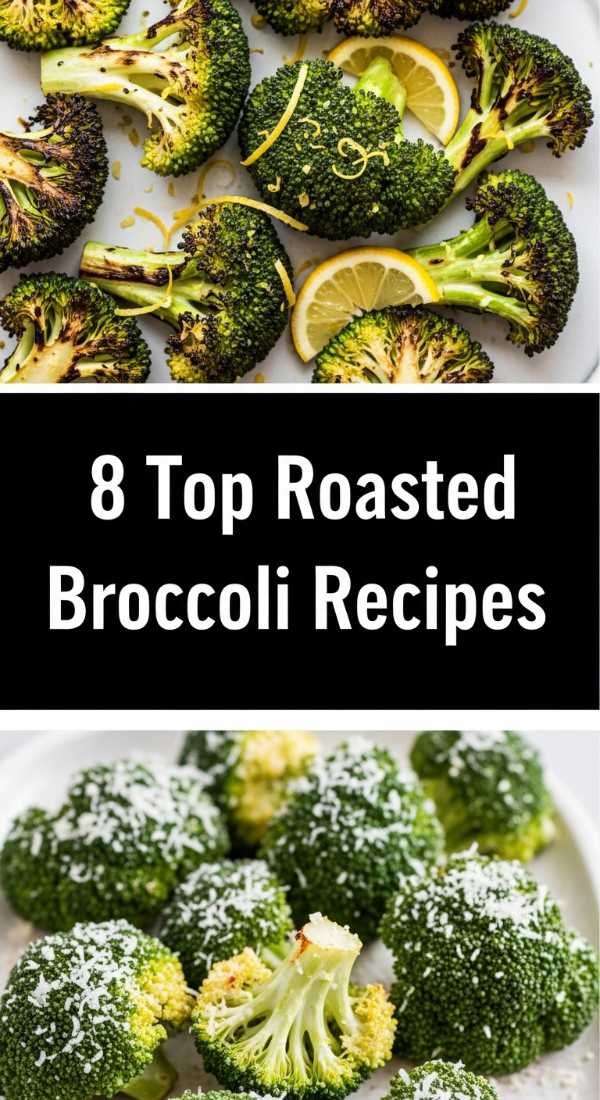
Roasted broccoli is a revelation; it turns the vegetable most people avoided as children into a crispy, salty, addictive snack. We love this because the florets act like little sponges for flavor, while the edges become as crunchy as a chip. The contrast between the tender stem and the frizzled tops is a textural delight that keeps you coming back for more. It’s incredibly versatile, taking on everything from spicy chili flakes to nutty parmesan with ease, making it a mandatory addition to any viral food board that needs a hit of green and umami.
Ingredients
- 2 large heads of broccoli, cut into florets
- 2 tablespoons olive oil
- 1/2 teaspoon garlic powder
- 1/4 cup grated Parmesan cheese
- 1/4 teaspoon red pepper flakes
- Zest of half a lemon
How to make it
- Preheat your oven to 400°F (200°C). Line a large rimmed baking sheet with parchment paper for easy cleanup and to prevent the delicate florets from sticking.
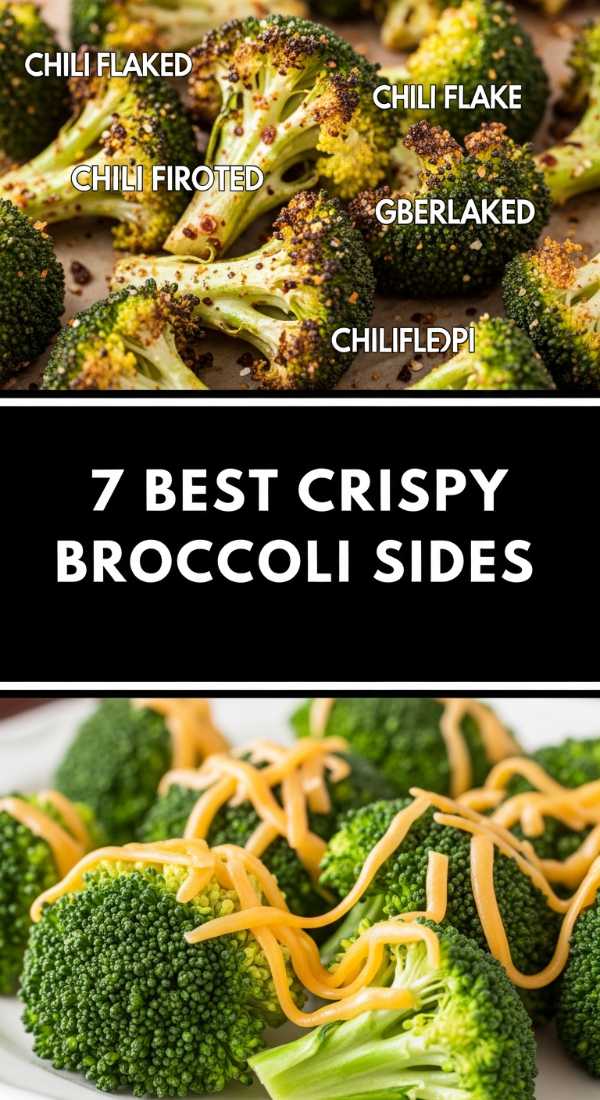
- Toss the broccoli florets in a large bowl with olive oil, garlic powder, and red pepper flakes. Use your hands to massage the oil into the “heads” of the broccoli; those tiny buds need to be coated to crisp up properly without burning.
- Spread the broccoli out on the prepared sheet. Ensure they are not touching; space is the secret to a crispy texture. Roast for 15 to 20 minutes.
- Halfway through the cooking time, quickly open the oven and sprinkle the grated Parmesan cheese over the top of the broccoli. This allows the cheese to melt and form a golden crust during the final minutes of roasting.
- Remove from the oven when the tips are dark brown (almost black in some spots). Immediately zest the lemon over the hot broccoli. The heat will release the lemon oils, providing a bright, citrusy finish that cuts through the richness of the oil and cheese.
6 Sweet Ways to Glaze Roasted Carrots (Step-by-Step Guide)
Why we love this
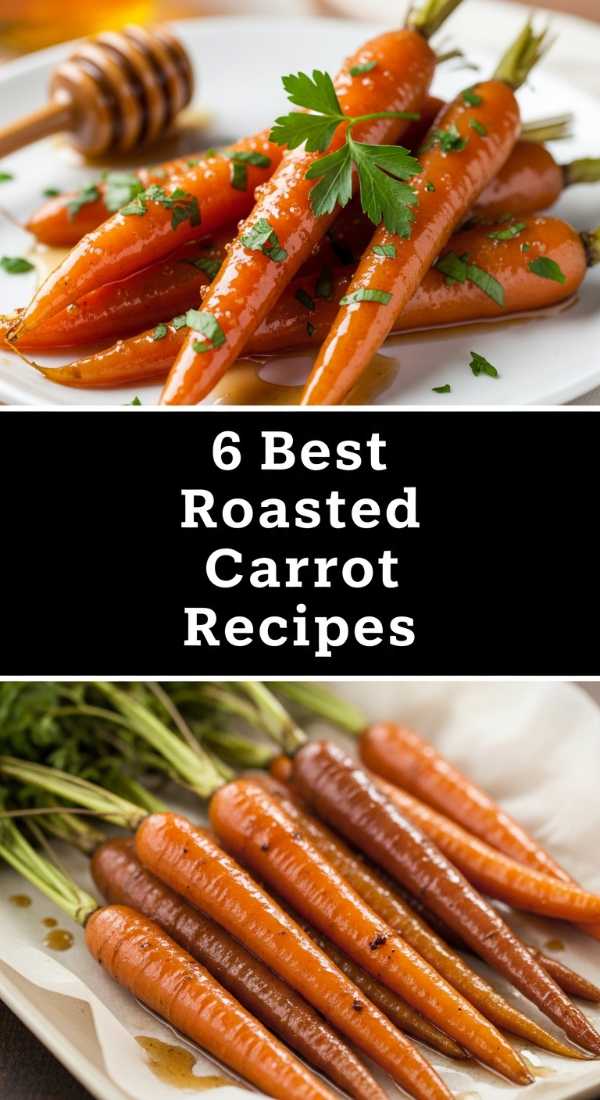
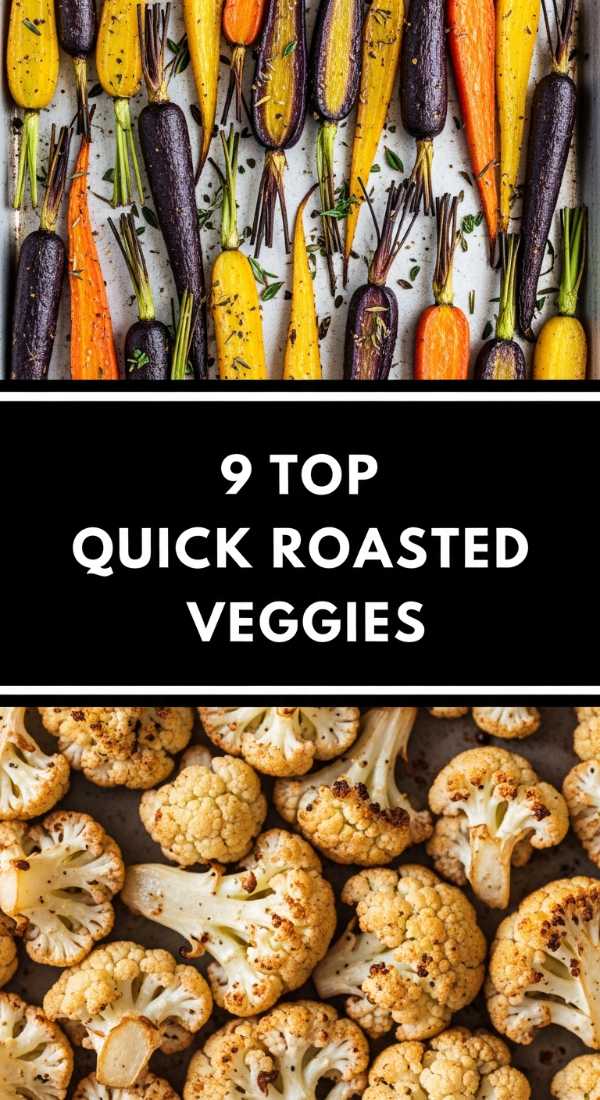
Glazed carrots are the candy of the vegetable world, and on a food board, they provide a stunning visual pop of bright orange and a necessary sweet counterpoint to more savory elements. We love how the natural sugars in the carrots caramelize alongside the glaze, creating a sticky, glossy finish that is absolutely irresistible. The texture is soft and yielding, with a flavor profile that hints at maple and spice. It’s a sophisticated side dish that feels like a treat, elevating the entire presentation with its jewel-like appearance and aromatic sweetness.
Ingredients
- 1 pound heirloom or bunch carrots, tops trimmed
- 2 tablespoons melted butter or avocado oil
- 2 tablespoons maple syrup or honey
- 1/2 teaspoon ground cinnamon
- A pinch of flaky sea salt
- Fresh parsley for garnish
How to make it
- Preheat the oven to 400°F (200°C). If using bunch carrots, leave about an inch of the green stems attached for a rustic, professional look that is perfect for a food board.
- In a small whisking bowl, combine the melted butter (or oil), maple syrup, cinnamon, and salt. Whisk until the glaze is emulsified and smooth.
- Place the carrots on a baking sheet and pour three-quarters of the glaze over them. Roll the carrots around to ensure they are fully coated. Arrange them in a single layer, ensuring they aren’t piled on top of each other.
- Roast for 20 minutes. At this point, remove the tray and brush the remaining glaze onto the carrots. This double-glazing technique creates a thicker, more lustrous coating that won’t all run off during the initial cook.
- Return to the oven for another 5-10 minutes until the carrots are tender when pierced with a fork and the glaze is bubbling and slightly reduced. Finish with a sprinkle of fresh parsley and a touch more flaky salt to balance the sweetness.
9 Quick Ways to Serve Roasted Vegetables (Step-by-Step Guide)
Why we love this
The serving phase is where the “viral” aspect of this food board truly comes to life. We love this because it’s an exercise in creativity and hospitality. Arranging the roasted gems with dips, nuts, and fresh herbs transforms a simple meal into a centerpiece of conversation. The sight of a bountiful board, steam still rising from the roasted roots, invites people to lean in and share. It’s an approachable way to eat that encourages sampling a little bit of everything, making the meal feel abundant, inclusive, and deeply aesthetic.
Ingredients
- A large wooden or stone serving board
- Assorted roasted vegetables
- 1 bowl of hummus or whipped feta
- Handful of toasted walnuts or pumpkin seeds
- Fresh mint and basil leaves
- Lemon wedges
How to make it
- Choose your vessel carefully. A large wooden board provides a warm, rustic feel, while a marble slab offers a modern, clean look. Ensure it is clean and dry before you begin.
- Start by placing your “anchor” items—usually small bowls of dips like hummus, tzatziki, or whipped feta—off-center on the board. These provide a focal point and a structural base to build around.
- Group your roasted vegetables by type to create “rivers” of color. Place the bright orange carrots in one section, the charred green broccoli in another, and the deep purple beets elsewhere. This color-blocking technique is what makes food boards look professional and appetizing.
- Fill in the gaps. Use toasted nuts, seeds, or even dried fruits like cranberries to fill any small empty spaces between the vegetable groupings. This adds variety in texture and prevents the board from looking sparse.
- Final touches: Drape fresh herbs over the vegetables and scatter lemon wedges around the perimeter. The herbs add a pop of living green and a fresh scent, while the lemons provide a functional element for guests who want an extra hit of acidity.
7 Flavorful Ways to Roast Broccoli (Step-by-Step Guide)

Why we love this
This method focuses on maximizing the internal flavor of the broccoli rather than just the toppings. We love it because it treats broccoli with the same respect as a fine steak; by using high heat and specific seasonings, you unlock a deep, nutty flavor that most people don’t realize broccoli possesses. The result is a vegetable that is tender yet toothsome, with a complex savory profile that stands entirely on its own. It’s a masterclass in how heat can fundamentally change the chemistry of a plant, turning it into something sophisticated and crave-worthy.
Ingredients
- 2 heads of broccoli, cut into large florets
- 3 tablespoons olive oil
- 1 tablespoon soy sauce or tamari
- 1 teaspoon toasted sesame oil
- 1 tablespoon sesame seeds
- 1 teaspoon ginger powder
How to make it
- Preheat your oven to 425°F (220°C). For this flavorful roast, we want a high heat to ensure the soy sauce glaze caramelizes quickly without making the broccoli soggy.
- In a large bowl, whisk together the olive oil, soy sauce, sesame oil, and ginger powder. The soy sauce provides the salt and umami, while the sesame oil adds a nutty depth.
- Toss the broccoli florets in the mixture until the “trees” have fully absorbed the liquid. The porous nature of broccoli is perfect for this liquid-based seasoning method.
- Spread on a baking sheet and roast for 18-22 minutes. You want to see the edges of the florets turning a dark, crispy brown. This is where the concentrated flavor lives.
- Once you remove them from the oven, immediately toss with sesame seeds while the oil is still sizzling. The seeds will toast slightly on contact and stick to the florets, adding a delightful crunch and a professional finish.
10 Unique Ways to Use Roasted Vegetable Soup (Step-by-Step Guide)

Why we love this
We love this because it encourages a “zero-waste” mindset while providing incredible culinary versatility. This soup isn’t just a meal in a bowl; it’s a base that can be reinvented in a dozen ways. Whether you’re using it as a decadent pasta sauce or a flavorful poaching liquid, it carries the soul of the roasted vegetables into new dimensions. The richness of the blended roast provides a complexity that store-bought stocks or sauces simply can’t match. It’s the ultimate kitchen hack for the modern home cook who wants to eat well across the entire week.
Ingredients
- 2 cups concentrated roasted vegetable soup
- 1/2 cup pasta water (if using for sauce)
- 1/4 cup grated pecorino cheese
- Fresh cracked black pepper
- Cooked pasta or grains
How to make it
- To use the soup as a pasta sauce, start by boiling your favorite pasta (like rigatoni or fusilli) in salted water. Reserve half a cup of the starchy pasta water before draining.
- In a large skillet over medium heat, add the concentrated roasted vegetable soup. If the soup is cold from the fridge, let it come to a slow simmer until it begins to bubble slightly.
- Add the cooked pasta and the reserved pasta water to the skillet. Toss vigorously. The starch in the water helps the soup “cling” to the pasta, creating a thick, restaurant-quality sauce.
- Turn off the heat and stir in the grated pecorino cheese and plenty of black pepper. The cheese adds a salty bite that perfectly complements the sweetness of the roasted vegetable base.
- Serve immediately with an extra drizzle of olive oil. This transformation takes less than 15 minutes and results in a meal that feels entirely different from the soup you started with.
5 Gourmet Ways to Season Roasted Carrots (Step-by-Step Guide)
Why we love this
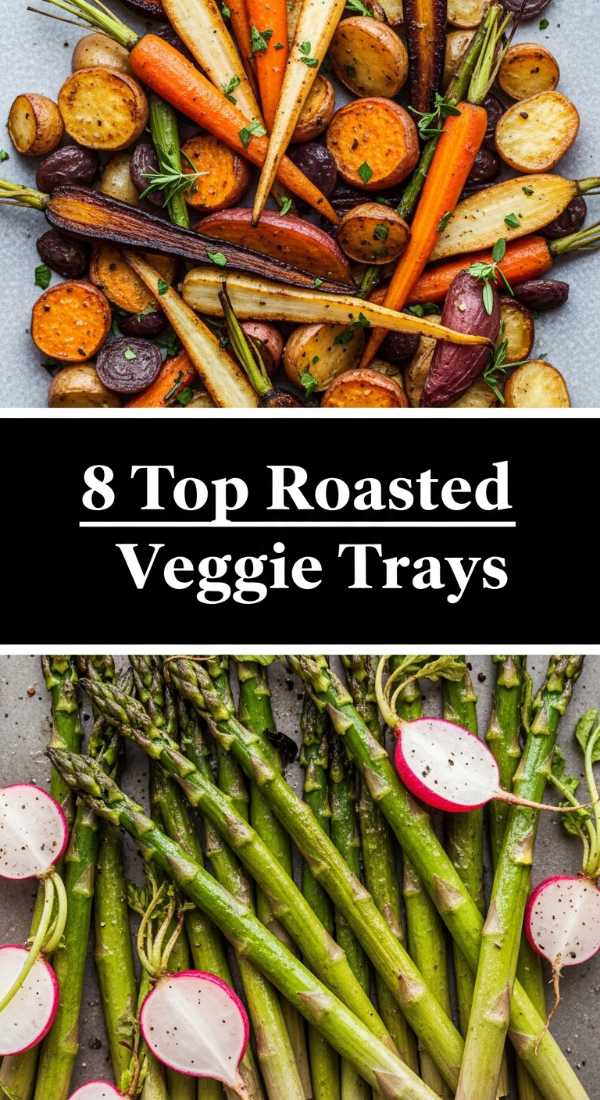
Carrots are the perfect canvas for gourmet experimentation because they balance sweet and earthy notes so beautifully. We love this approach because it moves beyond the basics, incorporating spices like cumin, coriander, or harissa to create a dish that feels like it belongs in a high-end bistro. The way the spices toast in the oven alongside the carrots creates an aromatic crust that is deeply fragrant and visually stunning. It’s an easy way to elevate your food board from “homemade” to “chef-inspired,” providing a complex flavor profile that surprises and delights the palate.
Ingredients
- 1 pound carrots (rainbow carrots are best for a gourmet look)
- 2 tablespoons olive oil
- 1 teaspoon ground cumin
- 1/2 teaspoon ground coriander
- 1/4 teaspoon Aleppo pepper or smoked paprika
- 2 tablespoons labneh or Greek yogurt for serving
How to make it
- Preheat your oven to 400°F (200°C). Scrub your carrots but leave them whole if they are slender; if they are thick, slice them lengthwise to ensure they cook through at the same rate.
- In a small bowl, mix the olive oil with the cumin, coriander, and Aleppo pepper. The goal is to create a spice paste that will coat the carrots evenly.
- Toss the carrots in the spice oil until they are vibrant and covered in the aromatic blend. Spread them on a baking sheet, giving them plenty of room to breathe.
- Roast for 25 minutes. Check for tenderness; the carrots should be soft enough to smash slightly with a fork but still hold their elegant shape. The spices should look toasted and dark.
- To serve, spread a thin layer of labneh or yogurt on your board or plate, and lay the hot carrots over the top. The cool, tangy dairy against the warm, spiced carrots is a classic gourmet pairing that never fails to impress.
8 Best Ways to Enjoy Roasted Vegetable Recipes (Step-by-Step Guide)
[IMAGE_10]
Why we love this
The best way to enjoy these recipes is with a sense of presence and community. We love this because it brings the focus back to the joy of eating—the sizzle of the pan, the steam rising from the board, and the shared experience of tasting something nourishing. Whether you are folding these vegetables into a warm grain bowl or eating them straight off the pan with your fingers, there is a primal satisfaction in consuming whole, roasted foods. It’s about more than just nutrition; it’s about the warmth and happiness that good food, prepared with care, brings into a home.
Ingredients
- A selection of your favorite roasted vegetables
- 1 cup cooked quinoa or farro
- A handful of arugula
- Lemon-tahini dressing
- Good company
How to make it
- The best way to enjoy these is by building a “nourish bowl.” Start with a base of warm, fluffy grains like quinoa or farro. This provides a hearty foundation for the roasted elements.
- Layer a generous portion of your mixed roasted vegetables over the grains. Combine different textures—crunchy broccoli, soft carrots, and sweet onions—to keep every bite interesting.
- Add a handful of fresh, peppery arugula. The raw greens provide a crisp contrast to the soft, roasted components and add a bright hit of vitamin C.
- Drizzle everything with a creamy lemon-tahini dressing. The nuttiness of the tahini pairs perfectly with the roasted notes of the vegetables, while the lemon juice wakes up all the flavors.
- Sit down, turn off your phone, and enjoy slowly. The ultimate way to enjoy these recipes is to savor the different temperatures and textures, appreciating the work that went into every charred edge and perfectly seasoned bite.
Conclusion
The viral food board trend isn’t just about pretty pictures; it’s about a return to simple, wholesome ingredients that make us feel good. By mastering the art of roasting, you can turn a bag of humble vegetables into a stunning, gourmet feast that brings people together. I hope these tips and recipes inspire you to clear off your biggest cutting board, preheat that oven, and create your own roasted masterpiece tonight. Happy roasting!