

Why This One Simple Food Board Trend is Taking Over Social Media
There is something inherently magical about a gathering where the food isn’t just served, but presented as a landscape for discovery. Lately, my social media feed has been flooded with a new kind of aesthetic: the Salmon Board. It’s a departure from the usual charcuterie, offering a vibrant, protein-packed, and surprisingly effortless way to feed a crowd while looking like a professional stylist. There’s a particular warmth that comes from sharing a board with friends, picking at perfectly flaky fish and zesty accompaniments as the sun sets.
The trend is taking over because it celebrates the versatility of salmon—a fish that can be sweet, spicy, creamy, or crispy depending on your mood. Whether it’s a lazy Sunday brunch or a sophisticated Friday night dinner, these boards bring a sense of communal joy back to the table. It’s about more than just the meal; it’s about the slow pace of building the perfect bite, the clinking of glasses, and the shared ‘oohs’ and ‘aahs’ over a beautifully glazed fillet. Let’s dive into the many ways you can master this star ingredient for your next viral board.
How to make salmon cakes?
Why we love this
Salmon cakes are the ultimate comfort food with a sophisticated twist, offering a satisfying crunch that gives way to a tender, savory interior. Imagine the aroma of fresh herbs and searing seafood wafting through your kitchen as these golden-brown patties sizzle in the pan. They provide a wonderful variety of textures for a food board, acting as the perfect vessel for a dollop of remoulade or a squeeze of charred lemon. Every bite is a harmonious blend of flaky fish and zesty seasoning that feels like a coastal holiday on a plate.
Ingredients
- 2 cups cooked salmon (flaked)
- 1/2 cup panko breadcrumbs
- 1 large egg (beaten)
- 2 tablespoons mayonnaise
- 1 tablespoon Dijon mustard
- 1/4 cup finely chopped red bell pepper
- 2 tablespoons fresh parsley, chopped
- 1/2 teaspoon garlic powder
- Salt and pepper to taste
- 2 tablespoons olive oil for frying
How to make it
- Begin by carefully flaking your cooked salmon into a large mixing bowl, ensuring you remove any stray bones or skin while keeping some chunks for texture.
- In a separate small bowl, whisk together the egg, mayonnaise, Dijon mustard, and garlic powder until the mixture is smooth and emulsified.
- Add the finely chopped red bell pepper and fresh parsley to the flaked salmon, then pour the wet mixture over the top, folding gently with a spatula.
- Sprinkle the panko breadcrumbs over the mixture and fold again until just combined; be careful not to over-mix, as this can make the cakes dense rather than light.
- Shape the mixture into 6 to 8 even-sized patties, pressing them firmly so they hold their shape, and place them on a parchment-lined plate to chill in the refrigerator for at least 30 minutes.
- Heat olive oil in a large non-stick skillet over medium heat until it shimmers, then carefully place the chilled patties into the pan.
- Fry the cakes for 3-4 minutes per side, watching for a deep golden-brown crust to form; use a wide spatula to flip them gently to prevent breaking.
- Once the cakes feel firm to the touch and are heated through, transfer them to a wire rack or paper towel to drain before serving hot on your board.
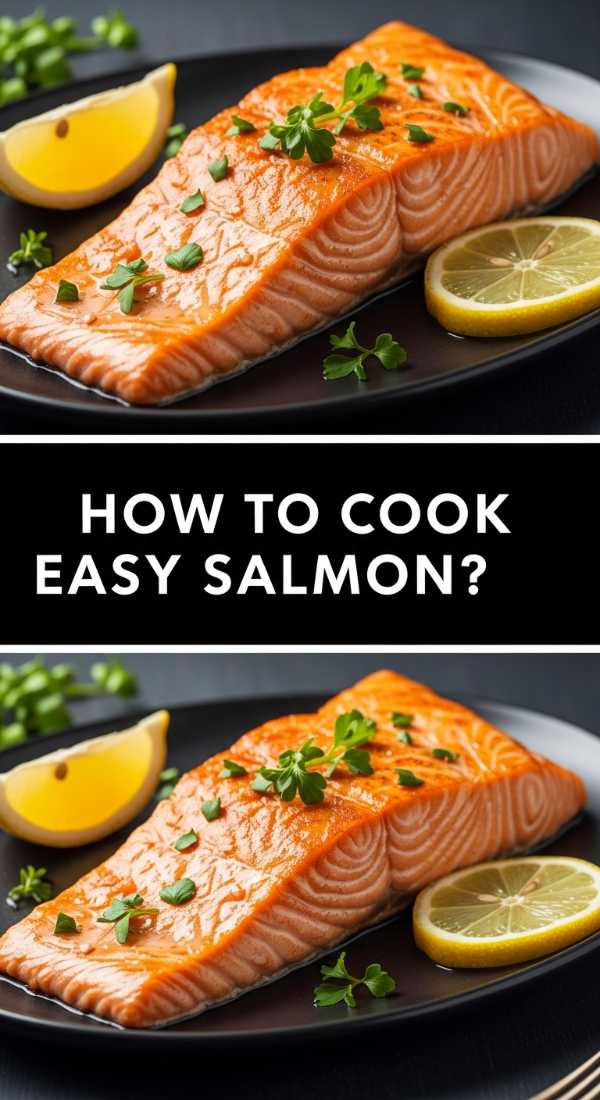
How to cook easy salmon?

Why we love this
The beauty of easy salmon lies in its elegant simplicity, highlighting the natural richness and buttery texture of the fish without any fuss. When cooked correctly, the skin becomes incredibly shattered-glass crisp while the flesh remains moist and translucent in the center. It’s the kind of dish that smells like clean sea air and fresh lemon, providing a neutral yet flavorful base that pairs beautifully with any vegetable or grain on your board. It’s proof that you don’t need a pantry full of ingredients to create a show-stopping center-piece.
Ingredients
- 2 large salmon fillets (6 oz each)
- 1 tablespoon extra virgin olive oil
- 1/2 teaspoon sea salt
- 1/4 teaspoon freshly cracked black pepper
- 1/2 lemon (for juice and zest)
How to make it
- Remove the salmon fillets from the refrigerator about 15-20 minutes before cooking to allow them to reach room temperature, which ensures even cooking throughout.
- Pat the skin and flesh side of the fish extremely dry using paper towels; moisture is the enemy of a crisp sear, so this step is crucial.
- Season both sides generously with sea salt and black pepper, pressing the seasoning into the flesh so it adheres well.
- Heat a heavy-bottomed stainless steel or cast-iron skillet over medium-high heat for 2 minutes, then add the olive oil, swirling to coat the bottom of the pan.
- Once the oil is shimmering and just beginning to smoke, place the salmon fillets skin-side down into the pan, pressing down lightly with a spatula for 10 seconds to prevent curling.
- Let the salmon cook undisturbed for about 4-5 minutes; you will see the color change from translucent pink to opaque beige creeping up the side of the fillet.
- Gently flip the salmon using a fish spatula and cook for an additional 1-2 minutes for a medium-rare to medium finish, depending on the thickness.
- Remove from the pan immediately and finish with a fresh squeeze of lemon juice and a sprinkle of zest to brighten the fats.
How to glaze honey salmon?
Why we love this
Honey-glazed salmon is a masterclass in the balance of sweet and savory, creating a glossy, lacquered finish that looks absolutely stunning on a viral food board. As the honey caramelizes under the heat, it forms a sticky, decadent coating that clings to every flake of the fish, releasing a deep, floral aroma. The sweetness of the honey perfectly offsets the natural oils of the salmon, resulting in a melt-in-your-mouth experience that is both indulgent and bright. It’s the kind of dish that has guests reaching for seconds before they’ve even finished their first bite.
Ingredients
- 4 salmon fillets
- 1/4 cup raw honey
- 2 tablespoons soy sauce
- 1 tablespoon lemon juice
- 1 teaspoon red pepper flakes
- 3 cloves garlic, minced
- 1 tablespoon olive oil
How to make it
- In a small bowl, whisk together the honey, soy sauce, lemon juice, minced garlic, and red pepper flakes until the honey is fully dissolved into the liquid.
- Heat olive oil in a large oven-safe skillet over medium-high heat until hot.
- Season the salmon fillets lightly with salt (keep in mind the soy sauce is salty) and place them flesh-side down in the hot skillet.
- Sear for 2-3 minutes until a light golden crust forms, then carefully flip the fillets so the skin side is down.
- Pour the honey mixture over the salmon, using a spoon to baste the tops of the fillets with the bubbling sauce.
- Transfer the skillet to a preheated oven at 400°F (200°C) and bake for about 5-7 minutes, basting once halfway through with the pan juices.
- The glaze should be thickened and sticky, and the salmon should flake easily with a fork; if the glaze is too thin, remove the salmon and simmer the sauce on the stovetop for 1 minute until syrupy.
- Serve with the remaining glaze drizzled over the top for maximum visual impact.
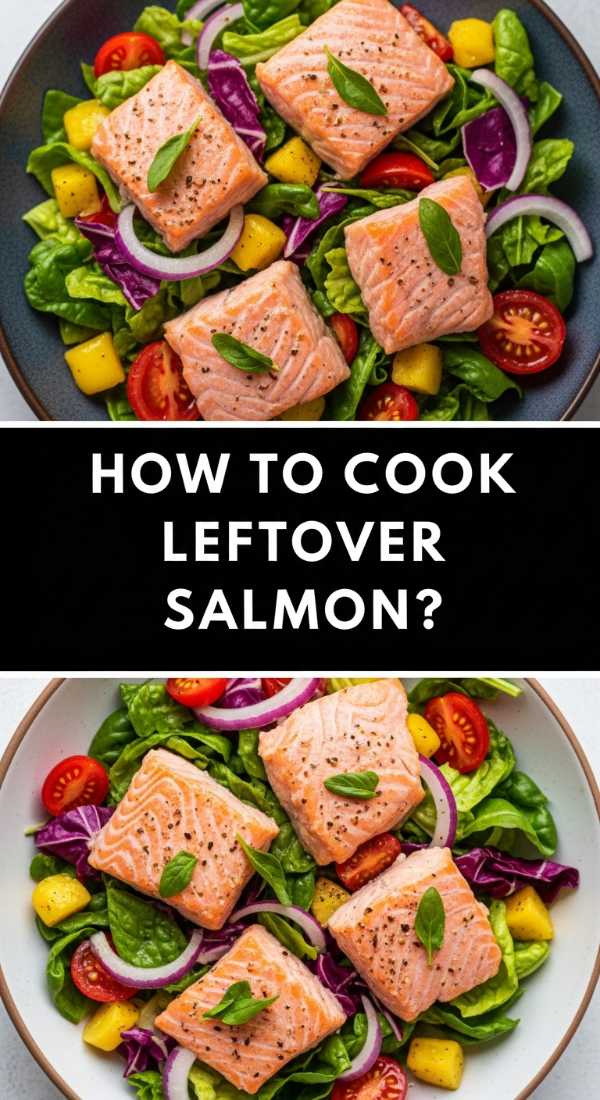
How to cook leftover salmon?
Why we love this
Repurposing leftover salmon is an art form that transforms yesterday’s dinner into today’s gourmet snack, ensuring not a single ounce of that precious protein goes to waste. The key is gentle reheating to preserve that silken texture, or better yet, using it cold to add a chilled, refreshing element to your food board. It brings a subtle, matured flavor that works incredibly well when flaked into salads, topped onto crackers, or folded into a creamy dip. It’s the ultimate sustainable kitchen hack that feels just as luxurious as a freshly cooked fillet.
Ingredients
- Leftover cooked salmon fillets
- 1 teaspoon water or broth (for reheating)
- Fresh dill or chives
- A dollop of Greek yogurt or creme fraiche
- Cucumber slices or crackers
How to make it
- If you prefer to eat the salmon warm, place the leftovers in a shallow baking dish and add a teaspoon of water or broth to create a small amount of steam.
- Cover the dish tightly with aluminum foil to trap the moisture and prevent the fish from drying out in the oven’s dry heat.
- Heat in a low-temperature oven at 275°F (135°C) for about 10-15 minutes, or until the internal temperature reaches 125°F.
- For a cold application, which is often better for boards, flake the chilled salmon into large, rustic chunks using two forks.
- Mix the flakes gently with a tablespoon of Greek yogurt and chopped fresh dill to create a light, chilled salmon salad.
- Alternatively, place the whole cold fillet on the board and surround it with crunchy elements like radish slices and seed crackers.
- Ensure you add a fresh hit of acid, like a lime wedge, to awaken the flavors of the stored fish.
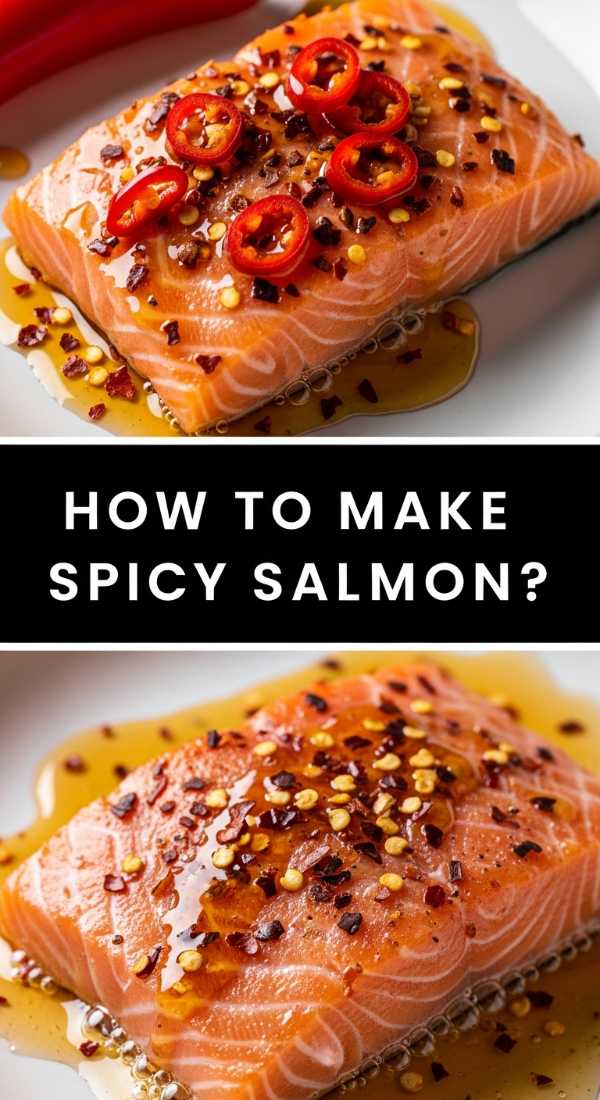
How to make spicy salmon?
Why we love this
Spicy salmon adds a thrilling kick to your food board, waking up the palate with a slow-burn heat that is deeply addictive. The combination of fiery chilies and the cooling richness of the fish creates a sensory rollercoaster that is enhanced by the smoky aroma of the grill or broiler. It’s a bold choice that stands out amongst milder board elements, offering a vibrant pop of red color and a complex flavor profile that lingers beautifully. This is for the diners who crave a little excitement and a lot of character in their meal.
Ingredients
- 2 salmon fillets
- 1 tablespoon Sriracha or Gochujang
- 1 tablespoon honey
- 1 teaspoon toasted sesame oil
- 1/2 teaspoon ground ginger
- 1 tablespoon lime juice
- Toasted sesame seeds for garnish
How to make it
- Prepare a spicy marinade by combining the Sriracha (or Gochujang), honey, sesame oil, ginger, and lime juice in a bowl, whisking until the texture is uniform.
- Coat the salmon fillets thoroughly in the marinade, ensuring all sides are covered, and let them sit for at least 15 minutes to allow the heat to penetrate the flesh.
- Preheat your broiler to high and line a baking sheet with foil, lightly greasing it to prevent the skin from sticking.
- Place the salmon on the baking sheet, skin-side down, and position the rack about 4-6 inches away from the heat source.
- Broil for 6-8 minutes, watching closely; the sugar in the honey and the chili paste will begin to char and bubble, creating a spicy crust.
- The salmon is done when the thickest part is opaque and the surface is slightly blackened in spots.
- Remove from the oven and immediately sprinkle with toasted sesame seeds and extra lime zest to contrast the heat.
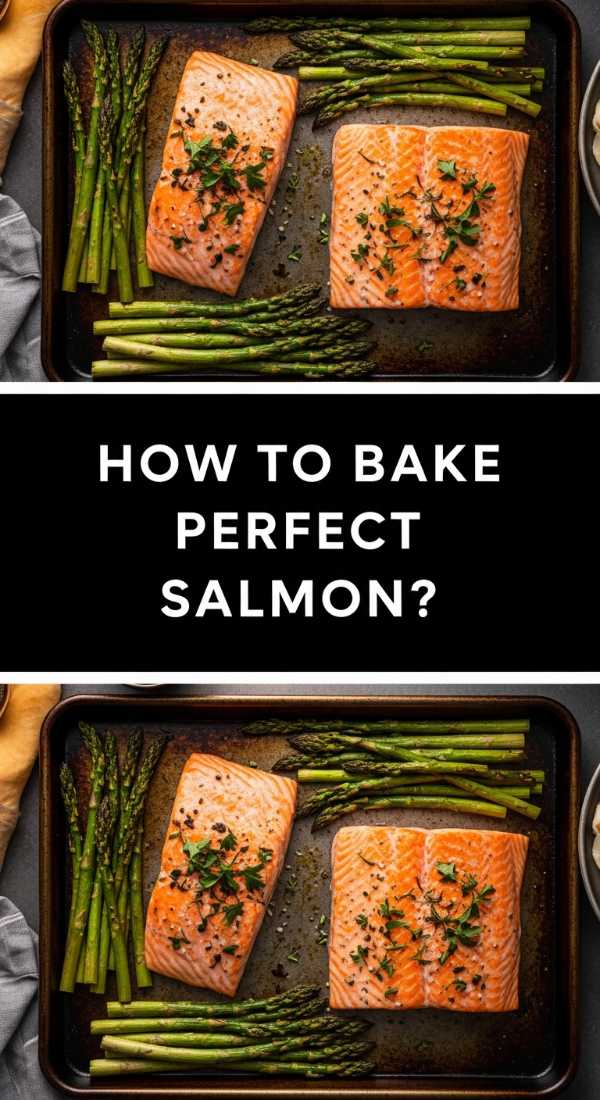
How to bake perfect salmon?
Why we love this
Baking is perhaps the most foolproof way to achieve a succulent, edge-to-edge perfection that makes salmon the star of any social media post. This method allows the heat to surround the fish evenly, resulting in a texture that is so soft it practically sighs under the pressure of a fork. The subtle scent of roasting herbs like rosemary or thyme fills the room, creating an atmosphere of cozy, homemade luxury. It’s a reliable technique that delivers consistent results, making it the ideal centerpiece for a large, crowded board where you want every piece to be flawless.
Ingredients
- 1 whole side of salmon (or individual fillets)
- 2 tablespoons softened butter or olive oil
- 1 lemon, thinly sliced into rounds
- 3 sprigs of fresh rosemary or thyme
- 4 cloves of garlic, smashed
- Kosher salt and cracked black pepper
How to make it
- Preheat your oven to 375°F (190°C) and line a large rimmed baking sheet with parchment paper or a silicone mat.
- Place the salmon side or fillets on the prepared sheet and pat the surface dry with a paper towel.
- Rub the softened butter or olive oil over the entire surface of the fish, ensuring a generous coating that will keep the moisture locked in.
- Season aggressively with kosher salt and black pepper, then scatter the smashed garlic cloves around the fish.
- Lay the thin lemon slices across the top of the salmon in an overlapping pattern; this not only adds flavor but protects the delicate flesh from direct heat.
- Tuck the herb sprigs under the lemon slices or around the sides of the fish.
- Bake for 12-15 minutes for fillets, or 18-22 minutes for a whole side, aiming for an internal temperature of 135°F for a perfect medium.
- Allow the fish to rest for 5 minutes before moving it to your board; this allows the juices to redistribute for a tender bite.
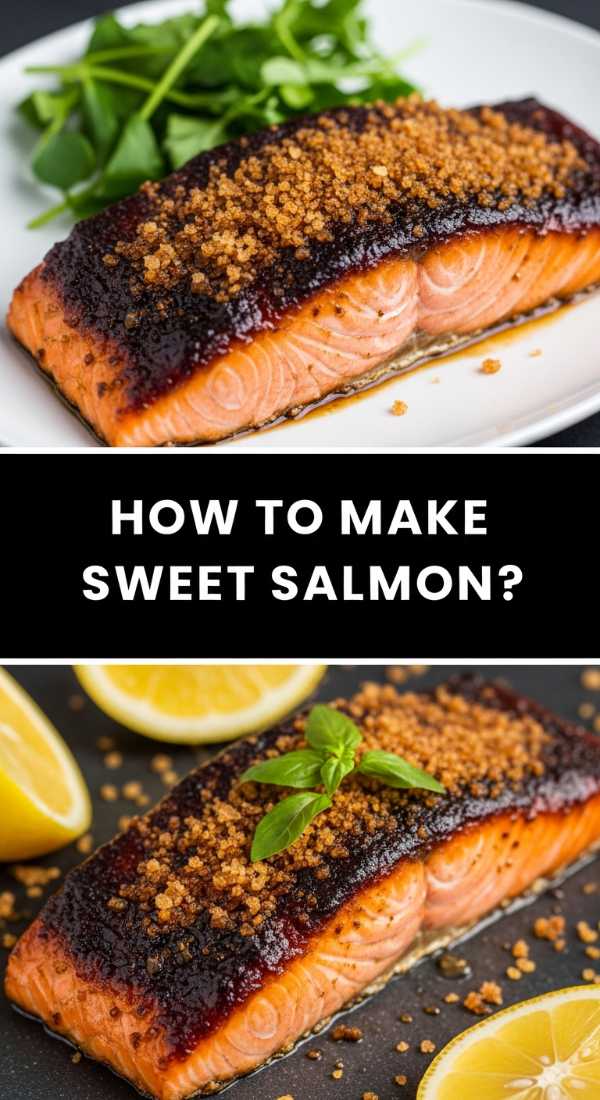
How to make sweet salmon?
Why we love this
Sweet salmon is like the dessert of the main course world, featuring a dark, caramelized brown sugar crust that crackles slightly before giving way to tender fish. The aroma is reminiscent of a campfire or a high-end steakhouse, where the sweetness is tempered by a hint of smokiness and salt. It’s an unexpected delight that pairs incredibly well with sharp cheeses or acidic pickles on a food board, providing a flavor bridge that satisfies every craving. This version of salmon is always a hit with kids and adults alike, making it a versatile board essential.
Ingredients
- 2 salmon fillets
- 3 tablespoons dark brown sugar
- 1 teaspoon smoked paprika
- 1/2 teaspoon onion powder
- 1/2 teaspoon salt
- 1 tablespoon melted butter
How to make it
- In a small bowl, mix the dark brown sugar, smoked paprika, onion powder, and salt together until no lumps of sugar remain.
- Brush the tops of the salmon fillets with a thin layer of melted butter; this acts as the “glue” for your sweet rub.
- Press the sugar mixture firmly onto the flesh side of the salmon, creating a thick, even layer of seasoning.
- Place the salmon on a baking tray and let it sit for 5 minutes; you will notice the sugar starts to dissolve and form a wet paste.
- Bake in a preheated oven at 400°F (200°C) for 10-12 minutes.
- For the final minute of cooking, turn on the broiler to high to further caramelize the sugar until it bubbles and darkens to a deep mahogany color.
- Watch it like a hawk during the broiling phase, as the high sugar content can go from caramelized to burnt very quickly.
- Serve with a side of creme fraiche to balance the intense sweetness.
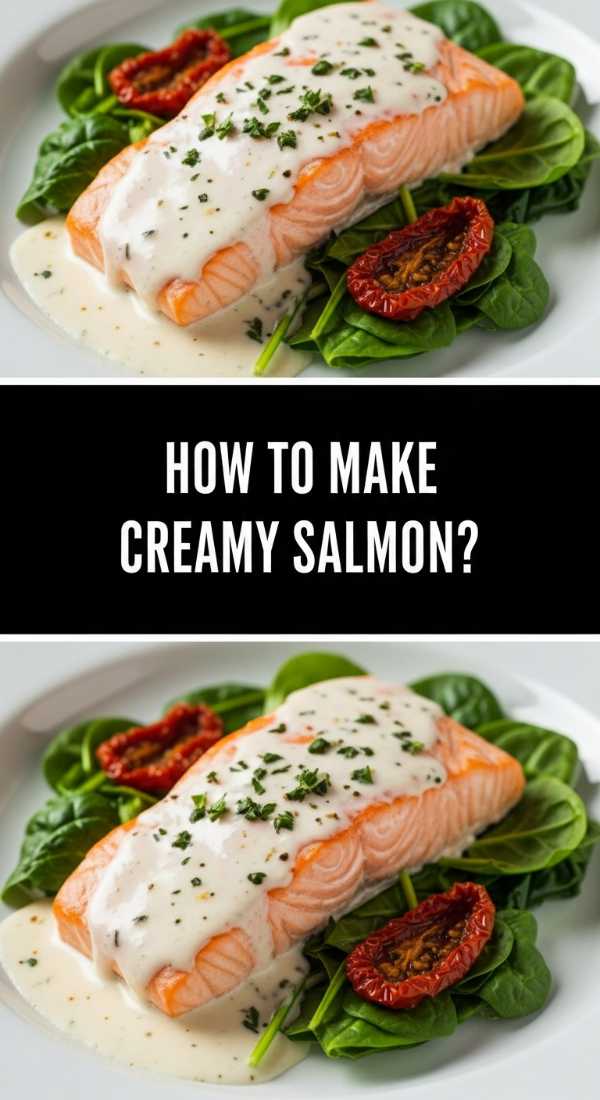
How to make creamy salmon?
Why we love this
Creamy salmon is the epitome of decadence, featuring a rich, velvety sauce that bathes the fish in a luxurious embrace of garlic and parmesan. The texture is incredibly lush, with the sauce seeping into the flakes of the salmon to create a dish that feels like a warm hug on a plate. The aroma of simmering cream and sautéed garlic is intoxicating, drawing everyone to the table before the board is even finished. It adds a sophisticated, saucy element to your spread that is perfect for dipping crusty bread or swirling with roasted vegetables.
Ingredients
- 2 salmon fillets
- 1/2 cup heavy cream
- 1/4 cup freshly grated Parmesan cheese
- 2 cups fresh baby spinach
- 2 cloves garlic, minced
- 1 tablespoon butter
- 1/4 cup dry white wine (optional)
How to make it
- Season the salmon with salt and pepper and sear in a pan with butter over medium heat for 4 minutes per side until just cooked through.
- Remove the salmon from the pan and set it aside on a warm plate.
- In the same pan, add the minced garlic and sauté for 30 seconds until fragrant but not browned.
- Deglaze the pan with the white wine, scraping up any browned bits (fond) from the bottom, and let it reduce by half.
- Lower the heat and pour in the heavy cream, bringing it to a gentle simmer.
- Whisk in the Parmesan cheese until the sauce is smooth and slightly thickened.
- Add the fresh spinach to the sauce, stirring until it has wilted into the creamy liquid.
- Return the salmon fillets to the pan, spooning the sauce over them to reheat for 1 minute before transferring the whole mixture to a shallow bowl on your food board.
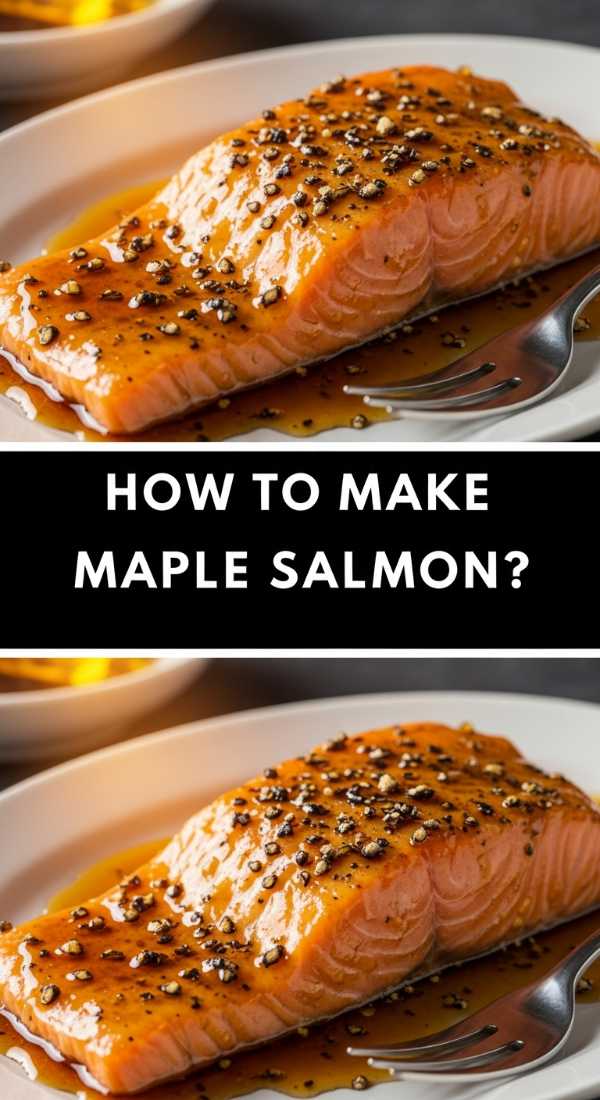
How to make maple salmon?
Why we love this
Maple salmon brings a touch of woodland sweetness to the board, using real maple syrup to create a glaze that is earthy, woody, and subtly floral. The way the maple syrup thickens into a glossy sheen under the heat is visually stunning, catching the light and making the salmon look jewel-like. It pairs exceptionally well with the rich, fatty notes of the fish, and when combined with a bit of grainy mustard, it creates a sophisticated flavor profile that feels quintessentially autumnal. It’s a gentle, natural sweetness that highlights the best qualities of the salmon.
Ingredients
- 4 salmon fillets
- 1/3 cup pure maple syrup (Grade A is best)
- 2 tablespoons whole grain Dijon mustard
- 1 tablespoon apple cider vinegar
- 1/2 teaspoon smoked sea salt
- Fresh thyme for garnish
How to make it
- In a small saucepan, combine the maple syrup, Dijon mustard, and apple cider vinegar.
- Simmer the mixture over low heat for 3-5 minutes until it reduces slightly and becomes thick enough to coat the back of a spoon.
- Place your salmon fillets on a baking sheet lined with foil and brush them generously with about half of the maple reduction.
- Season with the smoked sea salt, which complements the woody notes of the syrup perfectly.
- Bake at 400°F (200°C) for 10 minutes.
- Remove from the oven, brush with the remaining half of the glaze, and bake for an additional 2-3 minutes to set the final layer.
- The finished salmon should have a deep amber glow and a sticky, fragrant exterior.
- Garnish with fresh thyme leaves to add a herbal top note that cuts through the sugar.
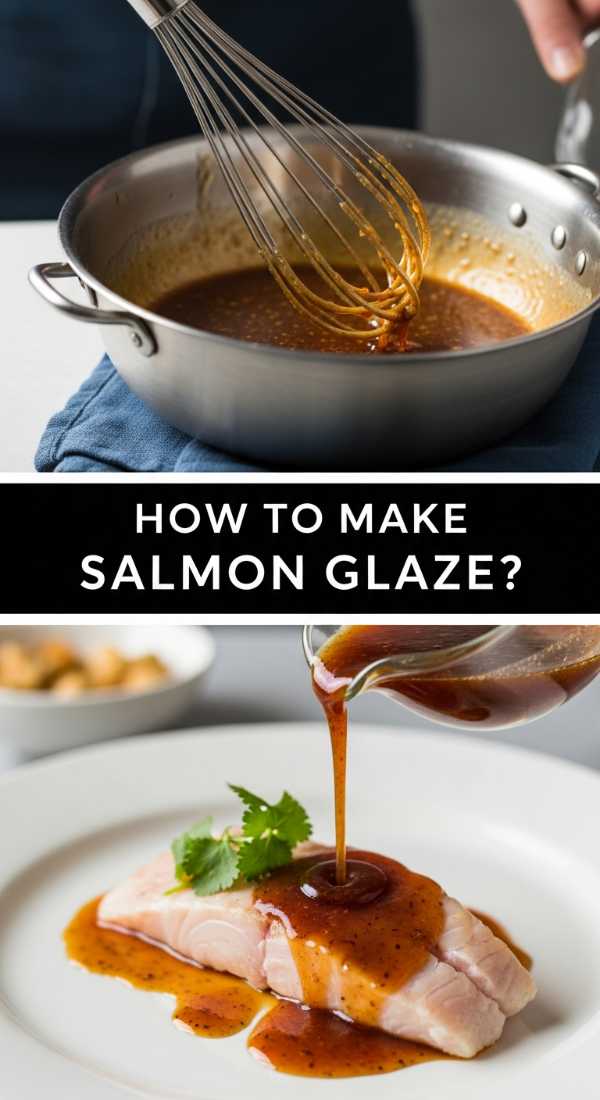
How to make salmon glaze?
[IMAGE_10]
Why we love this
A great salmon glaze is the secret weapon of any food stylist, providing that high-definition shine and concentrated burst of flavor that defines a viral dish. It’s the finishing touch that ties all the elements of a board together, whether it’s a tangy balsamic reduction or a bright citrus ginger syrup. The texture of a well-made glaze is silky and viscous, coating the fish in a way that looks intentional and professional. It transforms a simple piece of fish into a culinary event, adding layers of acidity and sweetness that dance on the tongue.
Ingredients
- 1/2 cup balsamic vinegar (or orange juice for a citrus version)
- 2 tablespoons honey or agave
- 1 tablespoon soy sauce
- 1 teaspoon grated fresh ginger
- 1/2 teaspoon cornstarch (optional for extra thickness)
How to make it
- Combine the vinegar (or juice), honey, soy sauce, and ginger in a small saucepan over medium heat.
- Whisk the ingredients together as they come to a boil, then immediately reduce the heat to a low simmer.
- Allow the liquid to simmer uncovered for 8-10 minutes; you are looking for it to reduce in volume by about half.
- If you want an exceptionally thick, jam-like glaze, whisk a teaspoon of cornstarch with a teaspoon of cold water and stir it into the simmering liquid for the last 30 seconds.
- The glaze is ready when it is thick enough to coat a spoon and leaves a clear path when you run your finger through it on the back of the spoon.
- Let the glaze cool for a few minutes before using; it will continue to thicken as the temperature drops.
- Drizzle the glaze over freshly cooked salmon in a zig-zag pattern for a professional look, or serve it in a small dipping bowl on the side of your board.
The Final Flourish for Your Food Board
Creating a viral food board is about more than just the recipe; it’s about the narrative you build with your ingredients. By incorporating different textures and flavors of salmon—from the crunch of a cake to the silkiness of a glaze—you create a dining experience that invites conversation and lingering. Remember to fill the gaps on your board with colorful radishes, briny capers, creamy avocado, and plenty of fresh herbs to keep the aesthetic vibrant. Now, take a photo, share it with the world, and then put the phone away to enjoy every delicious bite with the people you love.
Frequently Asked Questions
Whether you’re a seasoned chef or a first-time host, cooking salmon for a crowd can bring up a few questions. Here are the most common queries to help you master the board.