

We’ve all had those evenings where the thought of a formal three-course meal feels like a mountain we just can’t climb. There is a specific kind of magic in the ‘snack board’—a gathering of flavors, textures, and colors that invites everyone to lean in, linger, and pick at their favorites. Lately, my kitchen has been less about plated perfection and more about these sprawling, gorgeous boards that turn simple ingredients into a viral sensation.
The secret to why everyone is obsessed with this ultra-simple snack board isn’t just the ease; it’s the way it bridges the gap between a quick bite and a gourmet experience. Whether you’re hosting a few friends or just trying to survive a Tuesday, these components—from spicy drizzles to savory mini-bowls—create a tapestry of comfort that feeds the soul as much as the belly. Let’s dive into the elements that make this board the talk of the internet.
How to make authentic Japanese Ramen?

Why we love this
There is nothing quite like the steam rising from a bowl of authentic ramen, carrying the scent of toasted sesame, fermented soy, and slow-simmered broth. It provides a deeply grounding sensory experience, where the chewy resilience of the noodles meets the creamy, golden yolk of a marinated egg. Each slurp is a warm hug that balances salty umami with a delicate sweetness, making it the ultimate centerpiece for a cozy, interactive meal that feels both sophisticated and incredibly nourishing.
Ingredients
- 2 packs high-quality ramen noodles
- 4 cups pork or chicken bone broth
- 2 tbsp soy sauce
- 1 tbsp mirin
- 2 cloves garlic, minced
- 1 inch ginger, grated
- Toppings: Soft-boiled egg, nori, scallions, chashu pork or tofu
How to make it
- Start by infusing your base: In a large pot, sauté the minced garlic and grated ginger in a splash of oil over medium-low heat until fragrant, ensuring they don’t brown or become bitter.
- Pour in your bone broth and bring to a gentle simmer. Once simmering, whisk in the soy sauce and mirin to build that signature deep, savory depth of flavor.
- Let the broth simmer for at least 20 minutes on low heat to allow the aromatics to fully integrate; the liquid should reduce slightly and become more concentrated.
- While the broth simmers, boil a separate pot of water and cook your ramen noodles according to the package instructions, usually about 2-3 minutes, then drain immediately to prevent them from becoming mushy.
- Prepare your soft-boiled eggs by boiling room-temperature eggs for exactly 6 minutes and 30 seconds, then immediately plunging them into an ice bath for easy peeling and a jammy center.
- Assemble the bowls by placing a portion of noodles in the bottom, ladling the piping hot broth over them, and arranging your toppings artistically on top before serving immediately.
How to cook easy dinners?
Why we love this
The beauty of an easy dinner lies in the lack of friction between your hunger and your first bite. We love recipes that utilize a single sheet pan or pot, filling the house with the aroma of roasting vegetables and caramelized proteins without leaving a mountain of dishes behind. It’s that satisfying feeling of a ‘win’—a meal that tastes like it took hours of effort but was actually the result of smart shortcuts and high-quality seasonal produce.
Ingredients
- 1 lb Italian sausages (sweet or spicy)
- 1 bell pepper, sliced
- 1 red onion, wedged
- 1 cup cherry tomatoes
- 2 tbsp olive oil
- 1 tsp dried oregano
- Salt and pepper to taste
How to make it
- Preheat your oven to 400°F (200°C) and line a large rimmed baking sheet with parchment paper to ensure easy cleanup and prevent sticking.
- Toss the sliced bell peppers, red onions, and cherry tomatoes in a large bowl with the olive oil, oregano, salt, and pepper until everything is evenly coated and glistening.
- Spread the vegetables out in a single layer on the baking sheet, making sure not to overcrowd them so they roast and caramelize rather than steam.
- Nestle the whole sausages among the vegetables, piercing the casings slightly with a fork to allow excess fat to render out and flavor the veggies.
- Roast in the center of the oven for 25-30 minutes; you’ll know it’s done when the sausages are browned and have reached an internal temperature of 160°F, and the tomatoes have burst into a jammy sauce.
- Finish with a squeeze of fresh lemon juice or a sprinkle of fresh parsley to brighten the heavy roasted flavors before serving directly from the pan.
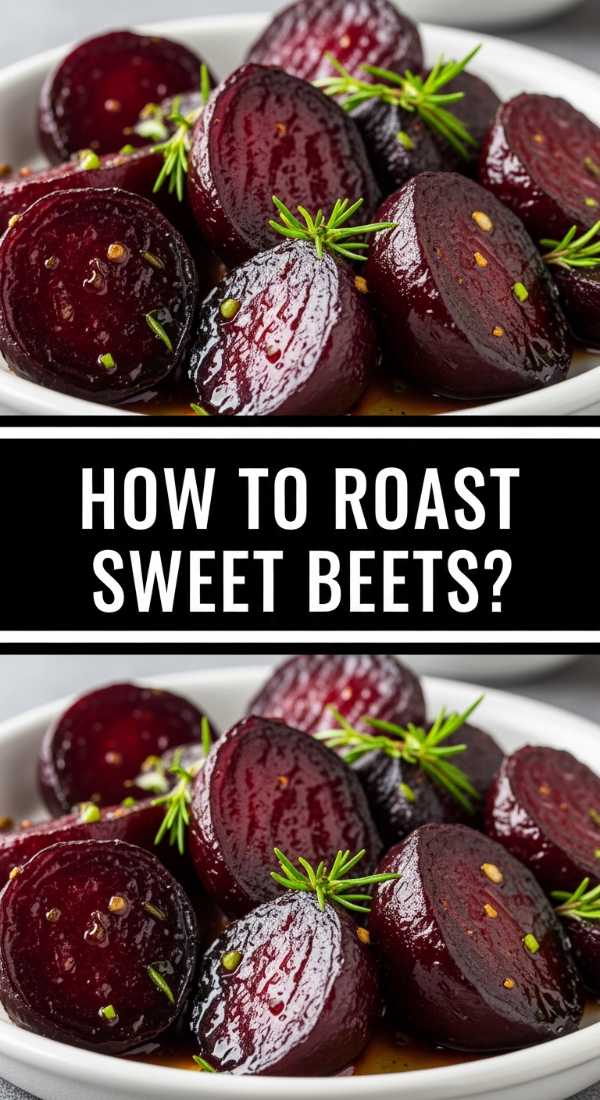
How to roast sweet beets?

Why we love this
Roasting beets transforms them from a humble, earthy root into jewels of concentrated sweetness that melt in your mouth. The aroma is reminiscent of a garden after the rain, a deep muskiness that becomes sophisticated when paired with the char of a hot oven. We love the vibrant, bleeding colors they bring to a snack board, offering a visual pop that signals health, vitality, and a gourmet sensibility that belies how simple they are to prepare.
Ingredients
- 3-4 medium beets (red or golden)
- 2 tbsp olive oil
- 1/2 tsp sea salt
- Fresh thyme sprigs
How to make it
- Trim the leafy tops off the beets, leaving about an inch of the stem to prevent the color from ‘bleeding’ too much during the cooking process.
- Scrub the beets thoroughly under cold water to remove any dirt or grit, then pat them completely dry with a kitchen towel.
- Place each beet on a square of aluminum foil, drizzle with a little olive oil, and sprinkle with sea salt and a sprig of fresh thyme for aroma.
- Fold the foil tightly around the beets to create individual packets that will trap steam and cook the beets through while the oven heat caramelizes the exterior.
- Roast at 400°F (200°C) for 45 to 60 minutes; the exact time depends on the size of the beets, so check for doneness by piercing through the foil with a knife—it should slide in like butter.
- Allow the packets to cool for 10 minutes, then use a paper towel to rub the skins off easily; they should slip right off, revealing the glossy, tender beet underneath.
How to make one pot pasta?

Why we love this
One pot pasta is a revelation in texture, as the noodles release their starch directly into the sauce, creating a silky, luxurious coating that you just can’t get with traditional methods. The scent of garlic and basil infusing the water as it boils creates an anticipation that builds throughout the ten-minute cook time. It’s the ultimate lazy-luxe dish—minimal effort resulting in a velvety, restaurant-quality meal that feels incredibly indulgent and comforting.
Ingredients
- 12 oz linguine or spaghetti
- 1 can (15 oz) diced tomatoes
- 1 small onion, thinly sliced
- 4 cloves garlic, thinly sliced
- 1/2 tsp red pepper flakes
- 2 sprigs basil
- 4 1/2 cups water or vegetable broth
- 2 tbsp extra virgin olive oil
How to make it
- In a large, wide straight-sided skillet or a shallow pot, place the dry pasta, tomatoes (with their juices), onion, garlic, red pepper flakes, basil, oil, and 2 teaspoons of salt.
- Pour the water or broth over the ingredients, ensuring the liquid covers the pasta as much as possible from the start.
- Bring the mixture to a boil over high heat, then immediately reduce to a medium-high simmer, keeping the liquid bubbling steadily.
- While the pasta cooks, use tongs to frequently turn and move the noodles, which prevents sticking and ensures they cook evenly in the shallow liquid.
- Cook for about 9 minutes, or until the pasta is al dente and the liquid has reduced into a thick, creamy sauce that clings to the strands.
- Remove from heat, discard the basil sprigs, and toss in a handful of freshly grated Parmesan cheese and a drizzle of oil before serving while hot and glossy.
How to make hot honey?

Why we love this
Hot honey is the condiment that launched a thousand food trends, and for good reason—it’s a masterclass in the balance of fire and floral sweetness. The golden, viscous liquid catches the light beautifully on a snack board, promising a sticky, spicy kick that elevates everything from sharp cheddar to crispy wings. We love the tingle it leaves on the tongue and the way the chili heat builds slowly, softened by the mellow, soothing notes of the honey.
Ingredients
- 1 cup clover or wildflower honey
- 2 tbsp dried red chili flakes
- 1 tsp apple cider vinegar (optional)
How to make it
- Place the honey and the dried chili flakes in a small saucepan over medium-low heat; do not use high heat, as honey burns easily and will lose its delicate floral notes.
- Stir constantly as the honey heats up; watch for small bubbles forming around the edges, but do not let it reach a full, rolling boil.
- Once the honey is hot and fluid (after about 3-5 minutes), remove the pan from the heat and let it sit for at least 10 minutes to allow the chili heat to infuse deeply.
- Taste a small drop; if you want more heat, let it steep longer. If it’s perfect, add the apple cider vinegar to provide a tiny acidic backbone that cuts through the sugar.
- Strain the honey through a fine-mesh sieve into a clean glass jar if you prefer a clear syrup, or leave the flakes in for a rustic, extra-spicy aesthetic.
- Store at room temperature in a sealed container; it will stay fresh and punchy for months, ready to be drizzled over anything and everything.
How to prepare Japanese curry?

Why we love this
Japanese curry is the ultimate soul food, characterized by its thick, velvety texture and a flavor profile that is more savory and sweet than its spicy Indian counterparts. The aroma is intoxicating—a blend of turmeric, cumin, and stewed fruits—that makes a kitchen feel like a sanctuary. We love it for its hearty, ‘stew-like’ consistency that pairs perfectly with a side of fluffy rice or crusty bread on a diverse food board, offering a deep, dark umami that is impossible to resist.
Ingredients
- 1 box Japanese curry roux (like S&B Golden Curry)
- 1 lb beef chuck or chicken thighs, cubed
- 2 carrots, chopped
- 2 potatoes, cubed
- 1 large onion, sliced
- 3 cups water
- 1 tbsp oil
How to make it
- Heat the oil in a heavy-bottomed pot or Dutch oven over medium-high heat and sear your meat cubes until they are browned on all sides, then remove and set aside.
- In the same pot, add the onions and sauté until they are translucent and just beginning to caramelize, picking up the browned bits of meat from the bottom of the pan.
- Add the carrots and potatoes to the pot, returning the meat as well, and pour in the water, bringing the mixture to a boil.
- Skim off any foam or impurities that rise to the surface with a spoon, then reduce the heat to low, cover, and simmer for about 20 minutes until the vegetables are fork-tender.
- Break the curry roux blocks into small pieces and add them to the pot; stir constantly until the roux is completely dissolved and no clumps remain.
- Simmer uncovered for another 5-10 minutes on very low heat; the sauce will magically thicken into a rich, glossy gravy that coats the back of a spoon.
How to bake tender chicken?

Why we love this
Perfectly baked chicken is a staple for a reason: when done right, it features a golden, crackling skin and meat so succulent it practically falls apart. The scent of roasting poultry paired with rosemary or lemon is a classic domestic comfort that instantly makes a meal feel grounded. We love it because it’s a blank canvas for flavors, providing a high-protein anchor to the snack board that satisfies the hungriest guests while remaining light and elegant.
Ingredients
- 2 lbs chicken thighs (bone-in, skin-on for best flavor)
- 2 tbsp melted butter
- 1 tsp garlic powder
- 1 tsp smoked paprika
- Salt and freshly ground black pepper
- Fresh rosemary sprigs
How to make it
- Preheat your oven to 425°F (220°C); a high temperature is crucial for rendering the fat in the skin to create that sought-after crispy texture.
- Pat the chicken thighs extremely dry with paper towels; any moisture left on the skin will cause the chicken to steam rather than crisp.
- In a small bowl, mix the melted butter with garlic powder, smoked paprika, salt, and pepper to create a flavor-packed basting liquid.
- Brush the mixture generously over every inch of the chicken, making sure to get some under the skin if possible for maximum seasoning of the meat.
- Place the chicken in a roasting pan, skin-side up, and scatter fresh rosemary sprigs around the pieces to infuse the air and the fats with herbal notes.
- Bake for 25-30 minutes, or until the internal temperature reaches 165°F (74°C) and the skin is a deep, burnished gold; let it rest for 5 minutes before serving to allow the juices to redistribute.
How to make beet salad?

Why we love this
A beet salad is a masterclass in contrast—the earthy, sweet notes of the beets playing against the sharp tang of goat cheese and the bright acidity of a citrus vinaigrette. It’s physically beautiful, with colors ranging from deep magenta to creamy white, making it a visual highlight of any spread. We love the refreshing crunch of toasted walnuts against the tender beets, creating a sensory playground that cleanses the palate between heavier bites.
Ingredients
- 4 roasted beets, sliced into wedges
- 4 oz soft goat cheese, crumbled
- 2 cups baby arugula
- 1/4 cup toasted walnuts
- Vinaigrette: 3 tbsp olive oil, 1 tbsp balsamic vinegar, 1 tsp honey
How to make it
- Start by preparing your vinaigrette: whisk together the olive oil, balsamic vinegar, and honey in a small jar until emulsified and slightly thickened.
- Place the baby arugula in a large, shallow serving bowl and lightly toss with just a tablespoon of the dressing to give it a subtle sheen without wilting the leaves.
- Arrange the roasted beet wedges over the bed of arugula, spacing them out to showcase their vibrant color against the green.
- Sprinkle the crumbled goat cheese evenly over the top; the warmth of the beets (if they are still slightly warm) will soften the cheese just enough to make it creamy.
- Scatter the toasted walnuts over the salad for a necessary textural element that provides a nutty, savory crunch.
- Drizzle the remaining dressing over the beets and cheese just before serving to ensure the flavors remain bright and the presentation stays clean.
How to cook one pot stew?

Why we love this
There is a primitive satisfaction in a one-pot stew, where hours of slow simmering transform tough cuts of meat and humble vegetables into a cohesive, velvety masterpiece. The aroma fills the entire home, smelling of red wine, thyme, and patience. We love the way the flavors deepen and marry overnight, making this the perfect make-ahead component for a snack board that offers a warm, hearty dip-like experience for chunks of toasted baguette.
Ingredients
- 1.5 lbs beef stew meat, cubed
- 3 carrots, sliced
- 2 stalks celery, chopped
- 1 large onion, diced
- 2 tbsp tomato paste
- 1 cup dry red wine
- 2 cups beef broth
- 2 sprigs thyme
How to make it
- In a large Dutch oven, brown the beef cubes in batches over medium-high heat with a bit of oil, ensuring each piece gets a dark, flavorful crust.
- Remove the beef and add the onions, carrots, and celery to the pot, cooking until they soften and the onions become translucent.
- Stir in the tomato paste and cook for 2 minutes, allowing it to darken and lose its raw metallic taste, which builds the base of the stew’s color.
- Deglaze the pan with the red wine, scraping up all the ‘fond’ (the browned bits) from the bottom of the pot with a wooden spoon.
- Return the beef and its juices to the pot, add the beef broth and thyme, and bring to a very gentle simmer.
- Cover tightly and cook on low heat (or in a 300°F oven) for 2.5 to 3 hours, until the beef is fork-tender and the liquid has thickened into a rich, dark gravy.
How to make honey wings?
[IMAGE_10]
Why we love this
Honey wings are the ultimate crowd-pleaser, striking that perfect chord between sweet, salty, and sticky. There’s a playful, tactile joy in eating them, and the glossy sheen of the honey glaze under the kitchen lights is enough to make anyone’s mouth water. We love the way the honey caramelizes in the oven, creating little charred bits of sugar that pop with flavor, making them the most requested item on any viral food board.
Ingredients
- 2 lbs chicken wings (flats and drumettes)
- 1/4 cup honey
- 2 tbsp soy sauce
- 1 tbsp sriracha (optional)
- 1 tsp garlic powder
- Toasted sesame seeds for garnish
How to make it
- Preheat your oven to 400°F (200°C) and place a wire rack over a baking sheet; this allows air to circulate around the wings so they get crispy on all sides.
- Toss the wings in a bowl with a little oil, salt, and garlic powder, then arrange them in a single layer on the wire rack.
- Bake the wings for 35-40 minutes, turning them halfway through, until they are golden brown and the skin is rendered and crisp.
- While the wings bake, whisk together the honey, soy sauce, and sriracha in a small saucepan over low heat until the mixture is thin and well-combined.
- Once the wings are done, toss them immediately in a large bowl with the warm honey glaze until every nook and cranny is coated in the sticky sauce.
- Return the coated wings to the rack for 2-3 minutes in the oven to ‘set’ the glaze, then garnish with sesame seeds and serve while they are hot and tacky.
The Final Spread: Bringing it All Together
The magic of the ultra-simple snack board is that it doesn’t require you to be a master chef; it just requires a love for good flavors and a bit of creativity. By combining these different elements—the warmth of the ramen, the crunch of the wings, and the earthiness of the beets—you create a dining experience that feels curated and intentional. It’s about more than just food; it’s about the memories made while sharing a plate. So grab your biggest wooden board, pick a few of these recipes, and get ready to see why the internet can’t stop talking about this effortless way to eat.
Frequently Asked Questions
Still have questions about building the perfect board? We’ve got you covered with the most common tips and tricks to make your next gathering a success.