

Why Everyone is Obsessed with This Low-Maintenance Indoor Jungle
Have you ever walked into a room and felt your shoulders instantly drop two inches? There is something primal and deeply soothing about being surrounded by lush, green life. Lately, our homes have become more than just places to sleep; they are our sanctuaries, our offices, and our personal retreats. The ‘Indoor Jungle’ trend isn’t just about aesthetics; it’s about reclaiming a connection to nature that we often lose in the hustle of modern life.
I remember the first time I brought home a simple pothos. I was convinced I’d kill it within a week, but watching that first new leaf unfurl felt like a tiny miracle. Since then, my collection has grown into a vibrant, living tapestry that cleans the air and quiets my mind. Today, I’m sharing how you can bring that same magic into every corner of your life, from your front porch to your backyard campsite, without the stress of high-maintenance chores.
How to Design Stunning Flower Beds in Front of House for Instant Curb Appeal
Why we love this
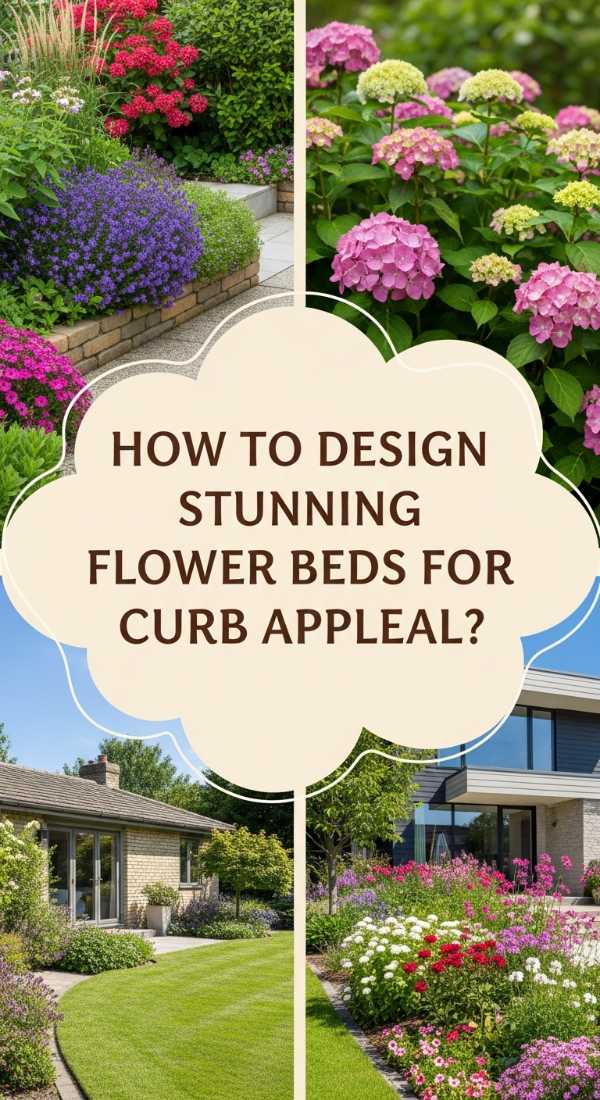
There is nothing quite like the sensory explosion of a well-designed front flower bed greeting you at the end of the day. Imagine the sweet, honey-like fragrance of alyssum drifting through the air, while the velvety texture of dusty miller leaves contrasts against the sharp, vibrant petals of purple salvia. The visual rhythm of varying heights and colors creates a welcoming energy that makes your home feel loved and alive. It’s an invitation to slow down and appreciate the delicate beauty of seasonal blooms against the sturdy backdrop of your architecture.
Essential Elements:
- Layered perennials (various heights)
- Evergreen shrubs for year-round structure
- Natural wood mulch or dark river stones
- Defined edging (brick, stone, or crisp metal)
- Slow-release organic fertilizer
How to make it
- Begin by sketching a ‘wave’ pattern for your beds; curved lines look more natural and high-end than straight ones. Use a garden hose to lay out the shape on the grass before cutting.
- Remove all sod and weeds from the area. Use a sharp spade to create a 4-inch deep trench along the edge for a professional ‘V’ cut look.
- Amend your soil with 3 inches of high-quality compost. Work it into the top 6 inches of soil using a garden fork to ensure proper drainage and nutrient density.
- Place your tallest plants (like ornamental grasses or hydrangeas) at the back, mid-sized plants in the center, and low-growing groundcovers at the front. Space them according to their ‘mature size’ rather than their current size.
- Dig holes twice as wide as the root balls. Tease the roots gently before placing them in the ground, ensuring the top of the root ball is level with the soil surface.
- Apply a 2-3 inch layer of mulch to retain moisture and suppress weeds, taking care not to let the mulch touch the actual stems of the plants.
How to Build a Safe DIY Duck Enclosure for Happy Backyard Pets

Why we love this
Ducks bring a whimsical, joyful energy to any backyard with their rhythmic waddling and soft, conversational quacks. Watching them splash in clean water provides a meditative quality that rivals any water feature, and their feathers often have an iridescent sheen that catches the sunlight beautifully. A safe enclosure gives you peace of mind, knowing your feathered friends are tucked away from predators in a space that smells of fresh straw and clean cedar. It is a rustic, charming addition to a sustainable lifestyle that yields both companionship and fresh eggs.
Essential Elements:
- Hardware cloth (1/2 inch gauge for predator proofing)
- Pressure-treated lumber or cedar for the frame
- Slanted roof with shingles or corrugated metal
- Easy-clean flooring (vinyl or thick rubber mats)
- Secure latching system (raccoon-proof carabiners)
How to make it
- Level the ground where the coop will sit. Build a rectangular base frame using 4×4 treated posts, ensuring it is perfectly square by measuring diagonally from corner to corner.
- Erect the wall studs using 2×4 lumber, spacing them 16 inches apart. Leave a large opening for a human-sized clean-out door and a smaller ‘duck door’ for their daily exit.
- Install a slanted roofline to allow for rain runoff. Attach plywood sheathing followed by a waterproof underlayment and metal roofing panels for longevity.
- Wrap the entire structure—including the floor if it’s a raised coop—in hardware cloth. Secure it with heavy-duty fencing staples every 3 inches to prevent predators from squeezing through.
- Inside, install a wide ramp with traction slats for the ducks to enter easily. Their joints are sensitive, so the incline should be gentle.
- Line the floor with removable vinyl remnants. This allows you to hose out the enclosure in minutes, maintaining a fresh environment and preventing the buildup of ammonia.
How to Create Fun Mud Kitchen Rock Food for Endless Creative Play

Why we love this
There is a tactile joy in smooth river stones transformed into ‘gourmet’ garden treats. The cool, heavy weight of the stones in a child’s hand combined with the vibrant colors of acrylic paint sparks a world of imaginative play that smells like damp earth and fresh air. These permanent ‘ingredients’ won’t rot or attract pests, allowing the ‘mud kitchen’ to stay open for business all season long. It’s a wonderful way to blend art and nature, creating a play space that feels organic and timeless.
Essential Elements:
- Smooth, flat river rocks (various sizes)
- Outdoor-rated acrylic paint pens
- UV-resistant clear sealant (matte or glossy)
- Set of paintbrushes (fine tip for details)
- A basket or wooden crate for storage
How to make it
- Scrub your rocks with warm soapy water to remove all dirt and oils. Let them dry completely in the sun; any moisture trapped in the stone will cause the paint to bubble later.
- Apply a base coat of white paint if you are making light-colored foods like eggs or citrus slices. This makes the top colors pop.
- Using a pencil, lightly sketch the shapes of pepperoni for pizza rocks, seeds for strawberry rocks, or slices for bread rocks.
- Apply the acrylic paint in thin layers. For a realistic look, use a stippling technique (dotting the paint) to create textures like the skin of a potato or the crust of a pie.
- Wait for the paint to dry for at least 4 hours. Once dry, apply two coats of an outdoor clear sealer. This ensures the ‘food’ can withstand rain and mud during playtime.
- Present the rocks in a wooden bowl or cast iron skillet to complete the mud kitchen aesthetic.
How to Choose Two Tone Deck Color Ideas for a Sophisticated Outdoor Space

Why we love this
A two-tone deck adds an architectural depth that a single-color stain simply can’t match. The contrast between a dark, chocolatey perimeter and a lighter, honey-toned main floor creates a visual frame that makes the space feel like a high-end outdoor living room. Underfoot, the smooth grain of the wood feels grounded and warm, while the darker railings provide a crisp silhouette against the green of the garden. It transforms a functional platform into a curated design statement that feels intentional and luxurious.
Essential Elements:
- High-quality semi-transparent stain
- Solid color stain (for contrast areas)
- Power washer and stiff scrub brush
- Painter’s tape (multi-surface)
- Lambswool applicator or high-density rollers
How to make it
- Deep clean the deck using a wood-safe oxygen bleach solution and a power washer on a low setting. You want the wood pores open to accept the new pigment.
- Sand the entire surface once dry with 80-grit sandpaper to remove any loose fibers and create a perfectly smooth surface for the stain.
- Apply the lighter ‘field’ color first to the main floorboards. Work in the direction of the grain, completing two boards at a time from end to end to avoid lap marks.
- Once the main floor is completely dry (usually 24-48 hours), use high-quality painter’s tape to mask off the edges where the second color will meet the first.
- Apply the darker ‘accent’ color to the picture-frame border, the stairs, and the railings. Use a brush for the railings to ensure every nook and cranny is coated.
- Check for ‘puddling’ after 15 minutes and wipe away any excess stain with a lint-free rag to ensure an even, professional finish that won’t peel.
How to Plan Low Maintenance Flower Bed Ideas for a Stress Free Garden
Why we love this
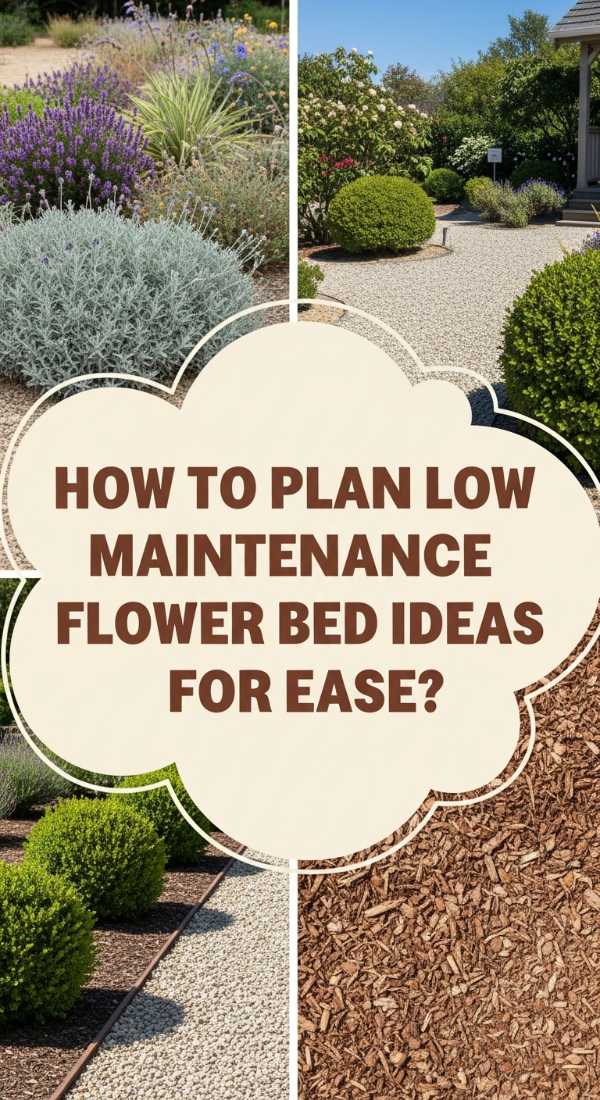
The true luxury of a low-maintenance garden is the ability to enjoy it without a ‘to-do’ list running through your head. Imagine sitting on your porch, surrounded by the structural beauty of blue-green hostas and the airy movement of ornamental grasses, knowing they require almost zero intervention. The scent of damp cedar mulch and the sight of hardy, self-sufficient perennials create a serene environment where the focus is on relaxation rather than labor. It is a garden that gives back more than it takes.
Essential Elements:
- Native plant species (climate adapted)
- Drought-tolerant perennials (Sedum, Coneflower)
- Slow-growing evergreen shrubs
- Woven weed barrier fabric (commercial grade)
- Automated drip irrigation system
How to make it
- Select plants that are native to your specific hardiness zone. These plants have evolved to thrive in your local soil and weather without extra watering or fertilizers.
- Group plants with similar water and light needs together (hydro-zoning). This prevents overwatering some while underwatering others.
- Install a high-quality weed barrier fabric over the prepared soil. Cut ‘X’ shapes into the fabric only where you intend to plant, keeping the rest of the soil covered.
- Install a simple drip irrigation kit with a timer. This delivers water directly to the roots, reducing water waste and preventing the fungal issues often caused by overhead spraying.
- Incorporate ‘hardscaping’ elements like large boulders or decorative gravel paths. These take up space that would otherwise need planting and weeding.
- Finish with a thick 3-inch layer of wood chips. As these break down, they improve the soil while keeping the garden looking tidy and preventing weed seeds from germinating.
How to Style Wildflower Centerpieces Round Table for Rustic Dinner Parties

Why we love this
Wildflowers on a round table break up the formality of a dinner party with a sense of whimsical, untamed beauty. The sight of delicate Queen Anne’s Lace mingling with bold sunflowers and wispy grasses creates a centerpiece that feels like it was gathered during a sunrise stroll. The organic, asymmetrical shapes encourage conversation to flow naturally, while the faint, grassy aroma reminds guests of the simple pleasures of the countryside. It turns a meal into a curated experience that feels both humble and deeply sophisticated.
Essential Elements:
- Assorted glass jars and vintage bottles
- Freshly foraged wildflowers and greenery
- Floral shears (sharp and clean)
- Floral frog or chicken wire for structure
- Natural linen table runner
How to make it
- For a round table, keep the arrangement low or very airy so guests can see each other across the table. The highest point should ideally be below eye level when seated.
- Fill your vessel with cool water and a pinch of sugar. If using a wide-mouthed bowl, create a grid across the top using clear floral tape or a crumpled piece of chicken wire.
- Start with your ‘filler’ greenery (like ferns or eucalyptus) to establish the shape and volume of the arrangement. Let some pieces spill over the edge of the vase.
- Add your ‘focal’ flowers—the largest or brightest blooms—in an odd-numbered grouping (3 or 5) near the center but slightly offset for a natural look.
- Thread in ‘whispy’ elements like cosmos or grasses at varying heights. These should look like they are ‘dancing’ above the heavier blooms.
- Strip all leaves that would sit below the water line to prevent bacterial growth, which keeps the water clear and the flowers fresh for the duration of your party.
How to Arrange a Cute Campsite Setup for a Magical Nature Retreat

Why we love this
A ‘cute’ campsite is about blending the ruggedness of the outdoors with the comforts of a boutique hotel. The smell of woodsmoke and pine needles is enhanced when you’re wrapped in a chunky knit throw, lounging on a weather-resistant rug under a canopy of warm fairy lights. It creates a magical pocket of light in the darkness, making the forest feel cozy rather than daunting. This setup transforms a simple night under the stars into a sensory-rich retreat that feels like a hidden escape from the digital world.
Essential Elements:
- Battery-operated string lights or lanterns
- Outdoor rugs and floor cushions
- Cozy textiles (wool blankets, faux fur)
- Folding wooden side tables
- Enamelware mugs and a French press
How to make it
- Choose a flat, well-drained spot for your tent. Sweep away any large rocks or sticks before laying down a heavy-duty tarp (footprint) to keep the tent floor dry and clean.
- Layer the inside of the tent with an insulated sleeping pad, followed by a fitted sheet and a real duvet. Adding a few decorative throw pillows makes it feel like a bedroom.
- Define the ‘living area’ outside the tent by laying down a large woven plastic outdoor rug. This keeps dirt out of the tent and provides a barefoot-friendly zone.
- String warm-toned LED fairy lights between trees or along the tent’s guy lines. Use clips or zip ties to secure them, ensuring they are high enough to walk under.
- Set up a ‘coffee and snack’ station on a folding wooden crate. Pre-fill a French press with grounds and keep a thermal carafe of hot water ready for a slow, beautiful morning.
- Place a few battery-powered lanterns around the perimeter of your rug to create a ‘glow’ that defines the space and provides safety lighting without the harsh glare of headlamps.
How to Apply Pink Spring Wallpaper for a Refreshing Bedroom Glow Up

Why we love this
There is a specific kind of morning light that hits a pale pink wall and makes the entire room feel like it’s blushing. A soft spring wallpaper—perhaps with a delicate botanical or a subtle linen texture—wraps the bedroom in a warmth that feels both sophisticated and playful. It creates a soft backdrop for crisp white bedding and warm wood tones, evoking the feeling of a garden in early bloom. The room becomes a sanctuary that feels eternally bright, regardless of the weather outside.
Essential Elements:
- Non-pasted or peel-and-stick wallpaper
- Wallpaper paste (if needed) and a reservoir
- Smoothing tool (squeegee or brush)
- Precision utility knife with snap-off blades
- Level and measuring tape
How to make it
- Prep your walls by wiping them down with a damp cloth to remove dust. Fill any small holes with spackle and sand them flat; even tiny bumps will show through the wallpaper.
- Measure the height of the wall and add 2 inches to both the top and bottom. Cut your first strip, ensuring the pattern is oriented correctly.
- Use a level to draw a perfectly vertical ‘plumb line’ on the wall where your first strip will go. Never rely on the corner of the room, as walls are rarely perfectly straight.
- Apply the paste to the back of the paper (or the wall, if the paper instructions specify). If using peel-and-stick, peel back only the top 12 inches to start.
- Align the edge of the paper with your plumb line. Use a smoothing tool to push out air bubbles, working from the center of the strip outward to the edges.
- Use a fresh, sharp blade to trim the excess paper at the ceiling and baseboard. Change your blade every 2-3 strips to ensure clean, snag-free cuts for a professional finish.
How to Install DIY Outdoor Shower Ideas Simple for a Luxury Backyard
Why we love this
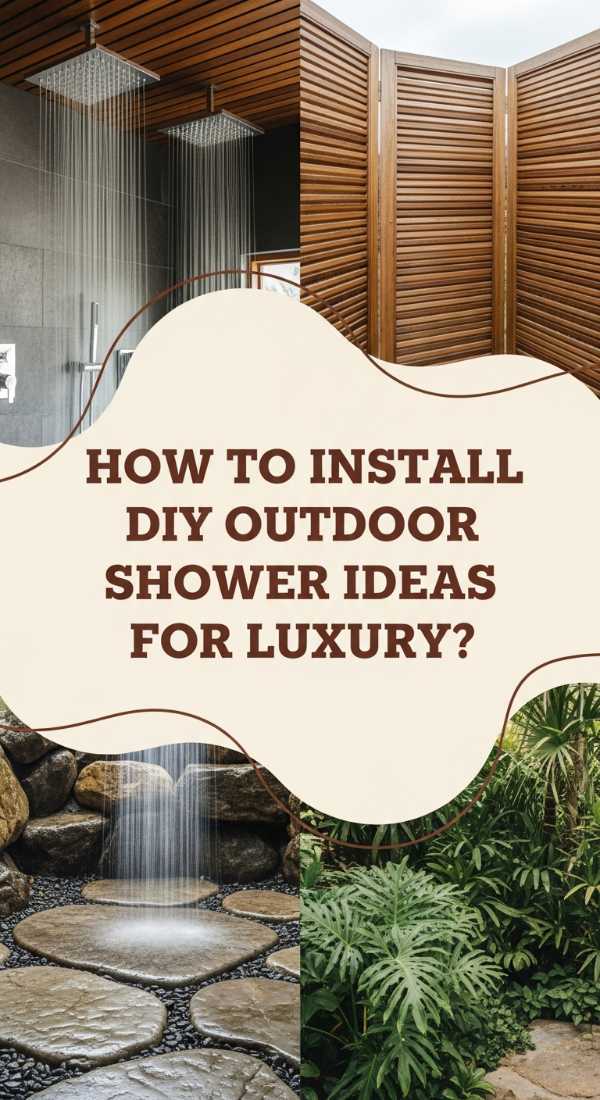
Stepping into an outdoor shower is the ultimate summer indulgence. The sensation of cool water against skin while the sun warms your shoulders and a light breeze rustles the nearby leaves is pure bliss. It smells of eucalyptus and cedarwood, creating a spa-like atmosphere in the comfort of your own yard. Whether it’s for rinsing off after a pool day or a full moonlit soak, it adds a layer of vacation-style luxury to your everyday routine that feels incredibly grounding.
Essential Elements:
- Wall-mounted outdoor shower kit (stainless steel)
- Cedar or teak floor decking (slatted for drainage)
- High-quality garden hose or PEX piping
- Privacy screen (wood slats or outdoor fabric)
- Brass hooks for towels and robes
How to make it
- Identify a location with good drainage and access to a water source. A south-facing wall is ideal as the sun will naturally warm the pipes and the showering area.
- Build a simple drainage base by digging a 12-inch deep hole, filling it with 8 inches of coarse gravel, and topping it with a slatted cedar floor mat. This prevents mud buildup.
- Mount the shower fixture to a sturdy post or the side of the house. Use stainless steel screws to prevent rust streaks on your siding.
- Connect the fixture to your outdoor faucet using a heavy-duty, lead-free garden hose or for a more permanent solution, run PEX piping from your home’s water line.
- Install a privacy enclosure. A ‘U’ shaped frame with horizontal cedar slats spaced 1/2 inch apart provides privacy while still allowing airflow and light to pass through.
- Add a small wooden bench and a few weather-resistant hooks. Hanging a bundle of fresh eucalyptus from the showerhead adds a therapeutic aroma every time the hot water hits it.
How to Execute Professional Landscaping Ideas for a High End Home

Why we love this
Professional landscaping is the ‘couture’ of the home world; it’s about precision, balance, and intentionality. We love the way a perfectly manicured lawn meets the crisp edge of a stone walkway, or how uplighting transforms a simple oak tree into a dramatic sculpture after dark. It creates a sense of permanence and prestige. The textures of flagstone, the velvet of a lawn, and the structured silhouettes of boxwoods work together to create an environment that feels expensive, curated, and deeply serene.
Essential Elements:
- Natural stone pavers (flagstone or bluestone)
- Low-voltage LED landscape lighting
- Mature ‘specimen’ plants for immediate impact
- Steel or stone permanent edging
- Uniform mulch (black or dark brown)
How to make it
- Create a master plan that focuses on ‘sightlines.’ Stand at your front door and look out; every element should lead the eye toward a focal point, like a specimen tree or a water feature.
- Invest in ‘hardscaping’ first. Install walkways using a 4-inch compacted gravel base and a 1-inch sand setting bed to ensure the stones never shift or crack over time.
- Use ‘repetition’ to create a high-end look. Planting the same species of shrub in a long, clean row creates a formal, expensive aesthetic found in luxury estates.
- Install a professional lighting system. Use ‘uplights’ for trees, ‘path lights’ for walkways, and ‘wash lights’ for the facade of the house. This ensures the design looks stunning 24/7.
- Incorporate ‘specimen’ plants—larger, more mature trees or shrubs. While more expensive, they provide the immediate scale and ‘established’ feel that smaller pots lack.
- Apply a top-tier finishing touch with steel edging. It provides the thinnest, cleanest line between your lawn and beds, a hallmark of professional-grade landscaping.
Conclusion
Creating a home that feels like a lush, low-maintenance retreat is about more than just buying a few plants; it’s about designing moments of peace into your everyday life. Whether you are painting rocks for a mud kitchen or installing a luxury outdoor shower, these projects allow you to interact with your environment in a way that is creative and restorative. Your home is your canvas—don’t be afraid to let it grow wild and beautiful.