

Whimsical & Timeless: Why Vintage Florals Are This Year’s Biggest Bedroom Trend
There is something inherently soul-soothing about the way a vintage floral print can transform a cold, modern space into a sanctuary that feels like a warm hug from the past. When you walk into a bedroom adorned with faded roses and sprawling ivy patterns, the noise of the digital world seems to fade away, replaced by the quiet charm of a countryside cottage. It is a trend that celebrates history, comfort, and the undeniable beauty of nature, inviting us to slow down and savor the simple ritual of rest.
In a world of minimalist greys and stark whites, the resurgence of the vintage floral aesthetic serves as a rebellious embrace of maximalism and romanticism. It’s about more than just aesthetics; it’s about creating an atmosphere that feels lived-in and loved. Whether it is the soft tactile sensation of 300-thread-count cotton or the visual harmony of dusty pinks and sage greens, this trend is proving that what was once old is not only new again but is essential for our modern well-being.
How to Style Vintage Floral Bedding for a Nostalgic Sanctuary
Why we love this
Styling vintage florals is like painting a masterpiece where the canvas is your mattress and the palette is a collection of memories. There is a profound sense of peace that comes from the visual rhythm of repeating blossoms, which mimics the natural growth found in an English garden. When you dive into these sheets, you aren’t just sleeping; you are cocooning yourself in a textured landscape of soft cotton and whispered history, where the faint scent of dried lavender seems to linger in every fold and crease of the fabric.
Essential Elements:
- Faded rose or wildflower print duvet cover
- Mismatched ruffled pillowcases
- A quilted throw in a solid pastel shade
- Antique-style bolster pillows
How to make it
- Begin by clearing the bed entirely to start with a fresh ‘canvas,’ ensuring your mattress protector is taut and clean.
- Lay down a high-quality fitted sheet in a creamy ivory or eggshell white to provide a neutral base that lets the florals pop.
- Spread the vintage floral duvet cover evenly across the bed, ensuring the pattern is centered; for a professional ‘plump’ look, use an insert that is one size larger than the cover.
- Fold the top third of the duvet back toward the foot of the bed to expose the underside, creating a layered, inviting look.
- Arrange your primary sleeping pillows upright against the headboard, then layer your floral shams in front, finishing with a small decorative bolster in a contrasting velvet.
- Drape a hand-knitted or quilted throw across the bottom corner at a 45-degree angle, allowing it to pool slightly on the floor for that ‘effortlessly chic’ visual cue.
How to Create a Floral Bedroom Aesthetic for Refreshing Mornings
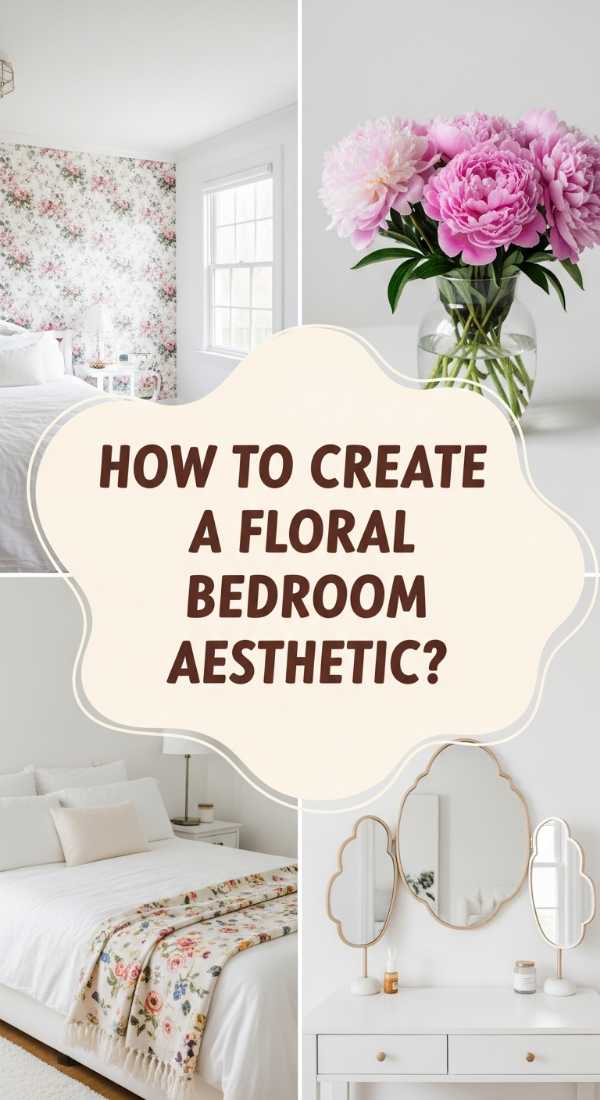
Why we love this
Waking up surrounded by floral patterns feels like a gentle transition from dreams back into the waking world, as if the sunrise itself is filtering through a canopy of petals. The light catches the intricate details of the leaves and stems, creating a soft, diffused glow that eliminates the harshness of early morning shadows. This aesthetic encourages a slow morning routine, where the tactile softness of the sheets and the visual beauty of the design make the first few minutes of the day feel like a luxurious escape.
Essential Elements:
- Sheer white linen curtains
- Light-colored floral wallpaper or bedding
- A glass carafe with fresh water
- Natural wood bedside table
How to make it
- Position your bed as close to a natural light source as possible to allow the morning sun to illuminate the floral patterns.
- Install sheer curtains that allow light to filter through while maintaining privacy, creating a soft-focus effect across the room.
- Select a floral pattern with a white or light-cream background to maximize the ‘airy’ and ‘refreshing’ feel of the space.
- Incorporate reflective surfaces like a silver tray or a glass vase to bounce light into the darker corners of the room.
- Check the visual balance by standing at the doorway; if the room feels too heavy, remove one dark-colored accessory to keep the energy light.
- Add a single stem of a real flower on the nightstand to bridge the gap between the printed patterns and the natural world.
How to Mix Patterns in a Floral Bedroom for Maximalist Style
Why we love this
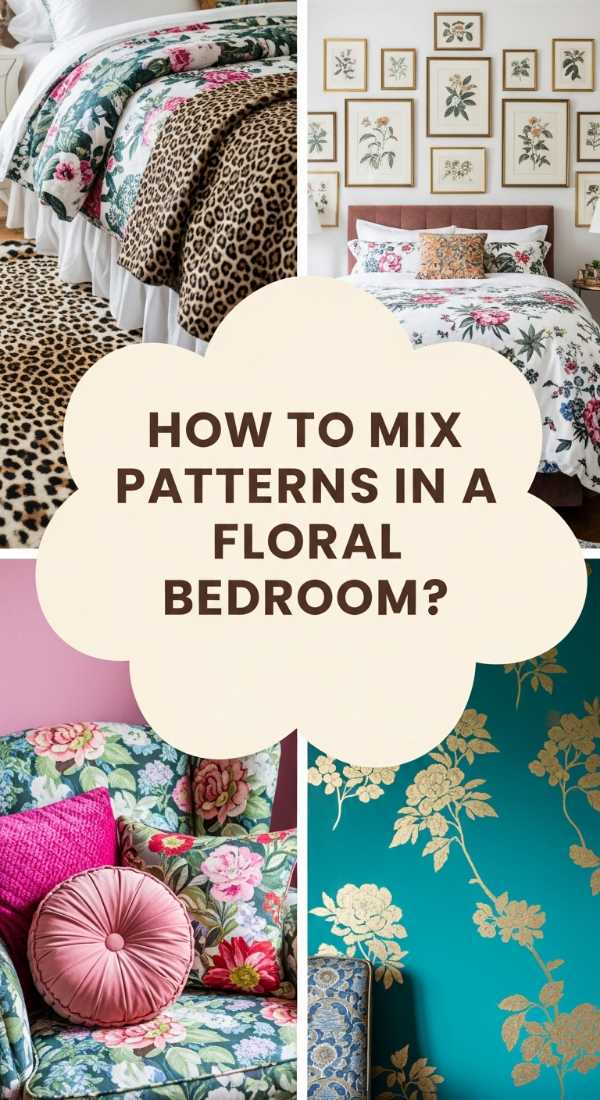
Mixing patterns is an art form that transforms a simple bedroom into a curated gallery of texture and color that feels deeply personal and eccentric. When you successfully blend a bold floral with a delicate stripe or a classic gingham, you create a visual vibration that is both exciting and surprisingly harmonious. It creates a ‘nest’ feeling where every layer tells a different story, engaging the eyes and the spirit in a way that monochromatic rooms simply cannot achieve.
Essential Elements:
- Large-scale floral duvet
- Small-scale ditsy print sheets
- Geometric or striped accent pillows
- Toile de Jouy wallpaper or curtains
How to make it
- Select your ‘hero’ pattern first, which should be the largest and most colorful floral print in the room.
- Choose a secondary pattern, such as a stripe or check, that shares at least one core color with the hero floral to create a ‘bridge’ for the eye.
- Vary the scale of your prints: if the duvet has large blooms, ensure the pillowcases have tiny, intricate flowers to prevent visual competition.
- Apply the ’60-30-10′ rule: 60% hero floral, 30% secondary pattern, and 10% solid color to ground the design.
- Distribute the patterns throughout the room—on the bed, the window, and a chair—to ensure the ‘maximalist’ energy is balanced rather than cluttered.
- Assess the room from a distance; if it looks ‘busy,’ add a solid-colored throw to act as a visual resting place.
How to Source Authentic Vintage Floral Bedding for Rare Beauty

Why we love this
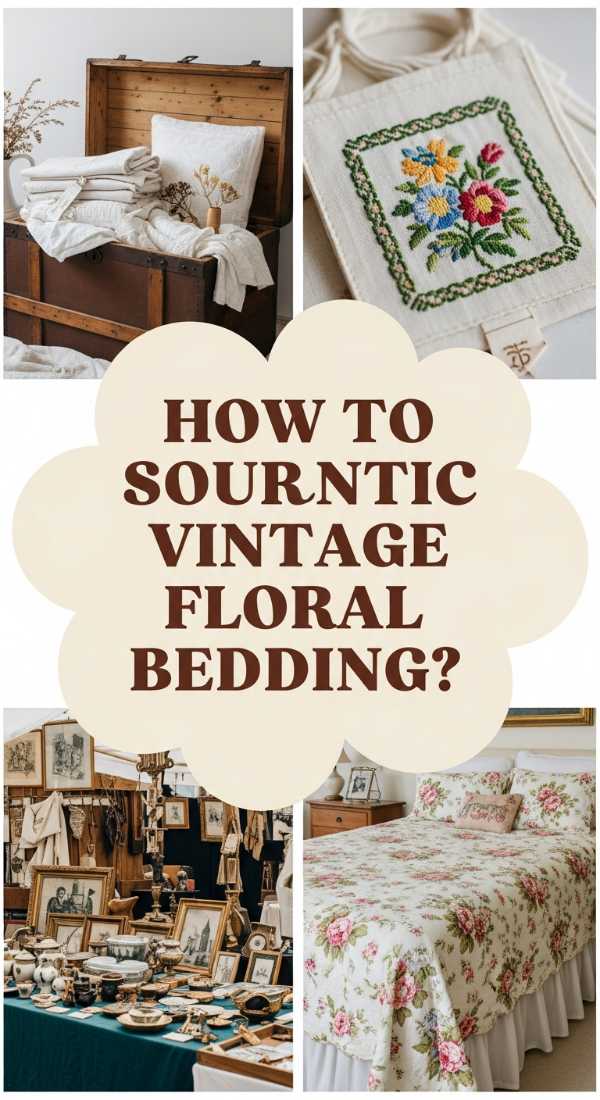
There is a unique thrill in finding a piece of bedding that has survived decades, carrying with it a level of craftsmanship and fabric quality that is rarely seen in modern mass-production. Authentic vintage pieces often feature hand-stitched details, intricate lace inserts, and dyes that have mellowed into the most beautiful, sophisticated hues over time. Touching a genuine mid-century floral cotton is a sensory journey, offering a weight and breathability that feels like a whisper of luxury from a bygone era.
Essential Elements:
- Estate sale listings and vintage shops
- Fabric magnifying glass (for inspection)
- Gentle textile restorer solution
- Knowledge of vintage brand labels (like Laura Ashley)
How to make it
- Research local estate sales and high-end thrift stores, focusing on neighborhoods with older homes where ‘attic finds’ are more likely.
- Inspect the fabric under bright light, looking specifically for ‘yellowing’ or ‘dry rot’ which can occur in linens stored for long periods.
- Check the thread count and weave; vintage high-quality cotton often feels cooler to the touch and has a more substantial drape than modern polyesters.
- Verify the authenticity by looking for vintage tags or unique stitching techniques like French seams that indicate quality construction.
- Sanitize your find by soaking it in a mixture of cool water and a specialized ‘vintage textile wash’ for at least 6 hours to lift odors without damaging fibers.
- Line dry the item in the shade to preserve the delicate dyes, as direct sunlight can cause immediate fading of antique floral pigments.
How to Layer Textures in a Floral Bedroom for Cloudlike Softness

Why we love this
Layering textures is the secret to creating a bed that looks like it belongs on the pages of a high-end interior design magazine, offering a multidimensional tactile experience. The contrast between a smooth cotton floral sheet, a chunky wool knit, and a plush velvet pillow creates a sensory richness that invites you to linger under the covers. It’s about the interplay of light on different surfaces—the matte finish of linen against the subtle sheen of silk—which adds a level of sophistication and ‘depth’ to the floral theme.
Essential Elements:
- Cotton-linen blend floral duvet
- Velvet throw pillows in deep tones
- Chunky knit wool blanket
- Silk or satin pillowcases
How to make it
- Start with your base layer of high-thread-count floral cotton sheets, ensuring they are ironed or steamed for a crisp feel.
- Add the duvet cover, but don’t pull it tight; leave it slightly loose to create ‘loft’ and airiness.
- Place a medium-weight coverlet or quilt over the bottom half of the bed to add a layer of physical weight and warmth.
- Layer your pillows by texture: back row in cotton, middle row in velvet, and front row in silk to create a ‘gradient’ of touch.
- Toss a heavy, textured knit throw over the foot of the bed, allowing the folds to look natural rather than perfectly aligned.
- Finalize the look by ‘chopping’ the velvet pillows in the center to create a professional indentation that catches the light.
How to Accentuate Your Floral Bedroom Aesthetic with Gold Details

Why we love this
Gold accents act like jewelry for a room, providing a metallic ‘pop’ that elevates the organic shapes of floral patterns into something truly regal and polished. The warmth of brass or gold finishes complements the earthy greens and soft petals of vintage prints, reflecting lamplight in a way that feels like a sunset glowing in the room. This touch of glamour prevents the vintage aesthetic from feeling ‘too rustic’ and adds a layer of modern luxury that feels intentional and high-end.
Essential Elements:
- Brushed brass bedside lamps
- Gold-leaf picture frames
- Metallic gold drawer pulls
- A decorative gold vanity tray
How to make it
- Identify three key points in the room to place gold accents, forming a visual ‘triangle’ that leads the eye across the space.
- Swap out standard plastic or wood drawer pulls on your nightstands for vintage-style brushed brass hardware for an instant upgrade.
- Choose lamps with a gold base and a fabric shade to ensure the light is warm and inviting rather than cold and industrial.
- Frame botanical sketches or dried flowers in thin gold-leaf frames and hang them in a cluster above the headboard.
- Use a gold tray on the bed or dresser to organize smaller items like perfume bottles or jewelry, creating a focal point of organized luxury.
- Avoid ‘over-glossing’; ensure at least 70% of your metals are matte or brushed to keep the look ‘vintage’ rather than ‘gaudy.’
How to Select Colors for Vintage Floral Bedding for Visual Harmony
Why we love this
The magic of a vintage floral palette lies in its ability to use muted, ‘dusty’ colors that evoke a sense of timelessness and sophisticated calm. Unlike bright, modern neon prints, vintage colors like sage, terracotta, and dusty rose feel grounded in the earth, making the bedroom feel like a natural extension of the garden outside. When these colors are balanced correctly, they create a visual harmony that lowers the heart rate and prepares the mind for a restful night of sleep.
Essential Elements:
- Color wheel (for reference)
- Fabric swatches in various shades
- Neutral paint samples (cream, beige, or soft grey)
- Natural light for color testing
How to make it
- Select your primary floral fabric and identify the ‘least’ prominent color in the print to use as your wall or accent color.
- Apply the concept of ‘analogous colors’ by choosing shades that sit next to each other on the color wheel (e.g., greens, blues, and teals) for a serene look.
- Test your color swatches during three different times of the day: morning, noon, and evening, as vintage dyes change character drastically under different light.
- Pair complex floral patterns with ‘muddied’ neutrals rather than pure whites to maintain the antique, lived-in feel of the aesthetic.
- Introduce one ‘surprise’ color in a small dose, like a mustard yellow or deep burgundy, to add vitality and prevent the room from looking flat.
- Observe the ‘visual weight’; if the room feels too dark, introduce a lighter cream-colored rug to lift the palette.
How to Maintain a Floral Bedroom for Lasting Freshness
Why we love this
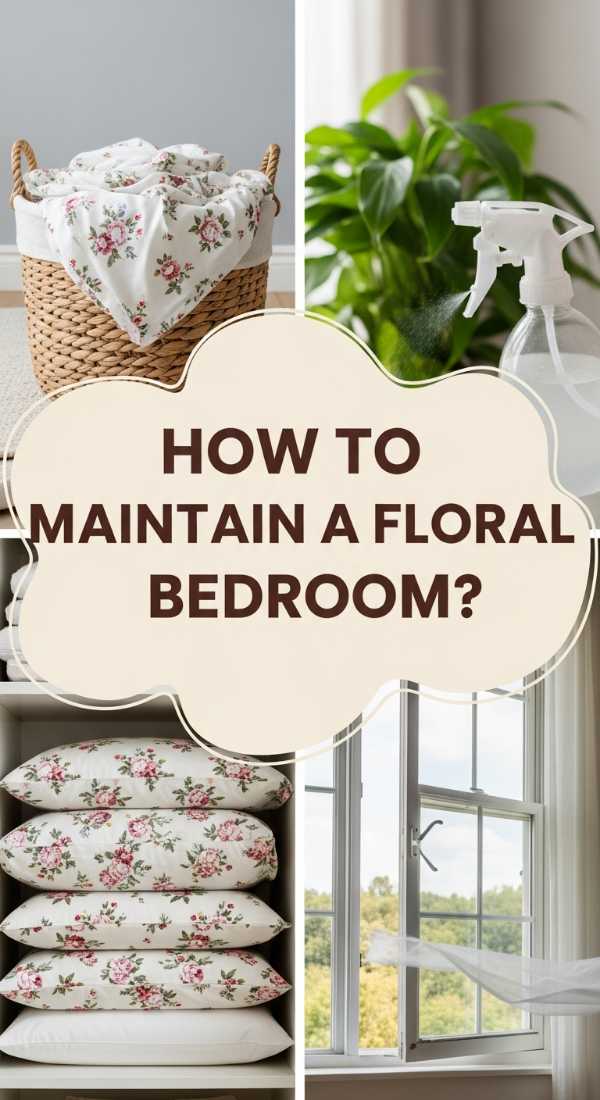
There is a profound satisfaction in the ritual of caring for a floral bedroom, ensuring that the ‘garden’ you’ve created indoors remains vibrant and inviting for years. Maintenance is the key to preserving that ‘freshly laundered’ smell and the soft, crisp texture of the linens that makes slipping into bed at night such a treat. When a room is well-maintained, the colors stay true and the air feels clear, allowing the whimsical beauty of the florals to truly shine without the distraction of clutter or wear.
Essential Elements:
- Gentle, scent-free laundry detergent
- Fabric steamer
- Lavender linen spray
- Cedar blocks (for storage)
How to make it
- Wash floral linens in cool water on a gentle cycle to prevent the delicate pigments from breaking down and fading over time.
- Avoid the use of harsh bleach; instead, use a cup of white vinegar in the rinse cycle to brighten whites and soften the fabric naturally.
- Remove linens from the dryer while they are still slightly damp to prevent deep-set wrinkles, then use a steamer to smooth out the floral pattern.
- Rotate your bedding sets every two weeks to ensure even wear and to give your ‘hero’ duvet a chance to air out and regain its loft.
- Store off-season floral quilts in breathable cotton bags with cedar blocks to protect them from moths and moisture without using chemicals.
- Lightly mist the bed every morning with a homemade lavender and distilled water spray to keep the ‘floral’ experience sensory and fresh.
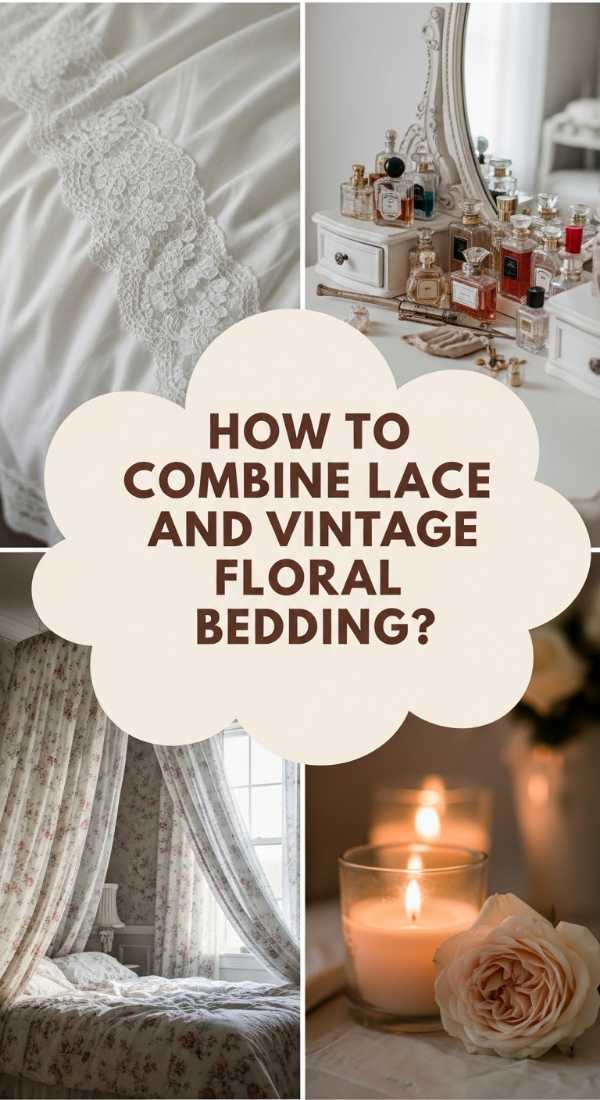
How to Combine Lace and Vintage Floral Bedding for Romantic Vibes

Why we love this
The combination of lace and florals is the ultimate expression of romantic design, evoking the elegance of Victorian tea rooms and sun-drenched French villas. Lace adds a layer of delicate transparency and intricate geometry that breaks up the organic flow of the floral prints, adding a ‘feminine’ touch that feels both fragile and timeless. It’s the way the light filters through the lace edges, casting soft, patterned shadows across the floral sheets, that creates an atmosphere of pure, unadulterated romance.
Essential Elements:
- Lace-trimmed pillowcases
- A crochet or lace bed runner
- Eyelet cotton dust ruffle
- Vintage lace doilies for the nightstand
How to make it
- Select a dust ruffle (bed skirt) with an eyelet or lace detail to ground the bed in texture from the floor up.
- Layer a lace-trimmed flat sheet underneath your floral duvet, folding it over the top so the lace edge is prominently displayed against the print.
- Use lace doilies on wooden surfaces to protect the furniture while adding a soft, visual ‘link’ to the bedding.
- Incorporate ‘crochet’ lace elements for a more rustic, boho-vintage feel, or ‘Chantilly’ lace for a more formal, elegant look.
- Ensure the lace is a similar ‘temperature’ of white as your bedding (e.g., ivory lace with ivory-based florals) to prevent a mismatched look.
- Inspect lace edges weekly for snags; use a small needle and thread to ‘catch’ any loose loops before they unravel.
How to Incorporate Botanicals in a Floral Bedroom for Organic Living
[IMAGE_10]
Why we love this
Bringing real botanicals into a floral-themed room completes the cycle of design, grounding the printed patterns in the living, breathing world. The scent of real eucalyptus or the sight of a climbing ivy plant provides a literal ‘freshness’ that a print can only suggest, purifying the air and adding a vibrant green energy to the space. It turns the bedroom into a holistic ecosystem where the boundaries between the indoors and the outdoors blur, creating a true sanctuary for organic, mindful living.
Essential Elements:
- Potted houseplants (like Ferns or Pothos)
- Dried flower arrangements
- Terracotta or ceramic pots
- Botanical wall art
How to make it
- Select low-maintenance plants like ‘Snake Plants’ or ‘Peace Lilies’ that thrive in bedroom light levels while acting as natural air purifiers.
- Place a large potted plant in a corner to soften the sharp lines of the room and provide a ‘living’ backdrop for your floral bedding.
- Create a ‘dried flower’ bouquet using hydrangeas or baby’s breath, which maintain their vintage look for months without needing water.
- Group smaller plants in odd numbers (threes or fives) on windowsills or dressers to create a curated, ‘wild’ growth aesthetic.
- Use natural materials for your planters, such as aged terracotta or woven seagrass, to maintain the earthy, vintage feel.
- Monitor the humidity in the room; plants release moisture, which can help keep your vintage cotton linens from becoming too brittle in dry climates.
Conclusion
Embracing the vintage floral trend is about more than just following a fashion—it is about reclaiming a sense of softness and story in our most private spaces. By layering textures, mixing patterns, and adding thoughtful details like gold accents and real botanicals, you can create a bedroom that feels like a timeless sanctuary. Whether you are a minimalist looking for a touch of warmth or a maximalist ready to bloom, there is a place for vintage florals in every home.