

Have you ever stepped into a room and felt like you were walking straight into a dream? That feeling of instant peace, where the light hits the floorboards just right and the scent of lavender and old paper dances on the breeze, isn’t just luck—it’s magic. My journey into whimsical living began when I realized that our homes aren’t just boxes to store our things; they are the physical manifestations of our internal worlds, the canvas where we paint our daily joys and find our deepest rest.
Curating an ethereal home is about more than just buying furniture; it’s about collecting moments, textures, and echoes of the stories we love. Whether you’re dreaming of a cottage hidden in a foggy forest or a sun-drenched coastal retreat, the goal is to create a sanctuary that feels alive. In this guide, we’re going to explore how to weave together different aesthetics to create a space that feels like a fairytale escape, grounded in comfort and infused with your unique soul.
How to Style Summer Home Decor for Endless Sunshine Vibes
Why we love this
There is a specific, golden weight to summer light that transforms even the simplest corner into a glowing masterpiece. We love this aesthetic because it celebrates the vibrant energy of the sun, bringing the outdoors in with crisp linens, the zesty aroma of sliced lemons, and the tactile warmth of sun-bleached wood. It feels like a perpetual vacation, where the air is light, the windows are always open, and the home breathes with a relaxed, effortless elegance that makes every afternoon feel like a slow, sun-drenched holiday.
Essential Elements:
- Sheer linen curtains that catch the breeze.
- Fresh citrus fruits in terracotta bowls.
- Woven seagrass rugs and jute accents.
- Pale, sun-bleached wood furniture.
- Vases filled with wild sunflowers or dried pampas grass.
How to make it
- Assess the natural light: Identify where the sun hits peak intensity in your room. Use this ‘high heat’ zone to place your most reflective surfaces, like mirrors or glass vases, to amplify the brightness.
- Layering textiles: Strip away heavy winter velvets. Start with a base of light cotton or linen slipcovers. The technique here is ‘loose draping’—don’t tuck too tightly; you want the visual cue of comfort and ease.
- Scent Curation: Simmer a pot of water with lemon slices, rosemary, and sea salt. This ‘natural diffuser’ sets the olfactory stage. Keep the temperature low to allow the oils to release slowly over 2-3 hours.
- Color Balancing: Introduce ‘pops’ of yellow and sky blue against a white backdrop. Professional tip: Use the 60-30-10 rule (60% white, 30% natural wood tones, 10% vibrant summer accents) to ensure the room feels balanced and not overwhelmed.
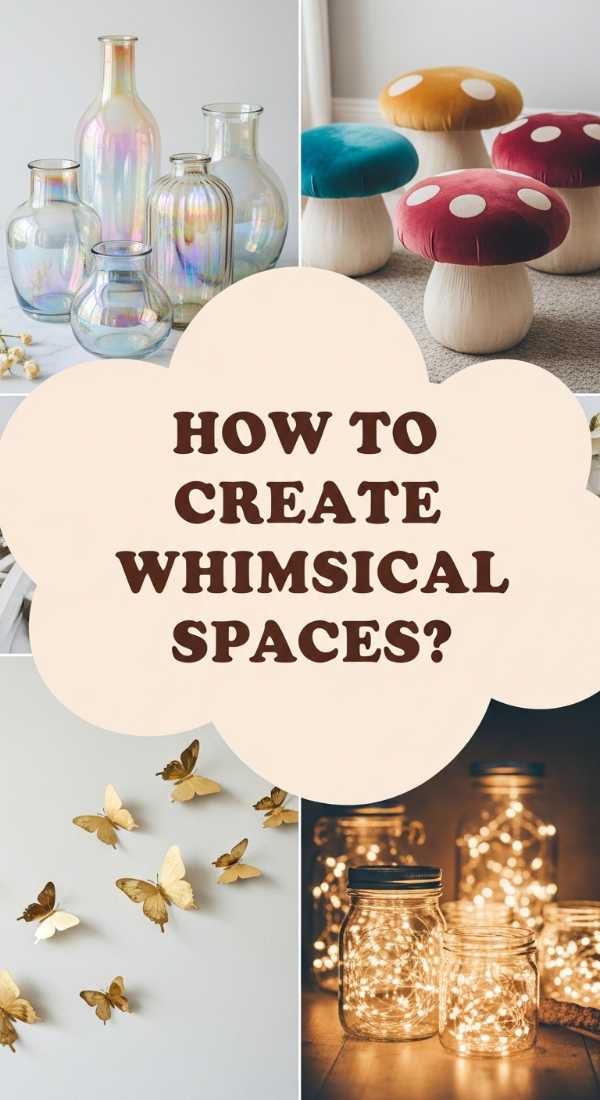
How to Curate Whimsical Home Decor for a Fairytale Escape

Why we love this
Whimsical living is about embracing the enchantment of the unknown and the beauty of the mismatched. It creates a space where mossy greens meet dusty rose velvets, and every corner holds a secret, like a page out of a Brothers Grimm story. We love it because it defies the ‘rules’ of modern minimalism, opting instead for a cozy, layered maximalism that feels like a warm embrace from a magical forest. It’s the smell of beeswax candles and the soft glow of fairy lights against an antique bookshelf.
Essential Elements:
- Vintage gold-framed mirrors with intricate scrollwork.
- Velvet upholstery in jewel tones (emerald, amethyst, ruby).
- Dried flower garlands and indoor climbing vines.
- Cloche jars filled with moss, stones, or tiny figurines.
- Ornate, mismatched brass candlesticks.
How to make it
- The ‘Vignette’ Technique: Choose a focal point like a side table. Layer items of three different heights: a tall taper candle, a medium-sized vintage book, and a low ceramic dish. Visual cue: The eye should move in a triangle shape around the objects.
- Atmospheric Lighting: Replace all ‘cool’ bulbs with warm-toned LEDs (2700K). This creates the ’embers’ glow of a fairytale hearth. Drape micro-fairy lights behind sheer fabrics for a soft, diffused shimmer.
- Texture Masking: If you have modern furniture, ‘age’ it by layering crochet doilies or faux-fur throws. The goal is to hide sharp, industrial lines under organic, soft textures.
- Wall Gallery Curation: Hang art at varying heights rather than a straight line. Use ‘distressed’ frames to give the appearance of a collection gathered over centuries.
How to Arrange Catholic Home Decor for a Peaceful Prayer Sanctuary
Why we love this
Creating a prayer sanctuary is about grounding the home in ancient traditions and quiet reverence. We love this aesthetic for its ability to provide a sensory anchor in a chaotic world; the flicker of a votive candle, the smooth texture of olive wood beads, and the visual reminder of sacred art create an atmosphere of profound peace. It turns a simple corner into a dedicated space for reflection, where the air feels heavy with silence and the spirit can finally exhale.
Essential Elements:
- A central Crucifix or sacred icon.
- Blessed candles and incense burners.
- A small kneeler or a dedicated soft velvet cushion.
- Holy water font near the entrance.
- Fresh flowers (lilies or roses) in simple ceramic vases.
How to make it
- Orientation: Position your prayer altar facing East if possible, symbolizing the rising sun and the Resurrection. Ensure the space is away from high-traffic noise zones to maintain a ‘silent’ temperature.
- The Altar Base: Use a sturdy wood table covered in a white linen cloth. Ensure the cloth is pressed—the visual cue of crispness denotes respect and sacredness.
- Icon Placement: Place your primary icon at eye level when kneeling. Surround it with lower-profile candles to ensure the light ‘uplifts’ the image rather than casting harsh shadows from above.
- Sensory Prep: Before use, light a grain of frankincense or a beeswax candle. Timing tip: Allow 5 minutes for the scent to permeate the corner before beginning your meditation; this signals the brain that it is time to transition from secular to sacred.
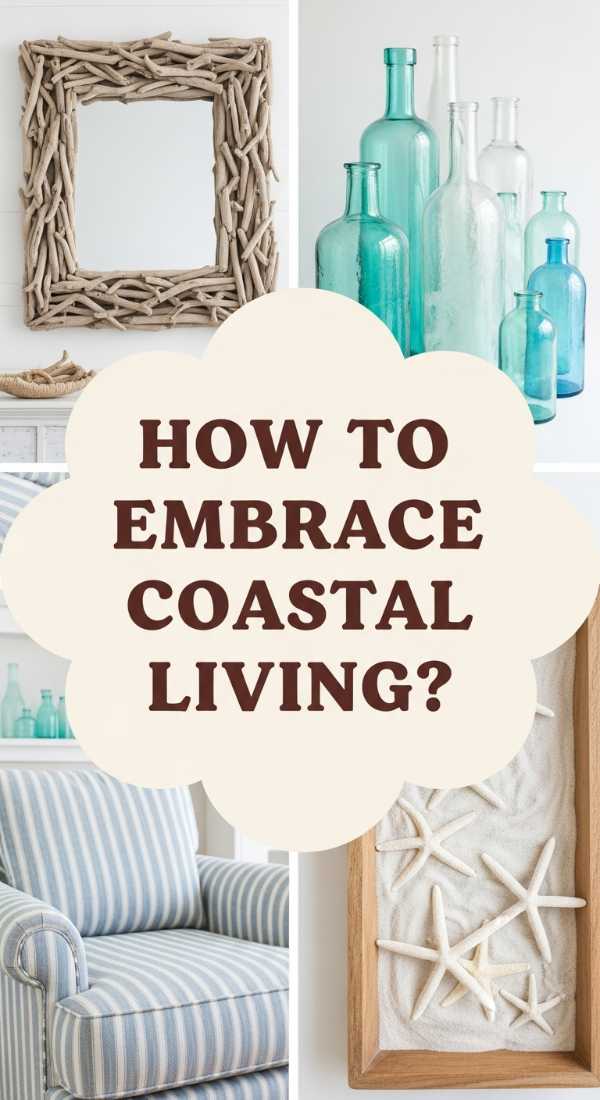
How to Master Coastal Home Decor for Ultimate Seaside Serenity

Why we love this
True coastal decor isn’t about kitschy anchors; it’s about capturing the soul of the ocean—the rhythmic pulse of the waves and the salty mist on your skin. We love it for its palette of soft sands, misty blues, and weathered greys that instantly lower the heart rate. It feels like walking barefoot on a cool beach at dawn, with textures of coarse rope and smooth seaglass providing a sensory landscape that is both rugged and refined.
Essential Elements:
- Slipcovered sofas in white or oatmeal denim.
- Large-scale driftwood pieces as sculptural elements.
- A palette of seafoam, navy, and sandy beige.
- Natural grasscloth wallpaper for tactile walls.
- Glass lamps filled with collected shells or sand.
How to make it
- Tonal Layering: Choose three shades of the same blue. Use the darkest for ‘depth’ (rugs/pillows), the medium for ‘flow’ (curtains), and the lightest for ‘air’ (walls). Visual cue: The room should feel like a gradient of the sea.
- Natural Weathering: If you have new wood, use a ‘dry brush’ painting technique with grey-wash paint to mimic the look of salt-aged timber. Apply light pressure to leave the wood grain visible.
- Acoustic Softening: Use heavy jute rugs to dampen echoes, mimicking the way sand absorbs sound. This creates a ‘hushed’ seaside atmosphere.
- Scent Layering: Use candles with notes of sea salt, eucalyptus, and ozone. Pro tip: Place these near the window so the ‘natural heat’ of the sun helps disperse the scent as the breeze blows through.
How to Use Vintage Home Decor Ideas for a Timeless Historical Feel
Why we love this
Vintage decor is like a love letter to the past, bringing a sense of weight and wisdom to a modern space. We love the way an antique trunk tells a story of travel, or how a tarnished silver tray catches the light with a soft, lived-in patina. It’s the opposite of disposable culture; it’s about the aroma of old book bindings and the cold, solid feel of brass hardware. It makes a home feel established, like it has stood the test of time and has many more stories to tell.
Essential Elements:
- Dark wood secretaire or roll-top desks.
- Oil paintings in gilded, chipped frames.
- Antique clocks with a rhythmic, audible tick.
- Persian or Oriental rugs with faded patterns.
- Stacked vintage suitcases used as side tables.
How to make it
- The ‘Patina’ Check: Avoid polishing your brass or silver to a high shine. The ‘visual cue’ of authenticity is the dark oxidation in the crevices. Clean only the high points to create depth.
- Furniture Anchoring: Place one heavy, dark wood ‘anchor’ piece in the center of the room. Surround it with lighter modern chairs to prevent the room from feeling like a museum.
- Book Styling: Arrange books by age rather than color. Place older, leather-bound books at eye level to enjoy the tactile texture of the spines.
- Curating History: Group items by era. Technique: Use a ‘collector’s shelf’ to display 1920s glassware alongside 1940s postcards. The mix of textures creates a ‘historical heat’ that feels curated over decades.
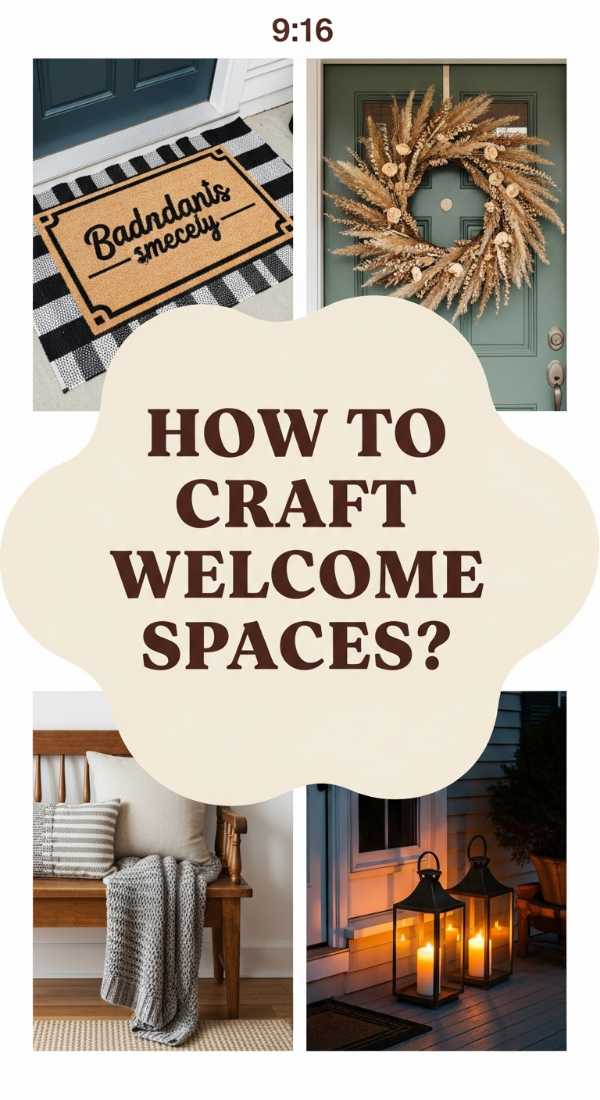
How to Design Welcome Home Decorations for the Warmest Guest Reception

Why we love this
The entryway is the ‘handshake’ of the home, and we love the art of the welcome because it sets the emotional temperature for everyone who enters. It’s about more than a doormat; it’s the immediate feeling of being seen and cared for. From the soft glow of a low-wattage lamp to the scent of freshly baked bread or a spiced candle, a well-designed entrance says ‘you are safe here, you are home.’ It’s a sensory hug that lingers long after the door is closed.
Essential Elements:
- A console table with a ‘catch-all’ tray for keys.
- A comfortable bench with plush throw pillows.
- Warm, ambient lighting (avoid overhead lights).
- A signature ‘home scent’ (vanilla or sandalwood).
- A chalkboard or framed note with a personalized greeting.
How to make it
- The Lighting Transition: Install a dimmer switch. When guests arrive, lower the ‘heat’ of the light to 40% to create an intimate, cozy glow that eases the transition from the bright outdoors.
- Tactile Arrival: Place a high-pile rug right inside the door. The visual and physical cue of ‘softness’ underfoot immediately signals the brain to relax.
- Olfactory Welcome: 15 minutes before guests arrive, bake a small batch of cookies or light a high-quality soy candle. This timing ensures the scent is ‘fresh’ but not overpowering.
- Functional Curation: Provide a clear, organized space for coats and shoes. Use wicker baskets to hide the ‘clutter’ while maintaining a natural, warm texture.
How to Layer Boho Home Decor for an Artistic Free Spirit Retreat
Why we love this
Boho decor is a celebration of global patterns, untamed greenery, and artistic expression. We love it because it feels like a collection of a life well-traveled, where Moroccan lanterns sit alongside macramé wall hangings and every surface is an explosion of color and life. It’s the earthy smell of patchouli, the soft rustle of palm leaves, and the feeling of lounging on floor cushions with a cup of herbal tea. It’s a retreat for the soul that refuses to be contained by traditional boundaries.
Essential Elements:
- Macramé plant hangers at varying heights.
- Rattan and wicker furniture pieces.
- Layered rugs (a large jute base with a colorful kilim on top).
- Indoor ‘jungle’ with Monstera and Fiddle Leaf Figs.
- Patterned floor poufs and silk embroidery.
How to make it
- Vertical Layering: Use the walls and ceiling. Hang plants from the ceiling to draw the eye upward, creating a ‘canopy’ effect. Visual cue: The room should feel like it’s growing around you.
- Rug Layering Technique: Lay a neutral 8×10 jute rug down first. Overlay a smaller, vibrant 5×7 pattern rug at a slight angle. This ‘mismatch’ provides the artistic tension central to boho style.
- Plant Curation: Group plants in odd numbers (3, 5, or 7). Use pots of different textures—terracotta, glazed ceramic, and seagrass—to create a ‘textural heat’ that feels organic.
- Soft Seating: Remove rigid chairs and replace them with floor cushions. Ensure the ‘stuffing’ is firm enough for support but soft enough to sink into, providing an immediate sense of groundedness.
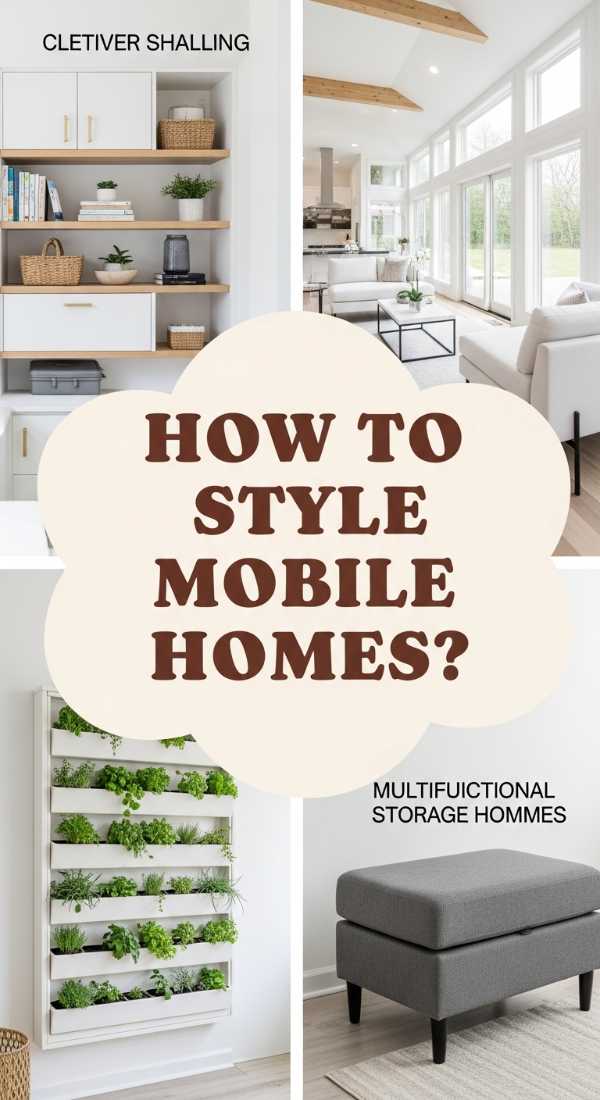
How to Optimize Mobile Home Decorating for a Spacious Luxury Feel
Why we love this
Small-space living in a mobile home offers a unique opportunity to create a ‘jewel box’ of design. We love this aesthetic because it proves that luxury isn’t about square footage; it’s about the quality of the details. By focusing on vertical lines, light-reflective surfaces, and multi-functional elegance, a mobile home can feel like a high-end boutique hotel. It’s the feeling of a perfectly organized sanctuary where everything has a place and every inch is intentional and beautiful.
Essential Elements:
- Mirror-clad walls or large leaning mirrors.
- Light-colored paint (soft whites or pale greys).
- Built-in shelving that reaches the ceiling.
- Lucite or glass furniture that ‘disappears.’
- High-quality, oversized hardware on cabinets.
How to make it
- The ‘Skyward’ Technique: Paint your ceiling a shade lighter than your walls. This creates an optical illusion of ‘rising heat,’ making the room feel significantly taller.
- Mirror Placement: Place mirrors directly opposite windows. This ‘preps’ the room to double its natural light, creating the visual cue of an expansive, airy space.
- Scale Manipulation: Use one or two ‘oversized’ pieces of art rather than many small ones. This simplifies the visual field and gives the room a grander, more luxurious feel.
- Hardware Upgrade: Replace standard plastic or cheap metal handles with heavy brass or marble pulls. The tactile ‘weight’ of the hardware provides a professional finish that screams luxury.
How to Reclaim 90s Home Decor for a Nostalgic Retro Aesthetic
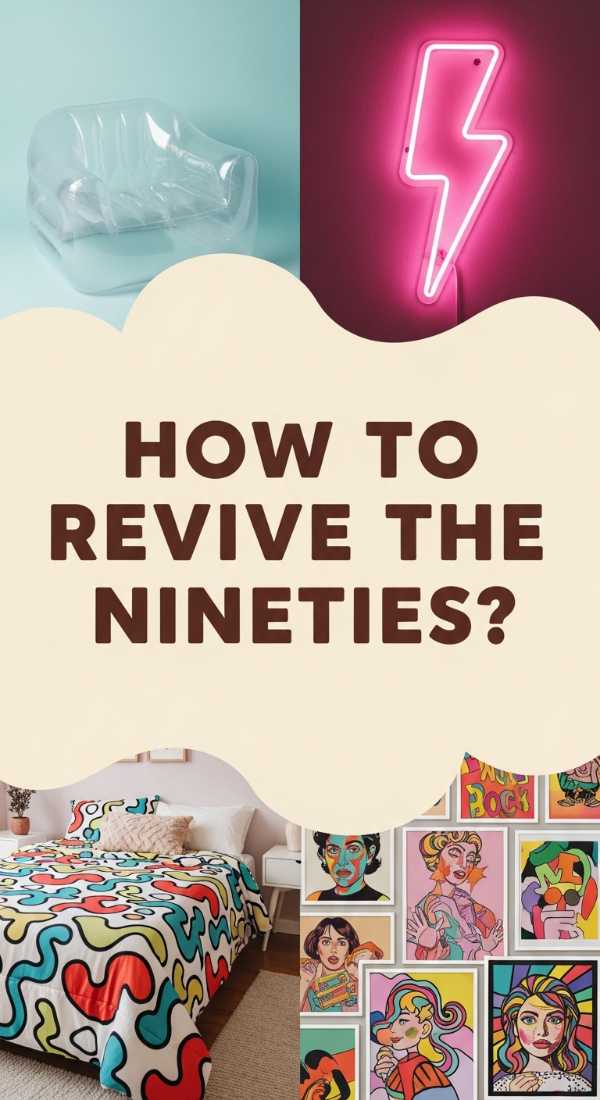
Why we love this
The 90s are back, and we love the playful, unpretentious nostalgia they bring to a home. This isn’t about dated wallpaper; it’s about reclaiming the best parts: the soft pastels, the curvy ‘Memphis’ lines, and the tech-inspired translucency. It’s the feeling of a Saturday morning with a bowl of cereal, the glow of a lava lamp, and the comforting texture of ribbed glass and inflatable-inspired shapes. It’s a joyful, retro-future aesthetic that doesn’t take itself too seriously.
Essential Elements:
- Glass block walls or decorative glass brick accents.
- Primary colors mixed with lavender and mint.
- Neon signs and ‘lava’ style motion lamps.
- Curvy, tubular furniture silhouettes.
- Sheer, iridescent fabrics for pillows or curtains.
How to make it
- Color Blocking: Choose two contrasting pastels (like mint and lilac) and apply them to opposite walls. The ‘visual cue’ is a clean, graphic look that feels modern rather than messy.
- Lighting Effects: Use color-changing smart bulbs to mimic the ‘neon’ glow of 90s nightlife. Set them to a ‘slow fade’ cycle to create a dynamic, nostalgic energy.
- Material Mixing: Combine high-shine plastic with soft velvet. This ‘texture clash’ was a hallmark of 90s design. Pro tip: Keep the plastic pieces small (like a side table) to keep it chic.
- Glass Block Accents: If you can’t build a wall, use glass block vases. Group them on a windowsill so the light ‘refracts’ through the thick glass, creating that signature 90s distorted glow.
How to Feature Quirky Home Decor for a Bold Personality Statement
[IMAGE_10]
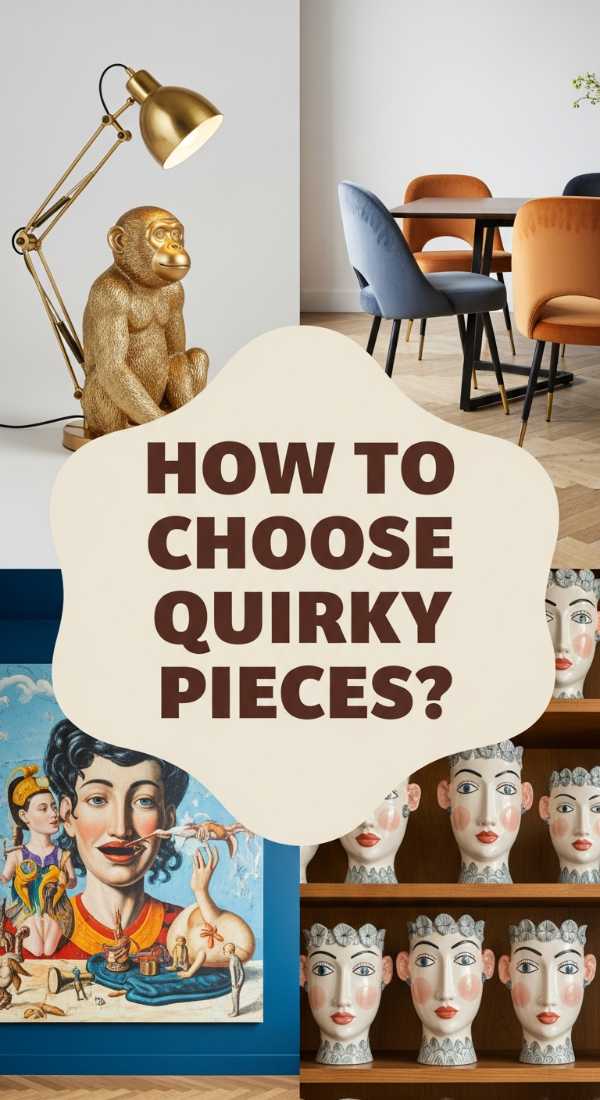
Why we love this
Quirky decor is the ultimate expression of ‘you.’ We love it because it’s fearless; it’s where a giant ceramic leopard shares space with a neon pink bust of David and a collection of vintage Pez dispensers. It’s a home that laughs, tells jokes, and invites conversation. The aroma is usually a mix of eclectic candles, and the textures are a wild mix of shaggy faux-furs and sleek, polished acrylics. It’s a space that says ‘I’m here, and I’m fabulous,’ making every guest feel like they’ve entered a living art gallery.
Essential Elements:
- Oddity collections (vintage toys, unusual ceramics).
- Unexpected color combinations (orange and pink, teal and mustard).
- Surrealist art and 3D wall sculptures.
- Taxidermy (faux or real) or animal-themed accents.
- Statement ‘conversation’ furniture (a lips-shaped sofa or a giant hand chair).
How to make it
- The ‘Oddity’ Cluster: Group your weirdest items together on one ‘curiosity shelf.’ Use the ‘clustering’ technique where the items touch or overlap. Visual cue: This creates a single, high-impact focal point rather than scattered clutter.
- Scale Shock: Place a very small item in a very large frame, or a massive sculpture in a small corner. This ‘proportional heat’ creates an instant sense of whimsy and surprise.
- Color Bravery: Use a ‘high-gloss’ finish for your quirkiest colors. A bright red glossy door or chair looks intentional and high-end. Timing tip: Allow 48 hours for high-gloss paint to fully ‘cure’ to avoid fingerprints on your statement pieces.
- Interactive Elements: Include decor people can touch or move, like a magnifying glass or a vintage typewriter. The ‘technique’ here is engagement—the decor should be an active participant in the room.
Conclusion: Embracing Your Ethereal Home
Curating a whimsical, ethereal home is a journey, not a destination. It’s about listening to the whispers of your own heart and surrounding yourself with the things that make you feel truly alive. Whether you choose the sun-drenched paths of summer living or the enchanted forests of whimsical decor, remember that your home is the sanctuary where your soul can finally rest. Start small, layer with love, and let your home become the beautiful, dreamy story only you can tell.