
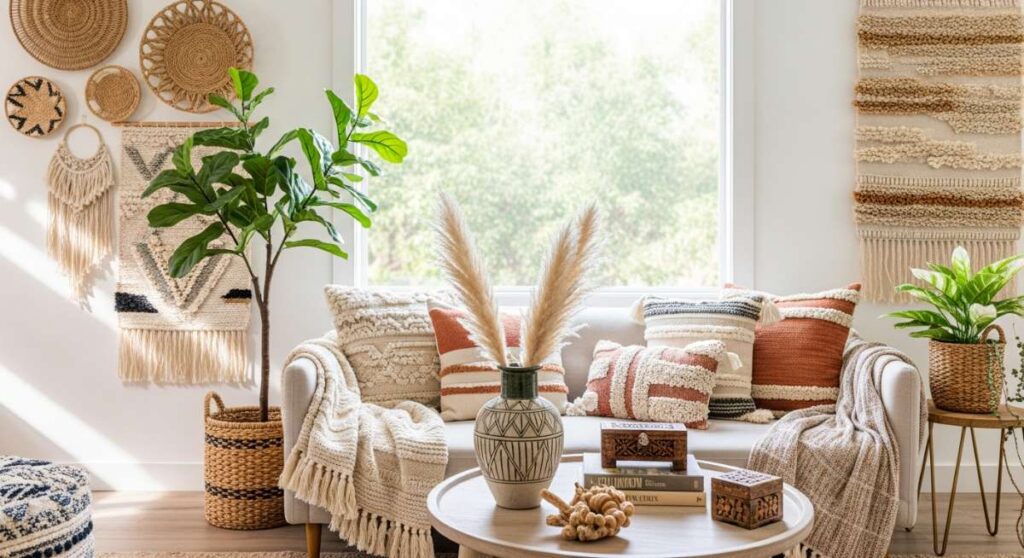
Wanderlust at Home: Designing Your Ultimate Bohemian Sanctuary
There is a specific kind of magic that happens when you stop decorating for ‘guests’ and start decorating for your own restless, wandering soul. We’ve all felt that pull—the desire to bottle up the golden sunlight of a Mediterranean afternoon, the earthy scent of a Moroccan souk, or the quiet, textural comfort of a hidden mountain cabin and bring it into our daily lives. A bohemian sanctuary isn’t just about aesthetics; it’s about creating a space that breathes with you, tells your story, and offers a soft place to land after a long day in the outside world.
For me, the journey into boho design began with a single vintage rug and a desire to feel ‘away’ even when I was just having my morning coffee. It’s about more than just ‘stuff’; it’s about the interplay of light, the history behind a hand-carved chair, and the way a room feels when the sun hits just right. In this guide, we’re going to dive deep into the specific elements that transform a house into a sanctuary, focusing on textures, layers, and the intentional placement of pieces that spark joy and inspire movement.
Designing your dream space should feel like a slow, mindful ritual. We aren’t looking for sterile perfection here—we are looking for soul. From the way you drape a linen throw over a well-loved chair to the method you use to layer rugs for that ‘sink-in’ comfort, every choice is a brushstroke on the canvas of your home. Let’s explore how to curate a space that feels curated yet lived-in, sophisticated yet wild, and entirely, unapologetically you.
How to Style a Bohemian Mirror for Extra Sunlight
Why we love this
There is something truly ethereal about the way a strategically placed mirror can catch the early morning light and scatter it across your walls like liquid gold. It doesn’t just brighten a room; it creates the illusion of a hidden hallway or a secret garden view, instantly expanding your sanctuary’s boundaries. We love the sensory experience of walking into a room filled with flickering reflections and the subtle aroma of beeswax candles bouncing off the glass. It brings a sense of airy lightness that balances out heavier textures like wood and wool, making the whole space feel energized and expansive.
Essential Elements:
- Oversized arched mirror (rattan or distressed gold frame)
- Windex or natural vinegar cleaner
- Microfiber cloth
- Small Command hooks or heavy-duty anchors
- A collection of dried eucalyptus or fairy lights
How to make it
- Identify the ‘Light Source’: Walk through your room at different times of the day to see where the sun hits most intensely. You want to place the mirror directly opposite or adjacent to a window to maximize the ‘bounce’ effect.
- Prep the Surface: Clean the glass thoroughly using a circular motion to ensure no streaks remain; a streak-free surface is vital for the mirror to act as a clear light conduit rather than a flat object.
- Angle the Placement: Instead of hanging it flat against the wall, try leaning a floor-length mirror at a 5-degree angle. This slight tilt catches more of the ceiling’s height and the floor’s texture, creating a more immersive visual ‘pool’ of light.
- The Frame Layering: Drape a strand of warm-toned fairy lights or a garland of dried eucalyptus over the top corner. The mirror will double the visual impact of the greenery and the soft glow of the lights, creating a ‘halo’ effect.
- Check the Visual Flow: Stand in the doorway and observe the reflection. You should see a piece of art or a plant reflected back, not a cluttered corner. Adjust the angle until the reflection feels harmonious and intentional.
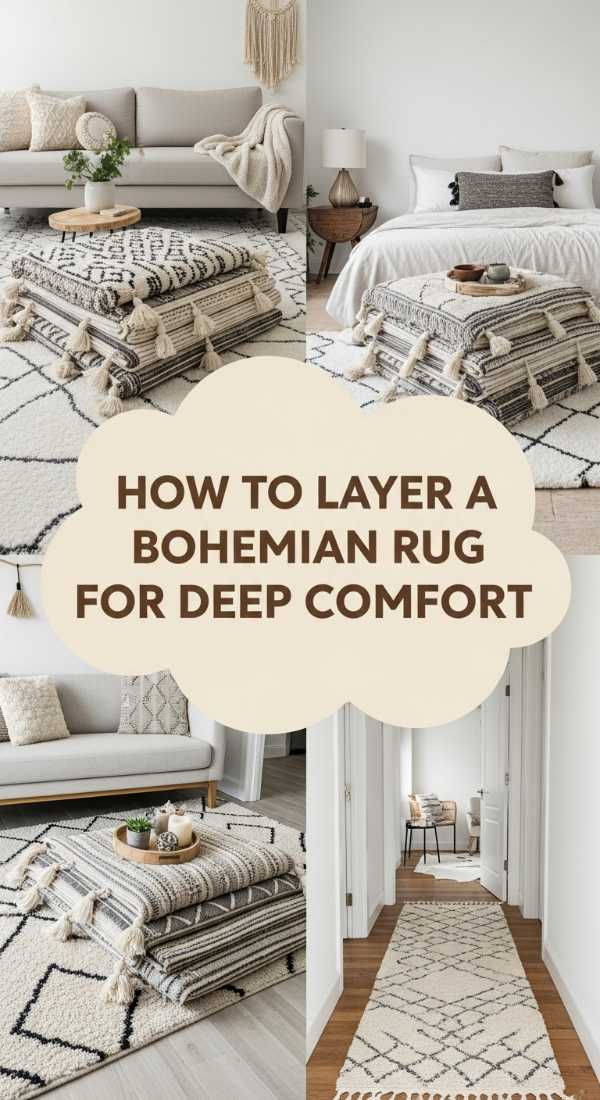
How to Layer a Bohemian Rug for Deep Comfort
Why we love this
Nothing says ‘boho sanctuary’ like the feeling of thick, natural fibers between your toes the moment you step out of bed or off the sofa. Layering rugs is the ultimate secret to achieving that rich, cozy depth that makes a room feel grounded and warm. We love the contrast between a rough, earthy jute base and a plush, high-pile Moroccan shag on top—it’s a tactile symphony that invites you to sit on the floor, sip tea, and stay a while. The subtle scent of natural wool and the visual weight of overlapping patterns create a literal foundation of comfort for your daily rituals.
Essential Elements:
- Large neutral jute or sisal rug (base layer)
- Smaller patterned Persian or Moroccan rug (top layer)
- Non-slip rug pads for both layers
- Heavy furniture to anchor the corners
- A stiff-bristled brush for fluffing the pile
How to make it
- Establish the Base: Lay down your large jute rug, ensuring it is centered in the room or under the main furniture grouping. There should be at least 12-18 inches of floor showing around the perimeter to create a ‘frame’ effect.
- Prep the Top Layer: Lay your second, smaller rug diagonally or centered over the first. If the top rug has a fringe, take a moment to comb it out so it lays flat and looks intentional.
- The Texture Check: Ensure the ‘pile’ of the top rug is facing the entrance of the room. This makes the colors look more vibrant and the texture feel softer as you walk onto it.
- Security Phase: Place non-slip pads between the floor and the base rug, and then again between the base and the top rug. This prevents ‘bubbling’ which can ruin the visual flow and create a tripping hazard.
- Final Fluffing: Use a rug brush or your hands to agitate the fibers where the two rugs meet, blending the edges slightly so the transition feels organic rather than stark.
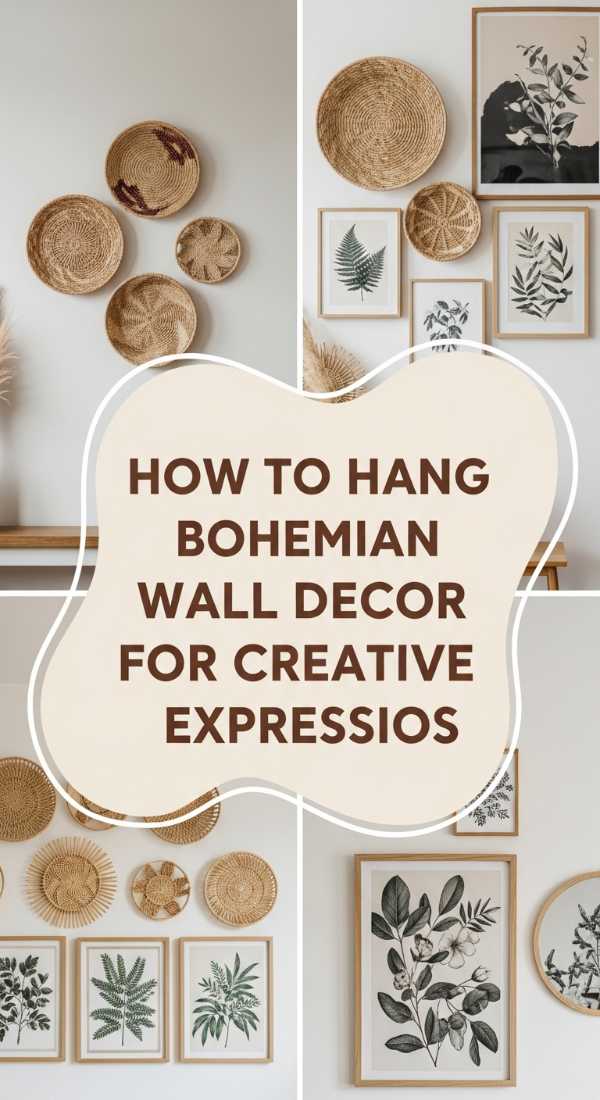
How to Hang Bohemian Wall Decor for Creative Expression
Why we love this
Walls in a boho home should never feel cold or silent; they should sing with the stories of your travels and the work of your hands. We love wall decor because it allows for a vertical expression of personality, using macramé, woven baskets, and sun-bleached wood to add rhythm to a room. The way a soft cotton tapestry absorbs sound creates a quiet, muffled intimacy in the room, while the visual texture of woven seagrass brings an organic, outdoorsy energy inside. It turns a blank space into a curated gallery of your own creative spirit.
Essential Elements:
- Hand-woven macramé wall hanging
- Set of 3-5 varying seagrass baskets
- Brass nails or decorative wooden pegs
- Leveler tool
- Pencil for marking
How to make it
- The Layout Ritual: Lay all your items on the floor in front of the wall you intend to decorate. Arrange and rearrange them until the balance of weight feels right—usually, one large ‘anchor’ piece surrounded by smaller, lighter items works best.
- The Anchor Point: Identify the center point of your wall at eye level (roughly 57-60 inches from the floor). Hang your largest piece here first using a sturdy brass nail.
- Spacing the Clusters: Place your smaller items (like baskets or small prints) around the anchor. Keep the spacing irregular but balanced; aim for 2-4 inches between pieces to keep the arrangement feeling ‘breathable.’
- Leveling and Depth: Use a leveler for any framed pieces, but allow the textile hangings to fall naturally. For baskets, use slightly longer nails to let them ‘float’ an inch off the wall, creating beautiful shadows that add depth.
- Visual Sweep: Step back about 10 feet and squint your eyes. This helps you see the ‘mass’ of the decor without getting distracted by detail. If one side looks ‘heavier,’ add a small hanging plant or a tassel to the lighter side to balance the scale.
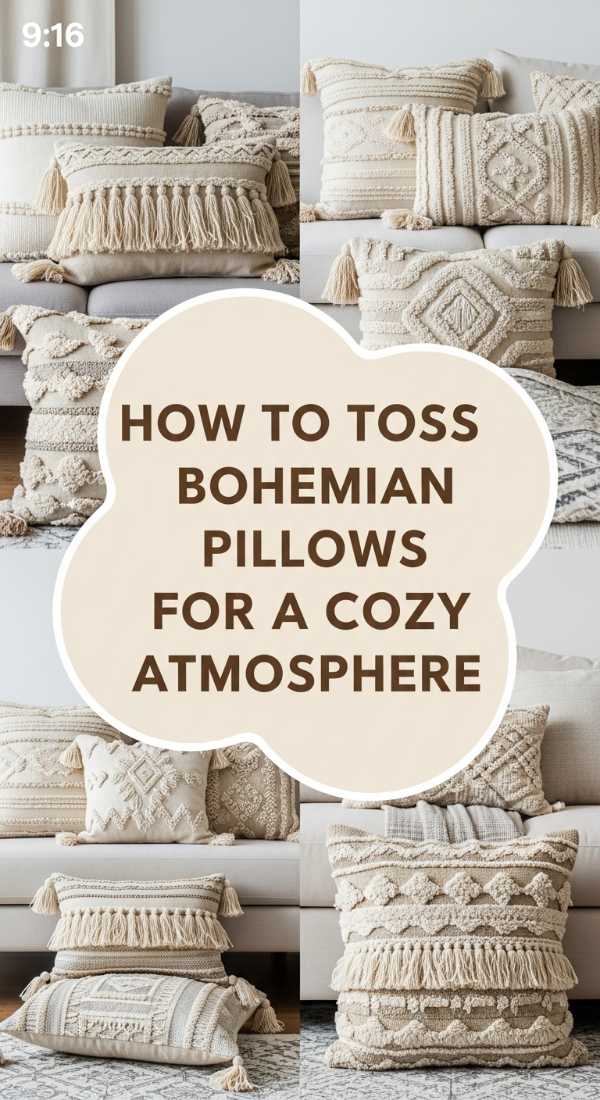
How to Toss Bohemian Pillows for a Cozy Atmosphere
Why we love this
Pillows are the soul of a bohemian lounge area—they are the ‘soft landing’ that invites long conversations and afternoon naps. We love the ‘more is more’ philosophy when it comes to cushions because it creates a sense of abundant, effortless luxury. The mix of tactile mudcloth, intricate embroidery, and shaggy pom-poms creates a sensory playground that feels lived-in and welcoming. There’s a specific joy in sinking into a mountain of velvet and linen, surrounded by the comforting, muffled sounds of a well-padded room and the faint scent of linen spray.
Essential Elements:
- 2 oversized floor cushions (velvet or canvas)
- 4-6 throw pillows in varying sizes (kilim, mudcloth, and linen)
- High-quality feather inserts (slightly larger than the covers)
- Fabric steamer
- Linen refreshing spray
How to make it
- The Karate Chop Method: Insert your feather pads into the covers. Ensure the corners are completely filled. Give the pillow a firm ‘chop’ in the center top to create that signature designer crease that makes them look plump and inviting.
- The Foundation Layer: Place your largest, heaviest-textured pillows at the back of the sofa or leaning against the wall on the floor. These act as the ‘support’ for the smaller, more decorative ones.
- Pattern Mixing Strategy: Alternate between a ‘busy’ pattern (like a kilim) and a ‘quiet’ texture (like plain linen). This prevents the eye from getting overwhelmed and allows each individual piece to shine.
- The Odd Number Rule: Always arrange in groups of three or five. For a standard sofa, three on one side and two on the other creates an asymmetrical, ‘undone’ look that is quintessentially boho.
- The Scent Finish: Lightly steam the pillows to remove any packaging creases, then mist them with a lavender or cedarwood linen spray. This ensures the sensory experience is as pleasant for the nose as it is for the skin.
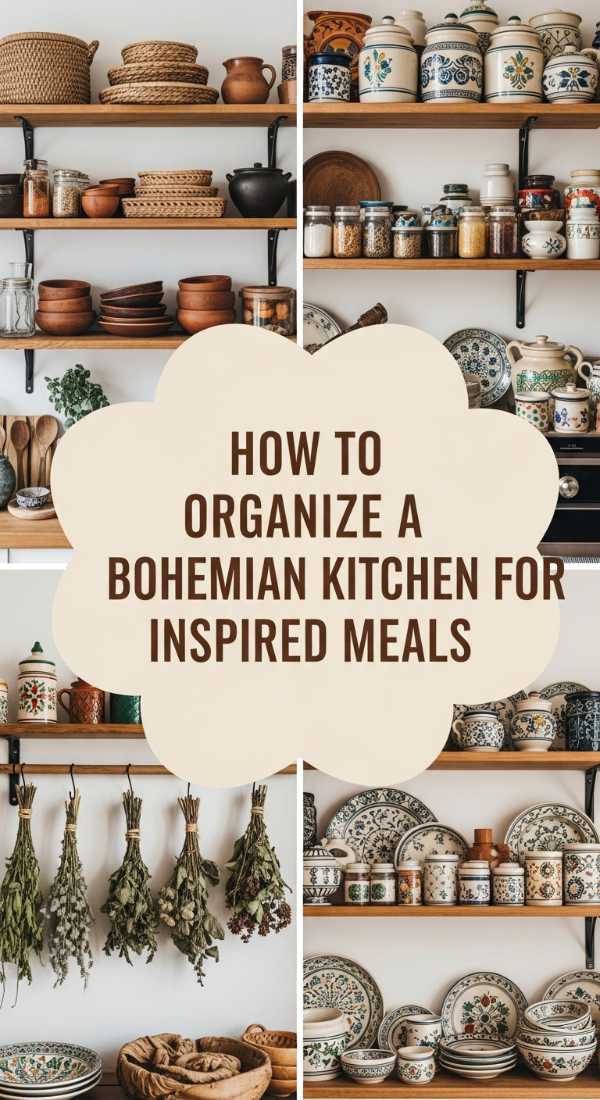
How to Organize a Bohemian Kitchen for Inspired Meals

Why we love this
A bohemian kitchen should feel like a witch’s apothecary or a Mediterranean chef’s pantry—full of life, color, and accessible ingredients. We love open shelving because it turns everyday objects like copper pots, ceramic mugs, and jars of spices into art. The visual feast of dried herbs hanging from the ceiling and the tactile warmth of a wooden cutting board creates an environment where cooking feels like a creative ritual rather than a chore. The aroma of fresh basil mixing with the earthy scent of handmade pottery makes the kitchen the true heartbeat of the home.
Essential Elements:
- Amber glass jars for dry goods
- Open wooden shelving or a hanging pot rack
- Ceramic spice pinch bowls
- A bunch of fresh herbs (rosemary, thyme, mint)
- Vintage-style labels or a chalk marker
How to make it
- The Decanting Phase: Remove all unsightly plastic packaging from your grains, pastas, and flours. Transfer them into amber glass jars. This creates a uniform, ‘apothecary’ look while protecting your food from light.
- Vertical Storage: Install a simple wooden rail with S-hooks. Hang your most-used copper pans, wooden spoons, and even a small basket of garlic. This clears counter space and puts your tools within reach of the ‘heat’ (the stove).
- The Herb Station: Place a cluster of potted herbs near the sink or window. The green color provides a vibrant ‘pop’ against the wood, and the scent will invigorate you while you prep meals.
- Curation of the Shelves: Arrange your ceramics by color or texture, but leave ‘breathing room’ between stacks. Add one non-kitchen item, like a small succulent or a framed vintage recipe, to bridge the gap between ‘kitchen’ and ‘living space.’
- The Daily Reset: At the end of each day, wipe down the wooden surfaces with a food-safe oil (like mineral oil) to keep the wood glowing and rich in color. A well-oiled board is a sign of a well-loved kitchen.
How to Dress a Bohemian Bed for Dreamy Sleep
Why we love this
The bed is the ultimate sanctuary within a sanctuary, a cloud-like retreat where the world falls away. We love the effortless, ‘rumpled’ look of stonewashed linen because it feels incredibly soft against the skin and actually looks better the more it’s used. The layering of a heavy knit throw over a lightweight duvet provides a comforting weight that grounds the body for sleep. There’s a profound sense of peace found in curling up amidst layers of breathable fabric, breathing in the scent of clean cotton and the soft, diffused light of a bedside salt lamp.
Essential Elements:
- 100% stonewashed linen sheet set
- Down-alternative duvet insert (one size larger than your bed)
- Chunky hand-knit throw blanket
- 2 king-sized shams and 3 decorative accent pillows
- Lavender-filled eye mask
How to make it
- The Oversized Secret: Use a duvet insert that is one size larger than your bed frame (e.g., a King insert on a Queen bed). This creates that lush, ‘dripping’ look over the sides of the mattress that is essential for a boho aesthetic.
- The Base Layer: Lay your flat sheet with the ‘pretty’ side down, so when you fold the top edge back over the duvet, the pattern or texture is visible. Don’t tuck it in too tightly; let it breathe.
- The Duvet Drape: Instead of pulling the duvet all the way to the headboard, fold it back into thirds at the foot of the bed. This exposes the layers of sheets and creates a more structured, inviting ‘nest.’
- The Texture Toss: Drape your chunky knit throw blanket across the bottom corner at a purposeful diagonal. Do not fold it neatly; let the folds fall naturally to emphasize the weight and weave of the yarn.
- The Final Plump: Shake out the pillows vigorously to trap air inside the fibers, then lean them upright against the headboard in descending order of size. This creates a visual ‘slope’ that leads the eye directly into the center of the bed.
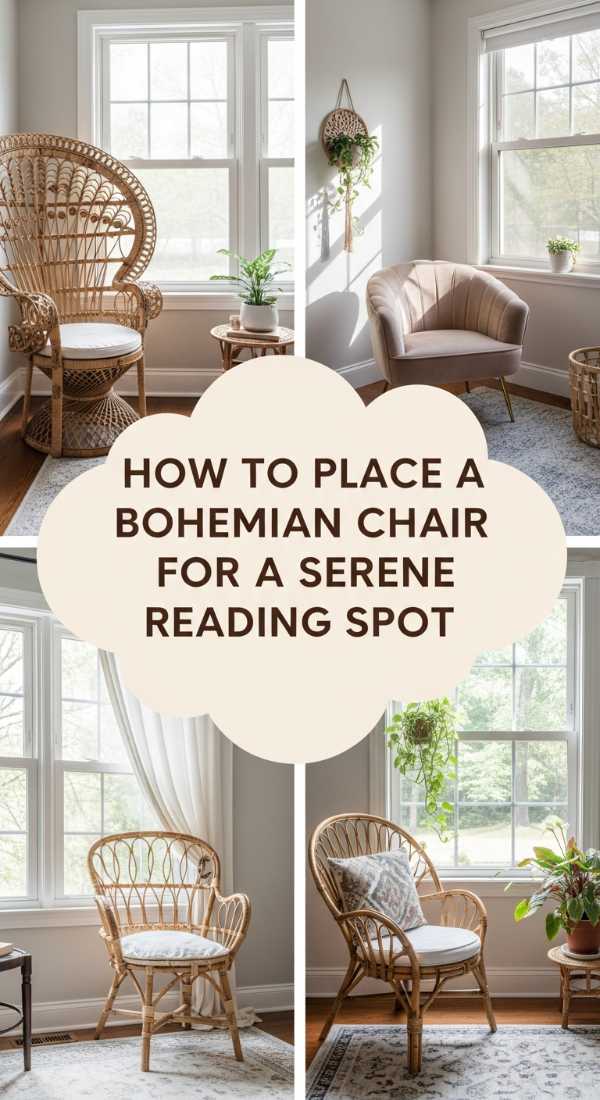
How to Place a Bohemian Chair for a Serene Reading Spot
Why we love this
Every home needs a designated ‘slow-down’ spot, and a bohemian accent chair is the perfect anchor for a reading nook. Whether it’s a vintage peacock chair or a soft leather sling, we love the way a single piece of furniture can define a whole mood. The combination of a sturdy seat, a soft sheepskin drape, and a nearby side table for tea creates a ritualistic space for reflection. The visual of a sunlit chair tucked into a corner with a stack of books feels like an invitation to disconnect from the digital world and reconnect with yourself.
Essential Elements:
- Rattan or leather accent chair
- Faux sheepskin or woven textile drape
- Small round wooden side table
- Adjustable floor lamp with a warm bulb
- A stack of 3-5 linen-bound books
How to make it
- Corner Selection: Choose a corner that is away from the ‘traffic flow’ of the room. Ideally, it should be near a window for natural light but tucked back enough to feel private and enclosed.
- The Angle of Repose: Place the chair at a 45-degree angle to the corner. This ‘hugs’ the space and leaves room behind the chair for a tall plant (like a fiddle leaf fig) to add a canopy of green.
- Softening the Seat: Drape your sheepskin or textile over the back and seat of the chair. Ensure it spills over the front edge slightly; this softens the hard lines of the furniture and makes it look more approachable.
- The Table & Light Duo: Place the side table within arm’s reach of the ‘seated’ position. Position your floor lamp behind the chair so the light falls over your shoulder, preventing glare and creating a cozy ‘pool’ of illumination.
- The Sensory Finish: Place a single candle or a small bowl of dried flowers on the side table. When you sit down, the subtle scent will act as a psychological cue that it is time to relax and read.
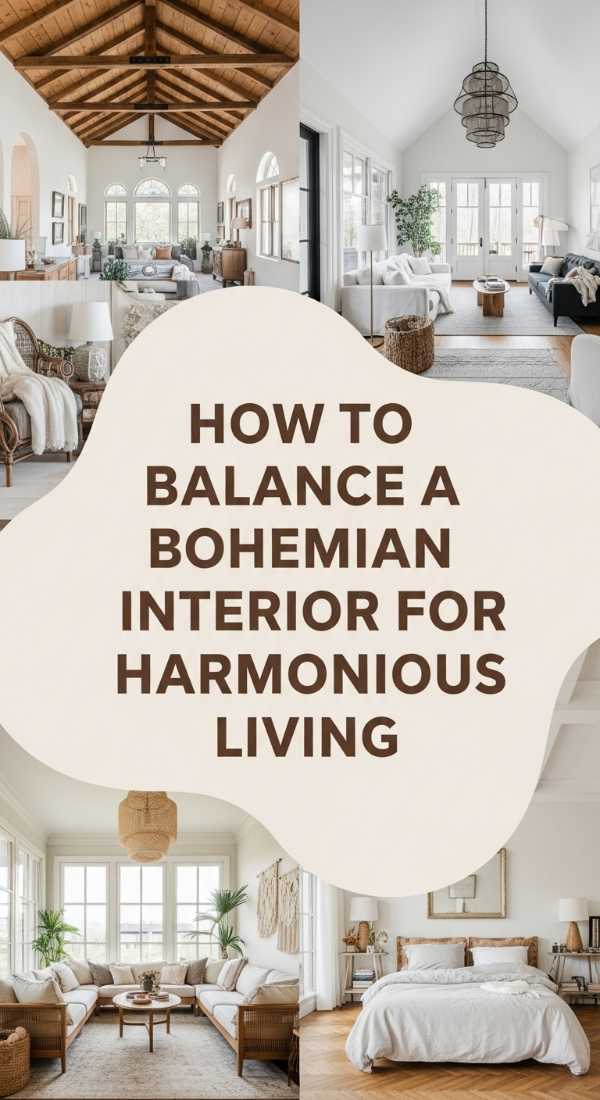
How to Balance a Bohemian Interior for Harmonious Living
Why we love this
The biggest challenge of boho design is the line between ‘eclectic’ and ‘cluttered,’ and finding that balance is where the true art lies. We love a balanced interior because it allows the mind to rest while still providing plenty of visual interest to explore. It’s the feeling of a room that is full of life but also full of air—where the vibrant colors of a tapestry are grounded by the neutral tones of a reclaimed wood floor. When a space is balanced, you feel a physical sense of relief the moment you enter; the energy is ‘just right,’ neither too loud nor too quiet.
Essential Elements:
- Neutral-toned large furniture (sofa, rug)
- Vibrant accent pieces (pillows, art)
- Greenery (at least 3 different heights of plants)
- Natural light sources
- Negative space (empty areas of wall or floor)
How to make it
- The 60-30-10 Rule: Apply this color balance: 60% neutral tones (creams, browns, tans), 30% secondary textures (wood, metal, woven), and 10% bold ‘boho’ pops (turquois, burnt orange, deep red).
- Eye-Level Leveling: Walk around the room and ensure that your ‘visual weight’ is distributed. If all your tall furniture is on one side, the room will feel ‘tipped.’ Move a tall plant or a floor lamp to the opposite side to bring the horizon line back to center.
- The ‘Breathable’ Gap: Leave at least one wall or one corner relatively empty. This ‘negative space’ acts as a palate cleanser for the eyes, preventing the sensory overload that can happen in highly decorated rooms.
- Mixing Old and New: For every brand-new piece of furniture, try to incorporate one vintage or ‘weathered’ item. This creates a sense of history and prevents the room from looking like a showroom.
- The ‘Squint Test’: Stand at the entrance and squint. If one area looks like a dark, heavy ‘blob’ and another looks empty, you need to redistribute your accessories until the density looks even across the whole field of vision.
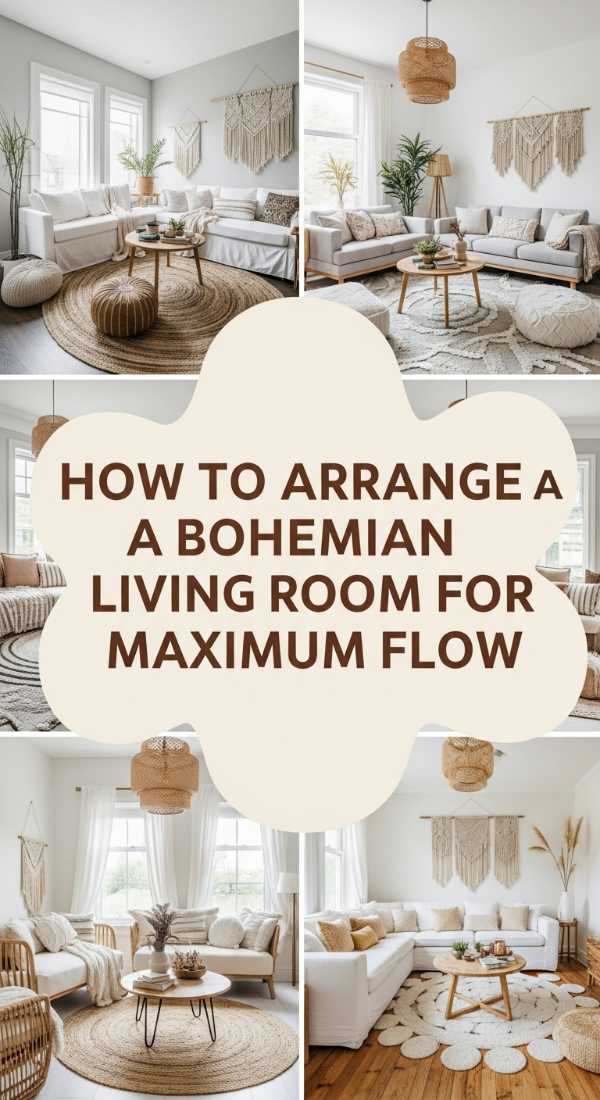
How to Arrange a Bohemian Living Room for Maximum Flow

Why we love this
A bohemian living room should feel like it was designed for a gathering of friends, with an effortless flow that encourages movement and conversation. We love the ‘open-circle’ arrangement because it removes the TV as the sole focus and centers the room around human connection. The feeling of moving through a room without bumping into sharp corners, guided by soft rugs and strategically placed plants, makes the home feel fluid and alive. It’s about creating a ‘vibe’ where people feel comfortable enough to kick off their shoes and stay for hours.
Essential Elements:
- Low-profile modular sofa or sectional
- Central coffee table (round is best for flow)
- 2 poufs or floor ottomans
- Tall indoor trees (Palms or Birds of Paradise)
- Sheer curtains
How to make it
- The ‘No-Dead-Ends’ Path: Ensure there is at least a 3-foot wide path between all furniture pieces. You should be able to walk from the entrance to the window without having to turn sideways or navigate a ‘maze.’
- The Circle of Conversation: Arrange your seating so that everyone is facing a central point (the coffee table). Use poufs and ottomans to ‘close’ the circle without blocking the visual view of the rest of the room.
- The Soft Barrier: Use sheer curtains to diffuse the light. This creates a soft ‘glow’ that makes the boundaries of the room feel less rigid, contributing to the sense of flow and openness.
- Vertical Guidance: Place your tallest plants in the corners furthest from the entrance. This ‘pulls’ the eye through the room, making the space feel larger and more dynamic as you move into it.
- The Sensory Anchor: Place a diffuser or a bowl of palo santo in the center of the coffee table. As you walk through the ‘flow’ of the room, the subtle movement of air will carry the scent with you, unifying the different zones of the living space.
How to Select Bohemian Furniture for an Elevated Look
[IMAGE_10]
Why we love this
Selecting furniture for a boho home is like picking out characters for a story—each piece should have a personality and a sense of ‘lived-in’ charm. We love the look of elevated boho because it moves away from ‘cheap’ materials and focuses on raw, honest elements like solid mango wood, hammered brass, and thick Top-grain leather. There is a weight and a temperature to high-quality furniture that you can feel—the coolness of marble, the warmth of old wood—that adds a layer of sophistication to the ‘wild’ bohemian spirit. It’s about finding pieces that will age beautifully and hold the memories of your home for years to come.
Essential Elements:
- One ‘statement’ piece (e.g., a hand-carved sideboard)
- Natural materials (teak, rattan, leather, stone)
- Low-profile silhouettes
- Mixed metal accents
- Hand-finished surfaces
How to make it
- The Material Audit: Before buying, touch the piece. If it feels like plastic or ‘hollow,’ it won’t provide the grounded energy needed for a sanctuary. Opt for solid woods and metals that have a natural ‘patina’ or variance in color.
- Proportion Planning: Bohemian furniture often looks best when it’s lower to the ground. This creates a relaxed, ‘grounded’ feeling. When selecting a sofa or coffee table, look for heights that are 2-4 inches lower than standard ‘formal’ furniture.
- The ‘Story’ Check: Ask yourself if the piece looks like it could have been found in a market or passed down through a family. If it looks too ‘mass-produced’ and perfect, it might need to be softened with a handmade textile or vintage hardware.
- Mixing Eras: Don’t buy a matching set. Select a mid-century modern sideboard and pair it with a rustic, farmhouse-style dining table. The ‘clash’ of eras is what creates the curated, elevated bohemian look.
- Visual Weight Management: Balance a heavy, dark wood piece with something ‘leggy’ or airy, like a rattan chair. This ensures the room feels ‘elevated’ (literally lifted) rather than weighed down by heavy furniture.
Conclusion: Your Sanctuary Awaits
Creating a bohemian sanctuary is a journey of the heart. It’s about listening to your space and allowing it to evolve as you do. By focusing on light, texture, and the stories behind your furniture, you transform a house into a place of deep restoration. Remember, there are no hard rules—only the feelings of comfort, warmth, and wanderlust that you choose to bring into your home every single day. Happy decorating!