
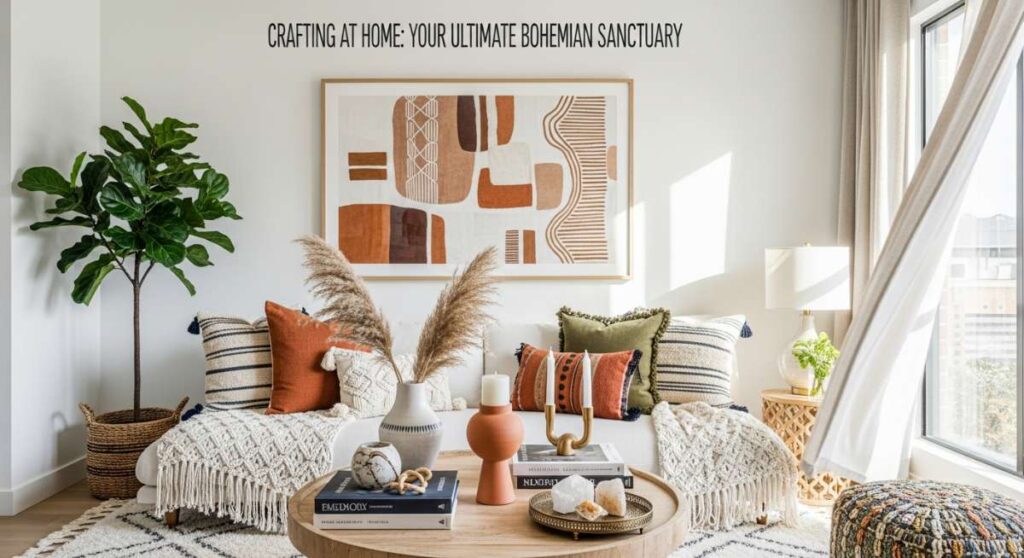
Wanderlust at Home: Crafting Your Ultimate Bohemian Sanctuary
Have you ever walked into a room and felt an immediate, soul-deep sigh of relief? That is the magic of a bohemian sanctuary. For years, I traveled the world, chasing the sunset from Marrakech to Tulum, always wondering why my own living room felt like a sterile waiting area rather than a reflection of my adventures. I realized that our homes shouldn’t just be boxes where we store our stuff; they should be living, breathing canvases that tell the story of who we are and where we dream of going.
Creating a bohemian sanctuary is about more than just buying a few wicker baskets; it’s about a feeling. It’s the soft glow of amber light against a textured wall, the scent of sandalwood wafting through the air, and the tactile joy of sinking your toes into a thick, wool rug. It’s an invitation to slow down, to breathe, and to surround yourself with the things that spark a sense of wanderlust. Today, I’m pulling back the curtain on how you can curate that effortless, soulful vibe in your own space, turning every corner into a retreat.
How to Curate a Bohemian Interior for Pure Serenity
Why we love this
A curated bohemian interior acts as a physical exhale for the soul, blending earthy tones with organic materials to create a sanctuary that feels grounded yet airy. We love this approach because it prioritizes comfort over rigidity, allowing your space to evolve with your mood and your travels. When you walk into a room styled this way, the sensory experience is immediate: the scent of dried eucalyptus, the sight of sunlight filtering through sheer linen, and the feeling of total peace. It’s a design style that celebrates imperfection, making every chipped ceramic bowl or hand-woven throw feel like a cherished piece of history.
Essential Elements:
- Neutral, earthy color palette (terracotta, sage, cream).
- Natural fibers like rattan, jute, and linen.
- Live greenery and indoor plants.
- Vintage or hand-crafted furniture.
- Soft, ambient lighting.
How to make it
- Prep the canvas: Clear out any clutter that feels heavy or corporate. Your base should be clean and light, ideally using a warm white or soft beige paint to ‘season’ the room with a sense of space.
- Layer the base notes: Start with your largest furniture pieces. Choose items with low profiles and natural wood grains. Just like searing a steak, you want these pieces to anchor the room with a rich, foundational presence.
- Simmer with texture: Introduce various fabrics. Drape a linen throw over a wooden chair or place a jute basket in the corner. Watch for the ‘doneness’ visual cue: the room should look full but not crowded, with textures playing off each other like a well-balanced sauce.
- Infuse with life: Add three different types of plants at varying heights. The visual ‘green’ adds an aromatic freshness that artificial scents can’t mimic.
- Season with light: Replace harsh overhead bulbs with warm-toned LEDs (2700K). The ‘cooking time’ here is finding the right balance—ensure every corner has a soft glow to eliminate cold shadows.
How to Layer a Bohemian Rug for Maximum Cozy Vibes

Why we love this
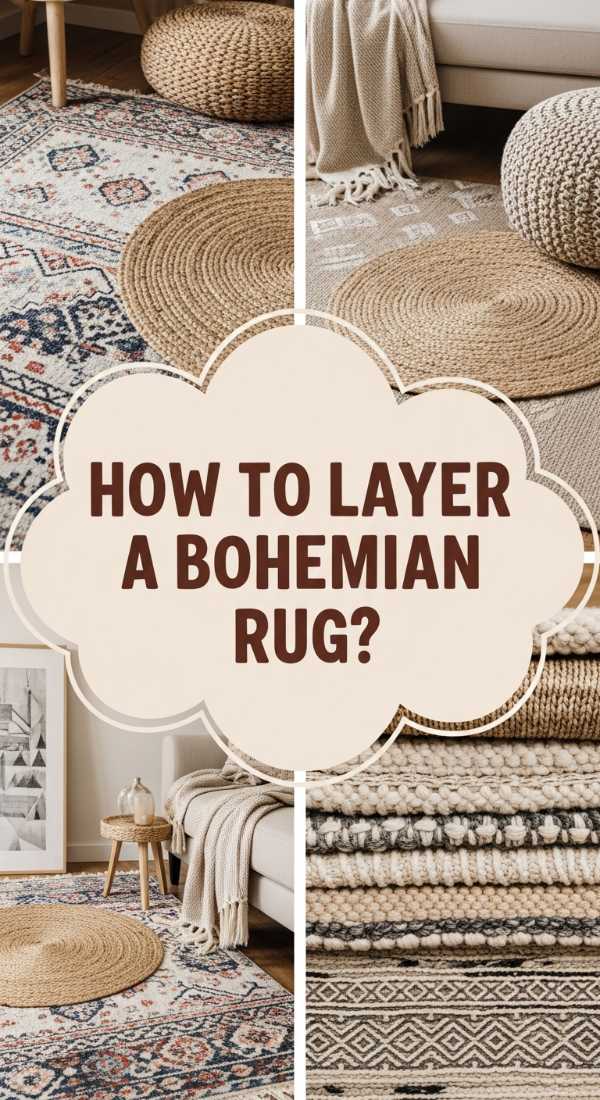
There is something deeply indulgent about the feeling of soft, layered rugs beneath your bare feet on a lazy Sunday morning. Layering rugs is the ultimate bohemian secret for adding instant depth and warmth to a room that might otherwise feel flat or cold. By mixing a large, sturdy jute base with a smaller, plush Moroccan shaggy rug, you create a visual and tactile landscape that invites you to sit on the floor and stay a while. It’s about the contrast between the rough, earthy texture of the bottom layer and the buttery softness of the top, creating a cozy nest that anchors the entire room.
Essential Elements:
- Large natural fiber rug (jute or sisal).
- Smaller patterned rug (kilim or shag).
- Rug pads for stability.
- Consistent color story between layers.
- Slightly offset placement for an effortless look.
How to make it
- Measure the ‘heat’: Determine the size of your space. The base rug should be large enough to touch all major furniture pieces, creating a ‘crust’ that holds the room together.
- Base Layer Prep: Lay down your jute rug first. Ensure it is flat and centered. This acts as your heavy-bottomed pan, providing the structure and durability needed for high-traffic areas.
- The Flavor Layer: Place your smaller, patterned rug on top. For the best visual flavor, don’t center it perfectly; angle it slightly or offset it to one side. This adds the ‘kick’ to your design.
- Check the Bond: Ensure the rugs aren’t sliding. If they move when you walk, add a thin rug-to-rug pad. A ‘well-cooked’ rug layer stays perfectly in place, providing a seamless transition underfoot.
- Visual Garnish: Pull colors from the top rug into other room accents like pillows or vases to create a cohesive ‘reduction’ of style throughout the space.
How to Style Bohemian Wall Decor for Artistic Expression
Why we love this
Walls are the storytelling centers of a home, and bohemian wall decor allows for a level of artistic expression that is both bold and deeply personal. We love the way a collection of woven baskets, vintage mirrors, and macramé hangings can turn a blank wall into a gallery of memories and textures. The aroma of natural grasses from the baskets and the intricate shadows cast by woven art create a multi-dimensional experience that draws the eye and sparks conversation. It’s an opportunity to break away from traditional framed prints and embrace a more tactile, three-dimensional form of beauty.
Essential Elements:
- Woven seagrass or rattan baskets.
- Hand-knotted macramé wall hangings.
- Vintage brass or wooden mirrors.
- Framed botanical prints or sketches.
- Removable adhesive hooks or small nails.
How to make it
- Recipe Layout: Before hammering a single nail, lay all your items out on the floor in front of the wall. This is your ‘mise en place’—getting everything ready before the ‘cooking’ begins.
- Establish the Focal Point: Pick your largest or most vibrant piece to be the ‘main ingredient.’ Place this slightly off-center on your wall at eye level.
- Sauté with Variation: Add your secondary pieces around the focal point. Mix textures—place a soft macramé next to a hard brass mirror. The ‘visual cue’ for doneness here is a balanced distribution of weight; don’t let one side feel ‘heavier’ than the other.
- Adjust the Heat: Step back frequently. If a spot feels ‘cold’ (empty), add a small basket or a hanging air plant. If it feels too ‘burnt’ (cluttered), remove one item to let the others breathe.
- Final Finish: Ensure all items are level. Use a professional tip: a tiny bit of poster putty on the bottom of baskets keeps them from shifting, ensuring your wall remains a masterpiece indefinitely.
How to Dress a Bohemian Bed for Total Relaxation
Why we love this
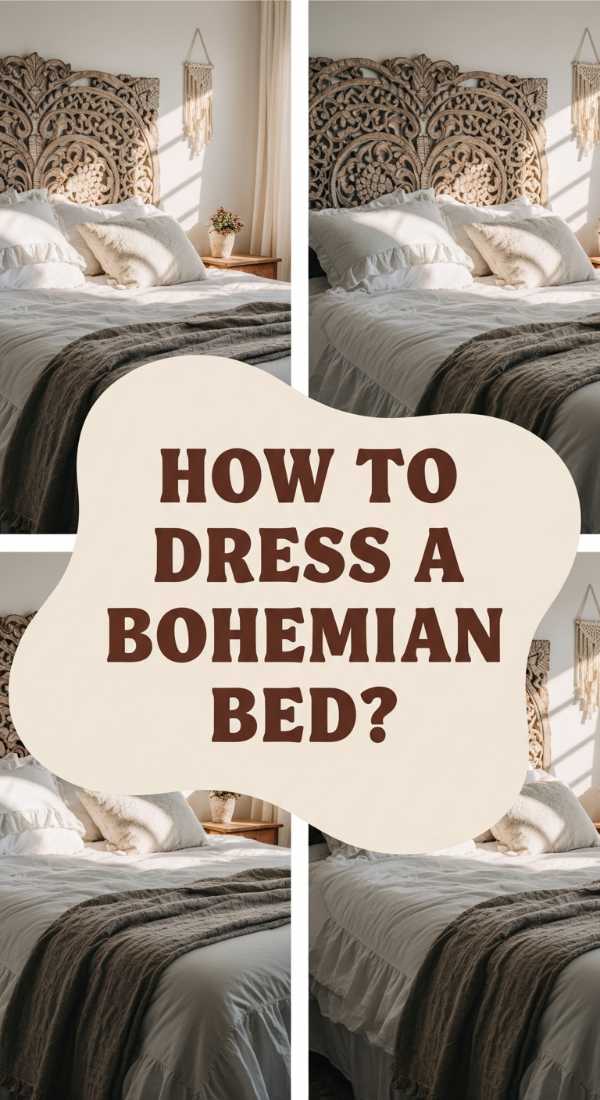
The bohemian bed is the ultimate sanctuary within a sanctuary—a soft, cloud-like escape that promises the deepest sleep of your life. We are obsessed with the ‘lived-in’ look of linen and the heavy, comforting weight of a handmade quilt layered over crisp cotton. It’s a sensory feast: the cool touch of natural fibers against your skin, the visual rhythm of tassels and fringe, and the inviting volume that makes you want to dive in the moment you see it. Styling a bed this way transforms a functional piece of furniture into a centerpiece of pure, unadulterated relaxation.
Essential Elements:
- Linen or 100% cotton duvet cover.
- Textured throw blanket (chunky knit or cotton weave).
- Assorted pillows in various sizes (euro, standard, lumbar).
- A lightweight quilt or kantha throw.
- Natural wood or upholstered headboard.
How to make it
- Prep the Base Layer: Start with high-quality sheets. This is your foundation—if the base isn’t good, the ‘dish’ fails. Tuck the bottom sheet tightly, but leave the top sheet loose and airy.
- The Main Course: Add your duvet. For that signature ‘fluffy’ boho look, use an insert that is one size larger than your cover. Shake it out vigorously to incorporate air—think of it like whipping egg whites.
- Layering the Texture: Fold a quilt or kantha throw across the bottom third of the bed. Then, casually drape a chunky knit throw over one corner. The goal is ‘perfectly messy’—aim for a visual cue of comfort rather than precision.
- Pillow Assembly: Place your large Euro shams against the headboard, followed by your sleeping pillows, and finally, a long lumbar pillow in a contrasting texture. This creates a ‘gradient’ of comfort.
- The Aromatic Garnish: Spritz the linens with a light lavender or cedarwood linen water. The ‘doneness’ is achieved when the bed looks so inviting you can’t help but take a midday nap.
How to Choose a Bohemian Mirror for Brightening Small Spaces

Why we love this
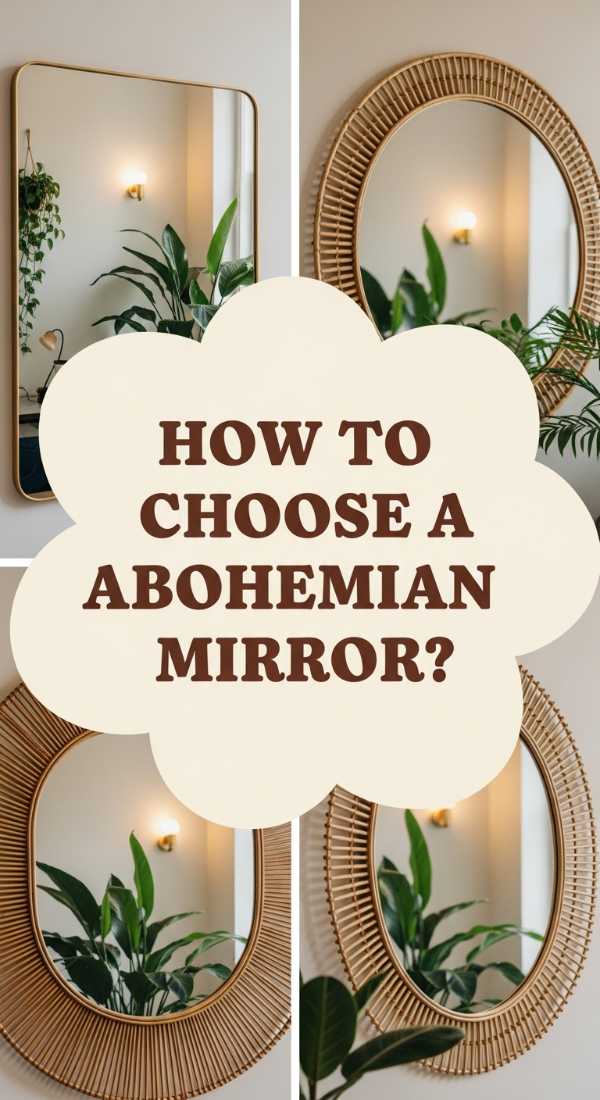
Mirrors are the secret ingredients of interior design, acting as windows where none exist and doubling the visual space of a cozy room. In a bohemian home, a mirror isn’t just a reflective surface; it’s a piece of art framed in sunburst rattan or weathered wood that adds warmth and light. We love how a well-placed mirror can catch the golden hour sun and bounce it into the dark corners of a room, creating a glowing, ethereal atmosphere. It’s a simple addition that provides a sense of openness and ‘breath’ to even the smallest urban apartment.
Essential Elements:
- Rattan or wicker frames.
- Sunburst or arched shapes.
- Distressed wood or antique brass finishes.
- Large scale for maximum impact.
- Command strips or heavy-duty wall anchors.
How to make it
- Identify the Light Source: Find where the natural light enters your room. You want to place your mirror ‘across’ from this source to catch the rays, much like positioning a reflector in photography.
- Select your ‘Flavor’: Choose a frame that complements your existing furniture. A sunburst rattan mirror adds a playful, sunny vibe, while an arched wooden mirror adds a more grounded, architectural feel.
- The Prep Work: Clean the glass thoroughly with a vinegar solution until it’s crystal clear. Any smudges will ‘dull the flavor’ of the light reflection.
- Installation Technique: For heavy mirrors, use a stud finder. You want a ‘well-done’ installation that is secure. Ensure the center of the mirror is at eye level (roughly 57-60 inches from the floor).
- Monitor the Flow: Once hung, check the reflection from different angles in the room. If it’s reflecting something messy (like a laundry pile), adjust the angle slightly. A perfect boho mirror should only reflect beauty and light.
How to Mix Bohemian Pillows for Plush Comfort

Why we love this
Pillows are the ‘seasoning’ of a bohemian room—they add the pops of color, the bursts of texture, and the ultimate level of plush comfort. There is something incredibly satisfying about a sofa overflowing with a mix of velvet, kilim, and pom-pom accented cushions. We love this because it’s an easy, low-commitment way to experiment with different patterns and global styles. Sinking into a pile of diverse, soft pillows feels like a warm hug, making your living area the heartbeat of the home where everyone feels welcome to linger and talk for hours.
Essential Elements:
- Variety of fabrics (velvet, linen, wool).
- Different shapes (square, round, lumbar).
- Mix of patterns (stripes, mudcloth, solid).
- High-quality feather or down-alternative inserts.
- Embellishments like tassels or fringe.
How to make it
- The Anchor Layer: Start with your largest pillows (22×22 inches) in a solid, heavy fabric like velvet or thick linen. Place these at the ends of your sofa. These are your ‘base stock.’
- Adding the Spice: Layer in slightly smaller pillows (20×20 inches) with bold patterns like kilim or ikat. Ensure there is one common color thread between all patterns to avoid ‘flavor clashing.’
- Texture Infusion: Add a round or uniquely shaped pillow in the center. Look for something with heavy texture, like a macramé front or long tassels. This is the ‘garnish’ that draws the eye.
- The Karate Chop: For the professional ‘done’ look, give each pillow a gentle ‘chop’ in the center top. This creates a natural indentation that looks high-end yet approachable.
- Check the ‘Density’: Sit on the sofa. If you have to move five pillows just to sit down, you’ve ‘over-seasoned.’ Remove one or two until you find the perfect balance of style and function.
How to Design a Bohemian Kitchen for Heartfelt Gatherings
Why we love this
The bohemian kitchen is a celebration of the ‘slow food’ movement, where the process of cooking is as beautiful as the meal itself. We love this design style because it moves away from hidden, sterile cabinets toward open shelving filled with artisanal ceramics, wooden spoons, and glass jars of colorful spices. It’s a kitchen that smells like fresh basil and roasted coffee, where the textures of marble and reclaimed wood meet. It’s not just a place to prep food; it’s a soulful space that encourages guests to grab a drink and lean against the counter while you cook.
Essential Elements:
- Open wooden shelving.
- Artisanal, mismatched ceramics and mugs.
- Hanging herb garden or potted plants.
- Vintage runners or rug accents.
- Warm brass or copper hardware.
How to make it
- De-Clutter the ‘Heat’: Remove dated cabinet doors to create instant open shelving. This ‘opens up the pot,’ allowing your kitchen to breathe and your beautiful items to be seen.
- Organize the Ingredients: Transfer dry goods (flour, pasta, lentils) into clear glass jars. This adds a visual ‘texture’ of colors and shapes that feels like an old-world apothecary.
- Simmer with Ceramics: Stack your plates and bowls by color or material. Mix in a few hand-thrown pieces with smooth, factory-made ones for that signature ‘imperfect’ bohemian look.
- Introduce ‘Green’ Flavor: Place small pots of rosemary, mint, and thyme on the windowsill. Not only do they look beautiful, but they provide immediate aromatic benefits to your cooking.
- Finish with Textile: Place a vintage-style washable runner in front of the sink. It adds a layer of warmth and ‘cushion’ for your feet, signaling that this kitchen is a place for long, heartfelt gatherings.
How to Pick a Bohemian Chair for the Perfect Reading Nook
Why we love this
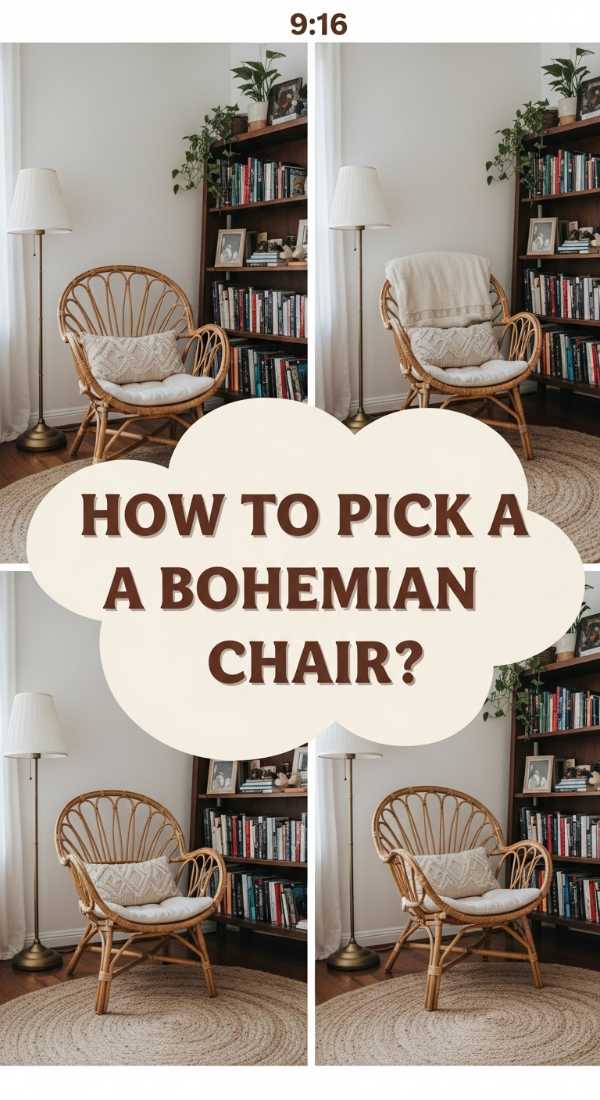
Every bohemian sanctuary needs a dedicated corner for quiet reflection, and the right chair is the soul of that space. We love the iconic look of a rattan peacock chair or a soft, leather butterfly chair that invites you to curl up with a good book and a cup of tea. These chairs are more than just seating; they are sculptural elements that bring an organic, hand-crafted feel to a corner. When paired with a soft sheepskin and a small side table, the reading nook becomes a destination within your home—a tiny vacation you can take every single day.
Essential Elements:
- Natural materials (rattan, leather, or woven cord).
- Ergonomic but relaxed shape.
- Soft sheepskin or faux-fur drape.
- Small, sturdy side table for tea.
- Task lighting (a floor lamp with a warm glow).
How to make it
- Source the ‘Protein’: Choose your chair based on the size of the corner. A papasan chair is great for ‘low-heat’ lounging, while a leather chair offers a more ‘structured’ feel.
- Positioning for Flow: Place the chair at a 45-degree angle to the corner. This creates a ‘pocket’ of space behind it that feels cozy rather than cramped.
- The Comfort Layer: Drape a sheepskin over the back of the chair. This adds a ‘fatty’ richness of texture that is essential for long reading sessions.
- Pairing the Sides: Add a small wooden stool or a stack of vintage books to serve as a table. Ensure it’s at ‘hand-height’ so you don’t have to reach too far for your beverage.
- Lighting the ‘Nook’: Position a floor lamp just behind the chair’s shoulder. Use a visual cue of ‘softness’—the light should illuminate the page without creating a harsh glare in the rest of the room.
How to Arrange Bohemian Furniture for Effortless Flow
Why we love this
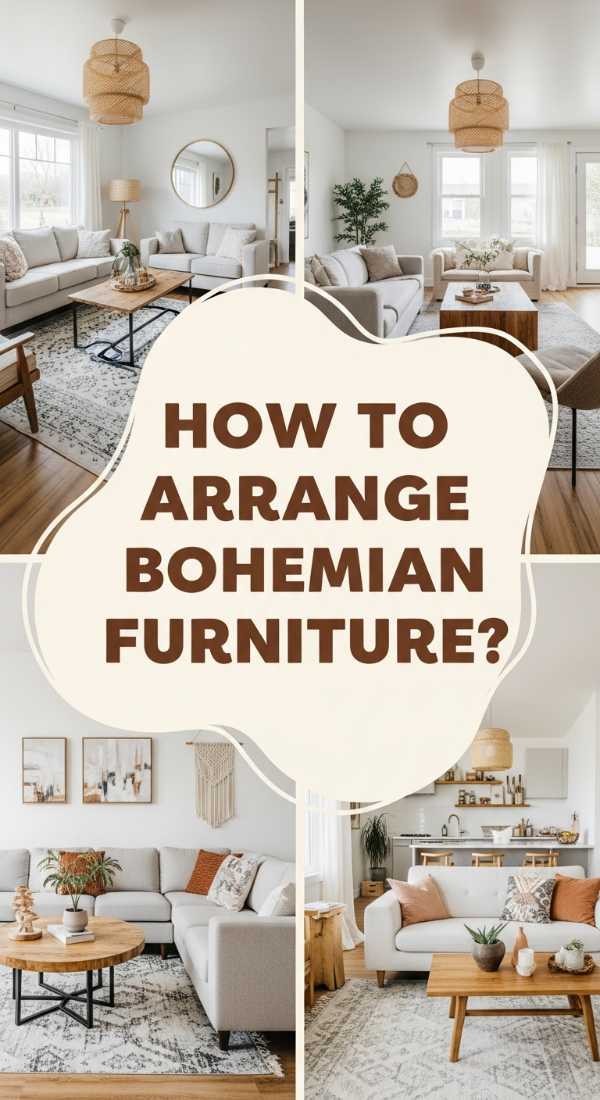
The layout of a bohemian room should feel like a natural conversation—unforced, circular, and incredibly welcoming. We love this approach to furniture arrangement because it breaks the ‘rules’ of pushing everything against the walls, instead pulling pieces toward the center to create intimate clusters. It’s about the flow of energy and the ease of movement, where you can drift from a cozy chair to a floor pouf without hitting a sharp corner. This arrangement style prioritizes human connection, making your home feel like a hub for storytelling and shared laughter.
Essential Elements:
- Low-profile seating (sofas, floor cushions, poufs).
- Circular or organic-shaped coffee tables.
- Clear pathways (at least 30 inches wide).
- Strategic placement of floor plants to soften corners.
- A central ‘anchor’ piece (like a large rug).
How to make it
- Clear the Palate: Move all furniture to the center of the room. This allows you to see the ‘bones’ of the space before you start ‘plating’ your arrangement.
- Center the Main Dish: Place your largest rug in the middle of the room. This is your ‘serving platter’ that will hold all the other elements.
- Group for Interaction: Arrange seating in a loose circle or semi-circle. Ensure the seats are close enough that you can speak at a ‘low simmer’ (whisper) and still be heard.
- Soften the Edges: Place tall plants or a floor lamp in the ‘dead zones’ (corners). This prevents ‘cold spots’ in the room’s energy and keeps the eye moving.
- The Flow Test: Walk through the room as if you were a guest. If you have to sidestep or turn your body to get through, the ‘recipe’ isn’t right. Adjust until the movement feels as smooth as silk.
How to Texture a Bohemian Wall for Depth and Warmth
[IMAGE_10]
Why we love this
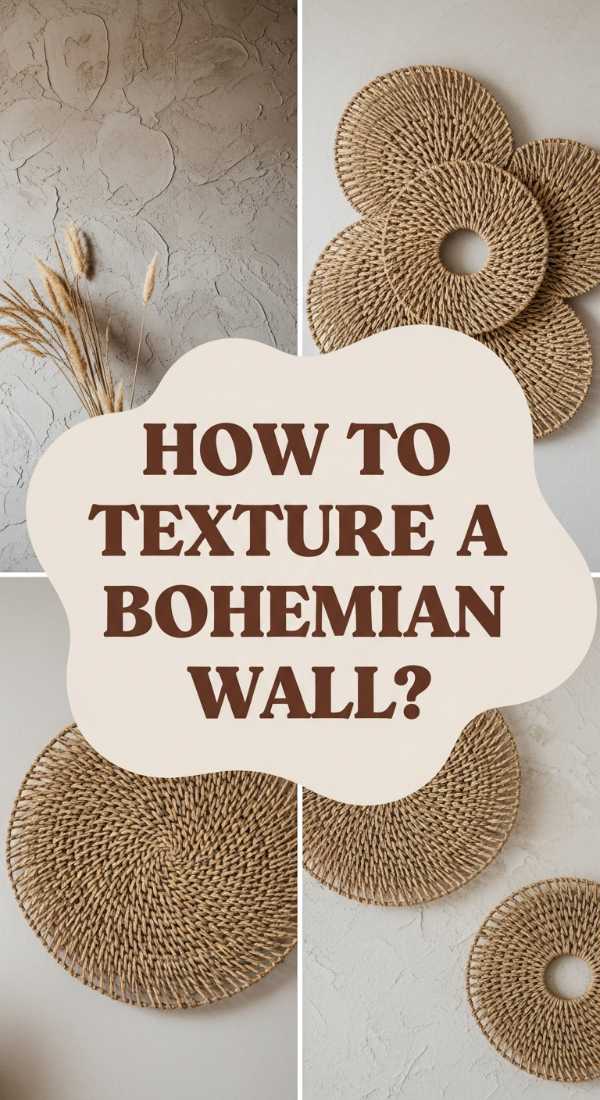
Texture is the secret language of bohemian design, and applying it to your walls can transform a room from ‘flat’ to ‘fantastical.’ Whether it’s through a subtle limewash finish that mimics the sun-drenched walls of a Mediterranean villa or a bold fabric wall hanging that adds acoustic warmth, texturing your walls adds a layer of sophistication. We love how a textured wall catches the light differently at various times of the day, creating a living shadow-play that makes the room feel ancient and new all at once. It’s a way to wrap your home in a tactile embrace.
Essential Elements:
- Limewash paint or textured plaster.
- Large-scale fabric tapestries or rugs.
- Peel-and-stick wood or grasscloth wallpaper.
- Natural sponges or wide brushes for application.
- Proper primers for textured finishes.
How to make it
- Surface Prep: Wash your walls with a mild detergent and let them dry completely. This is the ‘cleaning the grill’ phase—you need a pristine surface for the texture to ‘sear’ properly.
- The Limewash Technique: If using limewash, apply the first coat in large, random ‘X’ motions with a wide brush. This isn’t about precision; it’s about building ‘flavor’ through unevenness.
- Adding the Second Layer: Once the first coat is ‘al dente’ (mostly dry but slightly tacky), apply a second coat. Watch for the visual cue: the color will bloom and look mottled as it dries, creating that ‘aged’ look.
- Alternative Texture: If you’re renting, hang a large, flat-weave rug on the wall using a wooden rod. This provides ‘instant texture’ without the permanent ‘cooking’ time of paint.
- The Lighting Reveal: Position a small spotlight or floor lamp to graze the wall. This ‘highlights’ the texture, making the shadows deep and the highlights crisp, finishing the room to perfection.
Conclusion: Your Home, Your Journey
Creating a bohemian sanctuary is a journey, not a destination. It’s about listening to your instincts, layering the things you love, and allowing your space to breathe. By focusing on texture, light, and natural elements, you’ve turned your home into more than just a house—it’s a sanctuary that fuels your spirit and welcomes your wanderlust every time you walk through the door. Remember, there are no mistakes in a boho home, only ‘extra flavor.’ So keep exploring, keep layering, and most importantly, keep enjoying the beautiful space you’ve built.