

Have you ever walked into a room and felt like the walls were giving you a warm, gentle hug? We spend so much of our lives within these four walls, yet so often we treat them as just a place to store our things. I’ve realized lately that our homes are actually the canvas of our souls—a direct reflection of our dreams, our travels, and the little pieces of magic we pick up along the way. Transforming your space isn’t about expensive renovations; it’s about heart.
Today, I’m sharing ten of my favorite aesthetic inspirations to help you breathe new life into your sanctuary. Whether you’re craving the salty air of a coastal retreat or the grounding presence of a sacred space, there is something here for every dreamer. Let’s dive into how you can curate a home that doesn’t just look good, but feels like a true extension of who you are.
How to Create a Warm Rustic Mexican Escape for Authentic Cozy Living

Why we love this
There is a soul-deep warmth to the rustic Mexican aesthetic that feels like a sunset in a desert garden. Imagine the rough, earthy texture of hand-fired Saltillo tiles under your bare feet, paired with the smoky, sweet aroma of a copal incense burner flickering in the corner. This style celebrates the beauty of imperfection, from the chipped edges of hand-painted Talavera pottery to the sun-faded hues of a heavy wool Zapotec rug that smells faintly of natural indigo and sheep’s wool. It creates a sanctuary that feels grounded, ancient, and incredibly welcoming.
Essential Elements:
- Terracotta Saltillo floor tiles
- Hand-painted Talavera ceramic accents
- Natural leather Equipal chairs
- Woven Zapotec textiles and rugs
- Exposed dark wood beams
- Cactus and succulent greenery
How to make it
- Begin with a base of warm, creamy white paint on the walls to mimic traditional plaster. Use a flat or eggshell finish to avoid modern shine; aim for a light temperature that feels soft under golden-hour lighting.
- Select your flooring or large-scale textiles. If you aren’t retiling, layer a large, thick-weave jute rug as a base, then overlay it with a smaller, colorful Mexican wool rug. Ensure the colors are saturated but earthy—think burnt orange, deep turquoise, and mustard yellow.
- Introduce leather elements. If using new leather, treat it with a natural oil to darken the hide, giving it that aged, “lived-in” patina that defines the rustic look. Position chairs near natural light sources.
- Arrange your Talavera pottery in groups of three. This creates a visual rhythm. Look for pieces with slightly irregular patterns, which indicates they are hand-painted rather than machine-printed.
- Finalize the ambiance by introducing wood. If you don’t have beams, add thick, reclaimed wood shelving. Sand the wood lightly but leave the deep grains and knots visible to maintain that rugged, authentic texture.
How to Refresh Your Home for Summer to Bring the Sunshine Indoors
Why we love this
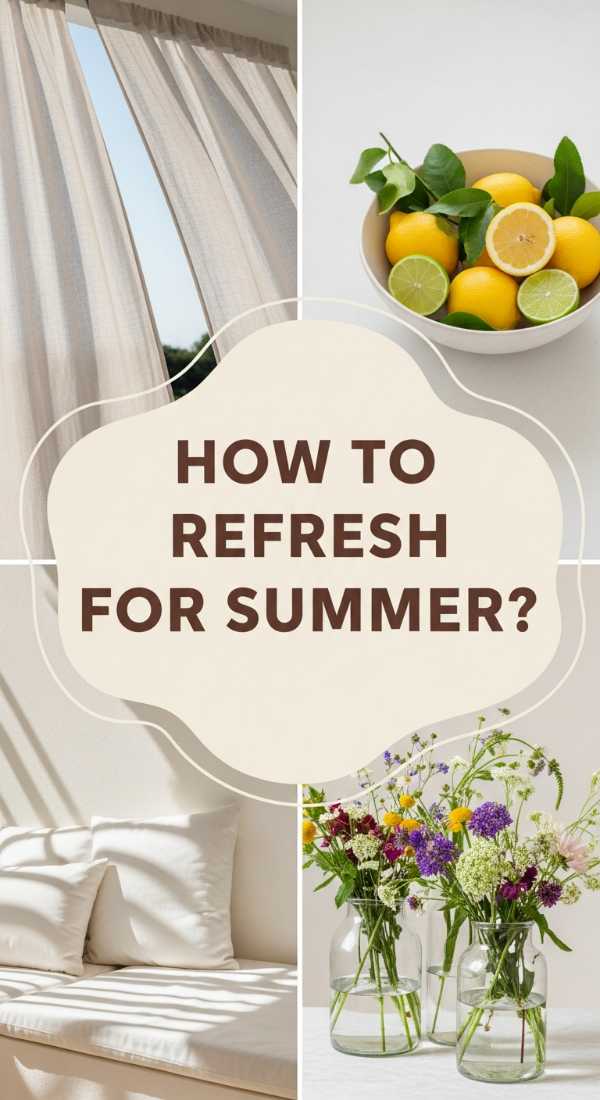
When the days grow long, our homes should feel like a cool breeze on a humid afternoon. This aesthetic is all about shedding the heavy layers of winter and embracing the crisp, airy feeling of sun-bleached linens and the scent of freshly cut citrus. You can almost feel the light dancing off the surfaces, making every corner feel vibrant and energized. It’s the sensation of a window thrown wide open, where the boundaries between your living room and the blooming garden outside simply disappear in a wash of brightness.
Essential Elements:
- Sheer linen curtains
- Citrus-scented candles or diffusers
- Fresh eucalyptus and sunflowers
- Lightweight cotton throw blankets
- Rattan and seagrass storage baskets
How to make it
- Strip away heavy drapes and replace them with sheer white linen. When hanging, ensure the rod is at least 6-10 inches above the window frame to maximize the “airiness” and let the summer light flood the floor.
- Switch out heavy velvet or wool pillows for cotton and linen covers. Look for visual cues of coolness—whites, soft sage greens, and pale yellows work best to lower the “perceived temperature” of the room.
- Incorporate a scent strategy. Use a cold-air diffuser with lemon, lime, and mint essential oils. This provides a crisp olfactory layer that makes the space feel sanitized and refreshed without the “heavy” heat of a burning candle.
- Bring in greenery that thrives in high heat. Place potted citrus trees near southern-facing windows. If the leaves look glossy and the soil is damp but not soaked, you’ve hit the perfect balance for indoor summer growth.
- Declutter the surfaces. A summer home needs “breathing room.” Remove 30% of your shelf decor to create negative space, which allows the eye to rest and prevents the home from feeling stifling during hot spells.
How to Master Whimsical Decor for a Home Filled with Magic and Wonder

Why we love this
Walking into a whimsical home is like stepping into the pages of a forgotten fairytale. It is a sensory delight of velvet textures, hidden nooks, and the soft, ethereal glow of fairy lights hidden behind sheer fabrics. There is a playful, nostalgic aroma of old books and dried lavender that permeates the air, inviting you to stay a while and dream. Every object tells a story, and the space feels alive with a sense of wonder that reminds us never to take life too seriously.
Essential Elements:
- Mushrooms and botanical motifs
- Velvet furniture in jewel tones
- Ornate gold mirrors and frames
- Fairy lights and “starry” projectors
- Antique globes and vintage maps
How to make it
- Create a focal point using a “wonder wall.” Group together varied frames—some empty, some holding vintage botanical prints. Ensure the spacing is slightly asymmetrical to avoid a rigid, modern feel.
- Layer your lighting. Avoid using the main overhead light. Instead, use warm-toned LED strings (2700K temperature) tucked into glass cloches or draped over bedframes to create a soft, magical shimmer.
- Introduce velvet textures. If a sofa is too much, add jewel-toned velvet cushions. The fabric should have a high pile that changes color slightly when you run your hand over it, adding to the tactile mystery of the room.
- Add botanical elements in unexpected ways. Place dried moss inside glass coffee tables or hang dried flowers upside down from a rustic wooden ladder leaning against the wall.
- Finish with “hidden” details. Place small brass animals on top of door frames or inside bookshelves. These little surprises are the heartbeat of whimsical design and delight the eye upon discovery.
How to Incorporate Sacred Catholic Decor for a Serene Spiritually Centered Home

Why we love this
There is a profound, quiet stillness that comes with sacred decor—a sense of being anchored in something timeless. This style relies on the heavy, comforting scent of beeswax candles and the cool, smooth touch of polished wood and stone. The aesthetic is one of reverence and peace, where flickering candlelight casts soft shadows over beautiful icons and delicate lace. It transforms a house into a sanctuary, offering a dedicated space for reflection, prayer, and a deep breath away from the chaotic noise of the modern world.
Essential Elements:
- Home altar or “prayer corner” table
- Hand-painted religious icons or crucifixes
- Pure beeswax candles
- Linen or lace altar cloths
- Small holy water font near the entrance
- Fresh lilies or dried palms
How to make it
- Designate a “quiet zone” in your home, preferably a corner that receives soft morning light. This helps set a rhythmic, meditative tone for the day as the sun rises.
- Select a central piece of art, such as a traditional icon or a wooden crucifix. Hang it at eye level. Use a warm-toned accent light or a dedicated candle nearby to draw the focus toward the piece.
- Layer the surfaces with natural textiles. Use a white linen runner to represent purity and simplicity. Ensure the fabric is ironed crisp, providing a clean visual foundation for your sacred items.
- Incorporate scent through beeswax. Beeswax burns cleaner and longer than paraffin and emits a subtle honey aroma that is traditionally associated with sacred spaces. Ensure the flame is steady and shielded from drafts.
- Add a small bowl of polished river stones or a vessel of holy water. The tactile element of water or stone grounds the spiritual experience in the physical world, creating a multisensory environment for peace.
How to Design a Coastal Sanctuary for a Permanent Vacation Vibe
Why we love this
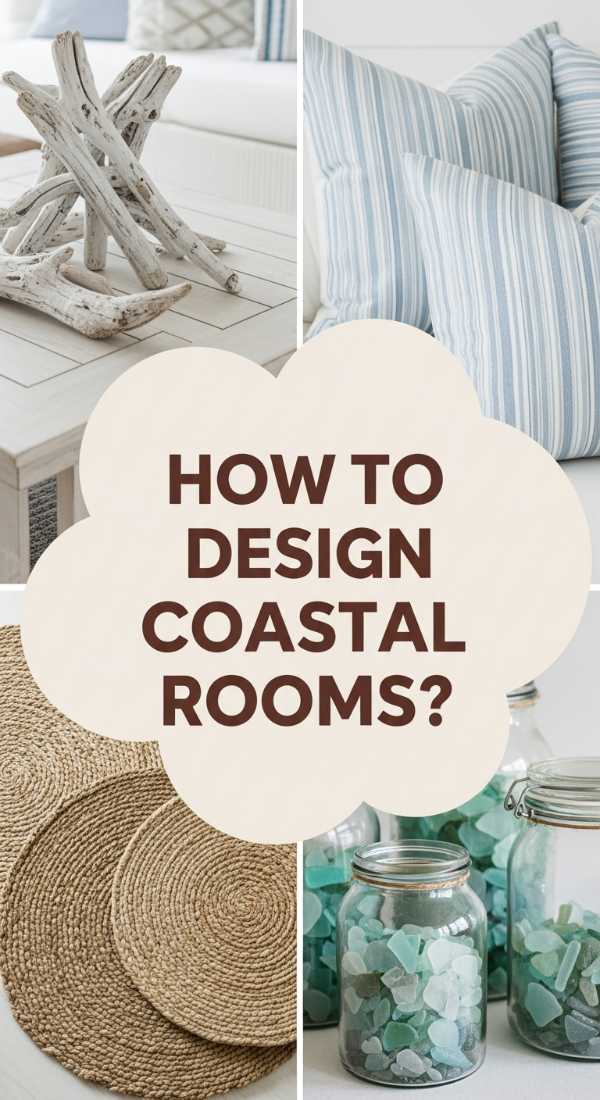
Imagine the feeling of salt spray on your skin and the rhythmic sound of waves crashing against the shore—that is the essence of the coastal sanctuary. This look is defined by soft, sandy neutrals and the rough-hewn texture of driftwood and seagrass. There’s a distinct scent of sea salt and clean laundry that makes the home feel incredibly fresh. It’s an aesthetic that prioritizes comfort and relaxation, making every day feel like a slow morning spent by the ocean, wrapped in a soft towel after a long swim.
Essential Elements:
- Slipcovered white sofas
- Driftwood coffee tables
- Jute or sisal rugs
- Blue and white striped textiles
- Glass jars filled with shells or sea glass
How to make it
- Start with a palette of “sand and sky.” Use a light beige or oatmeal color for the rugs and a crisp, cool white for the walls. This creates a high-contrast but soothing background.
- Choose furniture with slipcovers. The visual cue for a coastal home is “washable luxury.” The fabric should look slightly relaxed—not perfectly taut—to suggest a carefree lifestyle.
- Incorporate natural sea elements. When using driftwood, ensure it has been properly cured and dried to prevent any lingering ocean odors. Position it as a sculptural centerpiece on a mantle or table.
- Layer blues in various shades—from navy to seafoam. Use these in small pops like glass vases or accent pillows. This mimics the varying depths of the ocean and adds visual interest to a neutral room.
- Maximize natural light by using mirrors opposite windows. This bounces the light around the room, mimicking the sparkling effect of the sun on water, and makes even small spaces feel expansive and airy.
How to Curate Vintage Finds for a Character Rich Timeless Home

Why we love this
There is nothing quite like the weight of a solid brass candlestick or the cool, smooth grain of a mid-century teak sideboard. Vintage decor brings a sense of history and “gravity” to a room that new furniture simply can’t replicate. It’s the smell of old wax and polished wood, the sight of a slightly foxed mirror reflecting the room in a hazy, golden glow. Curating vintage pieces is like collecting stories; it makes your home feel curated over a lifetime rather than purchased from a catalog.
Essential Elements:
- Mid-century modern furniture
- Brass and copper hardware
- Antique oil paintings
- Mismatched vintage glassware
- Ornate Persian or Oriental rugs
How to make it
- Identify your “hero” piece. This should be a high-quality vintage item like a solid wood dresser or a unique armchair. Check the joints for dovetailing—a visual cue of superior, long-lasting craftsmanship.
- Clean and restore carefully. Use a high-quality wood soap to remove decades of grime, then apply a beeswax polish. Buff in circular motions until the wood has a soft, deep luster that glows without looking greasy.
- Mix eras to avoid a “museum” look. Pair a 1920s ornate mirror with a clean-lined 1960s credenza. The contrast in textures—etched glass vs. smooth wood—creates a dynamic, curated energy.
- Look for “patina.” Don’t over-polish your brass. A little oxidation in the crevices adds character and proves the item’s age. If an item is too shiny, it loses its historical weight.
- Group small vintage finds, like brass bells or old cameras, on a tray. This makes a collection of “clutter” look like a purposeful, artistic display.
How to Layer Boho Textures for the Ultimate Relaxed Living Space
Why we love this
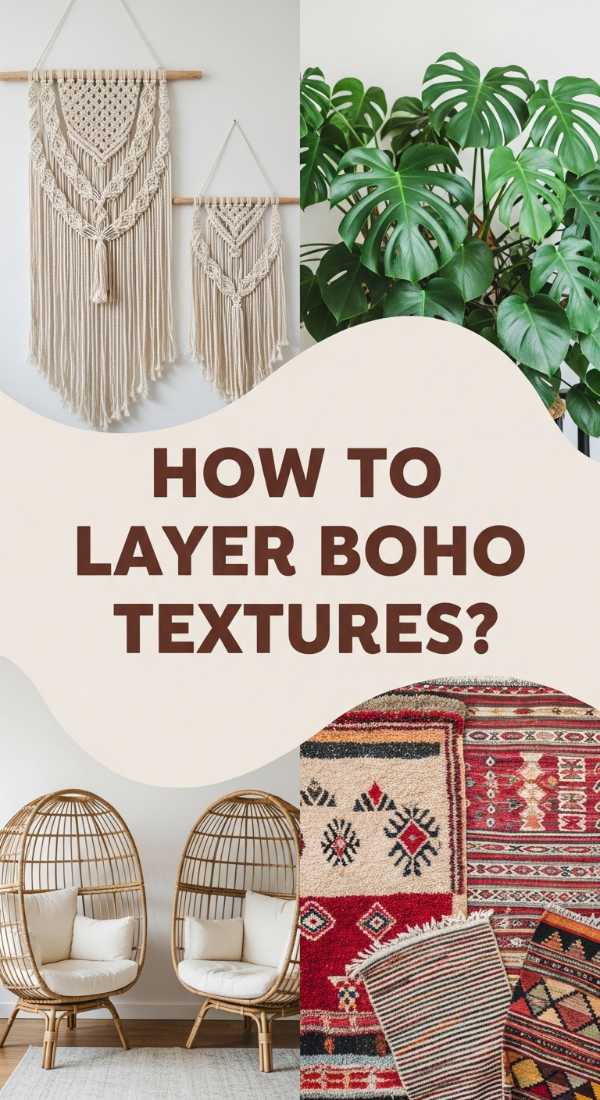
The boho aesthetic is a feast for the senses. It’s all about the “more is more” philosophy when it comes to comfort. Think soft macramé wall hangings, chunky knit throws, and the fuzzy texture of Moroccan shag rugs. The air often smells of sandalwood and patchouli, creating a grounded, bohemian atmosphere. It’s a space where you can lounge on the floor, surrounded by piles of pillows, feeling completely at ease in a room that values personality and comfort over rigid rules.
Essential Elements:
- Macramé wall art
- Rattan furniture and peacock chairs
- Moroccan floor poufs
- Layered rugs (jute + pattern)
- Abundant indoor plants (Pothos, Monstera)
How to make it
- Master the rug layer. Start with a large, low-pile jute rug that extends to the edges of your furniture. Overlap it at an angle with a smaller, plush shag rug in a tribal or geometric pattern.
- Add “height” with plants. Use macramé hangers to suspend trailing plants like Pothos from the ceiling. This draws the eye upward and adds a lush, organic texture to the vertical space.
- Incorporate natural fibers. Swap plastic or metal bins for seagrass or wicker baskets. The rough texture of the wicker against a smooth wall provides that essential boho contrast.
- Focus on low-level seating. Add a couple of leather or fabric poufs around the coffee table. This invites guests to sit closer to the ground, which immediately creates a more informal, relaxed social vibe.
- Use a “warm” color palette. Focus on terracottas, sages, and ochres. Ensure your lighting is exclusively warm-toned; avoid any “daylight” or blue bulbs, as they will make the soft textures look harsh and cold.
How to Revive Nineties Home Trends for a Fun Retro Flashback
Why we love this
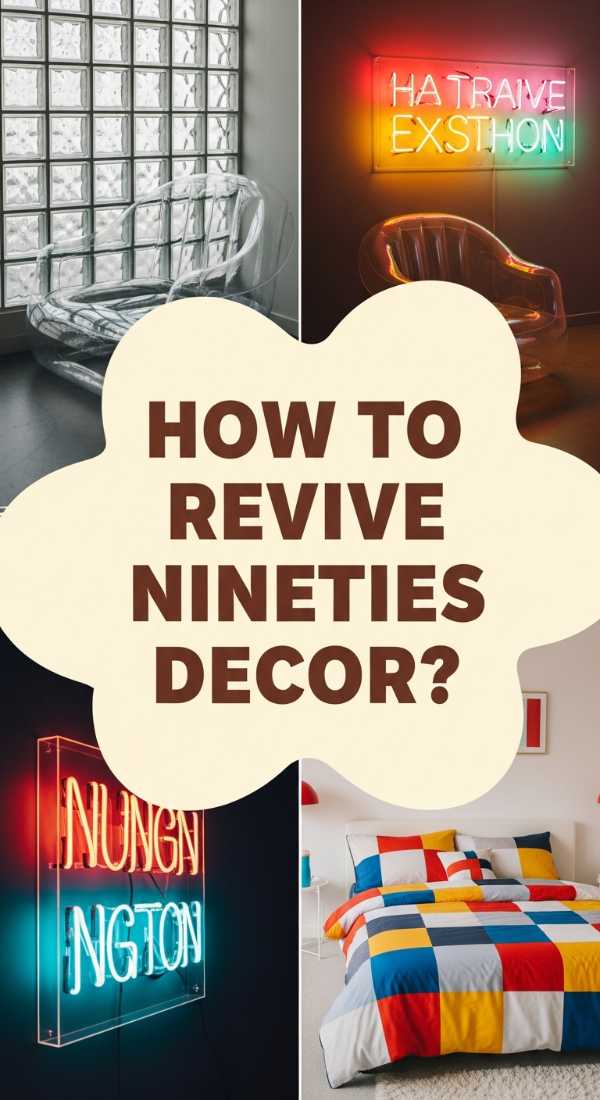
The 90s are back, and they’re surprisingly chic! This aesthetic brings a sense of playful nostalgia with its mix of bold geometry, blonde wood, and the occasional pop of neon. It reminds us of a time of inflatable chairs and beaded curtains, but the modern revival is much more sophisticated. It’s the feeling of a vibrant, high-energy space that doesn’t take itself too seriously, filled with the scent of vanilla and the visual excitement of primary colors mixed with soft pastels.
Essential Elements:
- Blonde wood furniture (birch or pine)
- Checkered patterns (rugs or pillows)
- Curved silhouettes and “blob” mirrors
- Glass block walls or accents
- Pastel lilac and mint green accents
How to make it
- Swap dark woods for blonde wood. If you have old furniture, sand it down to its natural light state and apply a clear matte sealer. Avoid yellow-toned stains to keep the look modern-retro.
- Introduce the checkered trend. Start small with a checkered throw blanket or a set of coasters. The visual cue here is a 1-inch to 2-inch grid, which feels iconic to the era without being overwhelming.
- Incorporate glass blocks. If a wall is too much, use glass block bookends or a small glass block lamp. The way they distort light creates a cool, tech-optimistic 90s vibe.
- Choose “curvy” furniture. Look for coffee tables with rounded edges or sofas with a “crescent” shape. This softens the room and adds a touch of Postmodernism that was huge in the mid-90s.
- Use “Pop” colors sparingly. Choose one 90s color—like electric blue or lime green—and use it for one single item, like a vase or a desk lamp, to act as a focal point against a neutral room.
How to Transform a Mobile Home for High End Luxury on a Budget

Why we love this
There is something incredibly satisfying about turning a compact, functional space into a jewel box of luxury. This aesthetic is all about “smart glamour”—think sleek gold hardware, marble-effect surfaces, and incredibly soft, high-thread-count linens. It’s the smell of high-end hotel room spray and the feeling of organized, efficient beauty. When done right, a mobile home can feel more luxurious than a sprawling mansion because every square inch is curated with intention and style.
Essential Elements:
- Luxe vinyl plank (LVP) flooring
- Peel-and-stick marble backsplashes
- Modern gold or matte black hardware
- Light-colored paint to expand the space
- Custom-look crown molding
How to make it
- Upgrade the flooring first. Use high-quality LVP with a wide-plank wood look. Ensure the planks are laid parallel to the longest wall to create a visual cue of length and expanse.
- Update all cabinet hardware. Replace standard plastic or silver knobs with heavy, solid brass or matte black pulls. This “weight” is a tactile cue for luxury every time you open a drawer.
- Use the “monochromatic trick.” Paint the walls, trim, and even the ceiling in the same shade of off-white or light gray. This eliminates visual breaks, making the small space feel significantly larger and more cohesive.
- Install a marble-style backsplash in the kitchen. Use high-quality heat-resistant peel-and-stick tiles. Ensure the “veins” in the marble align across tiles for a seamless, expensive-looking finish.
- Add “built-in” character. Install simple crown molding or a chair rail. Use a miter box for precise 45-degree angles; the tight, professional seams are the secret to making a budget home look like a custom build.
How to Personalize a Quirky Entrance for the Most Memorable Welcome Home
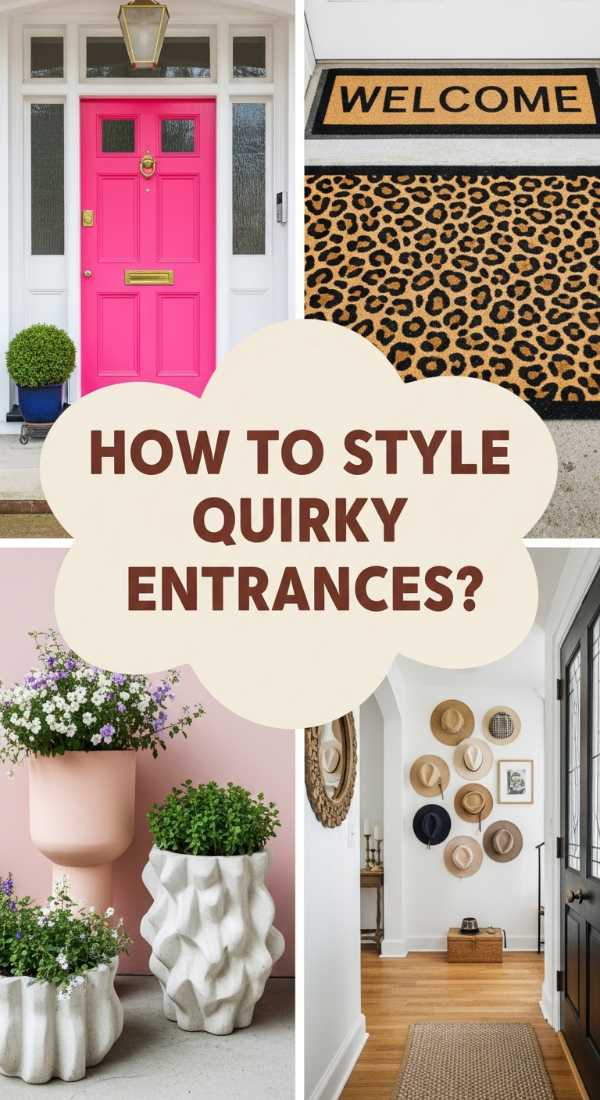
Why we love this
The entrance is the “handshake” of your home. A quirky, personalized entryway tells your guests exactly who you are before they even take off their coats. It’s the smell of your signature home fragrance—maybe cinnamon or fresh linen—and the sight of a gallery wall that features your favorite travel photos and oddities. It’s a space that feels joyful, slightly unexpected, and deeply personal, making every arrival feel like a special occasion.
Essential Elements:
- A bold, painted front door
- Unique umbrella stands or coat hooks
- A “statement” entry rug
- Wall-mounted mirror with a funky shape
- Small tray for keys and found objects
How to make it
- Paint the inside of your front door a surprising color, like a soft coral or a deep emerald. Apply three thin coats for a professional, durable finish, sanding lightly between the second and third coats.
- Choose a statement rug. Instead of a standard brown mat, choose a vintage runner or a rug with a bold, welcoming message. Ensure it has a non-slip backing to keep it perfectly centered.
- Create a “curiosity” gallery. Use 5-7 frames of different sizes. Mix personal photos with interesting objects like a vintage skeleton key or a framed piece of wallpaper.
- Install functional but artistic hardware. Look for coat hooks that look like sculptures—brass birds, wooden hands, or geometric shapes. Space them unevenly to create a playful visual rhythm.
- Set the scent. Place a high-quality reed diffuser near the door. Flip the reeds every Friday so the scent is at its peak “strength” when you return home for the weekend.
Conclusion: Your Home, Your Masterpiece
At the end of the day, home decor isn’t about following the latest trends or having a “perfect” house. It’s about creating a space that nurtures your spirit and makes you feel safe, inspired, and truly at home. Whether you’re adding a single vintage candle or completely reimagining your living room with boho textures, remember that your space is a work in progress—just like you. Take your time, trust your instincts, and don’t be afraid to mix styles until it feels just right. Happy decorating!