
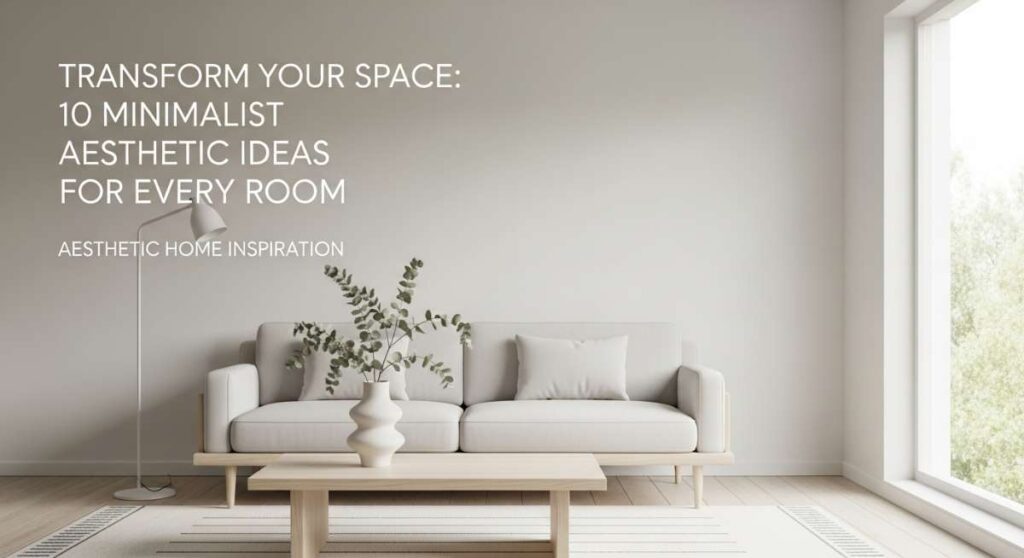
Transform Your Space: 10 Minimalist Aesthetic Ideas for Every Room
We’ve all had that moment—walking through the front door after a long, draining day and feeling like the walls are closing in just a little bit too much. Our homes should be our sanctuaries, the place where our souls take a deep, cleansing breath. For me, that realization came when I looked at my overflowing bookshelf and realized I couldn’t see the wood for the clutter. Embracing a minimalist aesthetic isn’t about living in a cold, empty box; it’s about making room for the things that truly spark joy and peace in our daily lives.
Minimalism is a journey of intentionality. It’s about choosing quality over quantity and finding beauty in the space between objects. In this post, I’m sharing ten unique ways to infuse minimalist principles into various decor styles, ensuring that every corner of your home feels curated, warm, and distinctly yours. Whether you’re looking for the salt-air breeze of the coast or the nostalgic glow of the 90s, let’s transform your space into a haven of aesthetic inspiration.
How to Style Rustic Mexican Home Decor for Warm Gatherings
Why we love this
There is an undeniable soulfulness in rustic Mexican decor that breathes life into a minimalist home. Imagine the earthy scent of sun-baked terracotta tiles underfoot and the tactile richness of hand-woven wool blankets draped over a reclaimed wood bench. This style celebrates the beauty of the imperfect—the rough-hewn edges of a dining table and the vibrant, yet muted, clay tones that mimic a desert sunset. It creates a space that feels grounded, welcoming, and deeply connected to the heritage of craftsmanship, making every gathering feel intimate and sacred.
Essential Elements:
- Terracotta pottery and floor tiles
- Hand-woven textiles (Saltillo or Serape styles)
- Reclaimed dark wood furniture
- Wrought iron accents
- Succulents and desert flora
- Woven palm baskets
How to make it
- Begin by clearing your space to its architectural bones. Focus on the flooring and walls; if possible, introduce a warm, matte terracotta or a soft creamy plaster finish to provide a grounded, earthy foundation.
- Select one primary furniture piece, such as a heavy, dark-stained wood table. Ensure it has a matte finish rather than a high gloss to maintain that rustic, lived-in feel that characterizes this aesthetic.
- Layer in textiles with intention. Instead of a dozen pillows, choose two high-quality, hand-woven wool covers with geometric patterns. Drape a single throw over the back of a chair to introduce texture without overwhelming the visual field.
- Incorporate greenery by placing a large, sculptural cactus or a cluster of smaller succulents in clay pots. Arrange them in odd numbers (the rule of three works perfectly here) to create a natural, effortless balance.
- Introduce wrought iron elements through lighting. A simple, black iron pendant light with a warm-toned Edison bulb will provide a soft, golden glow that mimics the warmth of a flickering hearth.
- Finally, curate your surfaces. Place a single, hand-painted ceramic bowl on the table as a centerpiece. The goal is to leave plenty of ‘white space’ on the wood so the craftsmanship of both the table and the bowl can be fully appreciated.
How to Refresh Summer Home Decor for Seasonal Breezes
Why we love this
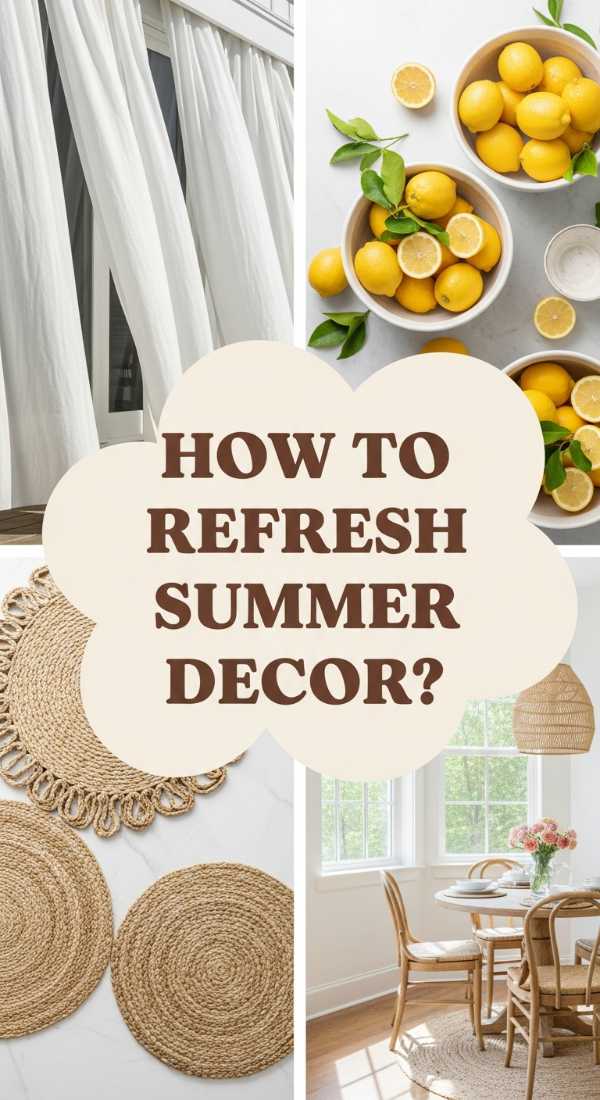
Summer decor should feel like a long, cool drink of water on a humid afternoon. We love this look because it prioritizes airiness and light, using crisp linens and sheer fabrics that dance in the slightest breeze. The aroma of fresh-cut citrus and gardenia fills the air, while the palette shifts to whites, pale sands, and watery blues. It’s a sensory experience that lowers the heart rate and invites you to slow down, lean back, and enjoy the golden hours of the year in a space that feels effortlessly refreshed.
Essential Elements:
- Sheer linen curtains
- Lightweight cotton throws
- Natural fiber rugs (jute or sisal)
- Clear glass vases with seasonal greenery
- Driftwood or light oak accents
- Citrus and botanical scents
How to make it
- Start by ‘winterizing’ the room—remove heavy velvet pillows, wool rugs, and dark candles. The objective is to create a visual vacuum that you will fill very sparingly with lighter materials.
- Swap out heavy drapes for floor-to-ceiling sheer linen panels. Hang them slightly higher and wider than the window frame to maximize light and catch every passing breeze, creating movement in the room.
- Roll out a natural jute rug. The texture is earthy and grounding, providing a tactile contrast to the smooth surfaces of minimalist furniture while keeping the color palette neutral and sandy.
- Switch your accent colors to ‘cool’ tones. Use pale blue or seafoam glass bottles on a windowsill to catch the light. The transparency of glass keeps the space feeling open rather than cluttered.
- Incorporate fresh botanicals. Instead of a dense floral arrangement, place a single palm leaf or a few stems of eucalyptus in a tall, clear vase. This provides a vertical element of green that feels architectural and clean.
- Complete the refresh with scent. Use a soy candle with notes of sea salt and lemon. Place it on a tray of white river stones to create a small, curated vignette that appeals to the senses without adding bulk.
How to Create Whimsy Home Decor for Creative Inspiration

Why we love this
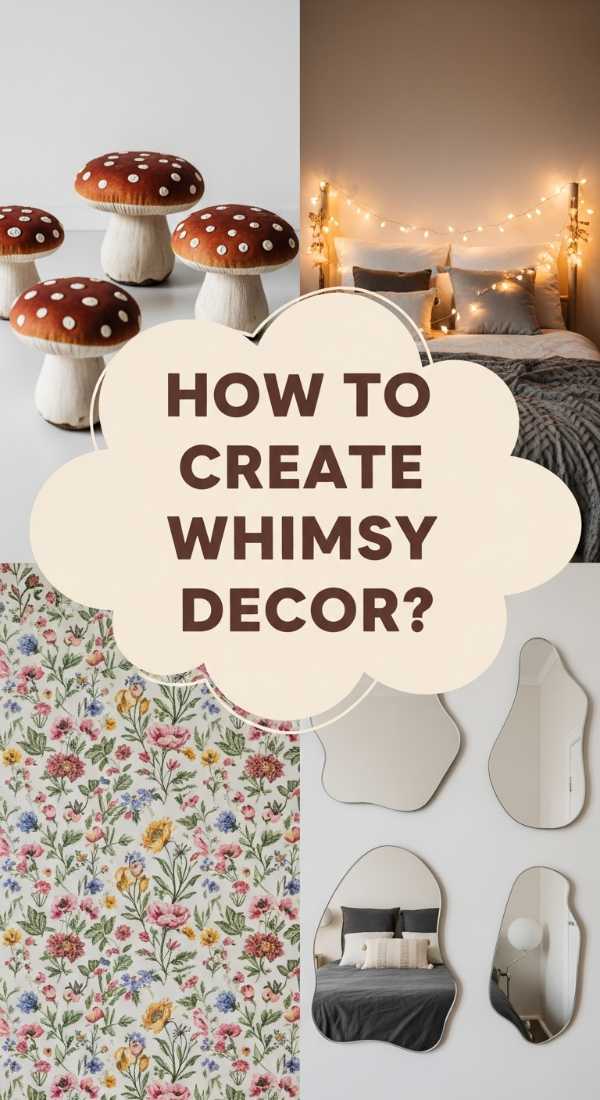
Whimsy in a minimalist setting is like a soft whisper of magic in an otherwise structured world. It’s about the delight of unexpected shapes, like a mushroom-shaped lamp or a gallery wall of surrealist sketches. We love this because it proves minimalism doesn’t have to be serious; it can be playful, imaginative, and deeply personal. The textures are often soft—think velvet and faux fur—and the feeling is one of pure, unadulterated creative freedom that encourages you to dream while you sip your morning coffee.
Essential Elements:
- Iridescent or colorful glassware
- Unusual, sculptural furniture
- Soft, pastel color accents
- Whimsical art prints
- Twinkle lights or neon signs
- Plush, textured textiles
How to make it
- Identify a ‘statement’ area, like a reading nook or a workspace. This will be the focal point for your whimsical touches, allowing the rest of the room to remain strictly minimalist.
- Choose a piece of furniture with an odd, organic shape. A ‘bean’ sofa or a chair with wavy lines breaks the rigidity of standard minimalist design and immediately introduces a sense of play.
- Incorporate color through light. Use an iridescent film on a window or a color-changing smart bulb. When the light hits at the right angle, it creates a rainbow effect that adds a ‘hidden’ layer of whimsy without physical clutter.
- Curate a small collection of ‘curiosities.’ Instead of a shelf full of knick-knacks, choose three distinct items—perhaps a brass beetle, a crystal, and a vintage toy—and arrange them with generous spacing between them.
- Add a touch of softness with a high-pile faux fur rug or a velvet cushion in a ‘pop’ color like lilac or mint. This introduces a tactile ‘treat’ for the senses that makes the space feel cozy and magical.
- Hang one piece of art that makes you smile. Ensure it is framed in a simple, thin frame to keep it within the minimalist aesthetic, letting the imagination of the artwork do all the talking.
How to Curate Catholic Home Decor for Sacred Serenity
Why we love this
Curating a home with sacred elements brings a profound sense of peace and purpose to the minimalist lifestyle. This aesthetic focuses on the ‘Domestic Church,’ creating quiet corners for reflection and prayer. We love the smell of beeswax candles and the cool, smooth touch of a wooden rosary. The visual focus is on timeless beauty—classic iconography, cruciform shapes, and rich, symbolic textures. It transforms a house into a sanctuary where every object serves as a gentle reminder of the divine and the eternal.
Essential Elements:
- Home altar or prayer corner (Oratory)
- Beeswax candles
- Crucifixes in natural materials (wood, stone)
- Sacred art or icons
- Incense or essential oils (frankincense, myrrh)
- Linen or lace altar cloths
How to make it
- Designate a specific corner of a room to be your ‘Sacred Space.’ Keep the area around it completely clear to allow for mental and spiritual focus, ensuring no distractions are in your peripheral vision.
- Place a simple wooden or stone crucifix at eye level. The minimalist approach favors one high-quality, beautiful piece over several smaller ones, making it the undeniable focal point of the room.
- Set up a small table or shelf covered with a clean white linen cloth. This serves as your home altar. Place a single icon or a framed piece of sacred art on the wall above it, ensuring it is centered and leveled perfectly.
- Incorporate natural light by placing your prayer corner near a window. Supplement this with the warm, living flame of a beeswax candle, which produces a subtle, honey-like aroma that signals a shift into a meditative state.
- Store your rosary or prayer books in a dedicated wooden box or a simple ceramic bowl. This keeps the sacred items protected and organized, maintaining the clean lines of the room.
- Introduce a subtle scent using a high-quality frankincense oil diffuser. The aroma should be a light background note, enough to ground the senses without becoming overpowering or heavy.
How to Achieve Coastal Home Decor for Seashore Relaxation
Why we love this
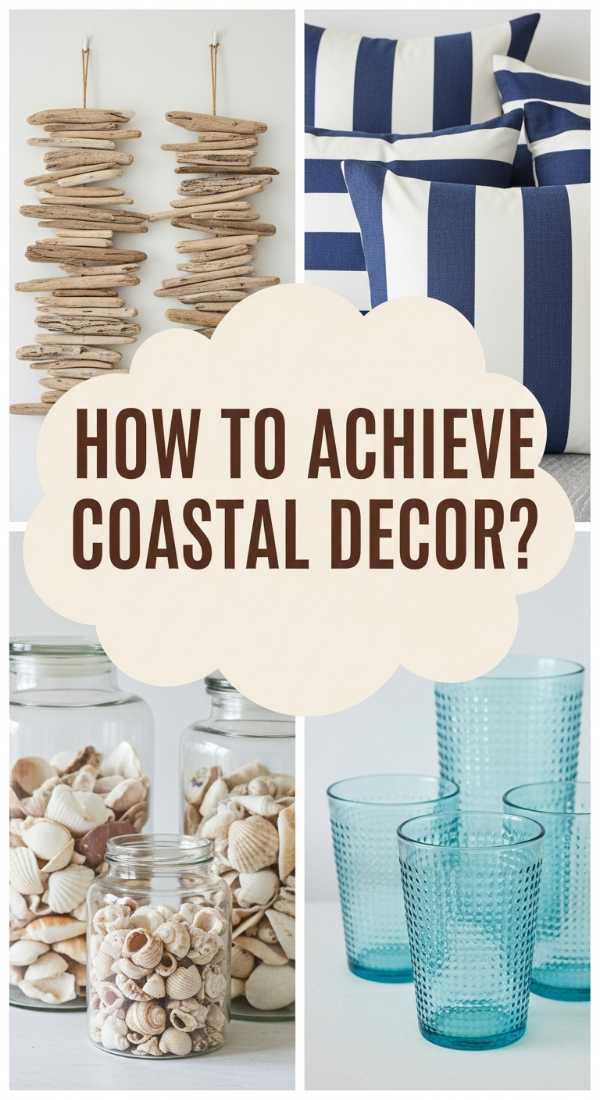
Coastal minimalism is the ultimate expression of relaxation. It’s defined by the sensory details of the shore—the gritty texture of seagrass, the smoothness of sea glass, and the refreshing scent of salt and ozone. We love how this style uses a palette of tonal whites and soft greys to mimic the morning fog over the Atlantic. It feels like a perpetual vacation, where the clutter of the world is washed away by an imaginary tide, leaving behind only the essentials needed for a life of calm and clarity.
Essential Elements:
- Whitewashed wood
- Seagrass or wicker baskets
- Navy and white striped textiles
- Shells and driftwood
- Glass jars with sand and candles
- Light, airy cotton fabrics
How to make it
- Adopt a ‘sand and sky’ color palette. Paint your walls a crisp, reflective white and choose furniture in light oak or whitewashed finishes to bounce natural light around the room.
- Layer textures rather than colors. Use a chunky cotton knit throw over a white linen sofa. The variation in texture provides visual interest without the need for busy patterns that can disrupt the minimalist vibe.
- Incorporate natural elements from the beach. Place a single, large piece of weathered driftwood on a mantle or a clean, white shelf. Its organic, sculptural form acts as a natural work of art.
- Use seagrass or wicker baskets for storage. This hides away daily clutter (like remotes or magazines) while adding a rustic, coastal texture that feels warm and organic.
- Install light fixtures made of natural fibers or clear glass. A large lantern-style pendant with a glass housing maintains visibility through the room, keeping the sightlines clear and open.
- Finish with a subtle ‘sea salt’ room spray. The goal is to evoke the feeling of the ocean air, making the room feel larger and more connected to the outdoors.
How to Layer Boho Home Decor for Artistic Expression

Why we love this
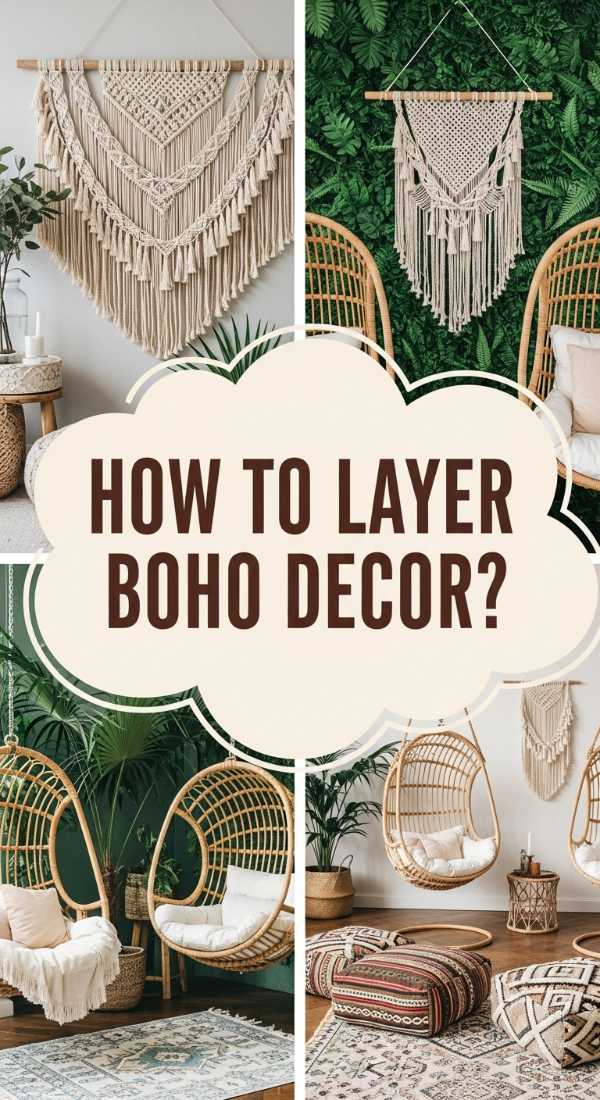
Boho minimalism is a beautiful contradiction—it’s the art of curated abundance. We love this style for its warmth and its celebration of global wanderlust. Think of the soft, rhythmic pattern of a macrame wall hanging and the vibrant life of a fiddle-leaf fig tree in the corner. It smells like patchouli and old books, and it feels like a cozy, artistic retreat. This approach allows you to express your personality through textures and plants while keeping the overall footprint of the room light and breathable.
Essential Elements:
- Macrame wall art
- Indoor plants (monstera, ferns)
- Patterned rugs (Persian or Moroccan)
- Rattan and bamboo furniture
- Floor pillows and poufs
- Layered lighting (lamps, strings)
How to make it
- Start with a neutral base, such as a beige or cream-colored sofa. This acts as a blank canvas for the more expressive ‘Boho’ layers you will add later.
- Introduce life with greenery. Use plants of varying heights—a tall plant in the corner and a trailing vine on a high shelf. This creates a ‘living’ texture that feels fresh and minimalist if the pots are kept in a uniform color.
- Hang a single, large macrame piece. The intricate knots provide a soft, tactile focus point on the wall that replaces the need for multiple smaller picture frames, keeping the walls looking clean but not bare.
- Layer a patterned Moroccan rug over a larger, neutral sisal rug. This ‘rug-on-rug’ technique adds depth and color but remains minimalist if the rest of the furniture is kept simple and sleek.
- Use rattan or bamboo for accent pieces like a side table or a plant stand. These materials are lightweight and ‘see-through,’ which helps maintain a sense of space in the room compared to heavy, solid wood.
- Add one or two ‘pops’ of color through textiles. A rust-colored velvet pillow or a mustard yellow throw adds warmth and personality without cluttering the visual field with too many competing hues.
How to Master Vintage Home Decor Ideas for Timeless Beauty

Why we love this
Vintage minimalism is all about the ‘story’ behind the objects. We love the weight of a solid brass candlestick and the smell of aged paper from a leather-bound book. This style is timeless because it focuses on pieces that have already stood the test of time. It feels elegant, sophisticated, and deeply rooted. By choosing only the most beautiful and functional antiques, you create a home that feels like a curated gallery of history, where every item has a soul and a place of honor.
Essential Elements:
- Antique brass accents
- Ornate gold-leaf frames
- Dark wood vanities or desks
- Classic oil paintings
- Mid-century modern chairs
- Crystal glassware
How to make it
- Invest in one ‘hero’ vintage piece, such as a Mid-century modern sideboard or a Victorian-style mirror. Make this the center of your room’s layout to anchor the vintage theme.
- Limit your palette to three ‘historic’ colors—think forest green, burgundy, and gold—and use them only in small doses against a neutral white or grey backdrop.
- Incorporate brass elements. A pair of vintage brass candlesticks on a dining table adds a touch of ‘old world’ luxury. Keep them polished to reflect light, which helps the space feel bright and clean.
- Use ‘negative space’ to highlight art. Instead of a gallery wall, hang one large, ornate gold frame with a classic landscape painting. The contrast between the elaborate frame and the empty wall space around it is the essence of vintage minimalism.
- Style your shelves with ‘breath.’ Group three vintage books by color and place a small crystal dish on top. Leave the rest of the shelf empty to allow the eye to rest on the curated beauty of the items.
- Introduce a vintage scent profile, such as amber or sandalwood. A high-quality candle in a glass jar can evoke a sense of history and permanence that complements the physical decor perfectly.
How to Upgrade Mobile Home Decorating for Modern Living
Why we love this
Mobile home decorating is a masterclass in efficiency and style, and we love how it forces us to be truly minimalist. The focus is on light, flow, and multi-functional beauty. Imagine a space where every inch is utilized, where the sun streams through large windows and bounces off mirrored surfaces. It feels smart, modern, and surprisingly spacious. This style proves that you don’t need a mansion to have a home that feels luxurious and high-end; you just need a clear vision and a commitment to clutter-free living.
Essential Elements:
- Built-in storage solutions
- Mirrored or glass surfaces
- Light-colored flooring
- Multi-purpose furniture (storage ottomans)
- Vertical shelving
- Recessed lighting
How to make it
- Maximize the ‘long’ lines of the mobile home. Use long, low furniture pieces that follow the wall to create an unobstructed path through the center of the home, making it feel wider.
- Choose a uniform flooring material for the entire home. Whether it’s light laminate or vinyl, a continuous floor creates a visual flow that makes the individual rooms feel like one large, cohesive space.
- Utilize vertical space with floating shelves. Install them high up to draw the eye upward, which increases the perceived ceiling height while keeping the floor clear of bulky bookcases.
- Integrate mirrors strategically. Place a large mirror opposite the main window to double the amount of natural light and create the illusion of a ‘window’ into another room.
- Select multi-functional furniture. An ottoman that opens for storage or a coffee table with a hidden lift-top allows you to hide away daily items instantly, maintaining the minimalist aesthetic effortlessly.
- Use recessed lighting or slim-profile sconces. Removing hanging fixtures can clear up the ‘visual ceiling,’ making the rooms feel more open and modern.
How to Infuse 90s Home Decor for Nostalgic Fun
Why we love this
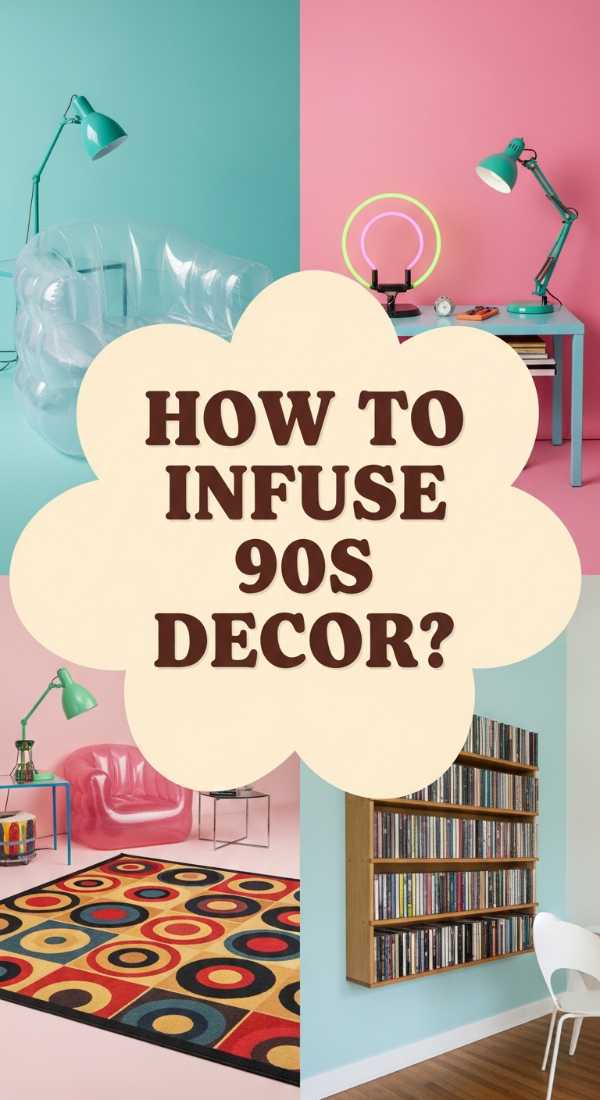
90s minimalism is a fun, nostalgic trip back to a time of bold shapes and ‘cool’ textures. We love the mix of industrial metals with soft, inflatable-inspired curves. It’s the scent of vanilla bean and the feeling of a glossy, smooth surface under your hand. This style is for the young at heart who want a home that feels energetic and slightly edgy. It’s about taking the best parts of the 90s—the geometric patterns and the neon pops—and refining them into a clean, modern aesthetic that feels fresh and exciting.
Essential Elements:
- Inflatable-style or curved furniture
- Primary color accents (red, blue, yellow)
- Chrome and glass finishes
- Geometric patterns
- Neon light strips
- Clear plastic (Lucite) items
How to make it
- Choose a neutral gray or white base for the walls and large furniture. This prevents the 90s elements from looking like a ‘theme park’ and keeps the look grounded in minimalism.
- Introduce chrome accents. A chrome floor lamp with a curved ‘arc’ design is a quintessential 90s piece that looks incredibly sleek and expensive in a minimalist room.
- Use Lucite or clear acrylic for side tables or chairs. These ‘invisible’ pieces provide the functionality you need without taking up any visual space, a perfect trick for 90s-inspired minimalism.
- Add a single ‘pop’ of primary color. A bright red clock or a set of cobalt blue coasters adds a 90s punch of energy without cluttering the room with too many colors.
- Install a subtle neon light. Instead of a huge sign, use a thin LED neon strip behind a TV or under a shelf to create a ‘glow’ that adds a futuristic, 90s-tech vibe to the evening atmosphere.
- Incorporate one geometric pattern. A black and white checkered rug or a single pillow with a triangle motif provides that 90s ‘graphic’ look. Keep the rest of the textiles solid to ensure the pattern stands out.
How to Blend Quirky Home Decor for a Personal Touch
[IMAGE_10]
Why we love this
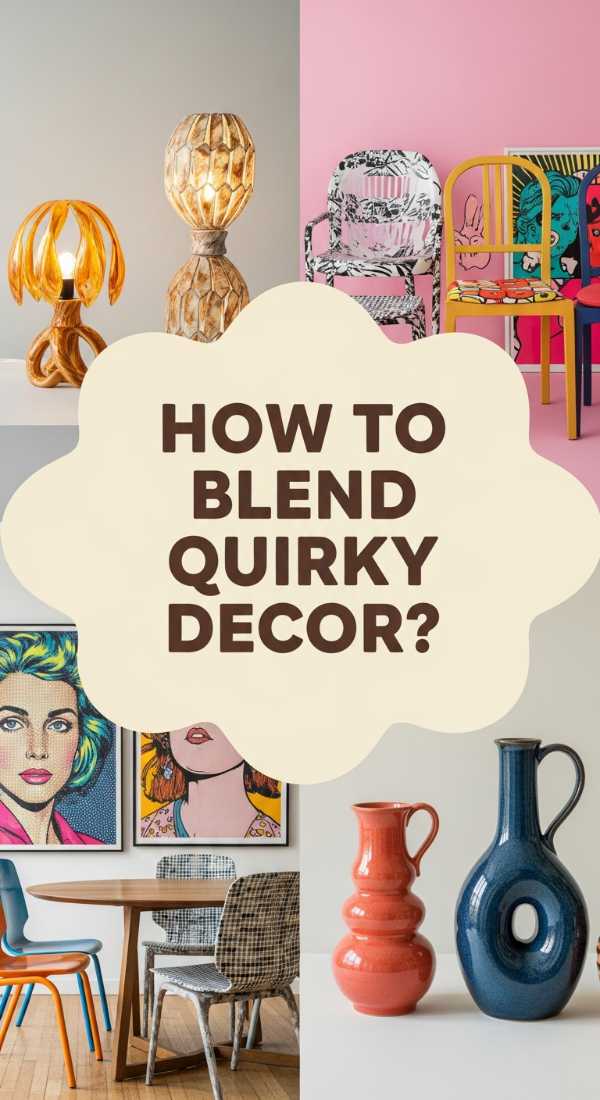
Quirky minimalism is the ultimate expression of the individual. We love this because it rejects the ‘cookie-cutter’ look of many modern homes. It’s about that one weird, wonderful thing you found at a flea market—a lamp shaped like a bird or a rug with a giant eye on it. The textures are varied and surprising, and the feeling is one of complete authenticity. It tells your guests exactly who you are without saying a word, providing a space that is as intellectually stimulating as it is physically relaxing.
Essential Elements:
- One-of-a-kind statement pieces
- Asymmetrical furniture
- Unexpected color combinations
- Handmade ceramics
- Graphic wall decals or murals
- Textured wallpapers
How to make it
- Identify your ‘Conversation Piece.’ This should be something truly unique and slightly ‘off-beat.’ Give it a place of prominence, like the center of a coffee table or a dedicated pedestal.
- Balance ‘Quirky’ with ‘Quiet.’ For every unusual item you add, ensure there is a large area of ‘quiet’ space (blank wall or empty floor) nearby to prevent the room from feeling chaotic.
- Mix high and low textures. Pair a sleek, modern glass desk with a quirky, handmade ceramic lamp. The ‘clash’ of textures is what makes the space feel personal and curated.
- Use humor in your decor. A framed print of a cat in a suit or a bowl of ‘fake’ stone fruit can add a lighthearted touch that breaks the tension of a strictly minimalist room.
- Choose a ‘signature’ quirky color. If you love orange, use it in three different spots around the room—a vase, a book spine, and a small art detail. This creates a cohesive thread that ties the ‘quirk’ together.
- Keep the ‘bones’ of the room standard. Standard white walls and wood floors provide the necessary anchor that allows your quirky items to be seen as intentional design choices rather than random clutter.
Creating Your Minimalist Sanctuary
Transforming your space isn’t a weekend project; it’s a lifestyle shift. By choosing one of these aesthetic paths, you’re not just decorating a room; you’re curating an experience for your daily life. Remember, the goal of minimalism isn’t to take everything away—it’s to make sure that everything left behind has a purpose, a story, and a reason to be there. Start small, trust your intuition, and enjoy the peace that comes with a beautifully intentional home.