

There is a specific kind of magic that happens when you step into a room filled with stories. It’s the faint scent of aged cedar, the cool touch of a brass handle worn smooth by decades of hands, and the way the afternoon sun catches the ripples in a piece of hand-blown glass. When we choose vintage, we aren’t just decorating a space; we are curating a lived-in history that bridges the gap between the past and our own present moments. It’s about finding that one-of-a-kind piece that speaks to your soul in a sea of mass-produced replicas.
I remember the first time I found a tattered, velvet armchair at a local estate sale. It looked lonely, tucked away in a dusty corner, but I could see the craftsmanship in its carved mahogany legs and the potential in its faded jewel tones. Bringing it home felt like welcoming an old friend. That is the heart of the thrifting journey—it is a slow, intentional process of turning a house into a home that feels authentic, soulful, and entirely yours. Let’s dive into the secrets of making these treasures shine in your modern life.
How to Curate Antique Treasures for an Authentic Vintage Aesthetic
Why we love this
Curating antiques is like becoming a guardian of history, where every heavy brass candlestick or weathered leather book adds a layer of depth that modern furniture simply cannot replicate. We love the sensory experience of running our fingers over the uneven patina of an old silver tray or hearing the solid thud of a solid oak drawer closing. It’s about the soul of the object—the slight imperfections that tell a story of survival and utility. This approach creates a home that feels gathered over time rather than bought in a single weekend, offering a grounding, earthy energy that invites curiosity and conversation from every guest.
Essential Elements:
- Hand-forged metalwares (brass, copper, or silver).
- Natural wood pieces with original hardware.
- Varying textures like linen, wool, and worn leather.
- Found objects from different eras (Victorian, Mid-Century, Art Deco).
- A cohesive color story to tie disparate items together.
How to make it
- Identify a ‘hero’ piece for your room, such as a large armoire or a heavy dining table, to act as the historical anchor.
- Scour local estate sales and flea markets with a critical eye, looking for ‘honest’ wear—scratches are fine, but structural damage like dry rot or deep cracks should be avoided.
- Mix textures by placing a cold, metallic object (like a pewter pitcher) next to a warm, organic one (like a stack of linen-bound books) to create visual tension and interest.
- Clean your finds gently using museum-grade wax or mild oil-based soaps to preserve the original finish while removing decades of grime; never over-scrub or strip the character away.
- Group smaller items in ‘odd numbers’ (threes or fives) on shelving to create a curated gallery look rather than a cluttered shelf.
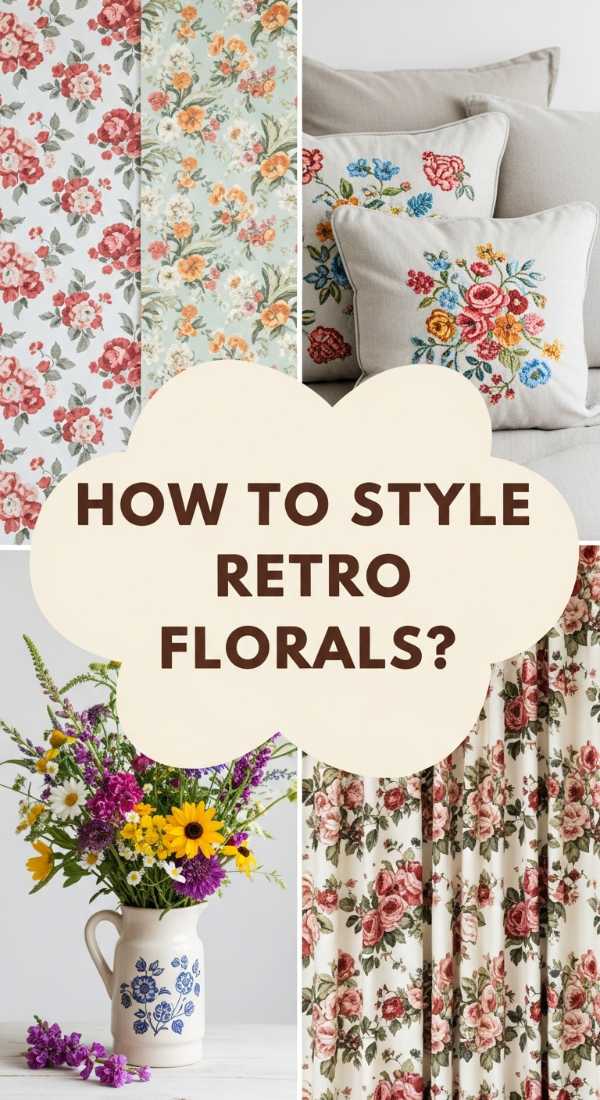
How to Style Retro Floral Patterns for a Whimsical Interior Design
Why we love this
Retro florals bring the wild, untamed beauty of a summer meadow directly into your living room, wrapping the space in a sense of nostalgic whimsy. We adore the way a bold, oversized poppy print or a delicate ditsy rose pattern can soften the hard lines of a room, adding a romantic, feminine energy that feels both playful and sophisticated. The tactile softness of vintage barkcloth or the smooth finish of a floral wallpaper creates a cocoon-like environment where you can almost smell the faint, powdery scent of wild blossoms and feel the warmth of a sun-drenched garden even on the gloomiest winter afternoon.
Essential Elements:
- Vintage floral wallpaper or fabric remnants.
- A mix of large-scale and small-scale patterns.
- Solid-colored accents that pull from the flower petals.
- Natural greenery or dried bouquets to complement the prints.
- Gilded or painted frames to house floral art.
How to make it
- Choose a primary floral pattern that contains at least three distinct colors to serve as your room’s color palette inspiration.
- Layer your patterns by following the rule of scale: if your curtains have a large, sprawling floral design, choose a smaller, tighter ‘ditsy’ print for your throw pillows to avoid visual competition.
- Anchor the florals with solid blocks of color found within the print; for example, if the flowers are sage green and dusty rose, use a solid sage green rug to ground the space.
- Incorporate ‘living’ elements by placing a vase of fresh eucalyptus or hydrangeas near your floral fabrics to blur the line between the print and reality.
- Use vintage floral textiles as wall hangings or framed fabric scraps if you aren’t ready to commit to full wallpaper, allowing for easy updates as the seasons change.
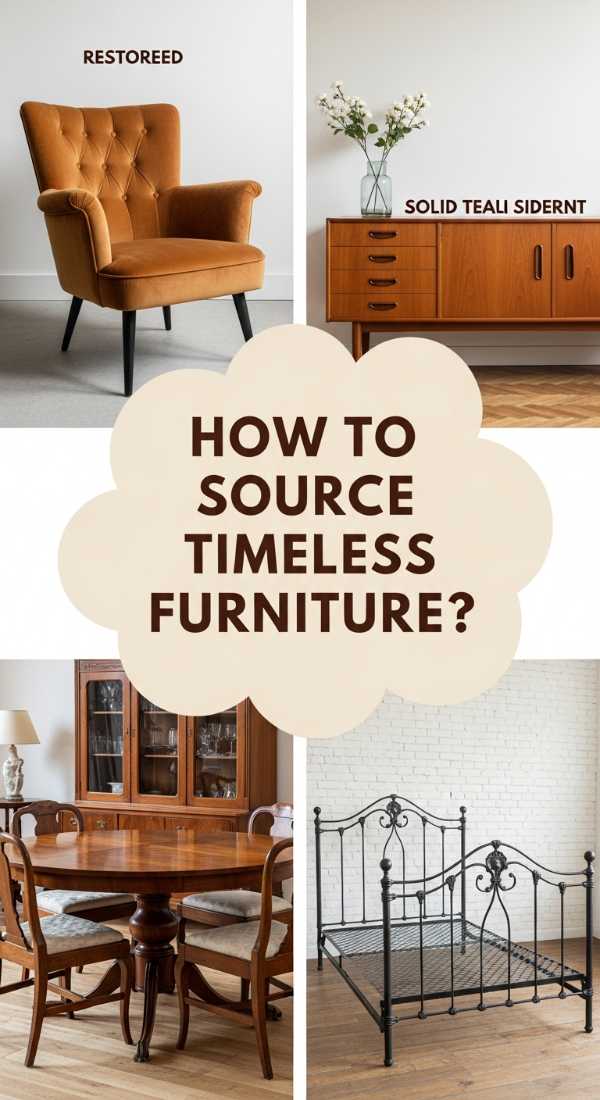
How to Source Timeless Furniture for a Sustainable Dream Home
Why we love this
There is a profound satisfaction in rescuing a piece of furniture that was built to last a lifetime, standing in defiance of our modern ‘fast-furniture’ culture. We love the weight of solid mahogany, the intricate joinery of a dovetail drawer, and the smell of old beeswax polish that lingers in the grain. Sourcing timeless pieces allows you to feel a connection to the craftsmen of the past while making an eco-conscious choice for the future. It’s about the tactile luxury of real materials—wood that gets better with age, stone that stays cool to the touch, and upholstery that develops a beautiful, lived-in character.
Essential Elements:
- Solid wood construction (avoid particle board or veneers).
- Check for dovetail or mortise-and-tenon joints.
- Original metal hardware and casters.
- Classic silhouettes (Tudor, Queen Anne, or Shaker).
- Neutral, high-quality upholstery fabrics like velvet or heavy canvas.
How to make it
- Research local antique auctions and online marketplaces using specific keywords like ‘solid wood,’ ‘hand-carved,’ or ‘vintage mahogany’ to filter out modern replicas.
- Inspect the ‘bones’ of the furniture by flipping pieces over to check for stamps, maker’s marks, or evidence of hand-sawing, which indicate authenticity and quality.
- Test the functionality by opening every drawer and sitting on every chair; look for smooth movement and a lack of wobbling, which suggests the internal structure is still sound.
- Refinish the wood if necessary by lightly sanding with a high-grit paper (220 or higher) and applying a natural linseed oil or briwax to hydrate the grain without changing its natural color.
- Invest in professional reupholstery for pieces with great frames but dated fabric, choosing timeless materials like linen or mohair that will stand the test of time.
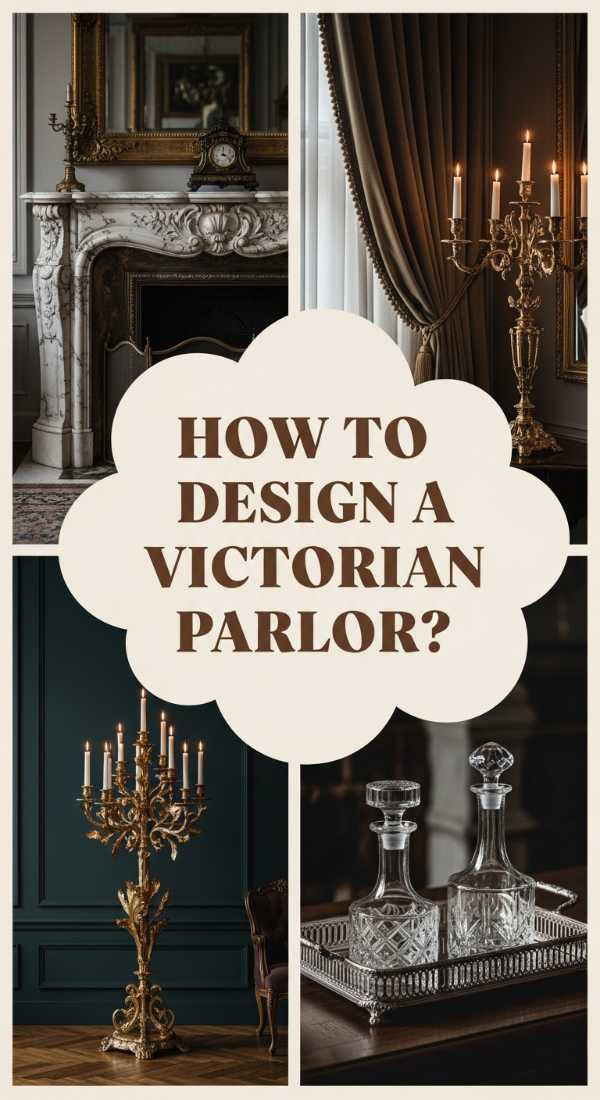
How to Design a Victorian Parlor for Classic Evening Entertaining
Why we love this
Stepping into a Victorian-inspired parlor feels like entering a sanctuary dedicated to the art of conversation and slow living. We love the dramatic interplay of deep shadows and warm lamplight, the richness of heavy velvet drapes that muffle the noise of the outside world, and the formal elegance of a marble-topped coffee table. There is a sensory decadence here—the feel of a plush rug underfoot, the clink of porcelain tea cups, and the visual feast of ornate moldings and portraits. It creates an atmosphere of intimacy and mystery that makes every evening gathering feel like a special, timeless event.
Essential Elements:
- Deep, moody wall colors (burgundy, forest green, or navy).
- Ornate, carved wood seating with tufted upholstery.
- Layered lighting including floor lamps and candelabras.
- Heavy, floor-to-ceiling drapery with tassels.
- Oil paintings in elaborate gold frames.
How to make it
- Create a ‘conversational circle’ by arranging chairs and sofas to face each other around a central focal point, like a fireplace or a low coffee table.
- Apply a dark, matte paint to the walls to create a ‘jewelry box’ effect that makes gold accents and polished wood pop.
- Layer your textiles by placing a thick, patterned wool rug over a larger sisal or jute base to add warmth and sound absorption.
- Incorporate ‘mood lighting’ by using low-wattage, warm-toned bulbs in vintage lamps, and always include real beeswax candles for a flickering, natural glow.
- Style your surfaces with ‘curiosities’ like magnifying glasses, brass bells, or small busts to provide guests with tactile objects to explore while they mingle.
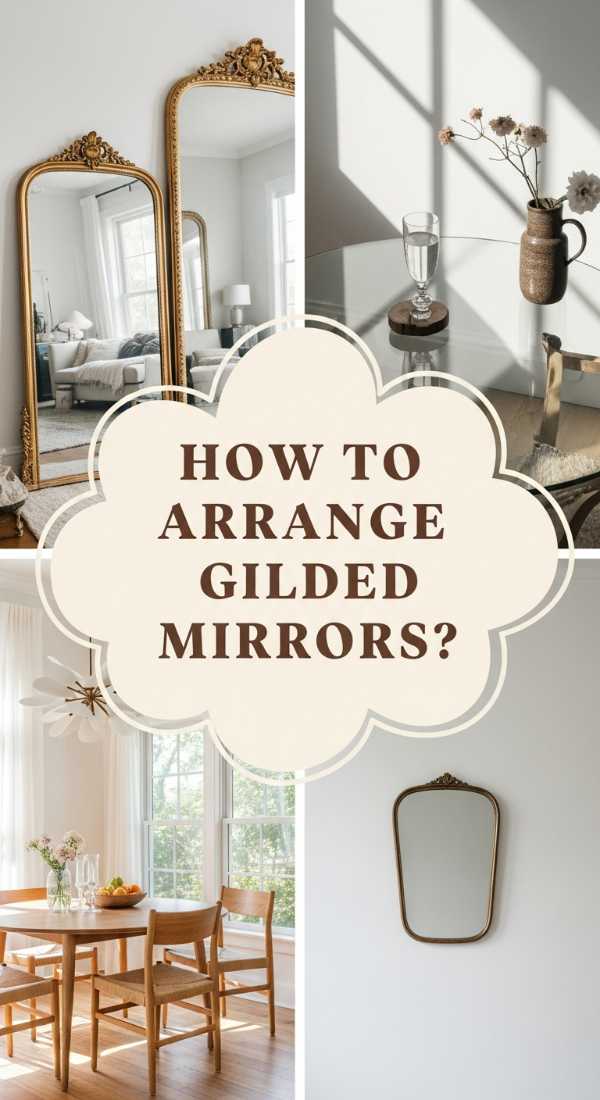
How to Arrange Gilded Mirrors for a Bright and Airy Space

Why we love this
Gilded mirrors are the jewelry of the home, catching the morning light and bouncing it into every dark corner with a shimmering, golden grace. We love how a tall, ornate pier mirror can make a small room feel like a grand ballroom, adding a sense of airiness and luxury without taking up much floor space. The contrast between the cold, reflective glass and the warm, intricately carved gold frame provides a stunning visual balance. It’s about the way the light dances across the bevelled edges, creating a luminous atmosphere that feels both regal and incredibly welcoming.
Essential Elements:
- Assorted mirrors with varied frame thicknesses.
- Gold leaf or ‘rub-n-buff’ for frame restoration.
- Wall anchors capable of holding heavy vintage glass.
- Placement near windows or light sources.
- Windex or white vinegar for a streak-free shine.
How to make it
- Identify the darkest wall in your room—this is where the mirror will do the most work to brighten the space.
- Mount a large, oversized mirror directly opposite a window to catch the maximum amount of natural light and reflect the outdoor view inward.
- Create a ‘mirror gallery’ by grouping 3-5 smaller gilded mirrors of different shapes (oval, rectangular, arched) to act as a singular piece of art.
- Tilt mirrors slightly forward if they are placed high on the wall; this catches more of the room’s activity and light rather than just reflecting the ceiling.
- Maintain the ‘glimmer’ by dusting the intricate carvings with a soft makeup brush and polishing the glass weekly with a microfiber cloth and a 1:1 ratio of vinegar and water.
How to Create a Dark Academia Library for Focused Study Sessions

Why we love this
There is nothing quite like the hushed, reverent atmosphere of a dark academia library, where the world slows down and the mind takes center stage. We love the smell of old paper and leather, the creak of a wooden ladder, and the comforting weight of a heavy wool blanket draped over a reading chair. This style is all about intellectual coziness—the feeling of being tucked away in a secret ivory tower while the rain beats against the windowpane. It’s a sensory retreat that encourages focus, deep thought, and the simple, tactile pleasure of turning a physical page.
Essential Elements:
- Floor-to-ceiling wooden bookshelves.
- Vintage desk with a green banker’s lamp.
- Collections of leather-bound and cloth-bound books.
- A comfortable leather wingback chair.
- Antique globes, inkwells, and brass bookends.
How to make it
- Organize your books by height and color, but keep them slightly imperfect—tuck some horizontally and others vertically to give it an ‘authentic scholar’ look.
- Install ‘task lighting’ by placing a vintage brass lamp with a warm bulb directly on the desk or next to the reading chair to create a focused pool of light.
- Use a dark wood stain on any new shelving to match the depth of vintage pieces, ensuring the room feels cohesive and historical.
- Incorporate ‘soft’ elements like a heavy Persian rug or velvet cushions to absorb sound, making the space feel quiet and private.
- Decorate with ‘academic’ artifacts like a vintage typewriter, a collection of fountain pens, or botanical sketches to reinforce the studious theme.
How to Build a Rustic Stone Kitchen for a Farmhouse Feel
Why we love this
A rustic stone kitchen feels like the true heart of the home, radiating a sense of permanence and rugged, earthy warmth. We love the cool, uneven texture of natural fieldstone against the warmth of a butcher block countertop, and the way the morning light highlights the different minerals in the rock. It evokes memories of old European farmhouses, where the air smells of freshly baked sourdough and rosemary. This is a space built for flour-dusted hands and loud family dinners—a tactile, sensory environment that values raw materials and the beauty of nature’s own architecture.
Essential Elements:
- Exposed stone walls or stone veneer.
- Reclaimed wood ceiling beams.
- A deep fireclay or stone farmhouse sink.
- Open shelving with wrought iron brackets.
- Copper pots and pans hung on display.
How to make it
- Select stones with varied shapes and earthy tones (greys, tans, and rusts) to ensure the wall looks like a natural, historic feature rather than a modern repetitive pattern.
- Apply a thick, ‘over-grouted’ mortar technique where the mortar slightly spills over the edges of the stones; this mimics the look of ancient cottage masonry.
- Pair the heavy stone with light-colored cabinetry (like cream or pale sage) to prevent the kitchen from feeling too dark or cave-like.
- Install ‘pendant lighting’ with Edison bulbs to cast a warm, amber glow that accentuates the shadows and textures of the stone wall.
- Keep the counters clear of plastic; use ceramic crocks, wooden boards, and glass jars to maintain the organic, timeless aesthetic.
How to Display Pressed Flowers for a Delicate Botanical Touch
Why we love this
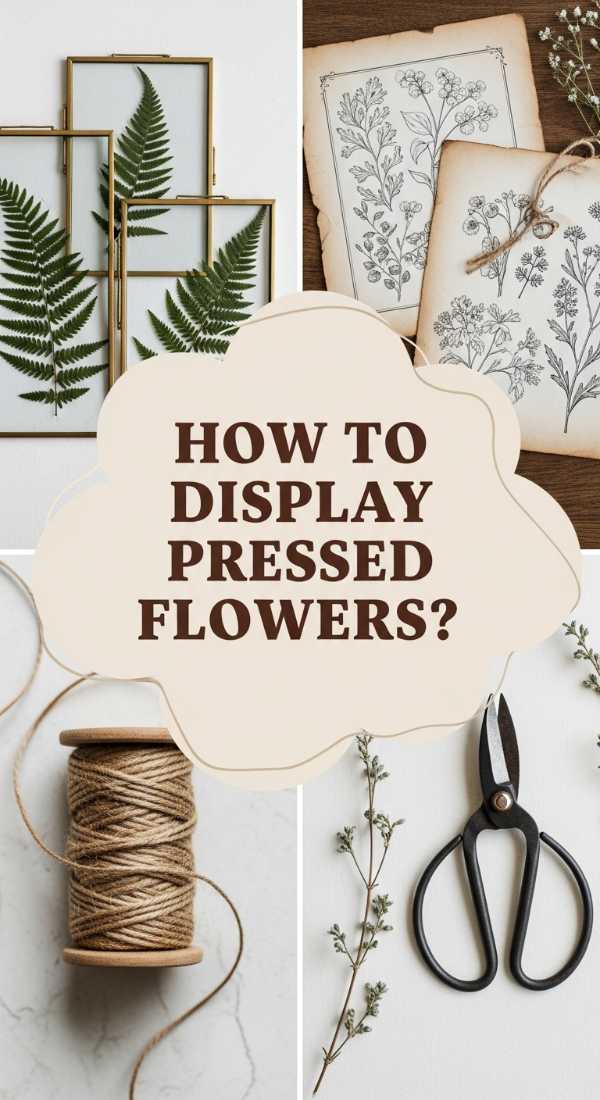
Pressed flowers are a beautiful way to freeze a moment in time, capturing the fragile, papery elegance of a spring bloom forever. We love the way they look when held between two panes of glass, appearing to float against the wall like a ghost of the garden. The colors are muted and soft—dusty lavender, faded gold, and parchment brown—offering a delicate, botanical aesthetic that feels incredibly personal and romantic. It’s a sensory reminder of the changing seasons and the quiet beauty found in the smallest details of the natural world.
Essential Elements:
- Fresh flowers with flat profiles (pansies, ferns, daisies).
- Acid-free blotting paper or a heavy flower press.
- Double-paned glass ‘floating’ frames.
- A dry, dark place for the pressing process.
- UV-resistant glass to prevent further fading.
How to make it
- Harvest your flowers in the mid-morning after the dew has dried but before the sun is at its peak to ensure maximum color retention.
- Place the flowers face down on blotting paper, ensuring no petals are overlapping, and weight them down with at least 10 pounds of books for 2-3 weeks.
- Carefully transfer the dried, brittle specimens using tweezers to a clean glass pane, arranging them in a way that mimics how they grow in nature (stems down).
- Seal the flowers in a floating frame, ensuring the edges are airtight to prevent moisture from entering and causing mold.
- Hang your botanical art in a hallway or bedroom away from direct sunlight, as UV rays will bleach the natural pigments over time.
How to Layer Persian Rugs for a Luxurious Living Room
Why we love this
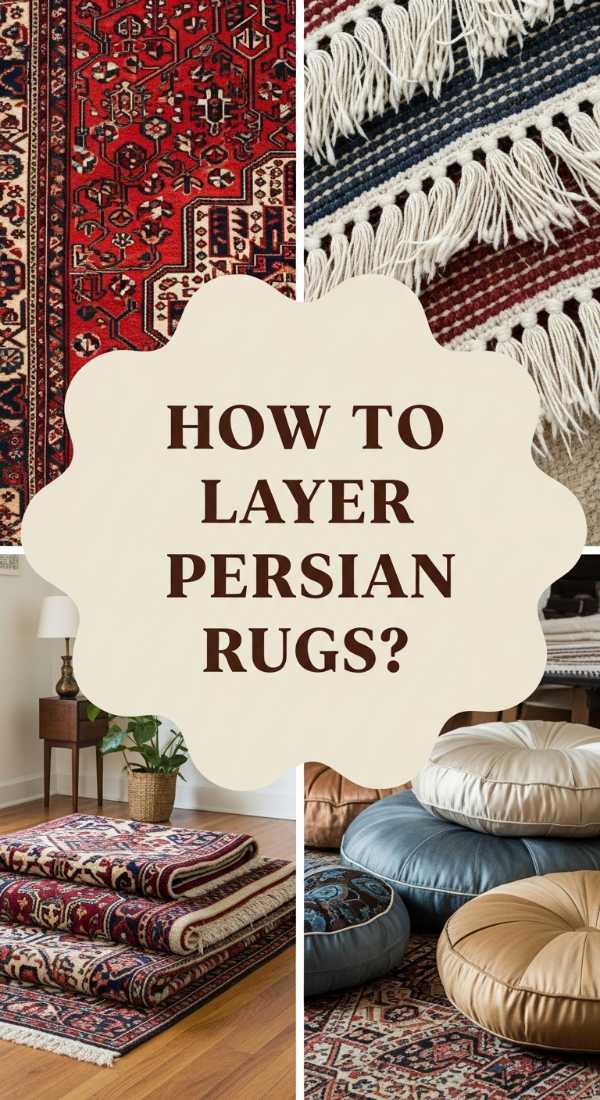
Layering Persian rugs is the ultimate secret to creating a room that feels rich, grounded, and incredibly cozy. We love the clash of intricate patterns, the deep madder reds and indigo blues, and the incredibly soft feel of hand-knotted wool under bare feet. There is a visual ‘rhythm’ created when you stack a smaller, vibrant rug on top of a larger, neutral one. It adds an instant sense of luxury and history, muffling footsteps and creating a warm, insulating barrier that makes a house feel like a plush, protective sanctuary.
Essential Elements:
- A large base rug (jute, sisal, or a neutral low-pile wool).
- A smaller, authentic Persian or Oriental rug for the top layer.
- Non-slip rug pads for both layers.
- Double-sided carpet tape to prevent tripping.
- A consistent color thread between both rugs.
How to make it
- Lay down your largest rug first, ensuring it is big enough for all the front legs of your furniture to sit comfortably on top of it.
- Center your smaller, more colorful Persian rug on top, angling it slightly (about 15 degrees) if you want a more bohemian, relaxed vibe.
- Use a thin, high-quality rug pad between the two layers to prevent the top rug from ‘walking’ or bunching up when stepped on.
- Ensure the top rug has a higher ‘visual weight’ (more pattern or darker colors) than the bottom rug to draw the eye toward the center of the room.
- Vacuum both layers with a ‘brushless’ attachment to preserve the hand-knotted fringe and delicate wool fibers of the vintage piece.
How to Use Muted Pastel Hues for a Soft Romantic Bedroom
[IMAGE_10]
Why we love this
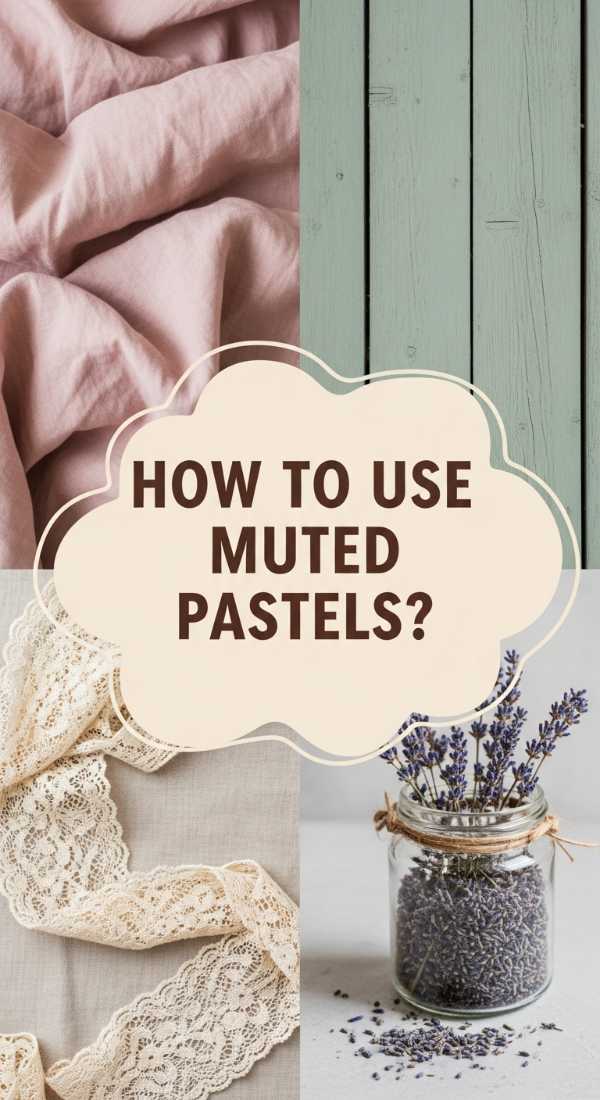
Muted pastels transform a bedroom into a serene, cloud-like escape where the stress of the day simply melts away. We love the way ‘dusty’ versions of rose, sky blue, and lavender feel sophisticated rather than sugary, offering a soft wash of color that changes beautifully with the shifting daylight. The sensory experience is one of pure calm—the sight of linen sheets in a pale peach hue, the feel of a soft mohair throw, and the way the light glows through sheer white curtains. It’s a romantic, airy aesthetic that prioritizes rest and gentle beauty.
Essential Elements:
- Paint colors with ‘grey’ or ‘brown’ undertones (dusty lilac, sage, sand).
- Linen or cotton bedding in varying pastel shades.
- White-washed or light-toned wood furniture.
- Sheer, breezy window treatments.
- Warm, diffused lighting (no harsh overheads).
How to make it
- Paint your walls in a ‘muted’ pastel; ask the paint store to add a drop of black or grey to a standard pastel to give it a more ‘adult,’ vintage feel.
- Mix your pastel tones—layer a dusty blue duvet with sage green pillows and a pale cream throw to create a sophisticated, multi-dimensional look.
- Use ‘white-washing’ techniques on any dark wood furniture to soften the contrast and keep the room feeling light and ethereal.
- Incorporate metallic accents in silver or ‘champagne gold’ to reflect the soft colors and add a touch of glamour without being overwhelming.
- Switch to ‘soft white’ light bulbs (2700K) to ensure the pastel colors remain warm and inviting rather than looking cold or clinical at night.
Creating Your Timeless Sanctuary
Building a home filled with vintage treasures is a journey, not a destination. It requires patience, a keen eye for quality, and a willingness to embrace the ‘perfectly imperfect.’ By mixing these historical elements with your own modern needs, you create a space that doesn’t just look like a magazine—it looks like a life well-lived. Whether you are layering rugs or pressing flowers, remember that the best homes are those that tell the story of who you are and where you’ve been. Happy hunting!