
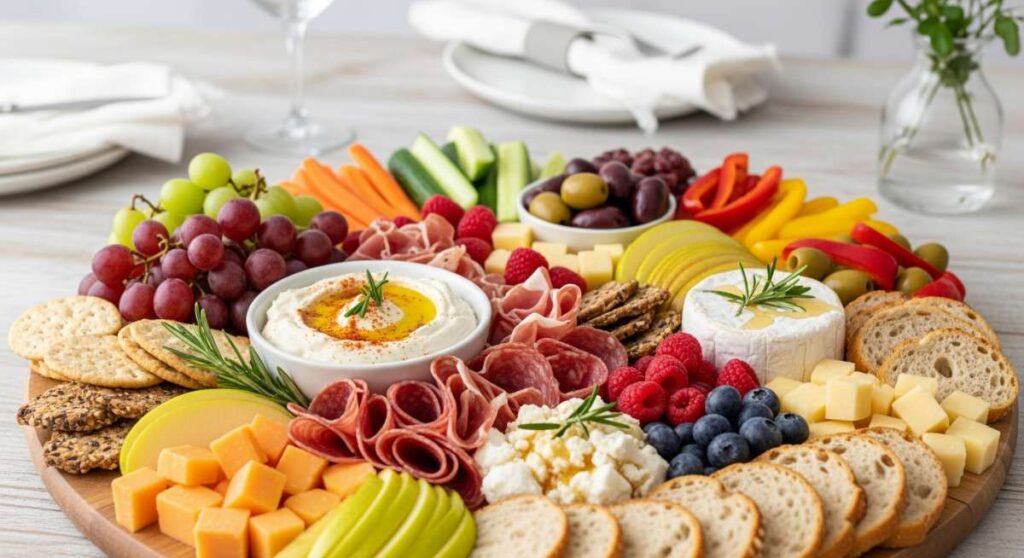
This Viral Simple Food Board is a Game Changer for Your Next Party
There is a certain magic that happens when we reconnect with the earth right in our own backyards. I remember spending childhood afternoons blowing dandelion seeds into the wind, never imagining that these resilient golden stars would one day become the centerpiece of my most talked-about dinner parties. Transitioning from seeing them as mere weeds to realizing they are a gourmet treasure has completely transformed my approach to hosting. There’s something so deeply satisfying about serving a spread that is not only beautiful and delicious but also tells a story of foraging, sustainability, and the hidden wonders of nature.
The ‘Viral Dandelion Board’ is more than just a food trend; it is a conversation starter that invites your guests to slow down and savor the unexpected. Imagine a rustic wooden board overflowing with golden jellies, vibrant green pestos, and crispy, sun-kissed blossoms that look like edible pieces of art. The reactions are always the same: first, curiosity, then a hesitant taste, and finally, absolute delight. It’s a warm, earthy experience that brings a touch of wild whimsy to your table, proving that the best ingredients aren’t always found in a grocery store aisle, but often right beneath our feet, waiting to be discovered and celebrated.
How to make dandelion honey?

Why we love this
This liquid gold is a revelation for those seeking a vegan alternative to honey or simply a more floral, complex sweetener. As you stir the pot, the kitchen fills with a delicate, sunny aroma that smells like a meadow in mid-July. The texture is thick and viscous, clinging to the spoon with a satisfying weight, while the flavor offers a subtle botanical depth that traditional honey lacks. It captures the very essence of a sun-drenched afternoon, providing a bright, nectar-like sweetness that pairs beautifully with everything from morning toast to sharp, aged cheeses.
Ingredients
- 4 cups dandelion petals (yellow parts only)
- 4 cups water
- 3 cups granulated sugar
- 1/2 lemon, sliced
- 1/2 teaspoon vanilla bean paste
How to make it
- Carefully separate the yellow petals from the green base (the sepals), as the green parts can introduce an unwanted bitterness to your honey.
- In a medium saucepan, combine the petals, water, and lemon slices. Bring the mixture to a gentle boil over medium heat, then immediately reduce to a simmer for about 20 minutes to extract the floral essence.
- Remove the pan from the heat and let it steep for at least 6 hours, or ideally overnight, to ensure a deep, robust flavor profile.
- Strain the liquid through a fine-mesh sieve lined with cheesecloth, squeezing firmly to release every drop of the infused water.
- Return the liquid to a clean pot and stir in the sugar and vanilla. Simmer on low heat for 1 to 2 hours, stirring occasionally. You are looking for the liquid to reduce and thicken until it reaches a honey-like consistency that coats the back of a spoon. Remember, it will thicken further as it cools.
- Pour into sterilized glass jars and allow to cool completely before sealing.
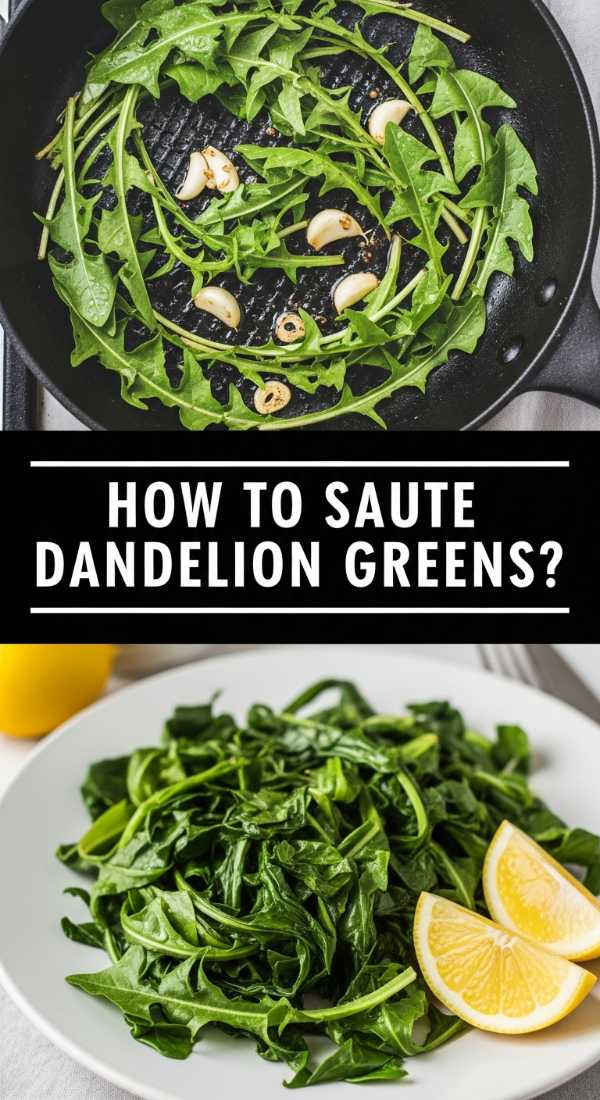
How to saute dandelion greens?
Why we love this
Sauteed dandelion greens are the sophisticated, slightly edgy cousin of spinach or kale, offering a bold peppery bite that is mellowed by the richness of olive oil and garlic. When cooked correctly, the greens lose their aggressive bitterness and develop a silky, tender texture that feels incredibly luxurious on the palate. The aroma of sizzling garlic mingling with the earthy scent of the greens creates a comforting, rustic atmosphere in the kitchen. It is a vibrant, nutrient-dense side dish that adds a beautiful pop of forest green to your board, providing a savory counterpoint to sweeter elements.
Ingredients
- 1 large bunch of young dandelion greens
- 2 tablespoons extra-virgin olive oil
- 3 cloves garlic, thinly sliced
- Pinch of red pepper flakes
- Squeeze of fresh lemon juice
- Flaky sea salt to taste
How to make it
- Thoroughly wash the greens in cold water to remove any grit or soil. If the greens are older and more mature, blanch them in boiling salted water for 2 minutes to temper the bitterness, then immediately shock them in an ice bath and squeeze dry.
- Heat the olive oil in a large skillet over medium-low heat. Add the sliced garlic and red pepper flakes, cooking slowly for 2-3 minutes until the garlic is golden and fragrant, taking care not to burn it.
- Increase the heat to medium and add the dandelion greens. Use tongs to toss them in the infused oil until they begin to wilt and turn a deep, vibrant green.
- Continue to sauté for 5-7 minutes. The stems should be tender but still retain a slight snap.
- Remove from heat and finish with a generous squeeze of lemon juice and a sprinkle of sea salt. The acidity of the lemon is crucial as it balances the natural bitter notes of the plant.
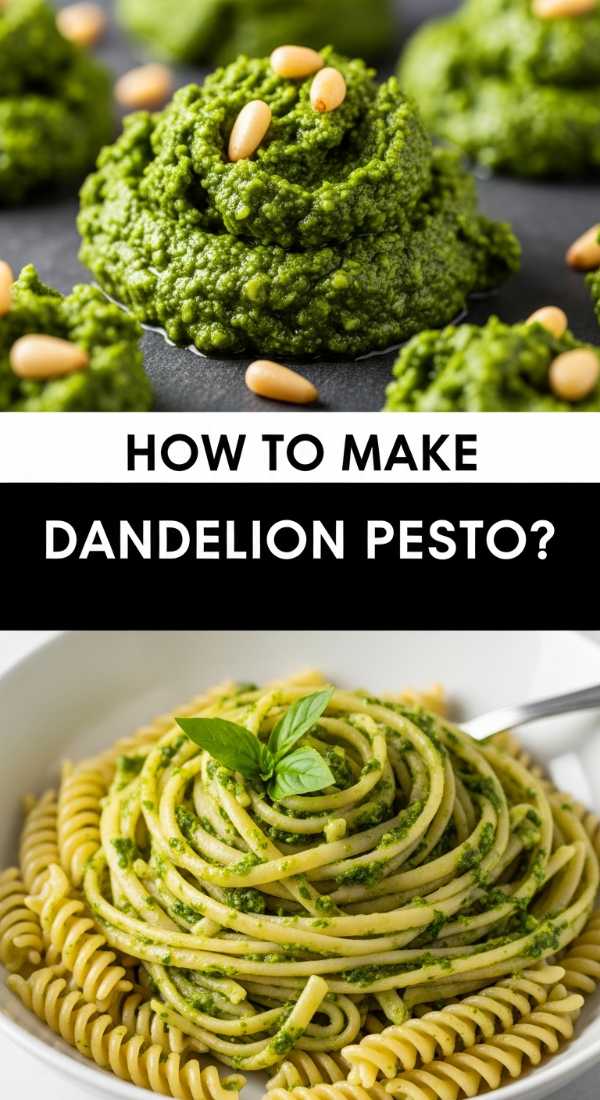
How to make dandelion pesto?
Why we love this
This pesto is a vivid explosion of color and flavor that breathes new life into any food board. The dandelions provide a sharp, nutty undertone that is perfectly balanced by the richness of pine nuts and the salty punch of Parmesan cheese. It feels incredibly fresh and bright, with a textured, slightly chunky consistency that makes it ideal for dipping crusty bread or swirling into pasta. The scent of crushed herbs and high-quality olive oil is intoxicating, evoking images of Mediterranean gardens and leisurely outdoor lunches where the food is as vibrant as the scenery.
Ingredients
- 2 cups packed dandelion greens
- 1/2 cup toasted pine nuts or walnuts
- 2 cloves garlic
- 1/2 cup freshly grated Parmesan cheese
- 1/2 cup extra-virgin olive oil
- Zest of one lemon
- Salt and pepper to taste
How to make it
- Place the dandelion greens, toasted nuts, and garlic into a food processor. Pulse several times until the mixture is coarsely chopped.
- Add the Parmesan cheese and lemon zest. Pulse again to combine.
- With the processor running on low speed, slowly drizzle in the olive oil in a steady stream. This emulsification process is vital for creating a smooth, cohesive sauce rather than an oily separation.
- Stop the processor and scrape down the sides with a spatula. Pulse a few more times until you reach your desired consistency—some prefer a rustic chunkiness, while others like it velvety smooth.
- Season with salt and pepper to taste. If the pesto is too thick, add a tablespoon of water or more oil to loosen it.
- Store in a jar with a thin layer of olive oil on top to prevent oxidation and maintain that brilliant green color.
How to make dandelion jelly?

Why we love this
Dandelion jelly is like capturing a sunrise in a jar. It possesses a stunning, translucent amber hue that glows when it catches the light, making it a visual highlight of any charcuterie or snack board. The flavor is surprisingly delicate, reminiscent of honey with soft notes of apricot and clover. It has a smooth, firm set that spreads beautifully across a cracker or a slice of brie, offering a sweet, floral jelly experience that feels incredibly artisanal. The process of making it is almost meditative, resulting in a preserve that feels both nostalgic and wonderfully unique.
Ingredients
- 2 cups dandelion petals (yellow only)
- 4 cups water
- 1 box (1.75 oz) powdered fruit pectin
- 4 cups granulated sugar
- 2 tablespoons lemon juice
How to make it
- Boil the water and pour it over the dandelion petals in a heat-proof bowl. Let this steep for 4-8 hours to create a strong “dandelion tea.”
- Strain the infusion through a coffee filter or fine cheesecloth, ensuring no solids remain. Measure out exactly 3 cups of the liquid.
- In a large pot, combine the dandelion liquid, lemon juice, and the powdered pectin. Bring the mixture to a full rolling boil (one that doesn’t stop when stirred) over high heat.
- Stir in the sugar all at once. Return the mixture to a full rolling boil and boil hard for exactly one minute, stirring constantly to prevent scorching.
- Remove from heat and skim off any foam that has formed on the surface with a cold metal spoon.
- Ladle the hot jelly into sterilized half-pint jars, leaving 1/4 inch of headspace. Process in a boiling water bath for 10 minutes to ensure a shelf-stable seal.
How to brew dandelion wine?

Why we love this
Dandelion wine is often called “bottled sunshine,” and for good reason. It is a beverage of patience and reward, requiring months of aging to develop its complex, dry, and slightly citrusy character. When you finally pop the cork, the aroma is heady and floral, with a warmth that spreads through your chest like a summer breeze. The wine has a beautiful clarity and a pale gold color that looks stunning in a crystal glass. It’s a sophisticated addition to a party board, offering a conversation piece that bridges the gap between ancient folk traditions and modern mixology.
Ingredients
- 2 quarts dandelion petals (strictly no green)
- 1 gallon boiling water
- 3 lbs granulated sugar
- 2 lemons (juice and zest)
- 1 orange (juice and zest)
- 1 packet wine yeast
- 1 lb organic raisins (for body)
How to make it
- Place the clean petals in a large primary fermentation bucket and pour the boiling water over them. Cover and let steep for 3 days, stirring once daily.
- Strain the liquid into a large pot, discarding the petals. Add the sugar, citrus juices, and citrus zest. Bring to a boil for 5 minutes to dissolve the sugar.
- Add the raisins to the mixture and let it cool until it reaches room temperature (about 70-75°F). This temperature control is critical; if the liquid is too hot, it will kill the yeast.
- Sprinkle the wine yeast over the surface and cover the bucket with a clean cloth or a lid with an airlock.
- Let it ferment in a cool, dark place for 2-3 weeks until the bubbling slows down significantly.
- Siphon the liquid into a glass carboy, leaving the sediment behind. Affix an airlock and let it age for at least 6 months. Racking (moving to a new container) every few months will result in a clearer, more refined wine before bottling.
How to make dandelion salad?

Why we love this
A fresh dandelion salad is the epitome of spring on a plate. The young leaves offer a crisp, refreshing crunch and a sophisticated bitterness that acts as the perfect canvas for a warm, acidic dressing. We love how the bright yellow petals scattered over the top make the dish look like a meadow, bringing an instant smile to everyone at the table. The contrast between the cool greens and a warm vinaigrette creates a sensory experience that is both comforting and revitalizing, making it a must-have for a balanced food board.
Ingredients
- 4 cups young dandelion greens
- 1/4 cup edible dandelion petals
- 4 strips thick-cut bacon, diced
- 2 tablespoons apple cider vinegar
- 1 teaspoon Dijon mustard
- 1/2 small red onion, thinly sliced
How to make it
- Wash and thoroughly dry the greens using a salad spinner. It is vital that they are dry so the dressing adheres properly. Place them in a large heat-proof bowl with the red onion.
- In a skillet over medium heat, fry the bacon until it is perfectly crispy and the fat has rendered out.
- Remove the bacon bits with a slotted spoon and set them aside, but keep the hot fat in the pan.
- Whisk the apple cider vinegar and Dijon mustard into the hot bacon fat. The mixture will bubble and emulsify into a warm, thick vinaigrette.
- Immediately pour the hot dressing over the dandelion greens. The heat will slightly wilt the leaves, softening their texture and mellowing the bitter flavor.
- Toss gently, top with the crispy bacon and fresh petals, and serve immediately while the contrast in temperatures is at its peak.
How to fry dandelion blossoms?

Why we love this
These are essentially nature’s popcorn—addictive, crunchy, and surprisingly savory. When fried, the petals take on a delicate, almost nutty flavor, while the light batter provides a satisfying shatter with every bite. They are golden and fluffy, looking like little fried sunbursts that add a whimsical, crunchy texture to your board. The aroma of hot oil and toasted flour is universally appealing, and guests find themselves reaching for “just one more” of these unique, bite-sized treats. They are the ultimate party snack that proves how versatile a single flower can be.
Ingredients
- 20-30 fresh dandelion blossoms (stems removed)
- 1/2 cup all-purpose flour
- 1/2 cup cornstarch (for extra crunch)
- 1/2 teaspoon garlic powder
- 1/2 cup cold sparkling water
- Vegetable oil for frying
- Fine sea salt
How to make it
- Ensure the blossoms are clean and completely dry. Any moisture on the flower will cause the oil to splatter and the batter to turn soggy.
- In a small bowl, whisk together the flour, cornstarch, and garlic powder.
- Slowly whisk in the cold sparkling water until a thin, crepe-like batter forms. Using sparkling water is a professional trick to ensure a light, airy crust.
- Heat about 1 inch of oil in a heavy-bottomed skillet to 350°F. If you don’t have a thermometer, a drop of batter should sizzle and float instantly.
- Dip each blossom into the batter, shaking off the excess, and carefully place it into the hot oil, face down.
- Fry for 2-3 minutes per side until they are a pale, golden brown. Drain on a wire rack rather than paper towels to maintain maximum crispness, and salt them immediately while still hot.
How to brew dandelion tea?

Why we love this
Dandelion tea is an earthy, grounding brew that offers a moment of serenity amidst a busy party. Whether made from the petals for a light, floral note or roasted roots for a coffee-like richness, it feels deeply restorative. The warmth of the mug in your hands and the subtle, toasted aroma create a cozy atmosphere. It acts as a wonderful palate cleanser on a food board, cutting through richer fats with its clean, botanical finish. It’s a gentle reminder of the healing properties of nature, served in a simple, elegant cup.
Ingredients
- 2 tablespoons dried dandelion root (roasted) OR 1/2 cup fresh petals
- 2 cups filtered water
- Slice of ginger (optional)
- Honey to taste
How to make it
- If using roots: Place the roasted roots and water in a small saucepan. Bring to a boil, then reduce the heat and simmer for about 10-15 minutes. This decoction method is necessary for roots to extract their full flavor and beneficial compounds.
- If using petals: Place the petals in a teapot and pour boiling water over them. Let steep for 5-7 minutes; any longer may result in a bitter taste.
- Add a slice of fresh ginger during the steeping process if you prefer a spicy, warming undertone.
- Strain the tea into cups through a fine-mesh strainer.
- Serve with a teaspoon of dandelion honey to highlight the floral connections within the plant.
How to make dandelion syrup?

Why we love this
Dandelion syrup is a versatile, pourable delight that adds a touch of gourmet flair to cocktails, sodas, or brunch dishes. It is thinner than the honey but packs a concentrated punch of floral sweetness that is incredibly bright. We love the way it pools at the bottom of a glass, creating a beautiful ombré effect when mixed with sparkling water or gin. The scent is reminiscent of a meadow after a rainstorm—fresh, sweet, and undeniably green. It’s a simple luxury that makes any beverage or dessert feel like a special occasion.
Ingredients
- 2 cups dandelion petals
- 2 cups water
- 2 cups granulated sugar
- 1/2 teaspoon citric acid (to preserve color and add tang)
How to make it
- Combine the water and dandelion petals in a pot. Bring to a simmer for 15 minutes, then turn off the heat and let it steep for 4 hours.
- Strain the mixture through a cheesecloth, pressing hard to extract all the liquid.
- Return the liquid to the pot and add the sugar. Heat over medium heat, stirring constantly until the sugar is fully dissolved.
- Bring the mixture to a gentle boil and let it cook for about 5-10 minutes until it slightly thickens into a syrup consistency. Do not overcook, or it will turn into jelly.
- Stir in the citric acid at the very end; this helps keep the syrup clear and prevents the sugar from recrystallizing.
- Bottle in a sterilized glass container and store in the refrigerator for up to 3 months.
How to bake dandelion bread?

Why we love this
There is nothing quite like the smell of fresh bread baking, but dandelion bread takes that experience to a new level. The petals are speckled throughout the crumb like tiny flecks of gold, making every slice a visual treat. The texture is soft and pillowy, with a subtle sweetness and a hint of earthiness that makes it perfect for slathering with dandelion pesto or jelly. It feels like a true labor of love, a rustic loaf that grounds the entire food board and provides a hearty, comforting base for all the other wild flavors.
Ingredients
- 3 cups all-purpose flour
- 1/2 cup dandelion petals
- 1 package (2 1/4 tsp) active dry yeast
- 1 cup warm water (110°F)
- 1 tablespoon honey
- 1 teaspoon salt
- 2 tablespoons melted butter
How to make it
- In a large bowl, combine the warm water, honey, and yeast. Let it sit for about 5-10 minutes until it becomes foamy, indicating the yeast is active.
- Stir in the melted butter, salt, and the dandelion petals. The petals should be evenly distributed so they appear throughout the loaf.
- Gradually add the flour, one cup at a time, mixing until a shaggy dough forms.
- Turn the dough onto a floured surface and knead for 8-10 minutes. You are looking for a smooth, elastic texture that springs back when poked.
- Place the dough in a greased bowl, cover with a damp cloth, and let it rise in a warm, draft-free spot for about 1 hour, or until doubled in size.
- Punch the dough down, shape it into a loaf, and place it in a greased loaf pan. Let it rise for another 30 minutes.
- Bake in a preheated oven at 375°F for 30-35 minutes. The crust should be golden brown, and the loaf should sound hollow when tapped on the bottom. Let it cool on a wire rack before slicing to ensure the internal structure sets properly.
Conclusion
Creating a food board centered around the humble dandelion is an act of culinary rebellion and beauty. It challenges our perceptions of what is ‘edible’ and replaces them with a deep appreciation for the seasonal gifts of the earth. Whether you are sipping on homemade wine or crunching on a fried blossom, you are participating in a tradition that is as old as time, yet feels entirely fresh and viral in today’s world. So, the next time you look at your lawn, don’t see weeds—see your next great party spread.
FAQ
Everything you need to know about foraging and cooking with dandelions safely and deliciously.