
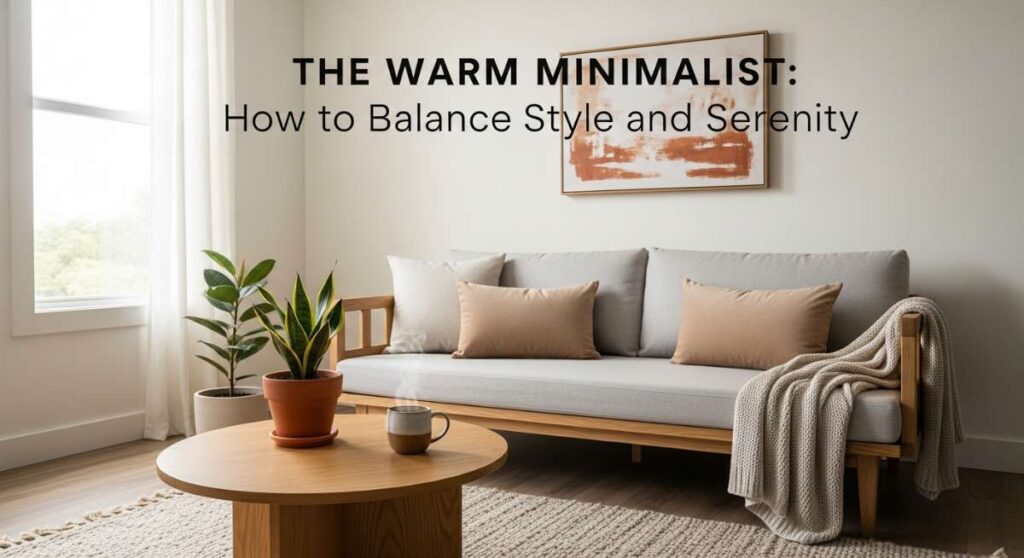
Have you ever walked into a room and felt like your brain finally took a long, deep exhale? That’s the magic of the warm minimalist home. For years, we’ve been told that minimalism means cold white walls, sharp edges, and a lack of personality, but I’m here to tell you that’s a myth. Real minimalism isn’t about living in a museum; it’s about curating a space that breathes, while still wrapping you in a cozy, soft embrace the moment you kick off your shoes.
Creating a sanctuary doesn’t require a total overhaul or a massive budget. It’s about the intentional dance between negative space and high-texture comfort. In this guide, I’m sharing my favorite ways to transform your living space into a haven of serenity. We’re moving away from the ‘clutter’ of modern life and stepping into a world where every object has a purpose and every corner invites you to linger a little longer with a cup of tea and a good book.
How to Create a Cozy Minimalist Living Room for Ultimate Relaxation
Why we love this
There is something deeply restorative about a room that doesn’t demand your attention with visual noise. We love this approach because it prioritizes the tactile experience—the way a heavy wool throw feels against your skin or the soft glow of a hidden lamp reflecting off a matte ceramic vase. It creates a sensory landscape that is quiet yet rich, smelling faintly of sandalwood and fresh linen, ensuring that your living room becomes the ultimate decompression chamber after a chaotic day at work.
Essential Elements:
- Low-profile linen sectional in oatmeal or stone.
- Oversized chunky knit wool throw blanket.
- A single, large-scale piece of abstract art with soft brushstrokes.
- Dimmable floor lamps with warm-toned bulbs (2700K).
- Natural jute or high-pile cream rug.
How to make it
- Start by clearing the entire room to assess the natural light; this allows you to see the architectural bones without distraction.
- Position your largest piece of furniture, usually the sofa, toward the primary light source to maximize daytime vitamin D and create a bright focal point.
- Layer your textures by placing a plush rug first, then adding the sofa, and finally draping a heavy textile over one arm to break up linear edges.
- Install smart dimmers or use lamps with varying heights to create ‘pools’ of light rather than one harsh overhead glare.
- Finish by adding one living element, like a tall olive tree, to bring organic movement and a sense of life to the stillness.
How to Arrange a Small Living Room for Better Apartment Flow
Why we love this
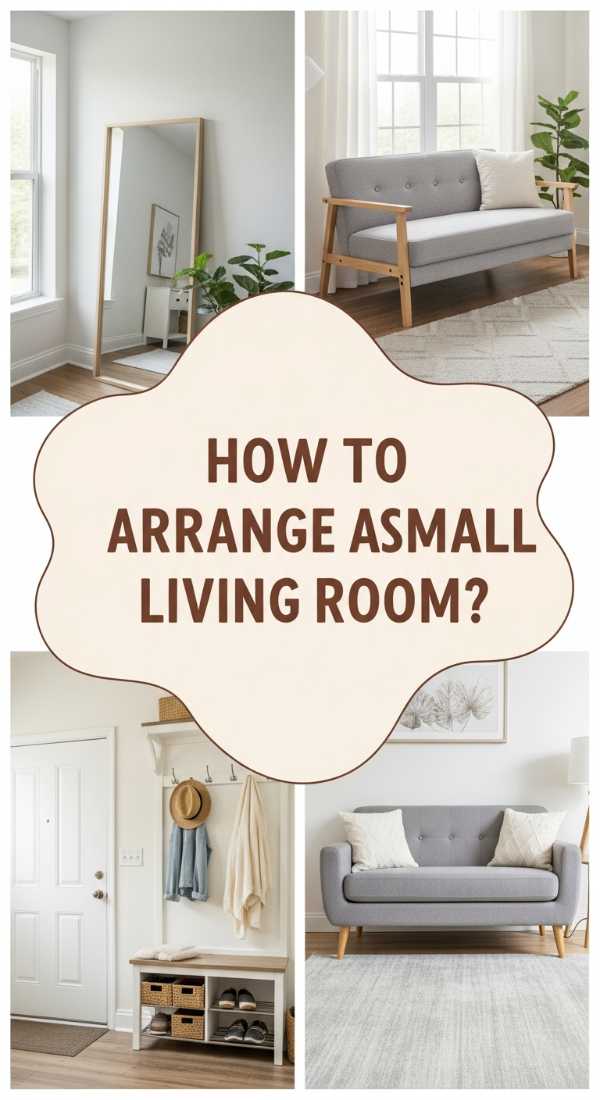
In a small apartment, the layout is everything; it’s the difference between feeling trapped and feeling free. We love a flow-oriented arrangement because it treats the floor plan like a river, allowing energy and movement to pass through without hitting ‘dams’ of furniture. Imagine walking through your home and never having to turn sideways to pass a table—it creates an effortless elegance that makes even a tiny studio feel like a sprawling, airy loft with plenty of room to breathe.
Essential Elements:
- Furniture with exposed legs to show more floor space.
- A round coffee table to eliminate sharp corners in high-traffic paths.
- Large wall-mounted mirror to double the visual depth.
- Multi-functional nesting tables.
- Sheer floor-to-ceiling curtains.
How to make it
- Map out your primary walking paths—literally walk from the door to the window and back—and keep these ‘hallways’ at least 30 inches wide.
- Choose furniture with ‘visual lightness,’ meaning pieces that sit on thin metal or wood legs rather than solid blocks that touch the floor.
- Anchor the seating area with a rug that is large enough for all furniture legs to sit on; this prevents the ‘floating furniture’ look that shrinks a room.
- Utilize the ‘vertical rule’ by mounting shelves or art higher than usual to draw the eye upward, creating the illusion of higher ceilings.
- Place a large mirror opposite your largest window to bounce light into the darkest corners of the apartment.
How to Master Minimalist Room Decor for a Peaceful Vibe
Why we love this
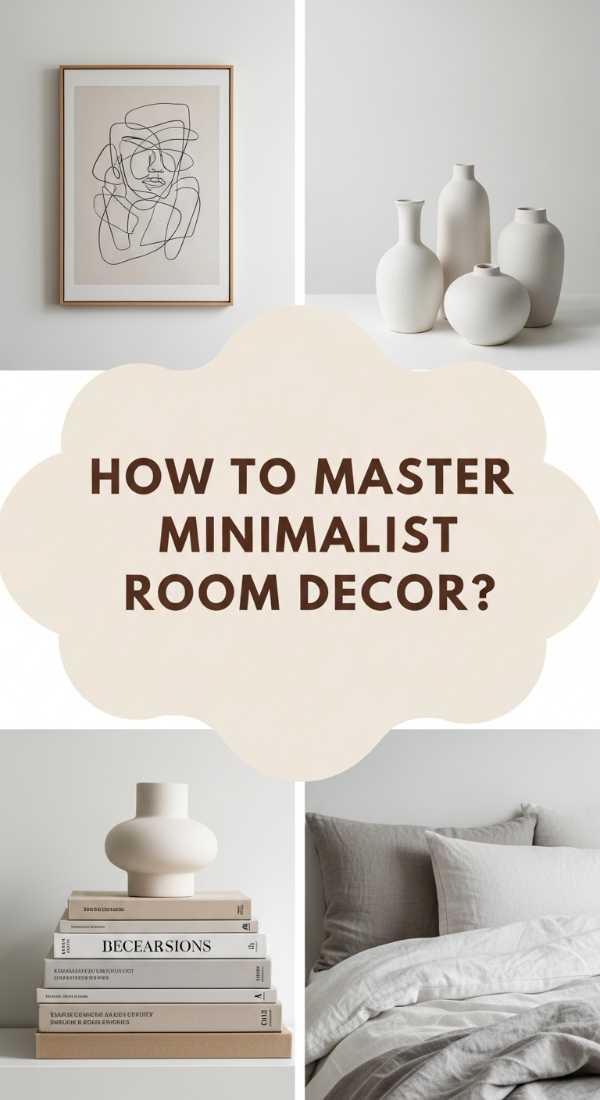
Mastering minimalist decor is like learning to cook with only the finest ingredients; you don’t need much when what you have is exceptional. We love this vibe because it celebrates ‘visual silence,’ allowing your mind to rest without being pulled in a dozen directions by knick-knacks. The air feels lighter, the surfaces feel cooler to the touch, and there is a profound sense of intentionality in every ceramic bowl or sprig of dried eucalyptus that makes the space feel curated rather than just lived-in.
Essential Elements:
- Handcrafted ceramic vessels in organic shapes.
- A curated stack of 3-5 linen-bound coffee table books.
- Dried botanicals like pampas grass or eucalyptus.
- Stone or marble coasters.
- Wall-mounted sconces to free up surface space.
How to make it
- Execute a ‘surface sweep’ by removing every single item from your tables and shelves to start with a blank canvas.
- Select only three items for your main coffee table: something organic (a plant), something personal (a book), and something functional (a candle).
- Apply the ‘Rule of Three’ when grouping objects, varying their heights and textures to create a balanced but asymmetrical look.
- Ensure every decorative item follows a strict color palette of 3-4 tonal shades to maintain a cohesive, low-contrast visual field.
- Audit your decor weekly; if an item no longer brings you peace or serves a purpose, move it to storage to keep the energy fresh.
How to Style a Minimalist Home for Calming Energy
Why we love this
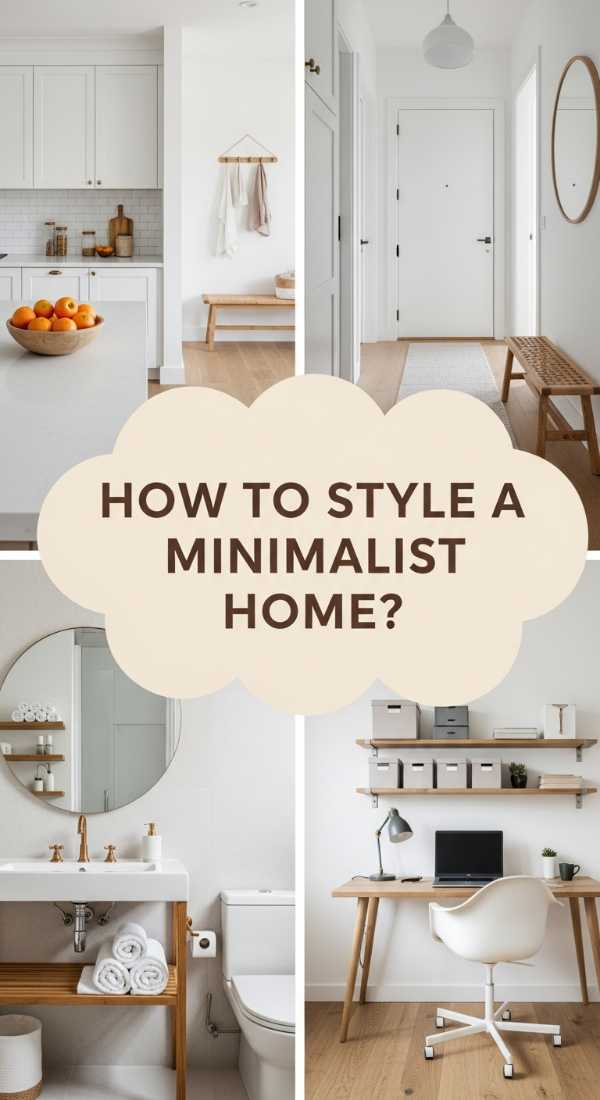
This style is all about the unseen energy of a home—the way the afternoon sun hits a textured wall or how the lack of clutter lowers your cortisol levels instantly. We love this because it turns ‘home’ into a meditative practice, where the soft palette of beiges, tans, and creams acts as a soothing balm for the eyes. It smells like clean rain and feels like a warm hug, providing a backdrop that supports your mental health and encourages a slower, more mindful way of existing within your own four walls.
Essential Elements:
- Soft-close cabinets and hidden storage solutions.
- Linen window treatments that filter light into a soft glow.
- Scent diffusers using essential oils like lavender and cedarwood.
- Woven baskets for hiding tech wires and remotes.
- Natural wood accents in light oak or birch.
- Minimalist wall clock with no ticking sound.
How to make it
- Standardize your lighting by replacing all cool-white bulbs with warm-spectrum LEDs to eliminate the ‘hospital’ feel and introduce a golden-hour glow.
- Hide all visual clutter—cables, chargers, and remote controls—inside textured baskets or dedicated ‘docking’ drawers.
- Choose window coverings that offer privacy while still allowing natural light to permeate, such as unlined linen or light-filtering cellular shades.
- Integrate a signature scent for your home using a stone diffuser, ensuring the aroma is subtle enough to be atmospheric but not overpowering.
- Create a ‘transition zone’ at the entrance with a simple wooden bench and a basket for shoes, preventing outside stress from entering the living area.
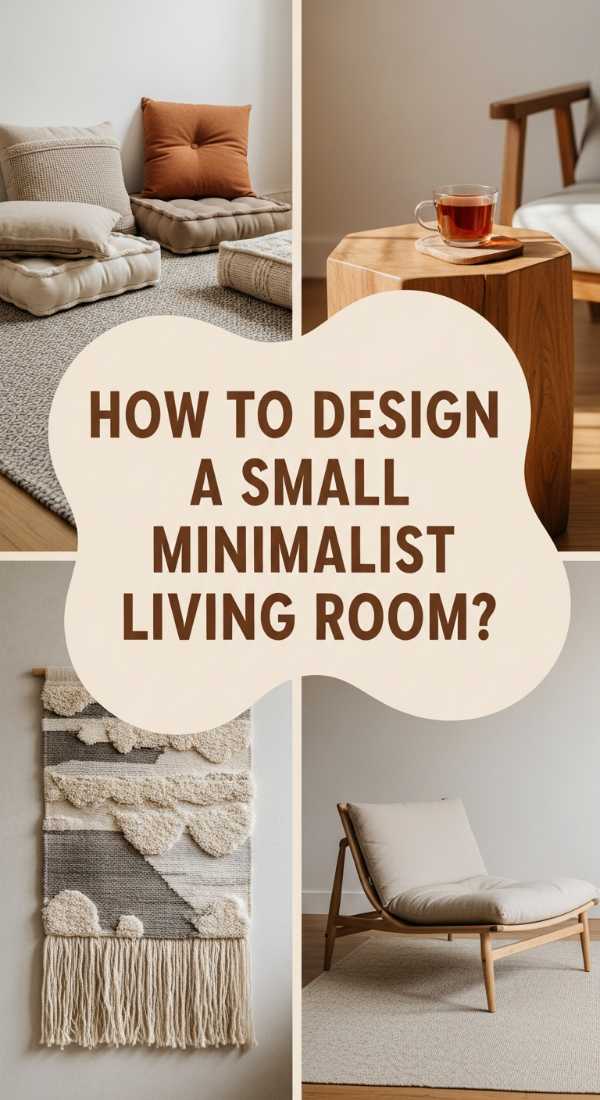
How to Design a Small Minimalist Living Room for Maximum Comfort

Why we love this
There is a unique snugness to a small space when it’s designed with a minimalist heart. We love this because it proves that you don’t need a mansion to experience luxury; comfort is found in the quality of the cushion and the softness of the rug underfoot. It’s about creating a ‘nest’ where every inch is optimized for relaxation, making you feel tucked away from the world in a space that feels intentional, intimate, and perfectly scaled to your lifestyle.
Essential Elements:
- A deep-seated loveseat with down-filled cushions.
- Wall-mounted TV or ‘The Frame’ to mimic art.
- Floating wooden shelves for a light footprint.
- A plush, high-pile Moroccan rug.
- Pendant lighting hung low over a side table.
How to make it
- Select ‘low-slung’ furniture that sits closer to the ground; this increases the vertical space between the furniture and the ceiling, making the room feel taller.
- Swap a traditional coffee table for a soft ottoman that can double as extra seating or a footrest, maximizing functionality in a tight footprint.
- Paint the walls and the ceiling the same off-white shade to erase the ‘boundary line’ where the wall meets the ceiling, expanding the room visually.
- Use a single, oversized rug that goes almost wall-to-wall; small rugs ‘cut’ the floor and make the room look smaller.
- Keep window sills clear and let the view outside act as your primary ‘decor’ piece, connecting the small interior to the larger world outside.
How to Choose Minimalist Cozy Elements for a Warm Sanctuary
Why we love this
Choosing the right elements is like building a wardrobe of timeless staples. We love this process because it’s deeply personal—you’re selecting objects that speak to your soul. The warmth comes from the ‘imperfections’ of natural materials: the grain in the wood, the wrinkles in the linen, and the uneven glaze on a handmade mug. It’s a tactile symphony that invites you to touch everything, creating a sanctuary that feels grounded, earthy, and incredibly welcoming.
Essential Elements:
- Natural sheepskin or faux-fur accents.
- Hand-poured beeswax candles.
- Heavyweight waffle-knit cotton throws.
- Reclaimed wood stools or side tables.
- Velvet pillows in earthy tones like clay or moss.
How to make it
- Prioritize natural materials over synthetic ones; wool, wood, and stone naturally hold and radiate warmth better than plastic or polyester.
- Incorporate ‘living’ textures—place a sheepskin over a wooden chair to soften the hard lines and add a layer of extreme physical comfort.
- Switch your candle selection to natural waxes (beeswax or soy) with wooden wicks that crackle like a tiny fireplace, adding auditory warmth to the room.
- Balance every ‘hard’ surface (like a glass table) with a ‘soft’ counterpart (like a fabric coaster or a nearby textile) to maintain a sensory equilibrium.
- Select a ‘hero’ texture for each room, such as a bouclé accent chair, to act as the primary touch-point for the space.
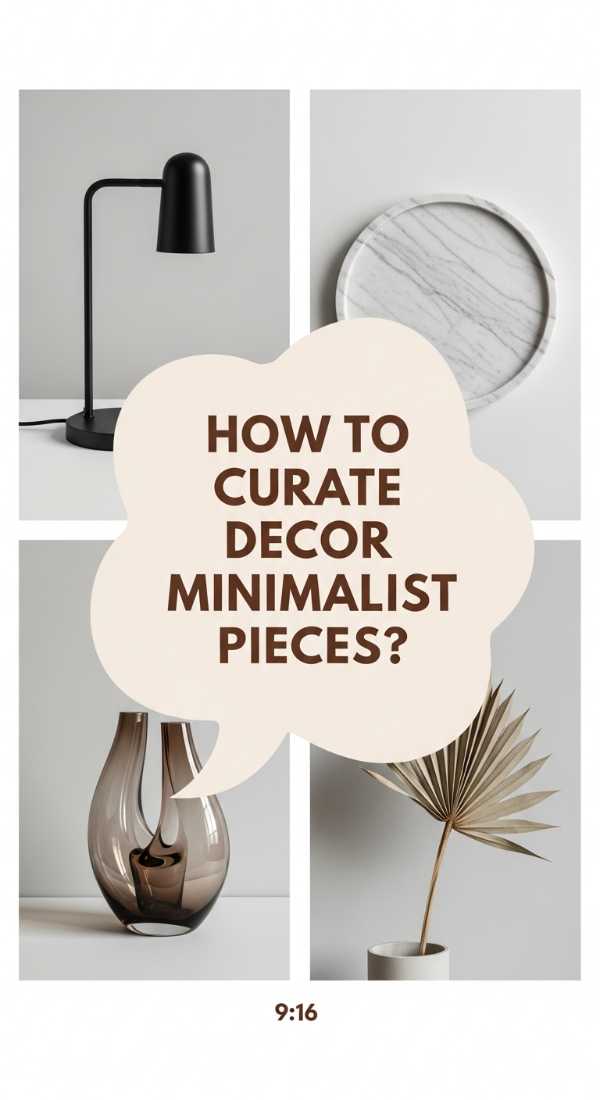
How to Curate Decor Minimalist Pieces for Modern Sophistication
Why we love this
Modern sophistication in a minimalist home is about the power of the ‘statement.’ We love this because it feels like living in a boutique hotel that was designed specifically for you. Each piece is chosen for its silhouette—the curve of a lamp, the arch of a chair—creating a visual rhythm that is both chic and effortless. It’s a sophisticated dance of form and function where nothing is ‘extra’ but everything is high-impact, resulting in a home that feels expensive, curated, and deeply serene.
Essential Elements:
- Sculptural floor lamps with matte finishes.
- Black metal accents for a touch of industrial contrast.
- Large-scale photography in simple black frames.
- Travertine or limestone coffee tables.
- Architectural plants like a Fiddle Leaf Fig or Snake Plant.
How to make it
- Identify one ‘investment piece’ per room—this could be a designer chair or a unique lighting fixture—and let it be the star of the show.
- Introduce ‘visual weight’ by mixing light and dark; a matte black lamp against a cream wall creates a sharp, sophisticated focus point.
- Use scale to your advantage: one massive piece of art is always more minimalist and sophisticated than a gallery wall of ten small frames.
- Choose furniture with interesting silhouettes, such as a curved-back sofa or a wishbone chair, to provide visual interest without needing extra decor.
- Keep your color story monochromatic—shades of grey, charcoal, and white—to emphasize the shapes and textures of the furniture pieces.
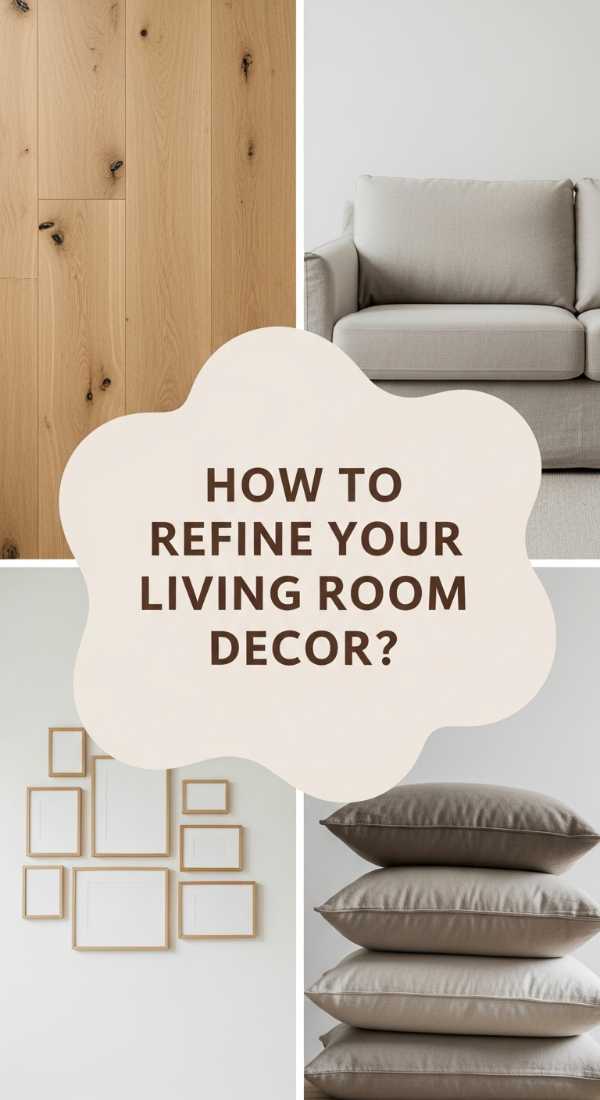
How to Refine Your Living Room Decor Minimalist Style for Timeless Appeal
Why we love this
A refined minimalist space is immune to the whims of TikTok trends. We love this because it offers a sense of permanence and peace in an ever-changing world. By stripping away the trendy ‘clutter’ and focusing on high-quality basics, you create a room that will look just as beautiful ten years from now as it does today. It’s about the patina of age on a leather chair and the timeless elegance of a neutral palette that allows your own personality to be the brightest thing in the room.
Essential Elements:
- Top-grain leather armchair that patinas over time.
- Solid hardwood flooring (oak or maple).
- Neutral-toned wool rugs with subtle geometric weaving.
- Brass or copper hardware for a warm metallic touch.
- Built-in shelving that blends into the wall color.
How to make it
- Audit your current decor and remove anything ‘trendy’ that feels dated or overly bright; aim for a palette inspired by a beach in winter.
- Invest in ‘lifetime’ furniture—pieces made of solid wood or metal that can be repaired or refinished rather than replaced.
- Simplify your window treatments to sheer panels or high-quality wooden blinds that provide a clean, architectural line.
- Focus on ‘invisible’ storage; use built-ins or furniture that matches the wall color exactly so they disappear into the room’s perimeter.
- Practice the ‘edit’ method: every time you bring something new into the room, two items must be donated or moved, ensuring the space only improves with age.
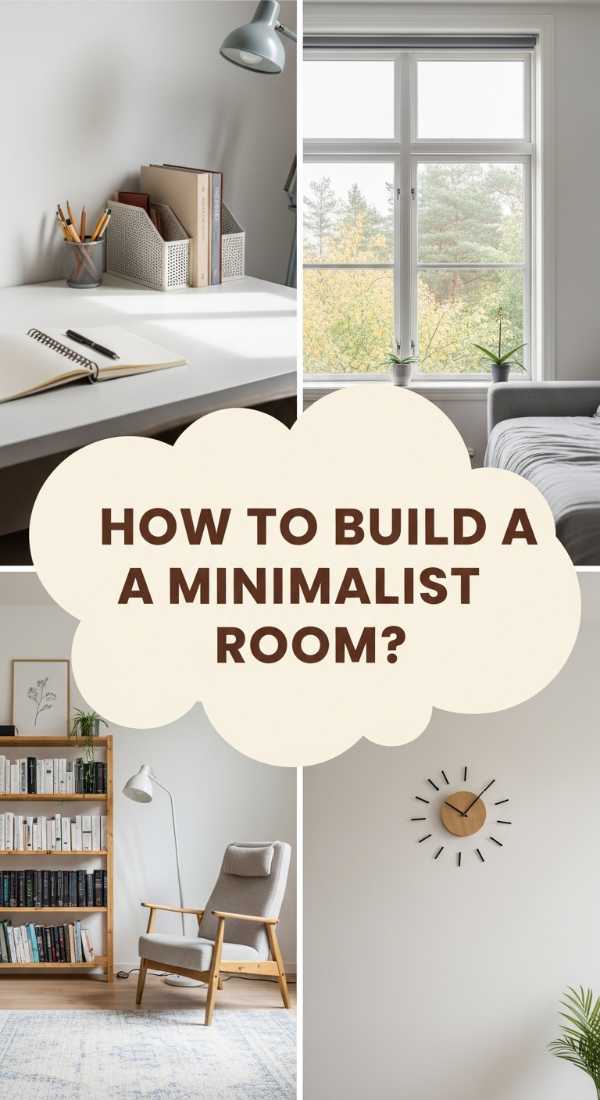
How to Build a Minimalist Room for Daily Inspiration

Why we love this
An inspiring room is one that gives you permission to dream. We love this approach because it clears the ‘mental static’ that comes with a messy environment, leaving you with a blank slate for your own creativity. The space feels open and charged with potential, with just enough beautiful objects—like a singular bronze sculpture or a perfectly placed branch—to spark a thought without overwhelming your senses. It’s a room that doesn’t tell you what to think, but rather gives you the quiet space to hear your own voice.
Essential Elements:
- A minimalist desk with hidden cable management.
- Ergonomic chair in a soft, neutral fabric.
- A single ‘inspiration’ board or framed quote.
- Abundant natural light with minimal obstructions.
- A small meditation cushion or reading nook.
How to make it
- Identify the primary ‘work’ or ‘thought’ zone in the room and keep it entirely free of non-essential items to prevent cognitive load.
- Position your seating to face a window or a piece of art that inspires you, rather than a wall or a television.
- Incorporate ‘white space’ on your walls; leave at least 40% of your wall surface empty to give your eyes a place to rest while you think.
- Add a ‘tactile grounding’ item, like a smooth worry stone or a soft fabric swatch, to your workspace to help you stay present during creative blocks.
- Ensure the room is ‘tech-light’—if it doesn’t need a screen, don’t put one there—to protect the space as a sanctuary for original thought.
How to Embrace a Small Living Room Ideas Apartment Cozy Aesthetic for Dreamy Living
[IMAGE_10]
Why we love this
Dreamy living is all about the atmosphere—that ethereal, soft-focus feeling of a rainy Sunday morning. We love this aesthetic for small apartments because it uses light and softness to break down walls, making the square footage feel irrelevant. It’s about layers of white-on-white, the flicker of a candle flame, and the way a sheer curtain dances in the breeze. It turns a standard apartment into a cloud-like retreat where the stresses of the city outside simply melt away into the soft, layered textiles.
Essential Elements:
- Floor cushions and poufs for flexible, low-impact seating.
- String lights or ‘fairy lights’ hidden behind sheer fabric.
- A palette of whites, creams, and very light blushes.
- Acrylic or ‘ghost’ furniture to maintain sightlines.
- Small clusters of flickering pillar candles.
How to make it
- Start with a ‘cloud’ base: use white bedding, white rugs, and white curtains to create a bright, unified foundation that reflects light.
- Layer your lighting—use small table lamps, floor lamps, and even tea lights to create a multi-dimensional glow that softens the corners of the room.
- Choose ‘leggy’ or transparent furniture (like an acrylic coffee table) that allows the eye to see through to the floor, creating a sense of infinite space.
- Add ‘softness’ to every hard corner: drape a pashmina over a chair back or place a small rug at an angle over a larger one for a lived-in, ‘dreamy’ look.
- Keep your decor groupings small and light, using clear glass vases and white-potted plants to maintain a weightless, airy energy throughout the apartment.
Conclusion: Your Serene Sanctuary Awaits
Transforming your home into a warm minimalist sanctuary isn’t about what you take away, but about what you choose to keep. It’s a journey toward a more intentional life, where every texture, every light, and every piece of furniture serves your peace of mind. Start small, be patient with your space, and remember that the goal is always a home that feels like a deep breath.