
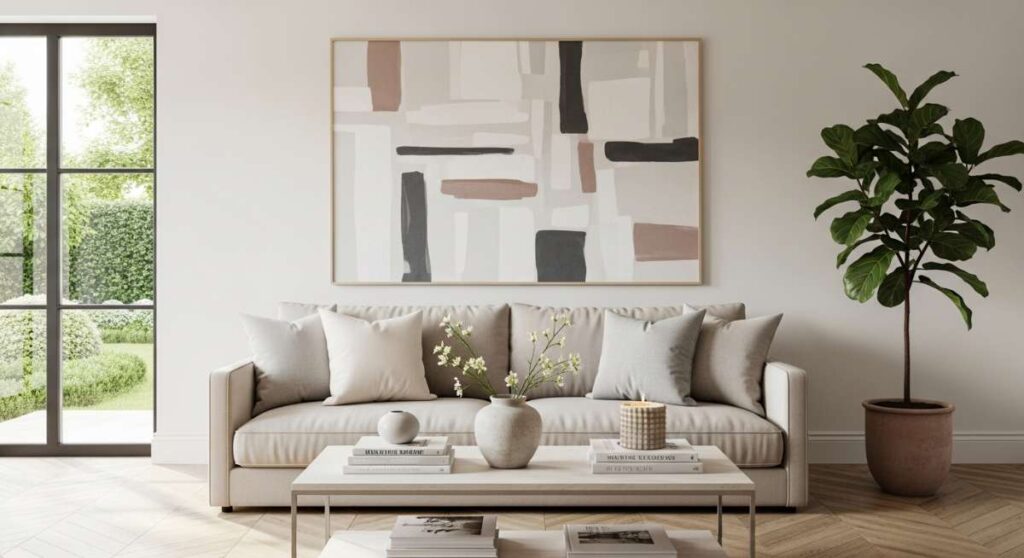
The Ultimate Guide to Elevating Your Home’s Aesthetic Appeal
There is a specific kind of magic that happens when you walk into a room that feels like a warm hug. It’s that sigh of relief when you kick off your shoes, the way the light catches a sprig of dried lavender, and the soul-deep comfort of being surrounded by things that tell your unique story. For me, home hasn’t always been a perfectly curated showroom; it’s been a slow, intentional journey of discovering what makes my heart skip a beat, from the rough texture of a hand-woven basket to the soft glow of a candle flickering against a vintage mirror.
We often think of decor as just ‘stuff’ we buy, but it’s actually the art of soul-tending. When we curate our spaces with intention, we aren’t just filling a floor plan—we are creating a sanctuary for our dreams, a backdrop for our memories, and a reflection of our heritage. Whether you are craving the vibrant energy of a Mexican villa or the quiet stillness of a prayer corner, elevating your home’s aesthetic is about honoring the way you want to *feel* every single day. Let’s dive into the textures, colors, and spirits that turn a house into a soulful home.
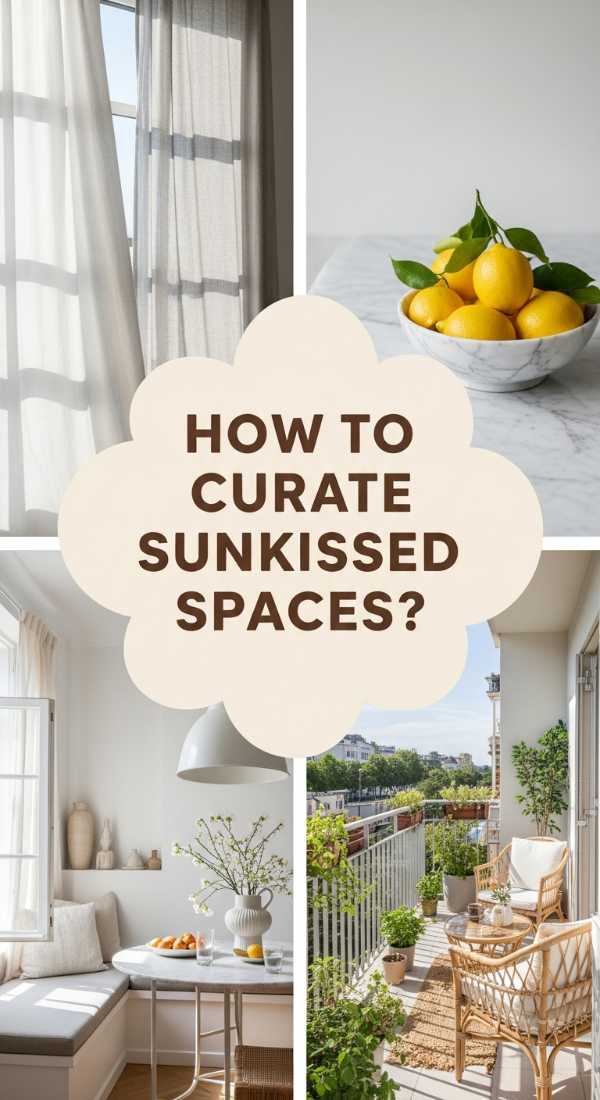
How to Curate a Sunkissed Sanctuary for Endless Summer Bliss
Why we love this
There is nothing quite like the feeling of the afternoon sun filtering through sheer linen, casting long, honey-hued shadows across a room. This aesthetic captures the aroma of sea salt and sun-warmed wood, evoking the sensation of a permanent vacation where time slows down. We love it because it relies on the tactile softness of natural fibers—the scratch of jute underfoot balanced by the buttery smoothness of a well-worn leather chair—creating a space that feels effortlessly alive and eternally bright.
Essential Elements:
- Sheer white linen window treatments
- Natural rattan or wicker furniture
- Large-scale mirrors to bounce natural light
- A palette of cream, sand, and pale gold
- Potted citrus trees or dried palm fronds
How to make it
- Begin by identifying the ‘Golden Hour’ windows in your home; these are your primary light sources that will dictate furniture placement to maximize natural glow.
- Install floor-to-ceiling sheer curtains hung at least six inches above the window frame to draw the eye upward and soften the incoming light without blocking it.
- Layer a large, chunky jute rug as your base, ensuring it extends at least 12 inches beyond your main seating area to ground the room with organic texture.
- Place a large floor mirror opposite your main window; angle it slightly so it reflects the sky and greenery outside, effectively ‘doubling’ the light in the room.
- Incorporate ‘living’ textures like a rattan coffee table or a woven hanging chair, ensuring the wood tones are light and raw rather than dark or polished.
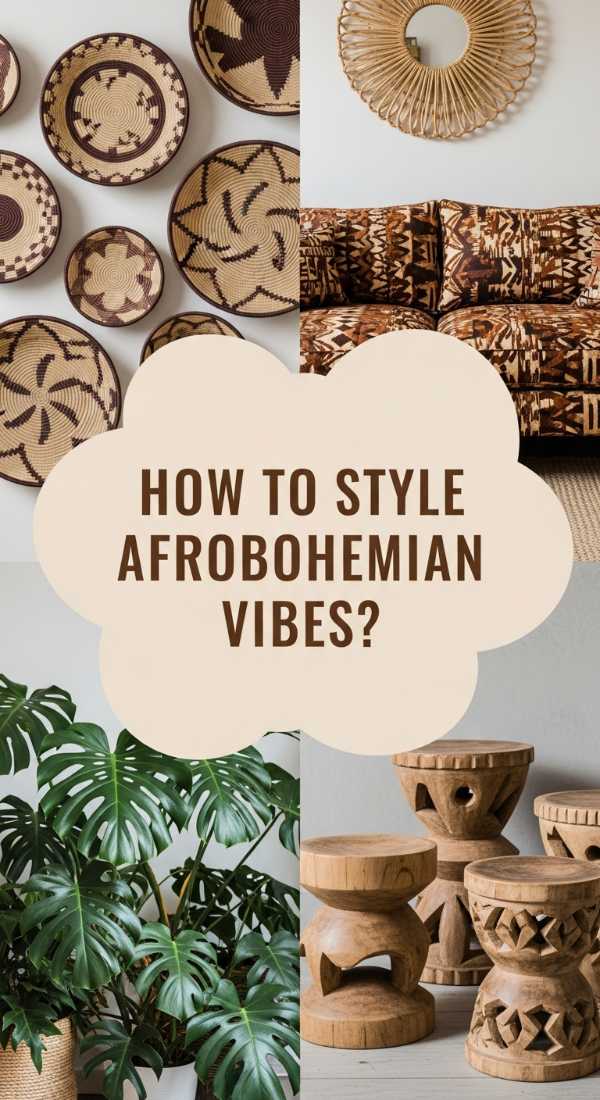
How to Style Afrobohemian Elements for a Soulful Global Retreat
Why we love this
This style is a masterclass in rhythm and soul, blending the deep, grounding scents of sandalwood and aged teak with the visual feast of geometric patterns. It feels deeply rooted and ancestral, offering a tactile experience where every surface tells a story of craftsmanship. We love the way it balances the ruggedness of raw clay with the intricate softness of hand-stitched mudcloth, making your living room feel like a curated gallery of global travels and heritage.
Essential Elements:
- Hand-carved wooden stools or masks
- Genuine Malian Mudcloth (Bògòlanfini) pillows
- Large-leaf plants like Fiddle Leaf Figs
- Terracotta pottery in various heights
- Earthy color palette (ochre, burnt orange, charcoal)
How to make it
- Select a neutral, warm-toned sofa as your canvas, preferably in a breathable fabric like cotton canvas or soft leather.
- Layer mudcloth textiles by placing a large throw over the back of the sofa and mixing printed pillows of varying scales—pair a large, bold geometric print with a smaller, more intricate one.
- Introduce height and architectural interest by placing a hand-carved Senoufo stool next to a cluster of tall, leafy plants in matte black or clay pots.
- Create a focal point gallery wall using woven grass fans or wooden masks, spacing them irregularly to mimic a curated, organic flow rather than a rigid grid.
- Finish the space with a low-profile wooden coffee table, styled with a stack of art books and a bowl of raw beads or oversized seeds for a sensory touchpoint.
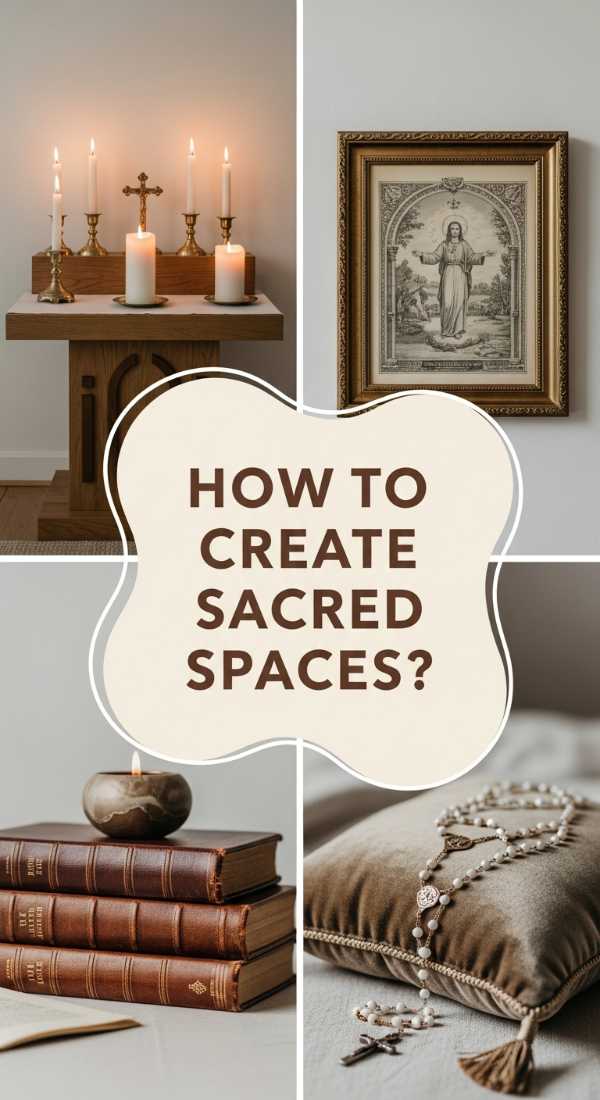
How to Create a Sacred Prayer Corner for Daily Inner Peace
Why we love this
A prayer corner is a literal breath of fresh air in a busy home, offering a sensory retreat that smells of frankincense and beeswax. It provides a tactile sanctuary where the coolness of a velvet cushion meets the warmth of a flickering flame, grounding the spirit immediately upon entry. We love this because it prioritizes peace over performance, using soft textures and meaningful icons to create an atmosphere of reverence and absolute stillness.
Essential Elements:
- A comfortable floor pouf or velvet meditation cushion
- A low-profile wooden altar or small side table
- A collection of candles (scented or unscented)
- Natural elements like stones, shells, or fresh flowers
- Inspirational texts or personal icons
How to make it
- Choose a low-traffic corner of your home, preferably one that receives soft morning light, to designate as your dedicated ‘quiet zone.’
- Define the space with a small, plush rug or a sheepskin throw to create a physical boundary from the rest of the room’s energy.
- Place your meditation cushion in the center, ensuring it provides enough ergonomic support for your back and hips during long periods of reflection.
- Set up your altar table at eye level when seated; arrange three items of varying heights, such as a tall taper candle, a medium-sized bowl of water, and a low tray for incense.
- Introduce a ‘sensory anchor’ like a singing bowl or a string of wooden beads that you can touch to signal to your brain that it is time to transition into peace.
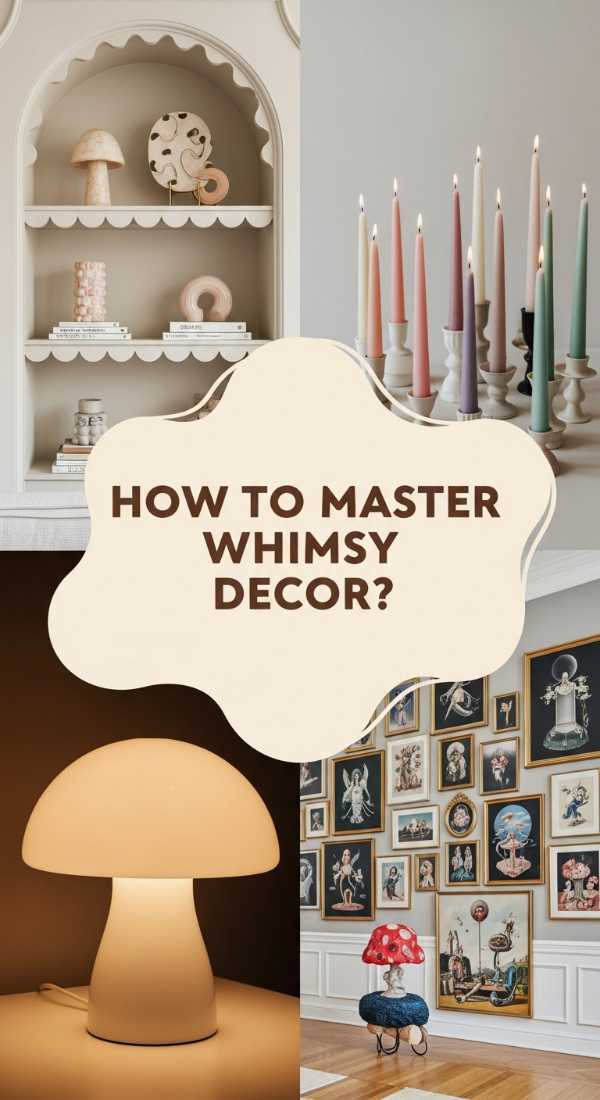
How to Master Whimsy Decor for a Playful Home Atmosphere
Why we love this
Whimsy decor is the design equivalent of a belly laugh—it’s unexpected, vibrant, and utterly charming. It breaks the ‘rules’ of traditional design by introducing scalloped edges that feel like candy and bold, checkerboard patterns that spark immediate joy. We love this look because it encourages a sense of wonder, making the home feel like a storybook where every corner holds a delightful, colorful surprise that smells like sweet citrus and feels like soft, nubby boucle.
Essential Elements:
- Scalloped-edge furniture or picture frames
- Checkerboard rugs or accent pieces
- Murano-style colored glass lamps
- Bold, saturated accent colors (cobalt, cherry, lime)
- Quirky, non-functional art objects
How to make it
- Choose a ‘base’ neutral color for the walls but go bold with a ‘hero’ furniture piece, such as a scalloped velvet armchair in a contrasting jewel tone.
- Incorporate one ‘wild’ pattern, like a black-and-white checkerboard rug, to serve as a graphic anchor that ties together various colorful accents.
- Swap standard hardware for whimsical knobs—think brass ladybugs or colorful ceramic stars—on dressers or cabinets for a subtle touch of play.
- Style your shelves by grouping objects by color rather than size, creating ‘rainbow’ vignettes that draw the eye and create visual rhythm.
- Add a piece of ‘confetti’ art: a large-scale painting or print that features abstract shapes and bright splatters to solidify the playful mood.
How to Blend Mexican Heritage Textures for a Vibrant Cultural Living Room

Why we love this
This aesthetic is a celebration of life, bursting with the aroma of hand-poured copal and the vivid colors of a bustling mercado. It’s a sensory explosion where the rough, hand-painted surface of Talavera tiles meets the intricate, soft embroidery of Otomi textiles. We love it because it feels festive and deeply personal, honoring centuries of craftsmanship while making a living room feel warm, inviting, and spectacularly soulful.
Essential Elements:
- Hand-embroidered Otomi pillows or wall hangings
- Wrought iron light fixtures or mirrors
- Talavera pottery and ceramic accents
- Brightly colored wool rugs (Zapotec style)
- Rustic pine or ‘mesquite’ wood furniture
How to make it
- Start with a foundation of warm, white-washed walls to allow the vibrant colors of the decor to pop without overwhelming the senses.
- Drape a large, hand-woven Zapotec rug in the center of the room, using its geometric symbols and bold fuchsia or indigo dyes to set the color palette.
- Layer your seating with Otomi pillows; the key is to choose pieces with white backgrounds and colorful animal embroidery to maintain a cohesive look.
- Create a ‘heritage wall’ by hanging a collection of decorative tin hearts (milagros) or a large, sun-shaped wrought iron mirror as a focal point.
- Incorporate greenery in large terracotta pots, choosing cacti or succulents that mimic the landscape of the Mexican high desert.
How to Source Vintage Treasures for a Timeless Historic Feel

Why we love this
There is a romantic gravity to a room filled with history, where the air smells faintly of old books and polished wax. Vintage treasures bring a sense of permanence and character that new items simply can’t replicate—the heavy weight of a brass candlestick, the crazing on an antique oil painting, and the soft patina of a mahogany desk. We love this look because it turns your home into a living museum that feels both sophisticated and lived-in.
Essential Elements:
- Oil paintings in ornate, gilded frames
- Solid brass accents (trays, figurines, lighting)
- Mismatched vintage glassware
- Distressed leather or velvet upholstery
- Hardbound antique books
How to make it
- Commit to the ‘Rule of Three’ when thrifting: look for a piece with soul (art), a piece with utility (furniture), and a piece with shine (brass or glass).
- When selecting oil paintings, look for ‘moody’ landscapes or portraits with visible brushstrokes; hang them at eye level, even if they are small, to create intimacy.
- Mix wood tones fearlessly; a dark mahogany table can live beautifully next to a lighter oak chair as long as both pieces share a similar ‘aged’ finish.
- Polish brass items just enough to remove grime but leave the deep patina in the crevices to highlight their age and authenticity.
- Style a bookshelf by turning some book spines inward for a textured, neutral look, or stack them horizontally to serve as pedestals for small vintage busts or clocks.
How to Infuse Breezy Summer Pastels for a Dreamy Seasonal Glow

Why we love this
This look feels like a soft morning mist over a field of wild lavender, carrying the scent of fresh peonies and clean laundry. It’s incredibly soothing to the nervous system, using a palette of mint, lilac, and peach to create an ethereal, ‘lit from within’ atmosphere. We love it because it’s a gentle way to refresh a space for the warmer months, making even the smallest room feel airy, expansive, and filled with a dreamy, romantic light.
Essential Elements:
- Washed linen bedding in pastel shades
- Frosted glass vases in seafoam or blush
- Light-toned wood (birch or maple)
- Floral prints in soft, watercolor styles
- White-painted or light-wash furniture
How to make it
- Switch out heavy velvet or wool throws for lightweight, ‘crinkled’ linen blankets in a pale lavender or sage green.
- Replace dark lampshades with white linen ones to instantly brighten the quality of light emitted in the evenings.
- Group frosted glass vases of different pastel heights on a mantle or dining table; fill them with single stems of baby’s breath or sweet peas.
- Apply a fresh coat of ‘warm white’ paint to a piece of furniture, then lightly sand the edges to reveal a hint of wood for a soft, shabby-chic texture.
- Use sheer, pastel-colored window scarves draped loosely over curtain rods to tint the incoming sunlight with a soft, rosy or minty hue.
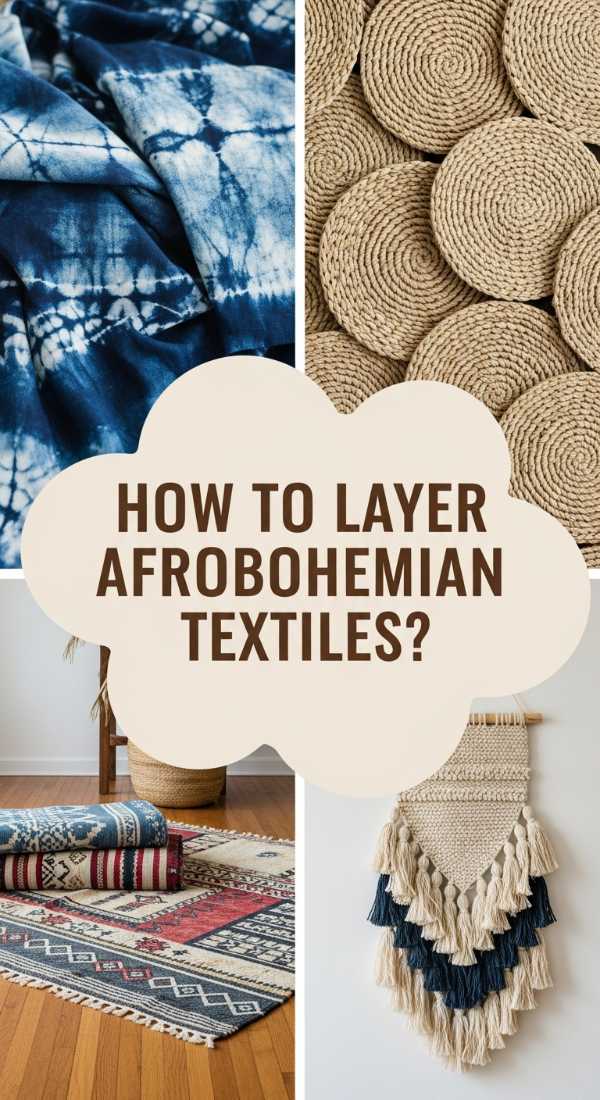
How to Layer Antique Afrobohemian Textiles for a Rich Collected Aesthetic
Why we love this
Layering antique textiles is like weaving a tapestry of history across your furniture, bringing the scent of sun-dried cotton and heritage dyes into your home. The depth of color in a vintage indigo cloth or the heavy, tactile drape of a Kente strip-weave creates a richness that feels both luxurious and humble. We love this because it honors the hand of the maker, ensuring that no two rooms ever look or feel the same, providing a deeply soulful and ‘collected’ vibe.
Essential Elements:
- Vintage Indigo (West African) fabric
- Kuba cloth (raffia) pillows or wall hangings
- Kente cloth runners
- Woven grass mats
- Layered textures (rough raffia vs. smooth cotton)
- Earthy, indigo, and ochre tones
How to make it
- Start with a neutral base, such as a tan leather or cream fabric sofa, to act as the stage for your textiles.
- Layer a large, vintage indigo throw diagonally across the seat of the sofa, letting the frayed edges show for an authentic, aged look.
- Add Kuba cloth pillows in the corners; their stiff, raffia texture provides a beautiful structural contrast to softer cotton cushions.
- Use a long, narrow Kente cloth as a runner over a sideboard or at the foot of a bed to introduce vibrant, symbolic color and geometry.
- Hang a large textile piece on the wall using a simple wooden dowel, ensuring it is positioned where people can see the intricate ‘weft and warp’ of the hand-woven threads.
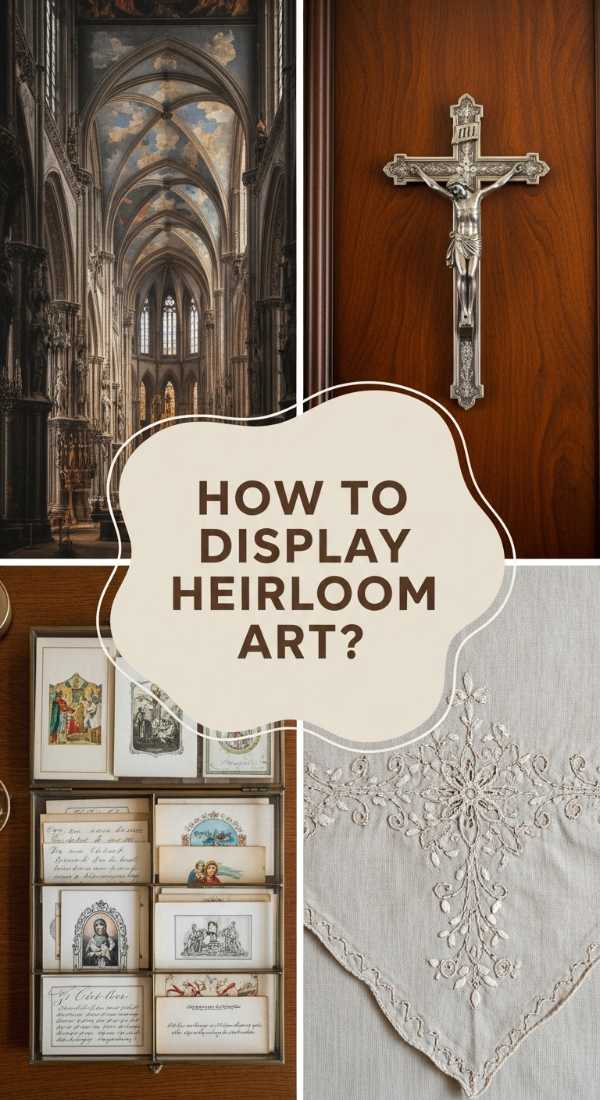
How to Display Heirloom Devotional Art for a Classic Spiritual Home
Why we love this
Displaying devotional art isn’t just about religion; it’s about the beauty of faith and the continuity of generations. These pieces often carry the scent of old wood and the visual weight of classic oil pigments, creating a space that feels anchored and sacred. We love this because it brings a sense of museum-like grandeur to everyday life, reminding us of the timeless human search for meaning through beautiful, classical iconography.
Essential Elements:
- Antique icons or religious paintings
- Gilded or dark-stained wood frames
- Traditional sculptures (stone or plaster)
- Votive candles in glass holders
- A dedicated spotlight or picture light
How to make it
- Select a ‘hero’ piece of art that carries significant personal or aesthetic weight and place it in the center of a prominent wall.
- Install a battery-operated brass picture light above the frame to give the art a soft, reverent glow that highlights the texture of the paint.
- Flank the artwork with two identical sconces or tall candles to create a symmetrical ‘shrine’ effect that feels balanced and intentional.
- Incorporate a small pedestal or shelf nearby to display a related sculpture, ensuring there is ‘breathing room’ around each object to maintain a sense of importance.
- Keep the surrounding decor minimal and dark-toned (deep greens or navy) to allow the gold leaf or vibrant colors of the devotional art to stand out.
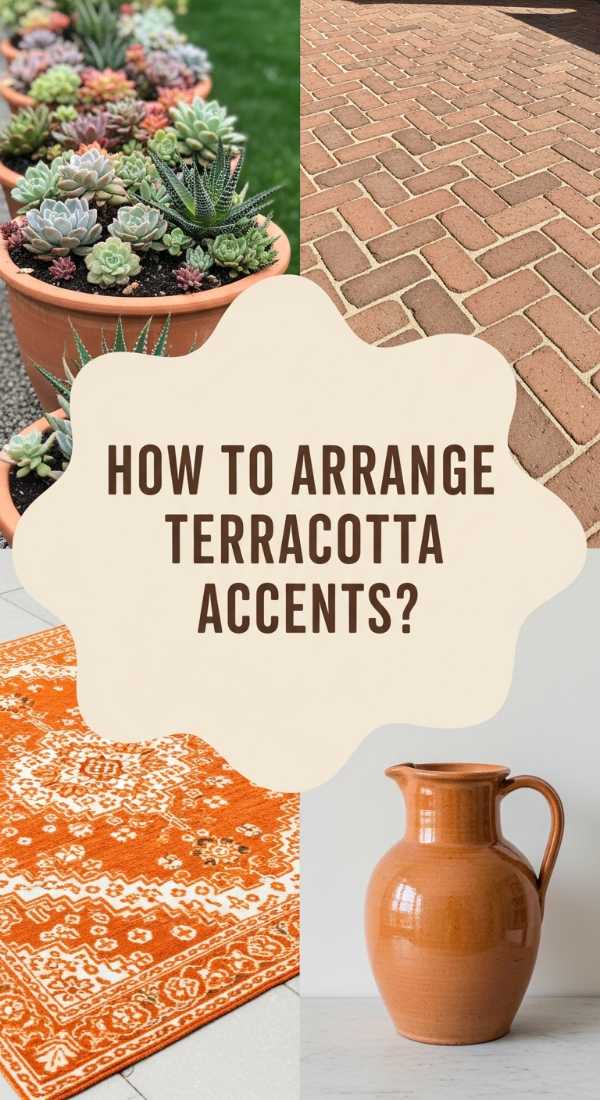
How to Arrange Bright Terracotta Accents for an Authentic Outdoor Oasis
Why we love this
Terracotta is the ultimate bridge between the earth and the home, smelling of damp clay and sun-baked bricks. It brings a Mediterranean warmth that instantly transforms a porch or patio into a vibrant escape. We love it because the material itself is ‘alive’—it breathes, it ages, and it develops a beautiful white mineral patina over time that feels grounded, authentic, and wonderfully rustic.
Essential Elements:
- Classic clay terracotta pots in various sizes
- Hand-painted Mexican Talavera planters
- Wrought iron plant stands
- Vibrant greenery (bougainvillea, succulents)
- Warm string lighting or lanterns
How to make it
- Cluster your terracotta pots in groups of three or five, varying the heights by using wooden crates or overturned pots as ‘risers’ to create visual depth.
- Mix plain orange clay pots with one or two brightly hand-painted Talavera pieces to create a focal point of color within the earthy group.
- Choose plants with contrasting textures—pair the spiked leaves of an agave with the soft, trailing vines of a silver falls plant—to spill over the edges of the pots.
- Line a walkway or the edge of a patio with low, wide terracotta bowls filled with pebbles and succulents for a structured, modern-meets-rustic look.
- Ensure the lighting is warm-toned (2700K); wrap string lights around a nearby tree or hang iron lanterns to cast a soft, orange glow over the clay accents at night.
Conclusion
Elevating your home is a journey that never truly ends, and that’s the beauty of it. By focusing on the sensory details—the way a fabric feels, the way a scent lingers, and the way a color catches the light—you transform your living space from a mere location into a living, breathing extension of your soul. Whether you are adding a single terracotta pot or curating an entire room of vintage treasures, remember that the most beautiful home is one that feels authentically, unapologetically like you.