
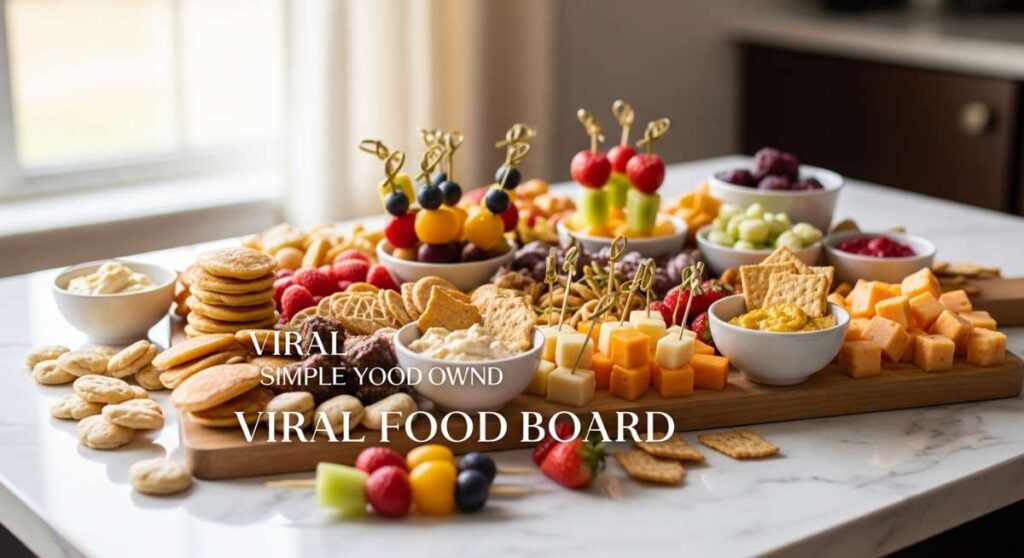
There is something undeniably magical about the way food brings people together, isn’t there? I remember the first time I set out a massive, overflowing food board for a Sunday brunch with my closest friends. The room was filled with laughter, the clinking of glasses, and the sheer joy of everyone customizing their own perfect plate from a beautiful spread. That moment changed how I look at hosting forever; it’s not just about the meal, it’s about the connection and the visual feast that makes every guest feel truly special.
In today’s fast-paced world, creating a ‘Viral Food Board’ has become the ultimate lifestyle hack for the modern host. It’s about taking simple, wholesome ingredients and presenting them with a touch of artistry that practically begs to be shared on social media. Whether you are building a grain bowl station or a fresh fruit paradise, the secret lies in the details—the textures, the colors, and those little pops of garnish that make a dish go from ‘good’ to ‘Instagram-famous.’
Today, I’m walking you through my absolute favorite components for the ultimate viral board. We are diving deep into everything from the crunch of a perfect salad to the comforting warmth of a pasta bowl. Grab your largest wooden board, put on your favorite playlist, and let’s get into the kitchen to create something beautiful together!
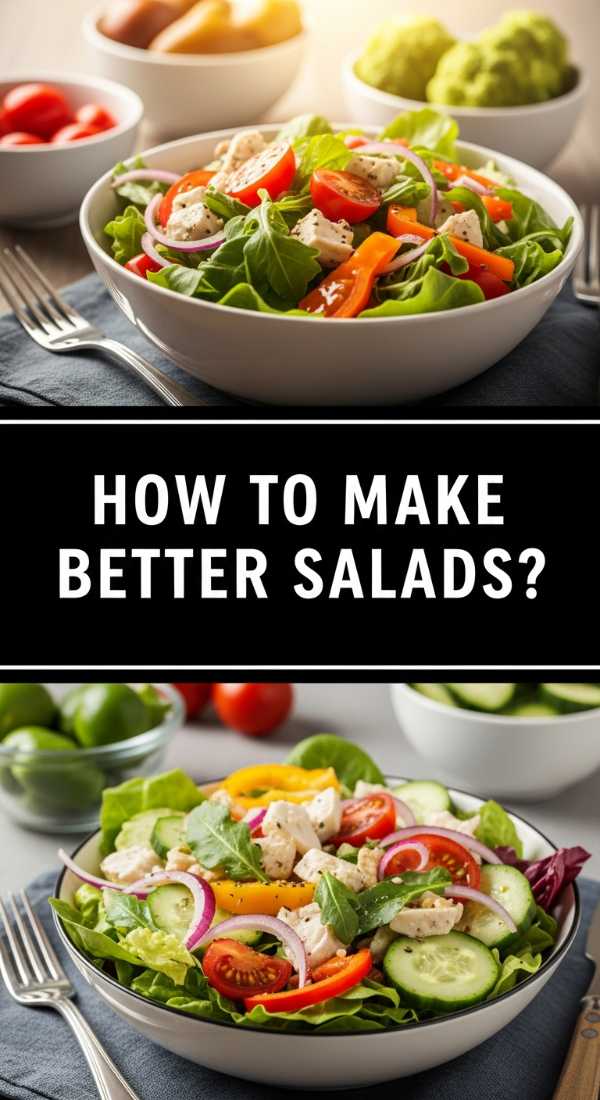
How to make better salads
Why we love this
We love a truly elevated salad because it transforms humble greens into a complex masterpiece of flavor and texture. Imagine the satisfying, audible crunch of hydroponic butter lettuce combined with the silky, fatty richness of perfectly ripe avocado slices. The aroma of freshly cracked black pepper and a zest of lemon zest wafts up, promising a bright and revitalizing experience that cleanses the palate. It’s a sensory journey where every forkful offers a different surprise—a hit of salty feta, the sweetness of a dried cranberry, or the peppery bite of fresh arugula.
Ingredients
- 2 heads of Butter or Gem lettuce
- 1 large avocado, sliced
- 1/4 cup toasted sunflower seeds
- 2 oz crumbled goat cheese
- Handmade lemon-tahini dressing
- Fresh microgreens for garnish
How to make it
- Begin by washing your greens in ice-cold water; this shocks the leaves and ensures they stay incredibly crisp. Use a salad spinner to dry them completely, as water is the enemy of a good dressing.
- Tear the lettuce by hand into bite-sized pieces rather than chopping with a knife to prevent bruising and maintain a rustic, high-end look on the board.
- In a small jar, emulsify your dressing by shaking lemon juice, tahini, olive oil, and sea salt until thick and creamy. Pour a small amount into the bottom of a large bowl.
- Add the greens and gently ‘massage’ them with clean hands. This ensures every leaf is micro-coated without being drenched, which is the secret to a professional-grade salad.
- Transfer the greens to your board and layer the avocado, seeds, and cheese on top. Finish with a final sprinkle of flaky sea salt and microgreens for that viral aesthetic.
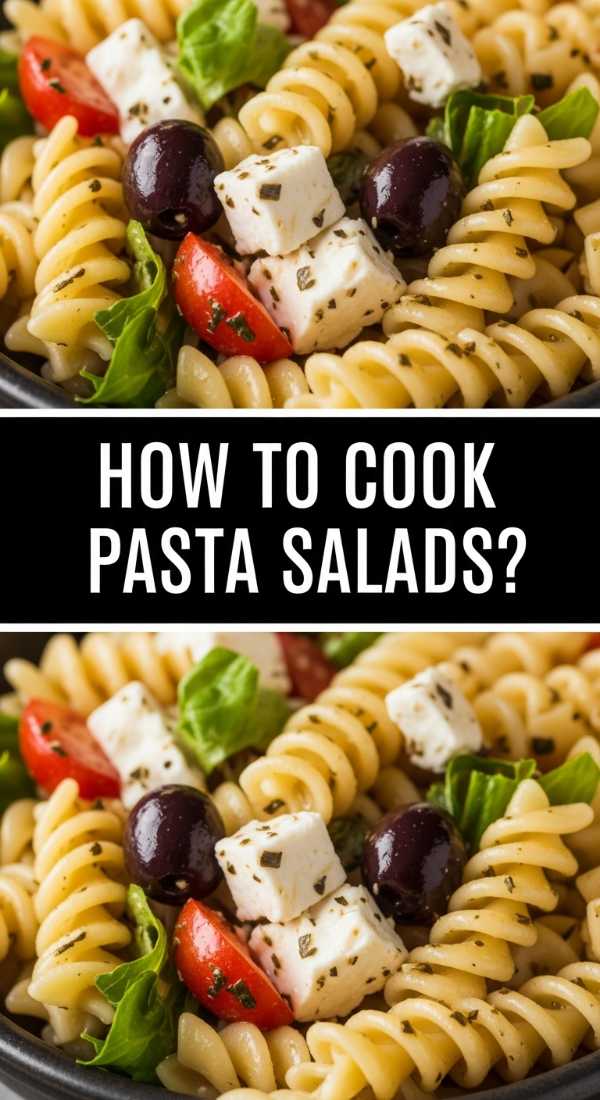
How to cook pasta salads
Why we love this
Pasta salads are the ultimate comfort food turned into a refreshing social staple, offering a hearty chew that stands up beautifully to bold vinaigrettes. There is something deeply nostalgic about the smell of dried oregano and garlic mingling with the scent of freshly boiled pasta cooling on the counter. The way a ridged noodle like fusilli or rotini traps a tangy dressing ensures every bite is an explosion of flavor, while the addition of crisp, raw vegetables provides a vibrant contrast to the soft, al dente pasta. It’s the perfect, versatile dish that stays delicious even hours after it’s been plated.
Ingredients
- 1 lb dry Fusilli or Farfalle pasta
- 1 cup cherry tomatoes, halved
- 1/2 cup English cucumber, diced
- 1/4 cup red onion, finely minced
- 1/2 cup Kalamata olives
- Italian herb vinaigrette
How to make it
- Boil a large pot of water and add enough salt so it tastes like the ocean; this is your only chance to season the pasta itself from the inside out.
- Cook the pasta for exactly one minute less than the package directions specify. You want a firm ‘al dente’ bite because the pasta will continue to soften slightly as it absorbs the dressing.
- Drain the pasta and immediately rinse it under cold running water. This stops the cooking process and removes excess starch, preventing the noodles from sticking together in a clump.
- While still slightly damp, toss the pasta with half of your vinaigrette. The warm noodles will soak up the flavor much more effectively than cold ones.
- Add your chopped vegetables and the remaining dressing. Allow the salad to sit in the fridge for at least 30 minutes before serving on your board to let the flavors marry and intensify.
How to make fruit bowls

Why we love this
A well-curated fruit bowl is like a bowl of nature’s candy, bursting with vibrant hues of ruby red, deep purple, and bright orange that instantly draw the eye. The scent is intoxicatingly sweet, reminiscent of a tropical garden in full bloom, with hints of citrus and ripe berries filling the air. Each bite is a refreshing burst of juice that cools the throat and satisfies the sweet tooth in the most wholesome way possible. It’s the centerpiece that adds a pop of natural brilliance to your board, making the whole spread feel light, airy, and incredibly fresh.
Ingredients
- 1 pint fresh strawberries, hulled and quartered
- 1 cup blueberries
- 2 kiwis, peeled and sliced into rounds
- 1 mango, cubed
- Fresh mint leaves
- Honey and lime juice glaze
How to make it
- Selection is key: Choose fruits that are at peak ripeness but still firm to the touch to ensure they hold their shape on the board.
- Prepare your fruit by cutting them into uniform shapes. Use a melon baller for softer fruits or a sharp paring knife for clean, geometric cubes of mango and pineapple.
- Whisk together 2 tablespoons of warm honey with the juice of one lime and a pinch of lime zest. This glaze prevents the fruit from browning and adds a professional glossy finish.
- Gently toss the fruit in a large glass bowl with the glaze, being careful not to crush the delicate berries.
- Arrange the fruit on the board in ‘color blocks’ or a gradient for a high-impact visual. Tuck fresh mint leaves between the fruit pieces just before serving to add a hit of aromatic green.
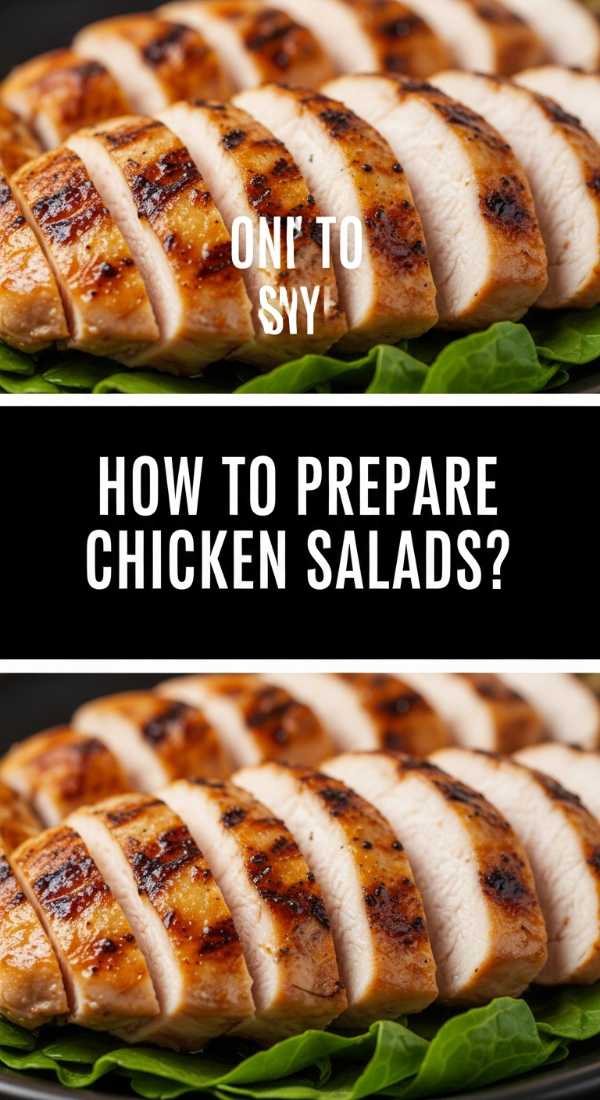
How to prepare chicken salads
Why we love this
Chicken salad is the queen of the savory spread, offering a creamy, satisfying texture that feels both indulgent and light. The aroma of poached chicken breast mixed with the sharp, clean scent of celery and green onions creates an immediate sense of home and comfort. When prepared correctly, the chicken is tender and juicy, melting into a rich dressing that carries notes of dijon mustard and fresh dill. It’s the kind of dish that feels substantial enough for a meal but delicate enough to be scooped onto a cracker or a crisp slice of cucumber.
Ingredients
- 2 cups cooked chicken breast, shredded
- 1/2 cup Greek yogurt or high-quality mayo
- 2 stalks celery, finely diced
- 1/4 cup slivered almonds
- 1 tbsp fresh dill, chopped
- 1 tsp Dijon mustard
How to make it
- For the most tender results, poach your chicken breasts in simmering water with aromatics like bay leaves and peppercorns until they reach an internal temperature of 165°F.
- Allow the chicken to cool completely before shredding. Use two forks or a stand mixer with a paddle attachment to get a consistent, fine shred that will hold the dressing perfectly.
- In a separate bowl, whisk together your base (yogurt or mayo), mustard, salt, and pepper. Mixing the dressing separately ensures you don’t over-work the chicken and turn it into a paste.
- Fold the shredded chicken, diced celery, and almonds into the dressing using a rubber spatula. The celery provides the essential ‘crunch’ that makes a chicken salad viral-worthy.
- Chill the mixture for at least one hour. When serving on the board, use a cookie scoop to create perfect, uniform mounds that look tidy and professional.
How to build healthy bowls
Why we love this
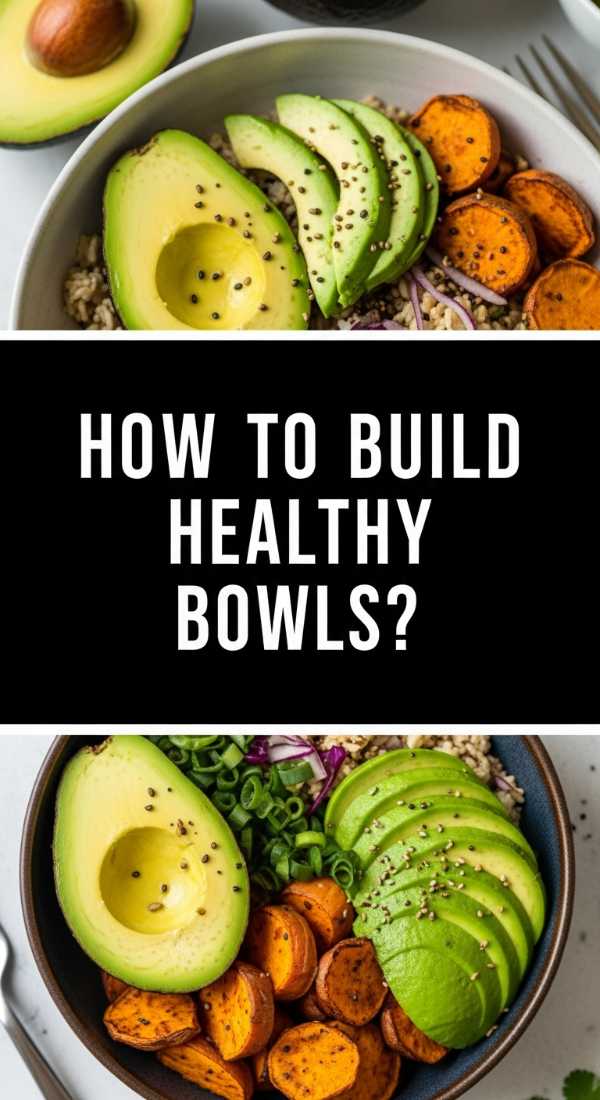
There is a profound sense of balance in a healthy bowl that makes both the body and the mind feel nourished and satisfied. We love the architectural beauty of layering dark, leafy greens with roasted root vegetables and bright, pickled elements that catch the light. The scent is earthy and grounding, with notes of roasted cumin or smoked paprika rising from the warm components. It’s a meal that feels intentional, providing a rainbow of nutrients and a variety of textures—from the snap of a raw radish to the creaminess of a soft-boiled egg—that keeps every bite exciting.
Ingredients
- 1 cup massaged kale or spinach
- 1/2 cup roasted sweet potato cubes
- 1/4 cup cooked chickpeas
- 1/2 avocado, sliced
- 1 soft-boiled egg
- Turmeric-ginger dressing
How to make it
- Start with a ‘base layer’ of greens. If using kale, rub it with a drop of olive oil for 60 seconds to break down the fibrous structure, making it much more palatable.
- Arrange your ‘macro components’ in distinct piles around the bowl rather than mixing them. This ‘deconstructed’ look is what makes these bowls so popular on social media.
- Prepare your sweet potatoes by roasting them at 400°F with avocado oil until the edges are caramelized and slightly crispy; this adds a depth of flavor that raw veggies lack.
- Add a protein element like a 6-minute soft-boiled egg. To get this perfect, lower room-temperature eggs into boiling water, cook for 6 minutes, then immediately plunge into an ice bath.
- Drizzle the dressing in a zig-zag pattern across the bowl. Top with hemp seeds or ‘everything bagel’ seasoning for that final, photogenic touch.
How to cook grain bowls
Why we love this
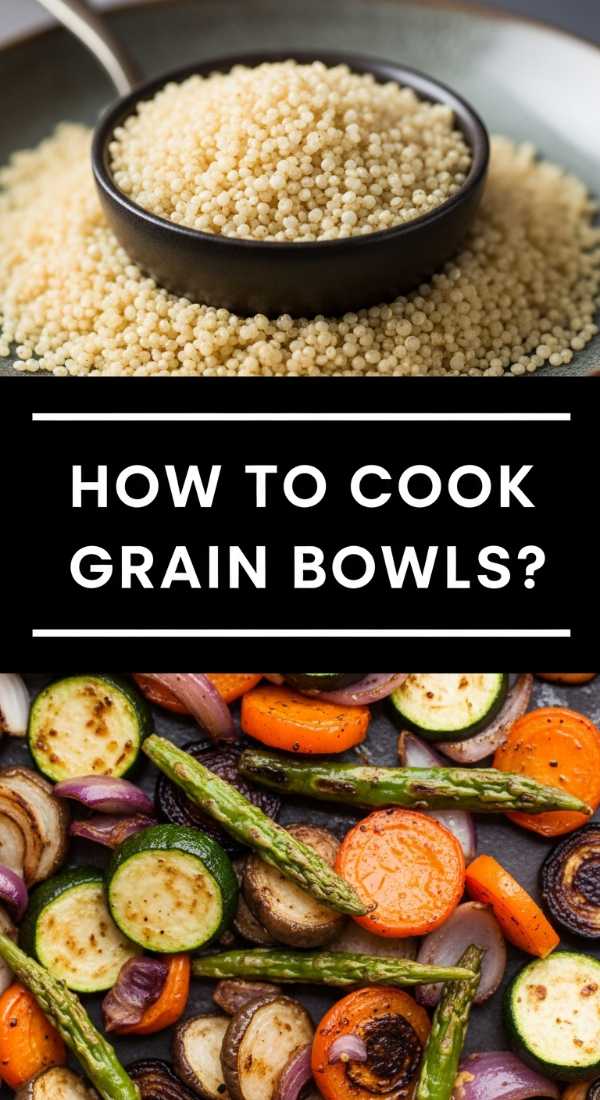
Grain bowls are the hearty, soulful heart of any food board, providing a nutty, chewy foundation that carries flavors from around the world. The fragrance of toasted quinoa or nutty farro cooking on the stove is deeply comforting and warm, signaling a meal that is both filling and wholesome. We love how the individual grains roll across the tongue, providing a textural contrast to roasted vegetables and savory proteins. It’s a versatile canvas that allows for endless creativity, turning a few pantry staples into a gourmet experience that looks and tastes like a million dollars.
Ingredients
- 1 cup dry quinoa or farro
- 2 cups vegetable broth (for cooking)
- 1 cup roasted cauliflower florets
- 1/2 cup shredded carrots
- 1/4 cup feta cheese
- Lemon-herb vinaigrette
How to make it
- Rinse your grains thoroughly in a fine-mesh sieve under cold water to remove any bitterness (especially important for quinoa).
- Toast the dry grains in a pot with a teaspoon of olive oil for 2-3 minutes before adding liquid. This brings out a deep, nutty aroma that makes the dish stand out.
- Use vegetable broth instead of plain water to cook the grains. Bring to a boil, then reduce to the lowest simmer and cover tightly. Let it sit undisturbed for 15-20 minutes.
- Once cooked, remove from heat and let the grains sit covered for another 5 minutes. Then, fluff them gently with a fork to keep them light and airy.
- Spread the warm grains on your board or in a shallow bowl. Top with the roasted cauliflower and shredded carrots, ensuring a mix of warm and cold temperatures for the best mouthfeel.
How to make fresh salads
Why we love this
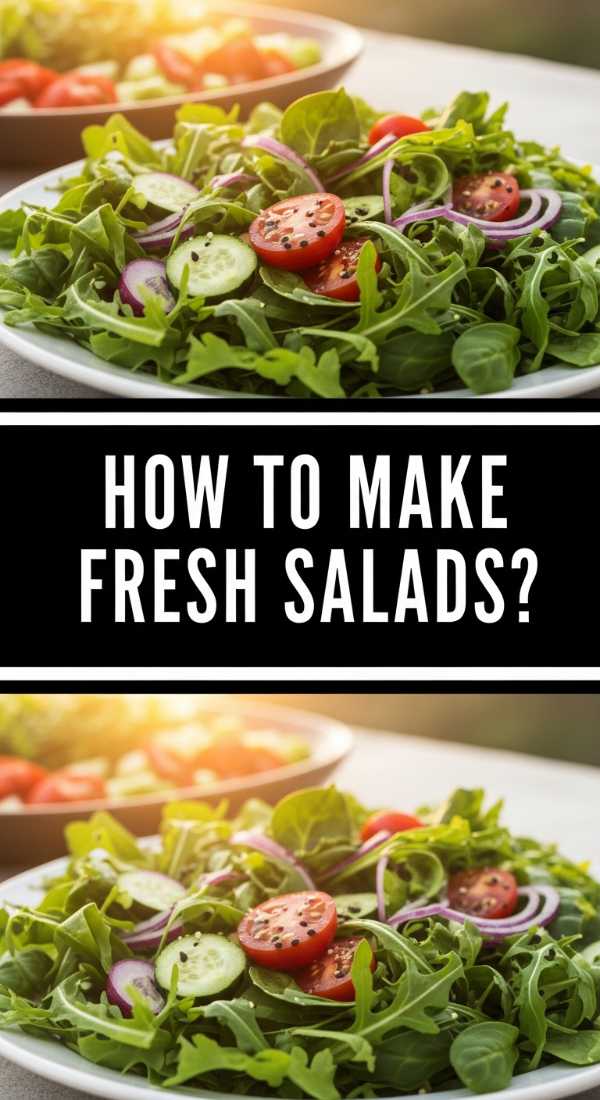
Fresh salads are a celebration of the season, capturing the peak of harvest in a single, vibrant bowl. The smell is incredibly crisp—like a garden after a rainstorm—filled with the peppery scent of radishes and the sweet aroma of vine-ripened tomatoes. We love the sheer simplicity of using ingredients that are so good they don’t need much help to shine. The cool temperature of the vegetables against a light, acidic dressing provides an instant energy boost, making it the perfect light addition to a dense food board.
Ingredients
- 3 large heirloom tomatoes, sliced into wedges
- 1 English cucumber, sliced into half-moons
- 1/2 red bell pepper, thinly sliced
- 1/4 cup fresh basil leaves, torn
- Extra virgin olive oil and balsamic glaze
How to make it
- Source the highest quality produce you can find; for a fresh salad, the ingredients are the stars of the show. Heirloom tomatoes add incredible color variety.
- Slice the tomatoes and cucumbers into different shapes (wedges vs. rounds) to create visual interest and different surface areas for the dressing to cling to.
- Salt your tomatoes 10 minutes before serving. This draws out their natural juices, which mix with the olive oil to create a built-in dressing on the plate.
- Arrange the vegetables on the board in a slightly overlapping ‘shingle’ pattern. This looks intentional and upscale.
- Drizzle with a high-quality, cold-pressed olive oil and a thick balsamic glaze. Garnish with the torn basil leaves at the very last second to prevent them from wilting or turning black.
How to assemble pasta bowls
Why we love this
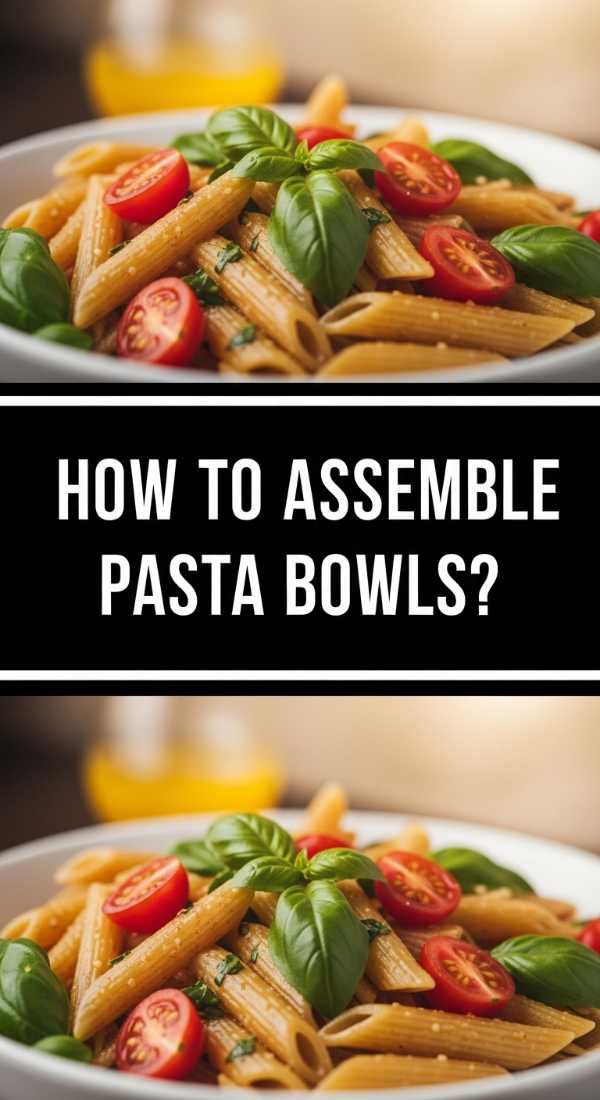
There is nothing quite as inviting as a warm pasta bowl, with steam rising in curls and the scent of melting parmesan filling the room. It’s the ultimate ‘hug in a bowl,’ offering a silky, decadent mouthfeel that coats the palate in savory goodness. We love the way long strands of linguine or chunky rigatoni act as a vehicle for rich, emulsified sauces that are glossy and bright. It’s a dish that demands to be eaten slowly, twirling each forkful to capture every bit of sauce and garnish, creating a moment of pure culinary bliss.
Ingredients
- 12 oz Bucatini or Rigatoni pasta
- 2 cloves garlic, thinly sliced
- 1/2 cup heavy cream or pasta water
- 1/2 cup grated Parmigiano-Reggiano
- 1 tsp red pepper flakes
- Fresh parsley, chopped
How to make it
- Cook your pasta in salted water until it is very al dente. Reserve at least one full cup of the starchy pasta water before draining—this is your ‘liquid gold.’
- In a wide skillet, sauté the sliced garlic and red pepper flakes in olive oil over medium-low heat. You want the garlic to turn golden and fragrant, not brown or bitter.
- Add the undercooked pasta directly to the skillet. Pour in half a cup of the reserved pasta water and the cream (if using).
- Increase the heat to medium and stir vigorously. The starch in the water will emulsify with the oil to create a creamy, restaurant-quality sauce that clings to the noodles.
- Turn off the heat and stir in the parmesan cheese quickly. The residual heat will melt the cheese without making it stringy. Serve in a deep, warmed bowl on your board and garnish with parsley.
How to prepare fruit salads
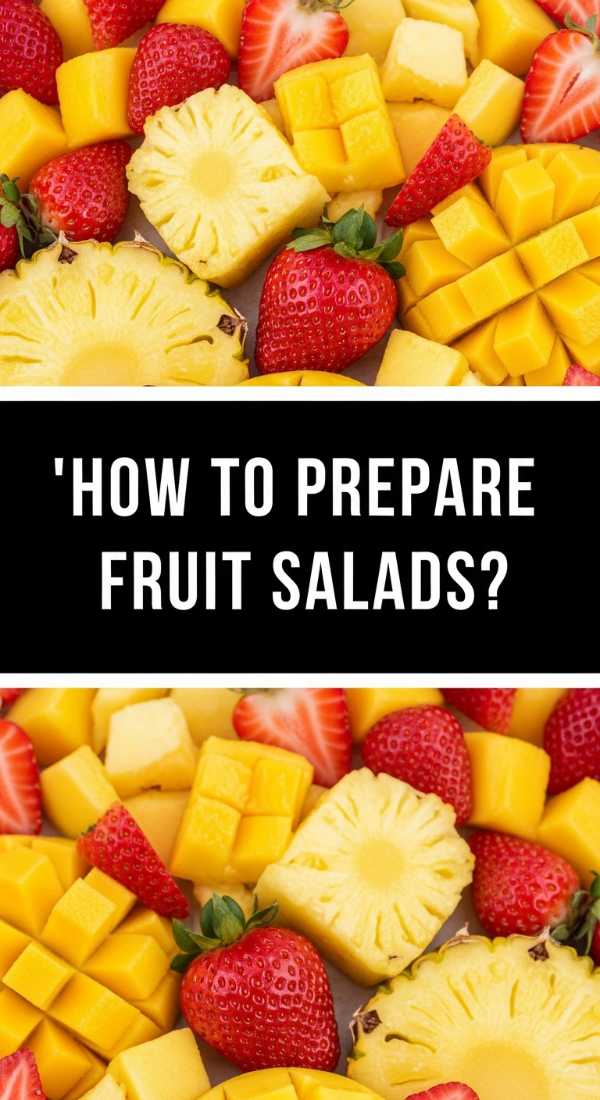
Why we love this
A classic fruit salad is a nostalgic favorite that brings a bright, acidic balance to the heavier elements of a food board. We love the medley of textures—the snap of a grape, the softness of a peach, and the crunch of an apple—all working together in harmony. The aroma of citrus zest and a touch of vanilla bean makes the salad feel sophisticated and intentionally crafted. It’s a refreshing palate cleanser that keeps guests coming back for ‘just one more bite,’ acting as a vibrant, healthy bridge between savory snacks and sweet treats.
Ingredients
- 2 cups green and red grapes, halved
- 2 peaches, sliced
- 1 granny smith apple, diced
- 1/2 cup pomegranate arils
- 1 tsp vanilla extract
- Zest of one orange
How to make it
- To prevent browning of the apples and peaches, toss them in a small bowl of acidulated water (water with lemon juice) for one minute immediately after cutting.
- Halve your grapes. This might seem tedious, but it makes the salad much easier to eat and allows the interior juice of the grape to mingle with the other flavors.
- In a small bowl, mix your orange zest and vanilla extract. This tiny addition elevates the fruit from ‘lunchbox snack’ to ‘gourmet dessert salad.’
- Combine all the fruit in a large mixing bowl and fold in the vanilla-zest mixture gently.
- Top with pomegranate arils for a ‘jeweled’ look. These tiny pops of deep red add a sophisticated aesthetic that makes the salad look stunning on camera.
How to make chicken bowls

Why we love this
Chicken bowls are the powerhouse of the board, offering a complete, satisfying meal that hits every flavor note from salty and savory to tangy and fresh. We love the sizzle of marinated chicken hitting a hot pan, filling the kitchen with the scent of garlic, ginger, or smoked paprika. The contrast of warm, juicy protein against cool, crisp vegetables and fluffy grains creates a dynamic eating experience that never gets boring. It’s the ultimate ‘choose your own adventure’ meal, allowing everyone to build a bowl that perfectly suits their cravings.
Ingredients
- 1 lb chicken thighs, cut into bite-sized pieces
- 2 tbsp soy sauce or tamari
- 1 tbsp honey
- 1 cup cooked brown rice
- 1/2 cup steamed edamame
- Pickled ginger and sesame seeds
How to make it
- Marinate the chicken pieces for at least 30 minutes in the soy sauce, honey, and a splash of sesame oil. This ensures the flavor penetrates deep into the meat.
- Heat a cast-iron skillet over medium-high heat until it’s wisps of smoke appear. Sear the chicken in batches so the pan doesn’t crowd; this ensures a beautiful, golden-brown crust.
- Cook the chicken until it’s charred on the outside but still tender on the inside, about 6-8 minutes total. Let it rest for 3 minutes before assembling the bowl.
- Place a mound of warm brown rice at the base of the bowl. Arrange the seared chicken on one side and the bright green edamame on the other.
- Finish with a heap of pickled ginger for acidity and a generous sprinkle of toasted sesame seeds. This bowl provides the perfect high-protein anchor for your viral board.
Wrapping Up Your Viral Food Board Journey
Creating a viral food board is about more than just the food—it’s about the love and care you put into the presentation. By focusing on these detailed components, you’ve created a spread that isn’t just beautiful to look at, but deeply nourishing and delicious to eat. I can’t wait to see your creations! Tag me in your photos and let me know which of these sections was your absolute favorite to build.