
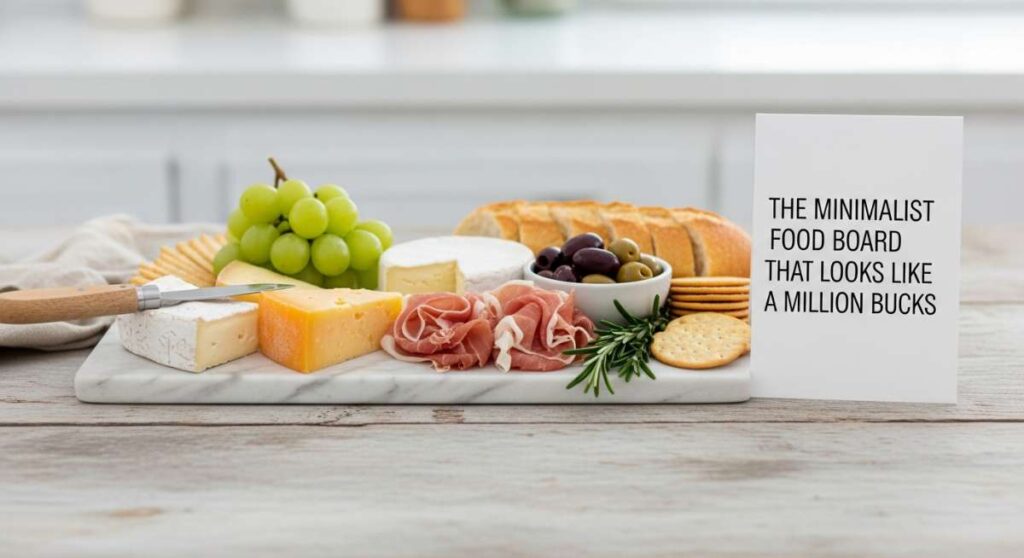
The Minimalist Food Board That Looks Like a Million Bucks
There is something undeniably magical about the moment your friends walk into the kitchen and see a massive, steaming spread laid out on a clean wooden board. In a world where we are constantly bombarded by over-complicated recipes and multi-step garnishes, I’ve found that the true ‘million-dollar’ secret lies in the beauty of simplicity. It’s about the textures of the pasta, the glisten of a perfect olive oil, and the way the steam carries the scent of roasted garlic across the room.
Lately, I’ve moved away from individual plating and embraced the ‘Pasta Board’ lifestyle. It creates a communal, warm energy that formal dining just can’t replicate. It’s relaxed, it’s rustic, and quite frankly, it’s the most viral-worthy thing I’ve ever put on my table. Whether you are hosting a cozy date night or a big family Sunday, these minimalist pasta dishes are designed to be the stars of your next board.
Today, I’m sharing ten of my absolute favorite minimalist pasta recipes. Each one focuses on a few high-quality ingredients and a lot of heart. Let’s dive into the art of the pasta board!
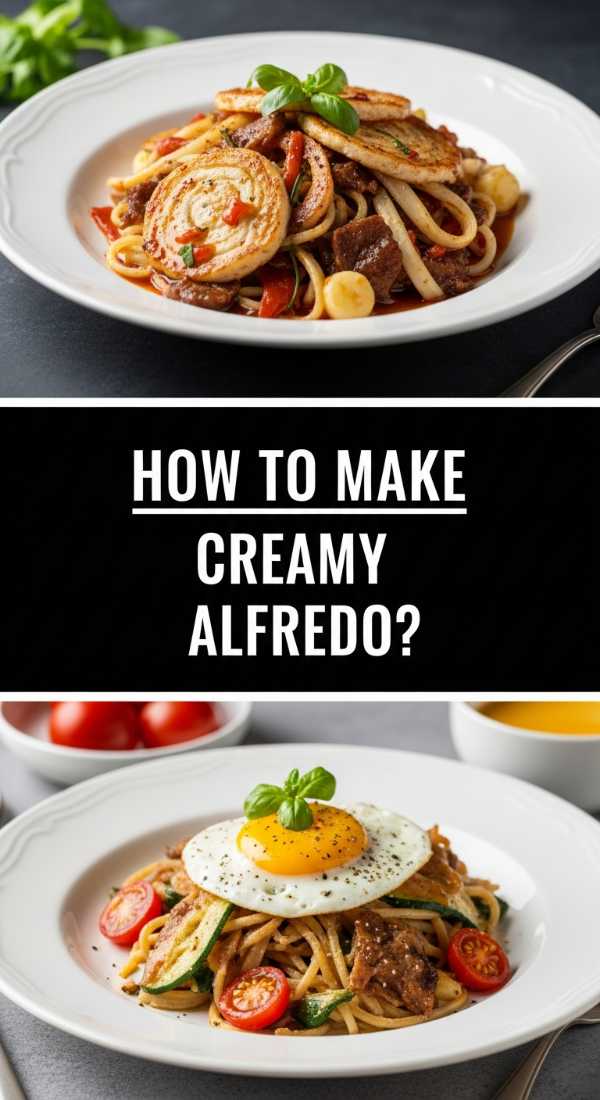
How to make creamy alfredo?
Why we love this
There is nothing quite as comforting as the velvety, ivory embrace of a perfectly executed Alfredo sauce. This dish is all about the luxurious mouthfeel; the way the heavy cream reduces into a thick, satin coating that clings to every strand of fettuccine is pure culinary bliss. As you toss the pasta, the aroma of melting butter and aged Parmesan fills the air, promising a rich, savory experience that feels like a warm hug on a plate. It’s simple, elegant, and the ultimate crowd-pleaser for any minimalist board.
Ingredients
- 1 lb Fettuccine pasta
- 1/2 cup Unsalted butter (high quality)
- 1 1/2 cups Heavy whipping cream
- 2 cups Freshly grated Parmesan cheese
- 2 cloves Garlic, minced
- A pinch of Nutmeg
- Salt and cracked black pepper to taste
- Fresh parsley for garnish
How to make it
- Fill a large pot with water, add a generous amount of salt, and bring to a rolling boil. Cook the fettuccine until it is just ‘al dente’—firm to the bite—as it will cook slightly more in the sauce. Reserve 1/2 cup of pasta water before draining.
- In a large skillet or sauté pan over medium-low heat, melt the butter slowly. Add the minced garlic and sauté for about 1 minute until fragrant but not browned.
- Pour in the heavy cream and let it simmer gently for 3-5 minutes. You want to see small bubbles around the edges; do not let it reach a violent boil or the cream may break.
- Gradually whisk in the grated Parmesan cheese, adding a handful at a time. Whisk constantly until the cheese is completely melted and the sauce has thickened into a smooth, glossy consistency.
- Season with a tiny pinch of nutmeg (the secret ingredient!), salt, and plenty of black pepper.
- Add the cooked pasta directly into the sauce. Toss gently with tongs to coat every strand. If the sauce is too thick, splash in a little of the reserved pasta water to reach your desired silkiness. Garnish with parsley and serve immediately.
How to bake cheesy ziti?

Why we love this
Baked ziti is the soul of Italian-American comfort food, offering a delightful contrast between the tender pasta tubes and the golden, bubbly crust of toasted mozzarella. When you pull this out of the oven, the sight of the slightly charred cheese edges and the deep red marinara peeking through is enough to make anyone’s mouth water. Each bite is a medley of textures—creamy ricotta pockets, chewy pasta, and a rich, herb-infused tomato sauce that ties everything together into one harmonious, hearty dish.
Ingredients
- 1 lb Ziti pasta
- 24 oz Marinara sauce (homemade or high-quality store-bought)
- 15 oz Whole milk ricotta cheese
- 2 cups Shredded mozzarella cheese
- 1/2 cup Grated Parmesan cheese
- 1 Large egg (lightly beaten)
- 1 tsp Dried oregano
- Fresh basil leaves
How to make it
- Preheat your oven to 375°F (190°C). Lightly grease a 9×13 inch baking dish with olive oil or cooking spray.
- Boil the ziti in salted water for about 2 minutes less than the package directions suggest. The pasta should be quite firm since it will finish cooking in the oven surrounded by sauce. Drain and set aside.
- In a medium mixing bowl, combine the ricotta cheese, the beaten egg, the oregano, and half of the Parmesan cheese. Stir until well combined and creamy.
- In the large pot used for the pasta, toss the semi-cooked ziti with about 2 cups of the marinara sauce until evenly coated.
- Spread a thin layer of marinara sauce on the bottom of the baking dish. Add half of the pasta, then dollop the ricotta mixture all over the surface. Pour the remaining pasta over the ricotta.
- Top with the remaining marinara sauce, followed by a thick layer of shredded mozzarella and the rest of the Parmesan.
- Bake for 20-25 minutes until the sauce is bubbling and the cheese is melted and beginning to turn golden brown. For an extra crispy top, broil for the last 2 minutes. Let it rest for 5 minutes before serving to allow the layers to set.
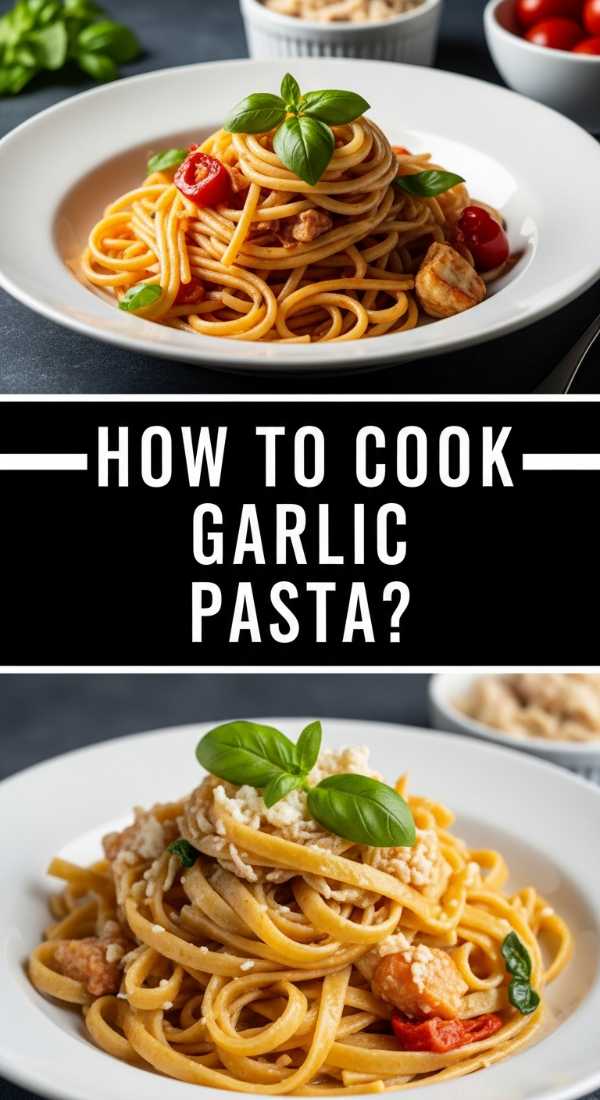
How to cook garlic pasta?
Why we love this
Aglio e Olio is the minimalist’s manifesto. This dish proves that with just a few pantry staples, you can create something that tastes like it came from a five-star kitchen. The magic is in the toasted garlic; as it slowly infuses the olive oil, it loses its harsh bite and transforms into a nutty, sweet, and deeply aromatic base. The addition of bright lemon and spicy red pepper flakes creates a vibrant flavor profile that dances on the palate, making it incredibly light yet satisfyingly savory.
Ingredients
- 1 lb Spaghetti
- 1/2 cup Extra virgin olive oil
- 8 cloves Garlic, thinly sliced
- 1 tsp Red pepper flakes
- 1/2 cup Fresh Italian parsley, chopped
- 1 Lemon (juiced)
- 1/2 cup Grated Pecorino Romano (optional)
- Salt and pepper
How to make it
- Bring a large pot of salted water to a boil and cook the spaghetti until just shy of al dente. Reserve at least 1 cup of the starchy pasta water before draining.
- While the pasta cooks, add the olive oil to a large, cold skillet. Add the thinly sliced garlic and place the pan over medium-low heat.
- Slowly toast the garlic for about 5-8 minutes. It is crucial to go slow; the garlic should turn a pale golden brown. If it turns dark brown, it will be bitter and you’ll need to start over.
- Stir in the red pepper flakes and cook for another 30 seconds to release their oils.
- Add the drained spaghetti directly to the skillet along with 1/2 cup of the reserved pasta water. Increase the heat to medium.
- Toss vigorously with tongs for 2 minutes. This creates an emulsion between the oil and water, forming a light sauce that coats the noodles.
- Turn off the heat. Stir in the fresh parsley, lemon juice, and Pecorino Romano if using. Season with salt and pepper to taste and serve immediately while the oil is still glistening.
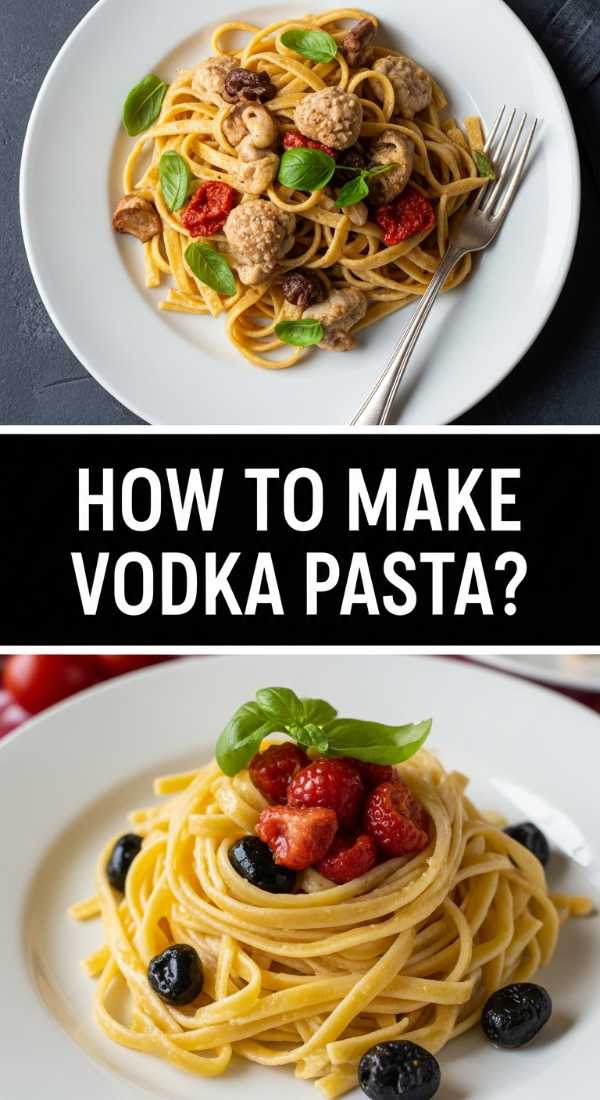
How to make vodka pasta?
Why we love this
Vodka pasta is the epitome of a ‘viral’ dish for a reason—its stunning sunset-orange hue is as beautiful as it is delicious. The vodka serves a specific purpose, cutting through the richness of the heavy cream and enhancing the acidity of the tomato paste to create a complex, multi-layered flavor. The result is a sauce that is incredibly smooth, slightly spicy, and deeply savory. It feels sophisticated and modern, making it the perfect centerpiece for a trendy food board.
Ingredients
- 1 lb Penne or Rigatoni
- 2 tbsp Butter
- 1 Small shallot, finely minced
- 2 cloves Garlic, minced
- 1/2 cup Tomato paste
- 2 tbsp Vodka
- 1 cup Heavy cream
- 1/2 tsp Red pepper flakes
- 1/2 cup Parmesan cheese
How to make it
- Cook your pasta in salted boiling water according to package instructions until al dente. Reserve 1/2 cup of pasta water.
- In a large skillet over medium heat, melt the butter. Add the minced shallots and cook for 3-4 minutes until translucent and soft. Add the garlic and cook for another minute.
- Add the tomato paste to the pan. This is the most important step: cook the paste for about 5 minutes, stirring constantly, until it turns from a bright red to a deep, dark brick color. This caramelization develops the flavor.
- Pour in the vodka to deglaze the pan. Use a wooden spoon to scrape up all the browned bits from the bottom. Let the vodka simmer for 2 minutes until the sharp alcohol scent dissipates.
- Lower the heat and stir in the heavy cream and red pepper flakes. Whisk until the sauce is a uniform, creamy orange color and begins to simmer.
- Add the cooked pasta and the Parmesan cheese to the skillet. Toss thoroughly, adding a splash of pasta water if the sauce becomes too thick. The sauce should be glossy and stick to the ridges of the pasta.
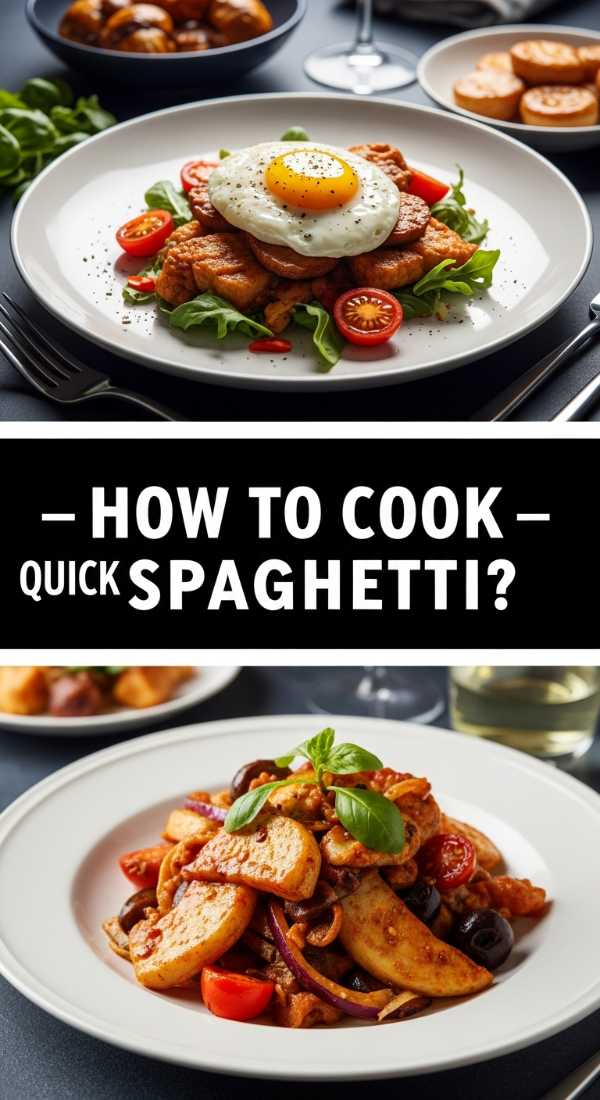
How to cook quick spaghetti?
Why we love this
Sometimes the most profound culinary experiences come from the fewest ingredients. This quick spaghetti recipe is inspired by the famous Marcella Hazan method—focusing on the pure, bright essence of tomatoes and the silky richness of butter. It is light, refreshing, and deceptively complex. The aroma of fresh basil leaves wilting into a warm tomato sauce is the smell of a perfect summer afternoon, and the clean flavors make it an ideal base for a minimalist board.
Ingredients
- 1 lb Spaghetti
- 28 oz Can of crushed tomatoes (preferably San Marzano)
- 5 tbsp Unsalted butter
- 1 Medium onion, peeled and cut in half
- 1/2 tsp Salt
- Fresh basil leaves
How to make it
- In a medium saucepan, combine the crushed tomatoes, the butter, and the onion halves. Add a pinch of salt.
- Place the pan over medium heat and bring to a very slow, steady simmer. Cook uncovered for about 45 minutes, stirring occasionally. Use a spoon to mash any large pieces of tomato against the side of the pan.
- While the sauce simmers, cook the spaghetti in a large pot of salted water until al dente.
- Once the sauce has thickened and the fat from the butter has separated slightly from the tomatoes, remove and discard the onion halves. This onion has infused the sauce with a subtle sweetness without the texture of chopped bits.
- Toss the cooked spaghetti with the sauce. Adjust salt to taste.
- Serve with a generous handful of torn fresh basil leaves on top for a burst of herbal freshness.
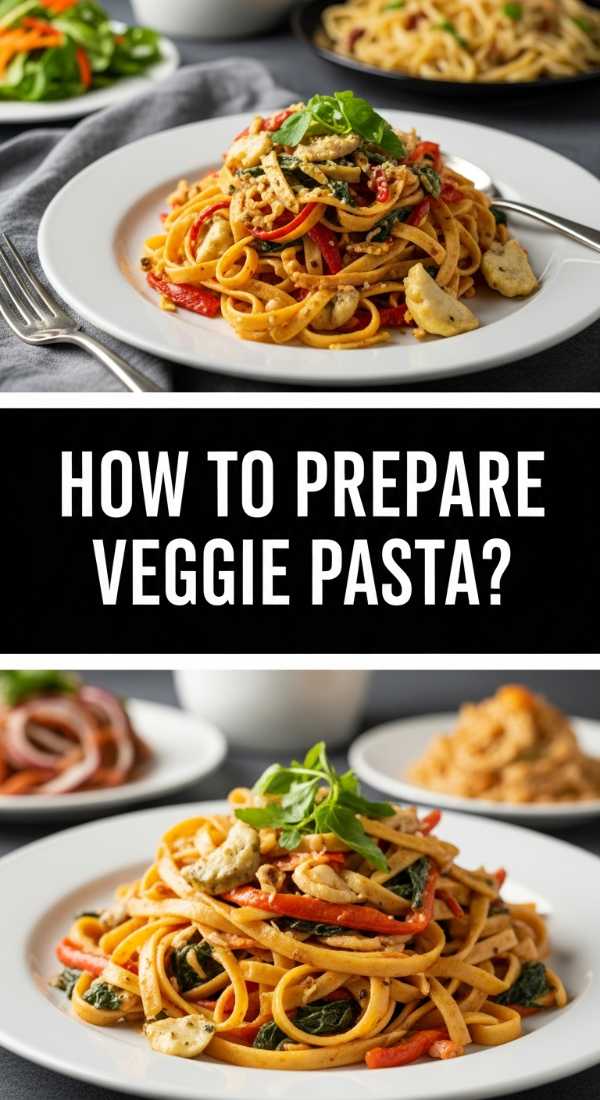
How to prepare veggie pasta?
Why we love this
This veggie pasta is a celebration of the garden, bringing a vibrant pop of color and a variety of ‘snappy’ textures to your food board. We love how the sweetness of roasted cherry tomatoes interacts with the earthy depth of sautéed zucchini and bell peppers. It’s a lighter option that doesn’t sacrifice flavor, utilizing a light garlic and white wine base to tie the vegetables to the pasta. It feels healthy, fresh, and looks absolutely stunning when arranged with all its rainbow-colored components.
Ingredients
- 1 lb Fusilli or Farfalle
- 1 Zucchini, diced
- 1 Red bell pepper, thinly sliced
- 1 cup Cherry tomatoes, halved
- 2 cups Fresh baby spinach
- 3 cloves Garlic, minced
- 1/4 cup Extra virgin olive oil
- 1/4 cup Dry white wine (like Pinot Grigio)
- Zest of 1 lemon
How to make it
- Bring a pot of salted water to a boil and cook the pasta until al dente. Drain and set aside.
- In a large skillet, heat 2 tablespoons of olive oil over medium-high heat. Add the zucchini and bell peppers. Sauté for 5-6 minutes until they have slight golden edges but still retain a bit of a ‘snap.’
- Add the cherry tomatoes and garlic to the pan. Cook for another 3 minutes until the tomatoes begin to soften and release their juices.
- Pour in the white wine to deglaze the pan, stirring to incorporate all the vegetable flavors. Let it simmer for 2 minutes to reduce the liquid by half.
- Add the baby spinach and the cooked pasta to the skillet. Toss gently until the spinach is just wilted from the residual heat.
- Drizzle with the remaining olive oil and sprinkle the lemon zest over the top for a bright, citrusy finish. Season with salt and black pepper before serving.
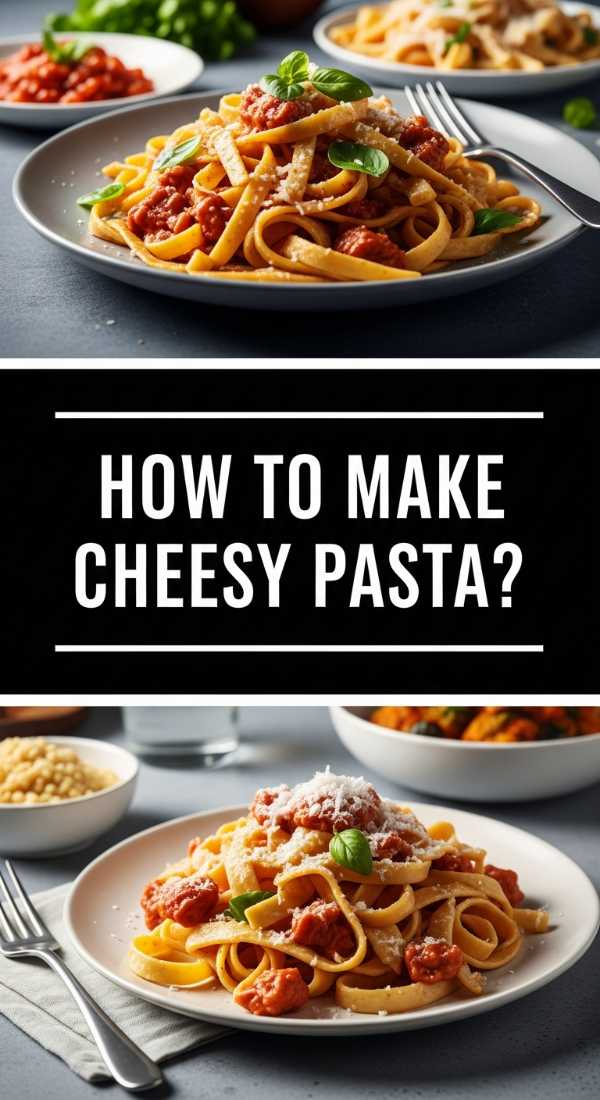
How to make cheesy pasta?
Why we love this
Think of this as the sophisticated, grown-up cousin of mac and cheese. By using a blend of sharp, aged white cheddar and nutty Gruyère, we elevate a childhood favorite into a gourmet experience. The texture is key here; we want a thick, stringy cheese pull that makes for incredible photos and even better eating. The aroma of toasted breadcrumbs and melted cheese creates an atmosphere of pure indulgence that is impossible to resist when shared on a communal board.
Ingredients
- 1 lb Cavatappi or Cellentani pasta
- 4 tbsp Butter
- 1/4 cup All-purpose flour
- 3 cups Whole milk, warmed
- 2 cups Sharp white cheddar, shredded
- 1 cup Gruyère cheese, shredded
- 1/2 tsp Dry mustard powder
- 1/2 cup Panko breadcrumbs
- 2 tbsp Melted butter (for topping)
How to make it
- Preheat your oven to 400°F (200°C). Cook the pasta in salted water for about 3 minutes less than the package directions. It needs to be very firm.
- In a large saucepan, melt 4 tablespoons of butter over medium heat. Whisk in the flour and cook for 1-2 minutes to create a roux. Do not let it brown; it should stay a pale sandy color.
- Slowly pour in the warm milk, whisking constantly to prevent lumps. Continue to cook and whisk until the sauce thickens enough to coat the back of a spoon (about 5-7 minutes).
- Turn the heat to low. Stir in the mustard powder, followed by the shredded cheddar and Gruyère. Stir until the cheese is completely melted and the sauce is smooth.
- Combine the cooked pasta with the cheese sauce. Transfer to a baking dish or an oven-safe skillet.
- In a small bowl, mix the panko breadcrumbs with 2 tablespoons of melted butter. Sprinkle evenly over the pasta.
- Bake for 15 minutes, then broil for 2 minutes until the top is golden and crunchy.
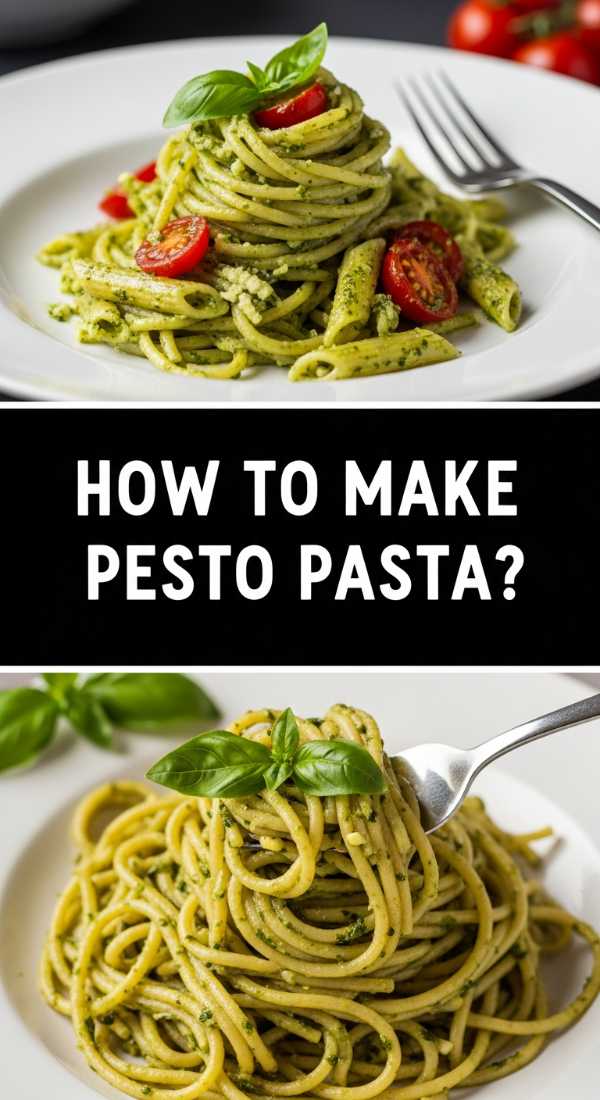
How to make pesto pasta?
Why we love this
Pesto pasta is a sensory explosion. The moment the heat of the pasta hits the fresh basil and garlic, the kitchen is filled with a bright, herbaceous scent that is instantly energizing. We love the contrast between the creamy, nutty pine nuts and the salty bite of Pecorino Romano. This dish is all about preserving the integrity of the herbs; the result is a vibrant green sauce that looks like liquid gold and tastes like a fresh Italian garden. It is the perfect ‘clean’ addition to a minimalist board.
Ingredients
- 1 lb Trofie or Penne pasta
- 2 cups Fresh basil leaves, packed
- 1/3 cup Pine nuts, lightly toasted
- 2 cloves Garlic
- 1/2 cup Extra virgin olive oil
- 1/2 cup Grated Parmesan or Pecorino Romano
- Salt to taste
How to make it
- Cook the pasta in salted water until al dente. Reserve 1/4 cup of pasta water and drain the rest.
- In a food processor or blender, combine the basil, toasted pine nuts, and garlic. Pulse until coarsely chopped.
- With the motor running on low, slowly drizzle in the olive oil until a smooth paste forms.
- Transfer the mixture to a large bowl and stir in the grated cheese by hand. This preserves the texture of the cheese. Season with a pinch of salt.
- Important: Do not cook the pesto in a pan. The high heat will turn the basil brown. Instead, add the warm pasta directly to the bowl with the pesto.
- Toss well, adding a teaspoon of pasta water at a time if you need to loosen the sauce. The residual heat of the pasta is enough to warm the pesto while keeping its bright green color and fresh flavor intact.
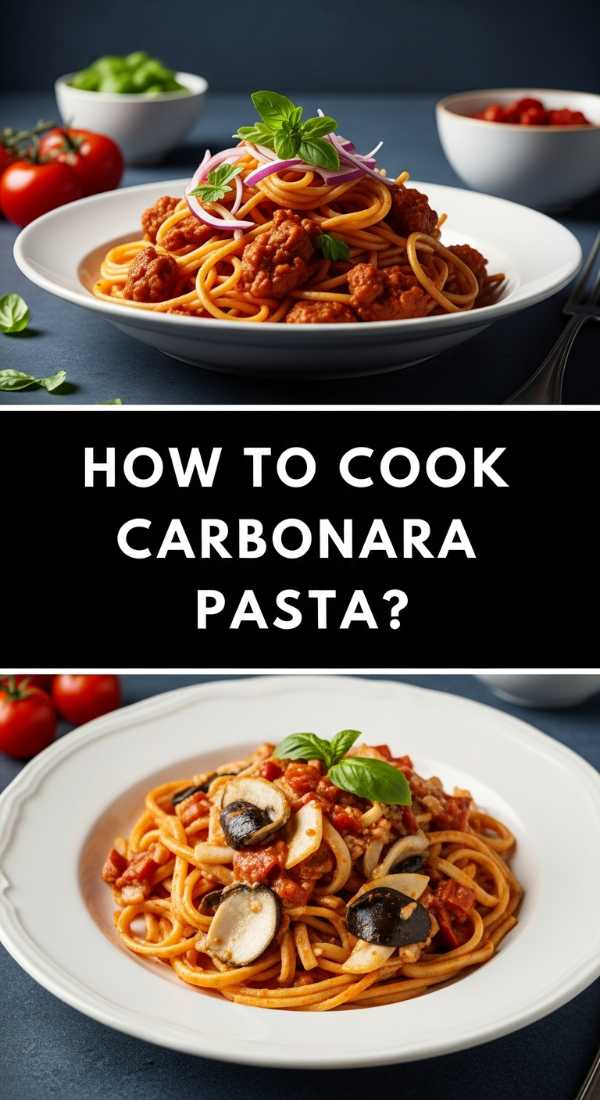
How to cook carbonara pasta?
Why we love this
Carbonara is a masterclass in technique. There is no cream here—just the magical emulsion of eggs, cheese, and pasta water. We love the interplay between the crispy, salty guanciale and the glossy, peppery sauce that coats every strand of spaghetti. It is a rich, savory, and deeply satisfying dish that feels like the ultimate chef-level achievement. When done right, the sauce is perfectly smooth and yellow, providing a beautiful visual anchor for your food board.
Ingredients
- 1 lb Spaghetti
- 5 oz Guanciale or thick-cut Pancetta, diced
- 4 Large eggs (at room temperature)
- 1 cup Freshly grated Pecorino Romano
- 2 tsp Coarsely ground black pepper
- Salt (for the pasta water)
How to make it
- In a small bowl, whisk together the eggs and the Pecorino Romano until they form a thick paste. Stir in the black pepper.
- Cook the spaghetti in a large pot of salted water. Tip: Use less water than usual to ensure the water is extra starchy. Reserve 1 cup of this water before draining.
- While the pasta cooks, add the diced guanciale to a large skillet over medium heat. Cook until the fat has rendered and the pork is crispy and golden (about 8-10 minutes).
- Turn off the heat on the skillet. This is the critical ‘no-scramble’ step. Let the pan cool for a minute.
- Add the hot, drained pasta to the skillet with the guanciale and its rendered fat. Toss to coat.
- Slowly pour the egg and cheese mixture over the pasta while tossing rapidly with tongs. The residual heat of the pasta will cook the eggs into a creamy sauce without curdling them.
- Add a few tablespoons of the reserved pasta water to reach a glossy, pourable consistency. Serve immediately with extra pepper.
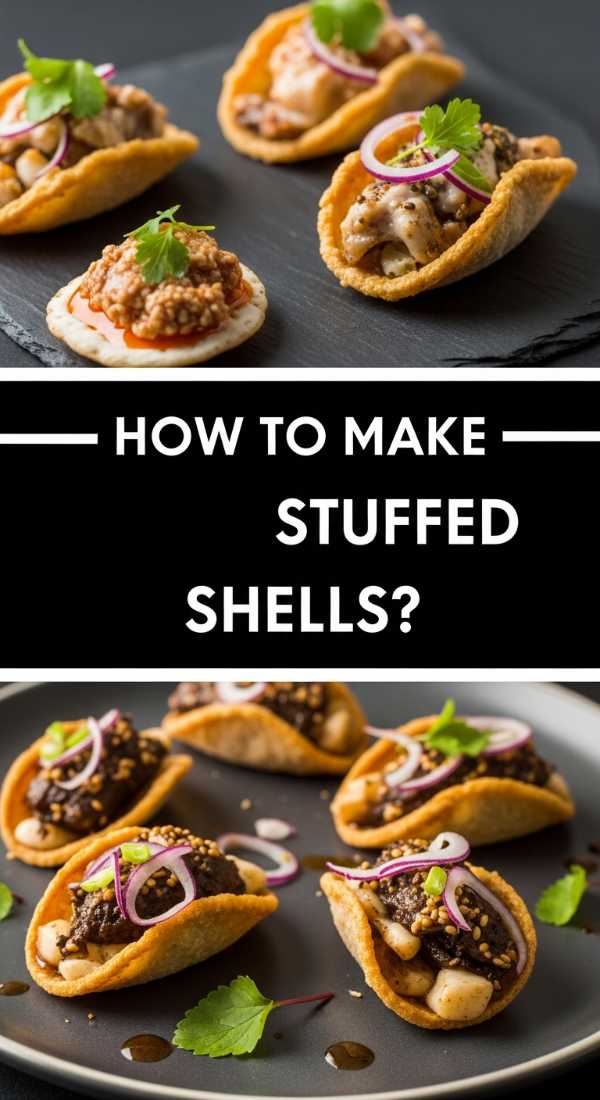
How to make stuffed shells?
Why we love this
Stuffed shells are essentially edible art. They provide a beautiful, structured element to a pasta board that strands of spaghetti simply can’t. Each shell is a perfect little vessel for a creamy, herb-flecked ricotta filling, nestled in a pool of rich marinara. We love the way the edges of the shells get slightly crispy in the oven while the centers stay soft and pillow-like. It’s a nostalgic dish that feels elevated and intentional, making it a fantastic ‘finger food’ style pasta for guests to grab.
Ingredients
- 1 box Jumbo pasta shells
- 15 oz Ricotta cheese
- 1 cup Frozen spinach, thawed and squeezed dry
- 1 Large egg
- 1 1/2 cups Mozzarella cheese, shredded
- 1/2 cup Parmesan cheese, grated
- 2 cups Marinara sauce
- 1 tsp Garlic powder
- Fresh parsley
How to make it
- Preheat oven to 375°F (190°C). Cook the jumbo shells in boiling salted water for 1-2 minutes less than the package instructions. They must be pliable but firm enough to hold their shape. Drain and rinse with cold water to stop the cooking and prevent sticking.
- In a medium bowl, combine the ricotta, the squeezed-dry spinach, the egg, the garlic powder, half of the mozzarella, and half of the Parmesan. Mix until uniform.
- Spread 1 cup of marinara sauce on the bottom of a large baking dish.
- Using a spoon or a piping bag, fill each cooked shell with a generous amount of the ricotta mixture. Place the shells open-side up in the baking dish, nestling them close together.
- Top with the remaining marinara sauce and the rest of the mozzarella and Parmesan.
- Cover the dish with foil (this steams the shells to keep them tender). Bake for 20 minutes.
- Remove the foil and bake for an additional 10-15 minutes until the cheese is bubbly and starting to brown. Garnish with fresh parsley before serving.
The Art of the Final Board
Once you’ve mastered these individual dishes, the real fun begins: assembly. I recommend picking 3-4 of these varieties and arranging them in distinct ‘zones’ on a large butcher block or wooden board. Intersperse the pasta sections with bowls of extra Parmesan, small piles of fresh basil, and some crusty toasted sourdough. The result is a vibrant, textured, and incredibly inviting display that encourages everyone to dig in and share. Remember, the goal of a minimalist board is not perfection—it’s about the warmth of the food and the company you keep.
Frequently Asked Questions
Q: How do I keep the pasta from sticking on the board?
A: The key is a light drizzle of olive oil or a splash of the pasta’s sauce immediately before plating. You also want to serve the board as soon as the pasta is ready to ensure the sauces stay creamy and emulsified.
Q: Can I make these recipes ahead of time?
A: Baked dishes like the Ziti and Stuffed Shells are perfect for prepping ahead and baking right before guests arrive. For the oil-based or creamy pastas like Carbonara or Aglio e Olio, they are best made fresh in the moment.
Q: What kind of board should I use?
A: Look for a food-safe, large wooden cutting board or a specific ‘charcuterie’ style platter. Just ensure it has enough surface area to keep the different sauces from running into each other too much.