
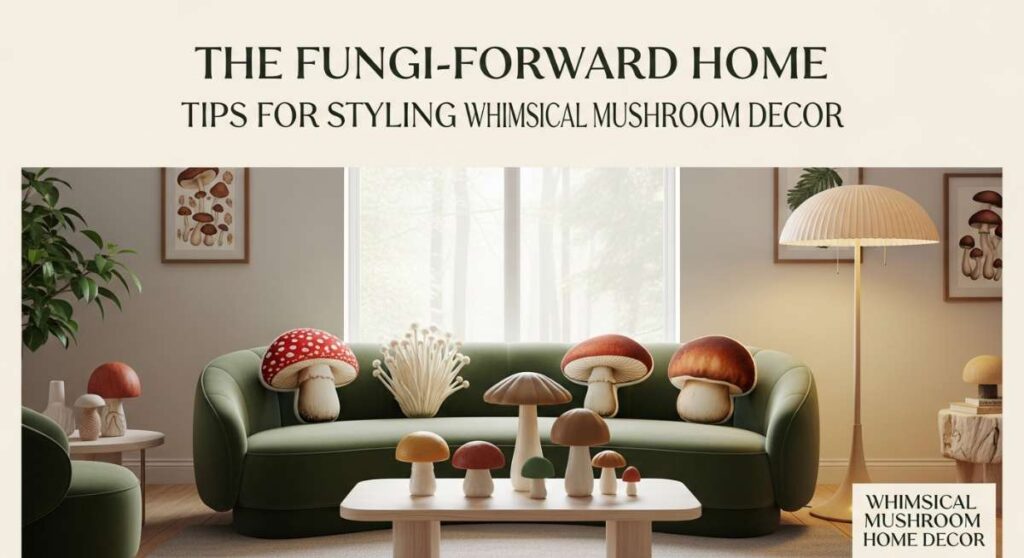
There is something inherently magical about the forest floor, a hidden world where moss cushions the earth and tiny, colorful mushrooms sprout like whispers from another realm. Lately, I’ve found myself captivated by the ‘fungi-forward’ movement, a design trend that bridges the gap between childhood wonder and sophisticated interior design. It’s not just about adding a few trinkets; it’s about inviting the organic, whimsical shapes of nature into our most personal spaces to create a home that feels like a living fairytale.
Bringing mushroom decor into your home is an invitation to play with texture, light, and form. Whether you are a fan of the earthy ‘goblincore’ aesthetic or the soft, romantic ‘cottagecore’ vibe, mushrooms offer a versatile motif that can be tailored to any style. From glowing bedside lamps to intricate terrariums, these fungal accents serve as a reminder to slow down, breathe in the scent of damp earth and fresh air, and find joy in the smallest details of our surroundings.
How to Style Enchanted Mushroom Decor for a Productive Workspace
Why we love this
A workspace shouldn’t just be functional; it should be an ecosystem of inspiration that keeps your creative juices flowing throughout the long afternoon hours. Incorporating mushroom elements into your desk setup introduces a sense of grounding organic energy, breaking up the sterile lines of technology with soft, rounded silhouettes. Imagine the tactile delight of a felted toadstool resting near your keyboard, its earthy wool texture offering a momentary sensory escape while you brainstorm your next big project.
Essential Elements:
- Miniature ceramic mushroom figurines
- A moss-textured desk mat
- Felted wool mushrooms in earthy tones
- Small potted ferns to mimic the forest floor
- Mushroom-shaped paperclips or stationery
How to make it
- Clear your entire workspace to start with a blank canvas, ensuring you remove any unnecessary clutter that disrupts the visual flow.
- Position your primary green element, such as a small fern, near a natural light source to provide a living backdrop for your fungal accents.
- Place a variety of ceramic mushrooms at different heights—use small wooden blocks or stacked books to create levels, which draws the eye across the desk in a rhythmic way.
- Tuck small felted mushrooms into the base of your potted plants to create a ‘found in nature’ look that feels accidental and charming.
- Limit your color palette to three main tones (like sage green, terracotta, and cream) to ensure the whimsy stays professional and doesn’t become overwhelming.
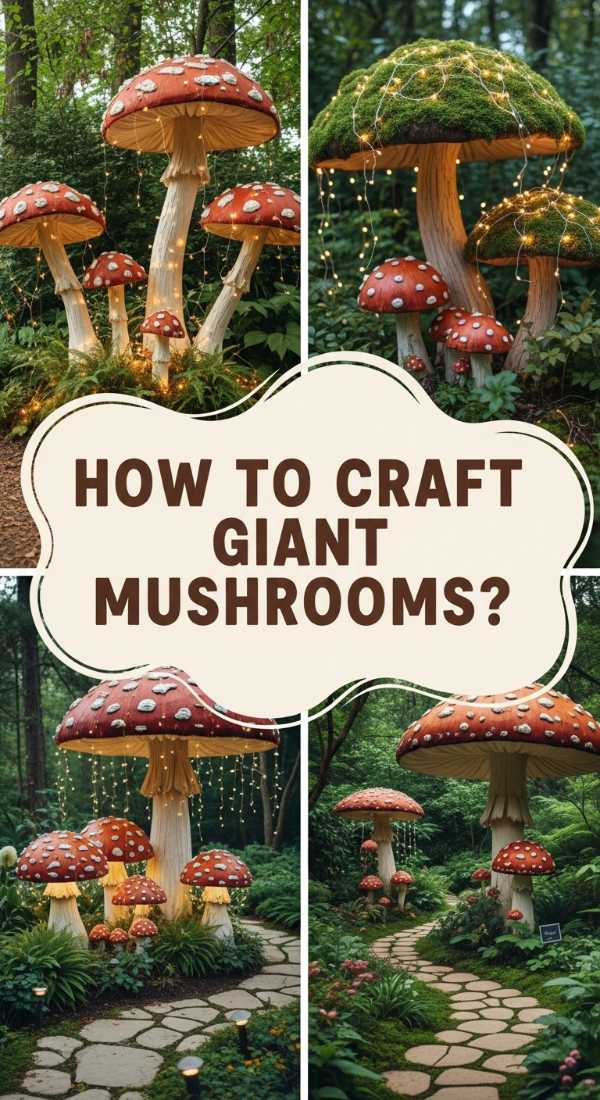
How to Craft Giant Mushrooms for Magical Garden Vibes
Why we love this
Stepping into a garden filled with oversized, handcrafted mushrooms feels like falling down the rabbit hole into Wonderland. These giant sculptures catch the golden hour light beautifully, casting long, playful shadows across the lawn while providing a sturdy, weather-resistant pop of color. The sight of a bright red cap with white spots peeking out from behind a rose bush adds an element of surprise and delight that transforms a standard backyard into a mystical sanctuary for both kids and adults.
Essential Elements:
- Large plastic or wooden bowls (for the caps)
- PVC piping or thick wooden logs (for the stems)
- Outdoor-grade acrylic paint and sealant
- Quick-set concrete or heavy-duty mounting adhesive
- Solar-powered fairy lights
How to make it
- Select your bowls and stems; ensure the bowl is wide enough to provide a dramatic overhang over the stem for a realistic silhouette.
- Sand the surface of your bowl caps thoroughly to ensure the paint adheres perfectly, then apply a base coat of vibrant outdoor acrylic paint.
- Once dry, use a circular sponge or a stencil to add classic white ‘warts’ to the cap, varying the sizes for a more organic, natural appearance.
- Secure the cap to the stem using a high-strength construction adhesive, holding it in place until the bond is firm and wobble-free.
- Dig a shallow hole in your garden bed, place the stem inside, and backfill with soil or gravel to ensure the giant mushroom remains upright during wind or rain.
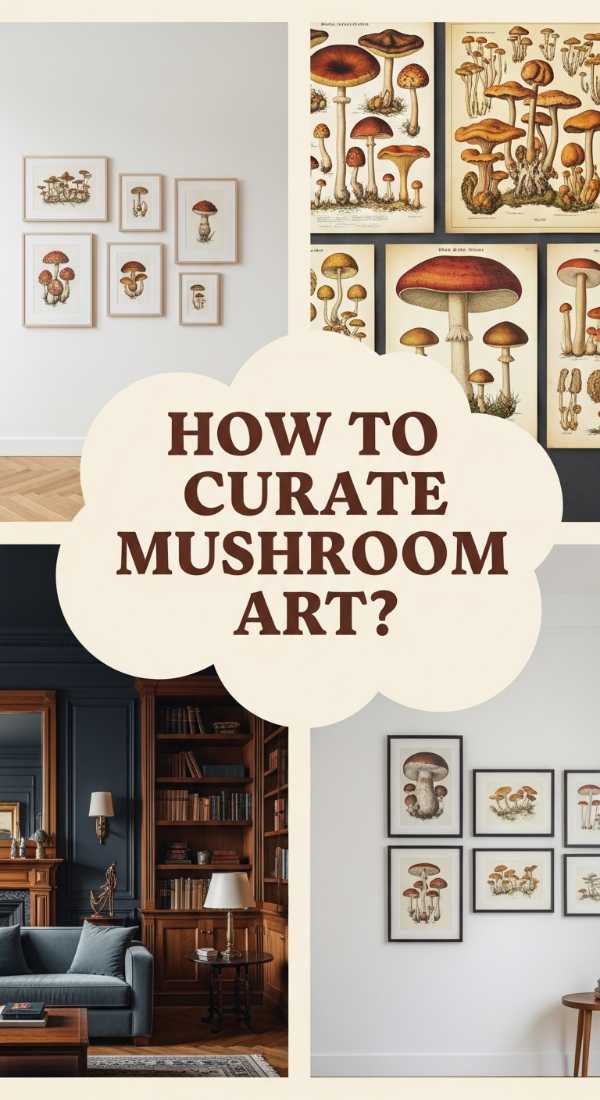
How to Curate Mushroom Art for Whimsical Gallery Walls
Why we love this
Mushroom art allows you to celebrate the scientific beauty and the artistic grace of fungi through vintage botanical illustrations and modern abstract prints. A well-curated gallery wall featuring various species—from the elegant Chanterelle to the iconic Fly Agaric—creates a sophisticated focal point that sparks conversation and curiosity. The blend of aged paper textures, intricate ink lines, and muted watercolors brings an air of an old-world naturalist’s study into a contemporary living room.
Essential Elements:
- Vintage botanical mushroom prints
- Thrifted ornate wooden frames
- Dried and pressed mushroom specimens (shadow boxed)
- Linen-textured matting for frames
- Small brass picture lights
How to make it
- Gather a collection of prints in varying sizes, ensuring a mix of detailed scientific diagrams and more artistic, colorful depictions.
- Lay all your framed pieces on the floor in front of your intended wall to map out the spacing, keeping about 2-3 inches between each frame for a cohesive look.
- Incorporate a ‘hero’ piece in the center—a larger, more colorful print—and build the smaller, monochrome sketches around it to create balance.
- Use Command strips or picture hooks to hang the pieces, starting from the center and working your way outward to maintain symmetry.
- Add a shadow box with a real preserved mushroom to introduce a 3D element that breaks the flatness of the wall and adds tangible depth.
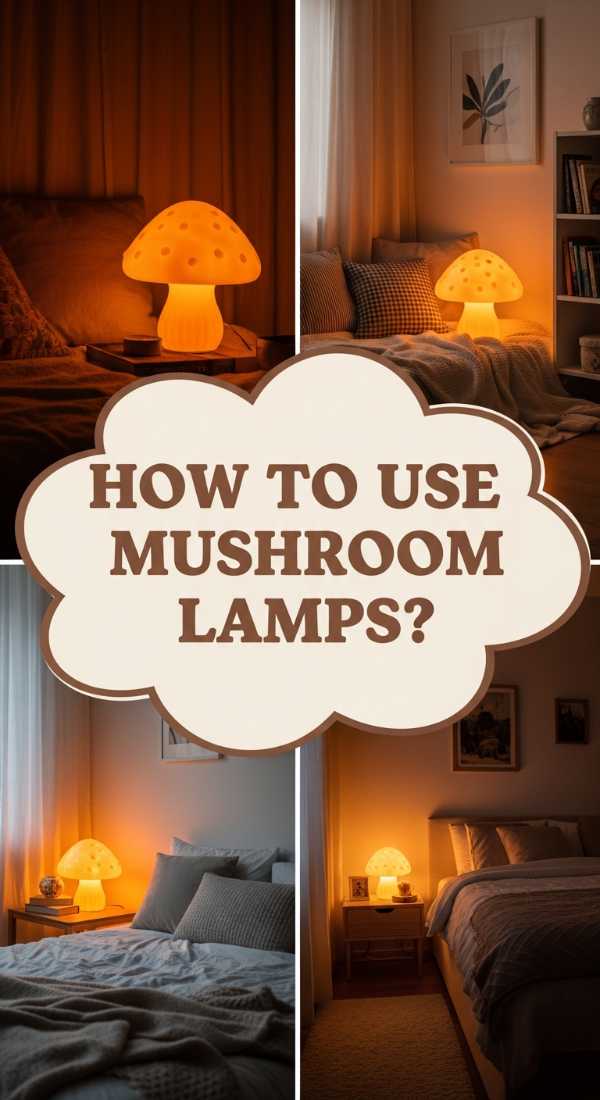
How to Use Mushroom Lamps for Warm Ambient Lighting
Why we love this
Mushroom lamps are the ultimate ‘mood’ lighting, casting a soft, diffuse glow that mimics the way light filters through a forest canopy. Their iconic domed shapes hide the bulb from direct view, preventing harsh glare and instead bathing the room in a warm, amber hue that is perfect for winding down at night. There is something deeply comforting about the smooth glass or sleek metal of a mushroom lamp glowing on a side table while you curl up with a hot cup of tea.
Essential Elements:
- Glass ‘Murano style’ mushroom lamps
- Warm-toned LED smart bulbs (2700K or lower)
- Dimmable light switches or plugs
- Minimalist marble or wooden side tables
- Cable management clips to hide cords
How to make it
- Choose a lamp with a frosted or colored glass shade to ensure the light is evenly distributed and soft on the eyes.
- Install a warm-toned LED bulb; avoid ‘daylight’ or cool blue bulbs, as they clash with the cozy, organic aesthetic of the mushroom shape.
- Place the lamp in a corner or near a reflective surface like a mirror to amplify the warm glow without increasing the brightness.
- Layer the lighting by using the mushroom lamp as a secondary source, paired with soft overhead lights or candles for a multi-dimensional ambiance.
- Use a smart plug to schedule the lamp to turn on at sunset, creating an automatic transition into a relaxing evening environment.
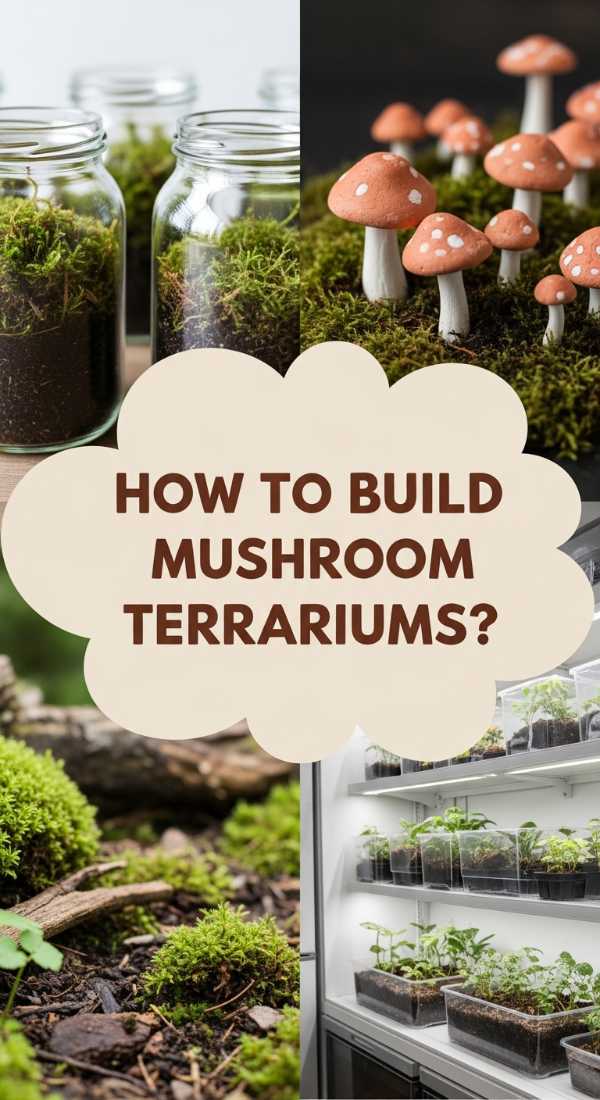
How to Build Mushroom Terrariums for Indoor Nature Beauty
Why we love this
A mushroom terrarium is like holding a tiny piece of the ancient forest floor in the palm of your hand, a self-sustaining world of green and brown. The condensation on the glass and the smell of fresh, damp earth when you open the lid provide a direct connection to nature that is often missing in urban living. Watching the moss thrive alongside delicate wooden or resin mushroom accents offers a meditative experience that brings a sense of peace and vitality to any shelf.
Essential Elements:
- Large glass apothecary jars or fishbowls
- Activated charcoal and pea gravel (for drainage)
- High-quality potting soil mixed with orchid bark
- Live sheet moss and mood moss
- Small resin or glass mushroom miniatures
How to make it
- Start with a one-inch layer of pea gravel at the bottom of your glass container to provide essential drainage for the plants.
- Add a thin layer of activated charcoal over the gravel to filter the water and prevent the growth of mold or unpleasant odors within the enclosed space.
- Pour in two to three inches of soil, sloping it slightly to create a miniature ‘hill’ that adds visual interest and depth to the landscape.
- Press your live moss firmly into the soil, misting it lightly with distilled water to help it settle and begin its growth cycle.
- Nestle your miniature mushrooms into the moss ‘valleys,’ choosing different colors to create a focal point within the tiny green world.
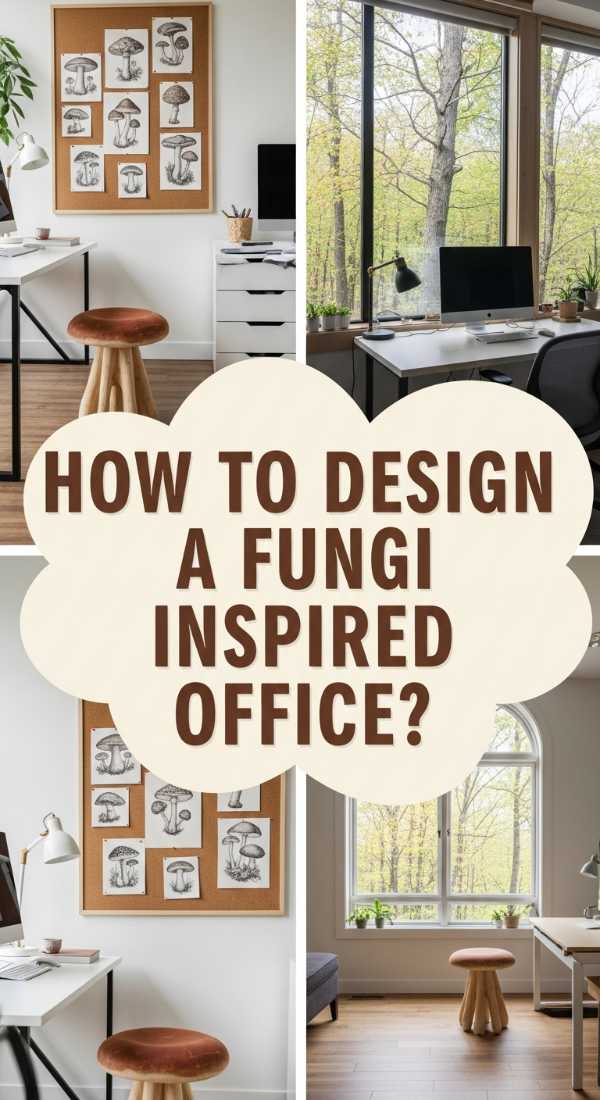
How to Design a Fungi Inspired Home Office for Creative Flow
Why we love this
A fungi-inspired office moves beyond simple decor and into a full-room concept that prioritizes creative flow through biophilic design. By using deep forest greens, mycelium-inspired patterns, and rounded furniture, the room becomes a cocoon of concentration and growth. The subtle repetition of mushroom shapes—in the curves of a chair or the pattern of a rug—creates a rhythmic environment that feels both grounded and incredibly imaginative.
Essential Elements:
- Deep forest green or sage wall paint
- Area rug with a subtle mycelium or botanical pattern
- Curved, ergonomic desk and seating
- Mushroom-shaped bookends
- Floating wooden shelves for plant displays
How to make it
- Paint the walls in a rich, matte green to set a calm, forest-like tone that reduces eye strain and promotes deep focus.
- Lay down a plush rug that features organic, flowing lines to soften the acoustics of the room and provide underfoot comfort.
- Organize your library using mushroom bookends, grouping books by spine color to maintain a clean yet whimsical aesthetic.
- Install floating shelves at varying heights to mimic the way bracket fungi grow on tree trunks, using them to hold trailing ivy or small art pieces.
- Incorporate a ‘scent profile’ for the room using an essential oil diffuser with notes of cedarwood, patchouli, and pine to complete the sensory forest experience.
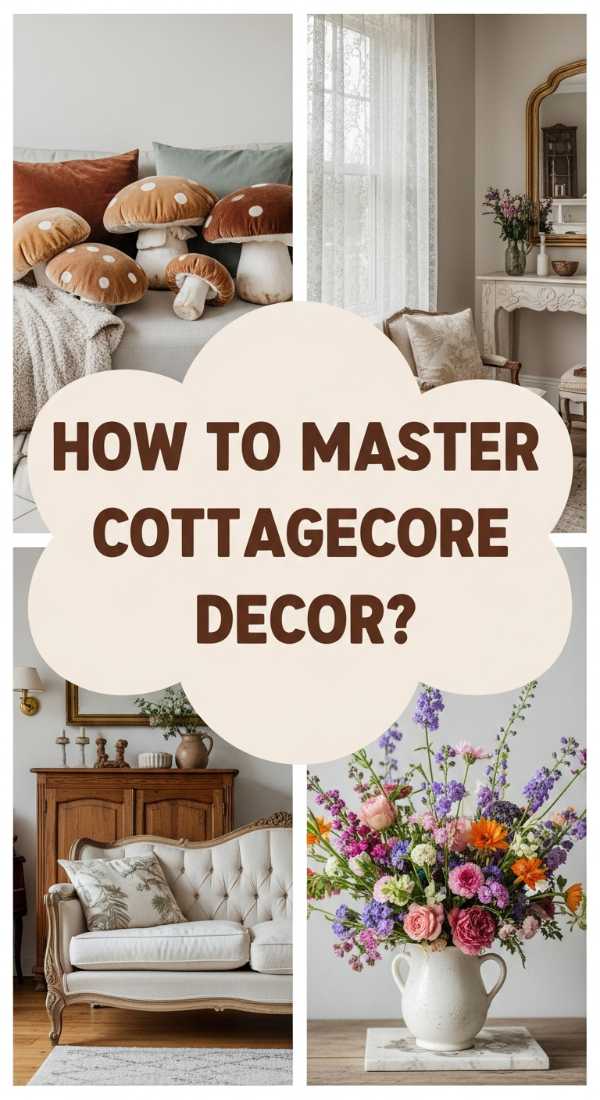
How to Master Cottagecore Mushroom Decor for a Dreamy Living Room
Why we love this
The living room is the heart of the home, and cottagecore mushroom decor turns it into a dreamy retreat where time seems to stand still. Soft textiles, embroidered fungal motifs, and the gentle presence of wooden accents create a space that feels lived-in, loved, and legendary. It’s the feeling of a cozy cabin in the woods, where every cushion and throw blanket invites you to sink in and forget the frantic pace of the outside world.
Essential Elements:
- Embroidered mushroom throw pillows
- Chunky knit or crochet blankets
- Live-edge wooden coffee tables
- Dried flower arrangements with stalks of dried fungi
- Scented candles with woodland or ‘earth’ notes
How to make it
- Layer your sofa with pillows of different textures—mix velvet, linen, and wool, ensuring at least two feature detailed mushroom embroidery.
- Drape a handmade crochet blanket over the arm of a chair to introduce a ‘homemade’ feel that is central to the cottagecore aesthetic.
- Center your room around a live-edge wooden table to bring in raw, unrefined forest textures that pair perfectly with fungal themes.
- Create a centerpiece using a vintage wooden tray, a few pillar candles, and a scattering of dried moss and decorative wooden mushrooms.
- Switch your curtains to a light-filtering cream linen that allows soft, dappled light to enter the room, mimicking sunlight through trees.
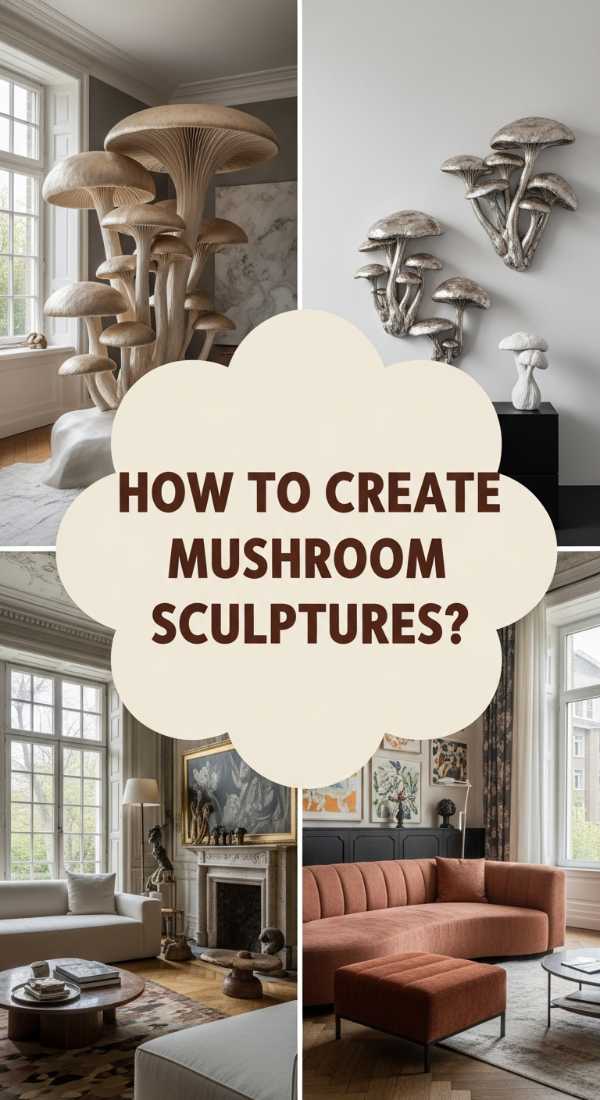
How to Create Giant Mushroom Sculptures for Statement Room Accents
Why we love this
Statement pieces define a room, and a giant indoor mushroom sculpture is a bold way to express a love for the fantastical. These pieces act as functional art, often serving as whimsical stools or side tables that break the monotony of standard furniture. The smooth, oversized curves of a large-scale mushroom provide a soft visual relief in rooms with many hard angles, making the entire space feel more approachable and artistic.
Essential Elements:
- High-density foam or wooden bases
- Plaster cloth or papier-mâché for shaping
- Sandpaper (fine and medium grit)
- Matte or gloss finish paints
- Weighted base for stability
How to make it
- Begin by constructing a sturdy internal frame using wood or heavy PVC to ensure the sculpture can support its own weight.
- Apply layers of plaster cloth over a foam-carved cap to create a smooth, paintable surface, allowing 24 hours for each layer to fully cure.
- Once hardened, sand the surface until it is buttery smooth, paying extra attention to the rim of the mushroom cap where shadows naturally fall.
- Paint the stem in a cream or off-white matte finish, adding subtle vertical ‘gills’ under the cap with a fine-tipped brush and light grey paint.
- Seal the entire piece with a non-yellowing clear coat to protect the paint and give it a professional, gallery-quality finish.
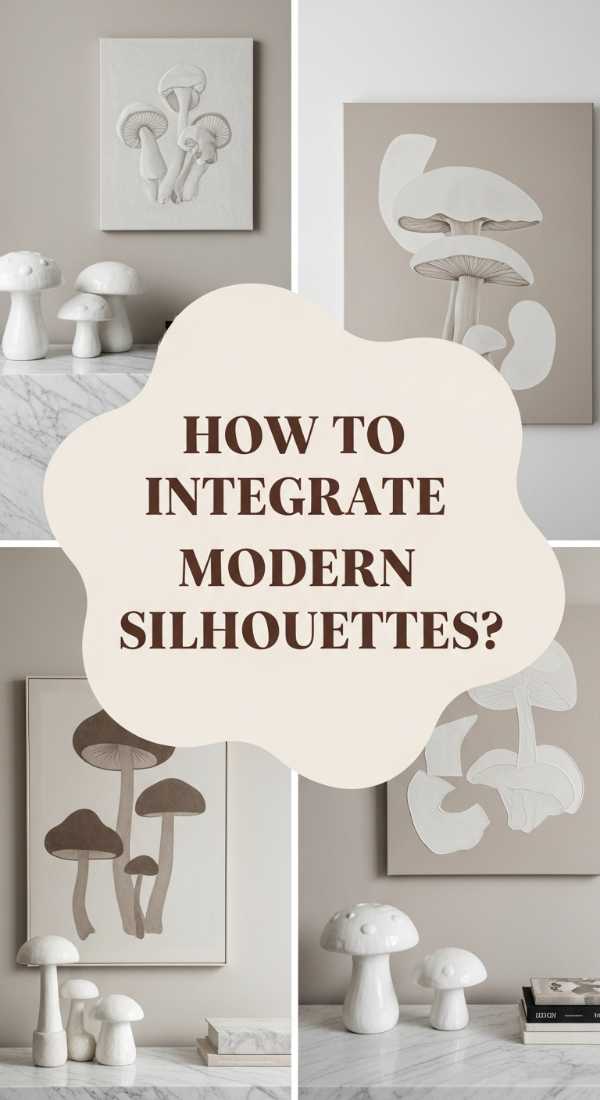
How to Integrate Modern Mushroom Silhouettes for Sophisticated Style
Why we love this
For those who prefer a more minimalist approach, modern mushroom silhouettes offer a way to embrace the trend with sleek, sophisticated restraint. These pieces strip away the bright colors and literal details, focusing instead on the iconic ‘stem and cap’ geometry in materials like brushed brass, matte ceramic, or smoked glass. It’s a way to acknowledge the whimsy of nature while maintaining a polished, contemporary interior that feels curated and intentional.
Essential Elements:
- Monochromatic ceramic vases in mushroom shapes
- Metal lamps with wide, flat ‘cap’ shades
- Abstract mushroom-inspired sculptures
- Neutral color palette (black, white, taupe, gold)
- Geometric shelving units
How to make it
- Select pieces that emphasize form over color; look for items where the ‘mushroom’ shape is an abstract suggestion rather than a literal copy.
- Group three monochromatic ceramic mushrooms of different sizes together on a mantle or console table to create a sophisticated ‘family’ unit.
- Use a single, oversized metal mushroom lamp as the sole decorative object on a desk to create a minimalist statement that doesn’t feel cluttered.
- Pair these modern shapes with other geometric decor, like spheres or cubes, to integrate the organic mushroom form into a structured layout.
- Keep the surrounding area clear of busy patterns, allowing the silhouette of the mushroom decor to stand out as a clean, architectural element.
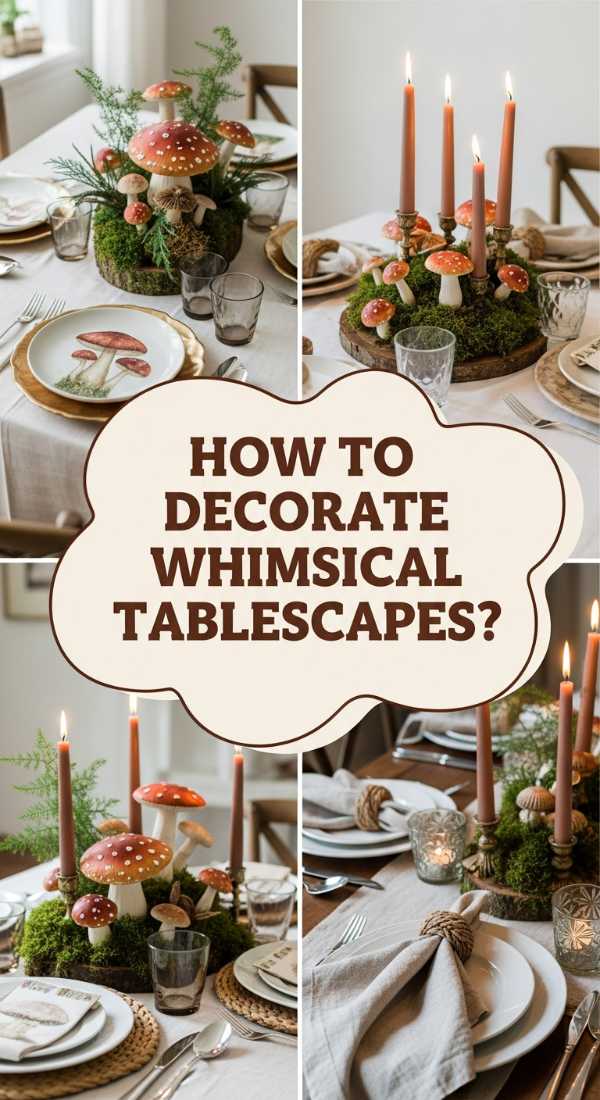
How to Decorate Mushroom Themed Tablescapes for Whimsical Dinner Parties
[IMAGE_10]
Why we love this
Dining is an experience, and a mushroom-themed tablescape transports your guests to an enchanted forest banquet. The combination of earthy linens, wooden chargers, and tiny fungal accents creates an intimate, magical atmosphere that makes even a simple meal feel like a special occasion. It encourages guests to lean in, explore the details of the table, and lose themselves in the whimsical world you’ve meticulously built for the evening.
Essential Elements:
- Linen tablecloth in a mossy green or deep brown
- Wooden chargers or placemats
- Mushroom-shaped salt and pepper shakers
- Cloth napkins with mushroom rings or embroidery
- Centerpiece featuring moss, candles, and ceramic fungi
How to make it
- Lay down your base linen, ensuring it has a slight wrinkle for a more natural, organic look rather than a stiff, formal appearance.
- Construct a ‘runner’ down the center of the table using preserved reindeer moss and tucking in various ceramic and wooden mushrooms throughout.
- Place wooden chargers at each setting to provide a solid, earthy base for your plates, which should ideally be in a neutral or cream color.
- Fold your napkins simply and secure them with a mushroom-shaped ring or a small sprig of dried greenery for a personalized touch.
- Add height to the table by using tapered candles in mismatched brass holders, allowing the flickering light to play off the ‘forest floor’ centerpiece.
Conclusion: Embracing the Magic of the Mycelium
Integrating mushroom decor into your home is more than just following a trend; it is about cultivating a space that honors the enchanting, quiet beauty of the natural world. Whether through a single glowing lamp or a full-scale garden sculpture, these whimsical accents remind us that there is magic to be found in the corners of the forest and the rooms of our homes. By playing with these styling tips, you can transform your living space into a sanctuary of growth, wonder, and fungi-forward style.
FAQ
Q: Is mushroom decor only for certain seasons?
A: Not at all! While often associated with autumn, mushroom decor works year-round. In spring and summer, focus on bright colors and live moss; in winter, opt for wooden, metallic, and cozy felted textures.
Q: How do I keep my mushroom decor from looking too ‘childish’?
A: The key is in the materials. Choose sophisticated finishes like matte ceramics, smoked glass, brass, or high-quality wood. Keeping a controlled color palette also helps maintain a more mature, curated look.
Q: Where is the best place to find unique mushroom pieces?
A: Thrifting is a goldmine for vintage botanical prints and unique ceramics. For modern pieces, look to boutique home decor stores, and for one-of-a-kind handmade items, sites like Etsy are invaluable.