
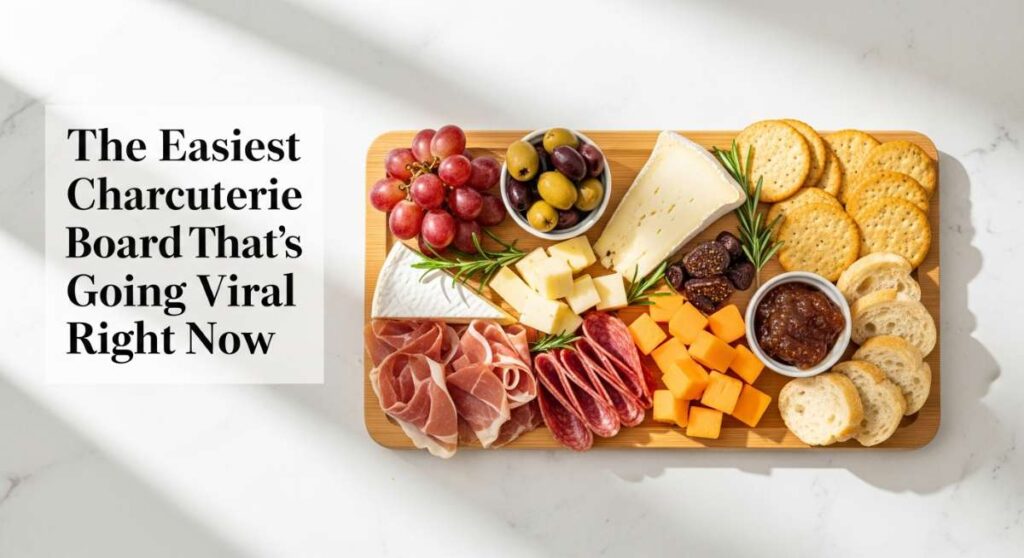
There is something almost magical about the way a perfectly curated food board brings people together. Whether it’s a slow Sunday afternoon with family or a bustling Friday night with friends, the visual feast of colors, textures, and aromas creates an instant atmosphere of warmth and hospitality. I remember the first time I set out a viral-style board; the room fell silent for a second before everyone started reaching for their favorite bites, and that’s when I knew I had found the ultimate hosting secret.
Today, I am sharing the components of the easiest charcuterie board that is taking the internet by storm. This isn’t just about cheese and crackers; it’s about incorporating seasonal favorites, from savory grilled proteins to sweet, homemade treats. We are diving into ten distinct elements that will make your board the talk of the town, ensuring every guest finds something they absolutely adore.
How to bake spring cookies?

Why we love this
These cookies are the embodiment of a sunny afternoon, offering a delicate balance of buttery richness and a light, floral sweetness that dances on the tongue. The texture is perfectly soft with just a hint of crispness at the edges, and the aroma of fresh lemon zest and vanilla bean fills the kitchen like a warm embrace. When you bite into one, it feels like a celebration of the changing seasons, making them a whimsical and necessary addition to any festive dessert platter or afternoon tea spread.
Ingredients
- 2 1/2 cups all-purpose flour
- 1 cup unsalted butter, softened
- 1 cup granulated sugar
- 1 large egg
- 1 tsp vanilla extract
- Zest of one lemon
- 1/2 tsp baking powder
- 1/4 tsp salt
- Edible dried flowers for decoration
How to make it
- Begin by creaming the softened butter and granulated sugar in a large bowl using a stand mixer or hand mixer on medium-high speed for about 3-5 minutes until the mixture is pale and fluffy.
- Add the egg, vanilla extract, and lemon zest, continuing to beat until fully incorporated, ensuring you scrape down the sides of the bowl to catch all the citrus oils.
- In a separate medium bowl, whisk together the flour, baking powder, and salt to ensure even distribution of the leavening agent.
- Gradually add the dry ingredients to the wet mixture on low speed, mixing only until just combined; overmixing will lead to a tough cookie.
- Wrap the dough in plastic wrap and chill in the refrigerator for at least 1 hour; this prevents spreading and deepens the flavor profile.
- Preheat your oven to 350°F (175°C) and line a baking sheet with parchment paper.
- Roll the dough to 1/4 inch thickness on a floured surface and use circular cutters to shape your cookies.
- Press edible flowers gently into the surface of each cookie before baking for 10-12 minutes, or until the edges are just barely golden but the centers remain soft.
- Let the cookies cool on the baking sheet for 5 minutes before transferring to a wire rack to cool completely.
How to use sourdough discard?

Why we love this
Using sourdough discard is a beautiful way to embrace sustainable cooking while adding a sophisticated, tangy depth to your baked goods that commercial yeast simply cannot replicate. These crackers are incredibly thin and shatteringly crisp, providing a rustic, artisan feel to your board that complements sharp cheeses and creamy dips perfectly. The earthy aroma of toasted grains combined with a hint of sea salt makes them an addictive snack that guests will be asking for by the handful.
Ingredients
- 1 cup sourdough discard (unfed)
- 1/2 cup all-purpose flour
- 1/2 cup whole wheat flour
- 2 tbsp olive oil
- 1 tsp sea salt
- 1 tsp dried herbs (rosemary or thyme)
- Maldon sea salt for topping
How to make it
- In a medium mixing bowl, combine the sourdough discard, olive oil, and dried herbs, stirring until the oil is mostly incorporated into the starter.
- Add both the all-purpose and whole wheat flour along with the sea salt, kneading the mixture gently by hand until a smooth, slightly tacky dough forms.
- Divide the dough into two equal portions and wrap them in parchment paper, allowing them to rest at room temperature for about 30 minutes to relax the gluten.
- Preheat your oven to 350°F (175°C) and place a large piece of parchment paper on your work surface.
- Place one dough ball on the parchment and roll it out as thin as humanly possible—it should be almost translucent for the best crunch.
- Lightly brush the surface with a tiny bit more olive oil and sprinkle generously with Maldon sea salt.
- Using a pizza cutter or a sharp knife, score the dough into small rectangles or diamonds, but do not separate them yet.
- Slide the parchment onto a baking sheet and bake for 15-20 minutes, watching closely; they go from golden to burnt very quickly.
- Once browned and crisp, remove from the oven and let them cool completely on the pan, where they will continue to crisp up as they reach room temperature.
How to make strawberry cake?
Why we love this
This strawberry cake is a vibrant, show-stopping centerpiece that brings a burst of natural sweetness and a stunning pink hue to your food board. Each bite is incredibly moist and tender, packed with the concentrated flavor of sun-ripened berries that have been reduced into a luscious puree. The aroma is purely nostalgic, reminiscent of summer garden parties and fresh-picked fruit, offering a light and airy texture that provides a refreshing contrast to the heavier savory elements on the platter.
Ingredients
- 1 1/2 cups fresh strawberries, pureed and reduced
- 2 1/4 cups cake flour
- 1 1/2 cups granulated sugar
- 3/4 cup unsalted butter, softened
- 3 large eggs
- 1/2 cup whole milk
- 1 tsp vanilla extract
- 2 tsp baking powder
- 1/2 tsp salt
How to make it
- Start by preparing your strawberry reduction: simmer the strawberry puree in a small saucepan over medium-low heat for about 15-20 minutes until it has thickened and reduced to roughly 1/2 cup of concentrated liquid.
- Set the reduction aside to cool completely; using hot puree will ruin the cake’s structure.
- Preheat your oven to 350°F (175°C) and grease and flour two 8-inch cake pans or one large rectangular pan for board-style slicing.
- Cream the butter and sugar in a large bowl for 5 minutes until the mixture looks like whipped clouds.
- Add the eggs one at a time, beating well after each addition to ensure proper aeration.
- Sift together the cake flour, baking powder, and salt in a separate bowl.
- Begin adding the dry ingredients to the creamed mixture in three parts, alternating with the milk and the cooled strawberry reduction, starting and ending with the flour.
- Fold the batter gently with a spatula at the very end to ensure no pockets of flour remain without overworking the gluten.
- Pour the batter into the prepared pans and bake for 25-30 minutes, or until a wooden skewer inserted into the center comes out clean with just a few moist crumbs.
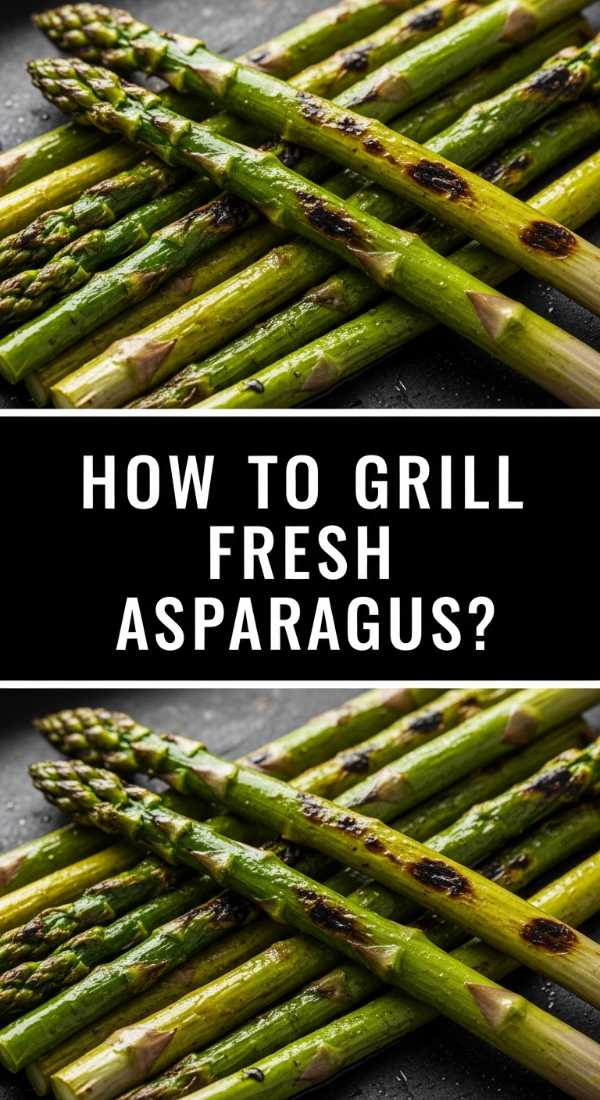
How to grill fresh asparagus?

Why we love this
Grilling asparagus transforms a simple spring vegetable into a charred, smoky delicacy that adds an essential vertical element and a pop of bright green to your board. The high heat of the grill caramelizes the natural sugars in the stalks, creating a tender-crisp texture that is satisfyingly crunchy at the tips and succulent in the middle. Infused with the scent of woodsmoke and a finishing touch of lemon juice, it serves as the perfect palate cleanser between bites of rich cheese and cured meats.
Ingredients
- 1 lb fresh asparagus, woody ends trimmed
- 2 tbsp extra virgin olive oil
- 1/2 tsp kosher salt
- 1/4 tsp cracked black pepper
- 1/2 tsp garlic powder
- Lemon wedges for serving
How to make it
- Begin by washing the asparagus and patting it completely dry; any moisture on the surface will cause the vegetable to steam rather than sear.
- Trim the tough, woody ends by snapping one naturally to find the break point, then cutting the rest of the bunch to match that length.
- In a large bowl or a flat tray, toss the asparagus with olive oil, salt, pepper, and garlic powder until every stalk is evenly coated.
- Preheat your grill to medium-high heat (about 400°F). Ensure the grates are clean and lightly oiled to prevent sticking.
- Place the asparagus stalks perpendicular to the grill grates so they don’t fall through.
- Grill for 3-5 minutes, using tongs to roll the stalks occasionally so they develop beautiful char marks on all sides.
- The asparagus is done when it is bright green with blackened spots and slightly flexible but still has a firm “snap” when bitten.
- Remove from the grill and immediately squeeze fresh lemon juice over the top to brighten the flavors before arranging them neatly on your board.
How to cook summer pasta?

Why we love this
Summer pasta is all about simplicity and the radiance of fresh produce, making it a wonderful room-temperature addition to a large gathering board. The texture of al dente noodles tossed in a light, silken sauce of olive oil and herb essence is incredibly satisfying and light enough for warm weather enjoyment. The aroma of fresh basil and garlic wafting from the bowl creates an irresistible pull, inviting guests to scoop up a small portion as a hearty yet refreshing side dish.
Ingredients
- 12 oz short pasta (gemelli, fusilli, or orecchiette)
- 1/4 cup extra virgin olive oil
- 2 cloves garlic, thinly sliced
- 1 cup cherry tomatoes, halved
- 1/2 cup fresh basil leaves, torn
- 1/4 cup grated Parmesan cheese
- Red pepper flakes (optional)
How to make it
- Bring a large pot of heavily salted water to a rolling boil; the water should taste like the sea to properly season the pasta from the inside out.
- Cook the pasta according to the package directions, but aim for “al dente” (firm to the bite), usually 1-2 minutes less than the full cooking time.
- While the pasta cooks, heat the olive oil in a wide skillet over medium-low heat and add the garlic slices, cooking them slowly until they are fragrant and golden but not brown.
- Add the halved cherry tomatoes to the oil and cook for 3-4 minutes until they just begin to soften and release their juices.
- Before draining the pasta, reserve 1/2 cup of the starchy pasta water.
- Drain the pasta and add it directly into the skillet with the tomatoes and garlic.
- Toss the pasta over medium heat, adding the reserved pasta water a tablespoon at a time to create a light, glossy emulsion that coats the noodles.
- Remove from heat, fold in the fresh basil and Parmesan cheese, and let it sit for a few minutes so the flavors meld before serving at room temperature.
How to make spring soup?

Why we love this
A chilled spring soup, served in small glass shooters, adds a level of elegance and a cooling sensation that is perfectly suited for a viral lifestyle board. The silky, velvet-like texture of a pureed pea or asparagus soup is incredibly luxurious on the palate, offering a concentrated burst of garden-fresh flavor in every sip. The vibrant, emerald-green color provides a stunning visual contrast to the neutral tones of breads and cheeses, making the entire spread look like a professional catering display.
Ingredients
- 2 cups frozen or fresh peas
- 1 large leek, white and light green parts only, cleaned and chopped
- 3 cups vegetable broth
- 1 tbsp butter
- 1/4 cup fresh mint leaves
- 2 tbsp heavy cream or Greek yogurt for garnish
- Salt and white pepper to taste
How to make it
- In a medium pot, melt the butter over medium heat and add the chopped leeks, sautéing them for 5-7 minutes until they are soft and translucent but have no color.
- Pour in the vegetable broth and bring the mixture to a gentle boil.
- Add the peas and cook for only 3-5 minutes until they are tender; cooking them too long will cause them to lose their bright green color.
- Remove the pot from the heat and stir in the fresh mint leaves, which provide a cooling, aromatic finish.
- Using an immersion blender, or transferring in batches to a high-speed stand blender, puree the soup until it is absolutely smooth and aerated.
- Season with salt and white pepper, then pass the soup through a fine-mesh sieve if you want a truly professional, grit-free texture.
- Chill the soup in the refrigerator for at least 2 hours.
- Serve in small glasses or espresso cups, topped with a tiny swirl of cream and a single mint leaf for a beautiful presentation.
How to mix summer drinks?

Why we love this
Summer drinks are the heartbeat of any social gathering, providing an effervescent and icy reprieve from the heat while serving as a beautiful decorative element. The sound of ice clinking against glass and the fizz of sparkling water creates an atmosphere of relaxation and joy. Whether it’s a citrus-infused spritzer or a berry-laden mocktail, the bright, clean flavors and the botanical aromas of rosemary or mint make these beverages feel like a spa treatment in a glass.
Ingredients
- 1 cup fresh berries (raspberries or strawberries)
- 2 tbsp honey or agave syrup
- 1/4 cup fresh lime juice
- 1 liter sparkling mineral water or club soda
- Fresh mint sprigs and cucumber slices for garnish
- Ice cubes (floral ice cubes for extra flair)
How to make it
- Create a fruit base by muddling the fresh berries with the honey and lime juice in the bottom of a large pitcher until the fruit is completely broken down.
- If you prefer a clear drink, strain this mixture through a sieve into a clean pitcher to remove seeds and pulp.
- Fill the pitcher or individual glasses three-quarters of the way with ice.
- Slowly pour the sparkling water over the ice and fruit base, stirring very gently with a long spoon to combine without losing the carbonation.
- For a professional touch, use a vegetable peeler to create long ribbons of cucumber and press them against the inside of the glasses before adding the ice.
- Garnish each glass with a slapped mint sprig (slapping the mint between your hands releases the essential oils) and a few extra whole berries.
- Serve immediately while the fizz is at its peak for the most refreshing experience.
How to make summer salads?

Why we love this
A well-crafted summer salad is a masterclass in balance, combining crunchy greens, creamy textures, and a zesty dressing that awakens the taste buds. We love how the ingredients can be arranged in small clusters on the board, allowing guests to customize their own bites of peppery arugula, sweet stone fruits, and salty feta. The fragrance of white balsamic and honey dressing tied together with the earthiness of toasted nuts creates a sensory experience that is both wholesome and incredibly sophisticated.
Ingredients
- 4 cups baby arugula or spinach
- 1 peach or nectarine, thinly sliced
- 1/4 cup crumbled feta or goat cheese
- 1/4 cup toasted pecans or walnuts
- 3 tbsp extra virgin olive oil
- 1 tbsp white balsamic vinegar
- 1 tsp honey
- Pinch of flaky sea salt
How to make it
- In a small jar, combine the olive oil, white balsamic vinegar, honey, and a pinch of salt; shake vigorously until the dressing is emulsified and creamy.
- Wash and thoroughly dry your greens using a salad spinner; wet leaves will prevent the dressing from adhering and make the salad soggy.
- Place the greens in a large bowl and drizzle with only half of the dressing, tossing gently with your hands to ensure every leaf is lightly coated but not weighed down.
- To assemble on the board, lay the dressed greens down as a bed, then artfully arrange the peach slices in a fan pattern on top.
- Sprinkle the crumbled cheese and toasted nuts over the surface to ensure every guest gets a bit of every texture.
- Finish with a final, very light drizzle of the remaining dressing and a sprinkle of flaky sea salt just before the board is served to maintain the crunch of the nuts and the turgor of the leaves.
How to grill chicken perfectly?

Why we love this
Perfectly grilled chicken is the protein anchor of a food board, offering a juicy, savory satisfaction that pairs beautifully with both sweet fruits and sharp cheeses. The exterior should have a gorgeous, caramelized crust with distinct grill marks that provide a deep, smoky flavor, while the interior remains incredibly tender and moist. The aroma of garlic, herbs, and seared poultry is universally enticing, signaling a meal that is both hearty and healthy.
Ingredients
- 1.5 lbs chicken breast or thighs, pounded to even thickness
- 1/4 cup olive oil
- 3 tbsp lemon juice
- 3 cloves garlic, minced
- 1 tbsp fresh oregano, chopped
- 1 tsp paprika
- Salt and black pepper
How to make it
- The secret to even cooking is consistency; pound your chicken pieces between two sheets of plastic wrap until they are an even 3/4-inch thickness.
- Whisk together the olive oil, lemon juice, garlic, oregano, and paprika in a bowl, then marinate the chicken for at least 30 minutes (but no more than 4 hours to avoid the acid “cooking” the meat).
- Preheat your grill to medium-high heat and oil the grates thoroughly.
- Place the chicken on the grill and leave it undisturbed for 5-6 minutes; this allows the crust to form so it releases easily from the grate.
- Flip the chicken and cook for another 5-7 minutes, or until an instant-read thermometer inserted into the thickest part reaches exactly 165°F (74°C).
- Crucially, transfer the chicken to a plate and tent it loosely with foil, letting it rest for at least 10 minutes; this allows the juices to redistribute so they don’t run out when you slice it.
- Slice the chicken into thin, diagonal strips and arrange them in a cascading pile on your board for easy grabbing.
How to make tea sandwiches?
[IMAGE_10]
Why we love this
Tea sandwiches bring a touch of classic charm and dainty precision to the modern charcuterie board, offering bite-sized portions that are easy to eat while mingling. We adore the contrast between the soft, crustless bread and the crisp, cool fillings like cucumber or herbed radish. The scent of fresh dill and cream cheese is light and appetizing, and the neat, geometric shapes of the sandwiches add a structured, organized beauty to the otherwise organic layout of the board.
Ingredients
- 1 loaf of thin-sliced white or whole wheat bread
- 1/2 cup cream cheese, softened
- 1/2 English cucumber, sliced paper-thin
- 1 tbsp fresh dill, finely chopped
- 1/2 tsp lemon zest
- Salt and white pepper
How to make it
- In a small bowl, mix the softened cream cheese with the chopped dill, lemon zest, and a pinch of white pepper until smooth and spreadable.
- Lay out the slices of bread and spread a thin, even layer of the cream cheese mixture onto every slice, right to the very edges.
- Place the paper-thin cucumber slices on half of the bread slices, overlapping them slightly like fish scales for a beautiful cross-section.
- Top with the remaining bread slices to create sandwiches.
- Using a very sharp serrated knife, carefully trim off all the crusts to create perfect squares.
- Cut each square into two triangles or three small rectangles (fingers), wiping the knife blade between every cut to ensure the edges stay clean and white.
- Keep the sandwiches covered with a slightly damp paper towel until the very moment you are ready to serve to prevent the bread from drying out.
The Final Touch: Putting It All Together
Building this board is about more than just placing items on a tray; it’s about creating a narrative of flavors and textures that invite exploration. Start with your larger items like the chicken and the strawberry cake, then fill in the gaps with the asparagus, crackers, and sandwiches. The beauty of this viral trend is its flexibility—there are no mistakes, only delicious discoveries. When you step back and see the vibrant colors and varied shapes you’ve assembled, you’ll realize you haven’t just made a meal; you’ve created a centerpiece for memories.